REVIEW · PARIS
Paris: Guided Louvre Museum Tour with Optional Entry Ticket
Book on GetYourGuide →Operated by My Super Tour · Bookable on GetYourGuide
The Louvre can feel like a maze. This guided highlight run makes it feel like a plan, with skip-the-line entry and a focused route through the museum’s most famous rooms. You’ll also get the backstory that turns masterpieces into something you actually remember.
I especially love two things: first, the early access so you’re not stuck in the slow-moving crowd; second, the way the guide ties paintings and sculpture together with real context, from the palace origins to what’s hidden in the galleries.
One consideration: 2 to 3 hours is great for the big hits, but it’s not enough to see everything in the Louvre—so you’ll want to use the included map afterward.
In This Review
- Key highlights at a glance
- Entering the Louvre fast: what the skip-the-line really buys you
- Finding your guide at the Louvre: Louis XIV and the My Super Tour sign
- The palace story (1190) that makes the Louvre click
- The masterpieces route: Mona Lisa, Wedding at Cana, and Greek sculpture
- Paintings that you’ll actually understand
- Sculpture that changes your perspective
- Hidden places in the Louvre: Napoleon-era battles and royal jewels
- Timeline and pacing: what 2–3 hours feels like on the ground
- After the tour: using the Apollo finish and the included map
- Optional Seine river cruise discount: Paris views with a different angle
- Price and value: is $128 per person a good deal?
- Who this tour suits best—and who may want another plan
- Practical tips to make the experience smoother
- Should you book this Louvre highlights tour with optional Seine cruise?
- FAQ
- How long is the Louvre guided tour?
- Where do I meet the guide?
- Is skip-the-line entry included?
- Do I need to buy a ticket separately?
- Where does the tour end?
- What language is the guide?
- Is the tour wheelchair accessible?
- What should I bring?
- Can I add the Seine cruise to my plan?
- What is the cancellation policy?
Key highlights at a glance
- Separate-entrance skip-the-line so your morning doesn’t evaporate in queues
- Guided route ends in the Apollo Gallery, then you can continue on your own
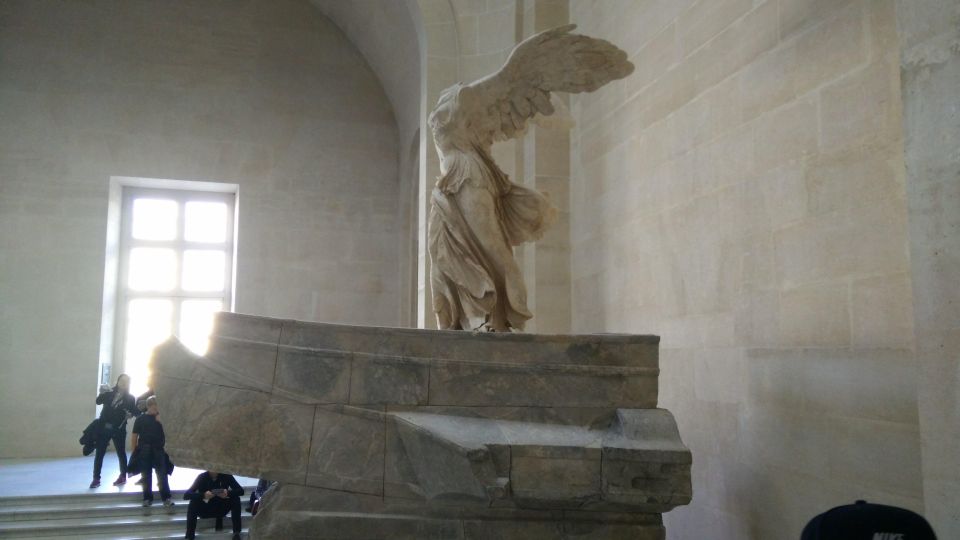
- Big names, explained clearly: Mona Lisa, The Wedding at Cana, Nike of Samothrace, Venus de Milo
- Standouts beyond the obvious like paintings tied to Napoleon and the French crown jewels collection
- Optional Seine cruise discount for a Paris viewpoint from the water
Entering the Louvre fast: what the skip-the-line really buys you
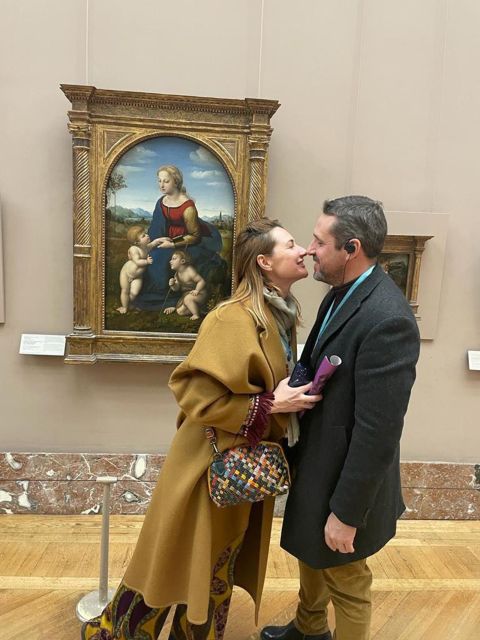
The Louvre is one of those places where time matters. Even if you’re excited, the long entrance lines can sap your energy before you’ve seen anything. This tour uses skip-the-line entry via a separate entrance, so you go in and get to the good stuff sooner.
That early start changes the whole vibe. You’re less rushed, you can actually hear the guide, and you’re more likely to enjoy the museum instead of playing time-management Tetris. The duration is 2–3 hours, which is a sweet spot for first-timers: long enough to hit the key works with context, short enough that you don’t feel like you’ve been trapped indoors all day.
The tour also works even if you already have your own entry ticket. You can join with your ticket, or pick the option to have tickets included in the tour price—either way, the goal stays the same: get you past the bottleneck.
You can also read our reviews of more tours and experiences in Paris



Finding your guide at the Louvre: Louis XIV and the My Super Tour sign
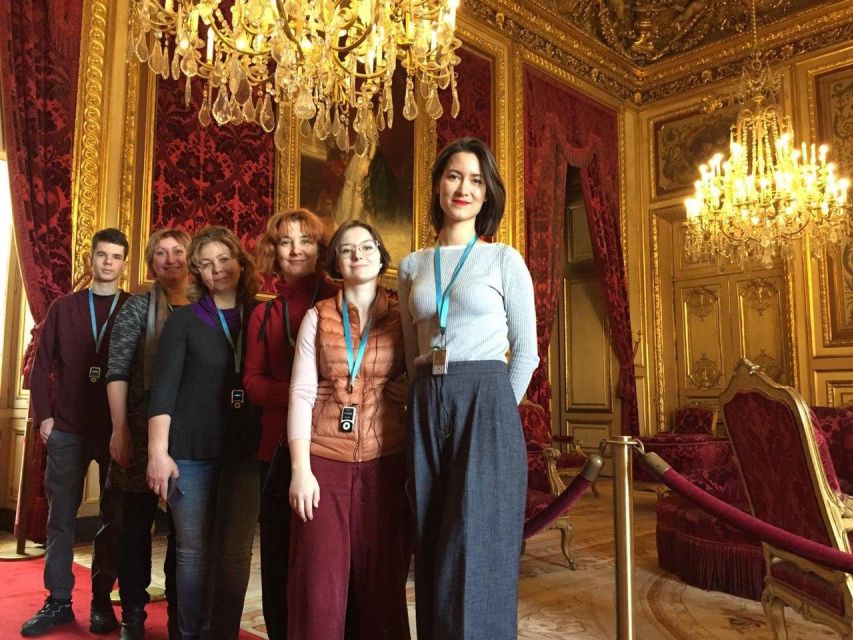
Meet-up matters at the Louvre, because there are a lot of entrances and a lot of people holding phones. Your guide meets you near the museum with a yellow sign reading My Super Tour under the statue of Louis XIV.
A small practical tip: if weather or crowds make it hard to spot a sign, plan to make yourself easy to match—an umbrella or a clearly visible item can help. When you’re standing in one of the busiest museum areas in Europe, that kind of “extra visibility” saves stress.
The tour is offered in English and Russian, and it’s a live guide with a small group size.
The palace story (1190) that makes the Louvre click
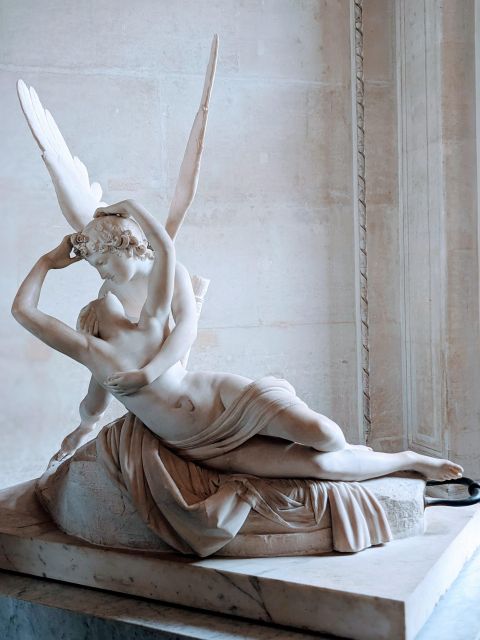
You’re not just walking through a building that happens to contain art. You’re stepping into a place that has changed roles for centuries. The tour frames the Louvre as a castle-like residence—originally built in 1190 as a palace for royalty—then transformed into the museum you know today.
This matters because it gives you a mental map. When the guide points out architectural history and how the collection evolved, you stop viewing the Louvre as random rooms. Instead, you start noticing how the building’s past shapes your experience: grand spaces feel more meaningful, and you understand why certain art themes and display choices feel so tied to power and culture.
Guides like Elizabeth (praised for energy and professionalism) and Ahmed (praised for a modern, humorous storytelling style) seem to hit the same goal: make the building’s history feel like part of the art, not a lecture you have to endure.
The masterpieces route: Mona Lisa, Wedding at Cana, and Greek sculpture

This tour is designed around the works that people come to Paris dreaming about. You’ll see Mona Lisa and The Wedding at Cana, plus you’ll get the kind of explanation that helps you look instead of just pose for photos.
Paintings that you’ll actually understand
The guide doesn’t just name the piece. You’ll get hidden meanings and story context—especially for the major paintings. That’s a big deal at the Louvre, where some visitors move fast and miss why a work is famous in the first place.
For The Wedding at Cana, for example, the explanation gives you something to track as you look: what’s happening, what the scene is signaling, and why the composition matters. By the time you reach Mona Lisa, you’re not staring at a legend with no tools. You’re seeing a painting with structure, expression, and symbolism you can talk about.
You can also read our reviews of more guided tours in Paris






Sculpture that changes your perspective
Then the tour pivots to classical sculpture—because the Louvre isn’t only paint. You’ll see the Nike of Samothrace, a masterpiece of Greek sculpture, and you’ll also get the chance to see the Venus of Milo.
Greek sculpture can feel “cold” if you only read a label. With a guide, you start noticing posture, motion, and how the sculptor created drama. Even if you’re not an art-history person, these pieces hit harder when someone explains what you’re looking for.
Hidden places in the Louvre: Napoleon-era battles and royal jewels
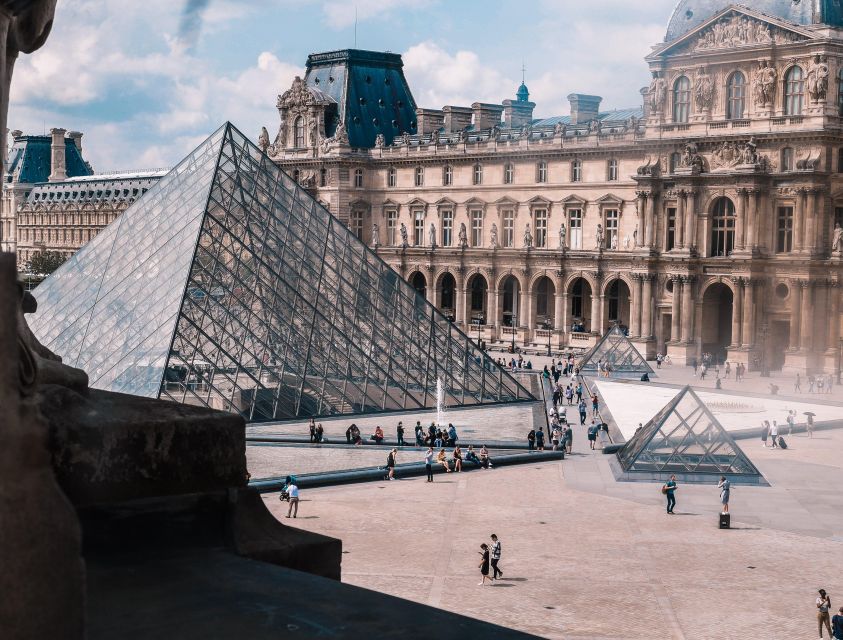
One reason this tour earns strong marks is that it doesn’t limit itself to the most photographed rooms. You’ll also discover lesser “headline” areas that still matter.
You’ll learn about paintings connected to wars led by Emperor Napoleon, plus you’ll see a collection of jewels of the French crown—symbols of royal power displayed like history you can point at.
You’ll also move through eras that broaden the museum beyond the usual crowd-pleasers, with mention of Renaissance as well as Etruscan artwork.
This mix is valuable. The Louvre can overwhelm you with its scale. The guide’s job here is to give you a guided sampling that feels coherent: art linked to power, myth, empire, and belief. When you later wander on your own, you’ll recognize more than you would have without that framework.
Timeline and pacing: what 2–3 hours feels like on the ground
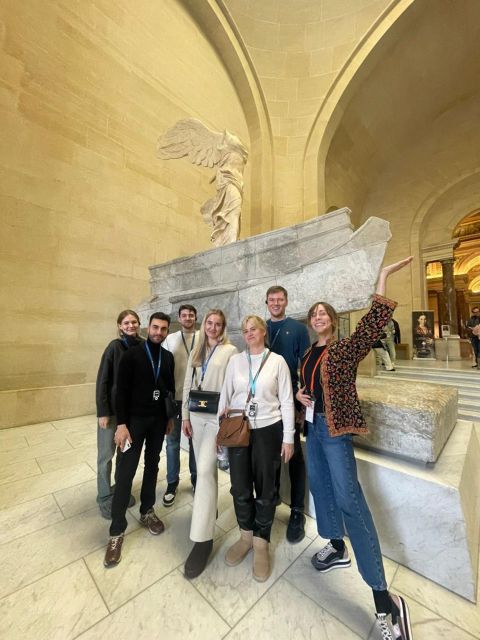
The duration is 2–3 hours, and the tour is paced around seeing major highlights without turning it into a marathon. The overall format is simple: meet the guide, enter with skip-the-line access, follow the route through highlights and a few “extra” finds, then finish at a strong anchor location.
A common win with this length is that you still have energy after. The guide ends the tour at the Apollo Gallery. That’s not just a convenient finish—it’s a meaningful stopping point. Apollo is a strong visual reference for the museum’s themes and a good place to reset your eyes before you continue.
After you finish, you can explore the rest of the museum on your own using the map of the Louvre that comes with the tour. That’s the practical part: you’re not locked into the guided route forever. You get a head start and then you choose what you chase next.
After the tour: using the Apollo finish and the included map
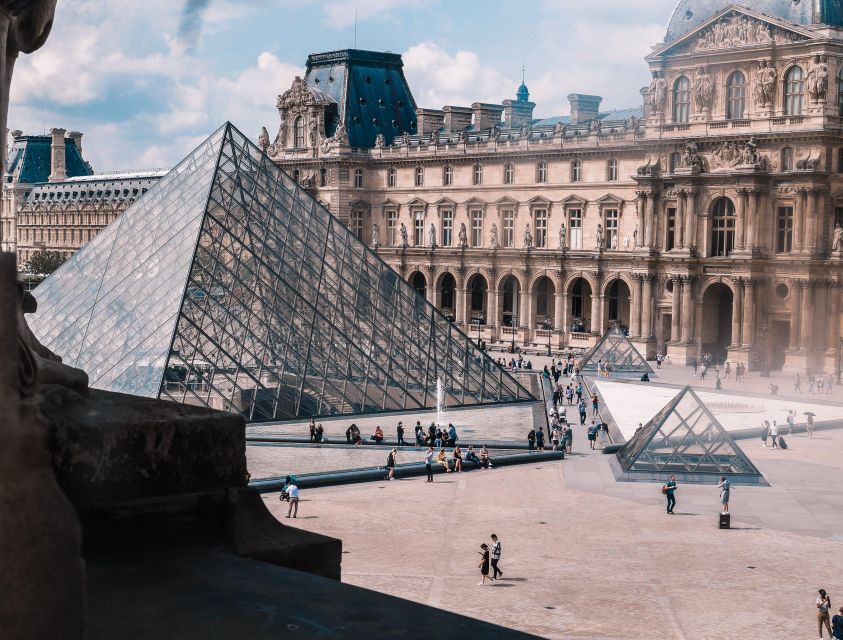
When you leave at Apollo Gallery, you’re set up for smart wandering. You’ve seen the major anchors—so the remaining rooms start to feel less random.
Here’s how I’d use the included map:
- Revisit any room that grabbed you during the tour (you’ll remember the guide’s cues).
- Pick one theme to follow—paintings, sculpture, or a time period—so you don’t burn time bouncing between distant sections.
- If you’re planning to see Mona Lisa again for a closer look, do it while the story is fresh in your mind.
If you’re traveling with kids or you want a first taste without pressure, this tour is also a good “confidence builder.” You’ll learn where to look next once the guided part ends.
Optional Seine river cruise discount: Paris views with a different angle
If you choose the option, you get a discount on a cruise on the River Seine. The big promise here is a perspective shift. From the water, you see Paris sites including the Louvre from the vantage point of the Seine.
This is a nice pairing because the Louvre is all about art and indoor scale. A river cruise is about city rhythm—bridges, sightlines, and the feeling that everything connects. If your day includes both, you’ll experience Paris as both museum and metropolis.
Just note: the tour itself is separate from the cruise. The cruise is an add-on option for those who want to extend the day with a scenic wrap-up.
Price and value: is $128 per person a good deal?
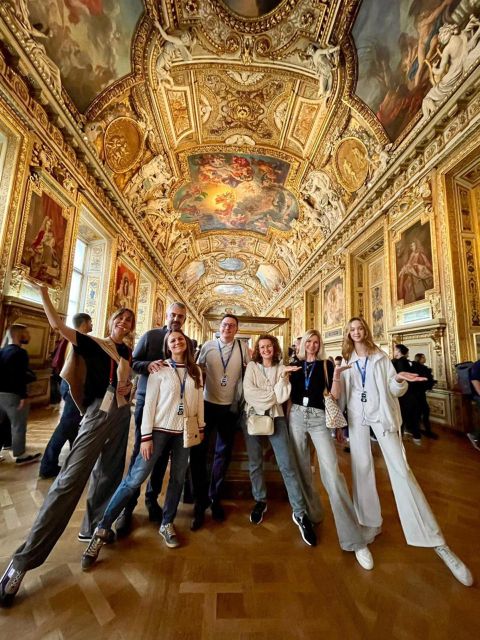
At $128 per person for a 2–3 hour small-group guided tour, the value comes from the combination of three things that cost time or stress on your own:
- Skip-the-line entry (so you start with momentum)
- A guide who helps you see more than the obvious
- A structured route that ends at a major gallery with a map to keep going
If you were to do the Louvre independently, you’d still spend time figuring out where to go and what to prioritize, especially on a first visit. Paying for guidance here isn’t about luxury—it’s about turning confusion into an efficient, meaningful visit.
So my rule of thumb: if it’s your first time to the Louvre, or you want to feel “oriented” fast, this price can be fair. If you’re the kind of visitor who already has a detailed plan and wants to wander without stopping for explanations, you might find a self-guided visit better. But for most people, the skip-the-line plus the story-led highlights are exactly what justifies the cost.
Who this tour suits best—and who may want another plan
This tour is a strong fit for:
- First-time Louvre visitors who want the main works with context
- People who don’t want to waste the first half of their visit stuck in lines
- Travelers who want a short, guided backbone, then freedom afterward
It may be less suitable for:
- Wheelchair users, since it’s not listed as suitable for that need
- Anyone who expects to see every wing and every masterpiece in a single visit (the Louvre is too big for that)
If you’re traveling in a small group and you want the guide’s voice and pacing to do some of the heavy lifting, this works well. If you’re the type who gets annoyed by crowds, note that the Louvre itself is always busy—but the tour helps you avoid the worst slowdowns at the entrance.
Practical tips to make the experience smoother
Bring water. That’s specifically recommended, and it helps because museum time adds up.
For the meeting point, look for the yellow My Super Tour sign under the Louis XIV statue. Give yourself a minute to confirm you’re matching the right group before you commit to following.
And mentally, go in with the right expectation: this is a highlights-and-context plan. You’ll leave with names you can discuss and scenes you actually remember, not with the illusion that you’ve seen it all.
Should you book this Louvre highlights tour with optional Seine cruise?
If you want the best first visit payoff—skip-the-line entry, a guide-led route through the museum’s biggest hits, and a clear finish at the Apollo Gallery—I think this is a smart booking. The price makes sense because it buys you time and understanding, not just access.
I’d especially recommend it if:
- You’re seeing the Louvre for the first time
- You want to learn why masterpieces matter, not just where to stand for photos
- You like the idea of ending with a map and choosing what you do next
If your top priority is total freedom and you already know your exact must-see list, you might prefer going fully self-guided. But for most people, this strikes a great balance: it gets you past the stress and into the art fast.
FAQ
How long is the Louvre guided tour?
It lasts 2 to 3 hours.
Where do I meet the guide?
Meet the guide near the Louvre Museum by looking for a yellow sign that says My Super Tour under the statue of Louis XIV.
Is skip-the-line entry included?
Yes. You’ll use a separate entrance to skip the long lines.
Do I need to buy a ticket separately?
You can join the tour even if you already have your own ticket, or you can opt to include the entry ticket as part of the tour price.
Where does the tour end?
The tour ends in the Apollo Gallery, after which you can continue exploring on your own.
What language is the guide?
The tour offers live guides in English and Russian.
Is the tour wheelchair accessible?
No, it’s not suitable for wheelchair users.
What should I bring?
Bring water.
Can I add the Seine cruise to my plan?
Yes. You can choose an option that includes a discounted ticket for a cruise on the River Seine.
What is the cancellation policy?
You can cancel up to 24 hours in advance for a full refund.