REVIEW · PARIS
Paris: French Revolution Tour Relive the 14th July 1789
Book on GetYourGuide →Operated by ParisVu · Bookable on GetYourGuide
Paris changes when you’re given dates and street names. This ParisVu French Revolution walking tour lets you relive the run-up to 14 July 1789 hour by hour, with an expert guide telling the story in a way that actually sticks. I especially love the way Robin (often the guide you’ll get) connects social pressure to specific corners of the neighborhood, and I love the small-group pace that keeps the questions coming instead of letting you fade into the crowd. One possible drawback: you’re on your feet for 90 minutes and the focus stays on the lead-up and the July 14 moment, so don’t expect a full tour of everything that happened after 1789.
You’ll start near Pl. du Dr Antoine Béclère, then work your way through sites tied to the revolt, finishing at Place de la Bastille where the story has its loudest echo. The route leans into the working neighborhoods that many visitors skip, which is exactly why it feels so real.
If you want one experience that makes the French Revolution feel local, not textbook-only, this is a strong pick. It’s also excellent value at about $37 per person, especially with small groups and no extra add-ons.
In This Review
- Key things I’d watch for on this ParisVu French Revolution walk
- A July 14, 1789 walk that starts where the anger lived
- Where you meet (and why that’s useful)
- Le Faubourg Saint Antoine: the neighborhood role in the Revolution
- La Folie Titon: how the quiet corners get their meaning
- La passage de Lhomme: narrow spaces, crowd logic
- A viewpoint stop where you can picture the moment
- Ending at Place de la Bastille: the day’s loudest echo
- How Robin makes the Revolution make sense
- Price, duration, and what you’re really paying for
- Group size and languages: easy to join, easy to ask questions
- Who this Paris Revolution walk suits best
- Should you book this French Revolution tour from ParisVu?
- FAQ
- How long is the ParisVu French Revolution tour?
- Where do I meet for the tour?
- Where does the tour end?
- What group size should I expect?
- What languages are available?
- Is the price $37 per person and are there any extra fees?
- Can I cancel or pay later?
Key things I’d watch for on this ParisVu French Revolution walk
- A July 14, 1789 story told in real neighborhood sequence, not just landmark bouncing
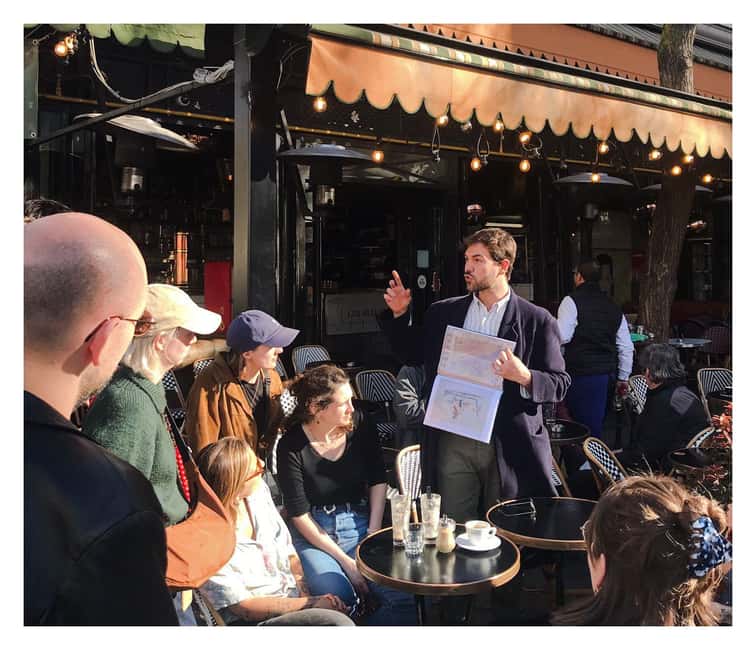
- Robin’s storytelling style, including humor and back-and-forth group engagement
- Streets linked to the Faubourg Saint Antoine area, where the social tension wasn’t theoretical
- Stops built around lesser-seen spaces like La Folie Titon and Passage de Lhomme
- A final arrival at Place de la Bastille, timed to make the moment land
- Small groups (around a dozen or fewer), which makes the tour feel like a conversation
A July 14, 1789 walk that starts where the anger lived
The French Revolution can feel abstract in Paris, because the city is so good at presenting the finished product: boulevards, monuments, museums. This tour flips the script. You follow the events from the standpoint of the streets—where people lived, worked, argued, and endured.
That choice matters. When you hear how neighborhoods functioned—housing density, everyday jobs, and the stress that builds when basic life gets harder—the Revolution stops being a single day and starts being a chain reaction. And you get that chain reaction through place: the route is designed so the story keeps catching up with what you’re seeing.
You can also read our reviews of more tours and experiences in Paris.


Where you meet (and why that’s useful)
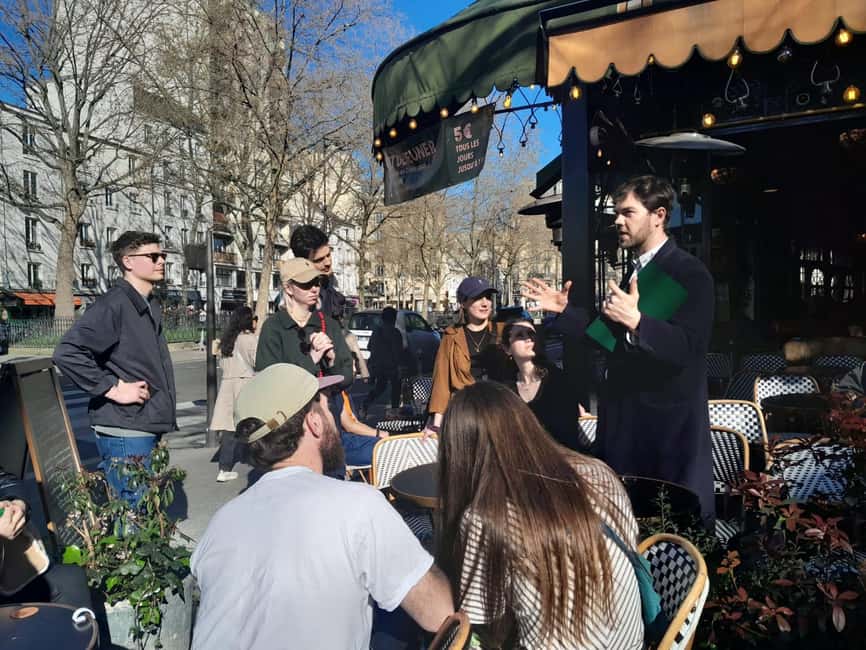
You meet between Café les Blouses Blanches and Mon Café, with the starting area listed around 1 Pl. du Dr Antoine Béclère. That’s not the kind of starting point that screams tourist trap, and that’s a good thing. It signals you’re walking into an actual working district rather than marching straight toward a famous square.
Practical tip: show up a few minutes early and get your head around the neighborhood look first. The guide’s job is to connect history to what you see; your job is to notice the street layout, entrances, and side streets as you go.
Le Faubourg Saint Antoine: the neighborhood role in the Revolution
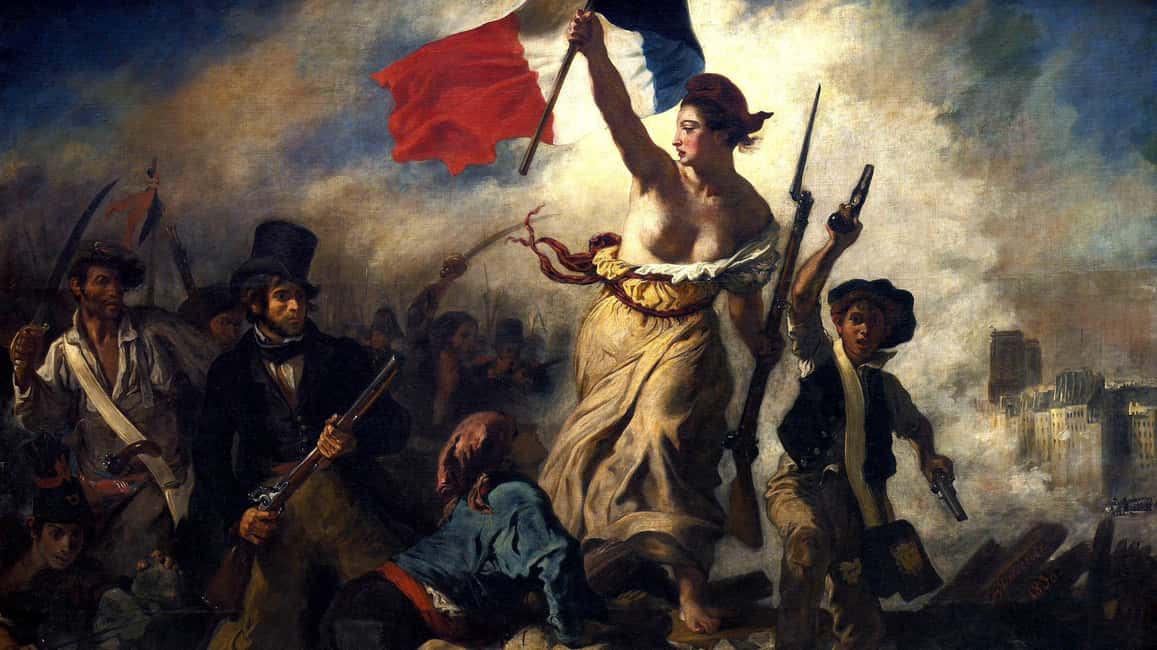
One of the tour’s core strengths is the focus on Le Faubourg Saint Antoine, an area you might not instinctively associate with the Revolution if you only think of grand political buildings. But the Revolution wasn’t only about leaders—it was about people under pressure, and this neighborhood connection makes that clear.
Here’s what you’re getting from this segment: a sense of how ordinary life and social conditions fed the uprising. The guide’s storytelling tends to emphasize the human scale—what residents did day to day, why resentment grew, and how tensions could turn into action quickly.
I like this approach because it answers the silent question I always have when I read about revolutions: where did everyone come from, and how did they organize? You don’t need to be a history major to understand it once the guide ties the story to the real streets.
La Folie Titon: how the quiet corners get their meaning
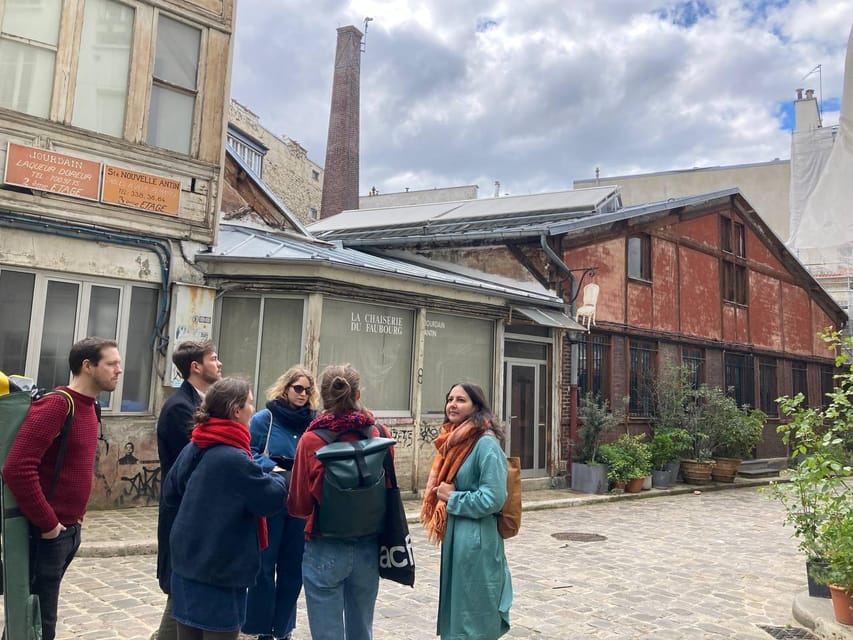
Then you move to La Folie Titon, a stop that helps you see how the Revolution didn’t unfold only around major monuments. Instead, it grew through the full mix of city spaces—some grand, some ordinary, some easy to miss if you’re just sightseeing.
This is where the “street-level history” style becomes tangible. Your guide points out small details that relate to how people moved and gathered. In the feedback I’ve seen from past guests, the standout theme is that the guide doesn’t just say what happened; he shows how the neighborhood still carries clues—layout, building placement, and the way streets funnel movement.
If you’re the type who likes connecting architecture to history, you’ll enjoy this part most. If you’re more interested in dramatic action than context, you may still find it satisfying because it makes the later chaos feel inevitable, not random.
La passage de Lhomme: narrow spaces, crowd logic
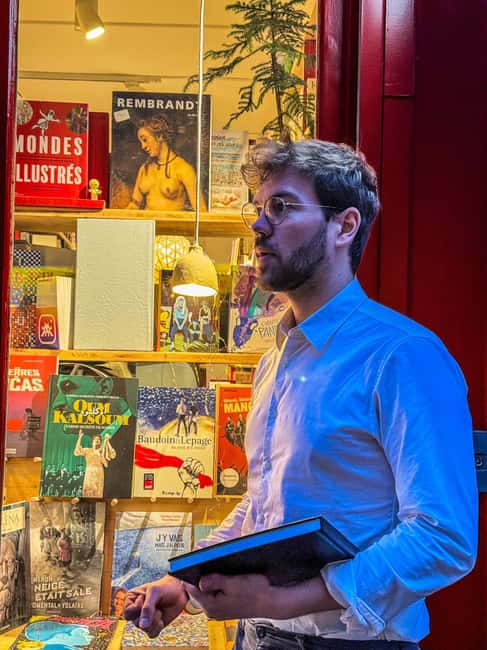
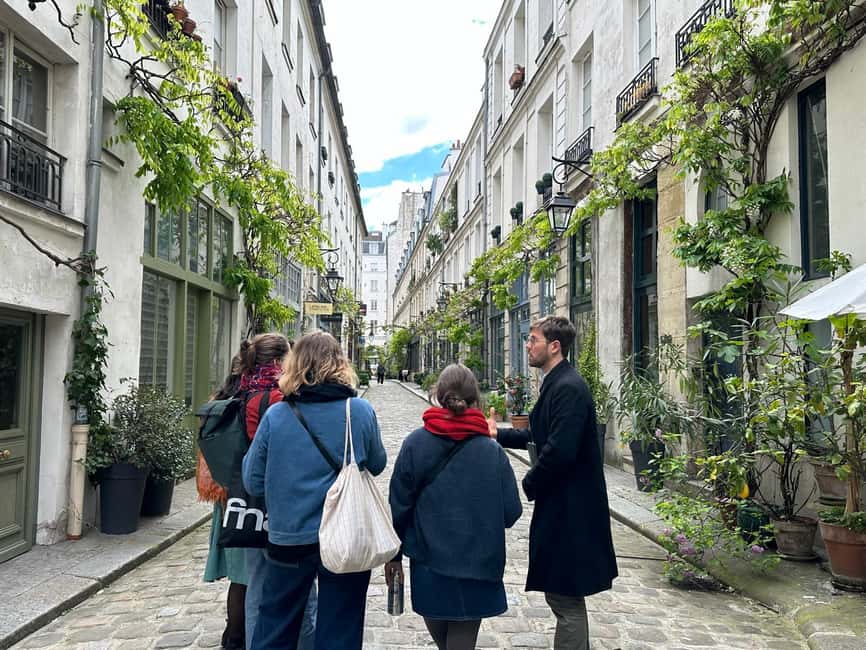
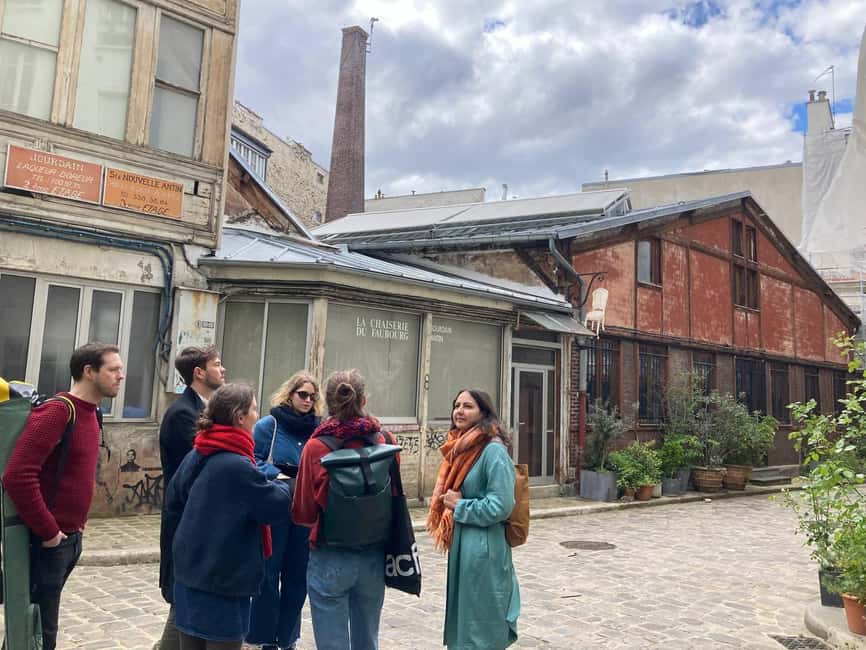
Next comes Le passage de Lhomme, which is the kind of place that teaches you something without a lecture. Passages like this are made for movement in tight channels, and that matters when you’re imagining how crowds could flow, pause, and surge.
This stop is more about “how it felt” than “what exact speech was delivered.” You’re watching the geometry of the streets and getting the crowd logic: where people could compress, where they could look for information, and where a spark could spread faster than you’d expect.
One note to keep your expectations realistic: this isn’t a museum-style, indoor show. It’s a walk. That means the story is delivered through pacing, stop-and-go explanation, and your guide directing your attention to what’s in front of you.




A viewpoint stop where you can picture the moment
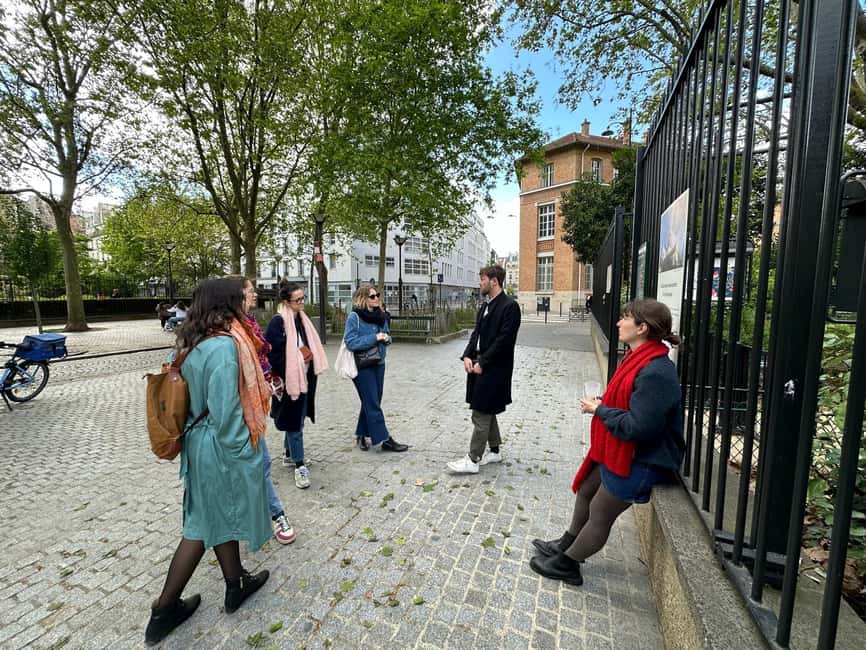
The itinerary includes a photo stop / viewpoint. It’s short, but it works. When you’re in the middle of history—especially a day as charged as 14 July 1789—your brain needs a quick reset. A viewpoint gives you that.
Use it to connect the dots: how the city’s edges relate, how neighborhoods connect visually, and how the final destination (Bastille) fits into the broader street story. It’s also the time you’ll want to take a few photos if you like images you can tie to the facts the guide just gave you.
If you’re traveling in a group with different interests, this kind of stop is a peace treaty. The history-minded folks get their orientation; everyone else gets a breather without losing the plot.
Ending at Place de la Bastille: the day’s loudest echo
The tour finishes at 28 Pl. de la Bastille, arriving at Place de la Bastille. This is the payoff point. Even if you’ve seen Bastille before, the walk changes how it lands, because you’ve been building the pressure behind it the entire time.
Here’s the big value: you don’t just learn that the Bastille mattered. You understand why that symbol mattered to people in the surrounding neighborhoods and why a political event could become a street-level turning point.
That said, there’s a timing reality you should know. The tour is 90 minutes, and the story is anchored to the lead-up and the 1789 moment. The broader Revolution story is touched, but you’re not getting a complete, step-by-step tour of every later phase. If you’re hungry for the next chapters, plan to pair this with another guided experience that covers events after 1789.
How Robin makes the Revolution make sense
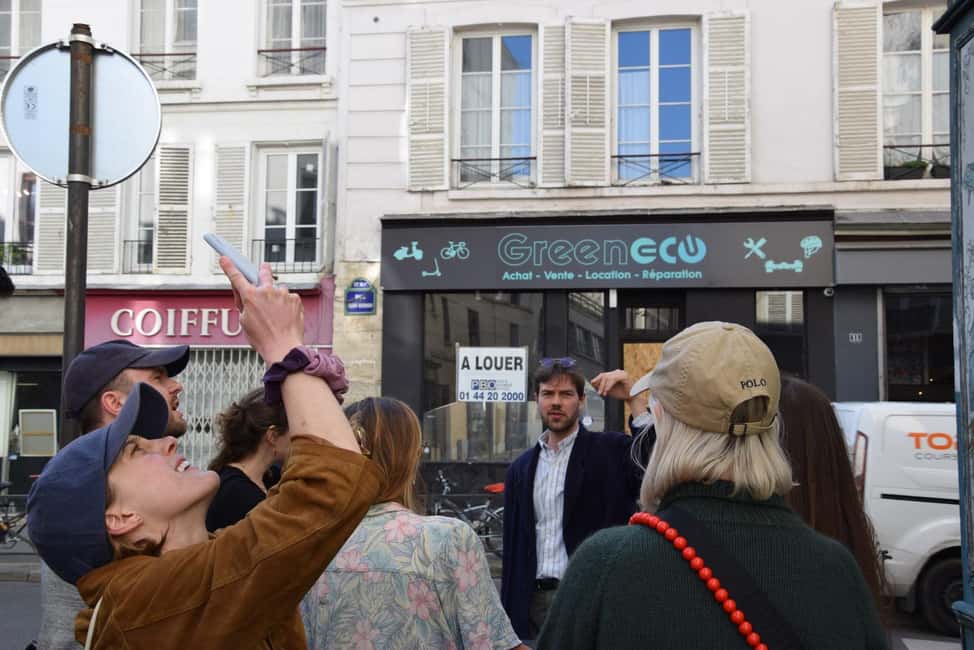
A repeated highlight from people who’ve taken this tour: Robin blends accuracy with storytelling that feels made for normal people on normal vacations. He’s described as funny, engaging, and willing to answer questions instead of treating you like a passive audience.
That approach matters more than it sounds. The French Revolution has complicated causes and fast-moving consequences. A guide who can keep the narrative clear—while still bringing in social context—turns 1789 into something you can actually retell later.
You may also hear how the story connects to Paris beyond the Revolution itself: the way people talk about their city, the way neighborhoods reflect past tensions, and why you can still read history in street scale. One useful element reported by guests is that Robin sometimes uses supporting visuals, which helps when your brain needs help picturing the past.
Price, duration, and what you’re really paying for
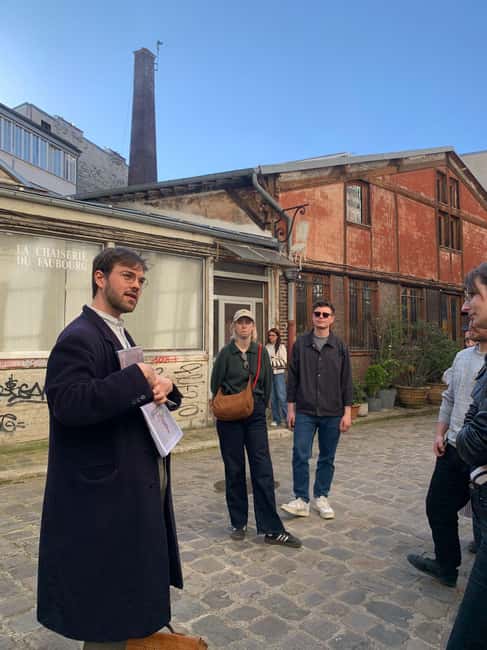
At $37 per person for about 90 minutes, this tour is priced like a specialty walking experience—not like a high-end private guide. What makes the value click is the combo:
- Small-group size (capped around 10–15, so it doesn’t turn into a moving lecture)
- No additional fees mentioned
- A focused route with named stops tied directly to the Revolution’s Paris story
In other words, you’re paying for time and interpretation, not for entry tickets or museum access. If you enjoy learning by walking—and you like history that connects to what you can see—this cost feels reasonable.
If you’re the kind of traveler who wants lots of stops packed into lots of time, the 90 minutes can feel “just getting started.” But if you’re realistic about what a neighborhood walk can cover, you’ll likely find the pace matches the quality of the story.
Group size and languages: easy to join, easy to ask questions
The tour runs with live guiding in English, French, and German. That’s practical if you’re traveling with mixed-language friends or you want to follow without guessing.
The smaller group size also changes the tone. When fewer people are in the mix, it’s easier for the guide to keep questions alive. One clear advantage of this format is that your curiosity gets answered in the moment, which makes the whole thing stick better than a one-size-fits-all lecture.
Who this Paris Revolution walk suits best
This tour is a great match if you:
- Want the French Revolution tied to neighborhoods, not only famous monuments
- Like guided walking tours where the guide tells you what to notice
- Appreciate social context—how everyday life and pressure can feed political events
- Prefer smaller groups and conversation over a crowd herd
It may be less ideal if you:
- Want a longer, multi-day sweep that covers every major phase after 1789
- Strongly dislike walking (this is a walking format, and the schedule is tight)
- Expect a ticketed museum experience with indoor exhibits
Should you book this French Revolution tour from ParisVu?
If your goal is to understand why July 14, 1789 happened where it did, this is the kind of tour that helps you “see” the past. The route centers Faubourg Saint Antoine and pushes you into the city’s lesser-visited corners like La Folie Titon and Passage de Lhomme, then brings you home to Place de la Bastille.
Book it if you want value, a small-group feel, and a guide story you can repeat later. I’d especially recommend it early in your trip so the Revolution context makes the rest of your sightseeing click.
Skip or pair it if you only want post-1789 events or a deeper, longer timeline. This walk is built for the July 14 moment and its immediate lead-up, so plan another history stop if your main interest is what came after.
FAQ
How long is the ParisVu French Revolution tour?
It lasts about 90 minutes.
Where do I meet for the tour?
You meet between Café les Blouses Blanches and Mon Café. The starting location is listed near 1 Pl. du Dr Antoine Béclère.
Where does the tour end?
The tour finishes at 28 Pl. de la Bastille.
What group size should I expect?
The tour is kept small, limited to around 10 participants (with group size kept small as part of the experience design).
What languages are available?
The live guide offers English, French, and German.
Is the price $37 per person and are there any extra fees?
The price is listed as $37 per person, and there are no additional fees mentioned.
Can I cancel or pay later?
Yes. There is free cancellation up to 24 hours in advance for a full refund, and you can reserve now and pay later.
If you want, tell me when you’re going (month + day) and your comfort with walking, and I’ll help you decide whether to place this tour right before or after your other Paris sights.