REVIEW · PARIS
Paris French Macarons Small Group Baking Class with a Chef
Book on Viator →Operated by Meeting the French · Bookable on Viator
Paris macarons are a bit like magic.
This class is interesting because it teaches the why behind the results, not just the steps, with a chef in a private apartment kitchen. I especially like the small group size (max 8) and the fact that you’re working from a storied Pierre Hermé-style approach taught by chefs such as Myriam, Marthe, and Frédéric. One thing to consider: macaron timing includes resting, baking, cooling, and assembling, so you should expect some sit-and-wait time between steps.
You’ll make macarons from scratch, choose two flavors for the batch, and then leave with a take-home box of your own macarons plus a copy of the recipe. It’s a sweet way to get a true Paris food skill you can repeat later—without needing special equipment.
In This Review
- Key highlights to know before you go
- Why this macaron class is more than a dessert demo
- Entering the recipe world: how the 3-hour flow works
- Hands-on, but not every second
- Choosing two flavors: caramel, raspberry, and the chef’s balancing act
- What you take home: the box, the recipe, and one practical warning
- Price and value: is $218.90 reasonable for Paris?
- Who this suits best (and who should rethink it)
- Apartment-kitchen logistics you can plan for
- Allergy and ingredient reality: the almond powder issue
- Should you book this Paris macaron baking class?
- FAQ
- What time does the macaron class start in Paris?
- How long does the class last?
- What group size should I expect?
- Is the class offered in English?
- Is hotel pickup or drop-off included?
- What will I take home after the class?
- Do I need to bring ingredients or equipment?
- Are there allergy restrictions?
- Will I be fully hands-on the whole time?
- What happens if the minimum number of travelers isn’t met?
- Is free cancellation available?
Key highlights to know before you go
- Small group max 8 keeps questions coming and makes it easier to follow along at the counter
- French chef instruction in a real apartment kitchen, not a classroom setup
- Pierre Hermé method focus gives you the structure behind perfect shells and fillings
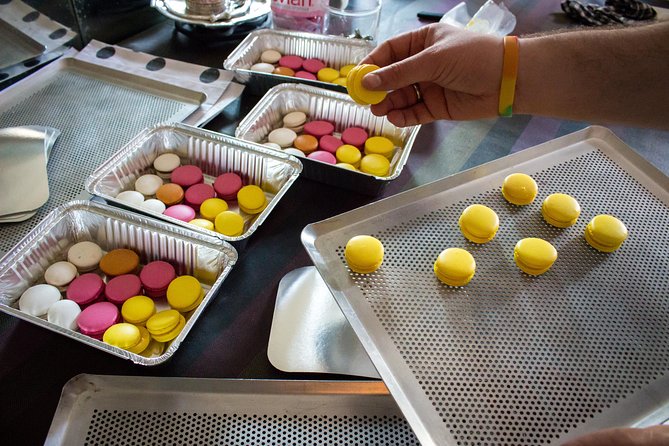
- You choose two flavors and build them into one finished set you can take home
- Takeaway box + recipe copy so your work does not end when you walk out the door
- Almond powder warning: this class can’t be adapted for almond allergies
Why this macaron class is more than a dessert demo
If you care about food, you already know macarons are fussy. The shells need the right texture, the meringue has to be treated gently, and the filling has to match the cookies without overpowering them. That is why learning macarons in Paris, with a chef, feels different from watching a video later at home.
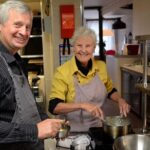
This experience happens in a central Paris private apartment setting, where the chef is your host and the kitchen becomes the classroom. You’re not just being shown what to do—you’re working around real tools, real counters, and real timing. The vibe is intimate. Several chefs have hosted classes like this, including Chef Myriam, Chef Marthe, and Chef Frédéric, and the common thread is clear: step-by-step teaching, with attention to what goes wrong when macarons are not behaving.
You also get some useful cultural context. Macarons didn’t start as a trendy social-media cookie; they became famous through pastry houses like Ladurée, which has produced them since 1930. Then the recipe lineage you’ll hear about—connected to Pierre Hermé—helps explain why modern macarons taste so distinct: refined shells, precise texture, and fillings that are designed to be balanced.
The biggest “value” here is not that you get macarons (you absolutely do). It’s that you’re learning the system that makes macarons repeatable.
You can also read our reviews of more cooking classes in Paris
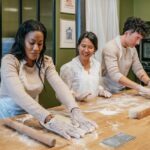
Entering the recipe world: how the 3-hour flow works
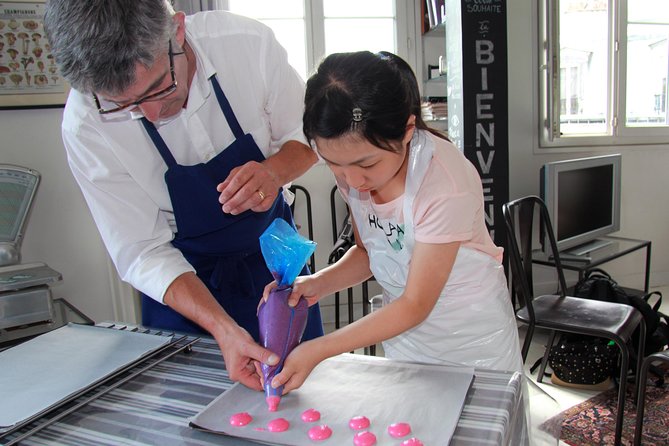
The class runs about 3 hours, starting at 3:00 pm. The structure is designed around the reality of macaron baking: there are moments when you’re actively mixing or piping, and moments when you’re waiting for the dough to transform.
Here is what the timeline feels like in practice:
You start by meeting your chef in the apartment kitchen. Then you’ll move into making the macaron batter and shell component. The process typically includes:
- mixing and folding to get the right consistency
- piping the rounds
- letting them rest until they develop the surface the chef is looking for
- baking
- cooling fully
- pairing shells and assembling with filling
The “downtime” people notice is normal for macarons. Once you’ve prepared the batter, you cannot rush resting. When they bake, you must cool before filling or you’ll get a sad texture—either from steam softening the shell too soon or from the filling melting into the cookie.
So you should think of the class as a rhythm: do a task, then let time do its part, then assemble. If you want zero waiting, macarons may disappoint you. But if you like learning why pastry chefs work with precision timing, you’ll understand why this pacing matters.
Hands-on, but not every second
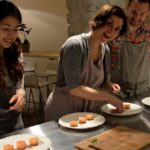
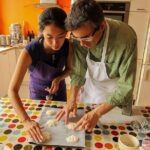
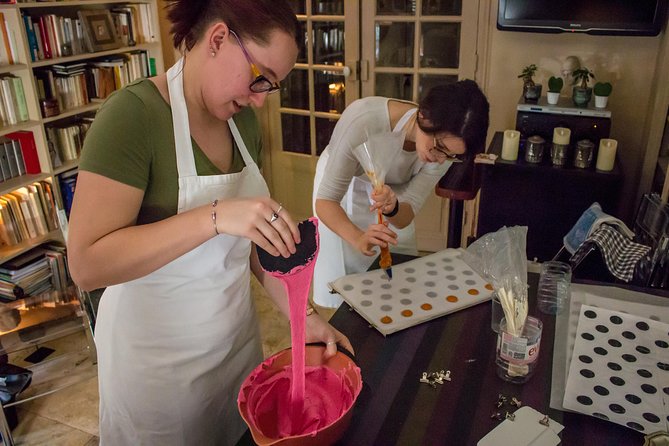
You will do hands-on steps—especially mixing, folding, piping, and assembling. Some chefs also pre-measure ingredients to keep the group moving smoothly, and they may handle the most delicate parts of the meringue to protect the result. In other words: you’ll participate, but the chef still owns the final quality control.
That balance is actually helpful if you’re a beginner. You get experience without turning the batch into a lesson in failure.
Choosing two flavors: caramel, raspberry, and the chef’s balancing act
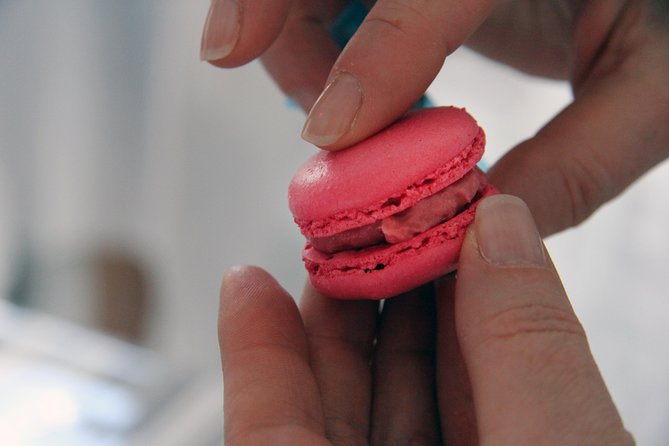
Part of what makes this class fun is that your group makes two macaron flavors. That means you’re practicing the full workflow twice: pipe, bake, cool, then fill and assemble your pairs for both flavors.
In past classes, flavors have included combinations people really remember, such as caramel and raspberry. The practical takeaway isn’t just that these flavors are tasty—it’s that different fillings need different textures and balance.
Here’s what you’re likely learning without it being too theoretical:
- How to match a filling that complements the shell sweetness without making the whole cookie feel one-note
- How to pipe or portion filling so it stays thick enough to shape the macaron, not leak out or collapse
- How chefs aim for consistent size so everything sandwiches evenly
And because you’re in a small group, you can see how your choices affect the batch. When you work at a table with others (max 8 people), you learn faster. You notice details like batter texture and piping control because you’re staring at them side by side.
What you take home: the box, the recipe, and one practical warning
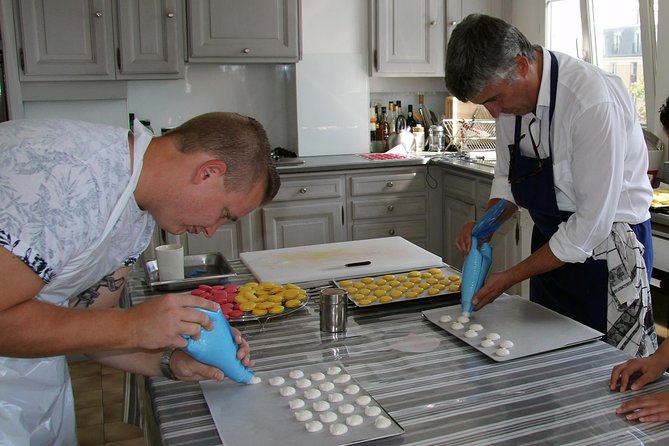
You’ll take home a box of homemade macarons. That part is straightforward and it’s the reason many people book this in the first place. You also get a copy of the recipe you can share or keep.
One practical note: people often mention they receive recipe instructions after the class (for example by email). But there has been at least one complaint about not receiving promised recipes. That doesn’t mean it will happen to you—but it does tell me to recommend a simple move: ask the chef or organizer on the day of the class how you’ll receive the recipe copy, and make sure you have the correct email or details.
Also, keep expectations realistic. A take-home box means you’ll have something to enjoy immediately and something to show for your work. But macarons are delicate. Transport and storage matter. If you’re walking around after, plan to keep the box level and avoid leaving it in hot spots.
You can also read our reviews of more tours and experiences in Paris




Price and value: is $218.90 reasonable for Paris?
The price is $218.90 per person for about 3 hours in a small group (maximum 8). That can feel high until you break down what you’re actually buying.
You’re paying for:
- a professional French chef as your host and teacher
- all supplies and equipment, plus aprons and utensils
- a class format that limits the group size (so you aren’t stuck watching from the back)
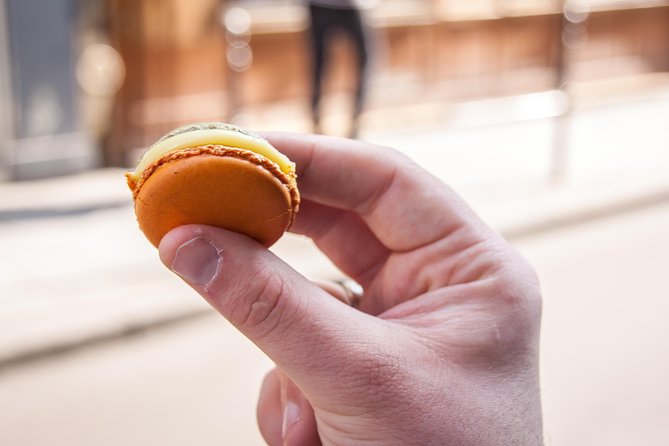
- a take-home box of macarons you made
- a recipe copy so you can try again
If you only compare this to buying macarons in a shop, it looks expensive. But this is not just a treat. It’s a skill-building experience that gives you a repeatable method. And macarons are one of those desserts where the technique matters more than the ingredient list.
In plain terms: you’re paying for instruction time in the most expensive city on earth (Paris), plus ingredients, plus cleanup, plus the kitchen setup. If you value hands-on cooking classes, the price can feel more fair fast.
My honest take: it’s worth it if you enjoy food that rewards precision, and if you want to bring home more than a snack. If you only want a few cookies with minimal effort, you could spend less elsewhere.
Who this suits best (and who should rethink it)
This is a great match for:
- couples and friends who want a shared activity that ends with something delicious
- travelers who like learning “how it works” rather than just eating
- people who want a break from walking and sightseeing without giving up on the Paris food experience
- families with kids who are old enough to follow steps safely (classes have worked well with children around elementary age)
It may be less ideal if:
- you expect a cooking class where you do every step for the entire time
Macarons require rest and cooling, so there will be pauses no matter what.
- you need almond-free macarons
This class cannot be adapted for almond allergies because macarons contain almond powder.
There is also one subtle fit question. If you prefer sitting back and watching, this class still tends to involve participation. If you want 100 percent active hands at all times, macarons may not match that expectation either. Think “structured participation,” not nonstop labor.
Apartment-kitchen logistics you can plan for
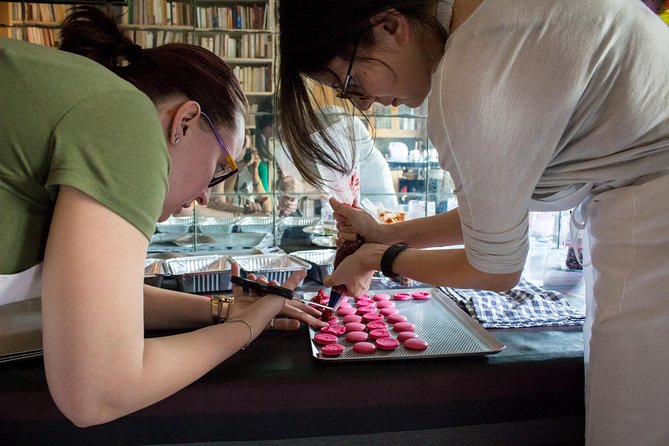
A class in a private apartment is part of the charm—and it changes the logistics a bit.
You meet at a central location in Paris with near public transportation and the class ends back at the meeting point. There is no hotel pickup or drop-off, so you’ll handle your own arrival.
Because instructions can matter more in apartment buildings than on a big street corner, do this:
- confirm you can access the address and meeting instructions the day before
- arrive on time so you don’t miss the first steps
- wear comfortable clothes (you’ll have an apron, but you still want to move easily)
One small review-based suggestion: some people wished there were refreshments like water, coffee, or a place to sit after class while enjoying what they made. The class is still focused on baking, so it may not be set up like a café hangout. If that matters to you, plan to grab a drink nearby before or after.
Also, you’ll have a mobile ticket, which is usually quick at the start. Just keep your phone charged.
Allergy and ingredient reality: the almond powder issue
This is important. Macarons contain almond powder, and the class cannot be adapted for almond allergies. If you have a serious nut allergy, don’t assume substitutions are possible.
The class also asks you to advise allergies (food, animals). That means if you have other restrictions—like dairy intolerance or egg sensitivity—you should communicate them so the chef can advise what can and cannot be done.
If almond is the issue, the safe move is to skip this specific macaron class and look for a different dessert workshop that does not rely on almond flour.
Should you book this Paris macaron baking class?
Book it if:
- you want a hands-on macaron skill, not just tasting
- you like small groups and direct chef attention (max 8 helps a lot)
- you want a take-home box plus recipe instructions you can use later
- you’re curious about the Pierre Hermé style method and why it works
Skip it (or choose carefully) if:
- almond allergy is involved
- you hate any “waiting around” during cooking (macarons require rest and cooling)
- you only want a passive experience where you watch without participating
For most people who love baking—or who want one top-tier Paris food activity that feels personal—this is a strong pick. You’re paying for technique and timing, taught in a real Paris apartment kitchen, with the payoff of macarons you made yourself.
FAQ
What time does the macaron class start in Paris?
The class starts at 3:00 pm.
How long does the class last?
It lasts about 3 hours.
What group size should I expect?
The class is limited to a maximum of 8 travelers.
Is the class offered in English?
Yes, it is offered in English.
Is hotel pickup or drop-off included?
No, hotel pickup and drop-off are not included.
What will I take home after the class?
You’ll take home a box of homemade macarons and a copy of the recipe.
Do I need to bring ingredients or equipment?
No. The class includes use of an apron and cooking utensils, and supplies are provided for your ease.
Are there allergy restrictions?
Macarons contain almond powder, and the class cannot be adapted for almond allergies. The experience also asks you to advise any allergies (food, animals, etc.).
Will I be fully hands-on the whole time?
It is designed as a small-group cooking class, and you can expect to participate in making and assembling. Still, macaron making includes resting, baking, and cooling time, so you may have some waiting between steps.
What happens if the minimum number of travelers isn’t met?
There is a possibility of cancellation after confirmation if minimum requirements are not met. If that happens, you’ll be offered an alternative or a full refund.
Is free cancellation available?
Yes. You can cancel up to 24 hours in advance for a full refund. If you cancel less than 24 hours before the start time, the amount paid is not refunded.