REVIEW · PARIS
Paris: Fashion History Walking Tour in the Heart of Paris
Book on GetYourGuide →Operated by Fashion History Tour · Bookable on GetYourGuide
Paris fashion history can feel abstract. This tour makes it practical and human, walking you through the streets where style became a system of power, money, and identity. I especially like the mix of haute couture storytelling with real-world stops like Palais-Royal and Rue Saint-Honoré, plus the guide’s focus on how designers and influencers shaped luxury fashion. One thing to consider: it’s only a 2-hour stroll, so if you want lots of museum time or heavy shopping, you’ll need to add that separately.
The format works best for people who enjoy details, but also want the city to do its job. You’ll get views of iconic spots, photo chances along the way, and tips for where to look next for fashion-related things in Paris. The route ends near Place de la Concorde, so plan an easy follow-on plan for your way back.
In This Review
- Quick hits before you go
- Why Paris Fashion Feels Personal on This Walk
- Meeting at La Comédie-Française: A Smart First Step
- Palais-Royal: Gardens, Power, and a Photo Stop Worth It
- Rue Saint-Honoré and the Fashion-Storefront View of History
- Colonnes de Buren: When Architecture Becomes a Content Engine
- Rue Cambon and Coco Chanel’s Birthplace: The Story Behind the Cut
- Place Vendôme: Jewelry Power and Paris Status Cues
- How the Guide Connects Runways, Marketing, and the Unseen Why
- Price and Time: Does $104 for 2 Hours Make Sense
- Who This Tour Suits Best (and Who Might Feel Restless)
- Before You Go: Small Practical Things That Make It Better
- Should You Book This Paris Fashion History Tour?
- FAQ
- Where does the tour start?
- How long is the Fashion History Walking Tour?
- What is the price per person?
- What’s included in the tour?
- What languages are available?
- How big is the group?
- Is the tour wheelchair accessible?
- Do I need to bring anything?
- Are food and drinks included?
- What is the cancellation and booking flexibility?
Quick hits before you go
- Fashion-history guide with industry credentials and English/French live interpretation
- Small group (up to 10), so your questions actually land
- Palais-Royal gardens and surrounding fashion-classic streets with a guided photo stop
- Rue Saint-Honoré and Rue du Faubourg-Saint-Honoré stops plus vintage and boutique shopping windows
- Coco Chanel to contemporary runway influence, tied together through psychology and marketing
- Central Paris route with major fashion-adjacent landmarks including Place Vendôme and Colonnes de Buren
Why Paris Fashion Feels Personal on This Walk
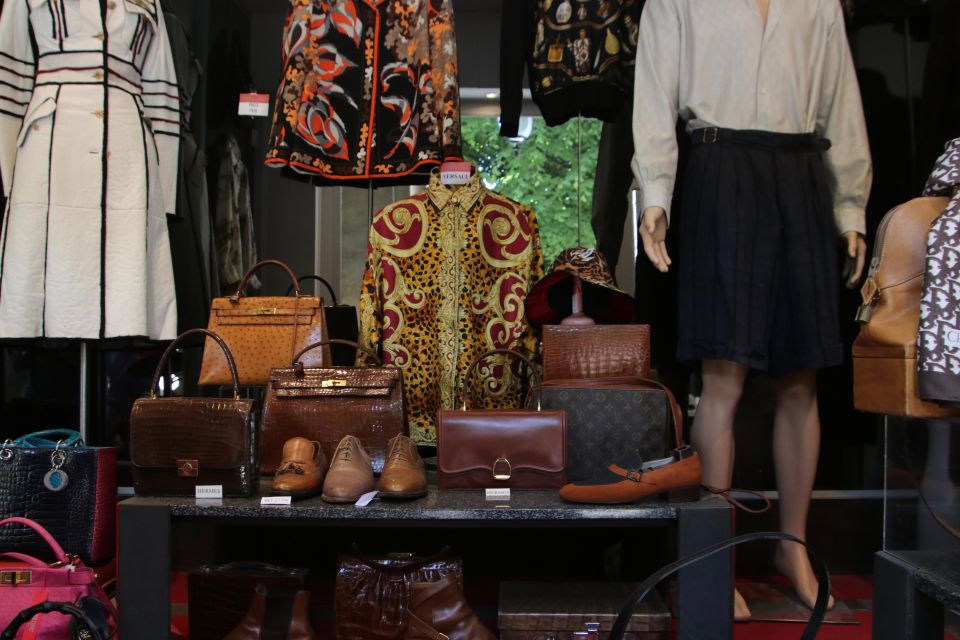
Paris makes style feel like a language. This tour treats fashion the same way: not just what people wore, but why it worked and how it spread. The big theme is psychological, almost like fashion is a map of cravings, status, and self-invention. You’ll hear stories about famous houses and designers such as Coco Chanel, Christian Dior, Louis Vuitton, Pierre Balmain, and Goyard, and you’ll connect the past to what still sells today.
I like that the tour doesn’t act like fashion history is only sketches and old photos. It links inspiration and identity to the places where money and attention move. And the walk format keeps things lively: you’re outside, looking at real addresses, seeing the kind of storefronts people step into, and getting the “why this corner matters” explanation while you’re still standing there.
The value for your time is also real. For $104 per person and two hours, you’re not just checking boxes. You’re getting a guided story with practical shop pointers that can help you shop smarter later, even if you don’t buy anything.
You can also read our reviews of more walking tours in Paris



Meeting at La Comédie-Française: A Smart First Step
The tour starts in front of La Comédie-Française at 1 Place Colette in the 1st arrondissement, near a metro exit. That matters more than it sounds. You’re already in a central zone where Rue Saint-Honoré and Palais-Royal are easy to reach on foot, which helps keep the walk feeling like progress, not transit.
Because it’s a small group limited to 10 participants, you’re unlikely to get stuck in a long conga line. The guide can pace the group, stop for questions, and keep the focus on fashion history instead of logistics. In the reviews, the guide name that comes up most clearly is Ivo, and people describe him as both friendly and very good at making the subject click.
Practical tip: wear comfortable shoes. This is a walking tour through classic districts, and the best viewing moments happen while you’re moving between corners.
Palais-Royal: Gardens, Power, and a Photo Stop Worth It
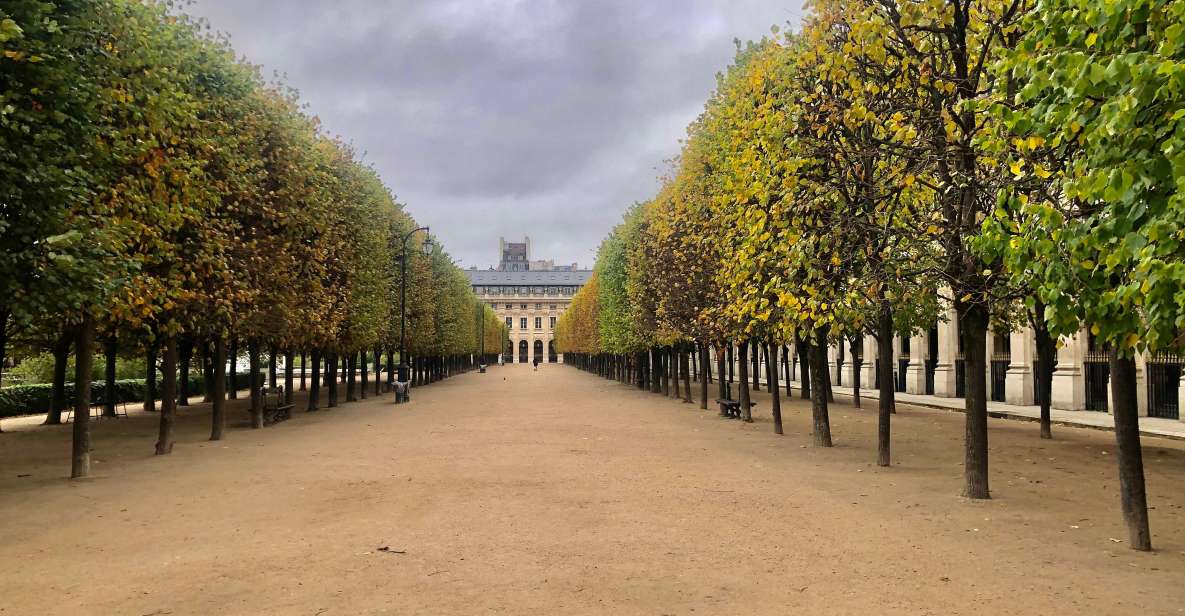
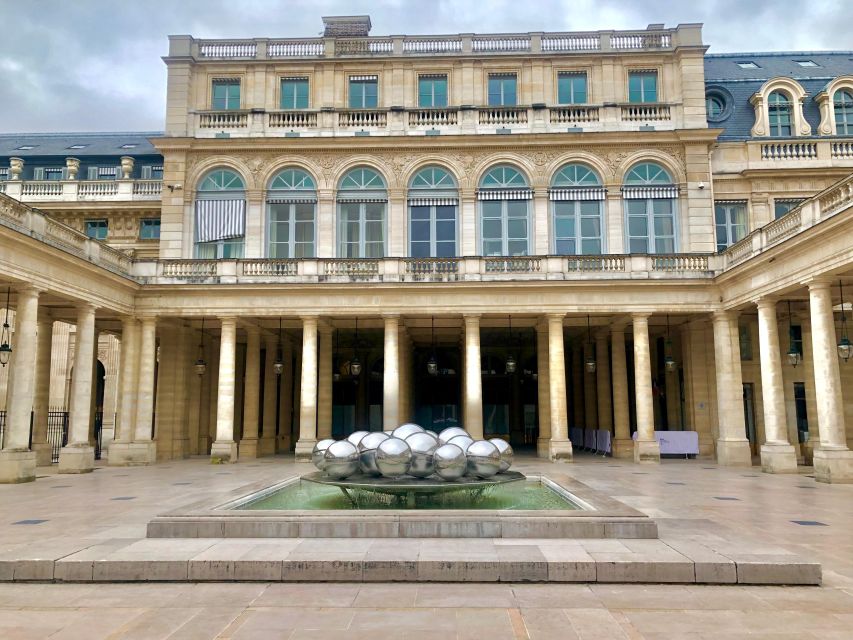
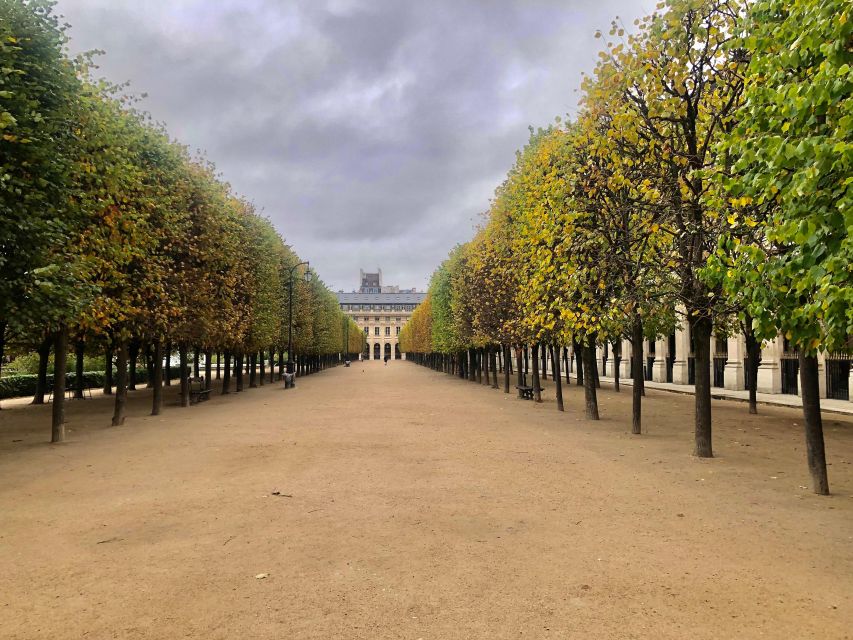
Your first major stop is Palais-Royal, starting with a guided visit and time for a photo stop in the area. The point isn’t only to admire a pretty setting. Palais-Royal is tied to how Parisian style developed in public life, where fashion culture and social attention could gather.
On tours that stay too factual, gardens can feel like a detour. Here, the garden time matters because it gives you a calm visual reset before the fashion streets. It also helps you see how Paris beauty often works like marketing: space, proportions, light, and movement all shape how people perceive status.
Expect an atmosphere that feels elegant without being stuffy. You’ll get context for why this area is significant in the world of haute couture, and that framing pays off later when you’re standing near boutiques and fashion houses.
Rue Saint-Honoré and the Fashion-Storefront View of History
Rue Saint-Honoré is where “fashion” stops being a concept and becomes storefront reality. You’ll walk it with guidance, including a guided sightseeing stretch and additional time in the same area. The route is designed to show you not just landmarks, but the rhythm of a fashion street: luxury addresses, smaller boutiques, and the kinds of places well-dressed locals actually choose.
What I like here is the comparison angle. The tour includes time to see vintage luxury pieces and compare that with what’s showing up in current collections. That’s a useful trick for you, because it changes how you shop later. Instead of buying just the trend, you start looking for the design choices that survive time: silhouette, material logic, tailoring details, and the “brand language” that’s consistent even when styles evolve.
The guide also points out high-fashion shopping areas and connects the street’s role to broader fashion movements. If you care about economics as well as aesthetics, this part is where you feel it most, because the tour aims to explain luxury fashion as a system, not a fairy tale.
Colonnes de Buren: When Architecture Becomes a Content Engine
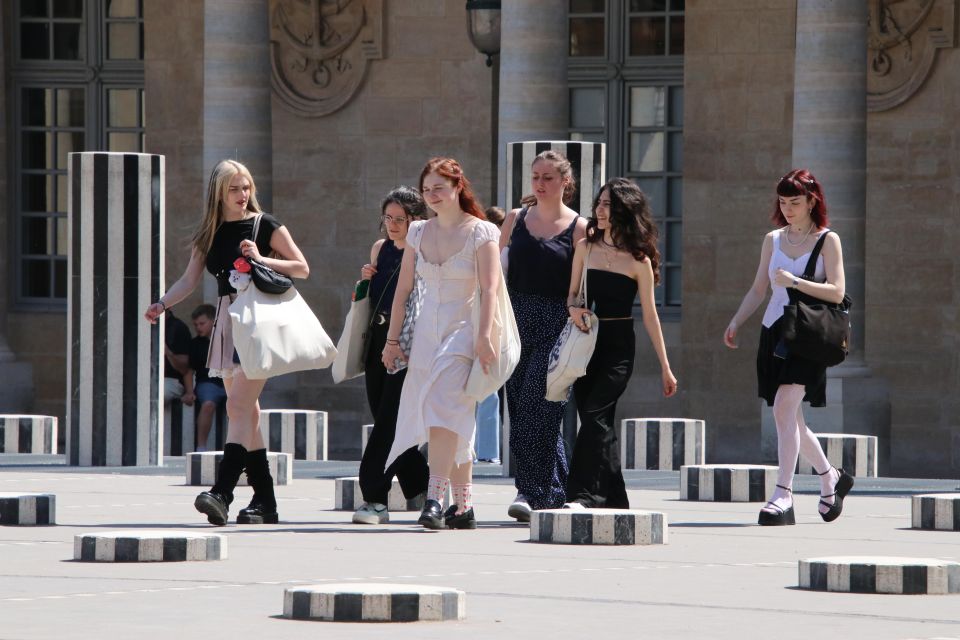
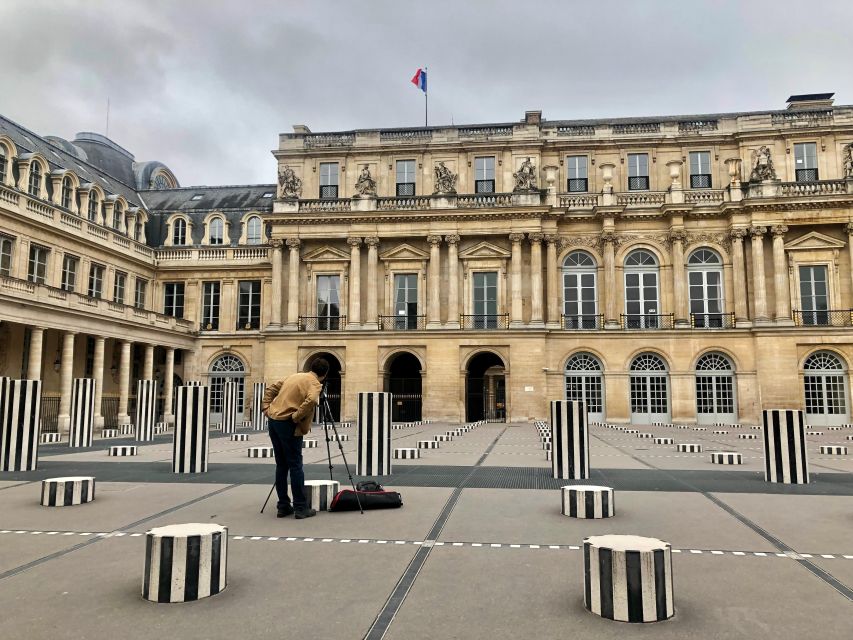
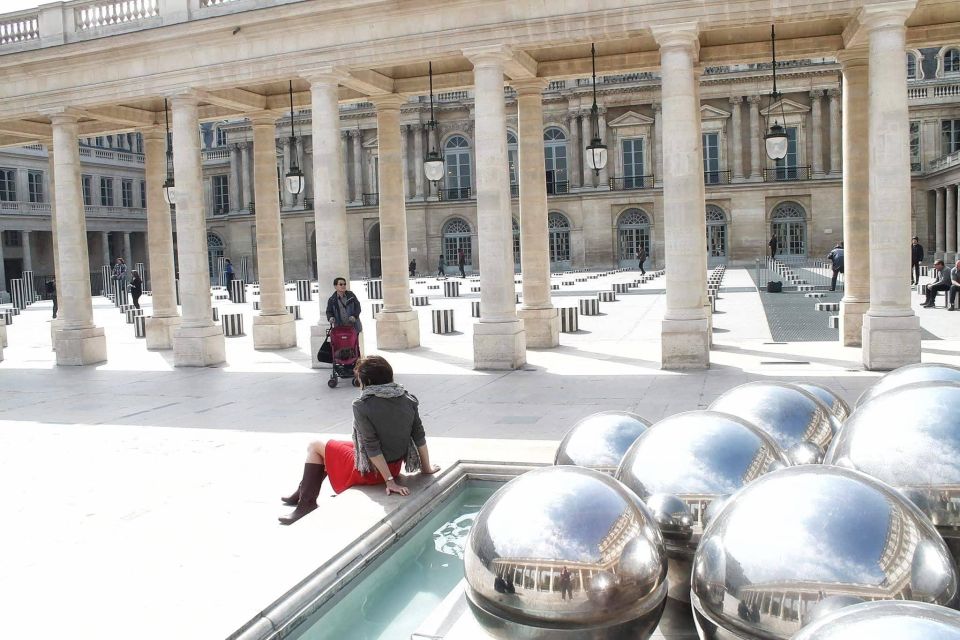
You’ll also get to Colonnes de Buren, an architectural landmark that attracts fashion influencers and trendsetters. On a fashion tour, that matters. This isn’t only about history. It’s about how modern attention works, and how influencers now play a role similar to old-school tastemakers.
I like that the tour treats current influence as part of the same story. You’re learning how luxury fashion spreads and why certain looks gain traction. That makes a modern landmark like Colonnes de Buren feel connected instead of random.
If you’re the type who likes to understand today’s trends without pretending they’re spontaneous, this stop gives you a practical lens. You’re seeing how people stage style in public spaces, and you’re also noticing how design and visibility overlap.
You can also read our reviews of more historical tours in Paris






Rue Cambon and Coco Chanel’s Birthplace: The Story Behind the Cut
One of the most important emotional notes of the walk is Rue Cambon, presented as the birthplace of Coco Chanel’s fashion empire. The tour doesn’t only say Chanel’s name and move on. It focuses on the inspirational story behind her legacy and the lasting psychological impact of her contributions.
This is one of the stops where you’ll feel how the tour’s theme works: fashion isn’t only about clothing. It’s about identity and confidence. Chanel is often talked about like a brand. Here, you get a sense of her as a catalyst for how women used style to claim space, shape perception, and redefine what sophistication meant.
Even if you’re not a die-hard Chanel fan, you’ll likely understand the logic more clearly afterward. The tour ties Chanel’s story to the bigger evolution of fashion trends, including how modern luxury communicates value through design choices and brand messaging.
Place Vendôme: Jewelry Power and Paris Status Cues
You’ll also see Place Vendôme, described as the epicenter of the French jewelry industry. This is an important addition because clothing gets a lot of attention, but jewelry is where luxury becomes highly visible and instantly recognizable.
This stop helps you notice the difference between fashion as movement and jewelry as symbol. Jewelry doesn’t just complement a look; it acts like a signal. And luxury brands have always understood signals, whether through a storefront, a runway moment, or a designer’s signature.
If you like thinking about how brands sell status, this area gives you a clean visual argument. It’s opulence you can observe directly, then tie back to what the guide explains about how luxury fashion grew and transformed.
How the Guide Connects Runways, Marketing, and the Unseen Why
The tour’s strongest asset is the way it connects landmarks to the invisible mechanisms behind fashion. You’ll hear about pieces that have appeared on Paris Fashion Week runways and how they influenced contemporary trends. You’ll also learn how influencers changed luxury fashion and how marketing strategies affect what people believe is desirable.
That psychological layer is what makes this feel different from a standard “see the buildings” walk. It pushes you to ask better questions, like:
- What makes a look feel modern even when it’s borrowed from the past?
- Why do some designers become cultural symbols, not just creators?
- How do people learn to want certain styles?
In the reviews, the guide experience comes through strongly. People highlight that the tour is engaging and comfortable, with a pace that isn’t strenuous. That matters because it keeps the focus on conversation and observation instead of turning the experience into a test of endurance.
Price and Time: Does $104 for 2 Hours Make Sense
At $104 per person for about two hours, this tour is priced like a specialist guide experience. You’re paying for a licensed guide who’s a fashion professional with advanced education in fashion design, plus the curated route through major fashion districts and stops linked to couture history.
Is it a bargain? It depends on your travel style.
- If you want a guided story that helps you understand what you see in Paris and then gives you shop tips for later, the time feels efficient.
- If you’re hoping for heavy shopping time or a museum-style deep read of garments, two hours will feel short. The tour is built for walking and context, not for purchasing sprees.
Food and drinks aren’t included, so plan around that. The upside is that you’re in central Paris afterward, which makes it easy to find something nearby if you time it well.
Who This Tour Suits Best (and Who Might Feel Restless)
This is a great fit if you:
- Love fashion, but also care about culture and psychology
- Want to see luxury streets like Rue Saint-Honoré in a guided, meaningful way
- Like small groups where you can ask questions (max 10)
- Prefer walking over museums for your first taste of a theme city
It might be less ideal if you:
- Want long stopovers in stores or multiple rounds of browsing
- Expect full museum access or deep garment study
- Have very limited mobility and need longer rests beyond what a walking route can naturally provide
On that last point, it’s worth noting the tour is wheelchair accessible, which helps. Still, it’s a walking-focused plan, so you’ll want comfortable arrangements for breaks.
Before You Go: Small Practical Things That Make It Better
A few simple moves can improve your day:
- Bring comfortable shoes. Two hours in central Paris usually means enough walking to feel it by the end.
- Have an open mind. The tour connects history to modern influence, so don’t expect only one era.
- If you’re shopping after, treat the tour like a scouting mission. You’ll learn where to look and what kind of pieces to pay attention to.
Also, expect it to end near Place de la Concorde. That’s not a bad place to finish. It just means you should think about your next step so you’re not trying to figure out directions while hungry or tired.
Should You Book This Paris Fashion History Tour?
I think you should book it if you want fashion history that feels like it has a pulse, not just dates and names. The best reason is the combination: industry expertise plus a route through real fashion-adjacent addresses, paired with the tour’s psychological angle on why style spreads. The small group size also gives it an edge over bigger walks.
You might skip it if you only want shopping time, or if you’re expecting a museum-level focus on garments. But if you want an efficient, story-driven way to understand Paris luxury fashion while you walk the streets where it lives, this one is a strong choice.
FAQ
Where does the tour start?
The meeting point is in front of La Comédie-Française, 1 Place Colette, 75001 Paris, near the metro station exit.
How long is the Fashion History Walking Tour?
The tour lasts 2 hours.
What is the price per person?
The price is $104 per person.
What’s included in the tour?
You get a licensed tour guide (a fashion professional), a fashion history walking tour with stories tied to designers like Coco Chanel, Christian Dior, Louis Vuitton, Pierre Balmain, and Goyard, plus tips and recommendations for fashion-related shops and activities. The experience is also designed as an intimate small group.
What languages are available?
The live tour guide is available in English and French.
How big is the group?
It’s a small group limited to 10 participants.
Is the tour wheelchair accessible?
Yes, the tour is wheelchair accessible.
Do I need to bring anything?
Bring comfortable shoes, since it’s a walking tour.
Are food and drinks included?
No, food and drinks are not included.
What is the cancellation and booking flexibility?
You can cancel up to 24 hours in advance for a full refund, and you can reserve now and pay later.