REVIEW · PARIS
Paris: City Treasures Bike Tour
Book on GetYourGuide →Operated by Simply France Tours SAS · Bookable on GetYourGuide
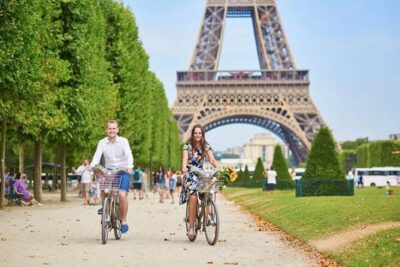
Pedal power is the shortcut through Paris streets. This 3-hour City Treasures bike tour links the big sights and the everyday Paris vibe with a small-group ride, brand-new French bikes, and a guide who knows exactly where to stop and what to notice.
I especially like the way you cruise car-free riverbanks for a break from traffic stress. I also like that the route mixes monuments with lived-in Paris stops, including cafés tied to Hemingway and F. Scott Fitzgerald. One consideration: it’s not set up for very young kids, and you’ll want to handle bike comfort and time on the saddle.
In This Review
- Key Highlights At A Glance
- Starting at Hôtel de Ville: Where the Ride Feels Organized
- New French Bikes + Small-Group Pace You Can Actually Enjoy
- From City Hall to Île Saint-Louis and Île de la Cité: Paris as a River City
- Notre-Dame to the Latin Quarter: Car-Free Views and Medieval Corners
- The Love-Lock Bridge and the Louvre: Big Icons Without the Museum Lines
- Odéon, Saint-Germain-des-Prés, and Hemingway Fit Into the Same Ride
- Les Invalides and Marie Antoinette: When the Story Turns Dark
- River Stops, Restrooms, and the Little Things That Keep You Comfortable
- Etiquette, Safety, and How the Ride Stays Easy
- What the 3 Hours Really Cover (and What It Does Not)
- Price and Value: Is $53 a Good Deal for 3 Hours?
- Who This Bike Tour Fits Best
- Tips for Booking Smart and Showing Up Ready
- Should You Book This Paris City Treasures Bike Tour?
- FAQ
- How long is the Paris City Treasures Bike Tour?
- Where is the meeting point?
- What is included in the price?
- Are food and drinks included?
- What should I bring?
- Is the tour suitable for children?
- What languages are the guides available in?
- What happens if it rains?
Key Highlights At A Glance
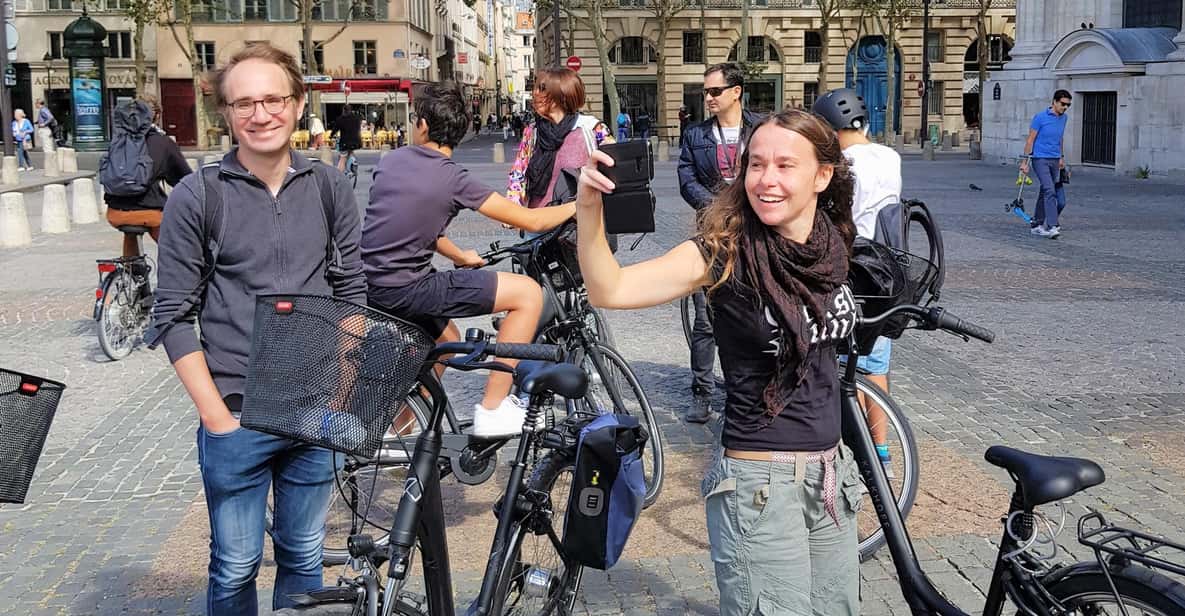
- Brand-new French bikes built for Paris streets and easy handling
- Guides like Paul, Clement, Frank, and Igor who share stories and practical recommendations
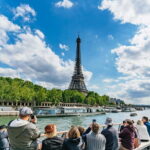
- Seine riding on calmer car-free banks with photo-friendly stops
- Left Bank priorities including Odéon and Saint-Germain-des-Prés
- Big-name sites with context like Les Invalides and the Marie Antoinette beheading square
- Weather-ready kit with rain ponchos if needed
Starting at Hôtel de Ville: Where the Ride Feels Organized
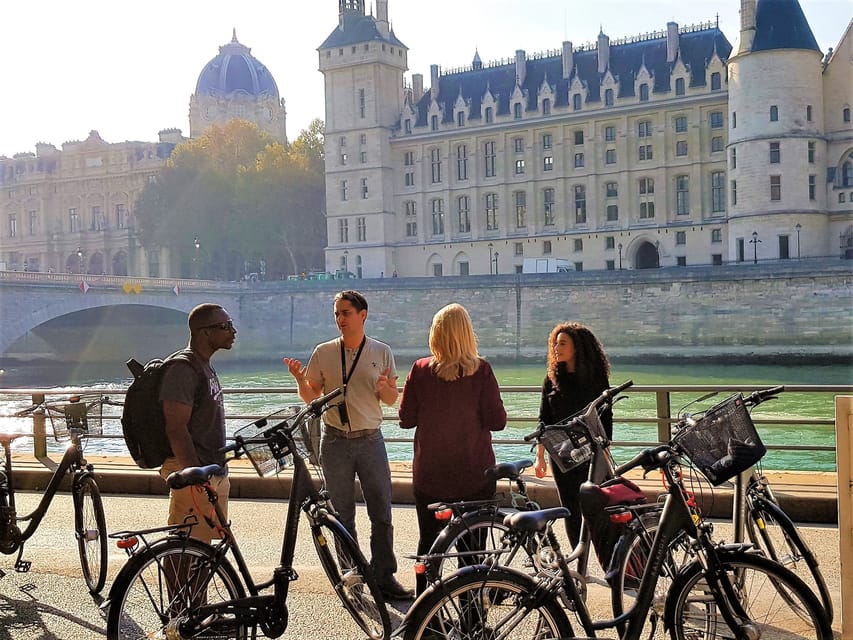
Your tour begins in front of Paris City Hall, the 500-year-old Hôtel de Ville at 7 Place de l’Hôtel de Ville. The key detail is where to meet: one of the guides stands at the elevator entrance that leads to the underground parking lot at Saemes Hôtel de Ville. That sounds minor, but it matters in a city where streets can be under construction or hard to interpret at first glance.
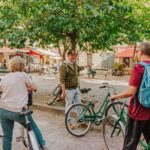
From the start, this feels like a tour designed for flow. You get set up on a lightweight, comfortable bike and you get briefed on how the ride will work. The helmets situation is straightforward too: helmets are mentioned as mandatory for children under 12, which is a good policy given how active Paris intersections can be.
I like that the tour treats safety and comfort as part of the experience, not an afterthought. You’re not just handed a bike and pointed at a landmark. You’re guided through the rhythm of cycling in Paris—where bike lanes exist, how to behave around pedestrians, and when to expect stops for photos and history.
You can also read our reviews of more cycling tours in Paris


New French Bikes + Small-Group Pace You Can Actually Enjoy
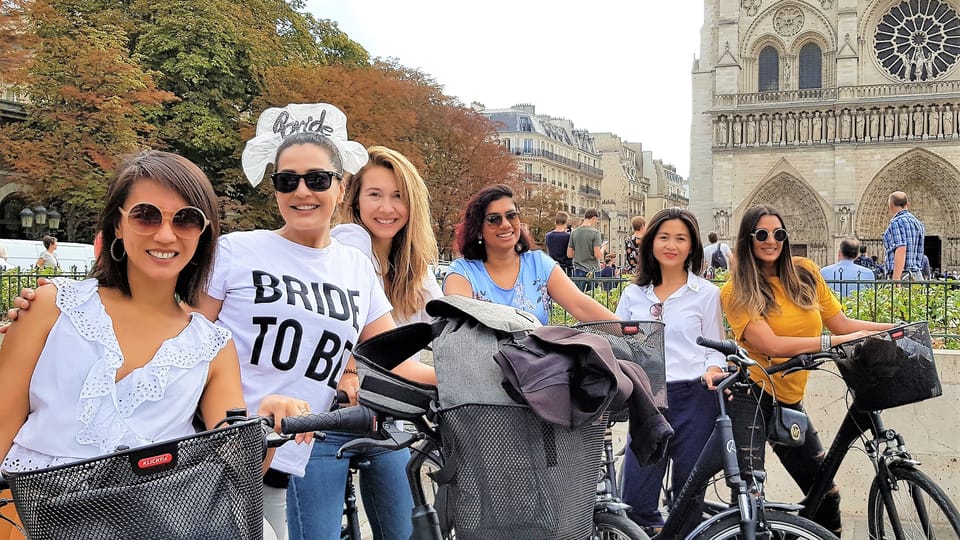
This is a 150-minute ride, so the timing is tight enough to cover a lot, but not so rushed that you feel like a human GPS unit. The “small-group” part shows up in the lived details from guides’ styles: people describe time for history plus time to stop, take photos, and ask questions.
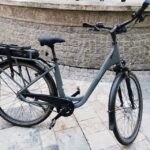
One reason this tour works well is the bike choice. You’re on lightweight, comfy bikes, and several people note they were clean and in good condition. That’s not flashy, but it’s huge. A shaky bike or weak brakes can turn an otherwise great route into a test of patience. In one report, a participant did point out that their bike’s brakes and bell didn’t feel right, so if you’re sensitive to bike controls, do a quick check of the brakes before you roll.
Guide personalities matter here. Names that came up repeatedly include Sean, Paul, Clement, Frank, and Igor. The common theme: they keep the narrative going, but they also manage the ride with clear etiquette and regular check-ins. If you’re the type who likes your Paris facts with a little humor and real street-level advice, this is your format.
From City Hall to Île Saint-Louis and Île de la Cité: Paris as a River City
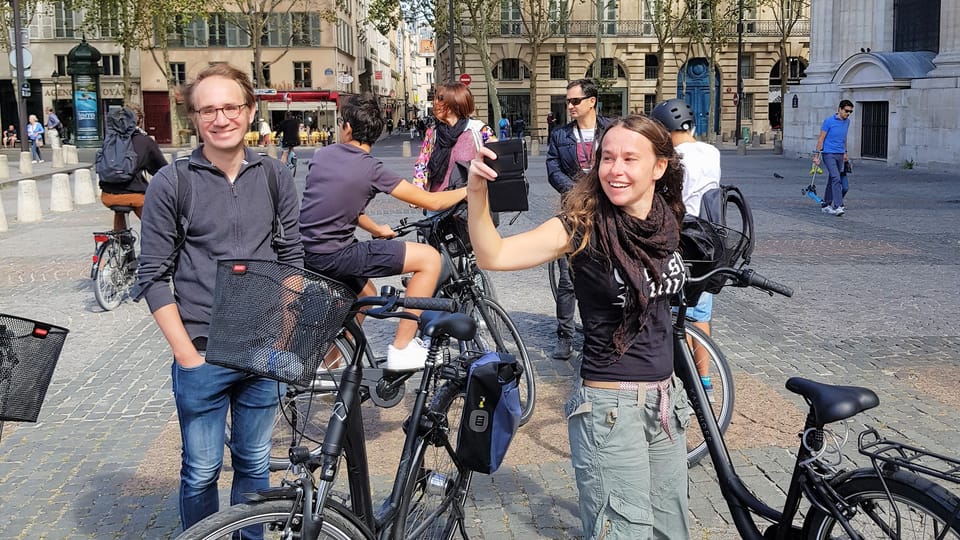
The first segment sets the tone: you head from Hôtel de Ville toward the heart of historic Paris—Île Saint-Louis and Île de la Cité. This isn’t just a route through old streets. It’s a different way to understand where the city grew. Islands in the Seine act like natural anchors, and riding here helps you see how bridges and riverbanks shape movement.
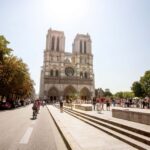
As you move, you pass the Notre-Dame Cathedral area and then connect toward the Latin Quarter, described as the founding place of Paris about 2,000 years ago. That “founding place” detail matters because it explains why the Latin Quarter still feels like a concentration of universities, literature, and intellectual Paris energy—even when you strip away the guided-story layer.
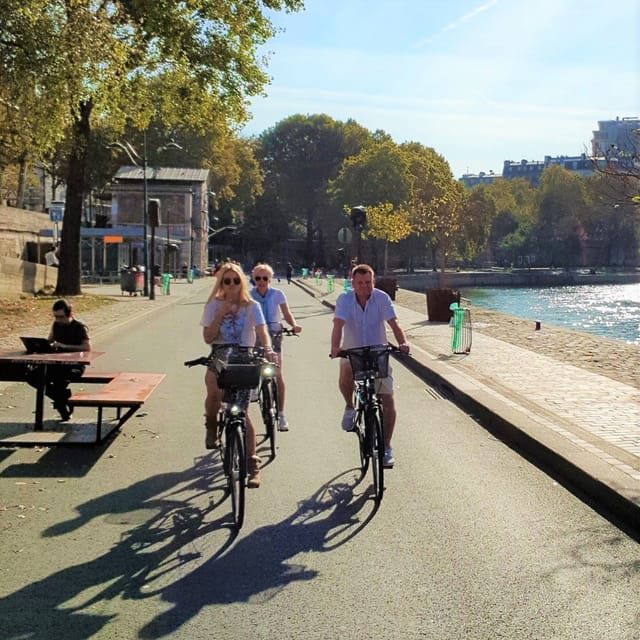
Also, notice the pacing: the tour uses car-free riverbanks for stretches. That means less stress than you might expect from cycling in a major city. You still have to pay attention—Paris is Paris—but the ride is built to keep you on smoother, calmer corridors where cyclists and pedestrians can coexist without constant high-speed fear.
Notre-Dame to the Latin Quarter: Car-Free Views and Medieval Corners
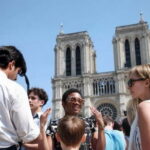
Passing Notre-Dame and working toward the Latin Quarter is where the tour becomes more than a highlight reel. You’re on the Seine side for the scenic approach, then you roll into neighborhoods where streets feel older and corners feel more human-scale.
The itinerary description includes medieval churches and charming squares, and that’s exactly the kind of detail that makes a bike tour worth the effort. Walking can get you there, but it takes longer to connect these points. Cycling turns “seeing” into “noticing”—like how squares open up from narrow lanes, or how a church façade changes the feel of a street right when you reach it.
If you’re thinking about doing this early in your trip, this is the section that gives you bearings. You’ll start to understand which parts of Paris are linked by the river and how easy it is to shift from one major landmark zone to another.
Potential drawback to keep in mind: history stops add time. You may spend a lot of minutes off the bike for storytelling and photos. That’s a plus if you like context. It can feel short on adrenaline if you wanted a nonstop ride.
The Love-Lock Bridge and the Louvre: Big Icons Without the Museum Lines
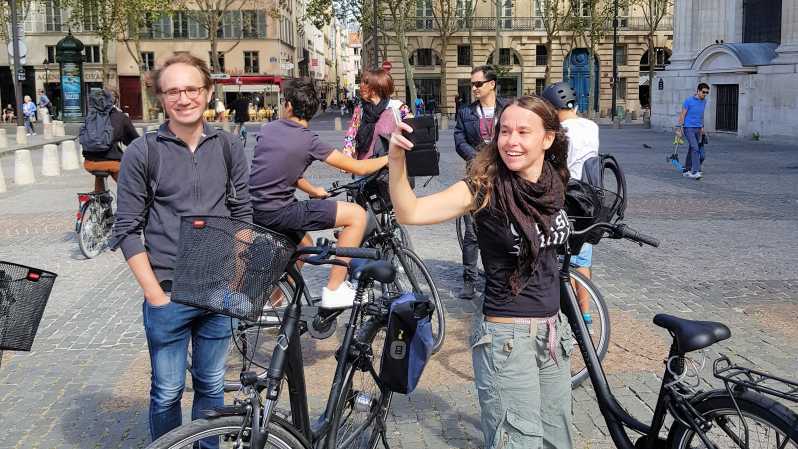
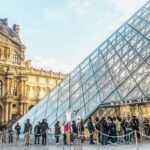
After the cathedral and Latin Quarter movement, you hit famous landmarks along the way: the love-lock bridge and then the Louvre Museum area.
This is a classic “see it up close in motion” approach. You’re not stuck waiting for a single building to become your whole day. You also avoid the trap of treating Paris like a checklist. The tour frames the Louvre as part of a wider river-and-neighborhood story, not just a standalone giant box of art.
One smart detail in how the ride is set up is that you’re on bike lanes and smoother corridors more often than you might be on your own. Several people highlight that Paris has dedicated lanes, and that makes a big difference. When you’re guided, you learn the etiquette quickly: where cyclists expect each other, how to behave around pedestrians, and how to anticipate stops.
Also, you don’t need to choose between scenic Paris and famous-name landmarks here. The tour gives you both, and it does it within 3 hours.
You can also read our reviews of more city tours in Paris




Odéon, Saint-Germain-des-Prés, and Hemingway Fit Into the Same Ride
This tour isn’t only about monuments. It’s also about Paris as people actually experience it.
On the Left Bank, you’ll see trendy areas like Odéon and Saint-Germain-des-Prés. That’s where the tour brings in cafés connected to big literary names—specifically places where Ernest Hemingway and F. Scott Fitzgerald reportedly hung out in the roaring twenties.
What makes this valuable is the way it changes how you look at the streets. You’re not only seeing where famous people once walked. You’re seeing why that kind of Paris culture grew there: the density of cafés, the human-scale squares, and the way the river and neighborhoods concentrate conversation.
This part also works well for first-time visitors. If you only do major monuments, Paris can start to feel like a set of staged scenes. Adding the literary and café layer gives it texture.
Les Invalides and Marie Antoinette: When the Story Turns Dark
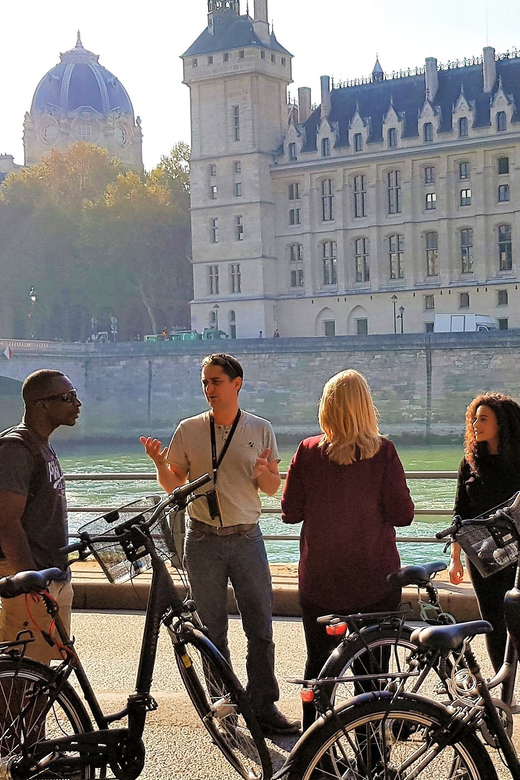
Then the itinerary pivots into heavyweight historical context. You’ll stop for Napoleon’s grave at Les Invalides. You’ll also visit the square where Marie Antoinette was beheaded in 1793.
It’s not a light ride through a light city. Paris does not do history softly, and that’s part of what you’re paying for in a guided experience. A guide helps you connect the dots: who mattered, why they mattered, and how the city became the kind of place where these stories live right in the open air.
One good sign from feedback is how often guides are praised for narration. People remember the way a guide ties the past to the physical sites you can point at while you’re rolling past them.
River Stops, Restrooms, and the Little Things That Keep You Comfortable
A bike tour can go two ways: either it feels slick and organized, or it feels like you’re fighting the clock.
Comfort details matter. One guide style note that came up: a thoughtful restroom stop on the Seine’s right bank. Another note mentioned rain conditions, with rain ponchos provided if needed. Even in bad weather, the tour reportedly stayed fun and manageable.
I’d also plan your own comfort ahead of time:
- Bring water, even if you think you won’t need it
- Wear a sun hat and sunscreen for bright days
- Check the weather forecast and dress accordingly
And yes, rain happens in Paris. The tour includes rain ponchos if needed, which takes away a lot of uncertainty.
Etiquette, Safety, and How the Ride Stays Easy
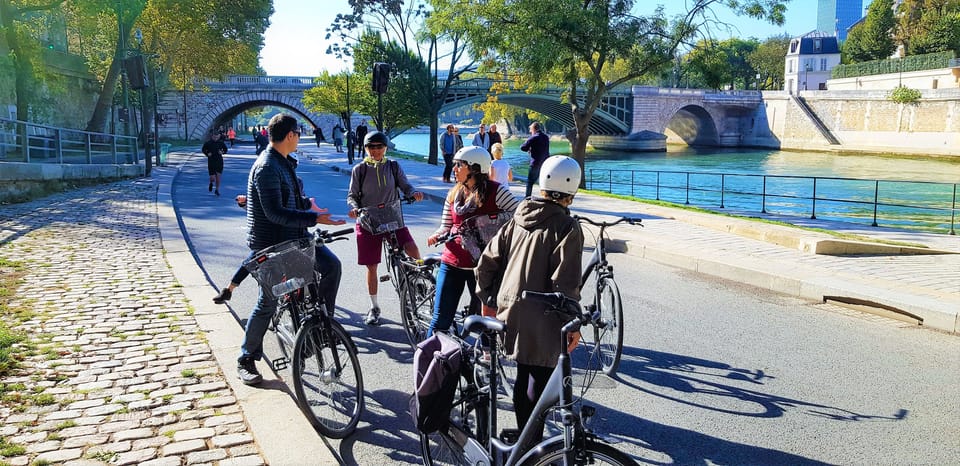
Paris bike lanes can look intimidating until you learn the pattern. The good news is that this tour is built for that learning curve. People repeatedly mention they never felt concerned about traffic and that bike riding felt easy, even for first-timers.
You still want to do your part. Cycling etiquette and road awareness are part of the deal. If you’re nervous, start with small choices: keep your hands relaxed, keep a steady pace, and follow the guide’s signals. Guides are also described as patient and interactive, with a style that includes frequent check-ins.
One practical consideration: bike controls matter. If you notice weak brakes or a bell that doesn’t work right away, flag it early. You want full control in a pedestrian-heavy city.
Also, the ride includes segments off the saddle for history and pictures. That means you’re not constantly balancing and pedaling at once. It helps you relax.
What the 3 Hours Really Cover (and What It Does Not)
At a high level, you get:
- Start at City Hall and roll through historic islands and the cathedral zone
- Car-free riverbank riding
- Latin Quarter movement and major landmark views like the Louvre
- Left Bank neighborhoods including Odéon and Saint-Germain-des-Prés
- Culture and pop-history stops tied to Hemingway and Fitzgerald
- Les Invalides and the Marie Antoinette beheading square
What you do not get is a museum-level experience or a full neighborhood deep dive on foot. If you’re hoping to spend extended time inside venues, this isn’t that format. Think of it as an efficient and guided way to make Paris feel navigable, then return later on your own for the details that call you back.
So if this is your first time in Paris, it’s great for orientation. If you’ve already seen the big sights, the café and literary context plus the river pacing can still be a fresh angle.
Price and Value: Is $53 a Good Deal for 3 Hours?
At $53 per person for a 150-minute ride, you’re paying for three things at once:
1) an experienced local guide and storytelling
2) a bike that’s ready to ride (lightweight, comfortable, described as clean and in good condition)
3) practical extras like helmets for children under 12 and rain ponchos if needed
Food isn’t included, so budget a café stop later if you want a sit-down. But in terms of value, the tour is priced like a serious guided activity, not a casual stroll. The key question is whether you want a guided route that strings together multiple major landmarks plus everyday Paris.
If you’re unsure whether cycling in Paris will be your thing, this is the safer choice compared with renting a bike and trying to piece together your own route under time pressure.
If you hate riding or if you have a strong preference for slow, museum-first travel, the value might depend on your tolerance for saddle time and stops.
Who This Bike Tour Fits Best
This works best for:
- First-time visitors who want an efficient orientation
- People who like history told through street-level storytelling
- Travelers who want to see both major sights and everyday neighborhood vibe
- Families with older kids, since children under 10 are not suitable and helmets are required under 12
It may not be the best match if:
- You need a fully relaxed, no-pedal experience
- You’re very uncomfortable cycling in any urban environment
- You’re traveling with very young kids (under 10) or below the listed height threshold of 150 cm
Tips for Booking Smart and Showing Up Ready
If you want the smoothest experience, do a little prep:
- Choose times with good weather when you can
- Bring your own water plan in mind (water is recommended)
- Wear sunscreen and consider a hat
- Accept that you’ll spend time stopped to learn and take photos
Also, pay attention to the meeting point setup. You meet the guide in front of City Hall, at the elevator entrance leading to the underground parking lot. Construction and street confusion are possible in a big city center, so go early enough to find the right spot without stress.
Language coverage is broad: French, English, Portuguese, Spanish, German, and Italian. That’s helpful if your group isn’t all the same language.
Should You Book This Paris City Treasures Bike Tour?
If you’re trying to get the right mix of famous landmarks, river views, and Paris culture in a single afternoon, I’d book it. The value comes from the full route arc: City Hall, islands and Latin Quarter, the Louvre area, Left Bank neighborhoods, plus the darker historical stops at Les Invalides and the Marie Antoinette beheading square.
If you do book, I’d go in with the right expectation: you’re not here to linger inside big attractions. You’re here to ride, learn, and connect what you see with what the sites mean.
One last practical note from how people talk about the guides: the ride often feels better because of who you get. Names like Paul, Clement, Frank, Igor, and Sean came up with strong praise, so don’t treat this as a generic tour. Choose it because you want guided context and an organized route that keeps you moving through Paris efficiently.
FAQ
How long is the Paris City Treasures Bike Tour?
It lasts about 150 minutes, which is roughly 3 hours.
Where is the meeting point?
Meet in front of Paris City Hall at 7 Place de l’Hôtel de Ville, 75004 Paris. The guide waits at the elevator entrance leading to the underground parking lot of Saemes Hôtel de Ville.
What is included in the price?
An experienced local guide, lightweight comfortable bikes, and rain ponchos if needed. Helmets are included and mandatory for children under 12.
Are food and drinks included?
No. Food and drinks are not included.
What should I bring?
Bring a sun hat, sunscreen, and water. Also dress for the weather and check the forecast.
Is the tour suitable for children?
It’s not suitable for children under 10. Helmets are required for children under 12, and it’s also not suitable for anyone under 4 ft 9 in (150 cm).
What languages are the guides available in?
The tour offers live guiding in French, English, Portuguese, Spanish, German, and Italian.
What happens if it rains?
Rain ponchos are provided if needed, and the tour is designed to keep going even if weather changes.