REVIEW · PARIS
Paris 1h30-Hour Perfume Walking Tour
Book on GetYourGuide →Operated by Not a Tourist Destination · Bookable on GetYourGuide
Perfume is the shortcut to French style. This 2-hour walk turns Paris streets into a living perfume lesson, with time at 3 iconic perfume shops and stories that connect scent to culture. I especially love how it pairs practical fragrance talk with real-world shop time, so you can actually connect what you hear to what you smell.
I also like that the guide keeps things friendly and approachable, including stops across different price points. When I’ve seen guides like Sandra lead, the vibe stays curious, not intimidating, and the tour often includes extra help from staff like Olga at Killian.
One thing to consider: schedules can be strict, and there has been at least one reported day when a guide didn’t show up on time. If you’re on a tight itinerary, I’d give yourself a little buffer and keep your expectations realistic for a walking tour.
In This Review
- Quick hits you’ll care about
- Café Marly Meet-Up: the scent-walk starting line
- How the Tour Teaches You to Smell French Perfume (and talk about it)
- The 3 Perfume Shops: why the stops feel different (price, personality, and vibe)
- French perfume history, made conversational (not a textbook)
- Fragrance families: the fastest way to find what you love
- Chanel, Dior, Yves Saint Laurent, Guerlain, Givenchy: brand stories with context
- Small group max of 8: why your questions get answered
- Price and value: is $82 worth it for a 2-hour perfume walk?
- Who this tour suits best (and who might not love it)
- Should you book the Paris 1h30–2-hour Perfume Walking Tour?
- FAQ
- Where does the tour meet?
- How long is the perfume walking tour?
- What languages is the live guide available in?
- How many people are in the group?
- How many perfume shops do you visit?
- What should I bring?
- Are luggage or large bags allowed?
Quick hits you’ll care about
- Café Marly meeting point at 93 Rue de Rivoli (easy to find, central)
- Small group max of 8 means more questions and less waiting around
- 3 perfume-shop stops plus guided history and fragrance-making context
- Fragrance families practice so you can describe what you like, not just say nice smell
- French perfume history meets modern trends, including how cologne gets described by ingredients
Café Marly Meet-Up: the scent-walk starting line
The tour meets at Café Marly, 93 Rue de Rivoli, 75001 Paris. It’s a handy location because you’re already in the core tourist-friendly zone of central Paris, with lots of street cues nearby. If you’re the type who likes to get oriented fast, this helps: you don’t need a long transfer or tricky rendezvous.
This is a walking experience, and the footwear matters. Bring comfortable shoes, and plan to move at a city pace. Also, no luggage or large bags are allowed, so travel light. That rule isn’t just for convenience; it makes the whole group experience smoother when you’re squeezing into shop spaces and standing around counters.
The tour’s total duration is listed as 2 hours, but you’ll hear it described as a 1h30-hour guided walk. In practice, that usually means a good chunk on the street plus time at each of the three shops for explanations and sampling.
You can also read our reviews of more walking tours in Paris


How the Tour Teaches You to Smell French Perfume (and talk about it)
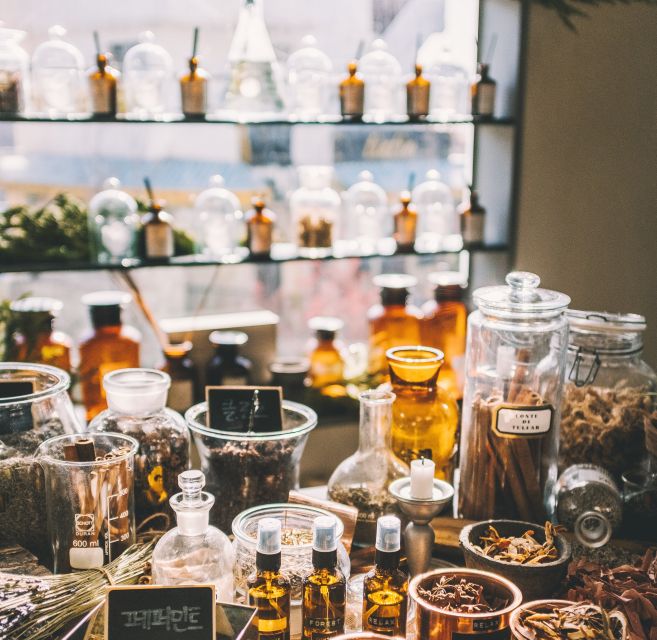
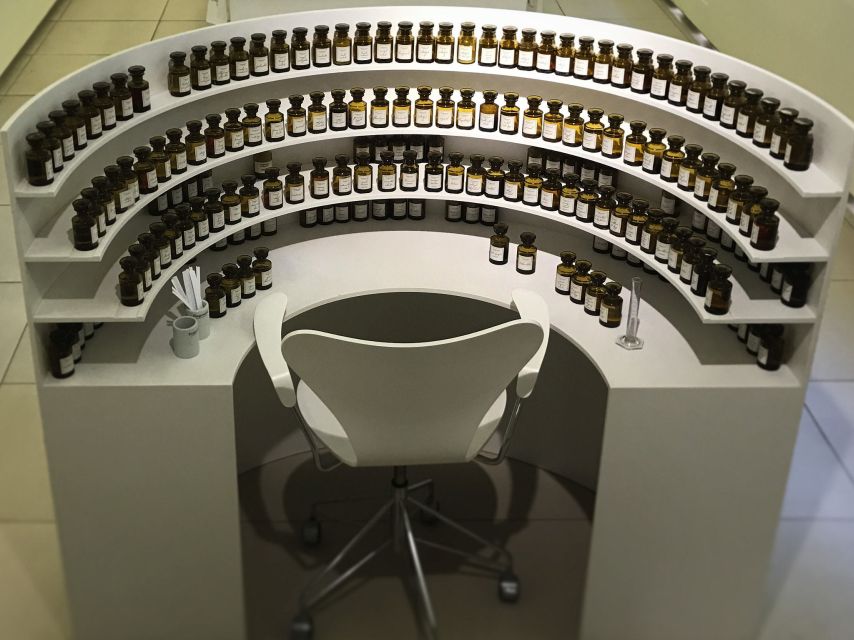
The most useful part of this tour is that it doesn’t treat perfume like magic. You get taught how to describe it with words—French words you’ll recognize in stores and on labels. The guide walks you through how eau de cologne gets described by ingredients, and then connects that back to the broader families of fragrances.
That matters for value, because perfume shopping in Paris can go two ways:
- you walk in, smell a few things, and leave with a guess
- or you can explain what you’re looking for, which makes staff help faster and more accurate
The guide also frames perfume as part of French history and tradition. You’ll hear how perfume was once restricted to religious ceremonies, and how it was viewed as a privilege. That kind of context might sound like background noise—until you realize it changes how you read labels and brand stories.
And yes, it includes current trends too. So you’re not stuck in perfume museum mode. You’re learning how styles evolve, while still understanding what the old-school houses are protecting.
The 3 Perfume Shops: why the stops feel different (price, personality, and vibe)
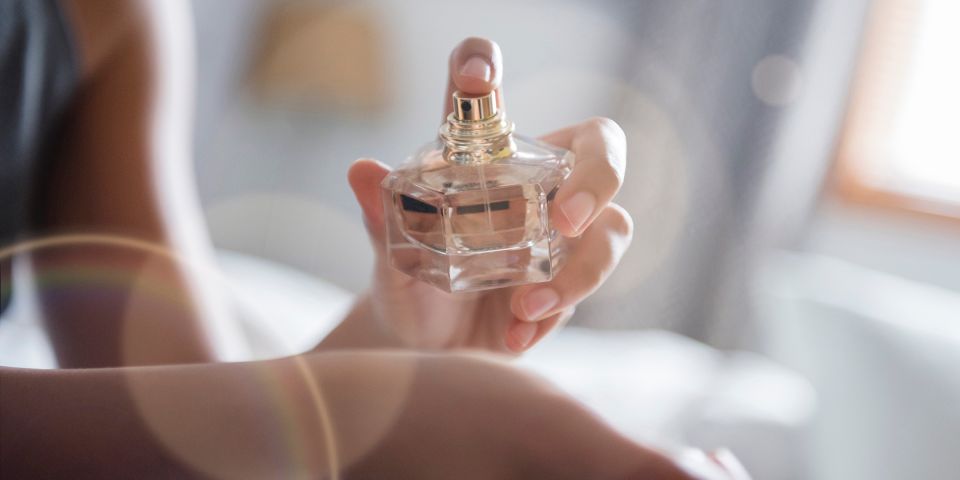
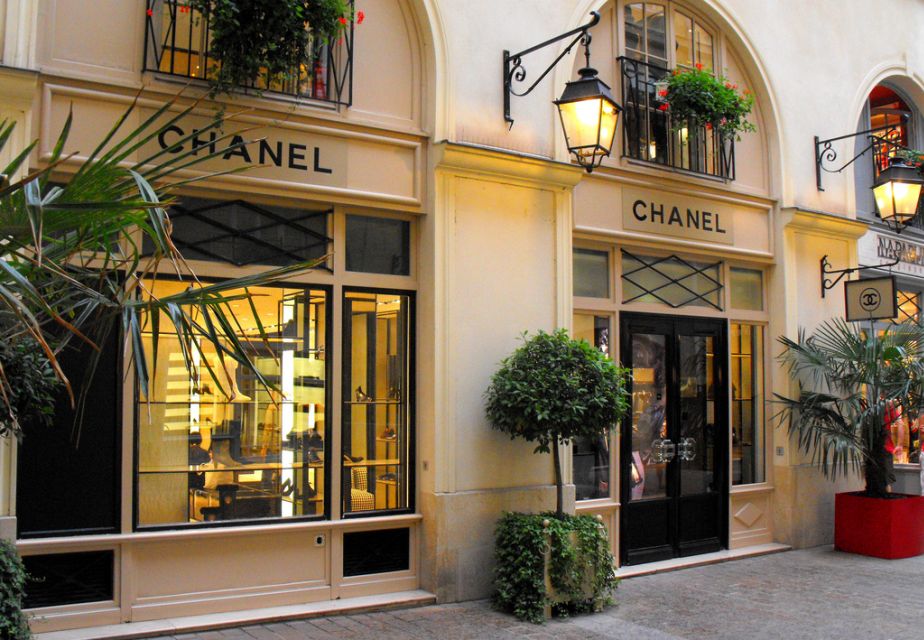
You’ll make three stops at iconic perfume shops, and that’s where the tour becomes more than a lecture. Even if you love perfumes already, shop time is when the concepts click. You see how different houses talk about scent, how they present ingredients, and how they guide you toward a match.
A highlight for me is the way guides often handle price variety. One of the strongest pieces of feedback is that guides can take you into stores at different price points. That’s smart for first-timers. High-end shops can feel intimidating if you arrive without context, but when a guide is there, you get a smoother entry into the experience.
In smaller boutique-type stores, you also tend to get a different style of interaction—less rush, more conversation. That’s especially helpful if you want to ask what you should smell next or how a certain fragrance family is built.
Here’s the practical mindset I recommend you bring: at each shop, pick one scent family you’re curious about, then use the guide’s language to describe it. Don’t try to memorize everything. Just practice the vocabulary. By the time you reach the third stop, you’ll likely be able to narrow your preferences much faster than you could walking in on your own.
French perfume history, made conversational (not a textbook)
The tour’s history runs in clear, usable chunks. You start with the earlier idea that perfume had a place in religious ceremonies, then move toward perfume as a social signal—something that carried status and privilege.
After that, the story turns toward how perfume became part of French tradition. You’re not just hearing dates and names. You’re hearing why certain houses built identities around scent, and why perfume in France became tied to style, craft, and identity.
If you’re the type who likes to understand the why behind things, you’ll appreciate how the guide connects history to what’s happening now. And if you’re not that type, you’ll still benefit, because it gives the scents meaning beyond novelty.
One reason this format works is that the guide can answer questions while you’re standing in the actual environment where scent choices get made. That’s when history stops feeling abstract.
Fragrance families: the fastest way to find what you love
One of the tour’s promised learning outcomes is discovering the characteristics of different families of fragrances. This is one of those topics that sounds broad, but it’s very practical once someone helps you sort it.
The guide also helps you practice describing ingredients and scents in a way that makes shopping easier. Instead of only saying you like something, you learn how to talk about the feel of the fragrance: how it reads, how it behaves, and what you might expect it to do over time.
You’ll also learn how eau de cologne gets framed in language you’ll hear in shops. Even if you don’t buy anything, this is useful knowledge. Cologne-style products often show up in casual daily use, and being able to identify the style helps you choose confidently.
My favorite part of this section is that it turns perfume from a random experience into a skill. Once you can describe what you want, you stop relying on luck and start relying on preference.



Chanel, Dior, Yves Saint Laurent, Guerlain, Givenchy: brand stories with context
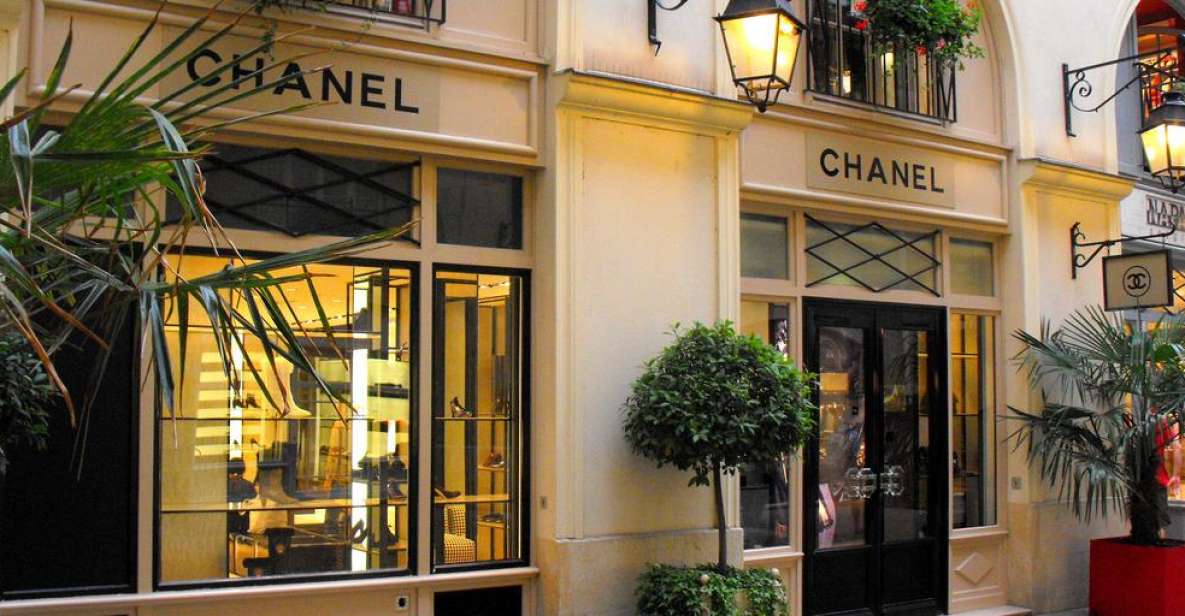
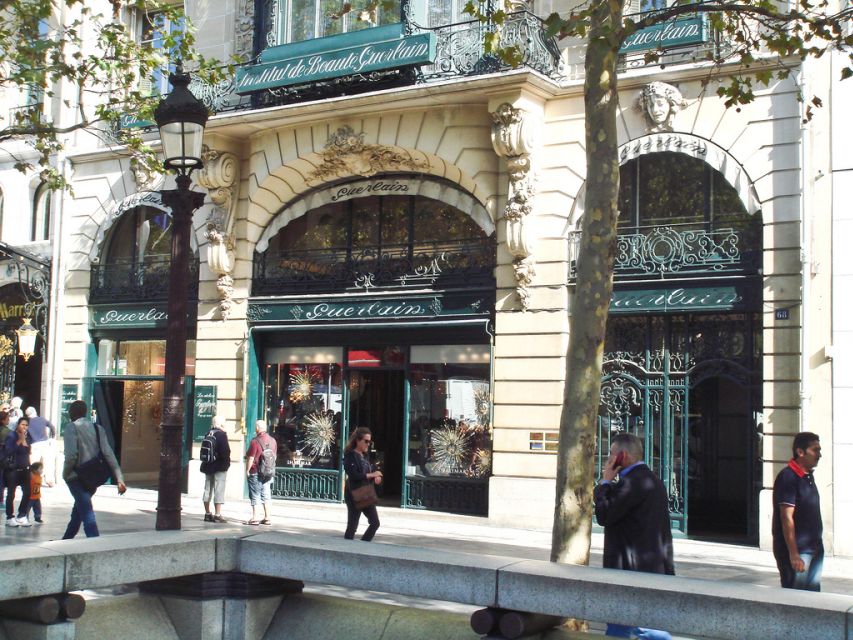
A big draw here is the chance to hear fascinating stories from world-famous perfume houses such as Chanel, Dior, Yves Saint Laurent, Guerlain, and Givenchy. The point isn’t brand name-dropping. It’s understanding how different houses shape their signature styles and how their reputations built over time.
When a guide can tie a brand story to what you can smell in real shops, it becomes a lot more than trivia. You start to notice patterns: what a house protects, what it evolves, and how it markets its identity.
One piece of feedback I liked was how guides can be flexible and answer questions on the spot. That turns the brand component into a two-way conversation. You get to ask why one scent family feels right and another feels off, and you usually get an explanation tied to style and composition.
Small group max of 8: why your questions get answered
This tour is limited to 8 participants, which is a big deal for a scent experience. When your group is smaller, you don’t spend half the time waiting for the guide to reach you. You’re also more likely to get individualized guidance.
In feedback from English-speaking visitors, guides like Sandra were described as enthusiastic, engaging, and flexible—especially with fragrance matching. That matters if you’re not sure what you like yet. A good guide can read your reactions and steer you toward options in the same fragrance direction.
There’s also a practical benefit: it’s easier to handle the shop flow rules. You’re moving between counters, stepping back for sampling, and keeping the pace without crowding.
And if you’re the type who wants to go beyond the big names, smaller groups make it easier for the guide to bring you to shops that feel more personal—places you wouldn’t naturally seek out on your own.
Price and value: is $82 worth it for a 2-hour perfume walk?
At $82 per person for about 2 hours, the value depends on what you want from the experience.
You’re paying for:
- a guided walk with historical context
- expert help interpreting scent families
- time at 3 perfume shops, not just a stop for photos
- small group size (max 8)
- instruction in how to describe fragrances and ingredients
If you love perfume, that shop time alone is often the difference between a nice walk and a skill-building outing. The education also helps you buy smarter later, even if you don’t purchase today.
If you’re merely curious, you can still get value—especially because the guide can steer you to different styles and price points without turning the experience into a hard sales moment. The goal is understanding, not pressure.
Two caution flags to keep in mind:
- The tour requires at least 2 people per booking, so it may be affected by minimum group rules.
- There’s been at least one reported case of a guide not turning up as scheduled. That’s rare, but it’s enough to justify a small buffer in your day and a plan for quick help if something goes wrong.
Who this tour suits best (and who might not love it)
You’ll likely enjoy this tour if:
- you like perfume as a hobby and want language to match your taste
- you want a guided introduction to French houses beyond one or two names
- you want to smell across styles and learn what you prefer
- you appreciate history when it connects to something you can try in real stores
You might want to skip or rethink if:
- you hate walking or standing in shops for short periods
- you travel with a lot of luggage or large bags (those aren’t allowed)
- you want a purely self-led shopping experience with no guided instruction
Also, if you’re choosing between a generic sightseeing walk and this, I’d pick this when perfume is part of your personal travel interests. It’s one of the more unusual, sensory ways to understand Paris that doesn’t rely on museum tickets.
Should you book the Paris 1h30–2-hour Perfume Walking Tour?
I’d book it if you want a structured way to learn fragrance language while you’re already in the city where those brands feel local and real. The mix of French perfume history, practical scent-family teaching, and three shop stops makes it more useful than a simple wander.
I’d be a little cautious only if your schedule is razor-thin. Walking tours depend on timing and guides, and there’s at least one documented problem day. Give yourself breathing room, show up early, and treat it like an activity that’s meant to be enjoyed, not squeezed.
If perfume is on your radar, this is an experience that can change how you shop in Paris—and how you choose scents anywhere else.
FAQ
Where does the tour meet?
It meets at Café Marly, 93 Rue de Rivoli, 75001 Paris.
How long is the perfume walking tour?
The duration is listed as 2 hours.
What languages is the live guide available in?
The tour guide is available in English and Spanish.
How many people are in the group?
It’s a small group limited to 8 participants.
How many perfume shops do you visit?
You stop at 3 iconic perfume shops.
What should I bring?
Wear comfortable shoes.
Are luggage or large bags allowed?
No luggage or large bags are allowed.