REVIEW · PARIS
Paris: Montmartre Culture and Local Pastries Walking Tour
Book on GetYourGuide →Operated by Simply France Tours SAS · Bookable on GetYourGuide
Montmartre can feel like Paris doing a little theater, but this walking tour keeps it grounded in artist life and everyday neighborhood culture. You start at Chez Ginette, then you’ll work your way through the district’s famous landmarks like Sacré-Cœur and the Moulin Rouge, while your guide helps you make sense of the streets, squares, and side alleys that most people simply wander past.
Two things I really like for planning purposes: the itinerary mixes major icons with current cultural hangouts (especially Place du Tertre), and you get guided help finding the best stops for pastries and drinks. One caution: food and drinks are not included, and pastry testing is not included in the tour price, so you’ll want to budget a little extra if you’re there for the tasting part.
In This Review
- Key Points You’ll Care About Before You Go
- Entering Montmartre Without Feeling Lost
- Meeting at Lamarck–Caulaincourt Near Chez Ginette
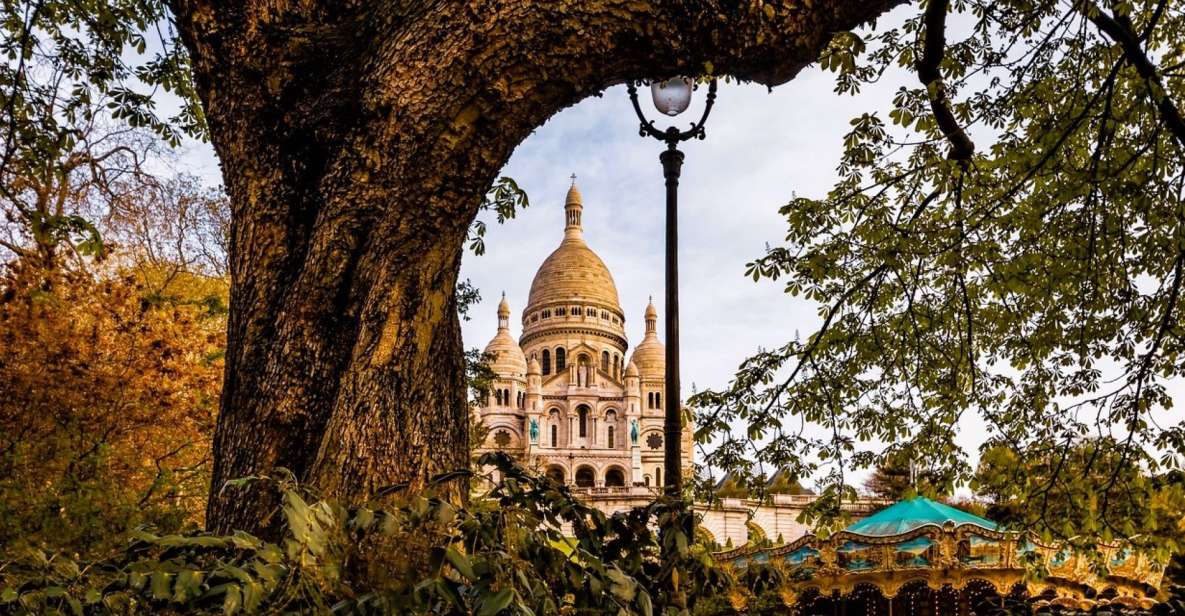
- Sacré-Cœur: The Icon You Can Anchor the Whole Walk To
- Place du Tertre: Where Montmartre Culture Feels Current
- Artist Studios and the Renoir–Van Gogh Mill Connection
- The Side Streets: The Part You’ll Be Glad You Didn’t DIY
- Moulin Rouge: Ending With a Clear Landmark
- Pastries and Drinks: Great Guidance, Not an All-Included Tasting
- Price and Value: What $37 Buys You in 150 Minutes
- Who This Tour Suits Best
- Should You Book This Montmartre Culture and Local Pastries Tour?
- FAQ
- How long is the Paris Montmartre Culture and Local Pastries Walking Tour?
- What is the price per person?
- Where do I meet the guide?
- What’s included in the tour price?
- Are food and drinks included?
- Is pastry tasting included in the tour price?
- What major sights will we see?
- What languages is the live guide offered in?
- Is there free cancellation?
- Is the tour suitable for wheelchair users or mobility impairments?
Key Points You’ll Care About Before You Go
- Chez Ginette is the start so you’re immediately in the right neighborhood rhythm.
- Sacré-Cœur and Place du Tertre show you both the headline landmark and the area’s arts-and-sketch culture.
- Artist-linked stops reference studios and lives of names like Modigliani, Picasso, Utrillo, Van Dongen, Juan Gris, Matisse.
- Renoir and Van Gogh’s mill connection is part of the artistic storyline you’ll follow.
- The Moulin Rouge is the finish—a clean end point for your next plans.
- Pastries and drinks come as guidance, not an all-included tasting—check your expectations.
Entering Montmartre Without Feeling Lost
Montmartre rewards curiosity, but it also punishes guesswork. The streets twist, the views and angles change quickly, and it’s easy to spend your time doing circles instead of learning something. What makes this tour useful is that you’re not just sightseeing—you’re walking with a guide who helps you connect what you see to why it matters.
You’ll cover a well-chosen slice of the district: big names (Sacré-Cœur and Moulin Rouge), plus the living middle part of Montmartre where culture actually happens day to day. That matters because Montmartre isn’t only a museum district. It’s a place where artists inspired the mythology, but today’s scene still shows up in squares, workshops, and the way people gather.
This is also the kind of tour where having a plan beats wandering. With 150 minutes on foot, you want the guide to keep the route logical. Expect lots of street-level detail—shopfronts, small plazas, and alleyways—so bring your camera and comfortable clothes, not your stiff “I’ll just take one photo” outfit.
You can also read our reviews of more walking tours in Paris



Meeting at Lamarck–Caulaincourt Near Chez Ginette
Your day begins at the meeting point between the metro stairs (Lamarck–Caulaincourt) and the restaurant Chez Ginette. That’s practical for two reasons: it’s easy to reach via transit, and you’re starting in a real working part of the neighborhood, not at some remote gate.
The walking portion is the core experience, so I’d treat shoes as your most important travel item here. The route includes labyrinthine side streets and winding lanes, and Montmartre’s terrain can mean you’re climbing and descending in short bursts. You don’t need hiking gear, but you do need footwear that won’t make you miserable by the second hour.
Also, since you’ll be stopping for pastry and drink recommendations, it helps to carry a card or some cash for your own purchases. The tour itself is not an all-included food crawl. It’s a walking and history-and-culture tour with pointed suggestions for where to buy the things you’re craving.
Sacré-Cœur: The Icon You Can Anchor the Whole Walk To
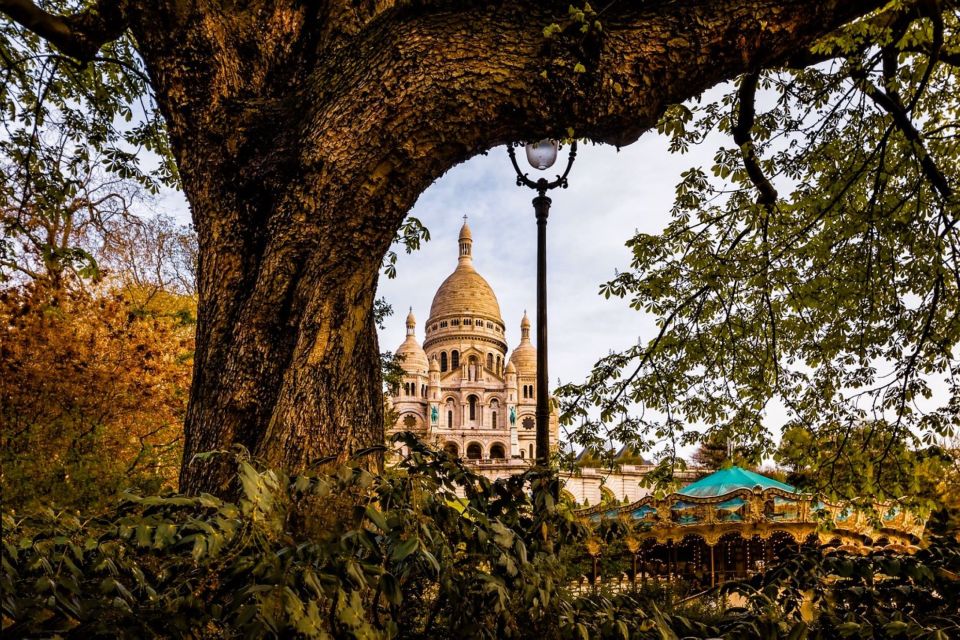
Sacré-Cœur is the kind of landmark that can either feel magical or feel like a photo stop. On this tour, it works better because it becomes an anchor. You’re not just snapping a picture and moving on; you’re using the basilica as a starting reference point for the rest of the district.
From there, you’ll continue into the district’s cultural life. The tour includes key artistic areas, and Sacré-Cœur helps you understand why Montmartre became such a magnet for painters and writers. Your guide’s job is to keep that connection clear while you move through the neighborhood, so you’re not just collecting landmarks.
If you’re the type who likes to know what you’re looking at—why this street exists, why this area became an artist hub, how the district’s identity formed—this is a strong fit. You’ll spend time seeing the basilica and then transition into places that feel more like Montmartre than like a postcard version of it.
Place du Tertre: Where Montmartre Culture Feels Current
Place du Tertre is one of those names that shows up in every Montmartre conversation for a reason. On this tour, it’s more than a scenic pause. It’s described as an artsy hub, which is exactly what you want because it bridges the gap between the famous past and the present-day scene.
This is where you’ll likely feel the practical payoff of having a guide. When you’re alone, it can be hard to separate tourist-facing performances from the ongoing art culture that lives there. With a local on hand, you can get a better sense of what’s happening around the square and why the area still functions as a creative magnet.
Place du Tertre also fits the walking-tour format well. It’s a place where you can slow down, look around, and reset your bearings before continuing into smaller lanes. If you’re trying to see Montmartre efficiently, this kind of pacing matters.
Artist Studios and the Renoir–Van Gogh Mill Connection
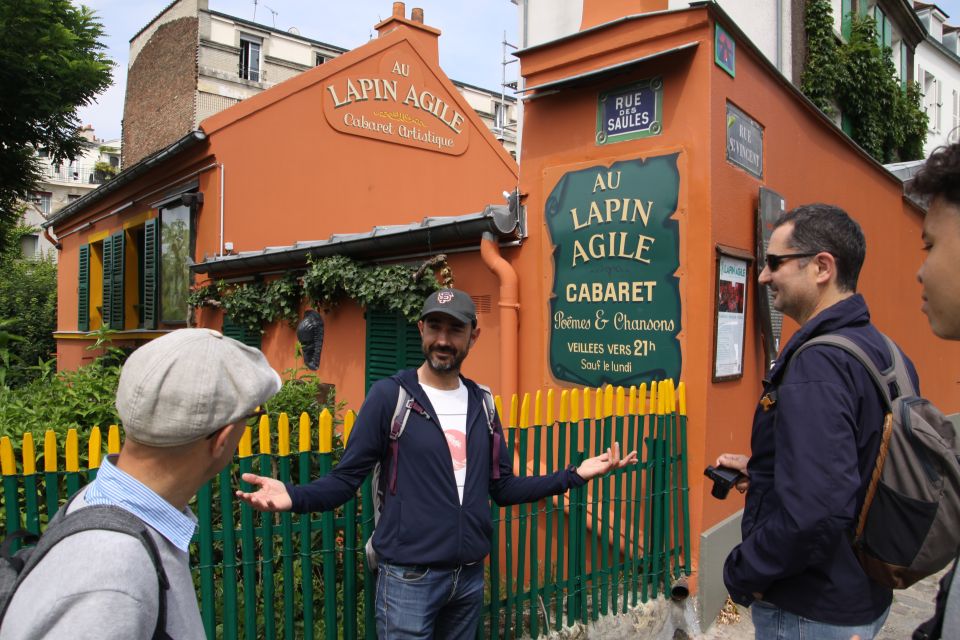
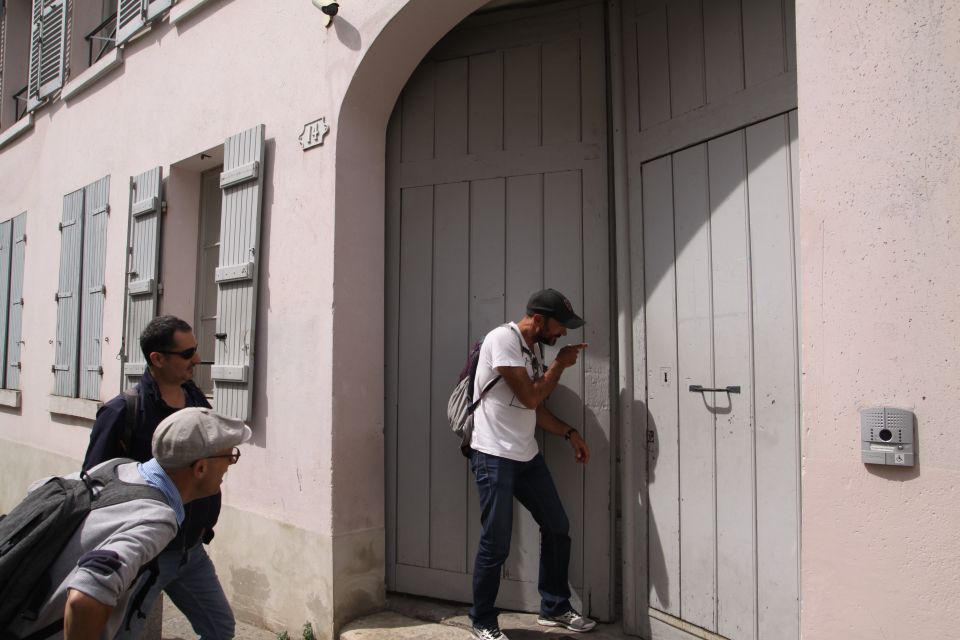
Montmartre is famous for the artists who lived and worked there, and this tour explicitly follows that thread. You’ll see famous studio-linked stops connected to artists including Modigliani, Picasso, Utrillo, Van Dongen, Juan Gris, and Matisse. You’ll also encounter a reference to the famous mill painted by Renoir and Van Gogh.
What I like about this portion is that it turns “artist names” into a walking story. Instead of a lecture where you remember names for five minutes, you’re mapping them onto locations and landmarks in real time. Even if you only recognize a couple of those painters, the guide’s narrative structure helps the rest click into place.
It can also be emotionally satisfying if you like how places gather meaning over time. Montmartre’s streets aren’t neutral. They carry the echo of people who worked there and helped build the district’s reputation. With the guide pointing out connections, you’ll get more out of each stop than you would by simply reading a plaque.
If you’re visiting with art interests, this part is the heart of the tour. If you’re not, it still works because it explains why these buildings and corners earned their fame.
You can also read our reviews of more tours and experiences in Paris






The Side Streets: The Part You’ll Be Glad You Didn’t DIY

The itinerary highlights the labyrinthine alleyways and side streets, and that detail is not filler. Montmartre’s layout can make self-guided walking feel like a puzzle with missing pieces. A guide helps you move through the neighborhood without constantly checking maps or backtracking.
This is where the tour’s value becomes very practical. You’re walking with structure while still experiencing the charm: winding lanes, small squares, and the in-between spaces that make Montmartre feel like Paris but not like the busiest central routes.
From the reviews, one thing pops up repeatedly: guides who are personable and bring the neighborhood to life. People mention names like Climont and Frédéric in particular, and the common thread is a mix of history, story, and navigation support. That’s exactly the kind of guide you want for Montmartre, because the streets do the visual work, but the guide helps you understand what you’re seeing.
A small planning tip: if you’re prone to motion sensitivity, keep your breaks short but frequent. Montmartre’s walking can include frequent turns and grades. Pace matters more than speed here.
Moulin Rouge: Ending With a Clear Landmark
You finish the tour at the Moulin Rouge cabaret. That’s a smart choice for logistics, because you end at a famous, easy-to-recognize point. It also sets you up for your next decision: dinner, a night stroll, or a show if that’s your thing.
Even if you’ve seen Moulin Rouge from photos before, it tends to land differently when you reach it after walking the surrounding streets. You get a fuller sense of how the cabaret fits into the district’s overall character. Instead of feeling like a standalone attraction, it feels like a chapter in the bigger Montmartre story you’ve been walking through.
This is also a good time to think about timing. If you’re pairing the tour with an evening plan, consider that the Moulin Rouge area can be busy. Having the tour end there is convenient, but you’ll likely still want a little buffer for dinner reservations or navigating onward.
Pastries and Drinks: Great Guidance, Not an All-Included Tasting

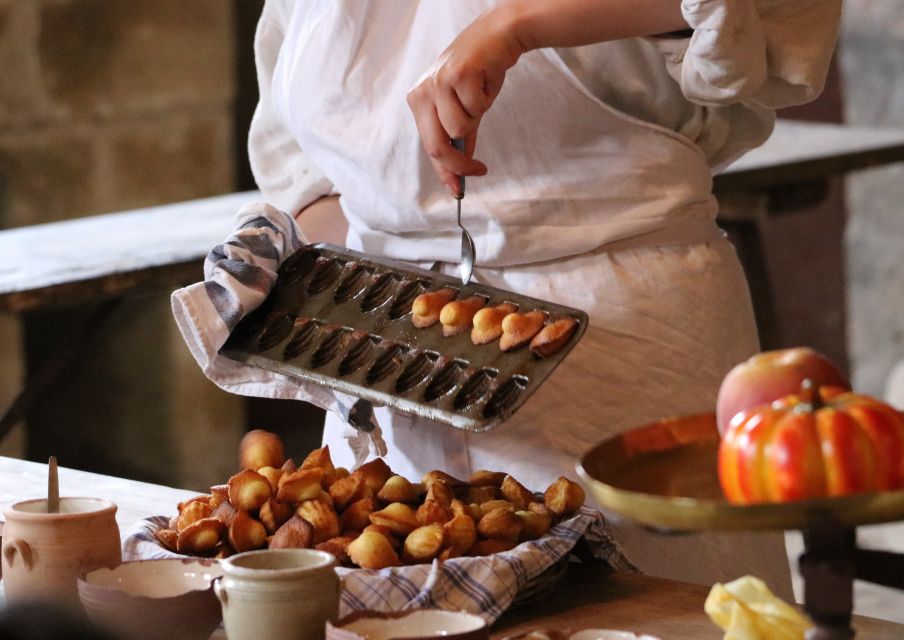
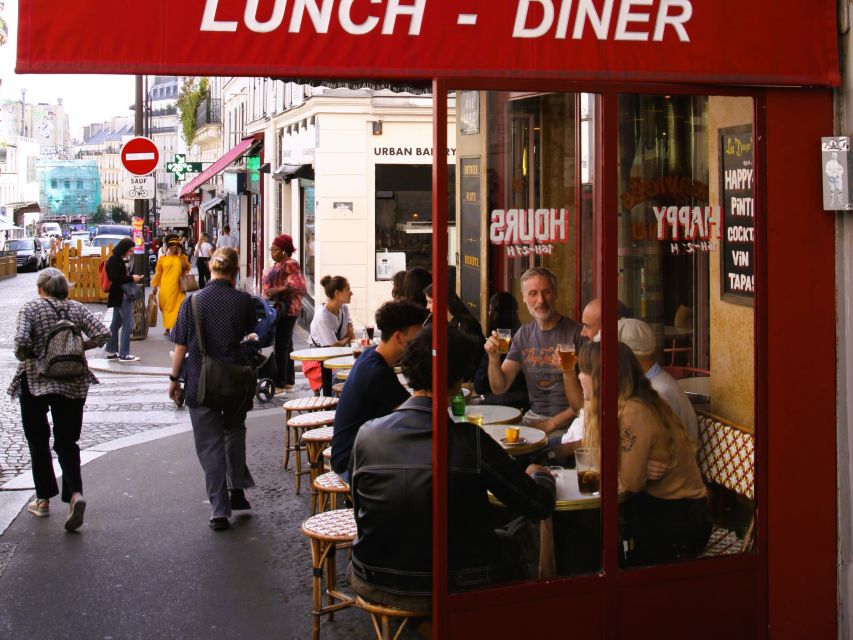
Here’s the point to get right before you book: pastry testing is not included in the tour price. The tour presents iconic Parisian pastries and includes guidance to some of the city’s best spots for pastries and drinks, but you’ll pay for what you order yourself.
One place specifically mentioned is Café des Deux Moulins. If that name is familiar, it’s because it’s strongly associated with the Montmartre pastry-and-coffee experience people chase when they come to the area. This tour’s value is that you’re not guessing where to go after walking for 2½ hours. You’ll have a guide pointing you toward places that fit the neighborhood and your timing.
So, how do you plan your expectations?
- Treat the tasting as optional on your own budget.
- Bring a snack mindset, not a full meal mindset.
- Use the guide’s recommendations to choose one or two items you actually want, instead of trying to sample everything.
This is also where the tour’s title can mislead. If you think you’re signing up for a food tasting program with included bites, you’ll be disappointed. If you want pastry and drink suggestions after a culture walk, you’ll get exactly what you’re hoping for.
Price and Value: What $37 Buys You in 150 Minutes
At $37 per person for 150 minutes, you’re paying primarily for the local guiding and the walking route that strings together Montmartre’s major icons and artist-connected stops. Food and drinks aren’t part of the package, so the cost is best thought of as paying for time, navigation, and context.
Is it worth it? In my view, it becomes a good value if you care about understanding the district instead of only photographing it. Montmartre is a place where a guide can noticeably change your experience. Street-by-street, you get explanation and structure. That’s hard to recreate on your own unless you already know where to look and what you’re trying to learn.
On the flip side, if your main goal is eating and sampling, this may not be the most cost-efficient choice because purchases are on you. You’ll likely spend additional money during the pastry and drink stops, so factor in your personal appetite.
A smart approach: decide what you want to buy ahead of time (one pastry, one drink, maybe a second item if you’re in a good mood). Then use the tour’s guidance to shop faster and avoid wasting time.
Who This Tour Suits Best
This one fits best if you want a guided walk that covers both Montmartre’s famous landmarks and the cultural context behind them. I’d especially recommend it if:
- You like art history, even if you’re not an expert.
- You enjoy neighborhoods more than monuments.
- You want help navigating winding side streets efficiently.
- You want pastry and drink ideas that you can follow up on yourself.
It’s not suitable for people with mobility impairments or wheelchair users, since it’s a walking tour that includes side streets and likely uneven terrain. If that affects you, it’s worth choosing a different format or a route designed for easier access.
If you’re traveling solo, this kind of guided structure can make Montmartre less stressful. If you’re traveling with friends, it can also create shared moments because everyone hears the same stories and sees the same street details in sequence.
Should You Book This Montmartre Culture and Local Pastries Tour?
If you want a smart, time-efficient Montmartre walk with Sacré-Cœur, Place du Tertre, artist-linked stops, and a finish at Moulin Rouge, this is an easy yes. The big reason: you’re not just following a checklist. You’re connecting the district’s artistic reputation to the actual streets and squares you’re walking through.
Book it if you’re happy treating pastries and drinks as extra purchases rather than included tastings. If you’re hoping for an all-included pastry tasting experience, you’ll likely feel let down because food and drinks are not included, and pastry testing isn’t part of the price.
My practical bottom line: it’s a great choice for culture-first people who like to snack afterward—and it’s especially strong when you want a guide to keep you oriented in Montmartre’s maze of streets.
FAQ
How long is the Paris Montmartre Culture and Local Pastries Walking Tour?
The tour lasts 150 minutes.
What is the price per person?
It costs $37 per person.
Where do I meet the guide?
Meet at the point between the metro stairs (Lamarck–Caulaincourt) and the restaurant Chez Ginette.
What’s included in the tour price?
The walking tour and a local guide are included.
Are food and drinks included?
No. Food and drinks are not included.
Is pastry tasting included in the tour price?
No. The tour presents iconic Parisian pastries, but pastry testing is not included in the price.
What major sights will we see?
You’ll see Sacré-Coeur basilica, Place du Tertre, and the Moulin Rouge, along with artist-linked stops in Montmartre.
What languages is the live guide offered in?
The tour guide is available in English, German, French, Italian, and Spanish.
Is there free cancellation?
Yes. You can cancel up to 24 hours in advance for a full refund.
Is the tour suitable for wheelchair users or mobility impairments?
No. It is not suitable for people with mobility impairments or for wheelchair users.