REVIEW · PARIS
Musée d’Orsay Skip-the-Line Tour with Expert Guide
Book on GetYourGuide →Operated by Memories France · Bookable on GetYourGuide
Impressionists hit different with a great guide. You get skip-the-line entry into Musée d’Orsay, then a guided walk that explains why Parisians love this former railway station turned museum so much. It’s not just a tour of paintings, it’s a tour of ideas, arguments, and artistic risk.
I especially like two things: the skip-the-line access (you spend more time looking, less time waiting), and the headsets when the museum gets loud and crowded. With a fully accredited local guide and a clear route through the highlights, it feels easier to make sense of what you’re seeing.
One consideration: if you book the shortest end of the range, the guided loop can feel fast. One guest noted the 90 minutes flew by, so if you’re the type who likes to slow down at each canvas, aim for the longer 150-minute option when you can.
In This Review
- Key things that make this tour worth it
- Musée d’Orsay: the former station that sets the mood
- Skip-the-line value at €82-ish: what you’re really paying for
- Where to meet and how to get there without stress
- What the 1.5-hour guided walk actually feels like
- The Impressionist scandal thread: how your guide ties it together
- Crowds, headsets, and how to enjoy the galleries without rushing
- After the tour: stay longer and return to your favorites
- A quick guide to choosing the right timing for you
- Not everyone should book this tour
- Should you book this skip-the-line Orsay tour?
- FAQ
- How long is the Musée d’Orsay skip-the-line guided tour?
- Is it truly skip-the-line?
- Is the tour guided in English?
- Do you provide headsets?
- Where do I meet the guide?
- Can I stay in the museum after the guided portion?
- Are luggage or large bags allowed?
- Can I cancel and get a refund?
Key things that make this tour worth it
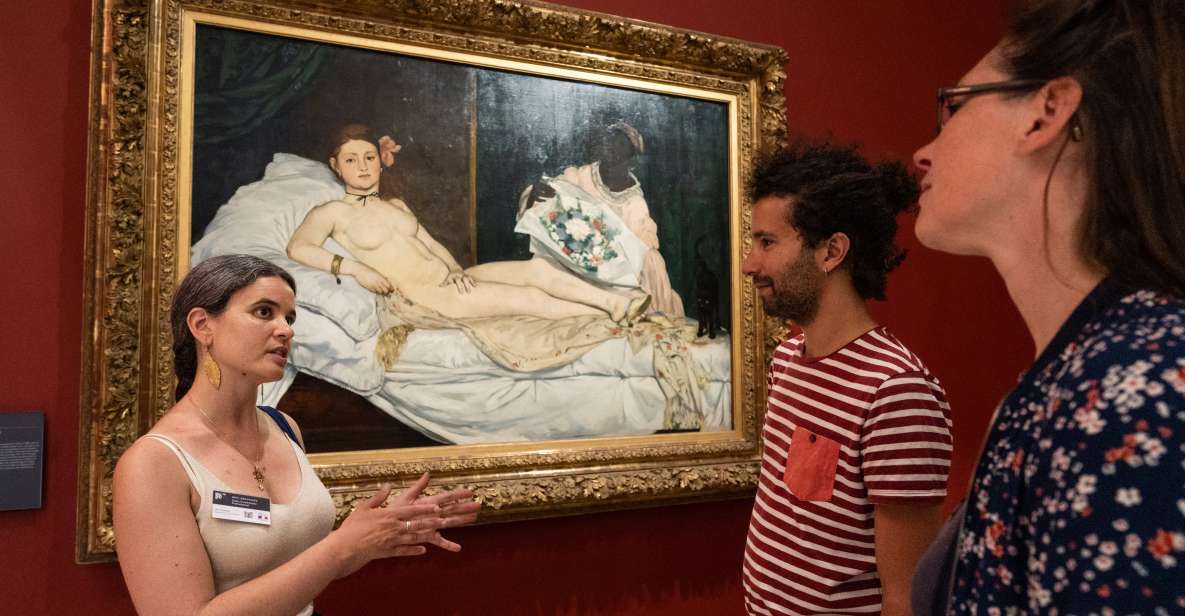
- Skip-the-line entry plus a dedicated entrance so you do not get stuck in ticket queues
- Headsets that help you keep up even in busy rooms
- A guide-led story of Impressionist scandal and change, not just a checklist of famous names
- Major highlights plus lesser-known stops, including time toward the Van Gogh area
- Freedom to stay after the tour and re-visit the works that grabbed you
Musée d’Orsay: the former station that sets the mood
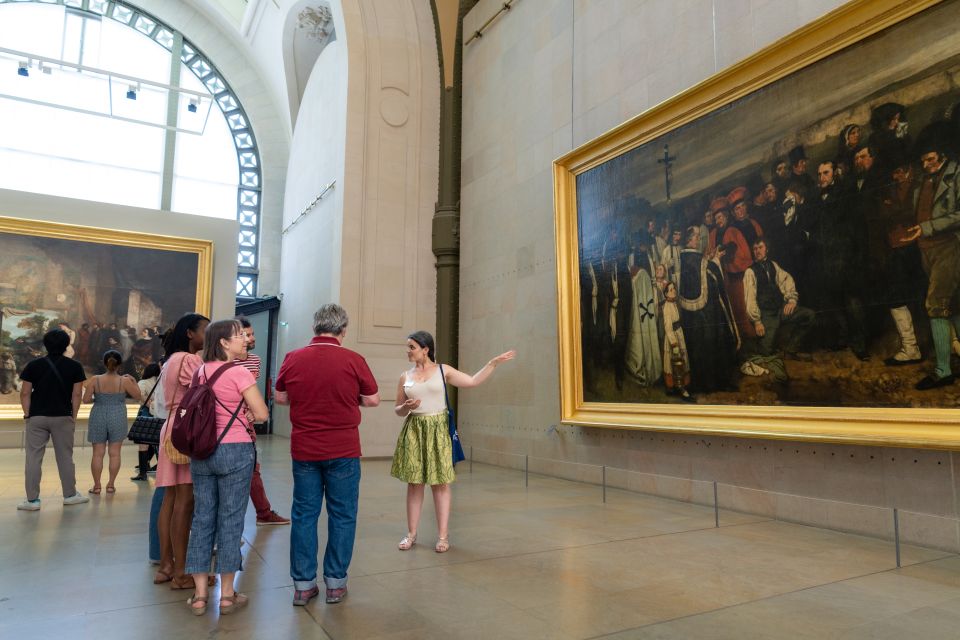
Musée d’Orsay starts with the building, and it matters. This museum lives inside a gorgeous Beaux-Arts railway station built for the World’s Fair era, so even before you see the paintings, you’re in a space designed for movement, schedules, and grand arrivals.
That setting works with the art inside. Orsay is where you see the modern turn in French painting when it was still controversial. The museum layout nudges you through a dramatic period: everyday life became a subject worth fighting for. Brushwork became visible. Color got bolder. Ordinary scenes suddenly felt like a challenge to traditional taste.
If you want Paris without the pretzel of trying to read everything at arm’s length, this is the smart approach: let a guide point you to what to look for first, then use your own time afterward to return to your favorites.
You can also read our reviews of more guided tours in Paris



Skip-the-line value at €82-ish: what you’re really paying for
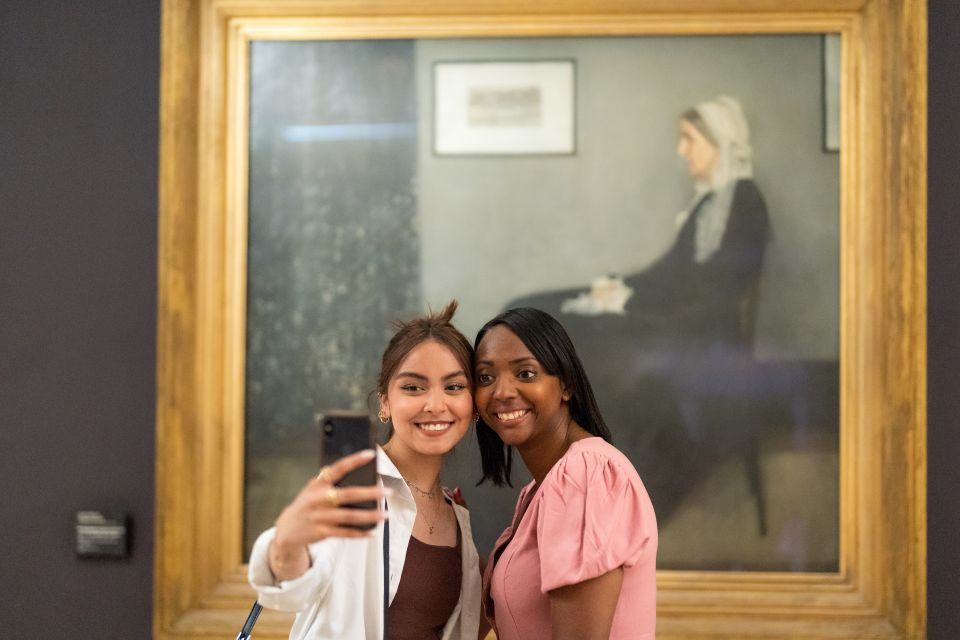
At about $82 per person, you’re not just buying museum access. You’re paying for three practical wins:
- Time savings: you’re explicitly told not to get in the museum lines, which is huge at Orsay.
- Interpretation: the guide connects the paintings to the artists, the ideas, and the social reactions of the time.
- Sightline strategy: in a museum this popular, the difference between seeing a painting clearly and just passing it can be a good route and the right pace.
In other words, you’re paying to make your visit make sense. Orsay is big, and famous works can be harder to enjoy when you’re trying to do it all alone. This tour gives you a guided framework, and then you get to stay as long as you like to continue at your own speed.
Where to meet and how to get there without stress
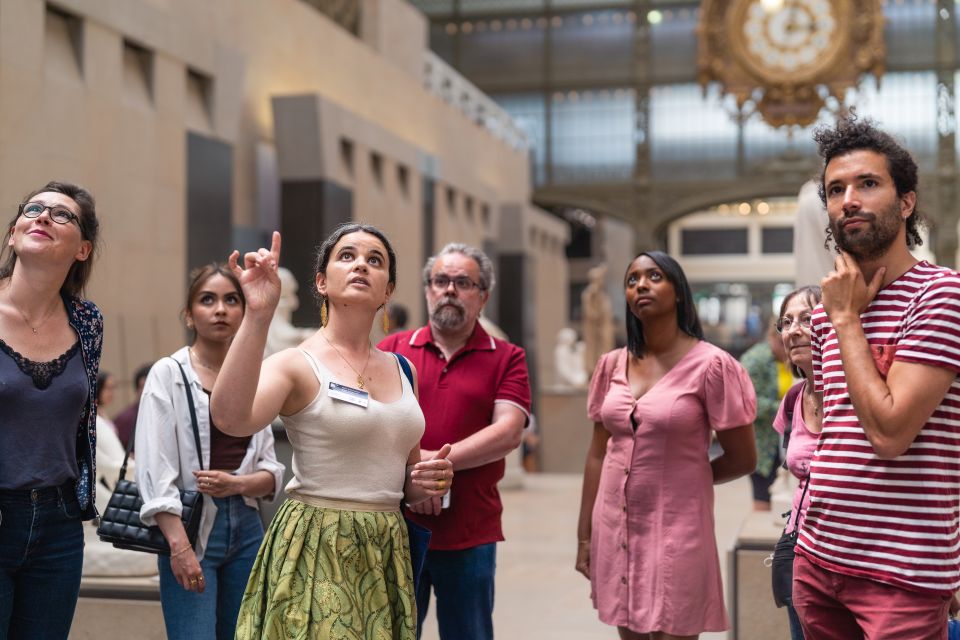
Meeting point is opposite the main entrance to the Musée d’Orsay, next to the entrance of the Legion d’Honneur Museum. Your guide stands by the entrance with a guide badge on an orange lanyard.
You’ll want to arrive early enough to spot them quickly. If you’re taking transit, the nearest options listed are:
- RER Musée d’Orsay (Line C)
- Metro Solferino (Line 12)
One more practical note: no luggage or large bags. Plan on traveling light so you don’t waste time at checks or handling.
What the 1.5-hour guided walk actually feels like
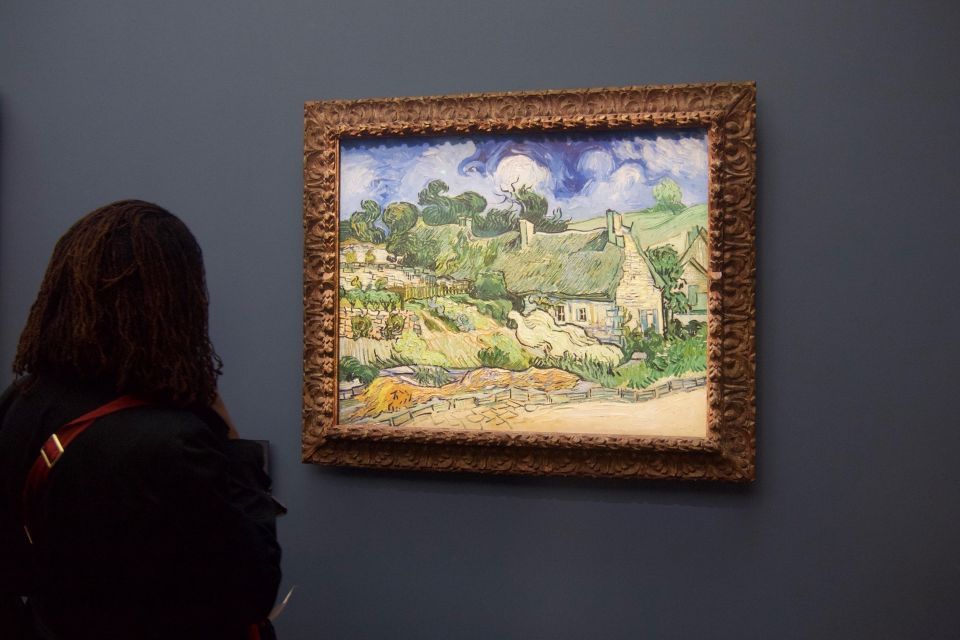
This is a live English tour with a guided loop lasting 90 to 150 minutes. The goal is to cover the museum’s major highlights and also bring in lesser-known pieces, all while keeping you oriented in the building.
In practice, expect the guide to move you through key rooms and stop you at selected canvases long enough to connect what you’re seeing with why it mattered. The tour is designed so you’re not just looking at big names, you’re learning how the artists thought and why the public reacted the way it did.
Several guide styles came through in past groups. Some guides kept the pace even across ages, with clear explanations and humor. Others were more flexible, adjusting the order when a group had specific interests. You can get the best results by using your questions in the moment. If you want the full payoff, ask what to notice in the paint, not just what the subject is.
A pattern you might see: the tour may bring you up to the Van Gogh section, then you’re left to explore on your own. If that’s your priority, it’s a good sign that the tour timing may be set up to end near what you care about.
The Impressionist scandal thread: how your guide ties it together
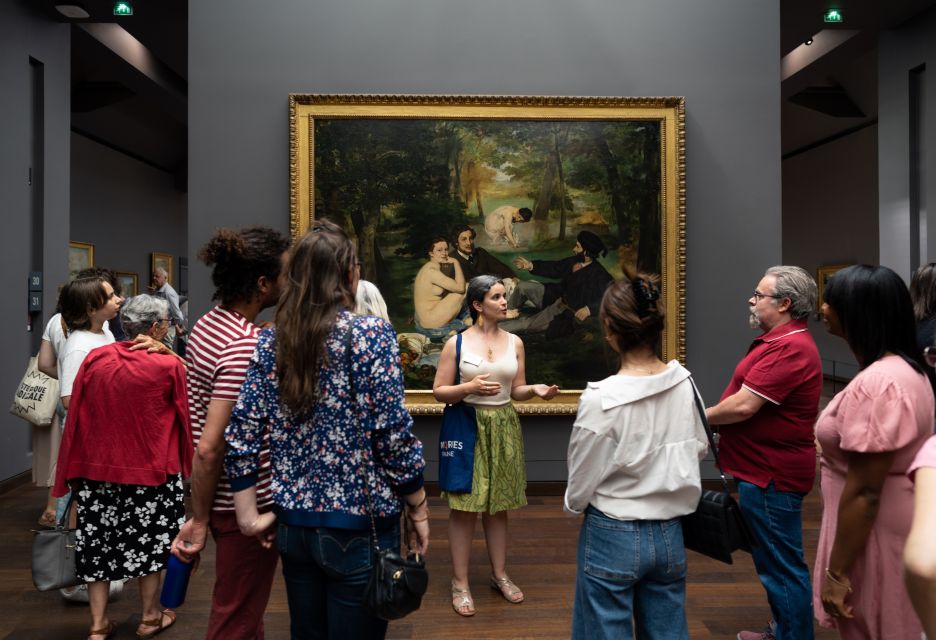
The heart of this experience is the story of the Impressionists when they first appeared. When these paintings were exhibited, everyday scenes and peaceful settings shocked people. The controversy wasn’t subtle. Vivid color, visible brushstrokes, and modern life looked like rules being broken.
A good guide keeps that theme front and center, so the paintings stop feeling like labels and start feeling like events. You’ll hear about artists like Monet, Manet, Renoir, Degas, and Van Gogh, and how they challenged tradition and changed the direction of art.
Here’s why that storytelling approach is so useful: without context, many visitors get stuck in a loop of judgment. With the context, you can see the choices. You start to notice:
- where the paint is meant to be seen
- how modern subjects were treated like serious art
- how style became a kind of argument
- how artists responded to each other
This is also where the guide’s personality matters. Some guides are praised for adding context about society and day-to-day life, always politely. Others focus on artist relationships and the little tensions that push style forward. Either way, the goal is the same: help you understand why these works still grab people.
You can also read our reviews of more tours and experiences in Paris






Crowds, headsets, and how to enjoy the galleries without rushing

Orsay is popular. That means crowded rooms and long paths at peak times. This tour helps you manage that with headsets when appropriate, so you can hear the guide even when other people and echoey halls make listening harder.
From feedback that came up, one of the biggest wins is that guides are good at steering through crowds and getting you to better viewing spots. In at least one case, the museum was extremely crowded, but the guide still kept the group together without losing key stops.
You’ll also want to be realistic about the pace. A tour that hits a lot of highlights will not feel slow. One guest specifically noted a shorter option felt rushed, and that’s fair. If you tend to read every wall label or want extra time at each standout canvas, selecting the longer duration and using your free post-tour time is the best move.
After the tour: stay longer and return to your favorites
The tour includes time afterward, and that part is easy to underestimate. You can stay in the galleries as long as you want after the guided portion.
This is where you can turn a smart overview into a personal visit:
- If one painting hit you, go back and look again
- If you’re curious about a style the guide mentioned, spend time there
- If you want a temporary exhibition, you’ll have the confidence to find your way and pick what interests you
Think of the tour as your map. The museum is too big to fully enjoy in one pass. The best experience comes when you use the guided time to learn how to look, then switch to slow travel mode afterward.
A quick guide to choosing the right timing for you
Because the guided portion is 90 to 150 minutes, your choice should depend on your energy level and how you like to see art.
- If you want a clear sweep of the highlights and you’re fine moving room to room, the shorter end works.
- If you like to linger, take photos, or ask more questions, choose the longer end. One guest felt the 90 minutes ran quickly, so this is the main “make it work for you” lever you have.
Also consider your travel style. If your group has people with different art interests, it can help when the guide takes flexibility seriously. Some groups reported that their guide adjusted the order to match family interests and timing before crowds built, which is exactly the kind of practical care that makes the tour feel worth it.
Not everyone should book this tour
This tour is listed as not suitable for wheelchair users. It also doesn’t work well if you’re carrying large luggage or bags, since those aren’t allowed.
If accessibility is a key concern for you, you’ll need to consider alternative options. If you’re traveling light and you’re comfortable walking inside a busy museum, this is a very workable format.
Should you book this skip-the-line Orsay tour?
I’d book it if you want a first-class way to get oriented fast and still leave with a sense of why the Impressionists shocked their own era. It’s a good value when you factor in the skip-the-line entry, the headsets, and the fact that you can stay afterward to turn the highlights into your personal favorites.
Skip it or reconsider if:
- you hate structured pacing and know you want hours and hours in one room
- you need wheelchair-friendly access
- you’re traveling with large bags
If you do book, bring one mindset: ask questions that help you look. Good guides here are eager to answer, and the whole point is to turn famous paintings into understandable choices.
FAQ
How long is the Musée d’Orsay skip-the-line guided tour?
The guided portion runs about 90 to 150 minutes, depending on the available start time.
Is it truly skip-the-line?
Yes. The tour includes dedicated entrance and entrance fees, and you’re instructed not to get in the museum lines.
Is the tour guided in English?
Yes. The live guide is listed as English.
Do you provide headsets?
Headsets are provided when appropriate, so you can hear the guide even in busier areas.
Where do I meet the guide?
Meet your guide opposite the main entrance to the Musée d’Orsay, next to the entrance of the Legion d’Honneur Museum. The guide wears a badge on an orange lanyard.
Can I stay in the museum after the guided portion?
Yes. You can stay as long as you like in the museum after your tour.
Are luggage or large bags allowed?
No. Luggage or large bags are not allowed.
Can I cancel and get a refund?
Yes. Free cancellation is available up to 24 hours in advance for a full refund. Refunds are not possible for missed tours.