REVIEW · PARIS
From Paris: Chateau de Fontainebleau & Vaux-Le-Vicomte Tour
Book on GetYourGuide →Operated by Blue Fox Travel · Bookable on GetYourGuide
A day of big French palaces starts with one quiet decision: leave Paris for the countryside. This tour pairs Vaux-le-Vicomte (birthplace of the French formal garden style) with Château de Fontainebleau (a royal power center for centuries). The setup is made for flow: van transport, an English-speaking guide, and audio guides in each château so you can learn and then wander at your own pace.
I especially love that you get two very different “why France looks the way it does” stories in one day. At Vaux, you can focus on the garden design—99 acres laid out with precision—and at Fontainebleau you get the scale of monarchy and empire, including Napoleon Bonaparte’s Throne. One drawback: the day is packed, so if you want long, slow exploration of every wing and every garden corner, you may feel the time pressure.
What I like most is value-for-time. Entrance fees, skip-the-ticket-line help, the A/C minibus, and audio guides are included, so you spend less of your day managing logistics and more of it actually looking. Still, you’ll want to plan for lunch on your own, and Fontainebleau is huge—your two-hour visit means you’ll prioritize the highlights rather than see everything.
In This Review
- Key things that make this tour worth your time
- Your big-picture game plan: two châteaux, one coherent story
- Meeting La Flamme and getting out of Paris fast
- Vaux-le-Vicomte: where the gardens steal the show
- What Vaux feels like on arrival
- Gardens: 99 acres and your pace matters
- Inside the château: structured time, audio-guided freedom
- Lunch at Fontainebleau: plan your hour well
- Fontainebleau: the palace of emperors, kings, and big interiors
- Why Fontainebleau is different from a typical palace visit
- Architecture and rooms you’ll actually want to notice
- Transportation and pacing: why the van setup helps
- What you’ll learn (and how it changes how you look at France)
- Who should book this tour (and who might skip it)
- Should you book the Chateau de Fontainebleau & Vaux-le-Vicomte tour?
- FAQ
- What’s included in the ticket price?
- Is lunch included?
- How long is the tour?
- Do you need to worry about weather?
- Where do I meet the tour?
- Is it an audio-guide tour or a live-guide tour?
- Can I cancel for a refund?
Key things that make this tour worth your time
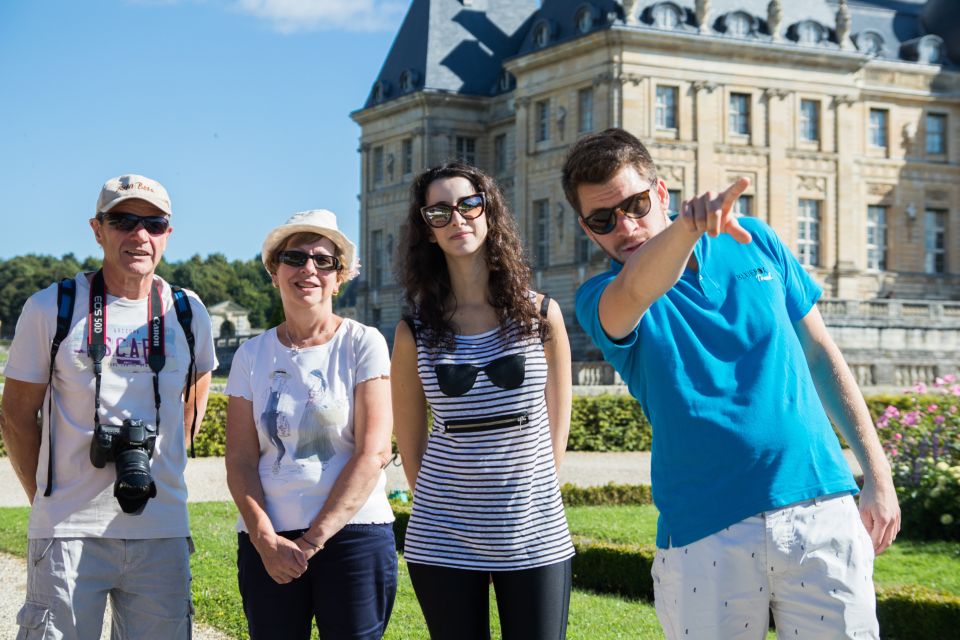
- Vaux-le-Vicomte gardens (99 acres): ordered “à la française” design, plus free time to walk or use the golf cart option
- Skip-the-ticket-line plus included château entry fees, so you start sightseeing faster
- Fontainebleau’s power story: centuries of kings, a Pope, and even Napoleon’s Throne in one place
- Audio guides in each château: good for reading at your own speed while the guide frames the big ideas
- English guide examples: guides like Valeria, Philippe, Clementine, and Augustin are repeatedly praised for keeping the day organized and clear
Your big-picture game plan: two châteaux, one coherent story
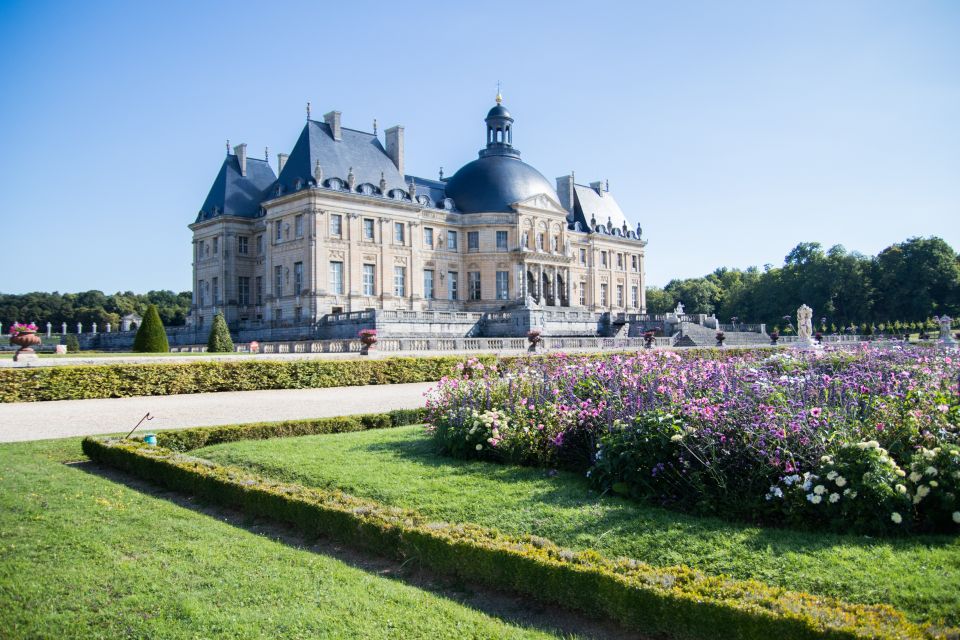
This is a rare day trip because it doesn’t feel like two random stops glued together. Vaux-le-Vicomte is famous partly because it influenced later royal design. When you walk its gardens and see the château’s 17th-century elegance, you start understanding why the Sun King needed a Versailles-sized answer.
Then Fontainebleau flips the emphasis from design to dynastic power. You’re looking at a palace that served as a home for multiple eras—kings and emperors, plus a Pope connection—so the interiors aren’t just “pretty rooms.” They’re evidence of who mattered, when, and how taste was used as authority.
The small-group format (by van, not a bus) helps. You’re not stuck fighting for space at the starting point, and you get smoother transitions between the two sites.
You can also read our reviews of more tours and experiences in Paris.



Meeting La Flamme and getting out of Paris fast
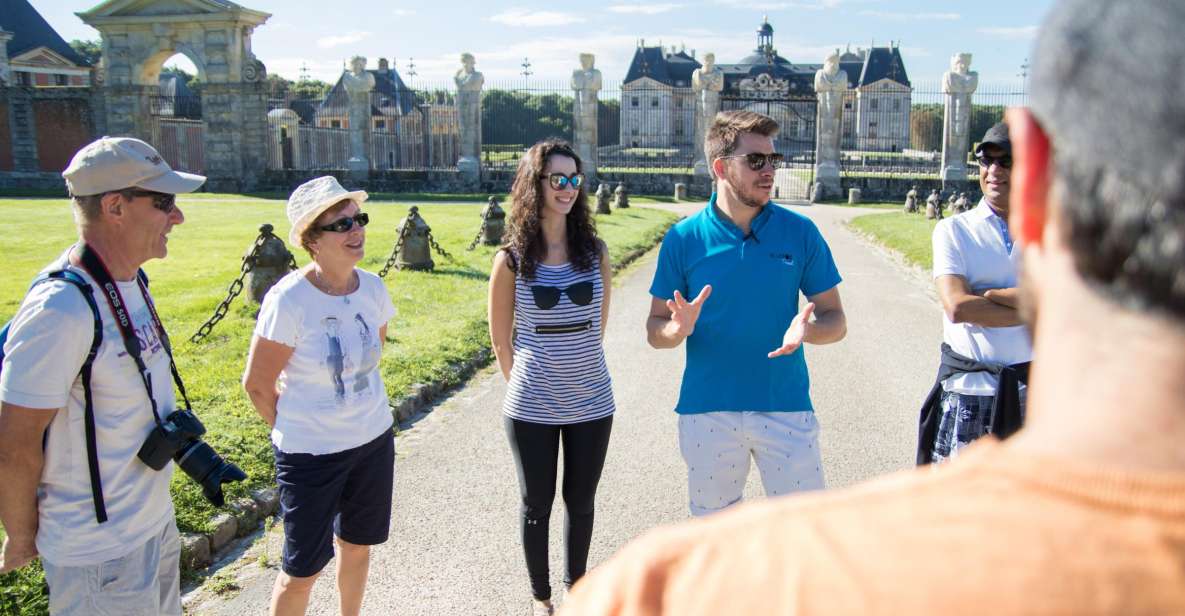
You meet your driver-guide outside 6 Avenue de Wagram at La Flamme, about 15 minutes before departure. The day starts sharply, so arrive early; once you miss the start, there’s no real way to catch up with the group.
From there, the ride out takes about an hour total in transit time before you reach the first château area. You’re not just traveling—you’re buying yourself breathing room. When you leave Paris for Fontainebleau-area countryside, the vibe changes fast: fewer crowds, more space to actually look at details, and a calmer pace for photography and walking.
Vaux-le-Vicomte: where the gardens steal the show
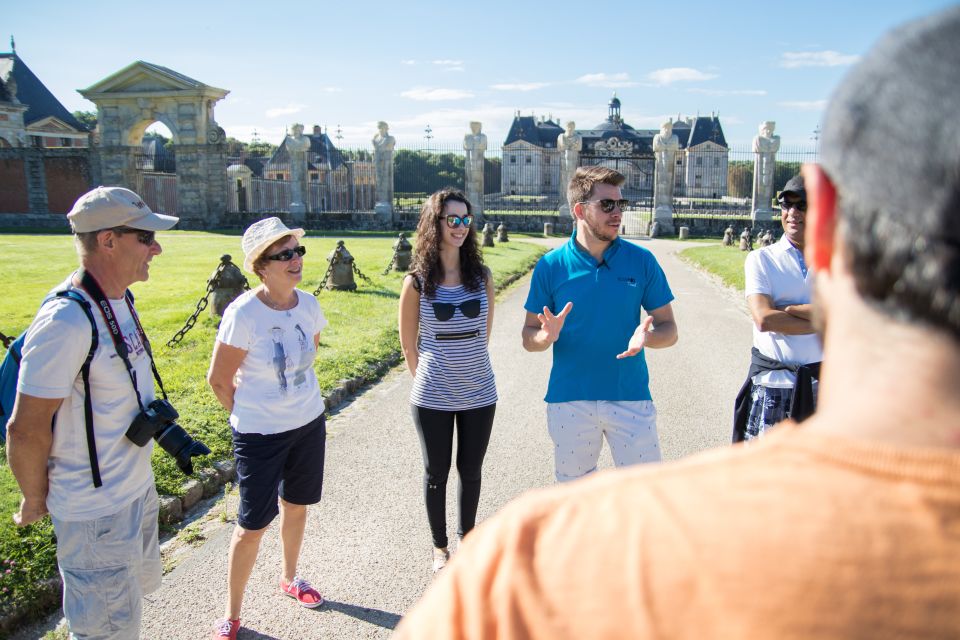
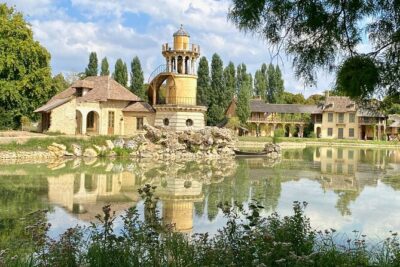
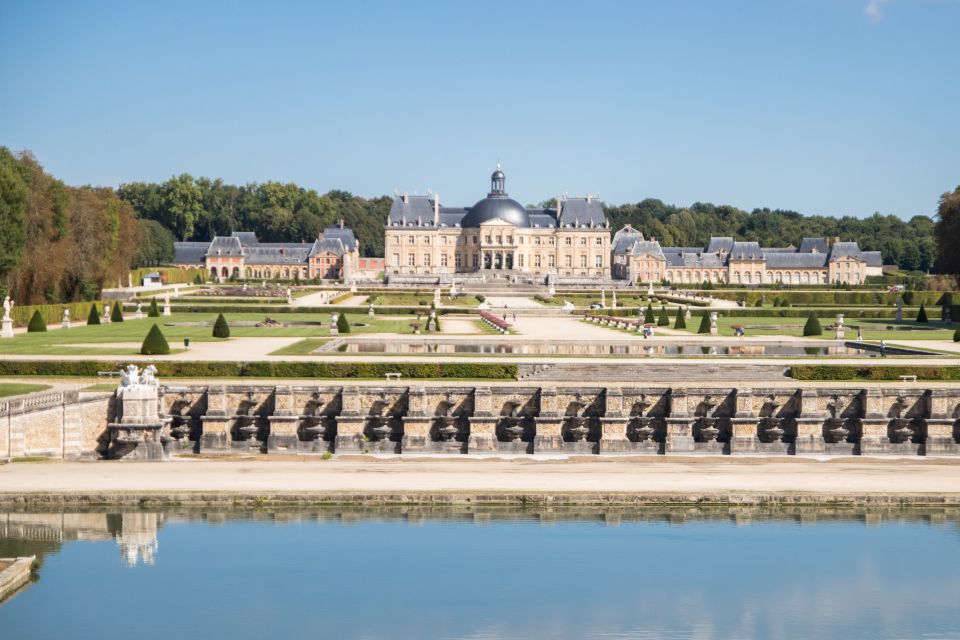
Château de Vaux-le-Vicomte is the kind of place where the “garden view” is not a secondary thing. It’s the main event—planned, measured, and meant to be walked in a certain rhythm.
What Vaux feels like on arrival
You’ll visit Vaux-le-Vicomte for about 2 hours 15 minutes. That’s long enough to do more than rush the highlight rooms, and it also leaves room for the big garden focus that makes this château so special.
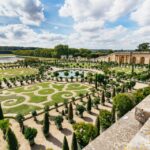
Expect a strong contrast: a deluxe 17th-century château experience paired with a garden layout that looks crisp even when you’re just arriving. The French formal style—paths, sight lines, and symmetry—works best when you can slow down.
Gardens: 99 acres and your pace matters
You get free time in the French gardens, and the size is real: 99 acres. If you decide to walk everything on foot, it can take close to 1 hour 40 minutes to cover a lot of ground.
If you’d rather move faster, there’s a golf cart option. Plan on about 20 euros, and make sure you bring your driver’s licence if you want to drive. (This small detail can save you from a last-minute surprise.)
If you’re tired after the walking-heavy Paris days, the cart is a practical choice. If you enjoy being out in the open and seeing how the design unfolds, stick to your feet and follow the sight lines. Either way, the gardens are the place where Vaux most clearly explains why Versailles came later.






Inside the château: structured time, audio-guided freedom
You’ll have château time plus audio guides included. The best part of audio guides here is that you can match your attention span to the moment. If you want the room-by-room stories, you can follow the guide. If you want to linger on the craftsmanship and spend less time reading, you still get the context.
One small caution: this tour still has moments where the audio guide is doing more of the narration than constant live commentary. If you prefer a guide speaking continuously the entire time, you might find that rhythm different than some other tours.
Lunch at Fontainebleau: plan your hour well
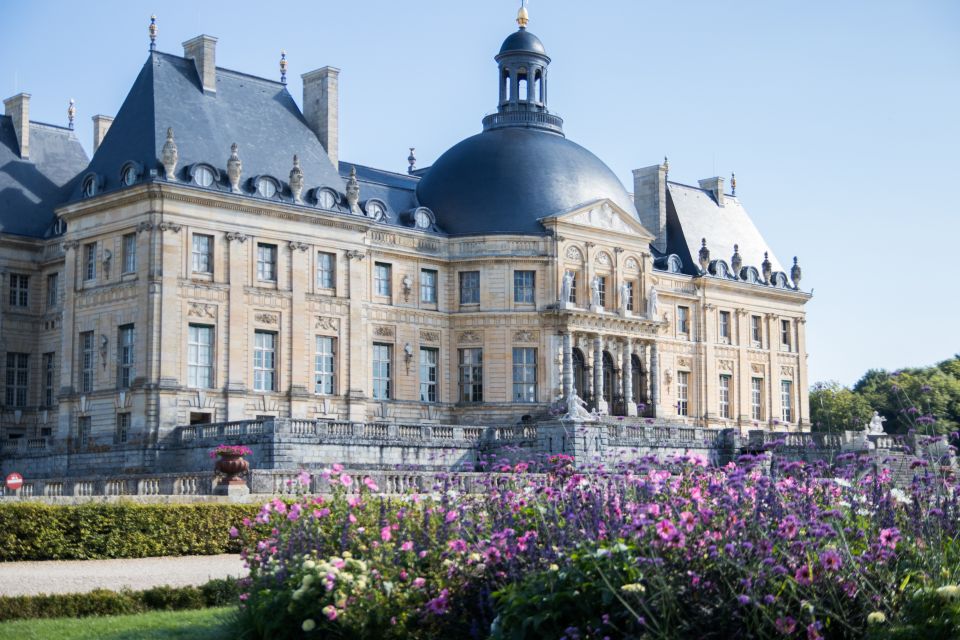
Between the two châteaux, you’ll have a lunch break of about 1 hour at Fontainebleau. Food and drinks aren’t included, so treat this as your practical reset button.
Use the hour to do two things: refuel and re-check your energy level. You’re heading into a much larger, more complex palace experience after this. If you skip lunch, you’ll feel it in the long palace walking.
Fontainebleau: the palace of emperors, kings, and big interiors
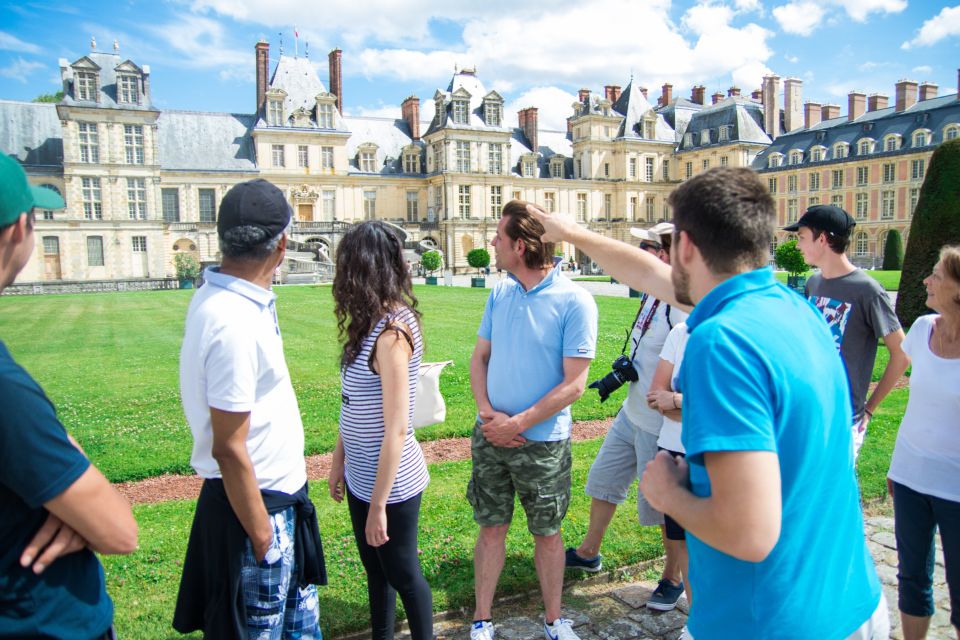
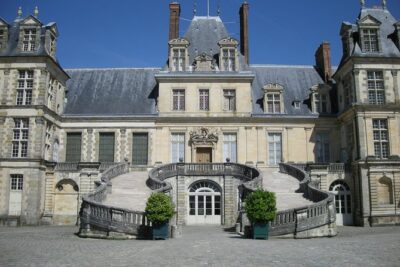
Château de Fontainebleau is the heavy hitter for scale and historical layers. You’ll spend about 2 hours inside, which is enough to take in major rooms and not just stand in one corridor taking photos.
Why Fontainebleau is different from a typical palace visit
Fontainebleau is tied to royal life across centuries. The palace isn’t one single “completed at one time” design. It’s a place where rulers kept adding their mark, and that’s why the interiors feel like they belong to different chapters of French power.
This is also where you’ll see Napoleon Bonaparte’s Throne. It’s one of those objects that instantly shifts your mind into history mode: you’re looking at a symbol of rule, not just décor.
Architecture and rooms you’ll actually want to notice
You’ll explore majestic halls, extravagantly gilded rooms, a decorated chapel, and more. Audio guides help you keep track of what you’re seeing and why it matters.
Several guides have a talent for making these rooms easier to understand without turning them into a lecture. People have highlighted guides such as Philippe and Valeria for keeping explanations engaging and clear, and guides like Clementine for making the timing work smoothly.
One practical reality: Fontainebleau is massive. With a two-hour visit, you’ll focus on the key areas rather than try to “see it all.” That’s not a flaw—it’s just how you protect the quality of what you do see.
Transportation and pacing: why the van setup helps
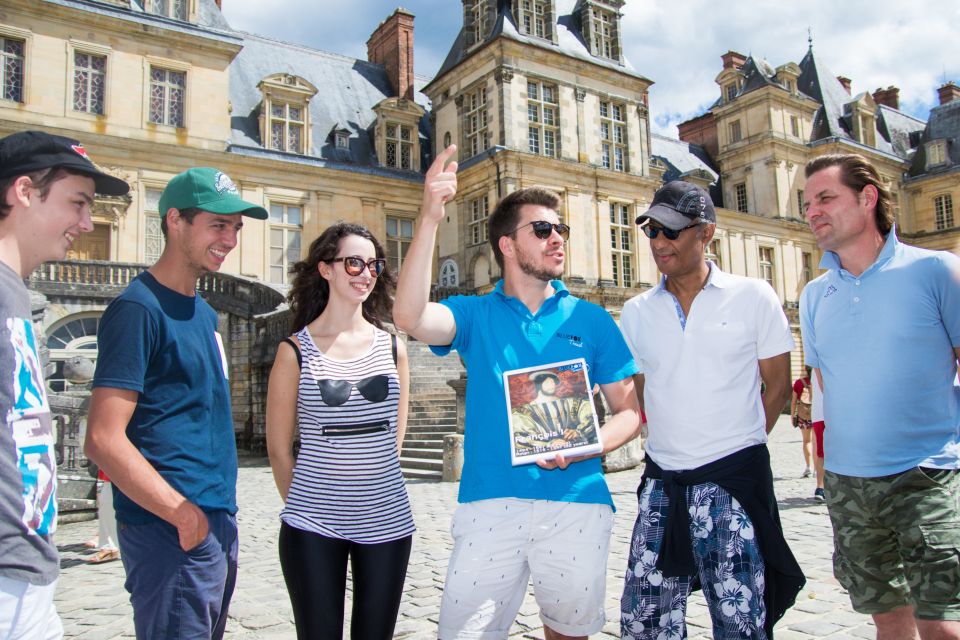
The tour uses an A/C minibus, and it’s one of those details you’ll appreciate more than you’d expect on a full day. Comfort matters when you’re going to two large attractions and you still need energy for walking.
The transfer times are manageable: you’re not bouncing all over France. You leave Paris, hit Vaux, go to Fontainebleau, then back again. You’ll see less “driving time frustration” and more actual château time.
Also, bathroom breaks and timing are generally handled well by the driver-guide format. Still, plan ahead for each site because both châteaux involve a fair amount of walking.
What you’ll learn (and how it changes how you look at France)
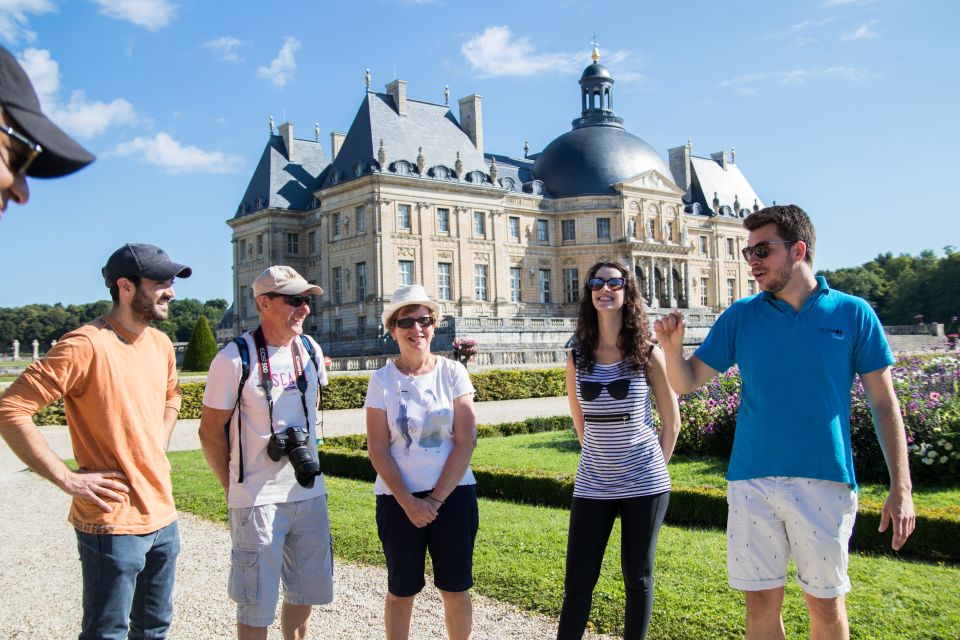
This isn’t only about pretty buildings. The strongest educational value is the way the tour connects:
- how royal design gets invented and copied
- how taste becomes political messaging
- how different rulers left visible marks
At Vaux-le-Vicomte, the garden geometry is a lesson in control and planning—how a powerful household wanted the world to look. At Fontainebleau, the interiors show how power collected over time, with major events and personalities leaving traces inside rooms.
That’s why the pairing works. You don’t just see two “big places.” You see a progression in what France wanted its rulers to represent.
Who should book this tour (and who might skip it)
This day trip is a great fit if you:
- love French gardens and want more than one photo stop
- are interested in royal history and palace architecture
- want a day that feels structured, with audio guides so you can control your pace
- prefer a less-crowded alternative to the most famous palace crush
I’d think twice if you:
- want long, unhurried hours in one château only
- hate the idea of audio guides doing a lot of the narration at certain moments
- have limited stamina for walking (even with the golf cart option at Vaux)
Should you book the Chateau de Fontainebleau & Vaux-le-Vicomte tour?
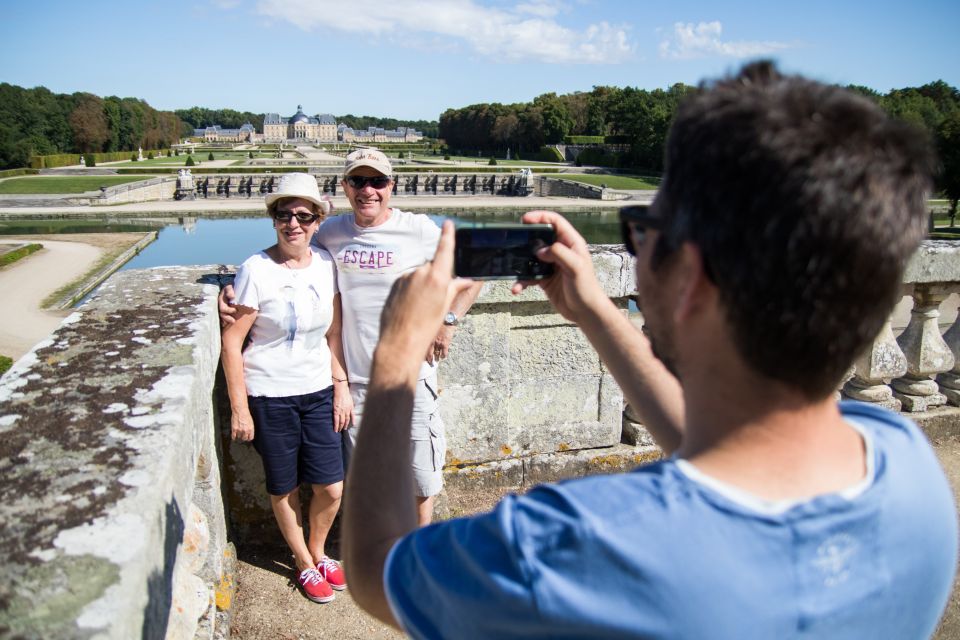
I’d book it if you want the best value way to see two major châteaux near Paris in one day, with the practical win of included entry fees, skip-the-ticket-line, and audio guides in both places. At $259 per person for a 10-hour outing, the price makes sense because you’re not paying extra for core logistics—and you’re getting a real historical through-line rather than two separate sightseeing errands.
Skip it only if your ideal day is slow, solitary, and fully unstructured. This is organized and time-aware. If that sounds like your style, you’ll enjoy how much you get done without feeling like you’re sprinting nonstop through gilded rooms and formal gardens.
FAQ
What’s included in the ticket price?
The tour price includes château entrance fees, transportation by A/C minibus, an English-speaking guide, and audio guides in each château.
Is lunch included?
No. Lunch and drinks are not included, though you do have time for lunch during the Fontainebleau stop.
How long is the tour?
The total duration is 10 hours.
Do you need to worry about weather?
The tour operates rain or shine, so it’s a good idea to bring a light rain layer or umbrella.
Where do I meet the tour?
You meet your driver-guide outside 6 Avenue de Wagram in Paris, at a café called La Flamme, and you should arrive about 15 minutes early.
Is it an audio-guide tour or a live-guide tour?
It’s both: you’ll have an English-speaking live guide plus audio guides in each château for self-paced listening.
Can I cancel for a refund?
Yes. You can cancel up to 24 hours in advance for a full refund.