REVIEW · PARIS
1st Day in Paris Discovery Private Tour: ‘How-to’ Orientation & Sightseeing Fun!
Book on Viator →Operated by Adventure Tours France · Bookable on Viator
Day one in Paris can feel chaotic. This private 2-hour orientation turns that chaos into a simple plan, with hotel pickup and practical sightseeing in between. I like how it mixes classic streetscapes with real “how do I actually get there” guidance.
What I especially like is the focus on public transit basics you’ll use immediately, plus the way your guide tailors the route to your timing and priorities. You’ll also get outside photo moments at major landmarks, so you’re not just memorizing Paris on paper.
One thing to consider: the tour packs a lot into a short window. If you want ultra-slow sightseeing, you may find the pacing a bit tight unless you request extra time.
In This Review
- Key takeaways before you go
- Why a two-hour Paris 101 beats guessing on your first day
- Hotel lobby pickup and a plan that fits your itinerary
- Thor’s Paris transport how-to: Metro, RER, bus, and Navigo cards
- Saint-Germain-des-Prés: oldest church vibes and a café culture shortcut
- Latin Quarter wandering: medieval streets, old cafés, and Picasso details
- Pont Neuf and Notre-Dame photo timing: what you’ll see and what to plan for later
- Opera neighborhood orientation: passages, department stores, and rooftop views
- Montmartre when time allows: how to manage the uphill dream
- Louvre Museum exterior and Tuileries Garden: the quick win orientation
- Practical Paris tips you can use for the rest of the trip
- What you might find a mismatch: pace, and how to tailor it
- Who this private tour is best for
- Price and value: why $83.48 can be money well spent
- Should you book this first-day orientation tour or skip it?
- FAQ
- How long is the Paris Discovery Private Tour?
- Is this tour private or shared?
- Do you offer hotel pickup?
- What language is the tour in?
- Are entrance tickets included for monuments?
- Is food included?
- Will we visit Montmartre and the Louvre?
- What should I expect to learn?
- Does the tour operate in bad weather?
- When will I get confirmation after booking?
Key takeaways before you go
- Hotel lobby pickup means no hunting for a meeting point while jet-lagged.
- Metro, RER, and bus coaching so you can travel with confidence right away.
- Photo-stop orientation at big landmarks like Notre-Dame and the Louvre exterior.
- Neighborhood variety from Saint-Germain-des-Prés to the Opera area, with Montmartre depending on time.
- Small, private-group feel so you can ask questions instead of watching from the back.
- Practical Paris tips like café etiquette and basic safety awareness.
Why a two-hour Paris 101 beats guessing on your first day
Paris is gorgeous, but it can be mentally loud on day one: street signs, station names, ticket types, and crowds all at once. This tour is built for that exact problem. In about two hours, you get a straightforward framework for moving around and a quick orientation to the city’s “shape,” not just a list of sights.
The best value here is that your time isn’t spent wandering aimlessly. You’re shown how Paris works day-to-day—especially the transit piece—so your next days run smoother. That’s the difference between collecting photos and actually enjoying your itinerary.
And because it’s private, your guide can slow down (or speed up) depending on what you’re unsure about. If transit is your main worry, that becomes the center of the tour.
You can also read our reviews of more private tours in Paris



Hotel lobby pickup and a plan that fits your itinerary
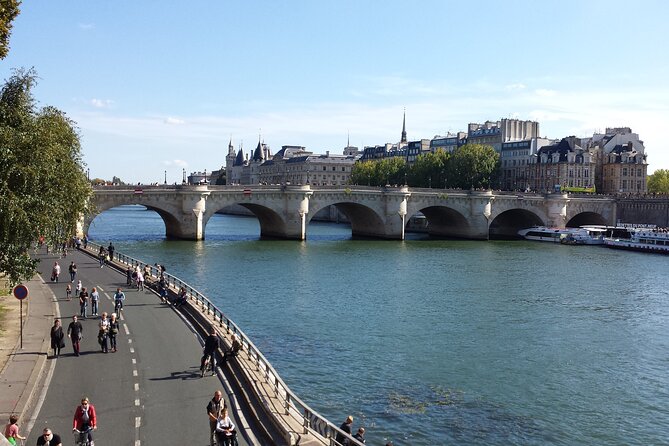
With hotel pickup, you start with less friction. You meet at your hotel lobby (or your Airbnb/other lodging), and then you’re off. That sounds minor until you’re standing on a busy street trying to match a location pin to a real doorway.
From there, the route is flexible. You’ll pass key sights along the way, and your guide can adjust based on time and what you want most. Reviews highlight that your guide (Thor) asks about your plans so he can walk you through how to reach future meet points and daily stops.
This is also why the “private” part matters. You can ask questions while you’re walking, not after you’ve already gotten on the wrong line.
Thor’s Paris transport how-to: Metro, RER, bus, and Navigo cards
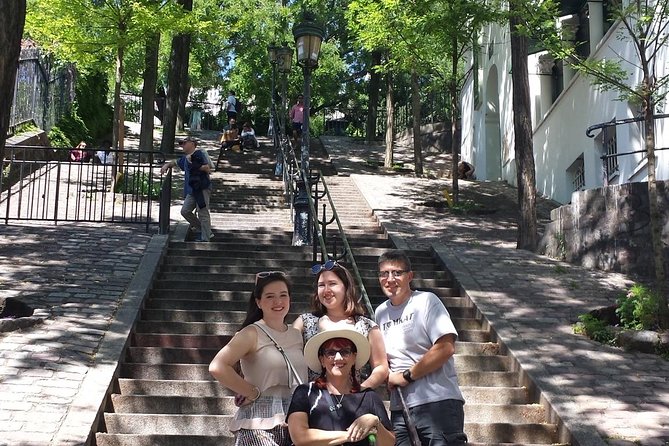
If your biggest fear is getting stuck on the wrong train, you’re in the right place. The tour is famous for the “on the job” transit lesson. You’ll learn the basics of using the metro system, plus how the bus fits into Paris travel. Many people also mention RER in the mix, which is a big deal for longer routes.
Here’s what you should expect in real life:
- How to read metro map layouts and station signage
- How to buy and use transit access (including getting a Navigo card and knowing how it works for bus and train)
- How to plan a journey so you’re not guessing when you switch lines
- Practical reminders like station door timing and staying together in busy areas
- Advice on which way to walk and where to orient yourself
A nice extra: you may take a short ride with your guide so you’re not just memorizing steps. That one transfer can save you real frustration later.
Saint-Germain-des-Prés: oldest church vibes and a café culture shortcut
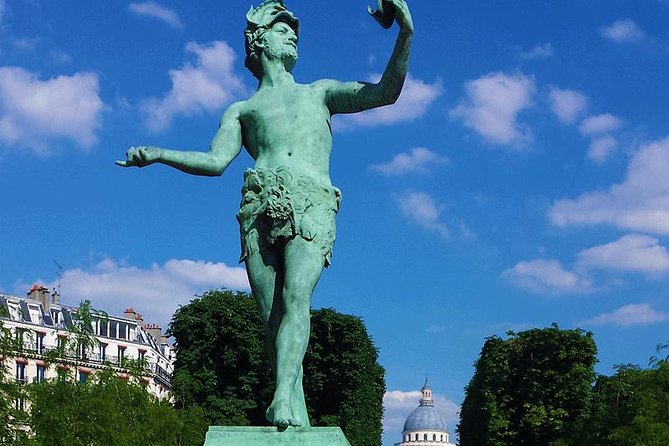
The tour’s start in Saint-Germain-des-Prés sets the tone: classic Paris, lived-in streets, and a sense of layers. You’ll pass by the church area that’s known for being among the oldest in Paris, and it’s a good “first sight” because it’s both beautiful and historically grounded.
You’ll also walk past the café reference points that pop up in pop culture. The tour route is designed so you can spot the spot without hunting it down yourself later. One reason this part works is that it teaches you how Paris neighborhood blocks feel on foot—wide views, narrow lanes, and where people actually linger.
What I like: it’s not just pretty scenery. It’s a simple way to understand the city’s rhythm before you move on to the busier tourist zones.
Potential drawback: if you’re only interested in the most famous exterior landmarks, this early neighborhood stop may feel a little slow. But it’s exactly the kind of “context” that makes later navigation easier.
Latin Quarter wandering: medieval streets, old cafés, and Picasso details
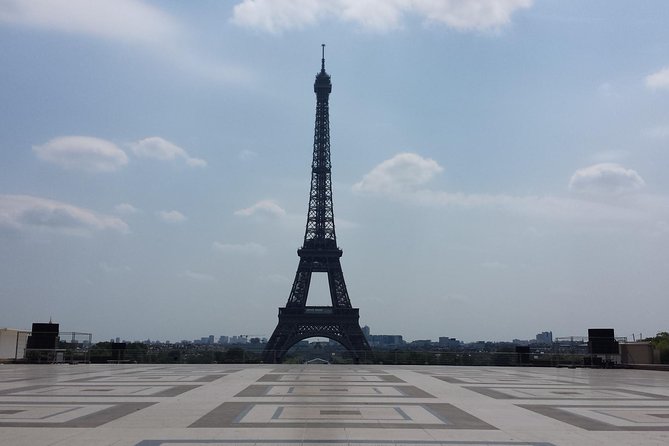
Next comes the Quartier Latin. This is where the tour shifts from “major sights” to “how neighborhoods work.” You’ll explore medieval streets and pass by landmarks and café references tied to Saint-Germain-des-Prés and the Latin Quarter area.
If you’re the type who likes small details, this is a good stretch. The route can include a Picasso sculpture stop, plus general “what to notice” guidance as you walk. And because it’s part of the same orientation day, your transit knowledge and neighborhood observations reinforce each other.
In practical terms, this helps you later when you’re deciding where to wander. You start to recognize the feel of different arrondissements and street patterns instead of treating all central Paris like one giant tourist zone.






Pont Neuf and Notre-Dame photo timing: what you’ll see and what to plan for later
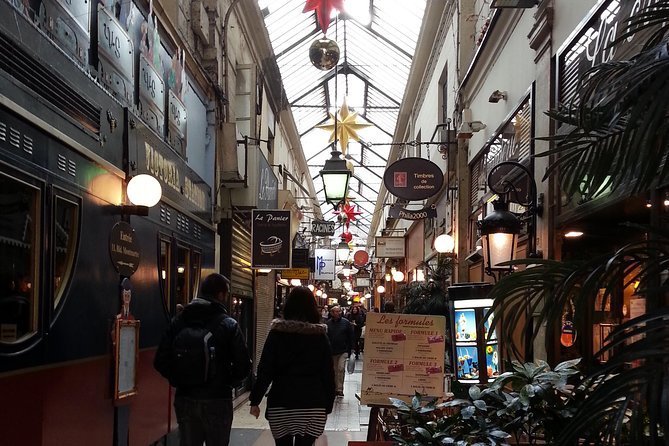
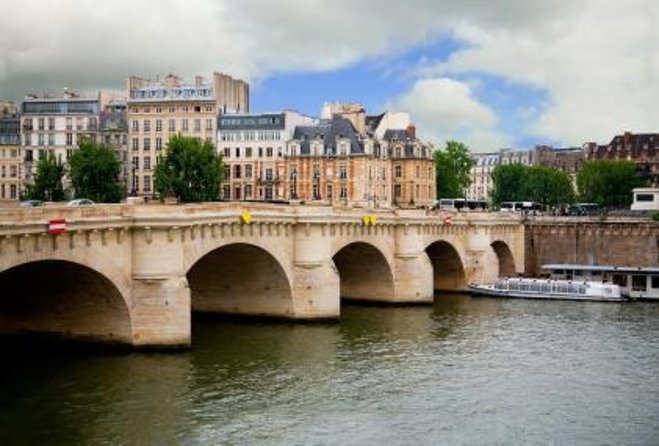
You’ll pause at Pont Neuf, Paris’ oldest bridge, for a photo stop and a sense of the river’s role in the city. That view matters because it helps you “mentally map” Paris. When you can picture the Seine and major crossings, routes get easier fast.
Then comes the Notre-Dame area. Expect a photo opportunity while walking from left bank to right bank, with the cathedral visible from the island. The tour notes that entry would depend on reopening status, so plan for this day to be about orientation from the outside rather than a full interior visit.
This still has strong value. From here, you’ll learn how that whole area sits in relation to where you’ll likely go next—whether that’s the Latin Quarter, the Opera area, or onward into museum country.
One real tip to take from the day: if Notre-Dame interior timing is important to you, plan your visit as a separate step once you know what’s open.
Opera neighborhood orientation: passages, department stores, and rooftop views
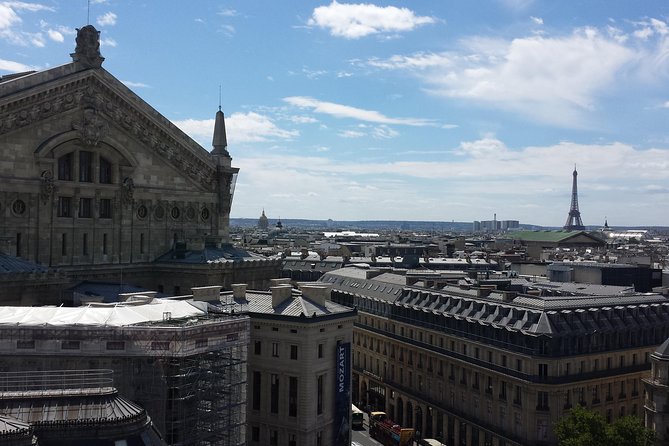
The tour shifts into the Opéra area, often connecting you through spots like Palais Royal and covered passages. This is a clever choice because it shows a different side of Paris: more elegant corridors, shopping streets, and grand building fronts.
You’ll also walk up toward the area around Opéra Garnier and then back through facades and rooftop terrace viewpoints linked to big department stores like Le Printemps and Galeries Lafayette. Even if you don’t go inside, seeing how these places are arranged gives you an instant “map” for future visits.
Why this stop helps: once you know the Opéra neighborhood’s structure, you can navigate between theaters, major boulevards, and museum areas with less stress. Paris can feel like separate worlds unless you connect them with real walking routes.
If you’re someone who hates crowds, go into this area with a flexible mindset. It’s central, and central areas move slower.
Montmartre when time allows: how to manage the uphill dream
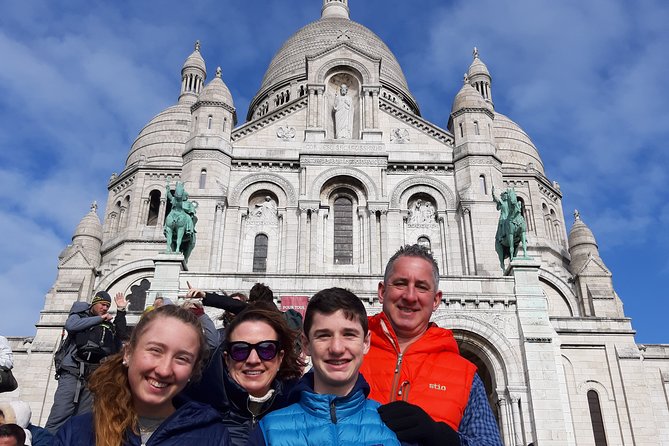
Montmartre is included depending on time. The tour is designed so you can see as much as possible, but it’s still a time-boxed orientation moment rather than a deep dive.
In practice, what that means is you get the “feel” of Montmartre—the hillside character—and likely the key viewpoint areas you’d want for first-day orientation. If you fall in love with the vibe and want more, the tour can be modified with additional time by request.
That flexibility is important. Montmartre can swallow an entire afternoon if you let it, and day one in Paris is where you most need control over your schedule.
Louvre Museum exterior and Tuileries Garden: the quick win orientation
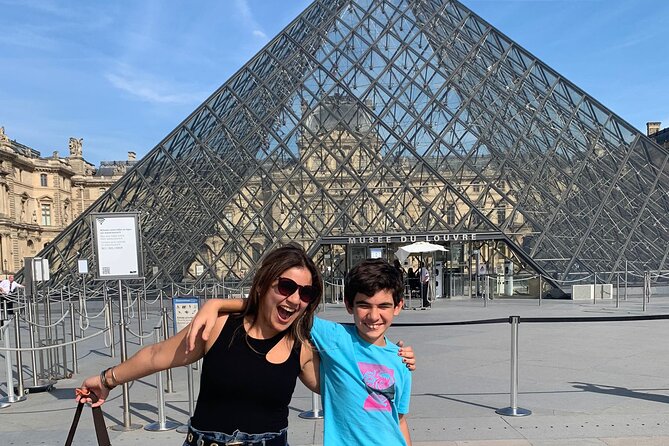
You’ll finish with Louvre exterior orientation: photo opportunities in front of the glass pyramid, plus the nearby Tuileries Garden area. Entrance to the Louvre isn’t included, so this part is about getting your bearings.
This works well even if you’re planning to go inside later. Knowing where the main visual landmarks are helps you avoid wasting time searching for the building entrance you actually need. Several reviews also mention getting practical hints like where timed lines are located for a later visit, which is the kind of tip that prevents a lot of “where do we go now” moments.
If you want museums to feel manageable, this is a smart first-step approach. You’re setting up your next decision, not replacing it.
Practical Paris tips you can use for the rest of the trip
This is the kind of tour where the value shows up after you walk away. The guide’s advice tends to stick because it’s directly tied to what you’re doing right then.
Here are the types of tips emphasized:
- Café etiquette and basic “how to order” confidence so you don’t stall in front of a menu
- Safety reminders around scams and pickpocket awareness, especially near transit hubs
- Little language basics that help you communicate without freezing
- How to understand street signage and arrondissements so you stop thinking in just “center vs not center”
- Suggestions for where to eat and what fits your day’s vibe
One subtle but important point: your guide isn’t just pointing at sights. He’s explaining how to move like a local through the city’s systems—subway maps, ticket rules, and the timing reality of crowded stations.
What you might find a mismatch: pace, and how to tailor it
The tour is short, and it’s designed to cover a lot of ground. That’s great for first-day orientation, but it can feel rushed if you want long pauses at each spot or deep museum time.
Also, transit learning can be mentally “busy.” Some people love learning the Metro system in a guided step-by-step way. Others prefer a simpler sightseeing approach with fewer logistics lessons. The tour is geared toward the how-to side.
My practical suggestion: if you have a specific goal like extra time in Montmartre, a longer museum stop, or a slower pace, say so before you go. Extra hours are possible by request, and that’s the best way to keep the day fun instead of frantic.
Who this private tour is best for
This tour is a strong match if:
- You’re visiting for the first time and want to feel confident using public transit quickly
- Your schedule is tight (long weekend or first 1–2 days)
- You want a personal guide who can answer questions as you walk
- You like getting practical tips, not only history facts
- You value a “lay of the land” orientation before committing to bigger plans
It’s also a good option if you’re traveling with kids who need engagement and clear structure. The tour can handle mixed ages when the guide knows you want more interactive pacing.
If you already know the Metro well and you only want landmark sightseeing with minimal logistics, you might prefer a different style of tour that spends more time inside or at fewer stops.
Price and value: why $83.48 can be money well spent
At $83.48 per person for about two hours, the value depends on what you struggle with. If you’re nervous about transit, the tour can pay you back quickly. Learning the Metro, buses, and how to use a Navigo card can save time and reduce stress for the rest of your trip.
You’re also getting:
- Hotel pickup included
- A private guide for just your party
- Outside orientation at major points like Notre-Dame and the Louvre exterior
- Practical city living tips (café etiquette, safety awareness, signage basics)
What’s not included is monument entrance, food, and drinks unless specified. So treat this as an orientation and navigation booster, not a ticketed sightseeing day.
If you’re the type who would otherwise waste hours figuring it out alone—or keep taking taxis because transit feels hard—this can be a very efficient way to spend your first day.
Should you book this first-day orientation tour or skip it?
Book it if you want a calmer Paris from day one. You’ll likely come away with real transit confidence, neighborhood awareness, and guidance you can use immediately. The hotel pickup and private format are big wins, and the focus on practical how-to tips is exactly what makes the tour feel worth it.
Skip or tailor it if you want slow, in-depth sightseeing with lots of interior time, or if you already feel very comfortable navigating the Metro. In that case, you may want a longer version or a different type of tour that matches your pace and interests.
FAQ
How long is the Paris Discovery Private Tour?
It runs for about 2 hours.
Is this tour private or shared?
It’s private. Only your group participates.
Do you offer hotel pickup?
Yes. You can be picked up from your hotel lobby (or your Airbnb/other lodging).
What language is the tour in?
The tour is offered in English.
Are entrance tickets included for monuments?
Entrance tickets to monuments are not included. Many stops are photo stops and are free from an admission standpoint, but you should plan on paying for any interior visits on your own.
Is food included?
Food and drinks aren’t included unless specified.
Will we visit Montmartre and the Louvre?
Montmartre is included depending on time. The Louvre stop is exterior orientation with photo opportunities, and it doesn’t include museum entrance.
What should I expect to learn?
You should expect a practical introduction to navigating Paris using public transportation, including metro and bus basics, plus other city tips for getting around.
Does the tour operate in bad weather?
It operates in all weather conditions, but the experience requires good weather and may be offered a different date or a full refund if it’s canceled due to poor weather.
When will I get confirmation after booking?
Confirmation is received within 48 hours of booking, subject to availability.
If you want, tell me your travel dates and what you’re most worried about (Metro, neighborhoods, museums, or food), and I’ll suggest how to prioritize your must-sees inside a 2-hour orientation window.