REVIEW · PARIS
Skip-the-line Rodin Museum Tour with Artist
Book on GetYourGuide →Operated by That Time in Paris · Bookable on GetYourGuide
Rodin hits different when an artist explains it. This skip-the-line Musée Rodin tour pairs you with a private artist-guide so you understand Rodin’s masterpieces through real studio thinking, not just art facts. You’ll also get that special sense of place inside the rococo mansion, then step into the gardens where the sculptures feel like they’re part of the landscape.
Two things I like a lot: the artist-guide angle (it makes the work’s surfaces and forms click fast) and the garden time (you see Rodin’s bronzes in the setting they were meant for). One possible drawback: 2 hours is short, so if you want to read every label and soak up the museum at your own pace, you’ll feel a little rushed.
If you’re traveling with limited time, this is a smart fit. The guide works in English or French, and the tour is built around getting you inside quickly, then moving you through the highlights and viewpoints without wasting your day standing in line.
In This Review
- Key things to know before you go
- Skip the line at Musée Rodin’s entrance, then get moving
- The private artist-guide makes Rodin’s surfaces and forms make sense
- Inside the rococo mansion: Rodin’s evolution in real space
- What can feel overwhelming here
- Rodin’s antique fragments: learning how he borrowed from the past
- iPad tools: practical support when you’re squinting at scale
- A short coffee break at L’Augustine, then the garden viewpoints
- Sculpture Garden time: multiple angles for bronzes like The Thinker
- A practical way to watch in the garden
- Price and value: $234 for a short, high-impact art lesson
- Who should book this Rodin artist tour
- Should you book this skip-the-line Rodin artist tour?
- FAQ
- FAQ
- How long is the Rodin Museum skip-the-line artist tour?
- Where do I meet the guide?
- What does the tour include?
- What languages are available?
- Is food included?
- Is the tour wheelchair accessible?
- Is cancellation possible?
Key things to know before you go
- Skip-the-line entry into both the museum and the Sculpture Garden
- Private artist-guide with a studio-style way of seeing Rodin’s technique
- iPad collection to help you imagine the work and Rodin’s life as you look
- Rococo mansion setting that adds mood to every gallery stop
- Antique fragments that show how Rodin collected ideas, not just materials
- French gardens + iconic bronzes like The Thinker from multiple angles
Skip the line at Musée Rodin’s entrance, then get moving
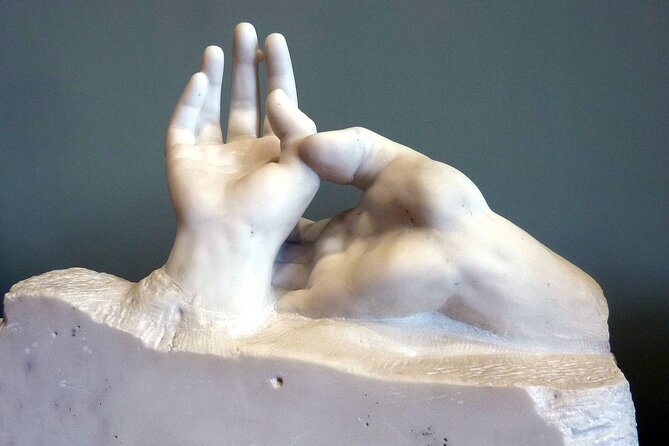
Meet in front of the Musée Rodin entrance, and the whole point is to avoid the time-suck line. Instead of spending your precious Paris time queueing, you step in using a separate entrance and start with momentum.
That matters because this museum can be a lot, especially if you’re also trying to fit in the rest of central Paris. With only 2 hours, you want every minute to count, and this tour is designed to do exactly that.
Also note: the tour is wheelchair accessible, which is a real plus if mobility is a concern. You’ll still be walking around museum galleries and garden paths, so wear shoes that handle smooth-but-not-fully-flat surfaces.
You can also read our reviews of more museum experiences in Paris
The private artist-guide makes Rodin’s surfaces and forms make sense
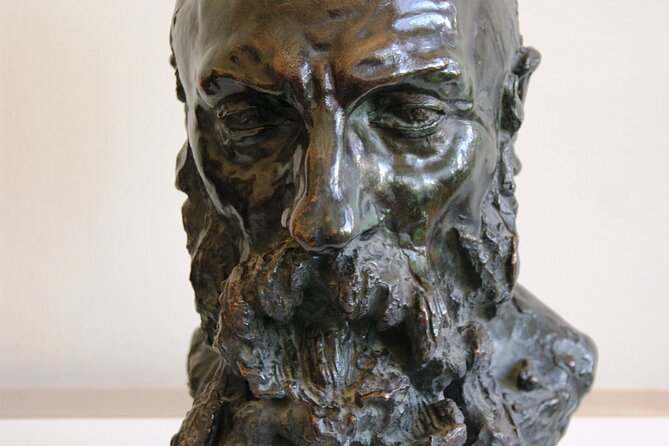
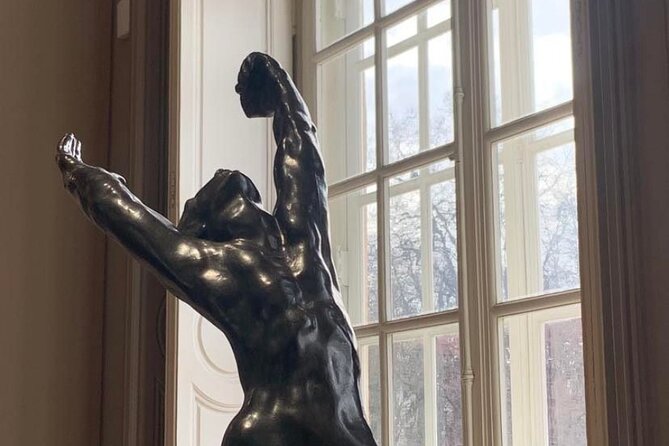
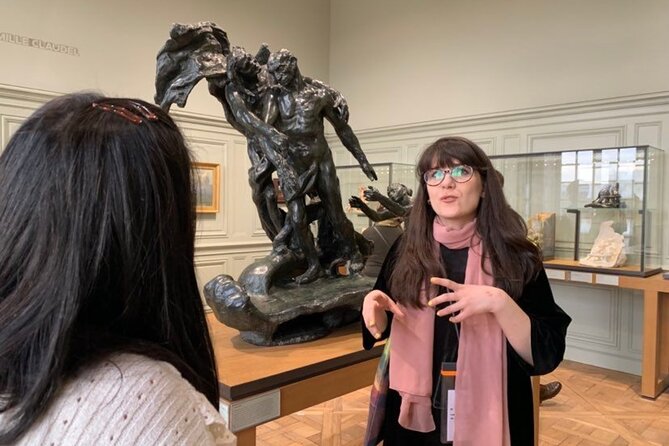
Rodin is often described as revolutionary, but the real magic is how his work feels when you understand how it’s built. With an artist-guide, you don’t just look at finished bronzes—you learn how sculpting choices create emotion, motion, and tension.
This is where you’ll likely feel the biggest value. Instead of memorizing dates, you start noticing things like where a form tightens, where it breaks into rawness, and how a pose can look both deliberate and unfinished. That studio mindset makes the sculptures feel less like objects and more like living bodies frozen in thought.
One guide name that shows up in the strongest feedback is Blerta. People point to her ability to explain with context and keep things engaging, with an art-focused style that helps you actually see technique. Even if you don’t get her, you’re paying for a guide who thinks and speaks like an artist.
Inside the rococo mansion: Rodin’s evolution in real space
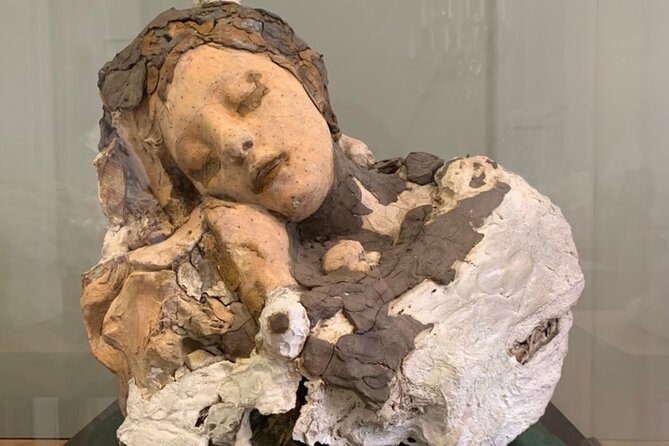
Step into the rococo mansion that houses Rodin’s greatest masterpieces, and it instantly changes the vibe. The building isn’t neutral—it adds a soft, theatrical mood that works well with sculpture.
During the museum portion, you’ll trace Rodin’s artistic evolution, from classical beginnings to works that feel like they’re still in progress. This is important because Rodin didn’t just refine skills; he changed the rules for what sculpture could communicate.
You’ll also spend time with a range of expressions: twisted limbs, monumental expansions, and skin-like surfaces that look almost tender. The point isn’t to “like” everything on first sight. It’s to learn why he kept pushing—why he allowed roughness, why bodies overlap, and why tension can be more compelling than neat symmetry.
What can feel overwhelming here
The museum is full. Even with skip-the-line help, there’s a lot to see in a short window. If you’re the type who likes to linger long in one room, this format may feel like a guided sprint.
Rodin’s antique fragments: learning how he borrowed from the past
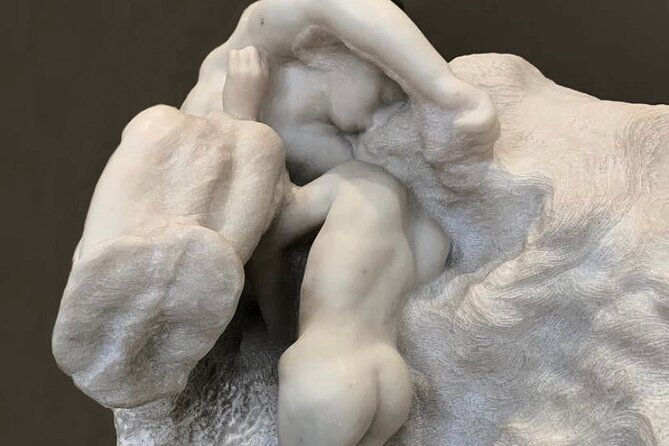
One standout feature of this tour is the focus on Rodin’s collection of antique fragments. These aren’t just decorative history pieces; they show you how Rodin studied shape, proportion, and gesture by looking at what came before.
This part changes how you interpret his work. When you understand that Rodin actively worked with fragments and partial forms, his own unfinished energy makes more sense. You stop seeing rough edges as lack, and you start seeing them as a deliberate visual decision.
It also helps explain his broader approach: he wasn’t only chasing modern impact, he was building a dialogue with older sculptural traditions. That makes his “modern” status feel less like a label and more like a process.
You can also read our reviews of more tours and experiences in Paris






iPad tools: practical support when you’re squinting at scale
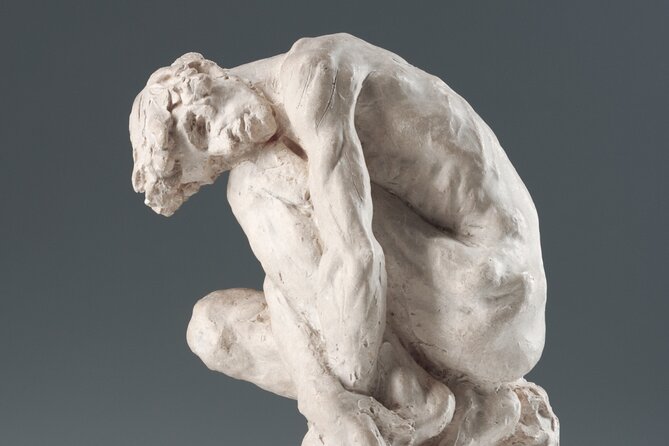
You’ll be given access to a curated iPad collection designed to help you imagine the work and Rodin’s life as you go. This is genuinely helpful in a museum context, because many sculpture details are hard to read from a distance or while you’re moving.
Think of it as training wheels for your eye. It’s there so you can connect what you’re seeing now with what the piece represents—its making, its evolution, and the human story around it.
The best use of tools like this is when you treat them as prompts, not replacements. Pause, look again, then let the iPad explanation guide what you notice next.
A short coffee break at L’Augustine, then the garden viewpoints
About halfway through, you get a brief break at Café-restaurant L’Augustine for coffee. The stop is short—around 10 minutes—so it’s more of a reset than a meal.
If you want time for a proper sit-down lunch, plan that for later. For this tour, the coffee break exists so you can keep your energy for the garden walking that comes next.
You’ll also move from the museum toward scenic viewpoints on the way. The timing is tight, so this is where being mentally ready helps. Bring a quick mindset: look, absorb, then move.
Sculpture Garden time: multiple angles for bronzes like The Thinker
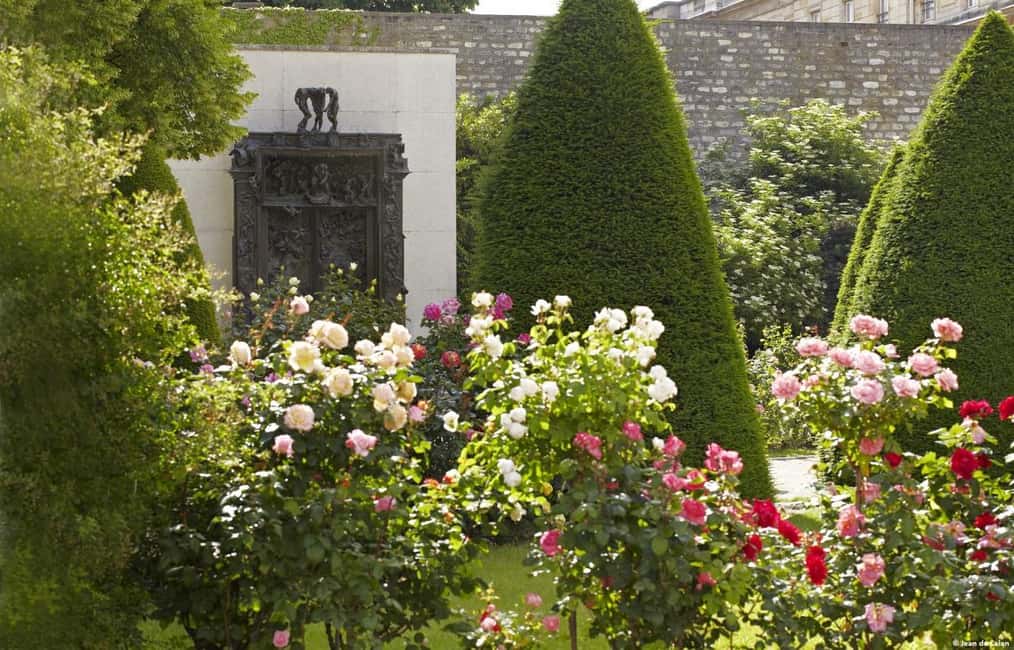
The Sculpture Garden is where the work gets bigger than the room. You’re surrounded by French garden space and views that change as you walk, so Rodin’s bronzes don’t feel stuck behind glass or walls.
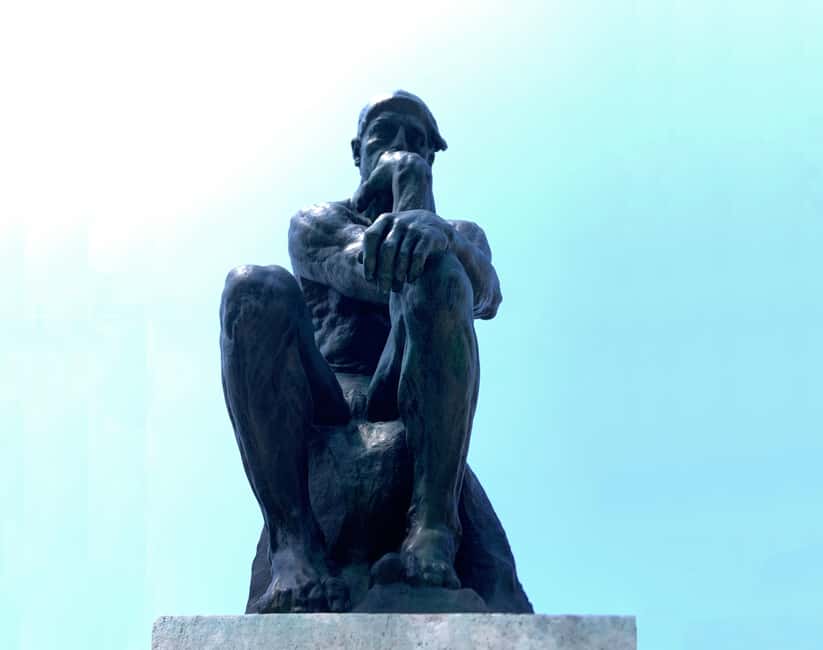
You’ll specifically see iconic pieces, including The Thinker. But the real value isn’t only spotting the famous statue. It’s learning how Rodin’s forms read in open air—how light shifts across surfaces and how poses look different from one step to the next.
This section also reinforces the tour’s big theme: Rodin transformed sculpture into something closer to living flesh and pure expression. In a garden setting, that claim feels more believable because you can see motion, scale, and emotion as part of the environment.
A practical way to watch in the garden
Take 20 seconds before each major statue. Don’t rush to your camera. First, watch how the silhouette changes as you move a little to the side. Then look at the surface: where it looks polished, where it looks worked but unfinished, and where it looks like it could still change in the artist’s hands.
That’s the artist-guide approach in action, and you’ll feel it most in the open air.
Price and value: $234 for a short, high-impact art lesson
At $234 per person, this isn’t a budget tour. So the real question is value: what are you paying for?
You’re paying for three things that usually cost time (and sometimes money) if you do them on your own:
- Skip-the-line tickets to get inside faster
- A private artist-guide focused on technique and interpretation
- Extra support via an iPad collection that helps you see what you might otherwise miss
If you love art and you don’t want to spend your limited time in Paris decoding everything by yourself, that price starts to make sense. You’re buying understanding, not just entry.
If you’re mainly sightseeing on a timeline and you want to wander independently, you can probably do the museum on your own for less. But you won’t get the technique-to-body connection in the same way, and you may waste time figuring out what’s most important.
Who should book this Rodin artist tour
This is ideal if you:
- Want a strong art explanation in a short window
- Prefer technique-focused storytelling over basic audio-guide facts
- Like sculpture enough to notice details like surfaces, gestures, and unfinished forms
- Appreciate gardens and iconic bronzes enough to spend real time outdoors
It may not be the best fit if you:
- Want to spend half a day browsing at your own pace
- Need a full lunch stop during the day
- Don’t like guided structure at all and prefer solo exploration
Should you book this skip-the-line Rodin artist tour?
I’d book it if your priority is getting inside Musée Rodin with real interpretation fast. The private artist-guide angle is the core payoff, and the combination of museum highlights plus Sculpture Garden viewpoints is the right mix for a 2-hour experience.
I’d skip it only if you’re the type who wants long, quiet time in galleries and dislikes any sense of schedule. In that case, you’d probably get more freedom doing a self-guided visit.
FAQ
FAQ
How long is the Rodin Museum skip-the-line artist tour?
The tour duration is 2 hours.
Where do I meet the guide?
You meet in front of the entrance of the Rodin Museum (Musée Rodin).
What does the tour include?
It includes a guided tour of the Rodin Museum and gardens, a private local artist-guide, a curated iPad collection, and skip-the-line entry tickets to the museum and gardens.
What languages are available?
The live guide is available in English and French.
Is food included?
No. A short coffee break at Café – Restaurant L’Augustine is included, but food and drinks are not otherwise included.
Is the tour wheelchair accessible?
Yes, the tour is wheelchair accessible.
Is cancellation possible?
Yes. There is free cancellation up to 24 hours in advance for a full refund.