REVIEW · PARIS
Skip-the-line Rodin Museum Guided Tour Semi-Private 8ppl Max
Book on Viator →Operated by Babylon Tours Paris · Bookable on Viator
One museum, one great guide, and you’re already moving. This semi-private Musée Rodin tour gets you past the busy lines and into a world of sculpture and drawings, capped by a stroll through the gardens. I love the max 8-person group size because the tour stays personal and easier to follow. One thing to watch: museum security can still slow you down a bit, and Rodin has strict rules about bags.
Inside, you’ll connect the dots between Rodin’s studies of the human body and his most famous works. I especially like how the tour points out the small details that make his sculptures feel alive, from hands to full figures. The gardens add a second layer, where the art keeps going outdoors.
On the people side, the guiding is a big part of the value. I saw strong praise for guides like Dunya and Anatole, and that kind of expertise matters when you’re trying to read gestures, not just look at statues. The tour runs in English with a mobile ticket, and it ends back where you start at 77 Rue de Varenne.
In This Review
- Key highlights to know before you go
- Getting In Fast: What Skip-the-Line Really Means at Musée Rodin
- Meeting Point on Rue de Varenne: Practical Stuff That Saves Time
- Inside the Museum: Rodin’s Hands, The Walking Man, and The Gates of Hell
- The Thinker Isn’t the Whole Story: How the Tour Teaches You to Look
- Rodin Gardens After the Galleries: Sculpture Outdoors, Slower Pace
- The Babylon Tours Paris Stop: Stories and Secrets Beyond the Usual Route
- What Makes the Tour Feel Worth It: Guide Quality
- Price Check: Is $143.13 Good Value in Paris?
- Timing, Security Lines, and Quiet Rooms: How to Plan Without Stress
- Who This Tour Fits Best (and Who Should Reconsider)
- Should You Book This Skip-the-Line Rodin Semi-Private Tour?
- FAQ
- How long is the skip-the-line Rodin museum semi-private tour?
- Is admission included, and do I need separate tickets?
- What is the maximum group size?
- What language is the tour offered in?
- Where do we meet, and where does the tour end?
- Is the tour wheelchair accessible?
- Are there bag or dress rules for the museum?
- What happens if the Rodin Museum is closed or delayed?
- Can I cancel for a full refund?
Key highlights to know before you go
- Skip-the-line access at the Musée Rodin, so you can start seeing art instead of waiting
- Up to 8 people for a more manageable pace and clearer explanations
- Stop by iconic works like The Walking Man and the Thinker, plus details around The Gates of Hell
- Rodin plus drawings and painting collections (Rodin accumulated 200+ paintings over his life)
- Garden time to see more sculpture in a calmer setting
- A Paris stories stop with an English-speaking Babylon Tours guide and priority-style access on their other tours
Getting In Fast: What Skip-the-Line Really Means at Musée Rodin

Musée Rodin is the kind of place where timing matters. Even when you plan ahead, entry lines can form, and you can easily lose the best part of your day just standing around. This tour is built around skip-the-line entry, which helps you get started close to your schedule.
Still, I’d set expectations realistically. The museum can have security checks and, on some days, lines can form even with “no wait” access. That’s not a reason to skip the tour, it’s just a reason to show up with a little buffer and keep your bag situation simple.
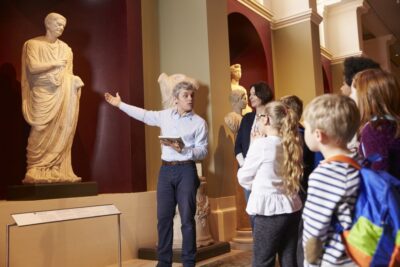
The format is semi-private with a hard cap of 8. That number is big enough that you’re not stuck with only one other person, but small enough that you usually feel like the guide can actually manage the pace. If you prefer a tour where you can ask questions and keep up without feeling herded, this size works well.
You can also read our reviews of more guided tours in Paris



Meeting Point on Rue de Varenne: Practical Stuff That Saves Time
You meet at 77 Rue de Varenne, in the 7th arrondissement, and the tour ends back there. That matters because it keeps logistics simple. You’re not trying to figure out transit mid-tour, and you can plan an easy dinner nearby after.
A few practical tips based on the site rules:
- Rodin security does not like large bags or suitcases. Only handbags or small, thin bag packs are allowed through security.
- Dress appropriately. Some parts of the museum can require you to look a bit more formal than casual streetwear.
- You’ll want moderate walking fitness. The tour isn’t listed as friendly for wheelchair users, and it’s also not recommended for people with walking disabilities.
Also, the tour runs about 2 hours. That short time is part of the appeal, but it means you should come ready to walk and focus. Paris has a way of making you want to stop for photos every 30 seconds. If you do that too often, you’ll feel rushed by the end.
Inside the Museum: Rodin’s Hands, The Walking Man, and The Gates of Hell

The core of the tour happens inside Musée Rodin’s galleries, where you’ll move room to room among sculptures and also a large collection of paintings Rodin gathered over his life (200+). The point isn’t to show everything. It’s to teach you how to look.
One of the best parts is the guide’s attention to details you’d probably miss on your own:
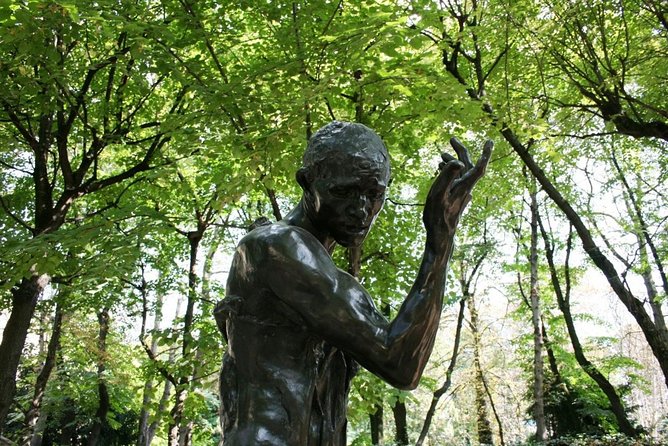
- Rodin’s studies of the human form, with an emphasis on hands and how they communicate emotion and intention.
- The life-sized presence of The Walking Man, which is one of those works that can feel more powerful in person than it does in photos.
- The way Rodin depicted contemporaries in clay, including the French writer Balzac.
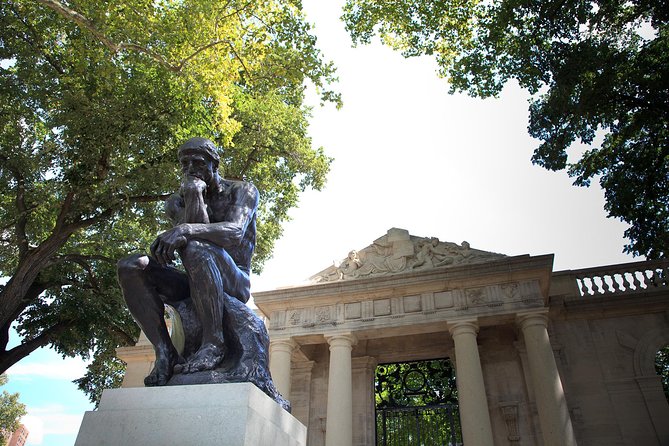
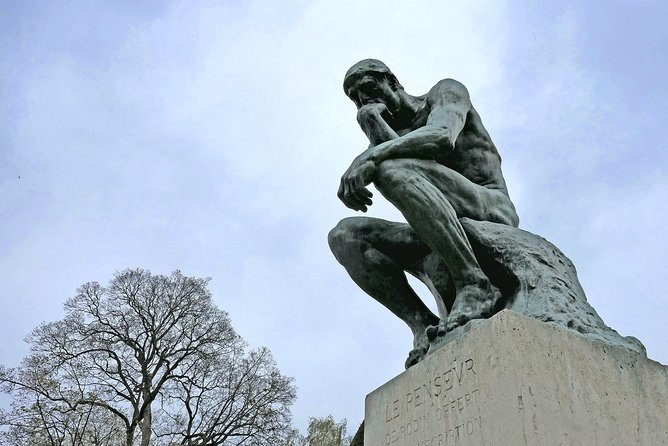
Then comes the sequence people usually come for: The Gates of Hell. You’ll get help understanding how Rodin built this idea, and you’ll connect it to his most recognizable work, The Thinker. Even if you’ve seen The Thinker a hundred times in images, a good guide can make you notice what’s happening in the body language and the silhouette, not just the face.
This is where a good semi-private format pays off. With a small group, the guide can adjust pacing depending on what you’re asking or what you look stuck on.
The Thinker Isn’t the Whole Story: How the Tour Teaches You to Look
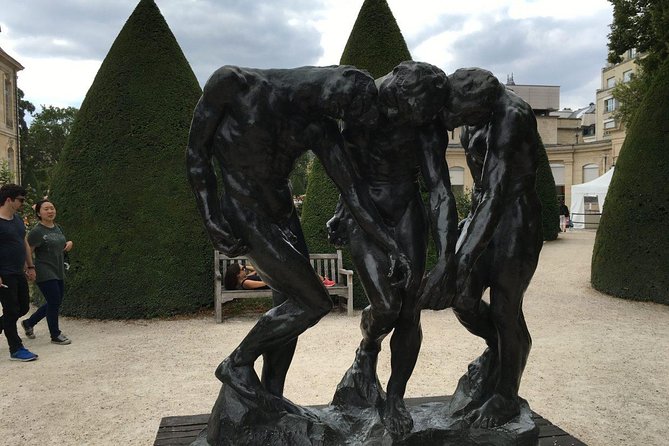
I like tours that don’t just point at famous statues like they’re museum gift shop items. This one spends time on the thinking behind the works, including how Rodin used studies and repeated forms to build bigger ideas.
You’ll hear how Rodin’s approach helped him earn a place as a father of modern sculpture. That phrase can sound grand, so here’s what makes it useful in real life: you’ll walk away with a better sense of why his style changed how sculptors could show movement, texture, and emotion.
And since Rodin’s collection includes both sculpture and accumulated paintings, you get a wider sense of how his mind worked. Even if you’re not a “paintings person,” it helps you understand the same focus on form and expression showing up across media.
Rodin Gardens After the Galleries: Sculpture Outdoors, Slower Pace
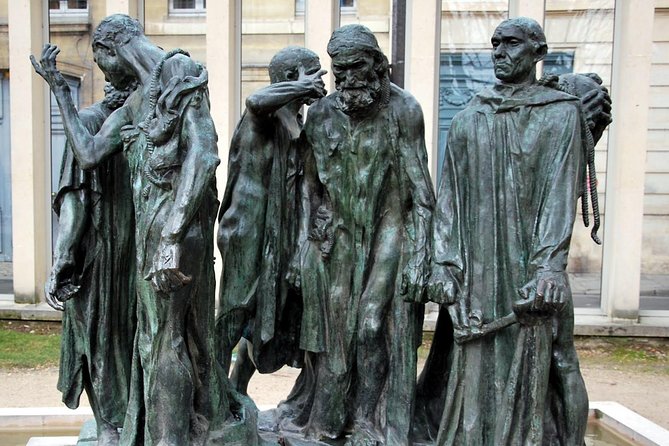
After the inside rooms, you’ll step into the manicured gardens. This is not just a walk-through to stretch your legs. It’s where you see how Rodin’s work behaves outside, against real light and weather.
The tour is designed so you don’t feel like you’ve seen only one style of museum experience. Indoors, you deal with walls, rooms, and curated viewing angles. Outdoors, the sculptures feel more immediate, and you get room to breathe.
It’s also a good reset if Paris has been relentless that day. You’ll still keep moving, but the gardens make the pace feel calmer, and you’ll have a clearer sense of why Rodin’s work is so often photographed. Not because of perfect postcard angles, but because the forms keep reading well from different distances.
You can also read our reviews of more private tours in Paris






The Babylon Tours Paris Stop: Stories and Secrets Beyond the Usual Route

This tour’s second segment is a bit different from a straight museum-only experience. It’s centered on Babylon Tours Paris and their English-speaking guiding style, built around stories, secrets, and scandals tied to Paris.
You’ll wander streets and museum spaces you might not find on your own. The value here is practical: it helps you connect what you see today to what Paris is really like when you’re not chasing a single landmark.
A useful detail: Babylon Tours also highlights priority entrance and skip-the-line support on their other museum tours, including the Louvre and Musée d’Orsay. Even if you’re not going there on this specific itinerary, it signals something important: they know how to handle major attractions and how to keep a group moving.
So, think of this stop as your “how to read the city” moment. It’s not just art. It’s Paris context—small-group pacing, English commentary, and a guide who helps you connect dots.
What Makes the Tour Feel Worth It: Guide Quality
For me, the guide is the difference between a tour you remember and a tour you forget. The strongest praise attached to this experience centers on guides who can explain Rodin in a way that feels clear and human, not academic.
I saw standout names in the feedback, including Dunya and Anatole. The praise wasn’t about them sounding impressive. It was about how much the tour added to Rodin as a person and as an artist. If you’ve ever left a museum feeling like you saw the objects but not the meaning, that’s what the better guides fix.
Now, for balance, one bad experience popped up in the notes too: a tour where the guide didn’t seem friendly and didn’t keep a small group together, repeating information and leaving people feeling disconnected. It’s a reminder that “skip-the-line” only gets you in; a guide still has to run the experience well. If you want a tour where you feel guided like a person, not just processed, this semi-private size gives you a better chance—but no group size can fully guarantee your guide’s style.
My advice: if you get on with the guide and you feel lost, ask a quick question early. Even a simple How should we look at this? can steer the pace.
Price Check: Is $143.13 Good Value in Paris?
$143.13 per person can sound like a lot until you break down what you’re actually buying.
You’re paying for:
- A skip-the-line guided entry experience
- A professional guide
- About 1.5 to 2 hours
- All entrance fees included
- A semi-private cap of 8 people
- A mobile ticket
In Paris, entrance fees and guide time add up fast. If you’d otherwise book separate tickets and try to self-navigate, you might save money by going alone—but you’ll spend more time figuring out what matters. This tour turns those paid hours into orientation: what to look for, which works connect, and how the drawings/paintings fit into Rodin’s thinking.
So for me, the value comes from the math of time. When you buy a guided, skip-the-line experience with the entry costs covered, you’re mostly paying for fewer headaches and better viewing time.
If you’re on a strict budget, you could do Rodin on your own with advance planning. But if your time in Paris is limited, this is the kind of ticket that protects your schedule.
Timing, Security Lines, and Quiet Rooms: How to Plan Without Stress
A few notes are worth taking seriously, because they affect your comfort level:
- Even with skip-the-line access, some lines may still form because of security measures at attractions.
- Some specific rooms are subject to quiet or restricted speaking. Your guide will give information about those places before you enter, and you’ll likely be asked to keep your voice down.
- Museum access can be affected by seasonal changes. Collections can vary through the year.
This is also where your expectations should be calm. Quiet rooms can feel restrictive if you’re expecting a loud narration tour. But if you’re okay with a more observational pace for part of the time, it can actually make the art feel more intense.
Also, because the tour lasts around two hours, you should avoid planning your next activity right on top of the end time. Give yourself a cushion so you can exit and head to your next stop without feeling rushed.
Who This Tour Fits Best (and Who Should Reconsider)
This experience is best if you:
- Want a guided Rodin museum visit that helps you understand the works, not just look at them
- Like small groups, ideally with a cap of 8 people
- Have moderate walking fitness
- Prefer English commentary with a professional guide
- Want entrance fees handled for you
It’s not a great pick if you:
- Use a wheelchair or have significant walking disabilities (it’s not recommended)
- Travel with large bags or suitcases that won’t pass security rules
- Hate the idea that a museum might have an occasional closure or delay
If you’re traveling with older family members, quick check your mobility tolerance first. Even short museum visits can involve enough walking to feel tiring.
Should You Book This Skip-the-Line Rodin Semi-Private Tour?
I’d book this if you want to see Musée Rodin efficiently and leave with a better sense of what makes Rodin’s forms matter. The skip-the-line setup and the small group size make it feel less chaotic, and the focus on hands, The Walking Man, and The Gates of Hell gives you a clear spine for the visit.
I’d think twice if you know you’re sensitive to museum security rules, you pack heavy, or you need wheelchair-friendly access. Also, if you’re very sensitive to guide style, remember that one guide can make or break the experience in a time-limited tour.
If you’re the kind of traveler who likes structure—meeting point, clear stops, and guided looking—this is a strong use of money in Paris.
FAQ
How long is the skip-the-line Rodin museum semi-private tour?
It runs about 2 hours (listed as approximately 2 hours, with a range of 1.5 to 2 hours).
Is admission included, and do I need separate tickets?
Yes. All entrance fees are included, and the tour includes admission ticket access for the Rodin Museum.
What is the maximum group size?
The tour is semi-private with a maximum of 8 guests per tour.
What language is the tour offered in?
The tour is offered in English.
Where do we meet, and where does the tour end?
You meet at Musée Rodin, 77 Rue de Varenne, 75007 Paris, France, and the activity ends back at the meeting point.
Is the tour wheelchair accessible?
No. The tour is not recommended for those with walking disabilities or using a wheelchair.
Are there bag or dress rules for the museum?
Yes. No large bags or suitcases are allowed inside; only handbags or small thin bag packs go through security. Appropriate dress is required for entry into some sites.
What happens if the Rodin Museum is closed or delayed?
The Rodin Museum may have occasional closures without warning. If opening is delayed by more than 1 hour from the tour start time, an appropriate alternative is provided. In those cases, refunds or discounts are not offered.
Can I cancel for a full refund?
Yes. You can cancel for a full refund up to 24 hours before the experience’s start time. Canceling less than 24 hours before means you won’t receive a refund.