REVIEW · PARIS
Paris: 2-Hour Aligre Market Walking Food Tour & Tasting
Book on GetYourGuide →Operated by Original Food Tours · Bookable on GetYourGuide
Paris has plenty of food tours. This one hits different because Aligre Market still feels like a working neighborhood market, not a theme park. You’ll walk through Aligre Square and chat with shopkeepers as you taste what they actually sell every day.
What I like most is the mix of food styles—cheese, cured meats, chocolate, and wine in real market settings—so you get a rounded view of French snacking culture. I also like the social pacing: small group energy, conversations with locals, and a final shared platter instead of a hurried checklist.
One thing to consider: you’ll be walking and tasting for the full scheduled session (about 3 hours total), and the tour includes alcohol with seasonal options like hot wine in winter. If you don’t drink, plan to lean on the soft drinks, and if you have allergies, you’ll need to confirm them in advance.
In This Review
- Key Things I’d Bookmark Before You Go
- Aligre Market in Paris’s 12th: Why This Feels Like Local Food Culture
- Meeting Point at Rue du Faubourg Saint Antoine: Getting Oriented Fast
- 6–8 Tastings: What You’ll Actually Eat and Sip
- Stop type: Market cheese tastings
- Stop type: Cured meats and charcuterie
- Stop type: Chocolate samples
- Stop type: Wine moments (and a pairing mindset)
- Final tastings: Complimentary glass and a sharing platter
- Summer Aperitif vs Winter Hot Wine: How the Tour Changes Seasonally
- Chatting With Shopkeepers: The Part That Makes It More Than Food
- Walking Pace and Small-Group Size: Comfort Matters
- Value Check: Is $129 for an Aligre Food Tour Worth It?
- Possible Downsides: Allergies, Alcohol, and Getting Full
- Who Should Book This Aligre Market Walking Food Tour?
- Should You Book Original Food Tours at Aligre?
- FAQ
- How long is the Aligre Market walking food tour?
- What does the tour cost?
- How many tastings are included?
- Where do I meet the guide?
- What languages is the tour guide available in?
- Is this a small group tour?
- Does the tour include alcohol?
- What if I have allergies?
Key Things I’d Bookmark Before You Go
- Aligre Market location in the 12th arrondissement near Opéra Bastille, so it’s easy to reach and still feels local
- 6–8 tasting stops across market stalls and nearby delis, with a range from cheese to chocolate
- Seasonal drinks: hot chocolate or hot wine in winter, an aperitif in summer
- Wine + food moments, including the idea of pairing with cheese from an old wine barrel setup
- Small group limit of 10, which keeps the guide-questions flowing
- Guides like Nick and Rebecca have been praised for being friendly and food-focused
Aligre Market in Paris’s 12th: Why This Feels Like Local Food Culture
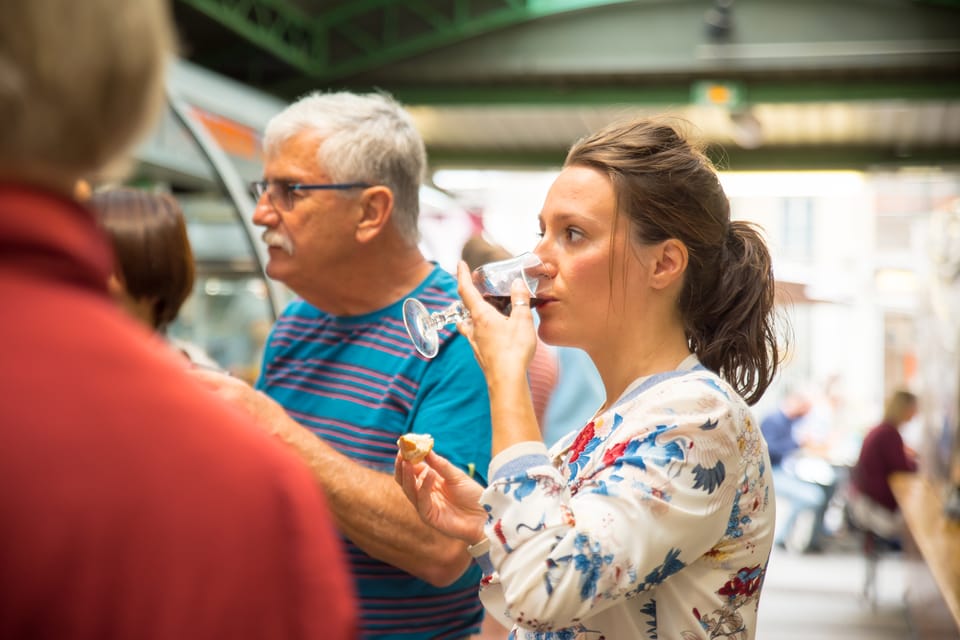
Aligre Market sits in the 12th arrondissement, close to Opéra Bastille. That location matters. It’s still central enough to be convenient, but it doesn’t play the same game as the most famous tourist corridors. You’re not just looking at stalls; you’re stepping into the rhythm of a neighborhood market where vendors talk to customers all morning.
The tour leans into that. You’ll start at Aligre Square with your guide, and the tasting happens alongside real conversations. That’s how you pick up the practical stuff: how French people think about pairing, why certain cured meats are cut a certain way, and what “fresh” means when it’s tied to daily deliveries rather than museum labels.
This tour also gives you a chance to understand French food culture beyond bread-and-cheese clichés. You’ll see how chocolates fit into the same shopping habits as cheeses and charcuterie. And you’ll learn how wine becomes part of casual eating, not only a restaurant event.
You can also read our reviews of more food & drink experiences in Paris

Meeting Point at Rue du Faubourg Saint Antoine: Getting Oriented Fast
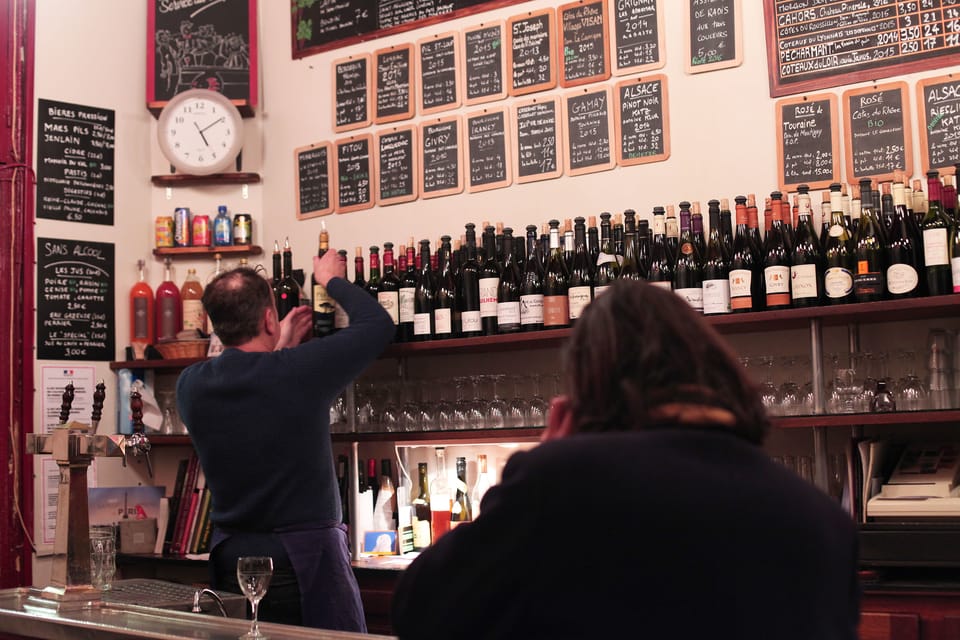
You meet at 159 rue du Faubourg Saint Antoine, 75012. The nearest métro stations listed are Ledru Rollin and Faidherbe Chailigny. If you’re using the metro, I’d build a little buffer into your schedule. Paris metro timing can be great—until it isn’t, and the tour is only as good as your arrival.
Once you’re there, you’ll quickly get oriented because the tour’s setup is simple: you’re walking through the market area and nearby food shops with a live guide (English or French). The small group size—limited to 10—helps here. It’s easy for the guide to keep an eye on everyone, and you won’t feel like you’re constantly searching for your group.
Also, because this is a tasting tour, you’ll want to arrive hungry but not stuffed. A light breakfast or early snack is fine. By the time you start sampling, your “tasting brain” is ready.
6–8 Tastings: What You’ll Actually Eat and Sip
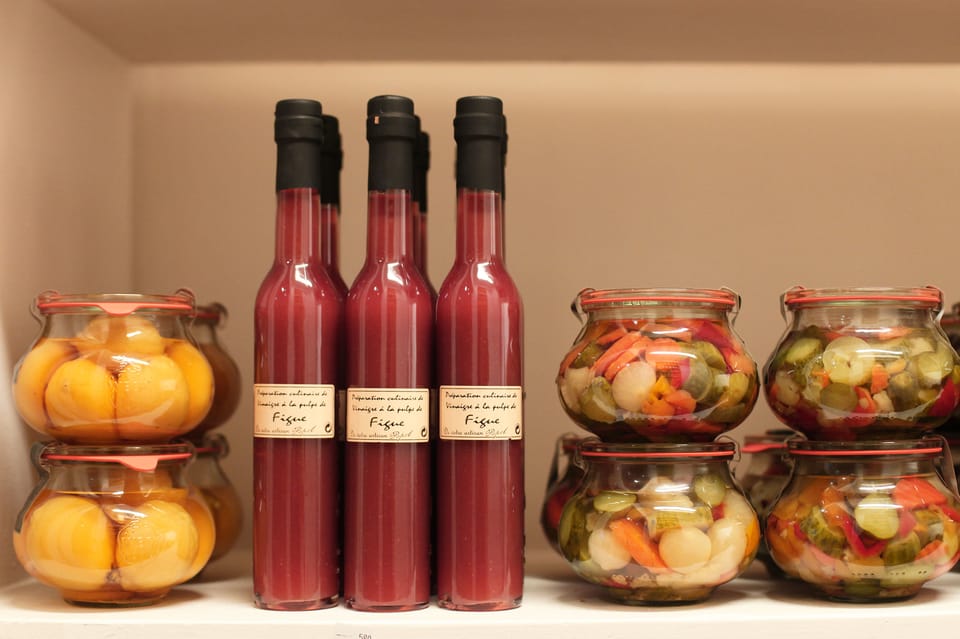
This is a 6–8 tasting stops tour, and the food theme is clear: local specialties you can recognize even if you’re not a food expert yet. The included soft drinks and tastings are part of the value because you’re not paying extra for every little sample.
Stop type: Market cheese tastings
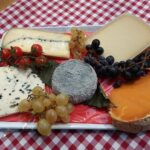
Cheese is a core theme. You’ll sample local varieties that make sense in a market setting—things a shopkeeper is proud to slice and explain. What I like about cheese on a market tour is that it teaches you to think like a shopper, not like a customer. You start asking better questions: what’s good today, what’s best paired, and how to choose if you’re not sure what to buy.
Stop type: Cured meats and charcuterie
You’ll also taste cured meats. The value here is context: cured meats in France aren’t only about flavor, they’re about texture and tradition. A good guide helps you notice differences that you’d miss if you just ordered a platter in a restaurant and moved on.
You can also read our reviews of more tours and experiences in Paris


Stop type: Chocolate samples
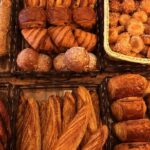
Yes, there’s chocolate. And that matters, because it broadens the tour beyond savory-only eating. Chocolatiers and chocolate shops are part of how French people handle everyday treats. It also makes the tasting sequence feel balanced: salty first, then sweet.
Stop type: Wine moments (and a pairing mindset)
Wine shows up during the tasting, and your tour includes moments built around pairing. The info mentions a setup where you could enjoy wine with cheese or delicatessens on an old wine barrel. I love this kind of detail because it reminds you that in France, wine is often part of the market experience, not separate from it.
If you’re keeping it practical: pace your sips. You’re walking, and you’ll want to stay present enough to keep chatting with the shopkeepers.
Final tastings: Complimentary glass and a sharing platter
The tour ends with a complimentary glass of wine and a sharing platter of local food. This finish is smart because it gives you a final “tie it all together” moment. You can look back at what you liked most—cheese? cured meat? chocolate?—and translate those tastes into what you’d buy later if you come back.
Summer Aperitif vs Winter Hot Wine: How the Tour Changes Seasonally
This tour adjusts to the season in a way that feels genuinely useful. In winter, you might be sipping hot chocolate or hot wine. In summer, you’re more likely to enjoy an aperitif vibe while you’re tasting and mingling.
Why I think this matters: it changes how you experience the neighborhood. A cold morning market walk with a warm drink makes the stalls feel like someone’s daily living room. In summer, an aperitif supports the classic French mode of eating outdoors—short pauses, small bites, and a relaxed social tone.
So if you’re trying to plan what to expect, don’t treat this as the same experience all year. It’s still Aligre Market and the same overall food categories, but the drinks and comfort factor shift with the weather.
Chatting With Shopkeepers: The Part That Makes It More Than Food
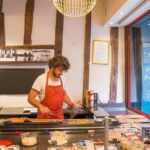
The highlight isn’t only what you eat—it’s how you eat. You’ll chat with shopkeepers who welcome you right on the streets of Aligre Square, and that conversation is a big part of the learning.
This is where the guide’s personality counts. One guide named Nick has been described as a private chef and a local from that part of Paris with a lot to share about French food culture. Another guide, Rebecca, has been praised for being professional and enthusiastic, with a clear passion for the job. You don’t need to memorize guide biographies—but those details tell you something important: the best version of this tour depends on the guide’s energy and comfort talking to people.
What you can expect to gain from those conversations:
- A better sense of what’s seasonal and what’s just popular
- Clues on how French shoppers make quick decisions in a market
- Pairing logic—why certain cheeses show up alongside certain cured meats
- A sense of local pride, because vendors tend to explain what they’re proud of
This kind of interaction also makes it easier to return later on your own. When you understand what to ask for, you spend money more confidently.
Walking Pace and Small-Group Size: Comfort Matters
The group is limited to 10 participants, which is a sweet spot for this kind of experience. Too large and you lose the conversation pieces. Too small and it can feel like a private lesson where you’re trying to fill awkward silence. Here, you get enough people for energy, and still enough room for the guide to talk with everyone.
The tour is described as a 2-hour walking food tour, yet the booking duration shows 3 hours. That’s not unusual for tasting tours. Plan your schedule assuming you’ll be gone for about 3 hours total, with a core walking-and-tasting loop that feels like a 2-hour outing.
You’ll also want to think about mobility. There’s no special accessibility information provided, so if you have limitations with standing or walking, I’d treat this as a walking-focused activity and plan accordingly.
Value Check: Is $129 for an Aligre Food Tour Worth It?
At $129 per person, this isn’t a low-cost sampler. The question is what you get back for the money. In this case, you’re paying for three things that add up fast:
First, you get 6–8 tasting stops. That’s multiple food categories, not just one big bite at each place.
Second, you get guided structure. A good guide turns “samples” into a learning loop—so you understand what you’re tasting and how to repeat the experience later.
Third, you’re getting a social, local market setting. Aligre Market isn’t a staged space designed for tourists only. The conversation with shopkeepers and the market-street vibe are part of the product, not decoration.
For me, it’s best value if you want to leave with both tastes and shopping instincts. If you already know exactly which cheese and charcuterie you want and you prefer self-guided wandering, you might feel like you could DIY this. But if you want a guided path through multiple vendors with a payoff that ends in wine and a sharing platter, the price starts to look more reasonable.
Possible Downsides: Allergies, Alcohol, and Getting Full
A few practical considerations before you book:
- Allergies need confirmation. The tour notes that any allergies need to be confirmed. If you have sensitivities, don’t assume the guide will magically guess what’s safe. Send details ahead of time.
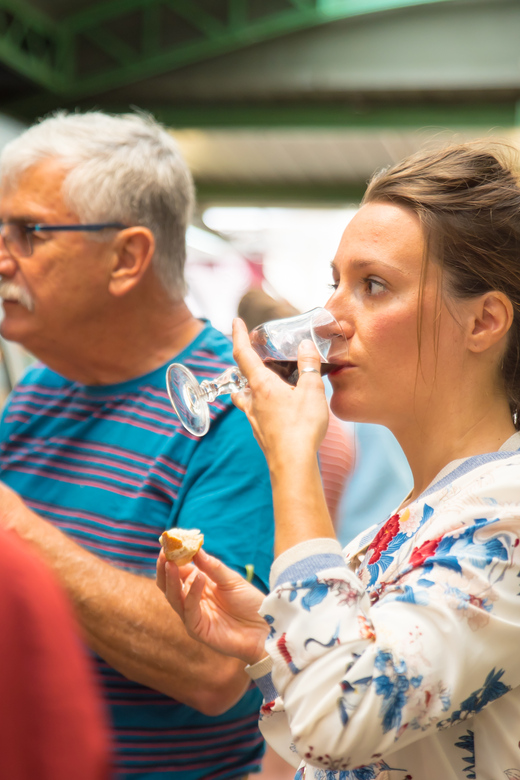
- Alcohol is part of the experience. Hot wine in winter and aperitif in summer point to that. Soft drinks are included, but the tour still includes wine tastings and ends with a complimentary glass.
- You’ll finish with a platter. That’s a plus for variety, but it also means you should plan your evening food accordingly. Don’t book a big dinner right after unless you’re okay keeping it light.
Finally, remember this is a market-focused tour. If you want museum-level quiet, this isn’t it. The value comes from normal market chatter and vendor interaction.
Who Should Book This Aligre Market Walking Food Tour?
I’d point you toward this tour if:
- You want French food culture through the lens of real neighborhood vendors
- You like tasting multiple categories—cheese, cured meats, chocolate, and wine—without overplanning
- You enjoy small-group experiences where you can ask questions
- You’re planning to visit the 12th arrondissement anyway and want a food-focused reason to be there
I might skip it if:
- You don’t want any alcohol involved
- You have allergies that you can’t get clarified in advance
- You prefer totally self-guided shopping and don’t want structure
Should You Book Original Food Tours at Aligre?
Yes, if you want a market walk that’s more about learning and conversation than just collecting snacks. This tour’s real strength is the combination: a tight small group, 6–8 tastings, and local shopkeeper chats in a place that still feels like the everyday Paris you can’t replicate from a photo.
If you’re the type who loves leaving with a shopping mindset—what to buy, how to pair, and why locals choose certain foods—this is a great match.
FAQ
How long is the Aligre Market walking food tour?
The tour is listed as 3 hours, and it’s also described as a 2-hour walking food tour.
What does the tour cost?
The price is $129 per person.
How many tastings are included?
The tour includes 6–8 tasting stops, plus soft drinks and tastings.
Where do I meet the guide?
You meet at 159 rue du Faubourg Saint Antoine, Paris 75012. The nearby métro stations listed are Ledru Rollin and Faidherbe Chailigny.
What languages is the tour guide available in?
The live tour guide is available in English and French.
Is this a small group tour?
Yes. The group is limited to 10 participants.
Does the tour include alcohol?
The experience includes wine tastings, and it mentions hot wine in winter and an aperitif in summer, with a complimentary glass of wine at the end.
What if I have allergies?
Any allergies need to be confirmed. Make sure you share details in advance so the team can advise appropriately.
If you’d like, tell me your travel month and whether you drink wine, and I’ll help you judge if the seasonal version fits your pace and tastes.