REVIEW · PARIS
Rodin Museum Guided Tour
Book on GetYourGuide →Operated by Babylon Tours LLC · Bookable on GetYourGuide
Rodin never needed permission to be dramatic. This 2-hour guided tour makes his most famous pieces feel personal, with expert explanations inside the museum and a calm walk through the garden. You’ll see The Gates of Hell and The Thinker, but the real win is how the guide ties Rodin’s life, the human form, and his peers into what you’re looking at. Guides such as Marcel and Sunday are mentioned for turning a museum visit into something you actually follow.
Two things I really like: the small group size (max 8) keeps the pacing human, and you get skip-the-line entry plus a professional art historian guide. One consideration: there’s a moderate walking component, and this semi-private style isn’t for people who have mobility issues or who use wheelchairs.
In This Review
- Key highlights to look for
- Rodin Museum guided tour: why this format works
- First stop: the museum rooms and what you’ll notice first
- Hands, studies, and the human form: Rodin’s secret language
- Meeting Rodin through his contemporaries: clay, character, and Balzac
- The Gates of Hell and The Thinker: what to look for
- Garden of Sculptures: a calmer pace with more to see
- How long is it, and how does the timing feel?
- Price value: is $128 per person worth it?
- Meeting up, what to bring, and bag rules that matter
- Languages and group style: what this means for you
- Who this Rodin Museum tour suits best
- Should you book this Rodin Museum Guided Tour?
- FAQ
- What does the Rodin Museum guided tour include?
- How long is the tour?
- Where does the tour take place?
- How big is the group?
- What languages are available for the live guide?
- Can I bring luggage or large bags?
- What should I bring to the tour?
- Is the tour accessible for wheelchair users or people with mobility impairments?
- What’s the cancellation policy?
Key highlights to look for

- Skip-the-line entrance plus included museum access so you can start looking right away
- Small group format (up to 8) for a more personal pace and better questions
- Inside Rodin Museum focus on the human form, including hands and the life-sized The Walking Man
- The Gates of Hell explained alongside The Thinker, with clear guidance on what to notice
- Garden of Sculptures stroll after the galleries, where more works sit in open air
Rodin Museum guided tour: why this format works
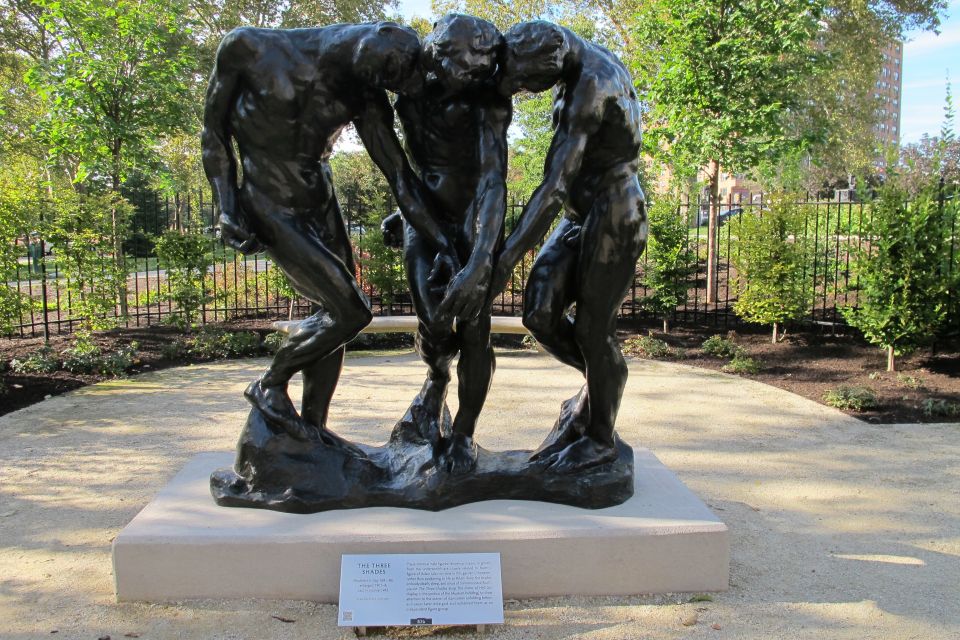
Rodin can be intimidating at first. Not because his work is complicated, but because it’s so physical. You see bodies, hands, faces, surfaces—then your brain scrambles to figure out what you’re supposed to be noticing.
This tour helps you get your bearings fast. You’re not left alone to read wall labels and guess. Instead, an art historian guide puts Rodin’s choices into plain language and points you toward the details that matter, from sculptural technique to the stories behind specific works. The group stays small, so you get a real back-and-forth rather than a lecture you can’t interrupt.
It also helps that Rodin Museum visits often get slow at the start. Lines are a fact of life in Paris, so skip-the-line access isn’t a luxury here—it buys you time for the good part.
You can also read our reviews of more guided tours in Paris



First stop: the museum rooms and what you’ll notice first
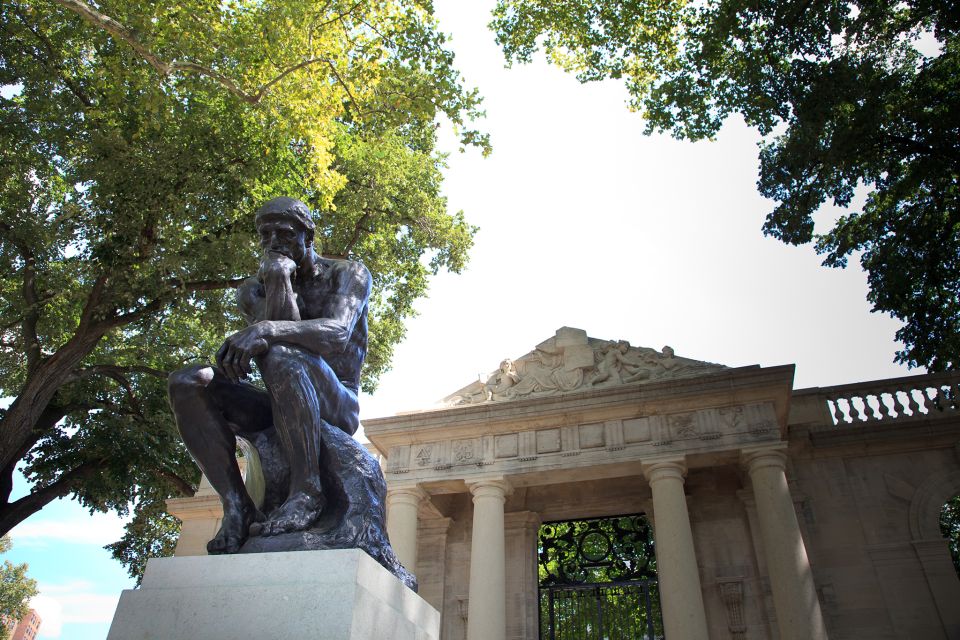
The tour starts by bringing you into the museum galleries where Rodin’s collection and artistic process take center stage. One detail I find especially useful is that the museum experience here isn’t only about sculptures. The rooms you move through include selections of more than 200 paintings that Rodin accumulated during his life. That matters because it shows you he wasn’t just a sculptor working in isolation. He kept looking, collecting, studying, and refining his eye.
As you go room to room, the guide helps you track a theme: Rodin’s obsession with the human form. You’ll see studies that focus on the body in parts—lots of hands and the subtle ways he shaped gesture and weight. Those close studies are where Rodin’s genius often hides in plain sight, because a hand can look like emotion without needing any backstory.
Then you’ll get time for the life-sized The Walking Man (included in the focus). A full-scale figure changes how you experience sculpture. It stops being something you view from across a room and becomes something you feel in your own body space—especially when your guide tells you what Rodin was testing with scale and motion.
Hands, studies, and the human form: Rodin’s secret language

Here’s what I love about how this tour is set up: it teaches you to “read” Rodin visually.
Rodin’s work can feel crowded—sometimes you’re looking at several figures, sometimes just one intense posture. The guide helps you slow down and isolate what you’re seeing. Pay attention to how hands are treated. Rodin didn’t draw a hand just to be accurate. He built tension in fingers, palms, and wrist angles so the gesture carries meaning.
This is also where you start understanding why Rodin is often described as a father of modern sculpture, even if he didn’t set out with that mission. He pushed the art toward raw expression: not perfect calm marble, but movement, edges, and life-like pressure.
Meeting Rodin through his contemporaries: clay, character, and Balzac
Rodin didn’t only look at the abstract ideal of a body. He watched real people.
The tour includes discussion of how Rodin depicted contemporaries in clay, including the French writer Balzac. That’s a fascinating connection because it puts Rodin’s process in context. Clay studies are different from final bronze or stone. They’re quicker, messier, and more experimental. Seeing how Rodin treated a living personality through clay helps you understand the working method: capture the character, refine the structure, then translate that energy into the final sculpture.
If you’re the type who likes art that feels tied to actual people and actual time, this part is a big reason to book. It turns Rodin from a famous name into a working artist who was surrounded by writers, artists, and cultural life.
The Gates of Hell and The Thinker: what to look for
This is the headline moment, but it shouldn’t be treated like a checklist.
The tour’s explanation of The Gates of Hell is the perfect bridge between Rodin’s small studies and his monumental vision. The guide helps you understand how he builds drama out of bodies—how repetition and variation work together, and how the arrangement creates a sense of motion even when you’re standing still.
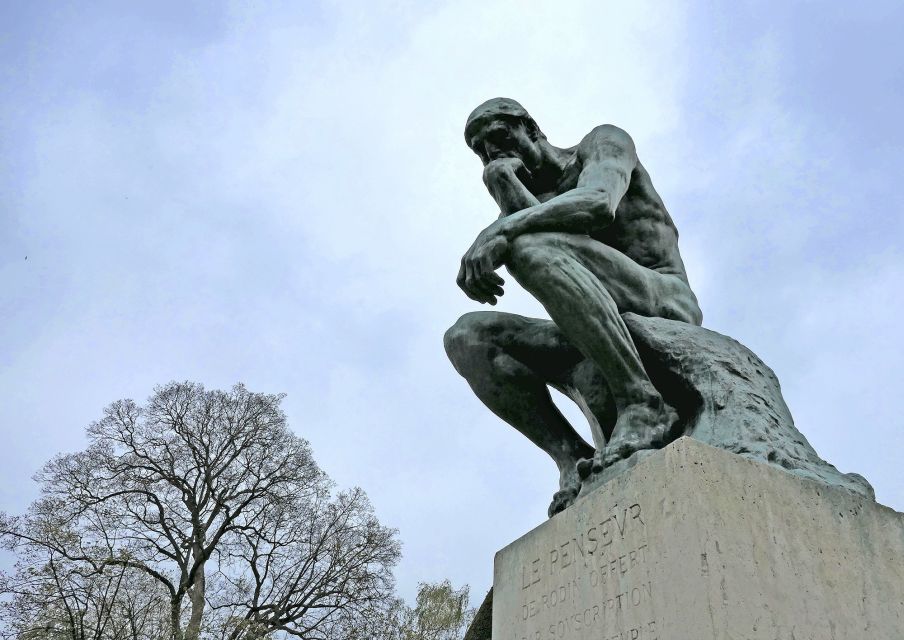
Then there’s The Thinker, Rodin’s most recognizable star. The key is that you shouldn’t only focus on the pose. You’ll get guidance on why the work reads the way it does: the weight of the figure, the tension held in the posture, and how expression is created through forms rather than facial theatrics.
This is also where a great guide earns their fee. In the reviews, Marcel is singled out for making the museum feel like you’re looking over Rodin’s shoulder—like you can sense what Rodin was wrestling with as he made decisions. Sunday is praised for being welcoming and adjusting the plan to what people wanted to see, which matters because Rodin-themed tours are most satisfying when the route matches your curiosity.
You can also read our reviews of more museum experiences in Paris






Garden of Sculptures: a calmer pace with more to see
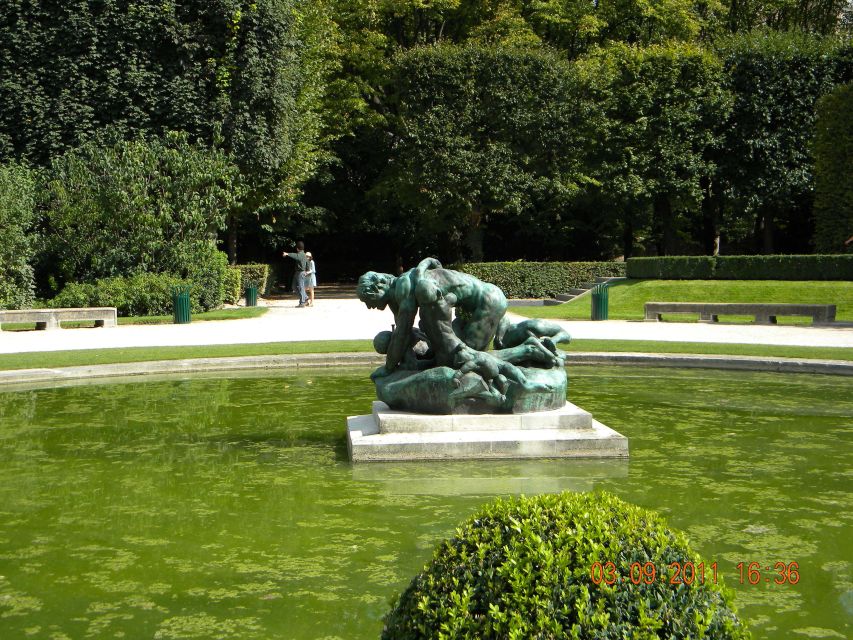
After the indoor galleries, the tour shifts into a more relaxed rhythm: a stroll through the Garden of Sculptures. The garden isn’t just a break. It’s another way of seeing Rodin.
Outdoor placement changes everything. Light hits surfaces differently. Shadows slice across stone and bronze. You get distance to take in overall composition, then you can walk closer and notice details again—especially hands, drapery-like folds, and the way figures seem to respond to space.
The gardens are described as beautifully manicured, and that’s useful information for your planning. Even if you’re not an expert in landscape design, you’ll benefit from the calm setting because it gives your eyes time to process what you learned inside.
How long is it, and how does the timing feel?
The tour runs about 2 hours, with starting times depending on availability. That length is a sweet spot for people who want more than a quick hit but don’t want an all-day museum day.
The pace tends to work like this: you get guided attention indoors for the key works and the themes that connect them, then you finish with the garden walk. Because the group stays small (max 8), you’re less likely to feel rushed through highlight rooms.
If you’re visiting alongside other Paris sights, this timing is practical. Rodin Museum is the kind of place where you can either skim and regret it, or you can take the right amount of time and feel satisfied. This tour aims for the latter.
Price value: is $128 per person worth it?
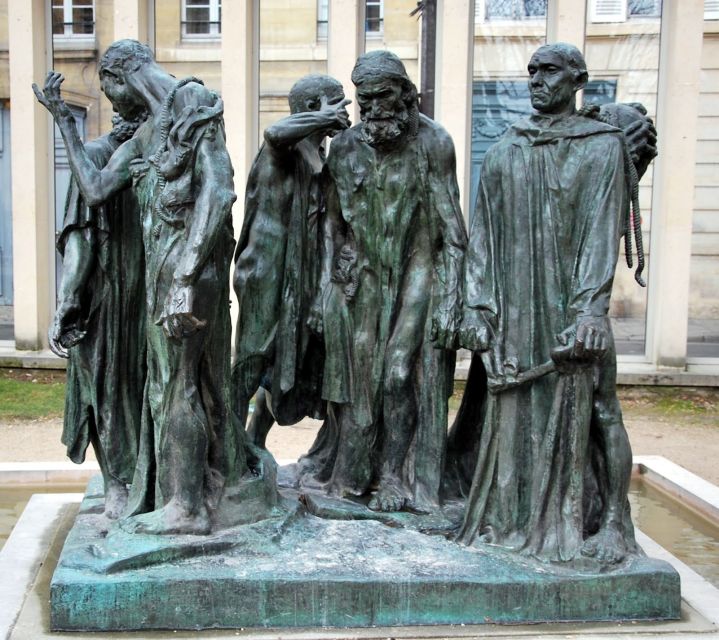
$128 for a 2-hour guided experience sounds steep until you break down what you’re actually getting.
In the included list, you have entrance fees and skip-the-line access, plus a professional art historian guide. There are also private and small group options, and the tour includes a walking component that brings you through the museum and into the garden. This isn’t just a guide describing famous images. It’s a structured explanation of Rodin’s process and context: the human form studies, contemporaries like Balzac, and the major anchor works such as The Gates of Hell and The Thinker.
So where does the value come from?
- You save time with skip-the-line entry, which is often one of the biggest hidden costs of museum days.
- You get guided interpretation, which is what makes Rodin Museum click for most people.
- The small group cap means you’re more likely to actually use the guide’s expertise instead of listening from the back.
For me, the main value question is simple: do you want your Rodin visit to be about random looking, or about knowing what you’re seeing? If you’re the second type, this price is easier to justify.
Meeting up, what to bring, and bag rules that matter
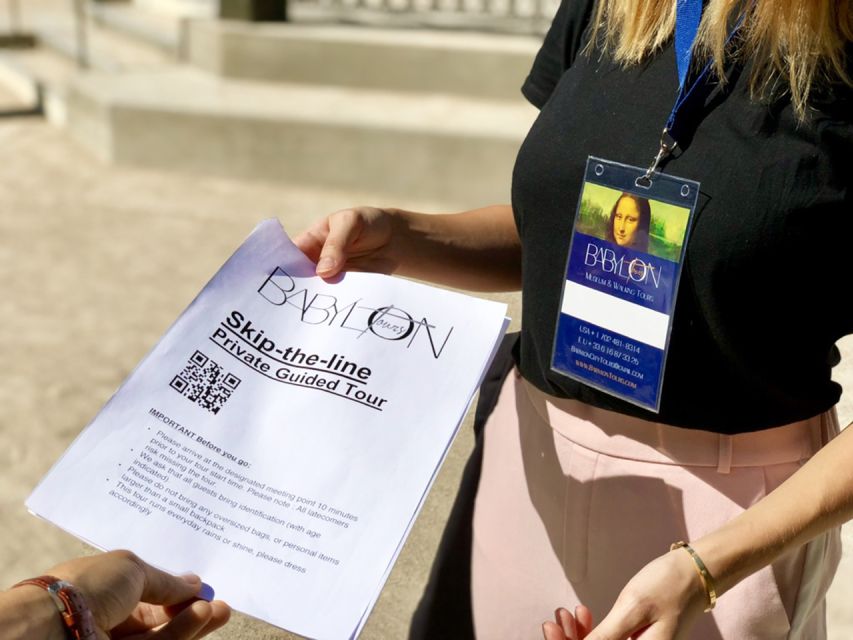
Meeting points can vary based on the option booked, but the tour ends back at the meeting point. So plan your other plans nearby and give yourself a little buffer.
Bring a passport or ID card. That’s not a dramatic request, but it’s a real one—don’t show up empty-handed.
Also note the rule: no luggage or large bags. This is the kind of detail that can ruin your day if you’re used to hauling your whole life around. If you’re arriving from another stop, consider leaving bags at your lodging or using an external storage option before you go.
Some museum rooms may have restrictions requiring quiet or limiting where you can speak. That’s normal in major museums, but it’s worth remembering so you don’t feel awkward when your guide asks you to keep the noise level down.
Languages and group style: what this means for you
This tour offers live guiding in Spanish, German, Italian, French, Russian, and English. That’s great if you want your art explanations in a language you’re comfortable thinking in. You’ll get more out of Rodin when you can follow the nuance.
Group style is also flexible. The option is described as private or small groups, and the semi-private format runs only if at least 2 participants are booked. The good part of this setup is that it keeps the experience from turning into a big crowd situation, while still offering a shared experience that’s more affordable than a fully private outing.
One more note: the maximum group size is 8 guests per guide, which is small enough for the guide to steer you and answer questions as you go.
Who this Rodin Museum tour suits best
You’ll likely love this tour if:
- You want a guided explanation of Rodin’s biggest works without guessing your way through the museum
- You like seeing how the human form is studied and translated from sketch-like thinking to finished masterpieces
- You have limited time and still want a proper connection to The Gates of Hell and The Thinker
- You appreciate small-group dynamics and the chance to get your questions answered
You may want to skip it (or choose another arrangement) if you have mobility concerns. This semi-private option involves moderate walking and is not available for wheelchair users, and wheelchair tours are only available on request. If you fall into this category, it’s worth checking alternative formats before you commit.
Should you book this Rodin Museum Guided Tour?
I’d book this if you care about interpretation, not just attendance. Rodin Museum can be overwhelming, and a strong guide turns the work into something you can track: hands, gesture, clay-to-monument transformation, and the emotional logic behind major pieces like The Gates of Hell and The Thinker.
I’d also book if you value a smooth, time-saving start thanks to skip-the-line access, and if you want that extra payoff of the Garden of Sculptures after the indoor galleries.
Skip it if you have limited mobility or need a fully wheelchair-friendly plan that this format can’t guarantee. And if you’re the type who loves reading every label at your own pace, you might find a self-guided visit fits better—though you’ll likely still want guided help for Rodin’s themes.
If you match the first group, this is a solid way to see Rodin with clarity in only two hours.
FAQ
What does the Rodin Museum guided tour include?
It includes entrance fees with skip-the-line access, a professional art historian guide, and a walking tour through the museum and gardens. Wheelchair tours are available only on request, and temporary or special exhibitions are not included.
How long is the tour?
The duration is 2 hours, and starting times depend on availability.
Where does the tour take place?
The tour is in the Rodin Museum area in Ile-de-France, France.
How big is the group?
The tour has a maximum of 8 guests per guide for a more intimate experience.
What languages are available for the live guide?
The live tour guide is available in Spanish, German, Italian, French, Russian, and English.
Can I bring luggage or large bags?
No. Luggage or large bags are not allowed.
What should I bring to the tour?
Bring a passport or ID card.
Is the tour accessible for wheelchair users or people with mobility impairments?
Wheelchair tours are available only on request, but the semi-private tour is not available for wheelchair users and it involves moderate walking that may not work for people with walking disabilities.
What’s the cancellation policy?
Free cancellation is available up to 24 hours in advance for a full refund.