REVIEW · PARIS
Private Paris WWII History Tour: Occupation & Resistance
Book on GetYourGuide →Operated by TourUpinEurope · Bookable on GetYourGuide
Occupied Paris tells stories if you know where. I like how the route links French Resistance activity to the everyday street scenes you’d otherwise speed past, and how it centers on key people like Jean Moulin as the story moves. It also forces you to face the Vel d’Hiv roundup with a stop at the Mémorial des Martyrs de la Déportation, keeping the tone serious. One drawback: you cover a lot of emotional material in just 3 hours, so the pace can feel intense.
You’ll be with a live guide in English (plus a long list of other languages), in a private group, which helps if you like asking questions as you walk. Expect significant walking, so comfortable shoes matter more than fancy shoes. Also, plan for weather since the tour is outdoors and memorial sites ask for a respectful, quieter rhythm.
You start right by the Saint-Michel Monument, and the guide is holding the Mister Llama mascot, so you shouldn’t have trouble finding the group. Hotel pickup and drop-off aren’t included, and meals and beverages aren’t part of the ticket, so treat this like a focused history walk you can pair with your own schedule before or after.
In This Review
- Key Things I’d Mark on Your Mental Map
- Entering Occupation-Era Paris: What This Tour Really Does
- Meeting Near Saint-Michel and Finding Your Guide Fast
- Resistance Streets Where the Gestapo Was Close By
- Jean Moulin’s Path: How One Person Helped Unify the Resistance
- Vel d’Hiv and the Deportation Memorial: What You’re Meant to Carry
- Samuel Beckett’s Refuge: The Bookstore Connection to the Gestapo
- Jardin du Luxembourg and Luftwaffe Headquarters: Peace on Top of Power
- Saint-Michel District and the 1942 Defiant Riots
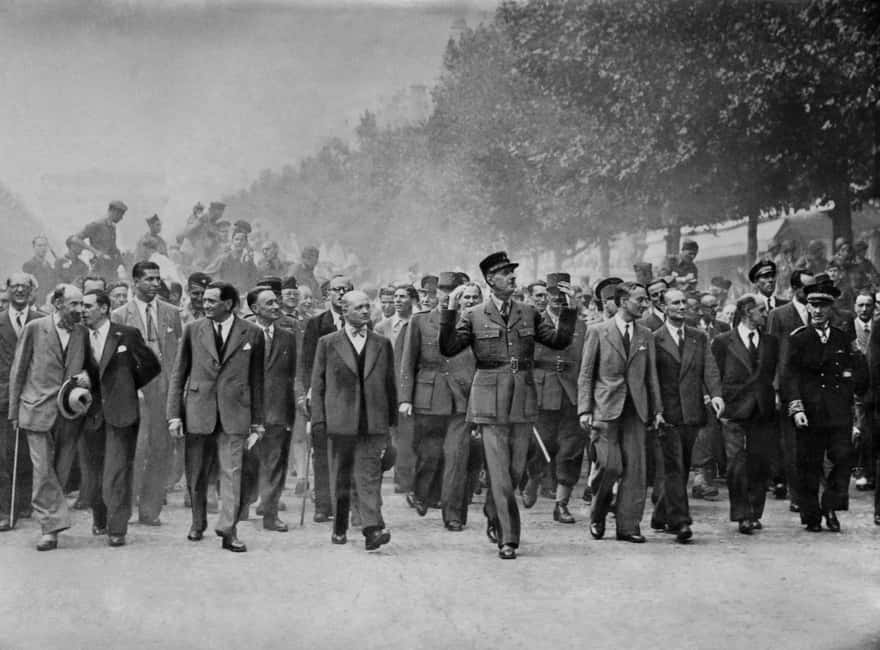
- Paris’ Final Days: From Nazi Control to Celebrations of Freedom
- Price and Walking: Is $294 Worth It?
- Who This Tour Suits Best (and Who Should Think Twice)
- Should You Book This Paris WWII Occupation and Resistance Tour?
- FAQ
- How long is the private Paris WWII Occupation & Resistance tour?
- What does the tour cost?
- Where do I meet the guide?
- Is hotel pickup included?
- What languages are available for the live guide?
- Are meals included in the tour price?
Key Things I’d Mark on Your Mental Map
- Start at Saint-Michel near the monument, with the Mister Llama mascot for easy meeting
- Resistance routes on real streets, where clandestine activity happened close to danger
- Jean Moulin’s organizing role, tied to the way underground meetings built toward liberation
- Vel d’Hiv and deportation remembrance, including a stop at the Mémorial des Martyrs de la Déportation
- Samuel Beckett’s refuge, via a bookstore stop connected to Gestapo pressure
- Two contrasting mood shifts: Nazi occupation in major sites, then Paris in the final days and celebrations of freedom
Entering Occupation-Era Paris: What This Tour Really Does
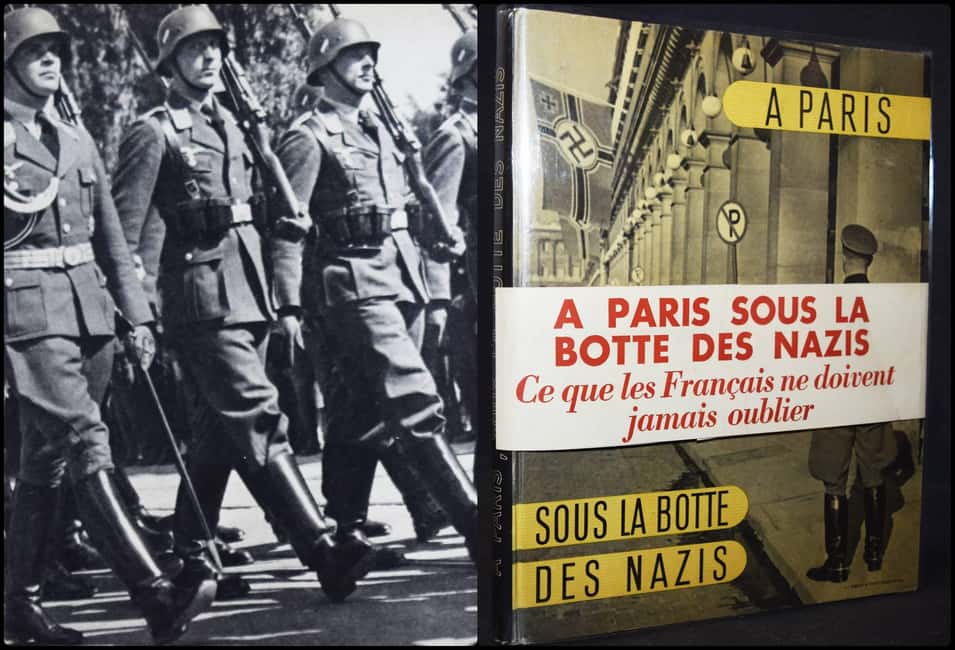
This kind of Paris WWII tour works best when it connects names to places. Here, that connection is the whole point: you’re not just hearing a timeline, you’re walking through the same kind of streets where people hid information, passed messages, and made risky choices while Nazi control tightened.
I especially like the way the story stays grounded in geography. The French Resistance wasn’t a theory; it was people meeting in specific neighborhoods, printing underground materials, and using everyday locations to move information. You’ll see that logic take shape as you move from resistance-related streets to memorial sites that hold the consequences of Nazi terror.
The other strength is balance in pacing: the tour doesn’t only talk about defiance. It also includes the tragic roundup of Jewish families during the Vel d’Hiv raid and then shifts you to remembrance through the Mémorial des Martyrs de la Déportation. That matters because WWII in Paris isn’t just about resistance stories or liberation speeches. It’s also about human loss on a massive scale.
Just remember: because it’s a 3-hour private walk, you’ll spend a meaningful part of that time in places that ask for silence and respect. If you need a lighter, sightseeing-style tour, this one may feel too heavy for your mood that day.
You can also read our reviews of more private tours in Paris



Meeting Near Saint-Michel and Finding Your Guide Fast
Your meeting point is next to the Saint Michael Monument, and the guide will be holding the Mister Llama mascot. In a city where meeting points can get confusing, this is a real help. You know exactly what you’re looking for before you even step outside.
Since there’s no hotel pickup or drop-off included, you’ll want to plan to arrive a little early on purpose. Aim to get your bearings around Saint-Michel first, then you can focus on the tour rather than racing to match a photo from a meeting page.
Also, because the tour involves significant walking, it’s worth showing up ready to move. That means comfortable shoes and layers in case the weather changes. Paris weather can be unpredictable, and you’ll be outdoors for a good chunk of the experience.
Finally, if your goal is deeper understanding rather than a quick sightseeing hit, the private format helps. You’re not competing with a big crowd for attention, which makes it easier to ask practical questions as the story gets specific.
Resistance Streets Where the Gestapo Was Close By
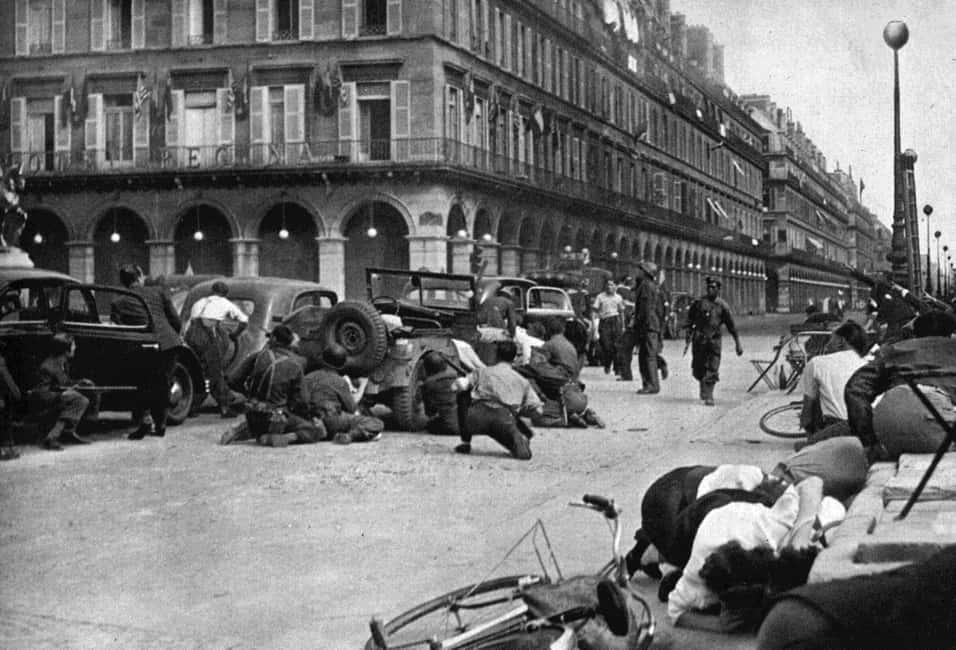
One of the most compelling things about this tour is the way it frames resistance as something that happened in plain sight, with danger nearby. You walk historic streets where the French Resistance secretly operated, and the story emphasizes proximity to the Gestapo. That contrast hits harder than a generic lecture because it’s visual: you’re moving through the same kind of streets where people had to act carefully.
A key part of this section is underground publishing. You’ll hear about the neighborhood’s role in underground publications like Defense de France. That name matters because it turns resistance from a vague concept into a practical system: printing, distributing, and using media as a weapon against propaganda.
Here’s the takeaway you’ll likely remember even after the tour ends: resistance wasn’t only dramatic sabotage. A huge part of it was information—who could print it, who could move it, and who could read it safely.
The only real consideration is tone. For many people, this section feels intense even before you reach the memorial stops. If you know you get emotional easily, consider scheduling this when you’re not rushing to another big plan right afterward.
Jean Moulin’s Path: How One Person Helped Unify the Resistance
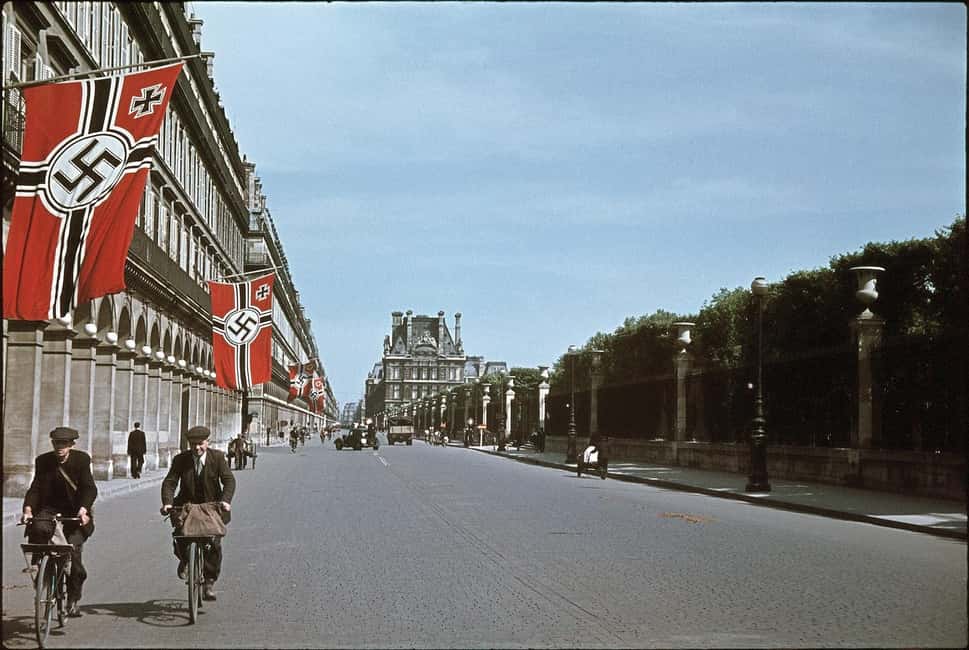
You’ll follow the paths of Jean Moulin, described as a hero who unified the Resistance. That focus is valuable because it gives you a thread. Instead of treating the French Resistance as a collection of unrelated acts, you get a sense of how coordination mattered—and how dangerous that coordination could be.
When a guide connects Moulin to street-level sites, you start to see how clandestine meetings and acts of defiance paved the way for eventual liberation. The point isn’t hero worship. The point is structure: underground networks had to survive, communicate, and keep going long enough for liberation to become real.
This is also one of the moments where a private guide can shine. If your guide offers the story in a neutral or factual style, you can still get value by asking follow-up questions: how did networks communicate, what changed over time, and how did unity affect survival? The format gives you that chance.
If you’re a visitor who likes understanding the mechanics of history, Jean Moulin’s role is one of the most rewarding parts of the tour. You’ll leave with more than names—you’ll understand why those names mattered.
Vel d’Hiv and the Deportation Memorial: What You’re Meant to Carry
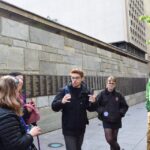
The Vel d’Hiv raid section is the emotional center of the tour. You’ll reflect on the tragic roundup of Jewish families and then visit the somber Mémorial des Martyrs de la Déportation, which honors those sent to concentration camps.
This part is heavy by design. You’re not meant to treat it like a stop on a sightseeing checklist. The memorial visit matters because it turns the raid from an event you may have heard about into something you encounter with physical stillness in front of you. In other words, it’s how the tour ensures the story stays human.
If you’re planning your day, I recommend you give yourself a little space after this portion. Even if you handle serious topics well, this is the kind of history that sticks.
Also, respect the solemnity here. Bring your attention, not just your camera. Even if your guide keeps the explanation straightforward, the site itself sets the tone.
You can also read our reviews of more historical tours in Paris



Samuel Beckett’s Refuge: The Bookstore Connection to the Gestapo
Another stop that makes this tour stand out is the bookstore where Samuel Beckett found refuge from the Gestapo. It’s a striking detail because it connects a major literary figure to wartime fear and pursuit.
What you likely get from this stop is perspective. It’s easy to think of occupation as only political and military. A bookstore refuge brings in culture and personal risk. It also shows how resistance and survival could look different depending on who you were and what resources you had.
Even if you don’t know much about Beckett’s biography, you’ll benefit from the way the guide frames the Gestapo pressure in practical terms—how being hidden was not a metaphor, it was a necessity.
A small consideration: since this stop is tied to a specific location, you’ll want to listen closely for the explanation. That’s where the meaning lives, not in the storefront itself.
Jardin du Luxembourg and Luftwaffe Headquarters: Peace on Top of Power
The tour also includes a visit to the Jardin du Luxembourg, with the reminder that it was once headquarters for the Luftwaffe. That kind of contrast is powerful: today you’re likely imagining calm and leisure, but the story flips that assumption into something darker.
I like how this moment works as a mental reset. After walking through Resistance sites and then confronting tragedy, the Luxembourg gardens become a place to think about how occupation reshaped even the familiar parts of Paris.
You’re not just learning a fact. You’re practicing how to read a city. The guide’s framing helps you notice the irony of peace layered over control, and it helps you understand why wartime history can live in plain sight if you know where to look.
If you’re someone who enjoys spatial thinking—how power uses space—this is a strong stop. It’s the kind of knowledge you’ll carry into other parts of Paris long after the tour ends.
Saint-Michel District and the 1942 Defiant Riots
Back in the Saint-Michel area, you’ll visit a symbol of resistance connected to defiant riots against Nazi rule in 1942. This is one of those moments where the tour shows that resistance wasn’t only secretive; it also involved public friction when people couldn’t take it anymore.
These riots matter because they show momentum. Resistance grew not only through planning but through anger, desperation, and collective decisions to resist openly. The tour uses the neighborhood to make that point feel real.
As you move through this part of the walk, watch for how your guide connects events to the broader occupation timeline. It’s the same war, but it shifts in tone: early resistance is about survival and secrecy, while later resistance includes more visible confrontation.
One practical consideration: because this is also near the tour’s start area, it can feel like the route is circling back. That’s not a flaw. It’s usually how a good WWII walk builds meaning—by revisiting a zone with new historical context.
Paris’ Final Days: From Nazi Control to Celebrations of Freedom
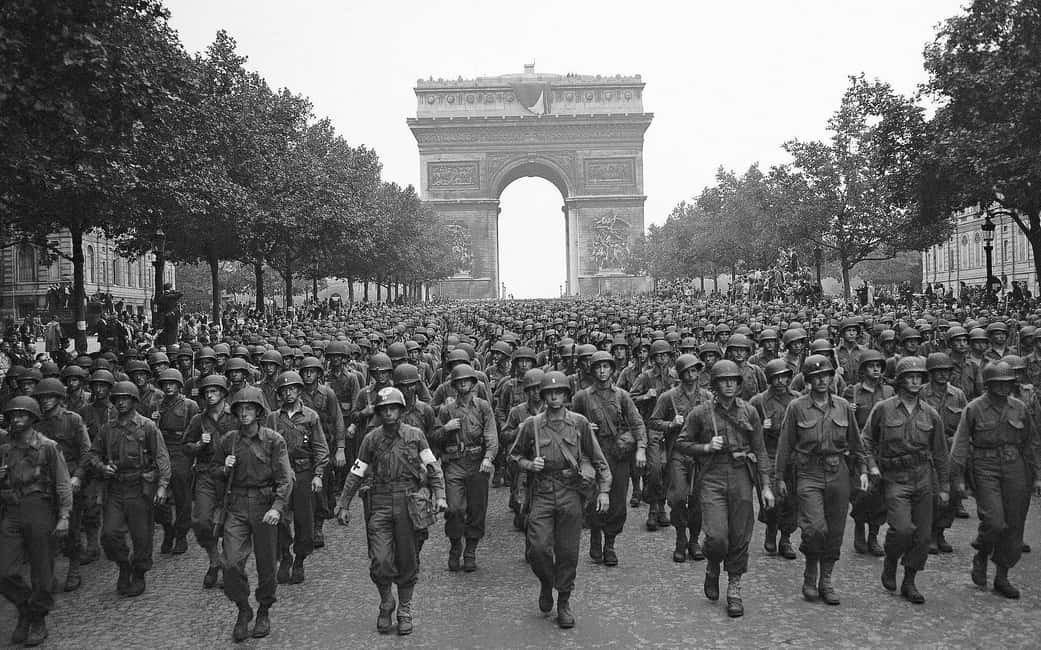
The tour ends by bringing you to Paris during its final days of occupation—moving from tense Nazi control to celebrations of freedom. You’ll also hear how Paris handled the aftermath of war, including the complexities of collaboration and rebuilding.
I like this ending because it refuses the temptation to treat WWII as a single ending moment. Liberation is real, but history doesn’t stop there. The war’s end raises questions: who did what, what counted as collaboration, and how do cities rebuild after trauma?
This portion helps you connect the earlier stops—Resistance organization, propaganda struggle, tragedy at the Vel d’Hiv, and the pressure of the Gestapo—to a final outcome that was both joyful and complicated.
If your mind tends to jump toward present-day France, this segment helps you hold the full picture: liberation happened, but the city still had to live with the consequences.
Price and Walking: Is $294 Worth It?
At $294 per person for a 3-hour private walking tour, you’re paying a premium. The key question isn’t just whether the price feels high. It’s what you’re buying: focused access to wartime sites plus a live guide who can connect those sites into one story.
For the value side, I’d weigh these factors:
- Private format means more direct interaction with your guide.
- Real street-level connections help you build understanding faster than reading about places after the fact.
- The tour covers multiple anchor points: Resistance activity, Jean Moulin, Vel d’Hiv remembrance, Beckett’s refuge, Luftwaffe links at Jardin du Luxembourg, and 1942 riots in the Saint-Michel district.
For the consideration side, you’re paying at a level where pacing and guide style matter more. In a shorter tour, there’s less time to revisit topics if you want more detail. Also, because the subject matter is serious, you may not feel like you’re getting a full entertainment value even if the education is strong.
If you’re sensitive to heavy topics, you’ll still get what you came for, but plan your day accordingly. If you’re the kind of visitor who likes questions and specifics, the private setup can make the price feel more justified.
Who This Tour Suits Best (and Who Should Think Twice)
This is a strong fit if you want a Paris WWII history tour that focuses on occupation and Resistance with concrete stops tied to real names and real places.
You’ll likely enjoy it if you:
- care about the French Resistance and want to understand how it functioned
- want context around Jean Moulin as a unifying figure
- feel a need to pair factual history with respectful memorial remembrance
- appreciate literature history when it intersects with real wartime risk, like Samuel Beckett’s refuge
You might think twice if you:
- prefer lighter sightseeing tours or prefer your history without emotional weight
- don’t enjoy significant walking
- have a very limited time window and need more flexible timing
Should You Book This Paris WWII Occupation and Resistance Tour?
I’d book this if your goal is to understand occupied Paris through the specific places connected to Resistance networks, key figures like Jean Moulin, and the hard reality of the Vel d’Hiv raid and deportations. The tour’s strength is its street-level storytelling: you see how propaganda, clandestine work, public defiance, and later liberation all connect in the same city.
I’d skip or postpone it if you’re looking for a gentle, upbeat walk or if you don’t want memorial-centered stops on your itinerary. This is serious history, and it asks you to show up mentally prepared.
FAQ
How long is the private Paris WWII Occupation & Resistance tour?
The tour lasts 3 hours, and you can check availability for starting times.
What does the tour cost?
The price is $294 per person.
Where do I meet the guide?
Meet next to the Saint Michael Monument. The guide will be holding the Mister Llama mascot.
Is hotel pickup included?
No. Hotel pickup and drop-off aren’t included, though the tour may start closer to your hotel if it’s conveniently located along the route.
What languages are available for the live guide?
The live guide is available in English, Spanish, Russian, German, Korean, Chinese, Japanese, Italian, and French.
Are meals included in the tour price?
No. Meals and beverages are not included, and there are no meals included with the tour.