REVIEW · PARIS
Private Bastille and Aligre market walking tour with the highline
Book on Viator →Operated by A Journey in Paris · Bookable on Viator
Revolution streets meet market snacks. This private Bastille walk mixes French Revolution context with everyday Paris life, from Rue d’Aligre food shopping to the Promenade Plantée’s elevated stroll. I love the small-group feel (max eight) and the practical route, where you learn as you walk instead of sitting through facts. The tradeoff: if you’re hunting for very deep, start-to-finish Revolution detail, the history may feel more story-based than lecture-heavy.
I also like how the tour balances old Paris textures with modern design, especially around the Viaduc des Arts arches and artisan workshops. And yes, you’ll get that elevated “High Line” vibe—without the New York crowds.
In This Review
- Key points before you go
- Bastille in 3 Hours: Why This Walk Beats the Usual Paris Circuit
- Place de la Bastille: Your Starting Line into the Revolution
- Rue d’Aligre and Marché d’Aligre: Where the Tour Turns into a Food Day
- Port de l’Arsenal and Canal Connections: Water Routes with Political Power
- Viaduc des Arts and the Promenade Plantée: The Walk That Feels Like the High Line
- Food Tastings and One Drink: Included Portions That Actually Matter
- Price and Value for a Private Small-Group Experience
- What It Felt Like with Solene-Style Guidance
- Who This Tour Suits Best (and Who Might Want Another Plan)
- Should You Book This Bastille and Promenade Plantée Walk?
- FAQ
- FAQ
- How long is the tour?
- Where does the tour start and end?
- Is this a private tour?
- How many people are in the group?
- What language is the tour offered in?
- What’s included in the price?
- What should I expect to eat or drink during the tour?
- Is the tour very physical?
- Do I need a printed ticket?
- Is free cancellation available?
Key points before you go
- Small-group private tour (up to eight): easier questions, more personal pacing.
- Rue d’Aligre and Marché d’Aligre: food stalls, wine, bread, strong cheeses, and even a flea-market side.
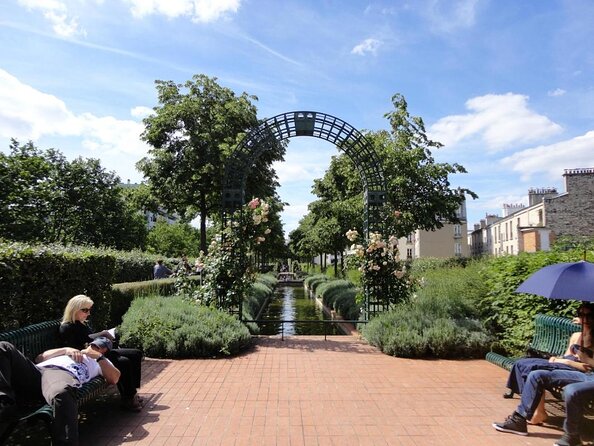
- Promenade Plantée: tree-lined views along an old rail line, clearly inspiring the High Line.
- Viaduc des Arts: old viaduct structure reimagined into artisan-workshop spaces.
- Food stops built in: three tastings and one drink per person are part of the experience.
Bastille in 3 Hours: Why This Walk Beats the Usual Paris Circuit
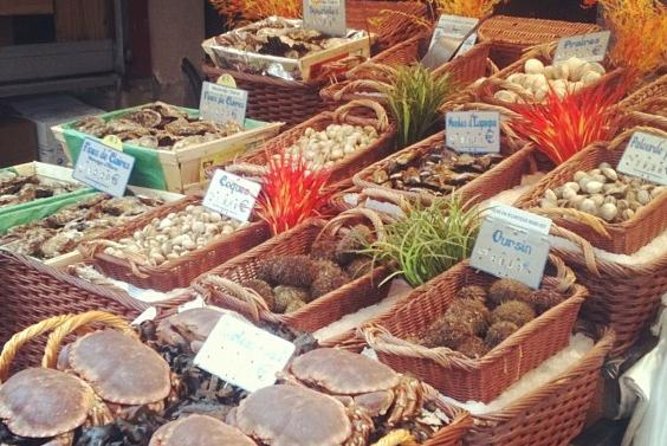
Paris has plenty of famous routes. This one works because it stays in the 11th and near-Bastille zone, where you see real neighborhood rhythms—shops, side streets, and markets—without feeling like you’re constantly fighting for space. The total time is about 3 hours, and that matters: you get enough stops to feel connected, but not so long that your feet revolt.
The tour is also private, meaning only your group participates. Even though it’s private, the group size is kept small (up to eight), which usually translates into a better conversation flow. You’re not stuck listening while someone else asks all the questions.
And the route isn’t just “look at this landmark.” It ties together three themes: the French Revolution setting, today’s market culture, and the Promenade Plantée elevated path that has become a favorite scenic walk.
You can also read our reviews of more walking tours in Paris


Place de la Bastille: Your Starting Line into the Revolution
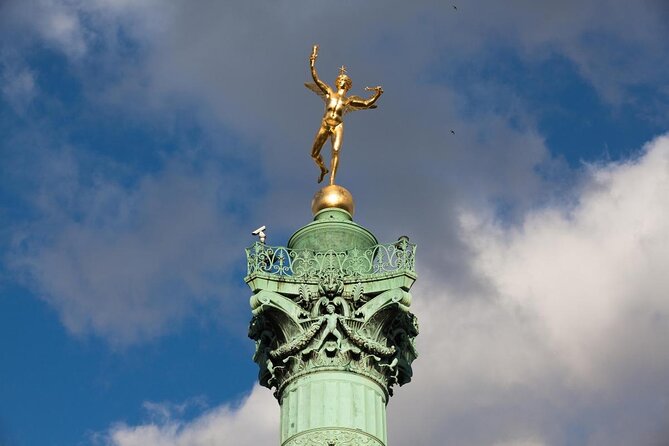
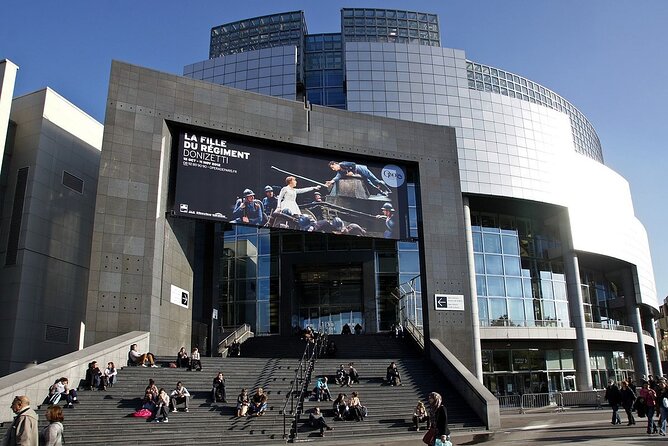
You begin at Place de la Bastille, the iconic square tied to the late-1700s uprising. This is one of those moments where it helps to have a guide who can explain what you’re looking at in plain language. You’re in the right place to connect the name to the event, and you’ll quickly understand why this area is treated like a key chapter in French political life.
From there, the walk keeps moving. You’re not just standing and staring. You’ll transition toward waterways and trade areas, which gives the Revolution story a more “people + logistics” feel—how food, access, and transport mattered.
Tip for your visit: take a moment at the square to orient yourself before you move on. It makes the rest of the walk feel like a guided map, not a random sequence of streets.
Rue d’Aligre and Marché d’Aligre: Where the Tour Turns into a Food Day
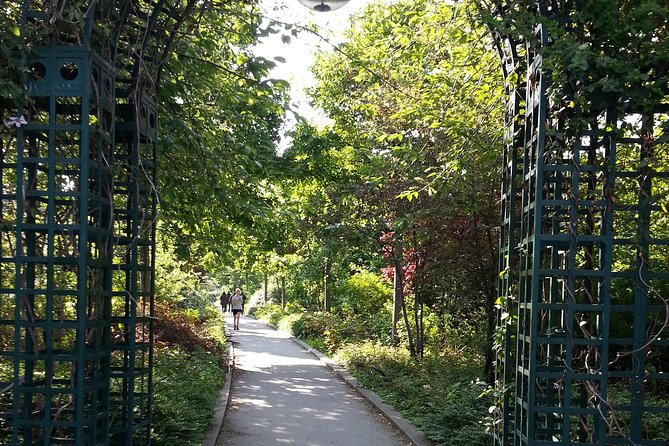
If your idea of Paris is part street life, part eating, this section is the payoff.
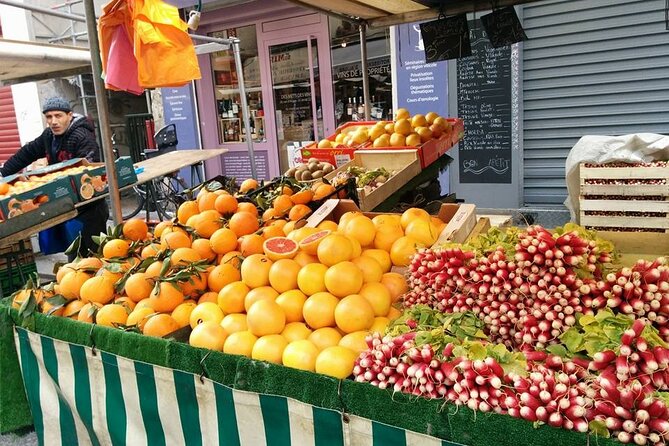
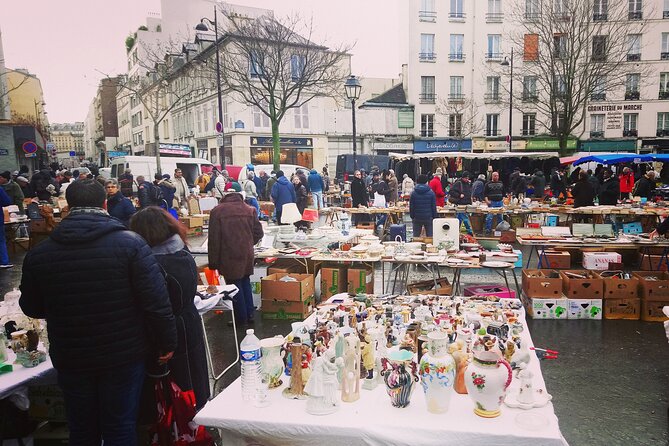
You’ll spend solid time around Rue d’Aligre and then at Marché d’Aligre, a market known for both food and flea finds. The market stop is about an hour, which is long enough to actually shop with your eyes and taste. You get to see the display logic (what comes first, what gets sampled, how vendors talk to regulars) instead of treating it like a single photo stop.
What you can expect at the market area:
- fruit and vegetables
- fine wines
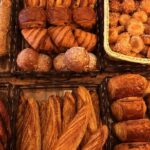
- fresh artisan bread
- strong, ripe cheeses
And because this tour includes three food tastings and one drink per person, the market stops aren’t just for show. You’re meant to eat your way through the neighborhood’s personality.
A small but smart advantage: the route includes gourmet shops, galleries, and boutiques along the way, not only the market entrance. That makes it easier to spot what locals care about—quality, not flash.
One practical note: market areas can get tight. Wear shoes you can move in, and don’t plan on doing heavy shopping afterward unless you’re ready to carry bags.
Port de l’Arsenal and Canal Connections: Water Routes with Political Power
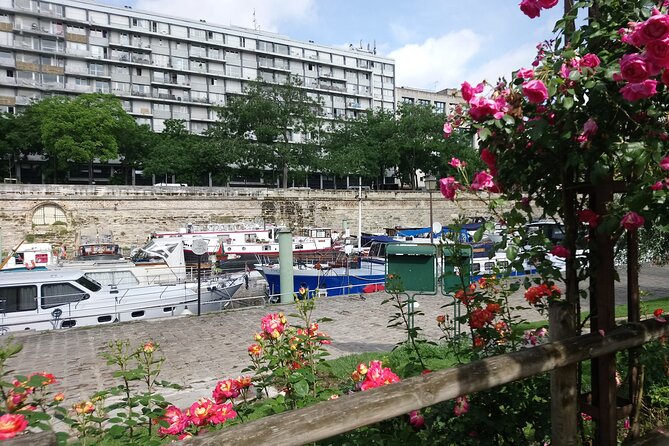
A big part of this tour’s storytelling comes from where the water meets the city. You’ll head toward Port de l’Arsenal, where the Canal St-Martin connects with the Seine River. That connection isn’t just scenic. In the Revolution era, water routes mattered for movement, supply, and access—so the guide’s explanations make the geography feel meaningful.
This is a great segment for people who like history but hate when it’s stuck in one museum room. Here, you’re learning because you can see the city’s layout. You’ll get a clearer sense of how neighborhoods worked, not just who said what to whom.
If you’re the type who likes photos, this is where you’ll have good opportunities without needing a special viewpoint. The streets and canal-side areas give you a Paris “circulation” feeling—like the city is doing something, not just posing.
Viaduc des Arts and the Promenade Plantée: The Walk That Feels Like the High Line
Then the route shifts into a very different mood: architecture + walking views.
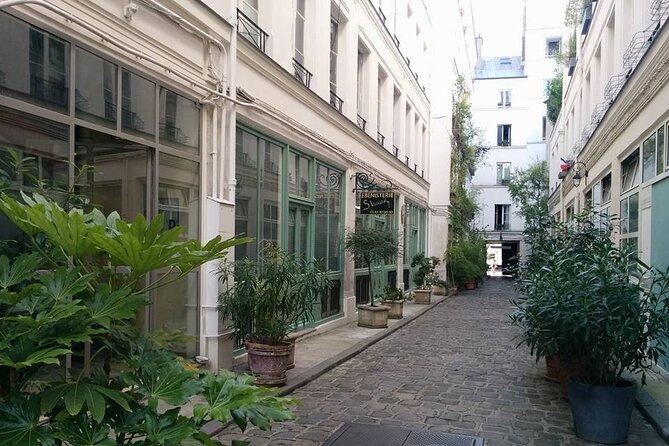
You’ll reach Viaduc des Arts, a modern recreation of an old viaduct with archways running along its length. The time here is around 30 minutes, and it works well because it’s not trying to be a museum. It’s a stroll through a built environment turned into artisan workshop spaces, where the city’s old infrastructure gets a new job.
Next comes the highlight for many people: climbing up to the Promenade Plantée. This tree-lined elevated walkway runs along a former rail line. The guide’s context is helpful: it’s widely seen as an inspiration for New York’s High Line, and once you’re on it, that connection makes sense fast.
What you’ll like about this section:
- the shade and greenery feel like a break from street noise
- the elevated perspective helps you see Paris differently
- the path gives you steady walking momentum without constant stop-start interruptions
What to watch for: this is still a walking tour, so your comfort level matters. If stairs or uneven steps are an issue, plan accordingly.
You can also read our reviews of more private tours in Paris





Food Tastings and One Drink: Included Portions That Actually Matter
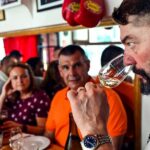
This is one of those tours where the included food is not an afterthought. You get three tastings and one drink per person. That changes how you experience the day. Instead of guessing what to buy or feeling like you missed the best bite, you get guided sampling.
Because the tastings are sprinkled through the route, the tour avoids the classic problem where all the eating happens in one clump at the end. You’ll get tastes while you’re learning about the neighborhood—at least three clear moments where flavor follows context.
If you’re thinking about skipping meals beforehand, use common sense:
- If you normally eat light in the morning, arrive with a little hunger.
- If you eat big breakfasts, be ready to snack rather than meal-size.
Also, since the tour is in English and guided, you can ask about what you’re tasting and where it fits in the local food culture—especially helpful if you’re not fluent in ordering or cheese/wine vocabulary.
Price and Value for a Private Small-Group Experience
At $210.27 per person for about 3 hours, the price isn’t cheap. But value isn’t only the sticker. What you’re paying for here is the mix of access + time + guided sequencing.
You’re getting:
- a professional guide
- a private format (only your group)
- up to eight people, which usually means less crowd pressure
- multiple stops including major landmarks plus market time
- three tastings and one drink built into the schedule
For a city like Paris, that included food matters. Markets are great, but you can easily spend a lot of money sampling without guidance. Here, the tour gives you structured sampling and a route that connects the dots between history, design, and street-level eating.
If you’re traveling with someone who loves markets, design details, or neighborhood history, the price starts to make more sense. If you want a long, museum-heavy historical deep dive, you might find the time tight for that goal.
What It Felt Like with Solene-Style Guidance
I’m not going to promise you’ll get the exact same guide, but one name stands out from past experiences: Solene. She’s praised for being friendly and staying generous with time, even tailoring the walk toward interests like art and shop-quality details.
One smart detail from that kind of guiding approach: you don’t just get what to see—you get explanations for what you’re looking at, including how shops signal quality with certifications. That’s the sort of information that upgrades a casual stroll into something you can use later when you’re shopping on your own.
Also, when guides adapt—like spending extra time in lanes or taking you to a market corner you’d never find—you feel the difference between a scripted walk and a real neighborhood route.
Who This Tour Suits Best (and Who Might Want Another Plan)
This tour is a great match if:
- you want a neighborhood walk more than a postcard checklist
- you like markets and want time to actually look and taste
- you enjoy mixing history with design (Revolution context, then Viaduc des Arts, then Promenade Plantée)
- you prefer a small private group where it’s easy to ask questions
You might want a different style of tour if:
- you’re expecting a long, heavy lecture on Revolution politics and dates
- you want a nonstop sprint to “everything famous” in Paris
- you have very limited mobility for stairs, since there’s climbing involved to reach the elevated walkway
For most people, though, this is a sweet spot: it’s structured, but it still feels like wandering with a helpful local lens.
Should You Book This Bastille and Promenade Plantée Walk?
Book it if your ideal Paris day looks like this: a meaningful start at Place de la Bastille, a real market hour at Marché d’Aligre, then a change of pace on Viaduc des Arts and the Promenade Plantée elevated walk.
Skip it (or look for a history-only alternative) if you’re craving a deeper, chronologically dense Revolution breakdown. Some people feel the historical perspective is lighter than expected, so manage that expectation.
For value, I’d say this: the tastings + drink plus the structured route through places many visitors miss make it feel more like a guided experience than a simple walking pass. If that matches your travel style, you’ll likely come away with both better memories and better instincts for where to eat in Paris’s 11th.
FAQ
FAQ
How long is the tour?
It lasts about 3 hours.
Where does the tour start and end?
It starts at 10:00 am in central Paris in the 11th arrondissement and ends near Gare de Lyon in central Paris (75012).
Is this a private tour?
Yes. It’s private, and only your group participates.
How many people are in the group?
It’s a small group limited to eight.
What language is the tour offered in?
The tour is offered in English.
What’s included in the price?
A professional guide plus three food tastings and one drink per person.
What should I expect to eat or drink during the tour?
You’ll have three tastings and one included drink, along with chances to sample food at local places along the route.
Is the tour very physical?
It’s described as requiring moderate physical fitness since it involves walking and includes time on foot around the area.
Do I need a printed ticket?
No. You receive a mobile ticket.
Is free cancellation available?
Yes. You can cancel up to 24 hours in advance for a full refund.