REVIEW · PARIS
Private 2-Hour Guided Tour in Orsay Museum Paris
Book on Viator →Operated by Napoleone Tour · Bookable on Viator
Two hours at Orsay can feel effortless. This private tour pairs an official licensed guide with admission ticket included, so you spend your time seeing art, not sorting logistics. My only caution: it’s not a deal if your schedule is shaky, since it’s non-refundable and timing matters.
What makes this work is the human factor. You get a real guide’s voice—often with big storytelling energy from guides like Maurizio/Mauricio or Mattias—and you can shape the visit around what you actually want to understand about Impressionism.
In This Review
- Key things that make this Orsay tour worth your time
- A private 2-hour Orsay tour that actually fits real schedules
- Meet at Esplanade Valéry Giscard d’Estaing, then start looking fast
- What happens inside the Musée d’Orsay: Impressionism, explained like a story
- The building itself helps the viewing
- A big pro: your guide can tailor what you focus on
- Impressionism context: from Academy rules to what audiences learned to accept
- Pace and timing: what “2 hours” really means in Orsay
- Meet your guide: why storytelling seems to be the main attraction
- Price and value: what you’re paying for
- Practical tips to get the most out of your 2 hours
- Should you book this Orsay private tour?
- FAQ
- How long is the Orsay private guided tour?
- Is the tour private?
- Is the guide provided in English?
- What’s included in the price?
- Where does the tour start and end?
- Do I need to arrange transportation?
- When will I receive confirmation after booking?
- Is there a minimum number of people?
- What is the cancellation policy?
Key things that make this Orsay tour worth your time
- Official licensed guide (English offered): you’re not stuck with vague captions.
- Admission ticket included: less waiting, more looking.
- Private format: only your group, so the guide can flex to your pace.
- 2-hour custom focus: you can steer toward artists, style, or context.
- Story-driven Impressionism: rules, reactions, and how the movement evolved.
- Easy meeting point by public transit: start at Esplanade Valéry Giscard d’Estaing.
A private 2-hour Orsay tour that actually fits real schedules
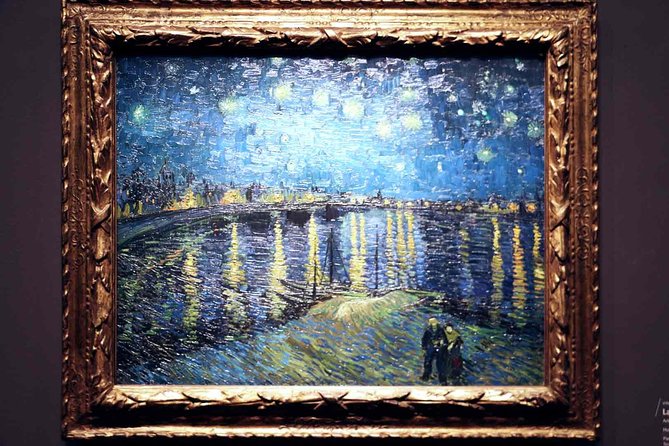
The Musée d’Orsay is one of Paris’s best museum stops, but it’s also easy to feel overwhelmed. It’s huge, the building is dramatic, and Impressionism can run together if you’re just wandering. A private 2-hour guided tour fixes that by compressing the museum into a focused, guided route.
I like that you get a licensed guide’s perspective right away. In a place like Orsay, context matters: why certain subjects were painted, why critics reacted the way they did, and how these artists learned from—or pushed back against—what came before. And because it’s private, the guide can adjust when you get interested in something unexpected.
The other big win is the short duration. Two hours doesn’t sound long, but it’s long enough to build understanding and still feel like you had time to actually look at paintings, not just walk past them.
You can also read our reviews of more guided tours in Paris



Meet at Esplanade Valéry Giscard d’Estaing, then start looking fast

This tour starts at Musée d’Orsay, Esplanade Valéry Giscard d’Estaing, 75007 Paris. Ending back at the meeting point keeps the whole visit clean and predictable, which is exactly what you want when your time in Paris is limited.
Because the start point is near public transportation, you don’t need a complicated plan to get there. I’d still recommend giving yourself extra minutes, since missing the start time isn’t something you can easily fix with a quick message. One downside of “private” is that the guide is reserved for your slot—so be there when your tour begins.
What happens inside the Musée d’Orsay: Impressionism, explained like a story
The itinerary is simple on paper: one main stop, Musée d’Orsay, for about 2 hours, with your admission ticket included. In real life, that one stop is the whole point. This is a museum built for slow looking, but the guide helps you do it with direction.
Orsay is packed with 19th-century art, and the guide frames it through the rise of Impressionism. Expect a timeline feel—how the movement starts, how it changes, and what happens next. That structure matters because Impressionism isn’t just a set of techniques. It’s also a social shift: different audiences, different ideas about modern life, and different reactions to art that didn’t play by the old rules.
The building itself helps the viewing
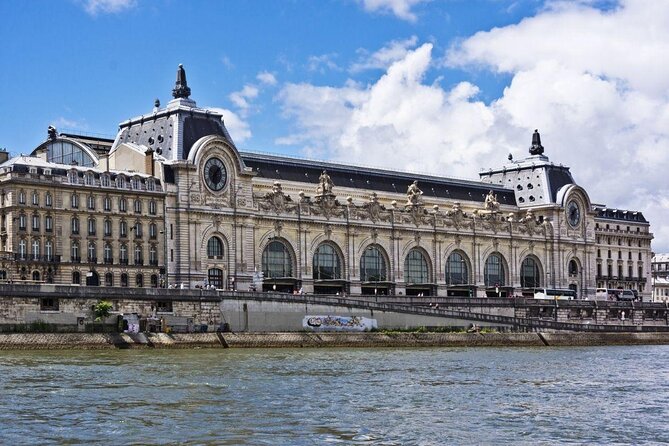
Orsay isn’t only what’s on the walls. It’s the old train-station shell—part of the experience. You get the benefit of that setting, including the sense of open, airy space, plus the classic “wow” moment of the station architecture. One reviewer specifically highlighted the station side and the panoramic views from the upper floors, which is a good reminder: don’t treat Orsay like a flat white box. The building changes how the art feels.
A big pro: your guide can tailor what you focus on
This tour can be customized to your interests. If you’re the type who wants to connect artists to each other, you’ll probably enjoy the way some guides build links between painters and their influences. If you’re more of a technical observer, you’ll likely appreciate how the guide explains what you’re seeing beyond “pretty colors.”
In guides like Maurizio/Mauricio, the storytelling style shows up as a pattern: the painting becomes an event. You’re not only looking at brushwork; you’re hearing what the artist was reacting to, what shaped their choices, and why certain scenes mattered.
You can also read our reviews of more private tours in Paris






Impressionism context: from Academy rules to what audiences learned to accept
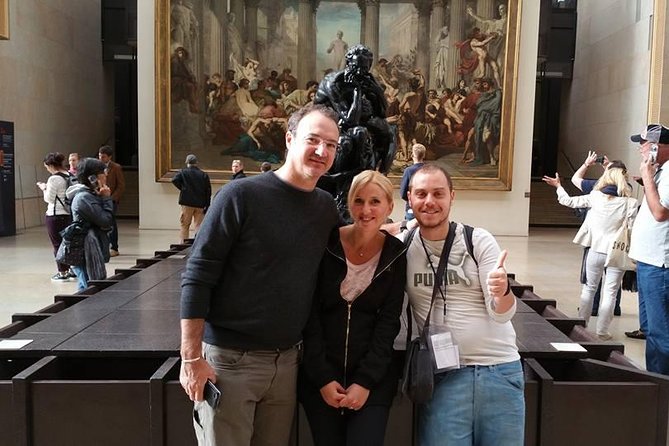
Here’s the part you don’t get from wandering alone: Impressionism is often framed as style, but your guide can explain it as a clash of standards. This is where the tour’s value becomes clear. You’ll likely hear how official taste leaned one way—often pushing artists toward accepted subjects and methods—while the newer painters took different routes.
This matters because Impressionism didn’t land peacefully. It was new enough to upset people. Once you know that, the paintings stop feeling like just “nice scenes” and start feeling like arguments made with color and light.
One reviewer described how their guide compared what was allowed by the Academy versus what was rejected, and how a growing middle and upper class became a key audience for the newer painters. Even if your interests are narrower, that kind of explanation helps you understand why these works look the way they do.
Pace and timing: what “2 hours” really means in Orsay
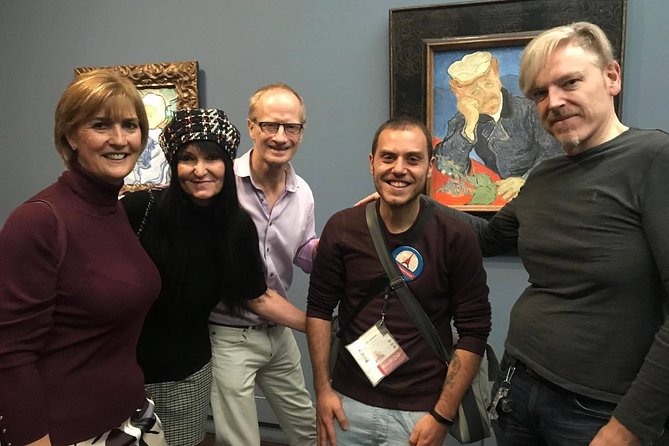
Two hours is the sweet spot for a first guided visit, especially if you want to see a lot of art but still breathe. The experience is designed to keep you moving through the museum crowds without turning it into a marathon.
A practical tip: if you want to remember specific paintings, ask the guide to point you to a few anchor works. Then you can spend your own extra seconds looking at them after the story lands. That’s often when the paintings click—right after you understand the why.
Also, choose your moment wisely. The tour offers morning or afternoon options, so pick the time that best matches your energy and your other Paris plans. If you’re combining Orsay with other central sights, afternoon might fit better. If you prefer calmer museum conditions, morning can be easier on your brain. Either way, the guide’s job is to use the time efficiently.
Meet your guide: why storytelling seems to be the main attraction
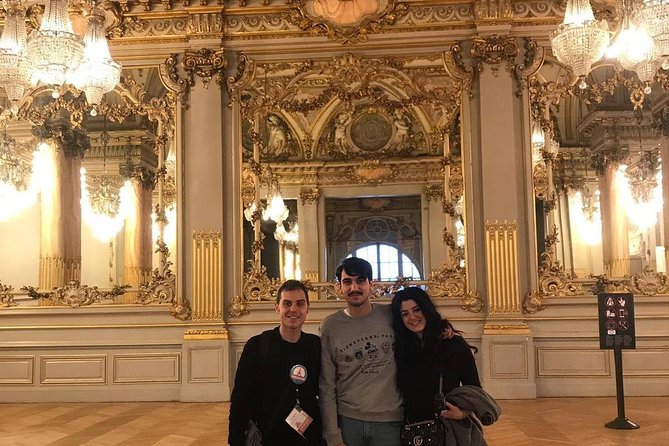
The tour’s standout ingredient in the provided feedback is the guides’ presentation style. Names like Maurizio/Mauricio and Mattias come up again and again, and the common theme is strong storytelling with real art-historical grounding.
You can also feel the difference between reciting facts and explaining connections. One guide-style described artists and their apprentices, plus how details in paintings point to wider shifts in training and society. Another mentioned how paintings can feel like they jump off the surface once someone gives you the right context.
And yes—there’s a credibility angle here. One account described a guide stepping up during a medical emergency, coordinating with museum staff and paramedics and translating where needed. That’s not something you should plan on, but it signals professionalism and calm under pressure.
Price and value: what you’re paying for
At $148.91 per person for about 2 hours, this isn’t a budget tour. But for Orsay, the cost can make sense because you’re buying three things at once:
- A private, licensed guide who can shape the route around your interests
- Museum admission included, so you’re not adding extra ticket steps
- Time efficiency, which matters if Orsay is one of your only “big museum” stops
If you’re a solo art lover or traveling as a couple, you’ll often do the math and realize that two hours with guidance is a good use of limited vacation time. If you’re a family group, this format can help too, because the guide can keep the visit lively without you having to turn into the entertainment manager.
The real value shows up when you leave feeling like you understood the movement—not just that you saw a lot of paintings.
Practical tips to get the most out of your 2 hours
You’ll get more from this tour if you walk in with at least one question in mind. For example:
- Do you want help understanding why Impressionism changed painting?
- Are you more curious about specific artists or about the “big story”?
- Do you want help choosing what to focus on so you don’t miss the best-known works?
Also, plan your arrival like it matters—because it does. The tour is private, so the guide is expecting your group at the scheduled time and meeting point. If you show up late, you’re basically trying to fit your schedule into someone else’s calendar, and that’s where stress starts.
Finally, bring your curiosity, not just your checklist. Orsay rewards attention. A good guide doesn’t just point; they help you notice.
Should you book this Orsay private tour?
Book it if:
- You want Impressionism explained with context, not just object descriptions
- You prefer a private pace that can flex to your questions
- Orsay is a top priority and you’d rather spend two hours learning than wandering confused
Skip it if:
- You’re happy self-guiding and already know exactly what you want to study
- Your schedule is likely to slip, since a non-refundable, fixed-time private tour needs punctual arrival
If you’re on your first or second visit to Orsay and you want the art to make sense fast, this is a strong choice. The best part is that the time stays compact—but the understanding doesn’t.
FAQ
How long is the Orsay private guided tour?
It’s approximately 2 hours.
Is the tour private?
Yes. It’s a private tour/activity, and only your group participates.
Is the guide provided in English?
The tour is offered in English.
What’s included in the price?
A private guided tour and a professional guide are included, and the admission ticket for Musée d’Orsay is included.
Where does the tour start and end?
It starts at Musée d’Orsay, Esplanade Valéry Giscard d’Estaing, 75007 Paris, France, and ends back at the meeting point.
Do I need to arrange transportation?
No. Transportation to and from attractions is not included.
When will I receive confirmation after booking?
You’ll receive confirmation within 48 hours of booking, subject to availability.
Is there a minimum number of people?
Yes, it requires a minimum of 2 people per booking.
What is the cancellation policy?
The experience is non-refundable and cannot be changed for any reason. If it’s canceled due to poor weather, you’ll be offered a different date or a full refund.