REVIEW · PARIS
Paris: See 15 to 30 Top Sights with a Fun Guide
Book on GetYourGuide →Operated by Paris Top Sights Tours · Bookable on GetYourGuide
Montmartre to the Louvre in three hours sounds intense. This tour strings together Sacre-Cœur inside and tight photo stops at the Eiffel Tower and Notre-Dame into one easy-to-follow route. You also get a local guide telling stories as you go, so the city feels less like checklists and more like a moving postcard.
The trade-off is pace. You’ll cover a lot of ground, with short time at each sight (often 10–15 minutes) and you’ll pay your own Metro cost (metro costs add up).
In This Review
- Key Takeaways Before You Go
- The Point of This Tour: Getting Your Paris Bearings Fast
- Montmartre Start: Anvers to Sacré-Cœur
- Moulin Rouge Photo Stop: Fun for Photos, Not for Planning a Meal
- Arc de Triomphe du Carrousel and the Sprint Toward Eiffel Tower
- Notre-Dame, Île de la Cité, and Hôtel de Ville: The Seine’s Story Zone
- Louvre Area Finale: Quick Views, Then Your Next Step
- Walking, Metro, and Timing: How to Make the Day Feel Easy
- Price Value: Why $47 Can Make Sense for First-Time Days
- Who This Tour Fits Best (and Who Might Be Happier Elsewhere)
- The Real Star: The Guide Style
- Should You Book This Paris Top Sights Tour?
Key Takeaways Before You Go
- Pick 15 sights or go big with 30+ depending on how much you like sprinting between landmarks.
- English guides really drive the day with facts, stories, and practical tips for navigating Paris.
- Sacre-Cœur is a real highlight stop with an actual visit, not just a drive-by.
- Photo planning is part of the deal (many guides help you find good angles and spots).
- You learn the Metro trick early so you can explore on your own afterward with less guesswork.
- Bring comfy shoes because the “walk-and-photo” style adds up fast.
The Point of This Tour: Getting Your Paris Bearings Fast
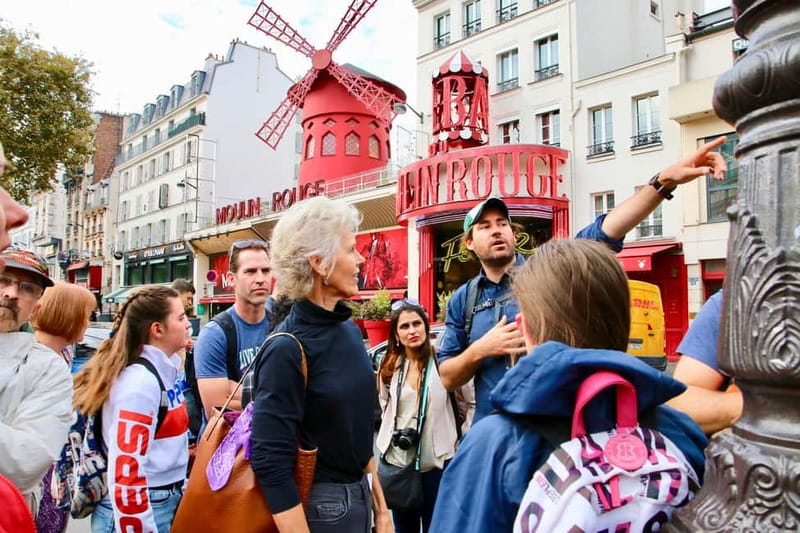
Paris can be overwhelming on day one. This experience is designed to fix that. In about 3 hours, you hit the big-name sights in the most logical loop—starting in Montmartre, then sliding toward the Seine, the Île de la Cité area, and finally the Louvre region.
What makes it work is the guide layer. People often think they need a “best viewpoints” app. Here, you get a person who can explain what you’re looking at while you walk. Guides such as Yasmine, Alessandra, Sasha, Niko, and Anna have led this route (based on guide names you’ll see in past groups), and the common thread is a lively, story-forward style—plus practical help so you don’t lose time figuring out which line goes where.
And you do get real variety. You’ll see viewpoints from hilltop Montmartre, classic Paris monuments around the center, and the “this is why people come” feeling near the Seine and the Louvre.
One quick note on expectations: this is not a slow, sit-down day with long museum time. If your dream is to spend hours inside the Louvre or linger at the cathedral doors, you’ll want this as your groundwork, then plan your deeper visits separately.
You can also read our reviews of more guided tours in Paris



Montmartre Start: Anvers to Sacré-Cœur
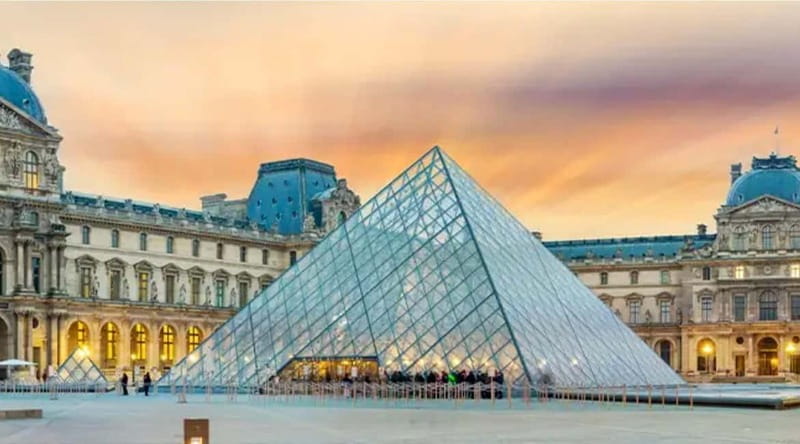
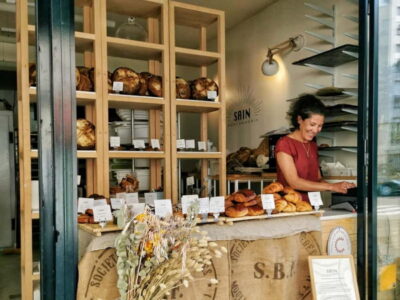
You start near Anvers—one listed meeting point is Urban Bakery on the Lepic area, and the tour may offer starting location options depending on what you book. This matters because it helps you start where the walking is most efficient. You’re not dragging yourself across the city first thing. You’re going to the scenic beginning.
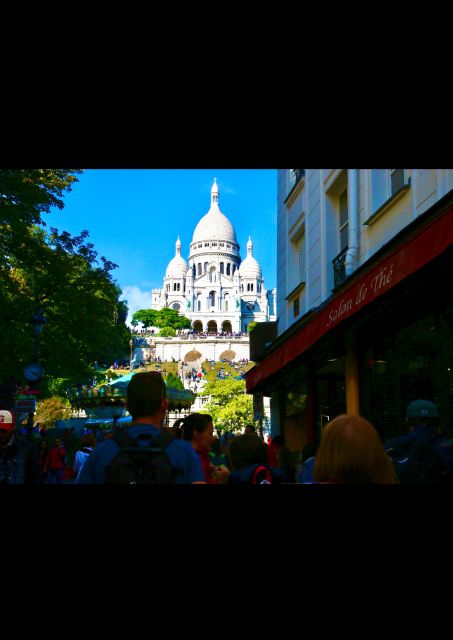
Then comes Sacre-Cœur Basilica, with a dedicated stop (about 10 minutes) and the chance to go inside. Sacré-Cœur has a particular kind of wow factor: the bright stone, the dramatic setting, and the way the space changes how you feel about the whole city. Ten minutes is brief, but it’s long enough to get inside, look up, and understand why people photograph it from so many angles.
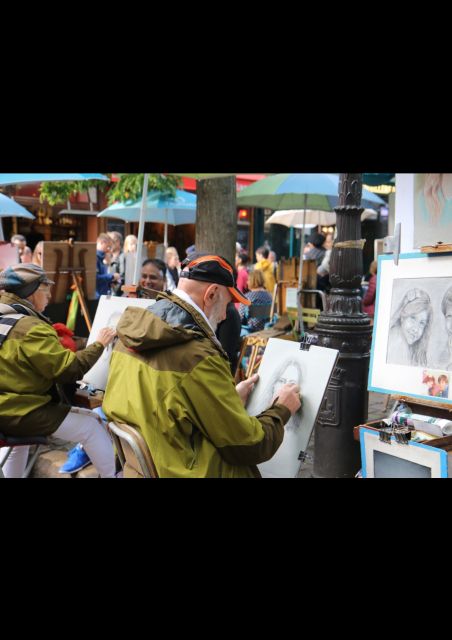
After that, the tour shifts into Montmartre walking time (about 40 minutes). This is where you get more than monuments. You’re moving through the neighborhood atmosphere—streets that feel like they belong to another era, with that mix of tourist energy and local life. If you love wandering, you’ll enjoy this portion even if you’re not obsessed with every building.
Possible drawback: if you’re traveling with anyone who needs lots of quiet time, this section may feel “on the go.” You’ll be moving at a steady clip.
Moulin Rouge Photo Stop: Fun for Photos, Not for Planning a Meal
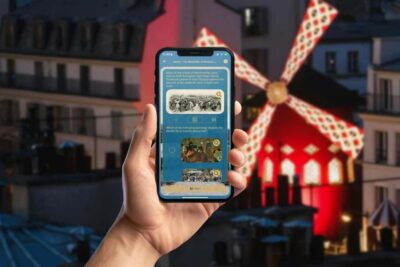
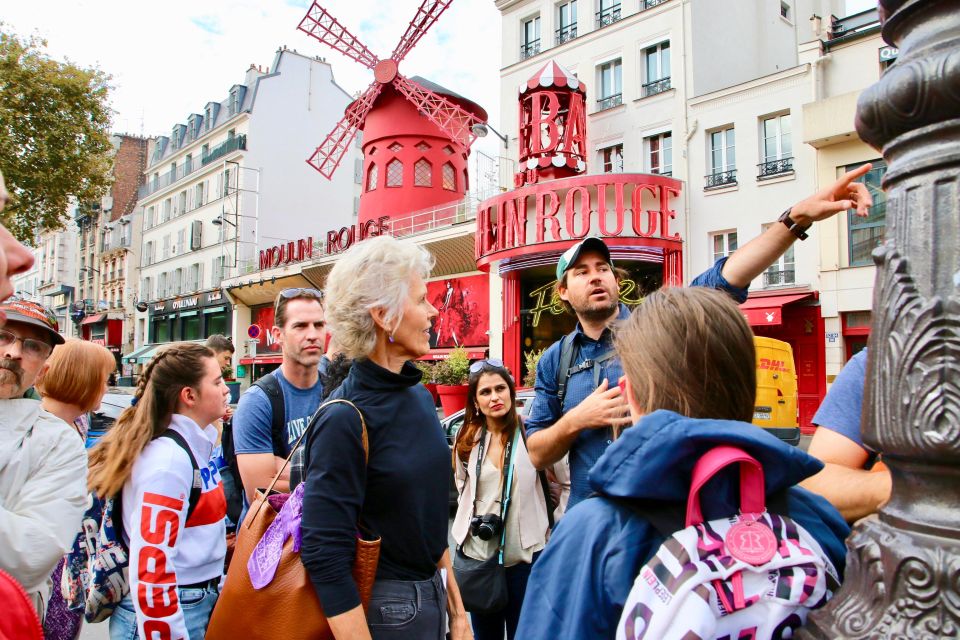
Next up is a Moulin Rouge photo stop (listed at about 5 minutes). Let’s be honest: you’re not going to “do Moulin Rouge” in five minutes. You’re going to see it, snap a few photos, and keep moving.
That’s actually okay because the tour isn’t trying to replace a nightlife plan. It’s trying to give you a quick visual anchor for a famous corner of Paris, then roll you forward while your day still has energy. If you’re the type who just needs the classic sight on your route, you’ll appreciate this as a low-effort checkpoint.
Tip for you: if your camera is your priority, keep your lens handy here. Short stops are where you usually miss the best shots if your bag is too hard to open quickly.
Arc de Triomphe du Carrousel and the Sprint Toward Eiffel Tower
After Montmartre, you get a photo stop at Arc de Triomphe du Carrousel (about 10 minutes). It’s not always the first thing people plan in Paris, which is exactly why it works in a fast tour. It adds “Paris monuments” variety without requiring a long detour.
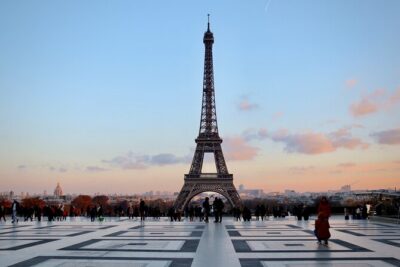
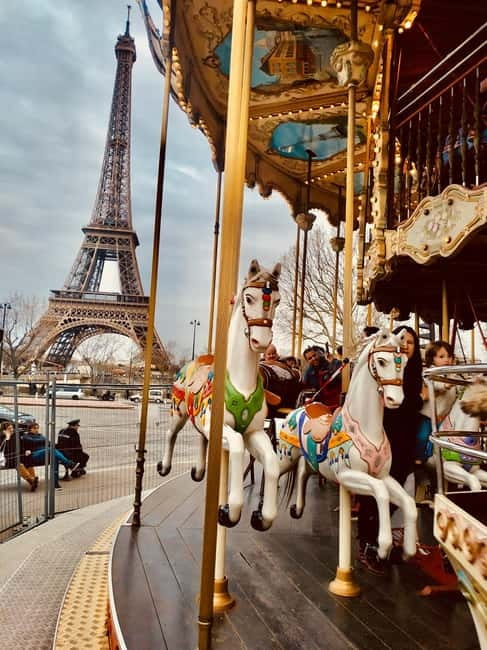
Then it’s a big one: the Eiffel Tower photo stop (about 15 minutes). This is one of the moments where the guide’s timing can really help. If the group moves smoothly, you get a chance to take photos from an angle that looks good without feeling rushed.
Also, the walking style matters here. The tour balances foot travel and Metro use (Metro costs are on you; the guide helps you sort it). The aim is to keep you from spending half the day stuck in transit.
Possible drawback: 15 minutes at the Eiffel Tower can feel short if you want to queue, explore, and linger. But that’s not what this experience is. Think of it as your “Eiffel is real” moment—then return later for a fuller experience if you want.
Notre-Dame, Île de la Cité, and Hôtel de Ville: The Seine’s Story Zone
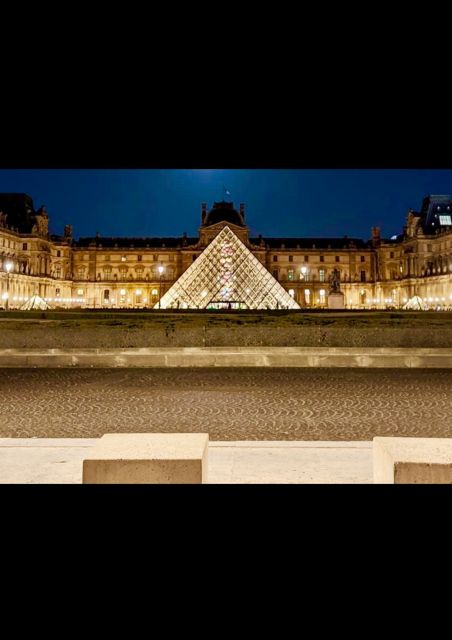
From the Eiffel area you head toward the center, and the itinerary clusters several classic sights together:
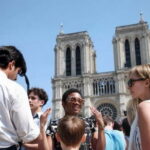
- Notre-Dame Cathedral photo stop (about 10 minutes)
- Île de la Cité photo stop (about 10 minutes)
- Hôtel de Ville photo stop (about 10 minutes)
This grouping is smart because the heart of Paris around the Seine has a strong sense of place. Even if you’re moving quickly, you’re walking through a geographic story: river island, historic core, grand civic architecture.
What I like about this segment is how it helps you understand the city’s layout. Many first-timers spend their first day with a map app and a million individual directions. Here, you’re getting a route that makes those landmarks feel connected rather than random.
Also, this is where you’ll appreciate a guide who talks while you walk. Even if you don’t memorize every fact, you’ll start recognizing patterns—where major streets lead, where views open up, and why people photograph the same angles again and again.
Possible drawback: photo stops mean you’re viewing from the outside. You should plan separate time if you want to enter specific sites or spend serious time in any museum.





Louvre Area Finale: Quick Views, Then Your Next Step
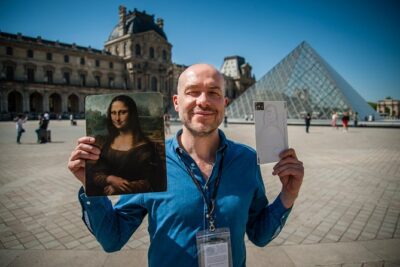
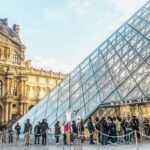
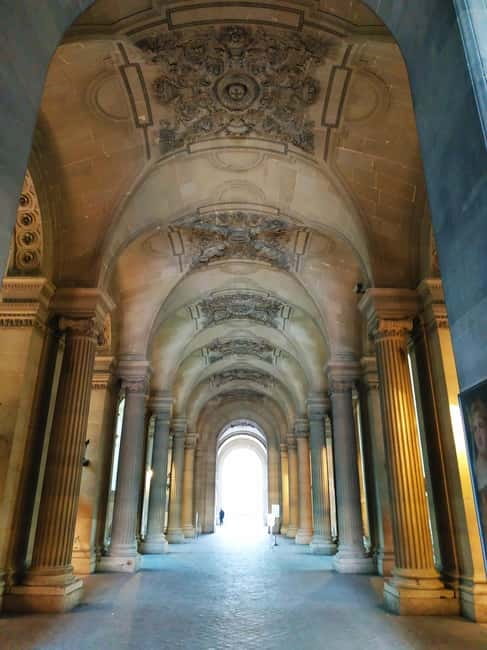
The tour ends with a Louvre Museum photo stop (about 10 minutes). The Louvre is a “you need more time” destination. So in a fast tour, the goal is not to replace the museum visit. The goal is to put you in the right zone so you can plan what you care about.
If you choose the longer option (the one that visits 30+ sites), you’ll likely get more micro-stops along the way. If you choose the shorter version (15 sights), you still reach the Louvre area—just with fewer stops overall.
Where you finish can also vary. The activity notes drop-off locations that include Lacoste and the Louvre Museum area, and it also says the tour ends back at the meeting point. In practice, think of it as ending near the places that are most useful for you to continue your day on foot or by Metro.
My advice: if the Louvre is top priority, treat this as your warm-up. Walk the area, check how the streets feel, and then go back when you have time for ticket lines and your own pace.
Walking, Metro, and Timing: How to Make the Day Feel Easy
The tour is only 3 hours on the clock, but don’t let that fool you. A route that hits Sacré-Cœur, Montmartre, the Eiffel Tower, Notre-Dame, and the Louvre zone is a “lots of steps” plan.
So here’s how you make it feel manageable:
- Wear shoes you can walk in all day. Comfortable shoes are explicitly recommended, and that’s for good reason.
- Keep your camera accessible. Several stops are short. If your camera is buried, you’ll miss the shot windows.
- Plan your Metro money ahead. Transportation on the Metro is not included. You’ll need a day pass option like a Mobilis (zones 1 and 2) or a Navigo card. The guide can help you organize this on the day, which is a big stress-saver.
- Don’t try to add extra major stops afterward. Save long museum time and sit-down meals for later.
The good news? The guide support seems to be one of the biggest strengths in past experiences. People have specifically praised guides for teaching them how to use the Metro and helping them navigate confidently afterward. That’s especially helpful if it’s your first time in Paris.
Also, expect that you’ll get “photo spot” guidance. Some guides have acted as photographers for groups, which is useful if you don’t want to keep hunting for strangers who will take your picture.
Price Value: Why $47 Can Make Sense for First-Time Days
At $47 per person, this tour is priced like a practical city-introduction plan. It’s not a luxury ride. It’s not a museum pass. But you are buying something real: a guide-led route that can help you see the big, famous sights plus the connective tissue between them.
Here’s how that value works in your favor:
- You save planning time. In Paris, the effort of mapping and sequencing can wipe out a morning. The guide handles the route logic.
- You get context while you walk. Stories and fun facts make the monuments more than their postcard shapes.
- You see more landmarks than you could casually do. The tour can include 15 or 30+ sites depending on the option you choose. That’s the difference between “a few highlights” and a real overview.
What’s not included is also important for your budgeting. Entry tickets are not included (and Metro costs are on you). So if your must-do list includes inside visits to major sites beyond Sacré-Cœur, you’ll need to plan for those separately.
Bottom line: this tour is worth it most when you’re using Paris for what it is—walking city planning plus selective deep dives. It’s not meant to replace ticketed attractions. It’s meant to help you choose them.
Who This Tour Fits Best (and Who Might Be Happier Elsewhere)

This is a smart pick for:
- First-timers who want the big monuments quickly and need bearings.
- Time-crunched trips where you only have a day or two.
- Families who can handle a steady pace (one group mentioned kids kept up on foot).
- Photo-minded travelers who want help finding good angles and getting group shots without turning the day into a photography marathon.
It may be less ideal for you if:
- You want long indoor time at multiple major sites in one day.
- You dislike lots of walking and prefer slower, more relaxed city strolls.
- Your group needs frequent breaks and extended stays at each location.
If you’re unsure, think of the tour as the opening act. Then schedule the real show—Louvre, cathedral visits, and any other ticketed experiences—later.
The Real Star: The Guide Style
What consistently comes through is that the guide shapes the quality of the day. You’ll hear history, fun facts, and practical navigation tips. In the examples of guides who have led groups—Alessandra, Sasha, Niko, Olivia, Rami, Yasemin, Johnny, and Anna—you see a pattern of energy: keeping people engaged, pacing for the group, and helping with photos.
One more benefit I think is easy to underestimate: guide confidence. When someone helps you figure out Metro use early, your later days stop feeling like a puzzle. You can spend your energy actually enjoying neighborhoods instead of wrestling transit.
So when you book, pick the start time that fits your energy level. A tour like this works best when you’re not already exhausted from jet lag.
Should You Book This Paris Top Sights Tour?
Yes—if you want an efficient, guide-led overview that gets you seeing the big Paris landmarks without spending your entire day planning. The 4.8 rating from 195 reviews lines up with what this format promises: quick hits, good story-telling, and help navigating the city.
Book it if:
- You want to hit Sacre-Cœur, Eiffel Tower, Notre-Dame, and Louvre area in one tight plan.
- You like walking tours with frequent photo moments.
- You want to learn how to use the Metro with less stress.
Skip it (or treat it as optional) if:
- Your vacation style is slow, deep, and museum-heavy.
- You need long inside visits at every stop.
If you do book, do it as a first-day or early-day move. Then you can use the route you just learned as your personal map for the rest of your Paris days.