REVIEW · PARIS
Paris: The Da Vinci Code Walking Tour with a Local Guide
Book on GetYourGuide →Operated by LocalBini AG (EU) · Bookable on GetYourGuide
Ritz Hotel, rose-line clues. This 90-minute Da Vinci Code walk starts at the Ritz Hôtel, then connects the movie’s big moments to the real streets you can stand on in Paris. It’s the kind of tour where the city feels like a puzzle box: you’re not just seeing landmarks, you’re checking how the story fits the ground under your feet.
I like that it keeps things up to 8 travelers, so you get time for questions and don’t feel like you’re sprinting behind a crowd. Guides like Marie and Bianca bring lots of fun facts about the novel and Paris, but one heads-up: the exact focus can shift with the group and guide, so if you want only strict film-location moments, set your expectations accordingly.
In This Review
- The Ritz Hôtel start: where the story lands in real life
- Why this opener feels good
- Robert Langdon’s last chapter: spotting reality in the ending
- Palais Royal passages and the rose line search
- What you get out of this walk through Palais Royal
- Small group size (max 8) and why it changes everything
- Guides and storytelling: Marie, Bianca, and what to look for
- Price and value for $116: what you’re really paying for
- What to wear and bring for a 90-minute, street-level puzzle walk
- The best fit: who this tour suits (and who might feel let down)
- Should you book the Paris Da Vinci Code walking tour?
- FAQ
- Where does the Da Vinci Code walking tour meet?
- How long is the tour?
- How many people are in the group?
- What languages are available?
- What’s included in the price?
- What isn’t included?
- What should I bring?
- Is the tour suitable for people with mobility impairments?
- What’s the cancellation policy?
The Ritz Hôtel start: where the story lands in real life
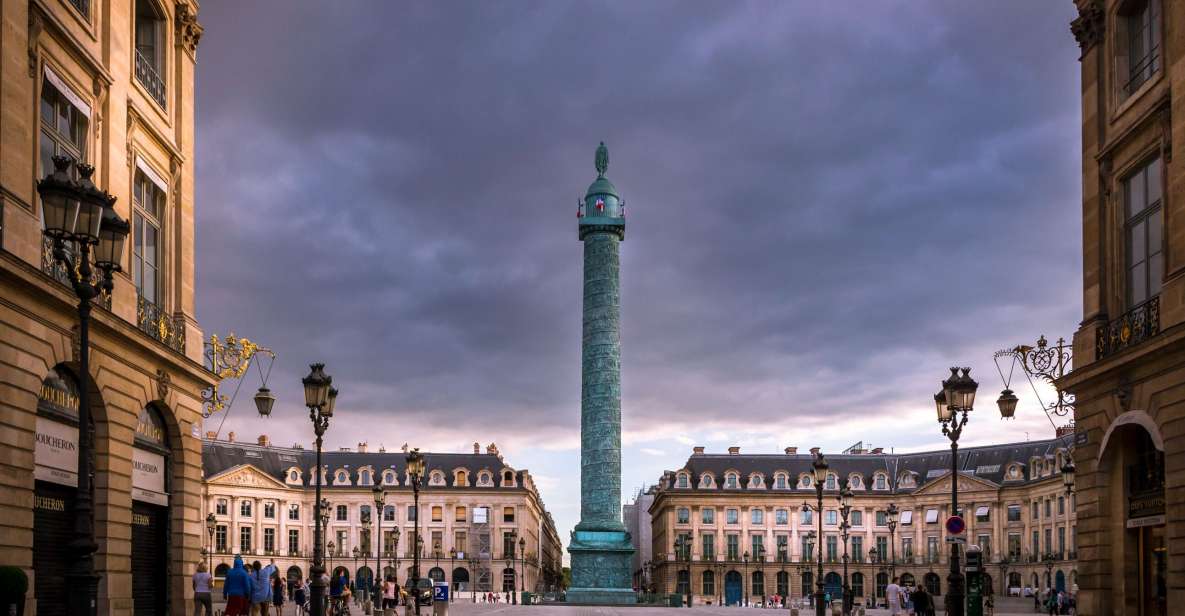
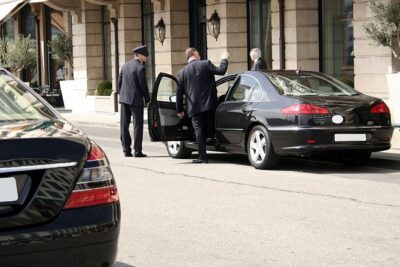
The meeting point is easy and specific: right in front of the Ritz Hôtel. That matters more than it sounds. Paris tours can start in vague places. This one starts at a spot that instantly tells you what kind of experience you’re in: cinematic, story-driven, and very “Paris at night” in vibe.
From there, your guide picks up on the film’s ending setup and the way Robert Langdon (played by Tom Hanks) moves through the final puzzle. Even if you’ve seen the movie before, standing outside the Ritz gives you a new reference point. It’s a lesson in how Paris lends itself to story—grand, elegant, and instantly recognizable—so the fiction can ride on top of something that’s already visually powerful.
Why this opener feels good
- You get oriented in the city fast. Before you even reach the next stop, you’re building a mental map anchored by something iconic.
- The “last chapter” focus gives the walk momentum. Instead of starting with early clues and grinding forward, you’re essentially walking the story’s final beats in order.
- It’s a practical way to watch the movie in your head while you’re outside in real air—no screen required.
You can also read our reviews of more walking tours in Paris



Robert Langdon’s last chapter: spotting reality in the ending
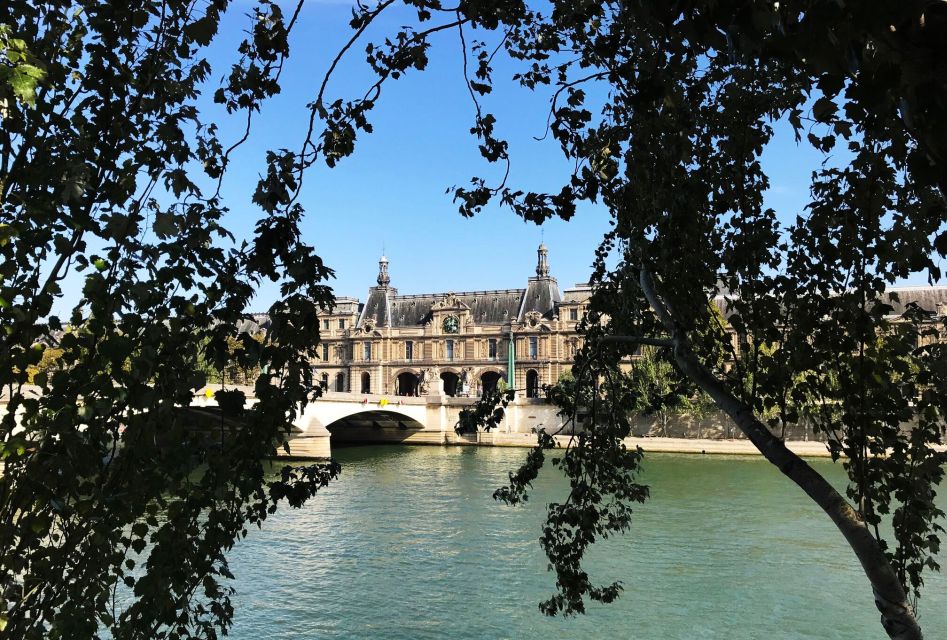
After you start at the Ritz, the walk turns to how the story resolves. The guide explains how Langdon discovers the last piece of the puzzle, then slows down enough to talk about what elements of the Da Vinci Code setup connect to actual Paris locations.
That reality-check is the heart of the tour for me. The fun isn’t just knowing the plot. It’s learning what the plot borrows from the city, versus what it invents to make the story move faster.
You’ll likely notice a pattern:
- The story uses real-sounding places and Paris-facing details.
- But it also relies on dramatic pacing and story logic that doesn’t always match how history or geography plays out in real life.
This is where the local guide earns their keep. A good guide doesn’t just list names. They connect those names to the city you’re actually walking through, and they help you understand why certain scenes work so well on film even if the specifics aren’t 1:1 with reality.
Palais Royal passages and the rose line search
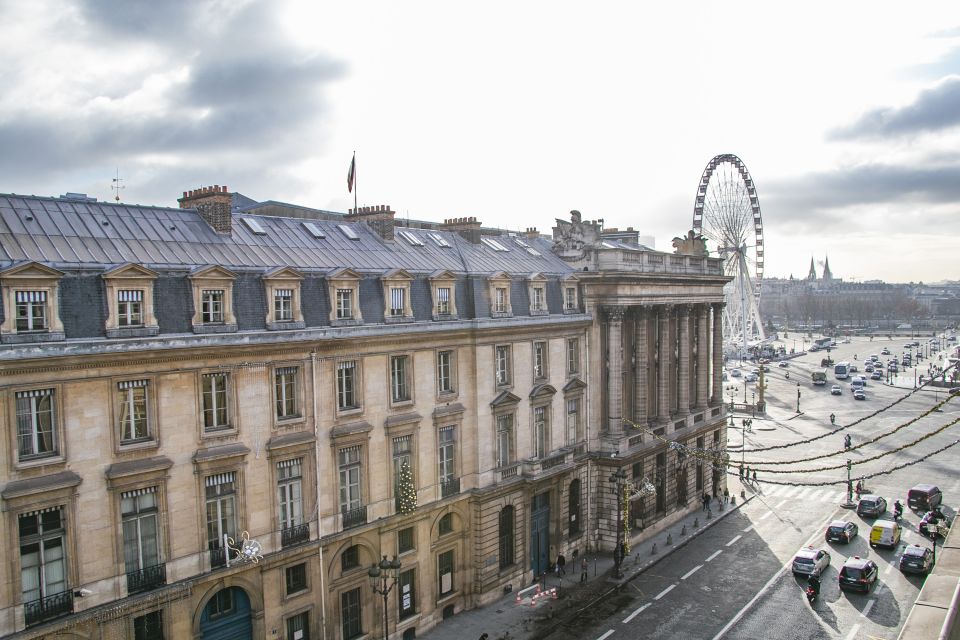
Next comes Palais Royal—historic, calmer than you might expect, and a great “breather” after a big-name landmark like the Ritz. In the film, Palais Royal shows up as a key location tied to Langdon’s search, including the rose line idea. In real life, it’s a tidy pocket of Paris where you can actually slow down and look.
This stop is about passages: walking through the same kind of spaces the story uses as a setting. The guide helps you picture Langdon’s search pattern and then steps back to separate story devices from real streets.
What you get out of this walk through Palais Royal
- You get a grounded sense of what the film is drawing from—architectural rhythm, layout, and the way certain corridors and squares can feel secretive on screen.
- You see a quieter side of the center of Paris. It’s not all traffic roar and museum lines here; it’s more “pause and pay attention.”
- You end with stronger recall. Even if you only catch a few scenes from the movie, you’ll remember where you stood and why that spot mattered.
Small group size (max 8) and why it changes everything
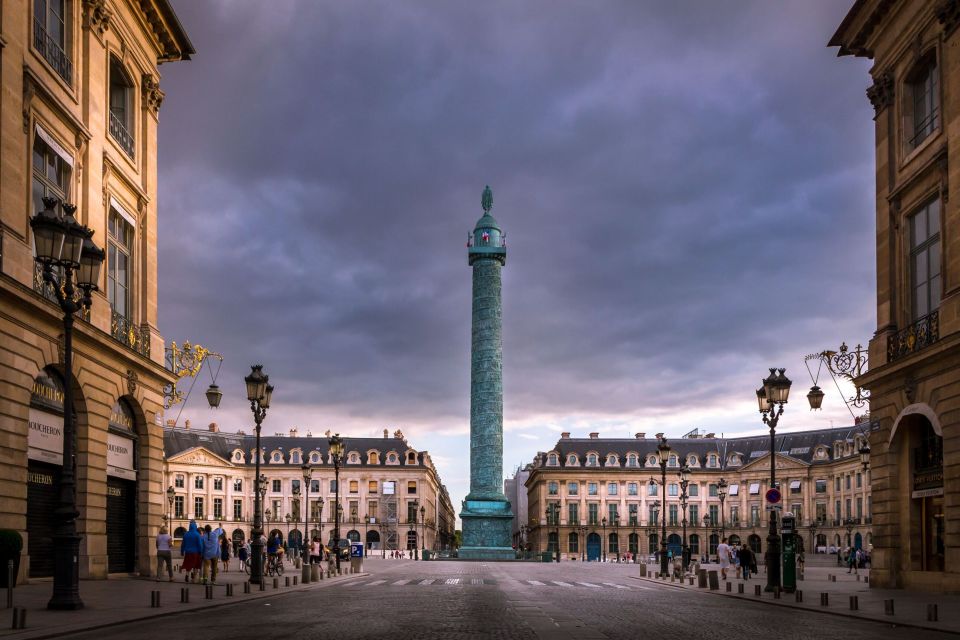
A maximum group size of 8 travelers is a big deal on a story tour. With larger groups, guides have to rush. They skim. You lose the chance to ask a question you care about—whether that’s a historical detail, a geography point, or why the film chose one location over another.
With a small group, the itinerary can adapt to you and your pace. The tour also adapts to your interests. That makes a difference because not everyone wants the same balance:
- Some people want a tight, film-scene-by-scene experience.
- Others want broader Paris context and how the novel’s ideas intersect with real places.
If your group is chatty or curious, you’ll probably feel the tour lean into that. If your group is quiet and wants details straight to the point, that can work too. Either way, your guide isn’t constantly counting heads or trying to keep a whole bus moving.
You can also read our reviews of more guided tours in Paris






Guides and storytelling: Marie, Bianca, and what to look for
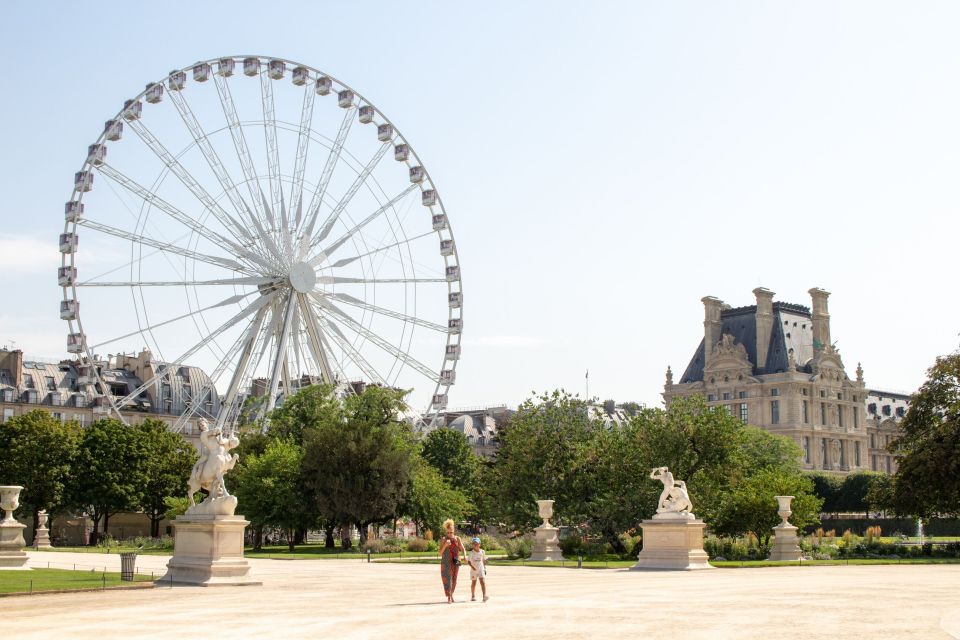
The guide is the product here. The tour runs with a live local guide (English or French). And the people who lead it can shape the whole feel of the walk.
From what I’ve seen across examples of guide performance:
- Marie is described as organized and enthusiastic, with a steady stream of fun facts about the novel and Paris.
- Bianca is noted as informative, which matters when the goal is to connect fiction to real locations.
- Célia shows up as charming and punctual, with lots of anecdotes that make you see Paris in a new way.
That variety is normal on independent local tours. It’s also why you should think about your own expectations before booking. If you’re a strict movie-location fan, you’ll want a guide who stays focused on the film beats and the real-site match-ups. If you’re open to additional Paris context—like cultural figures and side stories—you may find the added material helpful, even if it’s not directly tied to the rose line.
One consideration to keep in mind: the walk’s focus and pace can shift, and in at least one case the tour ran short compared with the promised time. So if you’re time-crunched, plan for the walk to finish around its scheduled end but don’t schedule another must-do appointment immediately after. A story tour can sometimes run longer or shorter depending on how the group moves and what catches people’s attention.
Price and value for $116: what you’re really paying for
At $116 per person for a 90-minute walking tour, you’re paying for three things:
- A local guide who can connect story locations to real geography
This isn’t a “here’s the landmark” walk. It’s an explanation-heavy experience centered on how the novel and film map onto actual spots.
- Small-group attention
Max 8 changes the quality of the experience. You’re not just hearing facts; you can ask about specifics and get better answers.
- Two high-recognition story nodes
The Ritz Hôtel and Palais Royal are both famous, and both are directly relevant to the Da Vinci Code setting you’re exploring.
What’s not included is also part of the value picture. Entry tickets for transportation, museums, and monuments are excluded. The good news is that this sounds like a walking-focused route with story stops, not a ticket-heavy day. The practical point for you: if you plan to add any museum time later, budget for separate tickets rather than assuming this tour covers it.
In other words: this price makes sense if you’re genuinely interested in the fiction-vs-reality angle. If you’re not into the novel or film, the “story walking” format will feel like less of your thing.
What to wear and bring for a 90-minute, street-level puzzle walk
This is a practical, on-foot experience. You’ll want to show up prepared so the walk stays fun instead of annoying.
Bring:
- Comfortable shoes (you’ll be on streets and through passage-like spaces)
- Water
- Weather-appropriate clothing
- A charged smartphone
Your smartphone is handy for photos and quick reference—especially if you like comparing what you remember from the movie with what you’re seeing right now.
Also plan for weather. Stops may vary depending on conditions. That’s normal for a walking tour in central Paris, but it’s still something to keep in mind if you’re hoping for one very specific outdoor moment at a particular time.
The best fit: who this tour suits (and who might feel let down)
This tour is a strong match for:
- Da Vinci Code fans who want a Paris setting that feels more real than screen stills
- People who enjoy walking and learning at the same time
- Readers who like Dan Brown’s world-building and want a reality check on where it aligns with real places
- Anyone who likes small groups and a guide-led pace rather than a self-guided scramble
It’s less ideal if:
- You need step-by-step, mobility-friendly routing. It isn’t suitable for people with mobility impairments.
- You’re looking for only movie-scene reenactment without detours or broader Paris context.
If you’re on the fence, think about your “why.” If your goal is to connect fiction to geography, you’ll likely enjoy the way the guide helps you see the city differently.
Should you book the Paris Da Vinci Code walking tour?
Book it if you want an intelligent, story-driven walk with real location context and a small-group feel. Starting at the Ritz Hôtel and continuing to Palais Royal gives you two landmarks that are both memorable and directly tied to the film’s big moments. The 90-minute format is also a plus: it’s long enough to make the story feel connected, but short enough that you can still enjoy the rest of your Paris day.
Skip it (or choose a different type of tour) if you only care about exact film locations and you’re not interested in any extra Paris anecdotes. The tour can adapt to interests, and that flexibility is great when you’re aligned—but frustrating if you’re expecting a rigid, identical script every time.
If you do book, wear good shoes, bring water, and go in ready to play detective with the city. That’s where the experience shines.
FAQ
Where does the Da Vinci Code walking tour meet?
The meeting point is right in front of the Ritz Hôtel.
How long is the tour?
The tour lasts 90 minutes.
How many people are in the group?
It’s a small group with a maximum of 8 travelers.
What languages are available?
The live tour guide speaks English and French.
What’s included in the price?
A local guide and the walking tour are included.
What isn’t included?
Personal expenses are not included, and entry tickets for transportation, museums, and monuments are excluded.
What should I bring?
Bring comfortable shoes, water, weather-appropriate clothing, and a charged smartphone.
Is the tour suitable for people with mobility impairments?
No, it is not suitable for people with mobility impairments.
What’s the cancellation policy?
You can cancel up to 24 hours in advance for a full refund.