REVIEW · PARIS
Paris: Street Art Walking Tour with a Street Artist Guide
Book on GetYourGuide →Operated by Memories France · Bookable on GetYourGuide
The best way to see Paris street art is on foot. This 90-minute walk is guided by a former street artist, so you learn how the work is made and why it shows up where it does. I especially liked the stop-by-stop mix of classic and modern artists and the way the guide points out details most people miss. The one catch is simple: you’re doing real walking, and Montmartre means hills.
You also get clear neighborhood contrast. Montmartre focuses on street art layered over the history of legendary painters, while La Butte aux Cailles is more of a calm, residential hunt for murals, wheat-pasted papers, and stencil work. I liked that the tour gives you names to connect the dots, from Twotma’s glued paper to Gregos’ 3D faces and Swed Oner’s frescoes. The drawback to plan around: there’s no hotel pickup, and the meeting point can change based on your chosen option.
If you go in with comfortable shoes and a curious mindset, this tour feels like Paris street art with context, not just photos. And yes, the guide’s background matters. In a review that stood out, the guide was praised for taking extra time and explaining things like a working street artist would, which is exactly what you want from a tour like this.
In This Review
- Key takeaways before you book
- How a former street artist guide changes everything
- Choosing Montmartre or La Butte aux Cailles
- Montmartre stops: from painter addresses to Twotma and Gregos
- Watch for the drawback: hills and uneven streets
- La Butte aux Cailles stops: tiny houses, gardens, and stencil work
- What you gain by choosing Cailles
- The artworks you’ll look for (and what to notice when you find them)
- Twotma: glued paper textures
- Gregos: 3D faces that trick your brain
- Swed Oner: fresco-style impact
- The End and other contemporary pieces
- Space Invader and the power of recognizable symbols
- Hidden works and a secretive artist angle
- Price and value: is $47 for 90 minutes a fair deal?
- What the timing and walking feel like
- Who this tour suits best (and who should skip it)
- If you love art history, Montmartre’s extra layer makes sense
- Should you book this Paris street art walking tour?
- FAQ
- How long is the street art walking tour?
- What areas can I choose from?
- Is the tour guided in English?
- Do I need to bring anything?
- Is hotel pickup included?
- What does the tour cost?
- What artworks and artists will I see?
- Is there cancellation available?
- Is it a good option if I’m interested in street art techniques?
- Where do I meet the guide?
- Can I reserve without paying right away?
Key takeaways before you book
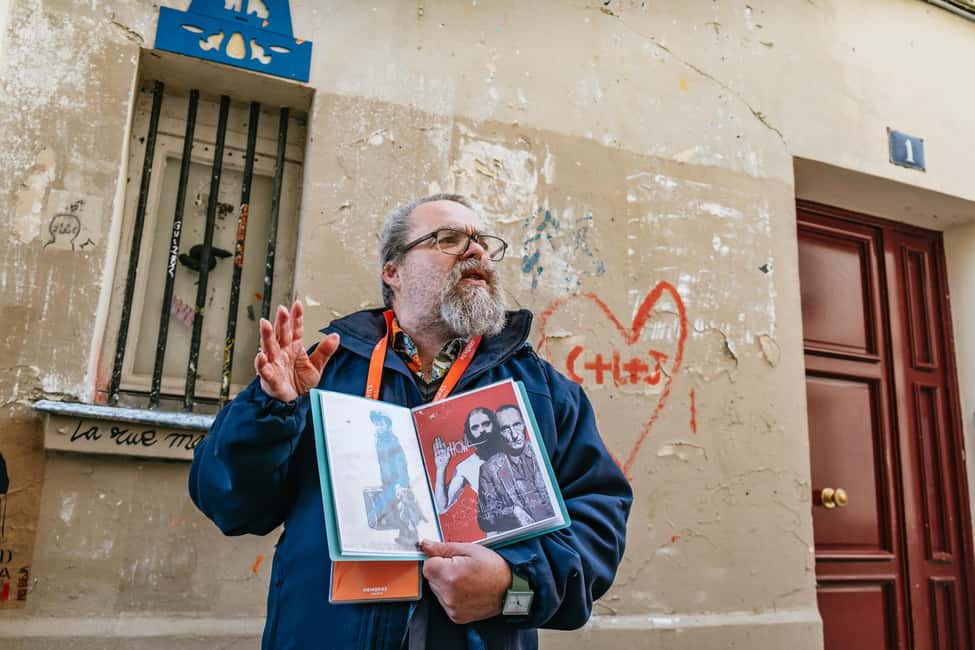
- Former street artist guide: You get technique and intent, not just names on a wall.
- Two neighborhood options: Pick Montmartre for the hills and painter connections, or La Butte aux Cailles for a calmer vibe.
- Specific artwork you’ll look for: Twotma, Gregos, Swed Oner, The End, Space Invader, plus more current finds.
- Street art across eras: You’ll move from older Paris street art into today’s emerging artists.
- Street techniques in plain sight: Glued paper works, 3D faces, frescoes, wheat-pasted posters, and stencil graffiti.
How a former street artist guide changes everything
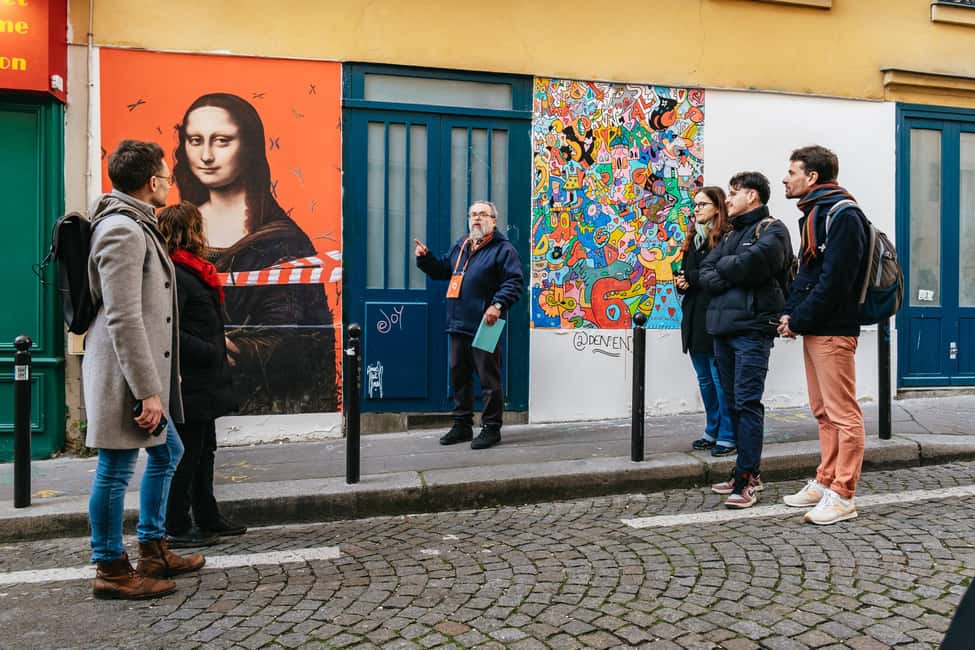
A lot of street art tours skim the surface: photo spots, quick facts, then back on the sidewalk. This one is different because the guide is a street artist himself. That matters when you’re trying to understand why a piece works on a specific wall, or how materials and techniques affect what you see.
On this tour, you’re not just hunting for famous tags. You’re learning the visual language behind them. For example, you’ll hear about Paris’s street art links to a technique called le pochoir (stencil work), and you’ll also look for wheat-pasted papers and other poster styles that create a different look than paint alone. Once you start spotting technique, the neighborhood starts to feel like a living gallery.
I also like the pacing for a 90-minute format. One review praised it as perfectly paced and guided by an expert, and that’s what you’re paying for here: a focused walk that doesn’t turn into a long lecture. You get stops, explanations, and enough time to actually see what’s in front of you, not just speed past it.
You can also read our reviews of more walking tours in Paris



Choosing Montmartre or La Butte aux Cailles
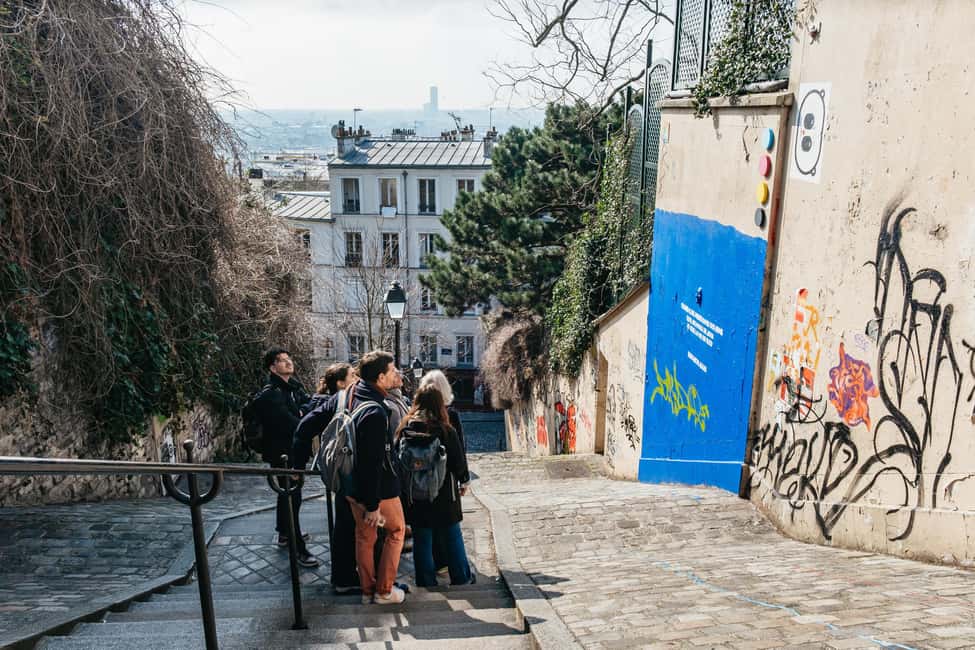
You pick one of two walking areas, and the feel is noticeably different.
Montmartre is the classic choice if you want hills, cobbled streets, and layers of art history. This route includes street art stops plus a connection to painters like Picasso, Van Gogh, and Renoir, including where their workshops were (you’ll look for addresses linked to their working lives). Expect to climb a bit and walk a lot on uneven ground.
La Butte aux Cailles is the better fit if you want something quieter and more local. The area feels like a small village compared to the louder center of Paris, with tiny houses and gardens on cobbled streets. Instead of focusing on the big painter backstory, you spend more time hunting for murals, wheat-pasted papers, and stencil graffiti by both older and newer artists.
Either way, you’re searching for street art you might otherwise miss. The tour is built around discovering present-day works while also tracing how Paris street art got to where it is today.
Montmartre stops: from painter addresses to Twotma and Gregos
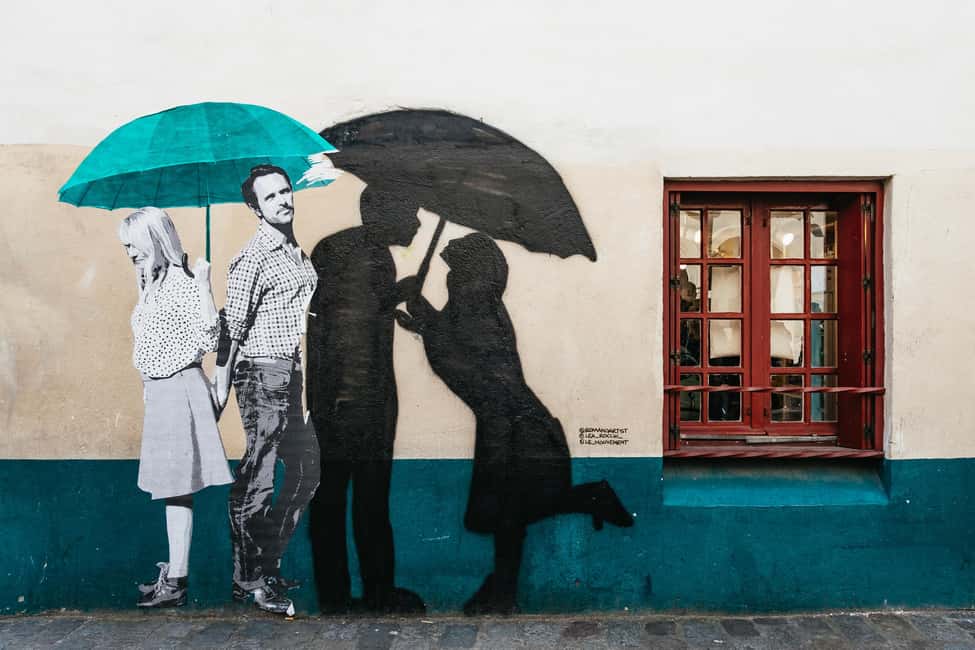
If you choose Montmartre, you’ll start with that special feeling of art-history gravity. The streets connect to famous painters who lived and worked there, and the guide helps you track their addresses and workshop locations as you walk. That background isn’t just trivia. It helps you understand why artists keep returning to Montmartre year after year, even as the art styles change.
Then you shift from painters of the past to street artists of the present. This is where the walk becomes a visual scavenger hunt with very specific targets. You’ll look for:
- Twotma’s glued paper works, which stand apart because the material texture reads like something installed, not just painted.
- Gregos’ 3D faces, a style that turns a flat wall into something that looks almost sculpted.
- Swed Oner’s frescoes, where you see the power of large-scale work made for real surfaces.
- The End, which you’ll spot as part of the mix of artists shaping Paris street art now.
- Space Invader, the recognizable character-driven piece that shows how international street art ideas became part of Paris.
You’ll also notice the “Paris street art skill” of the hunt itself: you’re not just seeing what’s obvious from far away. The guide’s job is to direct your eyes so you can find what’s partly hidden, tucked into corners, or placed where you only see it when you slow down.
One more thing I appreciate about the Montmartre option is how it connects generations. The tour doesn’t treat street art as random graffiti. It shows you that artists today are working in a tradition of making art in public, often where other people least expect it. That link is what makes the walk feel like more than a set of photos.
Watch for the drawback: hills and uneven streets
Montmartre is the tour option with the most physical friction. You’ll be on cobbled streets and dealing with hills. If your legs aren’t thrilled by stairs or steep sidewalks, consider La Butte aux Cailles instead. Either way, your best move is simple: wear comfortable shoes and plan for slow, steady walking.
La Butte aux Cailles stops: tiny houses, gardens, and stencil work
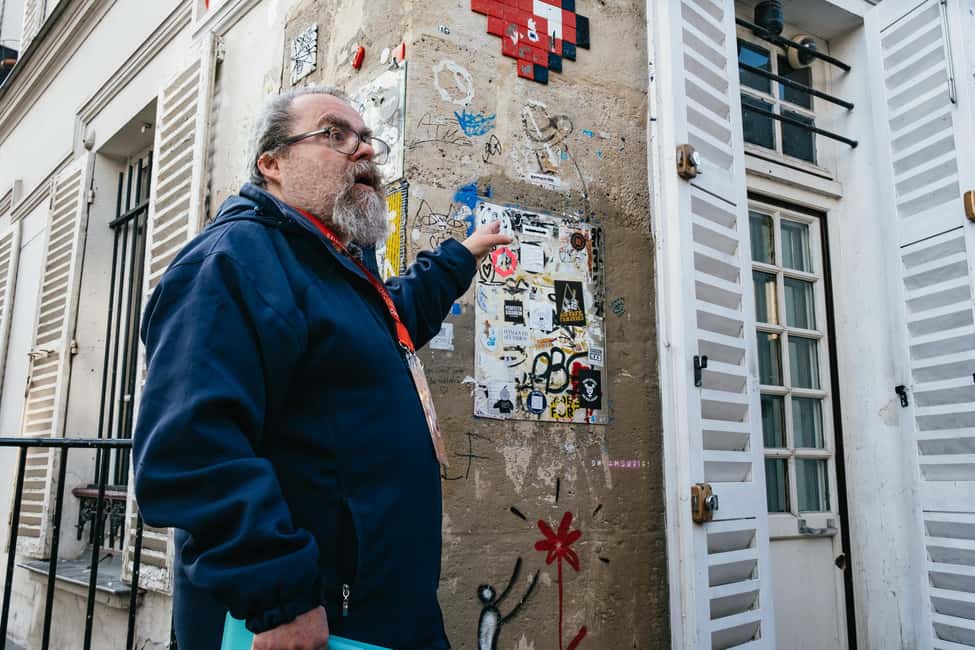
La Butte aux Cailles is a different kind of street art experience. The area is quieter, more residential, and it feels like stepping away from the big-city rhythm without leaving Paris.
The tour emphasizes the look and feel of the neighborhood while you search for street art. You’ll walk past small homes and gardens on cobbled streets, and that setting changes how the art reads. A stencil on a smooth, flashy wall can feel sharp. A wheat-pasted paper on a quieter residential surface can feel more personal, like a message left for people who live nearby.
In this option, you’ll focus on finding murals, wheat-pasted papers, and stencil graffiti linked to famous names and newer artists. The guide points out examples tied to the French street art scene, including artists like:
- Jeff Aérosol
- Miss Tic
- Le Long
- Princess Ecchymose
You’ll also hear about the French Touch and the technique le pochoir, which is basically stencil work done in a way that creates a distinct look. Once you understand that, you start recognizing layers and edges you’d otherwise treat as just another graphic.
I like that La Butte aux Cailles gives you room to look closely. You’re not racing through a maze of tourist streets. It’s a calmer environment that makes it easier to slow down and read the work—especially the paper pieces that change how you see texture, color, and placement.
You can also read our reviews of more guided tours in Paris






What you gain by choosing Cailles
If your goal is to see street art as part of everyday neighborhoods (not just famous spots), you’ll enjoy this option more. It’s the one I’d choose if you’re tired of constant foot traffic and you want the art hunt to feel more personal.
The artworks you’ll look for (and what to notice when you find them)
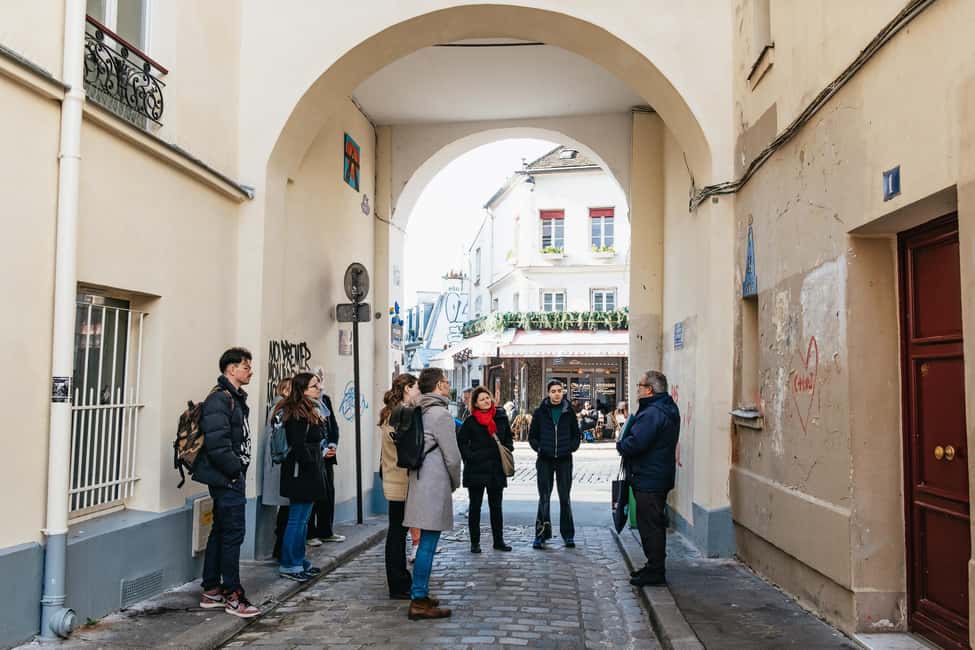
This tour is built around recognizable names, but the real value is in what you learn to see once you’re standing in front of the work.
Twotma: glued paper textures
When you find Twotma’s pieces, look beyond the image. The clue is the surface itself. Glued paper works tend to look layered and tactile, and you’ll get a better sense of why that material choice matters once the guide points it out.
Gregos: 3D faces that trick your brain
Gregos’ faces are designed to play with depth. If you step slightly left or right, you’ll often see how the illusion shifts. That’s the kind of detail that makes this style feel more than a sticker on a wall.
Swed Oner: fresco-style impact
Swed Oner’s frescoes are about scale and composition. From a few steps back, you can see the “big picture.” From closer, you can spot brushwork and how the art holds together against the wall’s real surface.
The End and other contemporary pieces
For pieces like The End, the point is how street art keeps evolving. You’re looking at a living scene, not a museum version of it. The guide helps you connect what you see to the artists shaping what’s next.
Space Invader and the power of recognizable symbols
Space Invader is a great “entry point” to street art fandom because it’s easy to spot once you know the style. It also represents how global street art icons made their way into Paris’s street scene.
Hidden works and a secretive artist angle
The tour also includes the thrill of finding works by more secretive artists, the kind of pieces you might miss without someone guiding your eyes. That’s one of the reasons a walking tour beats scrolling through photos.
Price and value: is $47 for 90 minutes a fair deal?
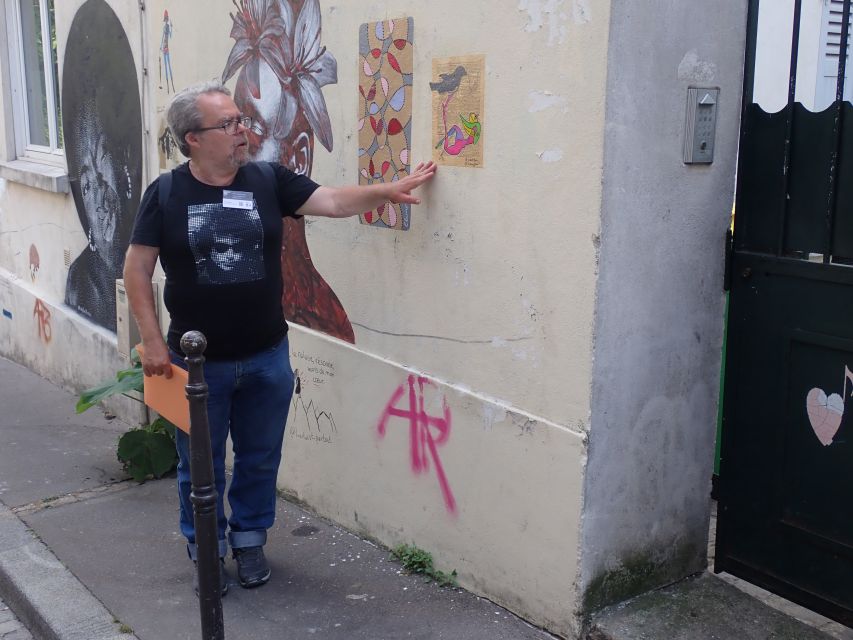
$47 for a 90-minute guided walk is not the cheapest thing in Paris, but it also isn’t inflated. You’re paying for three practical advantages that most street art tours don’t consistently deliver.
First, you get a former street artist guide. That’s the difference between knowing that something exists and understanding how it’s made and why it belongs there. Second, you get targeted stops with specific artists like Twotma, Gregos, Swed Oner, and Space Invader, rather than vague sightseeing. Third, the tour format is short enough to keep your energy up while still giving time for explanations and looking closely.
This tour is best value if you enjoy street art enough to want names, techniques, and context. If you’re only in Paris for a quick photo tour, you might feel it’s more detail than you need. But if you like to learn how art works in the real world—on real walls—this price starts to feel reasonable fast.
What the timing and walking feel like
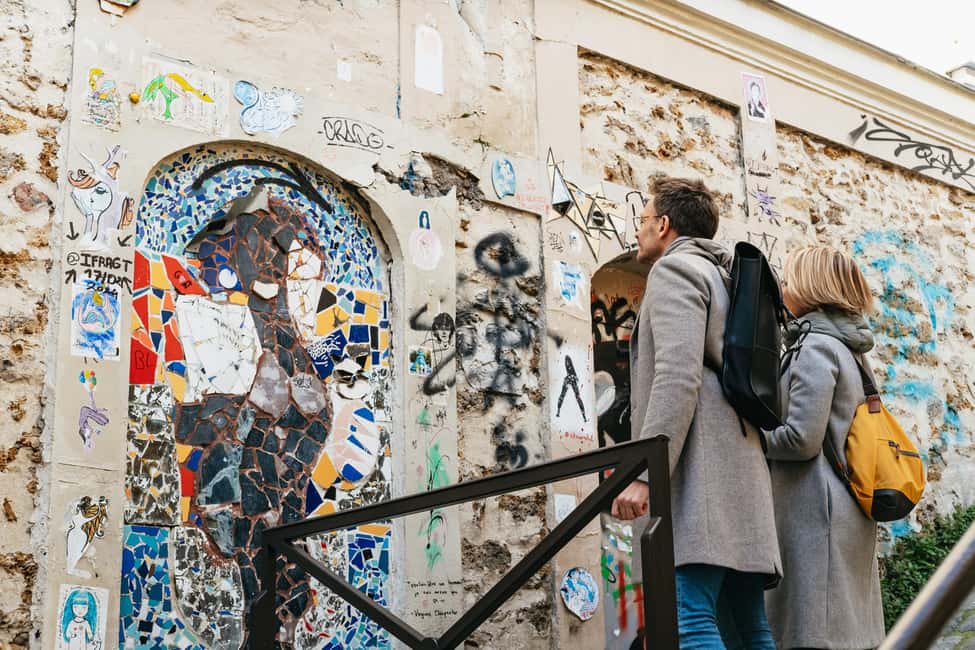
The tour is 90 minutes long with a live English guide. The included value is that you’re walking together, so the guide can point out things as they appear in your line of sight. This matters because street art can look random until you know what to look for.
You should plan for significant walking. If you choose Montmartre, plan for hills and ups-and-downs. If your mobility is limited or you hate steep sidewalks, La Butte aux Cailles is the smarter choice.
Bring comfortable shoes. That sounds obvious, but on cobbled streets it turns into the difference between enjoying the hunt and spending the rest of your day stiff-legged.
Who this tour suits best (and who should skip it)
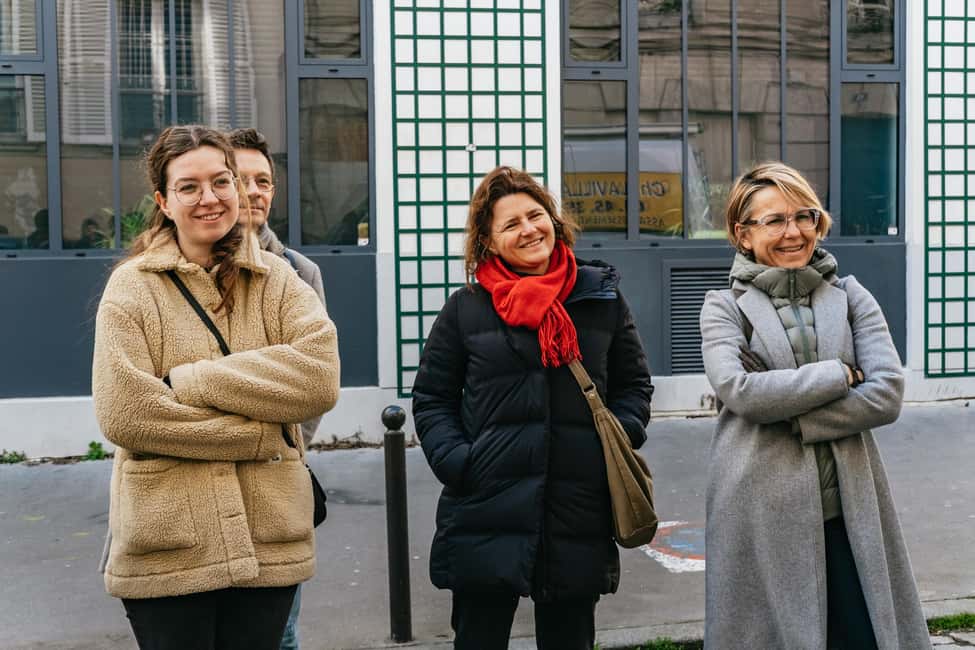
This is a great fit if you:
- Like street art as art, not just decoration
- Want a guided way to learn techniques like stencil work (le pochoir) and wheat-pasted papers
- Enjoy neighborhoods you can walk through slowly, stopping to look up close
You might want to choose carefully if you:
- Don’t want hills (Montmartre can be demanding)
- Prefer sightseeing that’s mostly flat and low-effort
- Are only interested in mainstream landmarks and not in modern public art
One small planning tip I’d give you: decide based on your legs first, then on your art taste. The art overlaps across neighborhoods, but the walking difficulty is real.
If you love art history, Montmartre’s extra layer makes sense
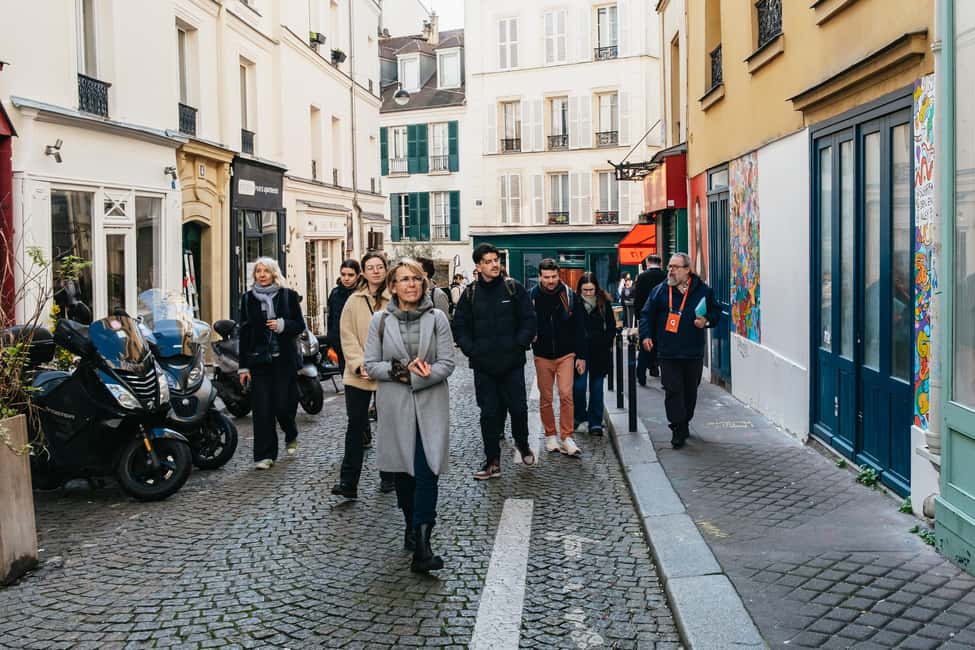
Even if you’re not a hardcore painter-history person, Montmartre’s connection to Picasso, Van Gogh, and Renoir adds texture to the street art experience. You’ll see how the art scene evolved from gallery and studio culture into public, wall-based expression.
The guide helps you find addresses linked to workshops, so you’re not just hearing names. You’re connecting stories to real streets. That adds weight to what you’re seeing, especially when you compare classic Paris creativity with today’s street art styles.
Should you book this Paris street art walking tour?
Book it if you want a guided street art experience that gives you more than a highlight reel. This tour’s biggest strength is that you’re led by a former street artist, which shows up in the way explanations feel practical and the way the pace lets you actually see details.
Choose Montmartre if you want painter connections and you’re ready for hills. Choose La Butte aux Cailles if you want a calmer village feel and a focused hunt for murals, wheat-pasted papers, and stencil graffiti.
Skip or reconsider if you can’t handle significant walking or uneven cobblestones. For everyone else, this is one of those Paris experiences where the time passes fast because you’re constantly spotting something new.
FAQ
How long is the street art walking tour?
The tour runs for 90 minutes.
What areas can I choose from?
You can choose to explore Montmartre or La Butte aux Cailles.
Is the tour guided in English?
Yes, it’s a live tour with an English-speaking guide.
Do I need to bring anything?
Wear comfortable shoes. The tour involves significant walking, and Montmartre includes hills.
Is hotel pickup included?
No. Hotel pickup and drop-off are not included.
What does the tour cost?
The price is listed as $47 per person.
What artworks and artists will I see?
You’ll look for works including Twotma, Gregos, Swed Oner, The End, Space Invader, and other works by both famous and emerging artists. The exact mix depends on which neighborhood option you book.
Is there cancellation available?
Yes. Free cancellation is available up to 24 hours in advance for a full refund.
Is it a good option if I’m interested in street art techniques?
Yes. The tour highlights techniques such as wheat-pasted papers and stencil graffiti, including discussion of le pochoir.
Where do I meet the guide?
The meeting point may vary depending on the option booked.
Can I reserve without paying right away?
Yes. The listing offers reserve now & pay later, so you can keep plans flexible.