REVIEW · PARIS
Paris: Seine River and Canal Saint-Martin Cruise
Book on GetYourGuide →Operated by Paris Canal · Bookable on GetYourGuide
Paris hides a whole water world underground. I like how this cruise blends iconic sights with a secret canal route, and I especially love the tunnel-and-locks combo that turns ordinary sightseeing into something you can’t DIY as easily. In one ride, you get river views, chestnut-lined canal banks, and that surreal feeling of Paris slipping under your feet.
One thing to plan for: this trip runs from the Musée d’Orsay area toward Parc de la Villette, so think ahead about how you’ll get back to central Paris. Also, the meeting spot near Port de Solférino can be a little tricky to spot at first, even though the crew does a good job getting people on board.
In This Review
- Key things to know before you go
- A Paris cruise that mixes postcard views with real engineering
- How to reach Port of Solférino (and not miss the boat)
- The Seine section: where you get the biggest Paris hits
- Entering the Canal through the Bastille vault tunnel
- Canal Saint-Martin: chestnut trees, bridges, and a quieter Paris
- Locks you can actually see: Recollets and the Dead Lock area
- Toward Parc de la Villette: Bassin de la Villette and the arcing bridge
- Timing, comfort, and what to pack for 2.5 hours
- Guides and commentary: what makes the trip feel worth it
- Price and value: why this beats a generic Seine cruise
- Who should book this cruise (and who might not love it)
- Should you book the Paris Seine + Canal Saint-Martin cruise?
- FAQ
- Where does the cruise start?
- How long is the cruise?
- What language is the commentary available in?
- What sights will I see on the Seine?
- What happens when the tour reaches the tunnel?
- What canal and lock features are part of the ride?
- Where does the cruise end?
- Is the cruise seasonal?
- What if it rains?
Key things to know before you go
- Seine + Canal Saint-Martin in one smooth route: you start near the Musée d’Orsay and finish toward Parc de la Villette
- 1.24-mile tunnel experience under the Bastille area, with light filtering through perforations
- Locks in action (including Recollets Lock and the Dead Lock area) so you see how water levels are managed
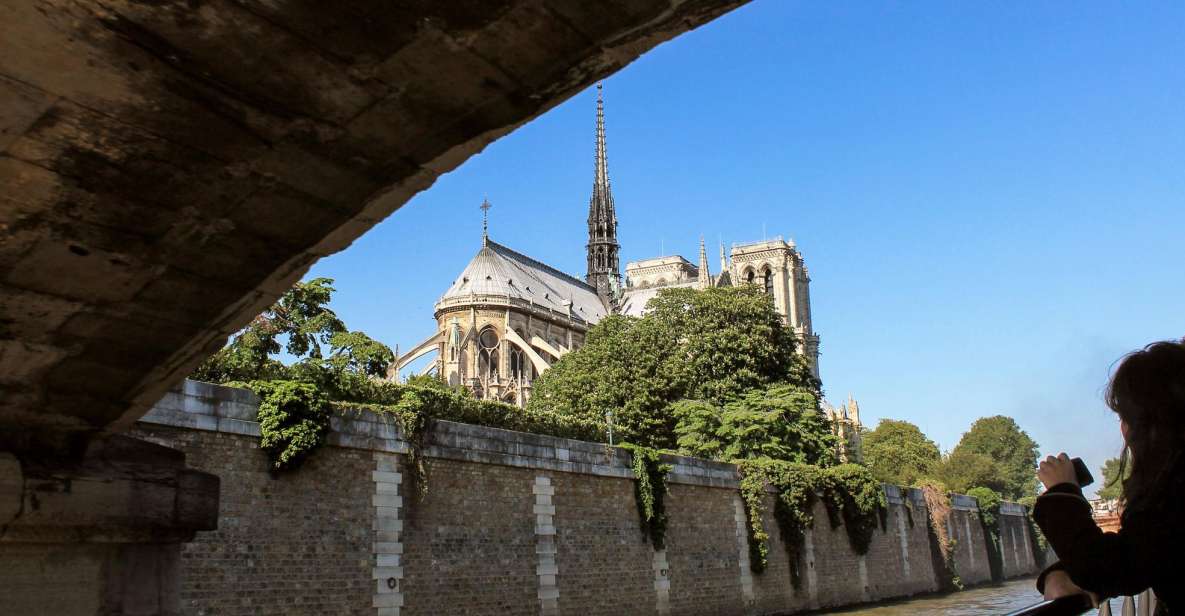
- Classic Paris landmarks from the water: Notre-Dame, Tuileries Garden, Musée du Louvre, and Pont des Arts
- Canal vibes that feel quieter than central Paris, with chestnut trees, bridges, and fishermen along the banks
- Live commentary in English and French, with guides who clearly enjoy explaining what you’re seeing
A Paris cruise that mixes postcard views with real engineering
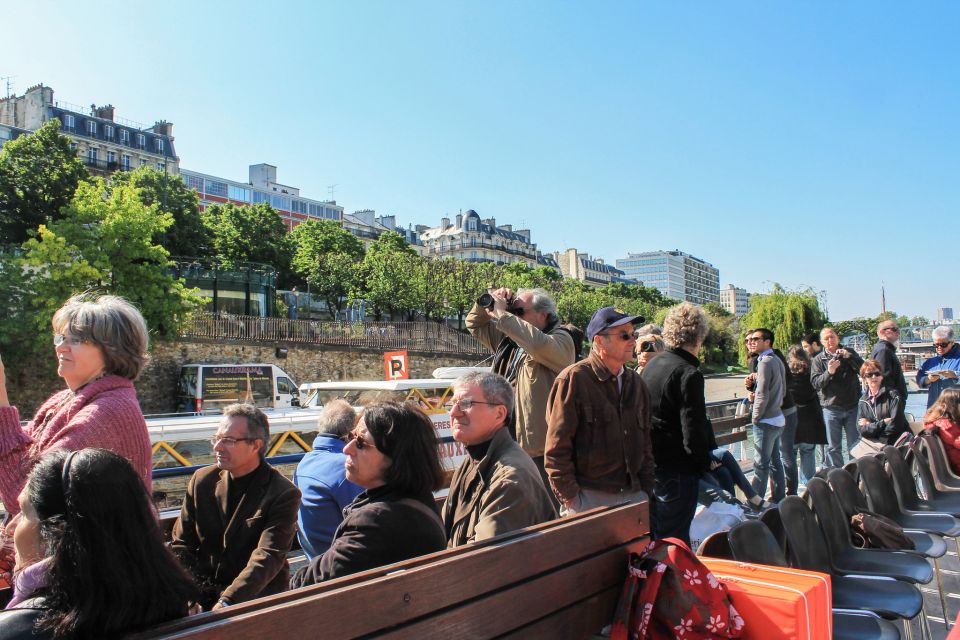
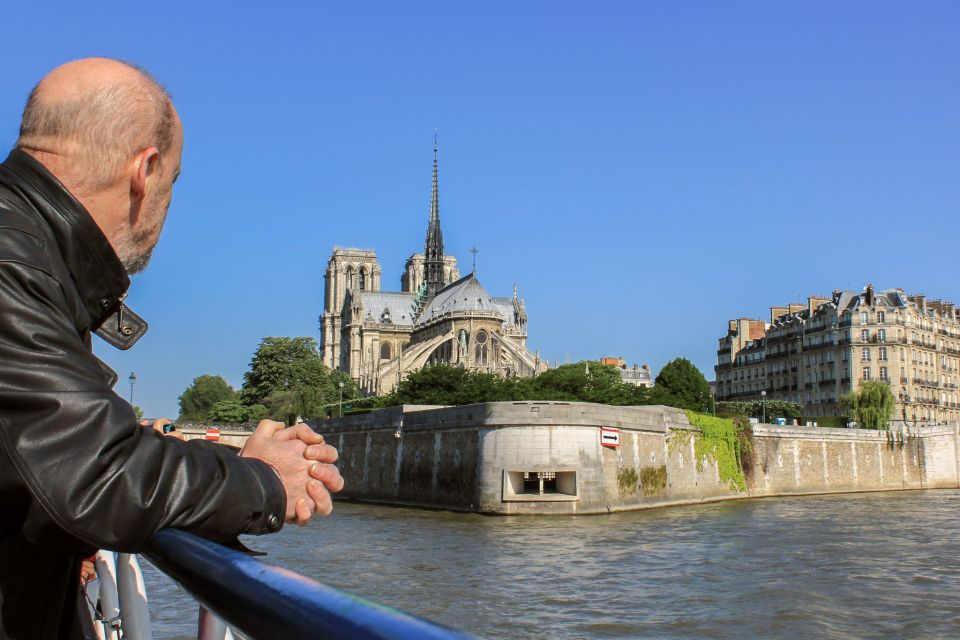
Most Seine cruises give you a greatest-hits slideshow. This one adds something different: it trades some of the big, open-river time for the Canal Saint-Martin system, including a long subterranean stretch. You still pass the famous stuff—Notre-Dame, the Louvre side, Tuileries Garden, Pont des Arts—but the main magic is what happens after.
The Canal Saint-Martin isn’t just scenic. It’s functional. You’ll see the canal’s locks and understand how the water level changes so boats can keep moving. That’s why the ride feels more like a guided walk through how Paris works than just a sightseeing loop.
You can also read our reviews of more boat tours in Paris

How to reach Port of Solférino (and not miss the boat)
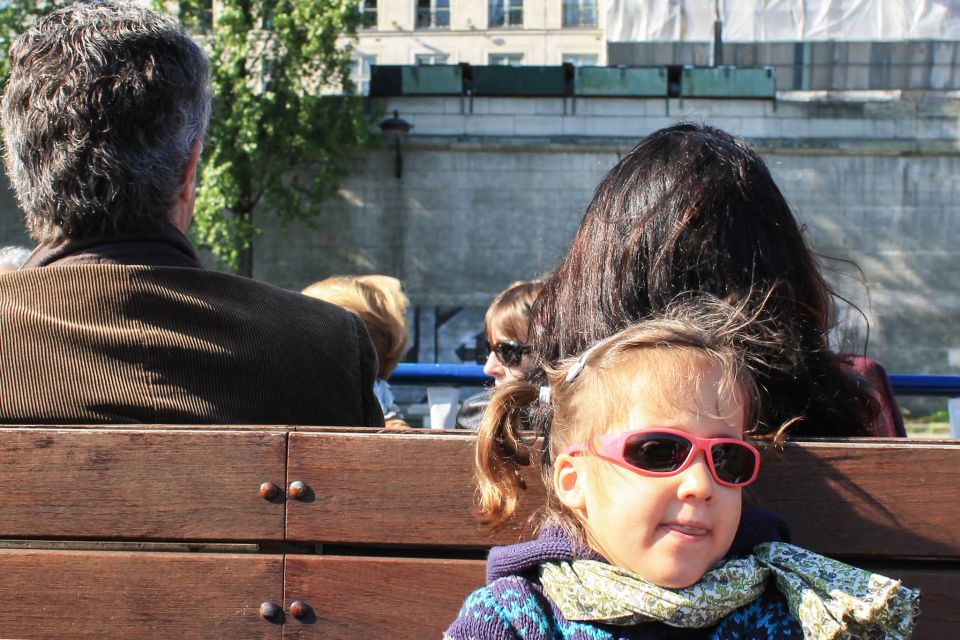
The cruise boards at Port of Solférino, just below the Musée d’Orsay. To get there, you use the wooden main staircase. If you’re standing near the Musée d’Orsay, keep your eyes on the river level and give yourself a few extra minutes to orient yourself before departure.
A practical tip: when you’re lining up at the waterfront, pay attention to what’s across the way. One common confusion is thinking you’re at the right dock too early or overlooking the steps that lead down to the correct port. The boat captain and crew generally manage boarding smoothly, but arriving with a little buffer helps you avoid that last-minute scramble.
The Seine section: where you get the biggest Paris hits
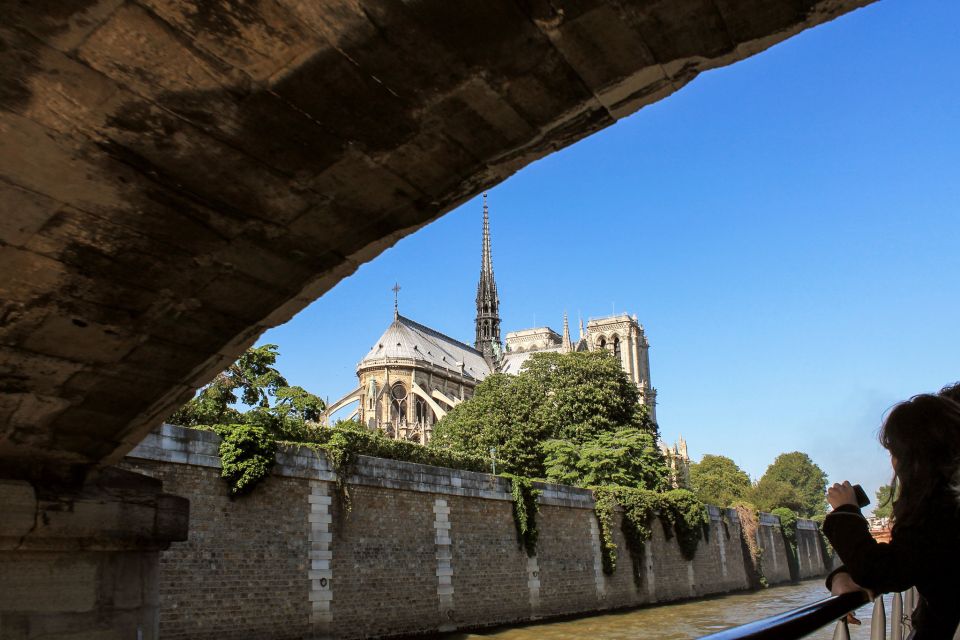
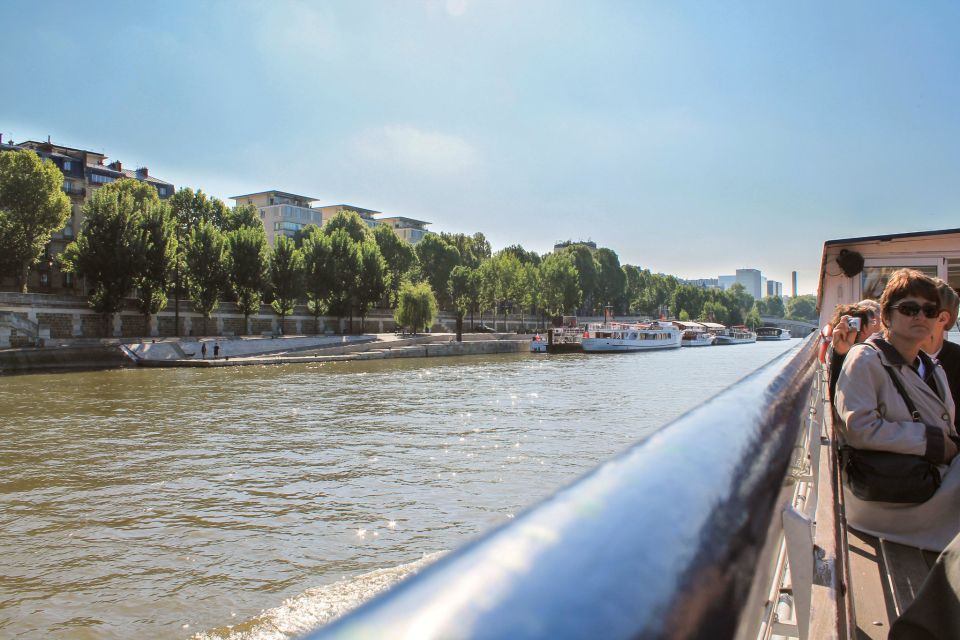
Right at the start, you float along the Seine from the Musée d’Orsay side. This is the part where the city puts on its best lighting. From the water, you get a gentler perspective on the riverfront and the buildings that line it.
As you cruise, you’ll pass by:
- Tuileries Garden and the broader Louvre area
- Musée du Louvre viewpoints along the river
- Notre-Dame Cathedral seen from the Seine
- Pont des Arts, one of the river’s most photographed bridges
What I like about doing this first is pacing. If you’ve been walking all day, the boat gives your feet a break immediately. And doing the famous landmarks from the water early helps you later when you step into the quieter canal world—you’ll recognize more of what you’re seeing on the banks.
Entering the Canal through the Bastille vault tunnel
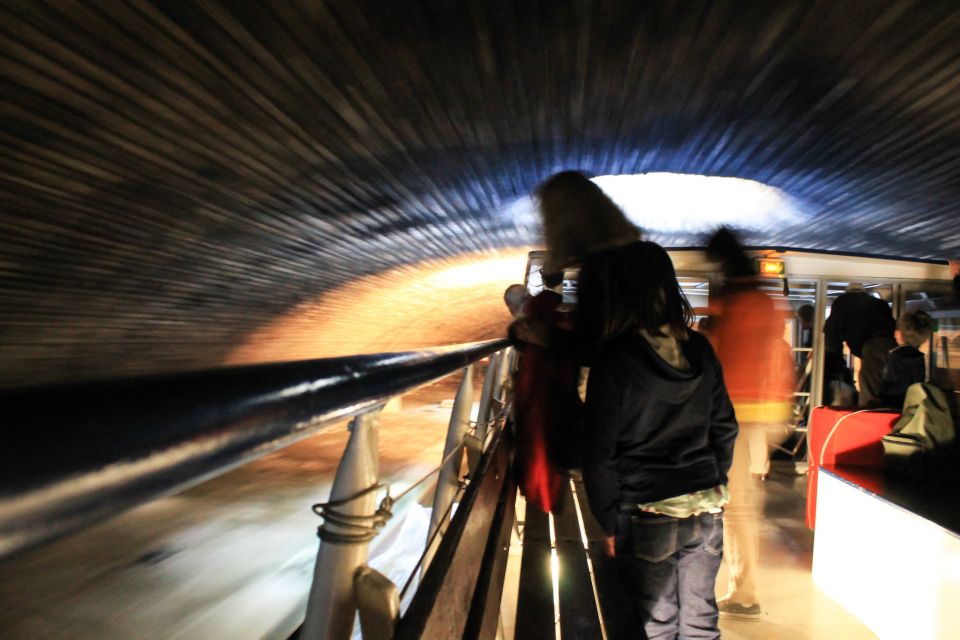
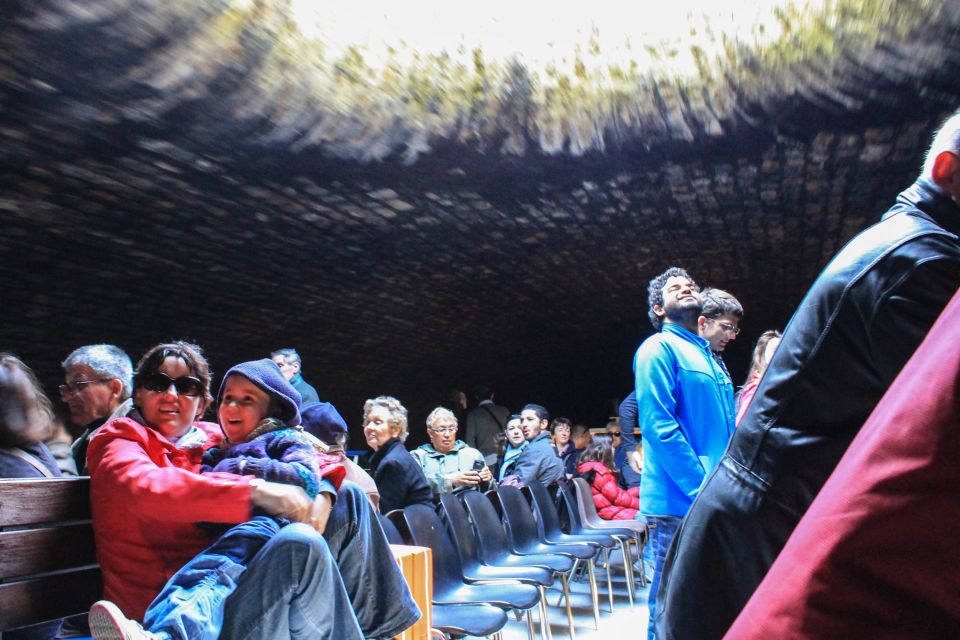
Then the route turns into the story you came for: the boat enters a 1.24-mile tunnel linked to the Bastille area. You’ll be going through that subterranean section while light filters in through perforations along the tunnel walls. It’s not pitch-black. It’s more like daylight being rationed—enough to make you aware of the walls and the motion, without giving you a bright, daylight distraction.
This tunnel segment changes how the ride feels. On the river, you’re watching Paris. In the tunnel, you’re experiencing Paris moving through it. The atmosphere feels a bit eerie in a good way, especially because the journey transitions from urban landmarks to a hidden aquatic passage.
If you’re the type who likes “how does this city function?” moments, this part is worth the ticket by itself.
Canal Saint-Martin: chestnut trees, bridges, and a quieter Paris
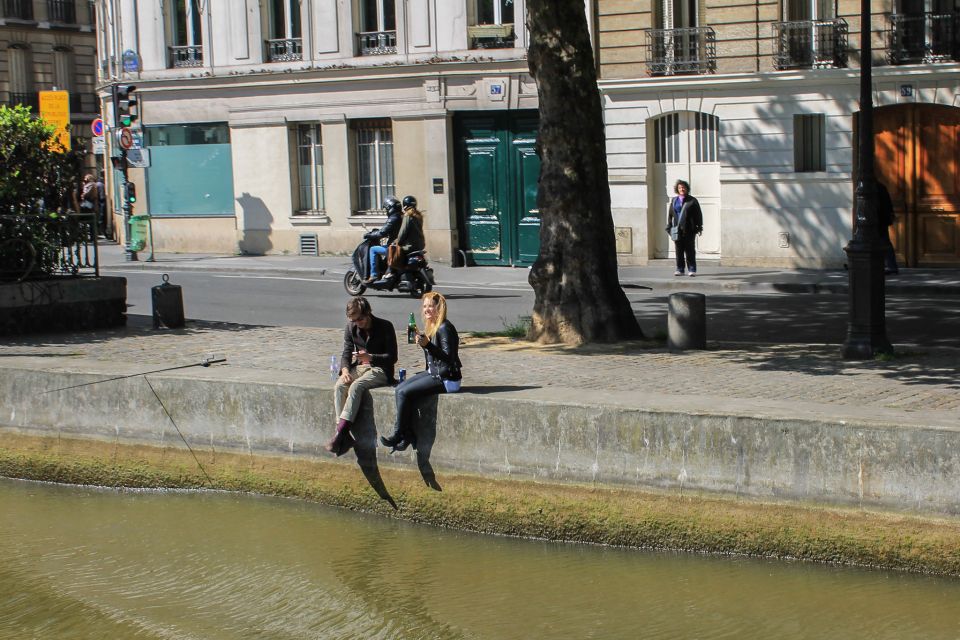
Once you emerge, the Canal Saint-Martin feels like a secret you accidentally stumbled into. The canal banks are lined with trees, and you’ll see pedestrian bridges that make the crossing look almost cinematic. Chestnut trees show up along the route, and the canal has that intimate scale you don’t get from the Seine.
You may also notice fishermen along the banks, which adds a local, lived-in feel. This isn’t the river full of day-trippers. It’s a working waterway with people using it the way Parisians use their city: casually, daily, and with a sense of place.
Also, keep an eye on the area near Bastille Square above you at the start of this canal section. It’s one of those weird city moments where you’re underground, but the skyline still feels close.




Locks you can actually see: Recollets and the Dead Lock area
This cruise is famous for one thing: locks. You’ll pass the Recollets Lock and then approach the Dead Lock area. Locks aren’t just a historical footnote here—they’re part of the mechanism that makes the canal navigable.
On a practical level, locks work by controlling water levels. The boat moves through the lock system while gates close at both ends, and the water level adjusts so the vessel can continue forward. If you’ve never watched a lock up close, you’ll probably find yourself leaning slightly forward just to understand what’s happening.
The commentary also adds flavor to the engineering. Near the Temple area, you’ll hear about details like Frédéric Lemaître’s bust and landmarks including the Hotel du Nord. And as you approach the Dead Lock, you’ll also hear the historical references tied to the Montfaucon gibbet, an older execution site associated with the area. The ride blends practical mechanics with the darker stories that Paris carries in layers.
And yes, there’s a bit of literary mood thrown in too—keep your ears open for the mention of François Villon as the boat gets near the Dead Lock.
Toward Parc de la Villette: Bassin de la Villette and the arcing bridge
After the canal’s main highlights, the route continues toward Parc de la Villette. You’ll pass the Bassin de la Villette and see the arcing footbridge of rue de Crimée. These sections feel more open again, and they help you transition from the narrow canal feeling into the wider “destination” world at the end.
When you reach Parc de la Villette, you can admire major nearby attractions including the Cité des Sciences and the Music Museum. There are also themed gardens in the park, so it’s not a dead-end. It’s a place where you can stretch your legs after the boat ride.
One caution: this cruise isn’t built like a hop-on, hop-off loop around central Paris. It finishes on the north-east side. That’s great if you planned a bigger half-day. It’s annoying if you wanted to stay put near the Seine all evening.
Timing, comfort, and what to pack for 2.5 hours
The cruise runs about 2.5 hours, with departures at 10:00 am and 3:00 pm. It runs daily from May to August, and outside those months it’s subject to availability. Since it’s rain or shine, you should dress like you’re going to be outside—even if you’ll be seated for much of the time.
Comfort tips based on what matters during a boat ride:
- Bring water, especially if you’re going in summer heat. Even though there may be a small cup of coffee mid-ride, you shouldn’t count on it for hydration.
- Consider a light layer. River air can feel cooler than the streets depending on wind.
- Wear shoes you don’t mind using at the start and end. You’ll walk down/up near Port of Solférino and then likely walk around Parc de la Villette after.
If you’re taking photos, you can usually move around on the boat for better angles. The canal bridges and riverside landmarks are the kind of scenes where having a different spot can make a noticeable difference.
Guides and commentary: what makes the trip feel worth it
This is a live tour with commentary in English and French. The best part is not just that the facts are there—it’s that the guide helps you connect what you’re seeing to why it matters.
You might hear guides who speak very clearly in English (one example: Carl). You may also get an engaging guide who keeps the tone lively and story-driven (one example: François). Either way, the format works because it matches the visuals. When you’re watching the lock doors and water level change, the explanation clicks.
The result: you get something more useful than a passive cruise. You come away with a mental map of where the Seine connects to the canal system and why Paris has these unusual underwater routes.
Price and value: why this beats a generic Seine cruise
At $27 per person for a 2.5-hour trip, the price is low compared to how many “big sights only” boat tours cost during peak seasons. The value comes from variety:
- You cover both the Seine and the Canal Saint-Martin in one go
- You get the tunnel experience plus real-world locks
- You receive live bilingual commentary
- You see landmarks like Notre-Dame and Pont des Arts from a different angle than walking tours provide
- You end in a park area (Parc de la Villette), giving you an easy second stop after you’ve cooled off
If you’ve already done the main Seine cruise loop, this is a smarter “next boat” option. It also works well as a break day plan: half a day on the water while you still get history, visuals, and a change of pace.
Who should book this cruise (and who might not love it)
This is a great fit if you want:
- A rest-from-walking activity that still feels engaging
- An experience with a strong “wait, how does that work?” element (tunnel + locks)
- A break from the most crowded Seine routes
- Something good for a wide range of ages (some people have reported trips with children and even older adults)
It may be less ideal if:
- You rely on wheelchair access. This cruise is not suitable for wheelchair users based on the provided info.
- You hate planning transit. Because the route finishes away from the central starting area, you’ll want a plan for getting back.
Should you book the Paris Seine + Canal Saint-Martin cruise?
I think you should book it if you want a boat ride that teaches you something and looks different from the usual Paris river routine. The combination of Seine views, a 1.24-mile tunnel, and visible locks gives you real variety in a short window. For the price, it’s one of those half-day activities that doesn’t feel like filler.
If you’re tight on time in central Paris and you hate the idea of finishing farther out, consider whether you can pair it with other plans near Parc de la Villette—or make sure you know how you’ll return by metro. Once you’ve solved that logistics part, the ride itself is the kind of Paris experience you remember for the “how did they build that?” moments.
FAQ
Where does the cruise start?
The boat is moored at the Port of Solférino, just below the Musée d’Orsay.
How long is the cruise?
The duration is 2.5 hours (and there are 10 am and 3 pm departures).
What language is the commentary available in?
Commentary is offered in English and French.
What sights will I see on the Seine?
From the water you’ll see viewpoints such as Tuileries Garden, Musée du Louvre, Notre-Dame Cathedral, and Pont des Arts.
What happens when the tour reaches the tunnel?
You’ll enter a 1.24-mile tunnel and pass through a subterranean section where light comes in through perforations.
What canal and lock features are part of the ride?
You’ll cruise along the Canal Saint-Martin and pass lock areas including Recollets Lock and the Dead Lock area.
Where does the cruise end?
The route continues onward to Parc de la Villette, where you can admire sights such as the Cité des Sciences and Music Museum.
Is the cruise seasonal?
Daily cruises run from May to August. Outside those dates, departures depend on availability.
What if it rains?
The cruise runs rain or shine.