REVIEW · PARIS
Louvre & Musée d’Orsay Exclusive Museum Tour With Entry
Book on Viator →Operated by Babylon Tours Paris · Bookable on Viator
Two museums in one guided day beats the chaos. This Louvre and Musée d’Orsay combo tour uses reserved entry and a smart route, so you spend your time looking instead of circling.
I especially like the reserved admission for both museums, which helps you get in without wasting half your morning. I also like that you’re not just handed a list—your guide focuses you on what to see and how to read it.
The main catch is time: with a 5 to 5.5 hour total window, the tour can feel a bit fast, and you may want a little more pure looking time in the rooms you love most.
In This Review
- Key Highlights That Make This Combo Work
- A One-Ticket Solution for Louvre Time-Pressure
- Starting at the Louvre Glass Pyramid: How You Get In Fast
- Louvre Focus: Famous Masterpieces Plus Less-Obvious Stops
- What the Louvre Tour Might Feel Like
- The Louvre Building Itself: A Palace You Don’t Have to Wander
- Lunch Break Reality: Own Expense, Plan Your Energy
- Crossing the Seine: The Easy Reset Between Museums
- Musée d’Orsay: Impressionism in a Former Train Station
- What to Expect From the Orsay Guide
- Where Orsay Lingers: Enjoy It After the Tour
- Guided Pace and Breaks: Great for Short Visits, Not for Relentless Browsers
- Price and Value: What $288.55 Buys You in Real Terms
- Best Match: Who This Tour Fits Perfectly
- Should You Book This Louvre and Orsay Combo?
- FAQ
- What time does the tour start?
- Where do I meet, and where does the tour end?
- Are museum tickets included?
- How long is the tour?
- Is this tour private, and is there a small-group option?
- What should I know about bags and dress code?
Key Highlights That Make This Combo Work
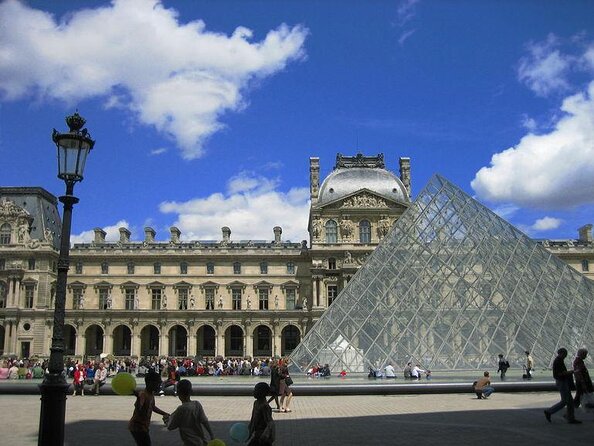
- Skip-the-line, reserved entry gets you into the Louvre and Musée d’Orsay with less waiting
- A guided route that moves you to famous works and lesser-seen moments without wandering
- Two museum styles in one day: royal palace scale, then Impressionism in a former train station
- A built-in Seine crossing (about 10 minutes) that breaks up the morning and resets you
- Guide-led storytelling with real personality: multiple praised guides include Daniel, Nancy, Julien, Cecelia, and Emma
- Flexible options: small-group or private, with wheelchair-friendliness depending on the option you choose
A One-Ticket Solution for Louvre Time-Pressure
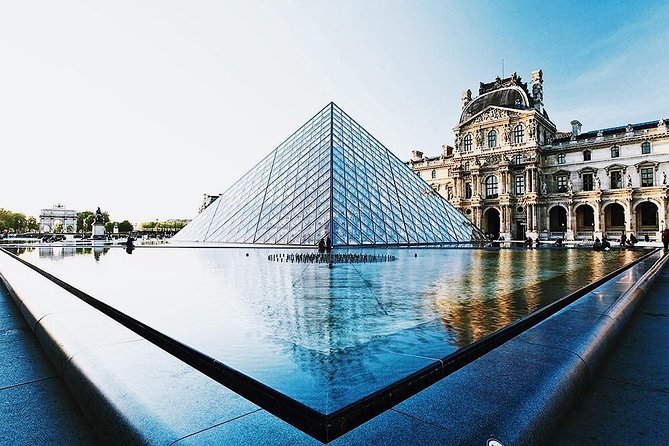
Paris is great at taking your plans and stretching them by hours. The Louvre alone can swallow a day. This is why I like this specific combo: it lines up two of the city’s biggest art stops into one guided block, starting at 10:00 am and running about 5 hours 30 minutes.
The deal here is not “see everything.” It’s more practical than that. You get a guide to help you prioritize—where to start, what to connect, and how to avoid wasting energy on wrong turns in endless halls. If you’ve got a short trip, or you’re mixing museums with other plans, this structure is the difference between leaving impressed and leaving exhausted.
You can also read our reviews of more museum experiences in Paris


Starting at the Louvre Glass Pyramid: How You Get In Fast

The morning begins at the Louvre’s glass pyramid, where you meet your guide. From there, you enter using your included tickets and head straight into the museum.
This matters because the Louvre can be a waiting game, even when you’ve booked ahead. Reserved entry and a guide-led start help you get your bearings early, before the crowds spread out across the floors. It also puts you into the Louvre’s rhythm: you’re not just walking through rooms—you’re walking with purpose.
In the reviews, guides are repeatedly praised for knowing the “perfect spots” to head to and for finding quieter routes through the crowds. Julien is specifically mentioned for that kind of smart wayfinding. That’s not a small detail. In the Louvre, being one doorway off can mean losing 15 minutes of your day—and time is what you’re paying for.
Louvre Focus: Famous Masterpieces Plus Less-Obvious Stops
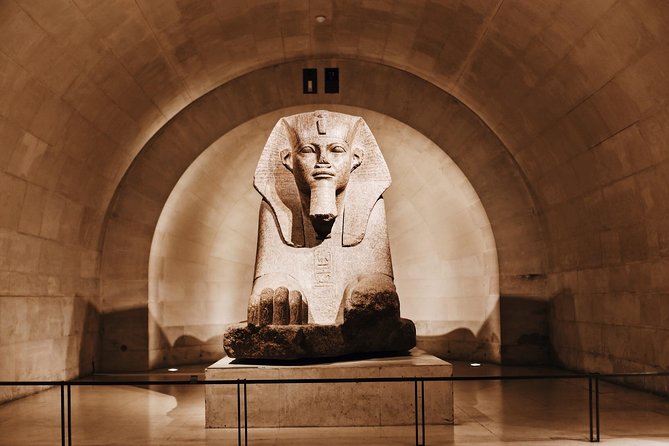
Your Louvre portion is a private 2-hour tour, with your guide steering you toward highlights and also toward pieces many visitors miss. You’ll see a mix of legendary names and art history context rather than a straight conveyor belt of portraits.
Expect stops that include works such as Mona Lisa, The Raft of the Medusa, and Venus de Milo, plus other famous artists like Raphael and Delacroix, and da Vinci. The interesting part is how a good guide frames them. In reviews, people mention guides explaining background, technique, and the stories behind works—Daniel is singled out as down to earth and story-focused, while Alex is praised for enrichment using images on a tablet.
That tablet detail is worth your attention, because it’s one of the few ways a guide can help you understand something quickly when you’re staring at a painting under museum lighting. If you’re the type who wants art history without turning it into a lecture, this approach tends to land well.
What the Louvre Tour Might Feel Like
In a couple of experiences, the feedback included one important caution: too much detail for the time you want to spend in each room. That doesn’t mean the tour isn’t strong. It means the format is guide-led and commentary-heavy in places. If you prefer longer eye time and fewer explanations, it helps to mentally plan for “shorter chats, more looking” and to ask questions when something grabs you.
The Louvre Building Itself: A Palace You Don’t Have to Wander
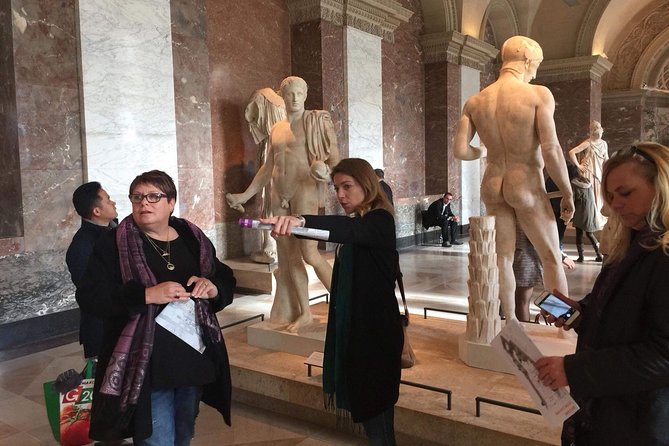
The Louvre isn’t just a museum. It’s a massive palace complex with five floors and endless corridors, packed with world heritage collections. You can absolutely spend hours getting oriented the hard way.
What you gain from a guided approach is navigation plus interpretation. You don’t have to become a map expert before you see anything. You’re dropped into the museum’s high-value areas, then moved through at a pace that keeps you from burning daylight.
If you’re curious about how the Louvre blends periods—Egyptian kings and queens, Roman conquerors, Eastern antiquities, and later Western works—you’ll get at least a guided overview rather than a random walk. This is also where “private vs small-group” choices matter. A smaller group or private option usually makes it easier to pause and regroup without slowing everyone down.

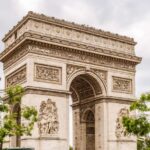



Lunch Break Reality: Own Expense, Plan Your Energy
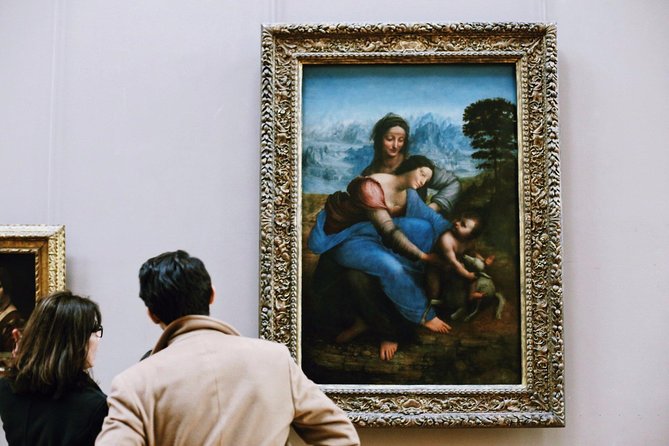
After the Louvre, there’s a break built into the day. The tour includes about 5.5 hours total, including that break, and lunch is described as an own expense.
Here’s my practical advice: treat the lunch break like refuel time, not like a sightseeing marathon. The next stop is the Musée d’Orsay, and you’ll want your feet and attention in decent shape. If you grab a snack nearby and keep it quick, you’ll likely enjoy the Orsay galleries more—especially if you tend to linger where you’re enjoying yourself.
Also, remember that museum security rules can slow you down if you show up with bags you can’t bring inside. The tour notes that no large bags or suitcases are allowed, and only handbags or small thin bag packs should go through security. That’s not just a technicality. It affects how smooth your transition is between stops.
Crossing the Seine: The Easy Reset Between Museums
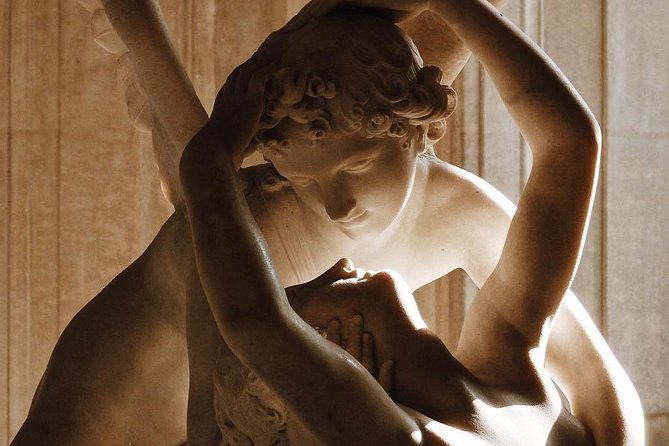
Between the Louvre and Musée d’Orsay, you cross the Seine River via a short walk of about 10 minutes.
This little transition is a hidden advantage. It breaks the morning into two distinct art experiences, and it helps you avoid the “all paintings blur together” feeling that can happen when you cram too much inside one building. It also gives you a moment to re-collect yourself—especially if crowds in the Louvre made you a little tense.
In short: that short walk is like changing tracks. You’ll feel the shift from royal collection scale to a tighter, more focused Impressionist world.
Musée d’Orsay: Impressionism in a Former Train Station
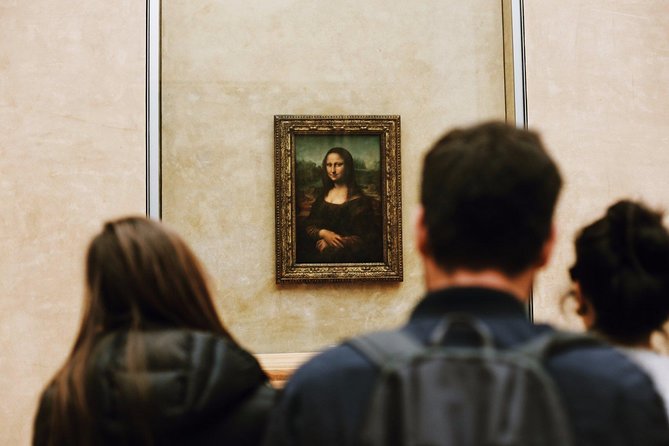
Musée d’Orsay is housed in a stunning 19th-century Beaux-Arts building, inside a former train station. That setting changes the mood of the art. The museum doesn’t feel like a maze; it feels like a curated experience within a grand shell.
Your Orsay portion is another 2-hour private tour, with line bypass built in using your reserved entry. You’ll also have time to continue exploring at your leisure after the guided portion ends.
Orsay’s strength is Impressionist and post-Impressionist art—more than 4,000 works on display across the galleries. You’ll see major artists named like Manet, Renoir, Cézanne, Gauguin, van Gogh, Monet, Degas, and Rodin.
What to Expect From the Orsay Guide
A good Orsay guide tends to do two things at once: explain the style and connect it to the moment in history. Here, the focus is on how these artists broke from tradition, paving the way for Impressionism. You’ll also get attention on how techniques changed—especially modern paint technologies and the fact that artists took their easels outdoors to capture light sur scène.
Even if you already know Impressionism, having that structure helps you see details faster. Instead of just admiring, you start noticing brushwork, color choices, and what each artist was trying to do.
Where Orsay Lingers: Enjoy It After the Tour
At the end of the tour, you can explore Orsay further at your own pace. That matters because 2 hours of guidance isn’t the same as 2 hours of personal viewing.
This is where you can adjust. If you got more interested in Degas than you expected, you can spend time with sculpture or paintings without worrying about keeping pace with a group. If Monet or van Gogh already stole your heart, you’ll have time to return to what you liked most.
One practical thought: because you have limited total time for the day, don’t rush your “free browsing.” Spend your extra minutes in the sections your guide pointed you toward. Those are usually the rooms where the interpretation and context make the art click faster.
Guided Pace and Breaks: Great for Short Visits, Not for Relentless Browsers
The overall duration is about 5 hours 30 minutes, including the break. You’ll be walking, entering, and moving between major museum areas.
In the reviews, many people praise guides for having an excellent pace and for adding breaks when needed. Emma is mentioned for pacing that worked even for mobility-challenged visitors. Cecelia is praised for the pace being right across both museums. Dunya is also noted for a decent pace during a fast-paced schedule.
Still, here’s the honest tradeoff: the Louvre and Orsay are huge. Even with reserved entry, you’re choosing “best of” routes. If you want to read every label, spend 30 minutes in one room, and wander randomly until you find something new, this format may feel too directed.
A good workaround is mindset. Plan to leave with a strong overview and a handful of favorites. Then come back later—because in Paris, that’s often the best way to do museums.
Price and Value: What $288.55 Buys You in Real Terms
At $288.55 per person, this isn’t a budget add-on. But it’s also not paying for a luxury ride. You’re paying for a guided plan plus reserved access for two major museums in one morning-to-afternoon block.
Here’s why it can be good value:
- Two museums in one ticketed day saves you the hassle of coordinating separate tours and timings.
- Admission is included, including a Louvre adult entrance ticket value listed as €22 (the tour price includes those museum tickets overall).
- Time is the real commodity. Skipping the likely waiting and getting a smart route can mean you see more of what matters to you.
- Guides are consistently praised for storytelling and navigation. Several names show up in strong feedback: Daniel, Nancy, Julien, Cecelia, Dunya, Emma, Alex, and Malakia. That’s a sign the experience isn’t just about access—it’s also about how the guide teaches you to see.
What could make it less of a value for you? If you’re the type who loves to do museums independently with a self-made itinerary, you might feel this is “paying for direction you don’t need.” If you’re time-poor or decision-worn, the value usually lands better.
Best Match: Who This Tour Fits Perfectly
This combo tour is a smart fit if you:
- Want to cover both the Louvre and Musée d’Orsay without planning two separate days
- Prefer a guide to help you choose what to prioritize in the Louvre’s overwhelming scale
- Like the idea of a structured overview, with extra time afterward in Orsay
- Appreciate guides who move with energy but also know when to pause (names like Nancy, Emma, and Malakia show up for that kind of support)
It may be less perfect if you:
- Want to spend long, quiet hours in one room with minimal commentary
- Hate schedules and prefer to drift freely without planned stops
- Are very sensitive to talk-heavy instruction, since one review flagged that the detail level could be too much for their preference
If you’re mobility challenged, there’s an additional consideration: wheelchair friendly is noted, but it does not apply if you choose the SAVE! BOOK SEMI-PRIVATE option. If accessibility matters for you, pick the option that clearly guarantees wheelchair friendliness.
Should You Book This Louvre and Orsay Combo?
I’d book it if you’re trying to do a lot of Paris art in a limited amount of time and you want help turning famous pieces into meaningful stories. The reserved entry plus guided routing is the core win: you get into the museums cleanly, then you learn your way through the highlights without wasting hours.
I would hold off or choose a different format if you know you’ll get irritated by structured pacing, long explanations, or a best-of approach that can’t possibly include everything. In that case, you might prefer a museum-by-museum plan where you can linger.
If you’re on the fence, one practical strategy: aim to tell your guide what you’re most curious about right up front. In multiple praised experiences, guides tailored attention and kept the pace working for different needs. That’s where the tour can convert from a checklist into a day that feels personal.
FAQ
What time does the tour start?
The tour starts at 10:00 am.
Where do I meet, and where does the tour end?
You start at Musée du Louvre (75001 Paris) and end at Musée d’Orsay (75007 Paris).
Are museum tickets included?
Yes. Reserved entry tickets are included, and the tour explicitly includes an adult Louvre entrance ticket.
How long is the tour?
It’s about 5 hours 30 minutes total, including a break.
Is this tour private, and is there a small-group option?
It’s offered with private or small-group options depending on what you book. It’s also described as a private tour/activity where only your group participates, and one option notes the guide exclusively for you does not apply for SAVE! BOOK SEMI-PRIVATE.
What should I know about bags and dress code?
Some sites require appropriate dress. Large bags or suitcases aren’t allowed inside; only handbags or small thin bag packs are allowed through security.