REVIEW · PARIS
Paris: Louvre Museum Highlights and Mona Lisa Tour
Book on GetYourGuide →Operated by Mon Petit Paris · Bookable on GetYourGuide
The Louvre is too big to wing it. This tour is built for fast-track entry and expert commentary, so you can actually understand what you’re seeing instead of just hunting famous faces. The only real catch: the Louvre is huge, and on a 1–2 hour tour you may spend less time inside than you expect after security and walking.
You meet at the Arc du Carrousel du Louvre, outside the museum, then head straight in with a pre-reserved ticket and headsets so the guide comes through clearly. You’ll end by the Mona Lisa, but once you’re under the pyramid after the route, you can’t re-enter the rooms—so plan to explore smartly right after the tour.
In This Review
- Key things I’d zero in on
- Louvre Highlights in 1–2 Hours: the smart way to see the museum
- Meeting at Arc du Carrousel: starting before you get stuck
- Security, stairs, and fast-track entry under the pyramid
- Venus de Milo and Winged Victory: the stops that actually teach you how to look
- Venus de Milo
- Winged Victory of Samothrace
- The Mona Lisa moment: why it’s more than a famous face
- What you’ll see beyond the headlines (and why it’s worth it)
- Underground galleries and medieval foundations: the Louvre under the Louvre
- Where the tour ends: how to keep your time after the guide
- Price and value: what you’re really paying for at $116
- Should you book this Louvre Highlights and Mona Lisa tour?
- FAQ
- Where is the meeting point for the tour?
- How long is the tour?
- Does this tour include skip-the-line entry?
- What’s included in the price?
- What should I bring, and what can’t I bring?
- Is this tour suitable for people with mobility impairments?
- Can I re-enter after the tour ends near the pyramid?
Key things I’d zero in on
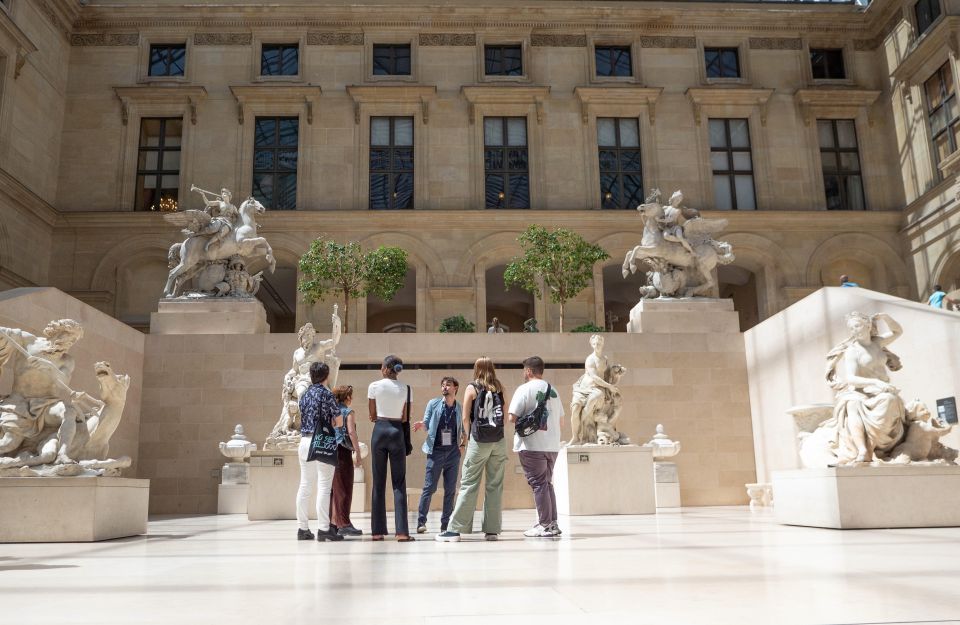
- Fast-track entry with a pre-reserved ticket and a separate entrance
- Headsets that help you hear the licensed English guide over the crowd
- Big-name sculptures like Venus de Milo and Winged Victory of Samothrace, explained with context
- Mona Lisa with the backstory that explains why it became a global obsession
- More than the headlines: Renaissance, ancient Greek, 13th–19th century paintings, and Royal Collection prints
- Underground history: the medieval fortress foundations you can see beneath the palace
Louvre Highlights in 1–2 Hours: the smart way to see the museum

If your goal is to hit the Louvre’s top masterpieces without getting lost in one of the world’s most confusing floor plans, this is the kind of tour that makes sense. The time window is short on purpose. The idea is that you get a guided “hit list” route first, then you stay longer on your own afterward if you want.
The payoff is in the way your guide connects details across centuries. A statue stops being just a famous silhouette when someone explains what you’re looking at and why it mattered. The same goes for paintings—especially when you hear the story behind fame and myth.
The main tradeoff is realistic: the Louvre takes time. Even with fast-track entry, you’re still moving through a building that includes stairs, long galleries, and peak-season crowds.
You can also read our reviews of more museum experiences in Paris



Meeting at Arc du Carrousel: starting before you get stuck
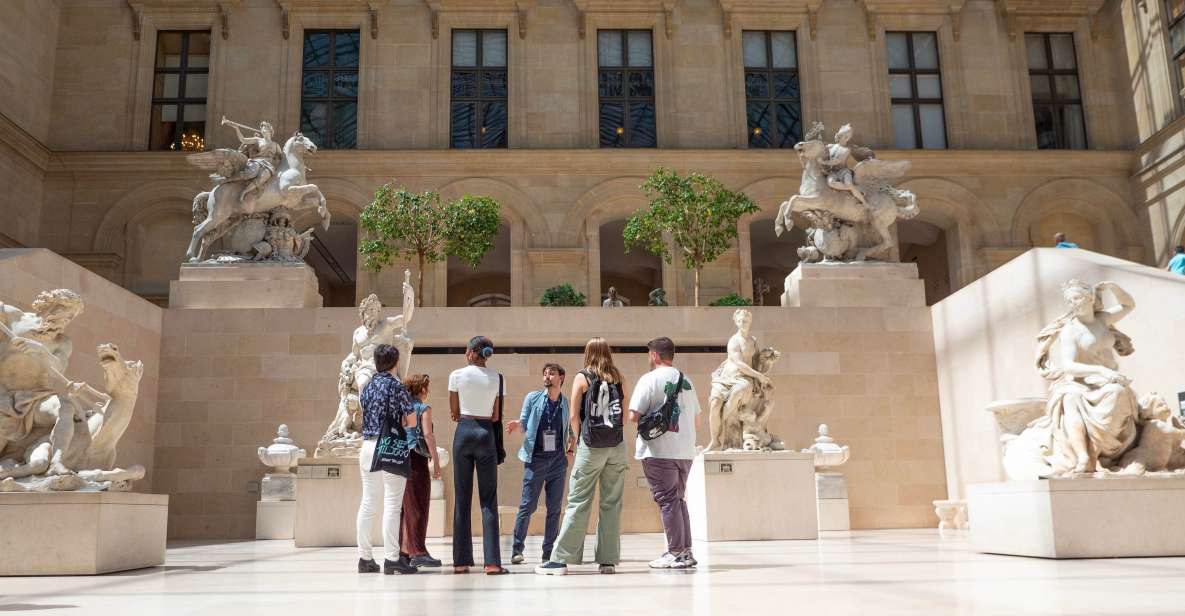
You don’t want to show up at the museum entrance and hope for the best. The meeting point is at the Arc du Carrousel du Louvre, just outside the Louvre area, and where you meet can vary depending on the option booked.
Why this matters: the tour is group-based and ticketed. If you’re late, you may not be able to join since group bookings require everyone to be issued access together. I’d treat this like you’re meeting for a train: arrive early, check your spot, and keep your eyes on the guide and headcount.
Also, bring comfortable shoes. This is a walking tour, and you’ll be in and out of galleries while the guide keeps you on track.
Security, stairs, and fast-track entry under the pyramid
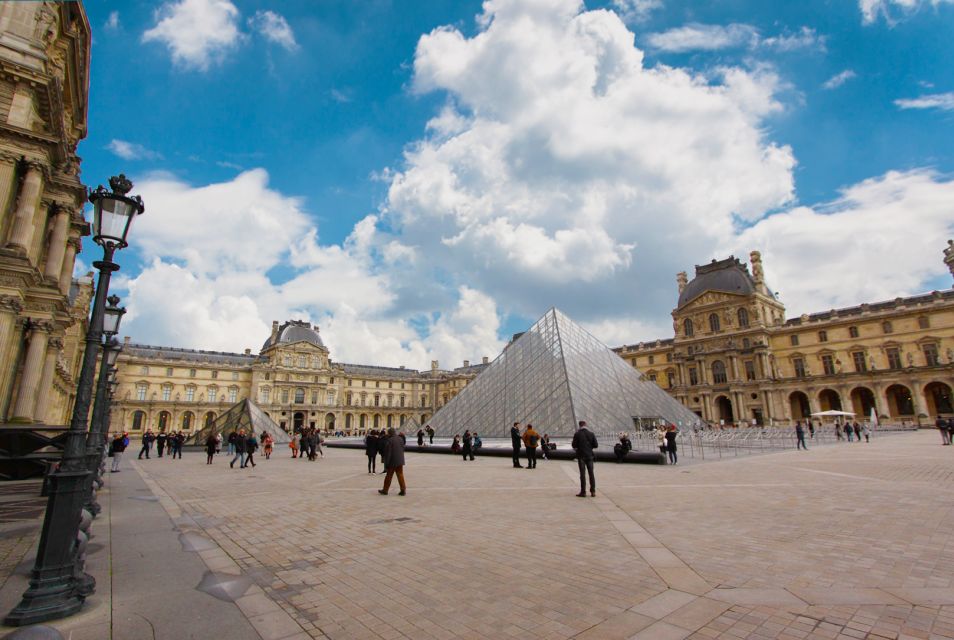
All visitors must pass through airport-style security. During busy periods—especially summer—there can be a wait of up to 20 minutes. After that, you enter faster thanks to the pre-reserved ticket and skip-the-line access through a separate entrance.
Expect the flow to feel controlled. That’s the point. Without guidance, the Louvre can feel like a maze where you keep turning left and somehow end up nowhere near what you planned.
One practical note from the experience: getting inside can take time, and on one booking the interior time felt like the only disappointing part (about 35–40 minutes inside on a tour that promised 1–2 hours). That’s not the guide’s fault—just the math of security, crowd movement, and a museum that’s working against your schedule.
Venus de Milo and Winged Victory: the stops that actually teach you how to look
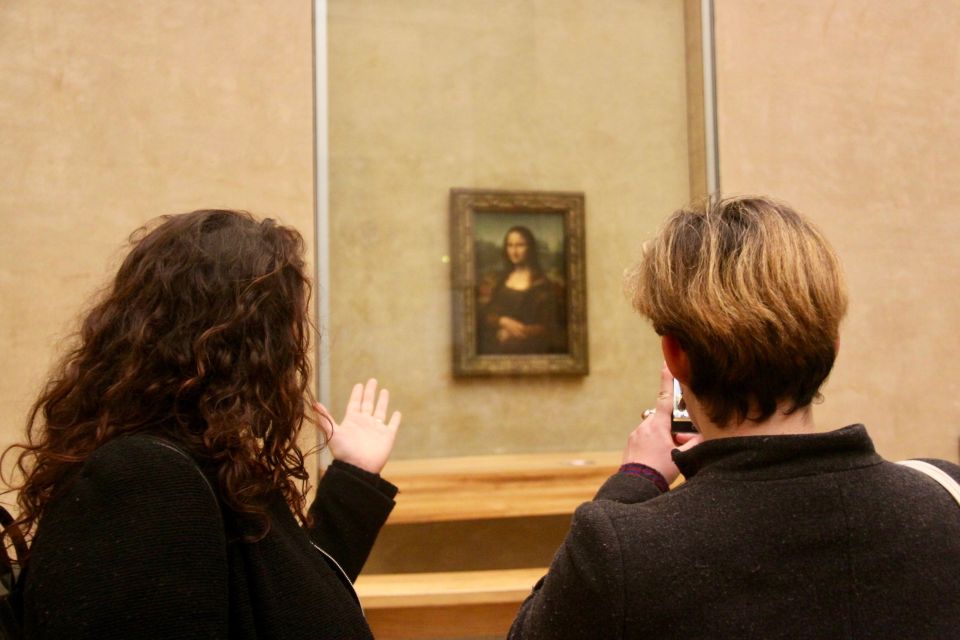
This tour doesn’t just throw statues at you. It places them in a context so you can understand what makes them famous.
Venus de Milo
You’ll get up close to Venus de Milo, the iconic sculpture that helped shape how generations of artists saw form and grace. Up close matters here. From far away, you might just see “a famous woman statue.” Up close, you notice proportions and style cues the guide will point out—plus how it became a model for artistic inspiration.





Winged Victory of Samothrace
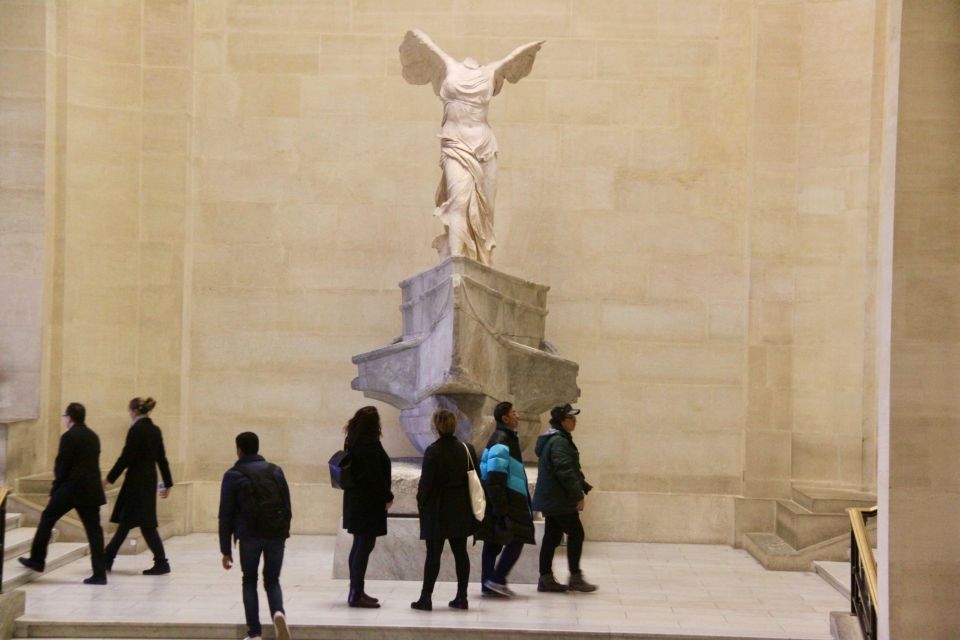
Then comes Winged Victory of Samothrace—Nike, the Greek goddess of victory—one of the Louvre’s best reminders that sculpture can feel like motion. The guide’s commentary helps you read the piece the way you’d read a scene: the stance, the energy, and why this particular work became a benchmark for Hellenistic art.
These two stops are excellent for first-timers because they anchor you in the Louvre’s long timeline: ancient Greece right beside later European art.
The Mona Lisa moment: why it’s more than a famous face

Yes, you’ll stand in front of the Mona Lisa. But the real value is the explanation you get while you’re there.
The guide covers the basics you should know before you even look: what makes the painting so distinctive, and the key theft story from 1911 that helped launch its worldwide fame. That theft isn’t just trivia. It’s why the Mona Lisa isn’t treated like a normal museum painting. It became a headline, then a symbol, then a global obsession.
Also, you’ll see the Mona Lisa as part of a flow, not as a random destination. That means you learn what to notice—expression, technique, and why people keep returning to the painting even after seeing it in books a thousand times.
A real-life tip: when your group moves on, crowds tend to concentrate right at the Mona Lisa area. If you want extra time afterward, plan for a second look immediately after the tour ends.
What you’ll see beyond the headlines (and why it’s worth it)
A highlights route works best when it does more than repeat the most famous names. This one includes a mix of eras so you leave with a sense of how the Louvre organizes its story.
Here’s what the tour is designed to include:
- Renaissance works, so you understand the transition from ancient world influence to later European storytelling
- Ancient Greek relics, which connect back to Venus and Winged Victory
- Paintings from the 13th to the 19th centuries, helping you see how European styles evolve
- Royal Collection prints, which give you another angle on collecting and art-making
You’ll also hear about the Louvre itself: how the museum was once the residence of the kings of France and how the building’s layers shape your visit.
If you’ve ever walked into a major museum and felt like you were only seeing the top three posters, this structure fixes that. You still get the icons, but you also get enough context to understand why the icons matter.
Underground galleries and medieval foundations: the Louvre under the Louvre
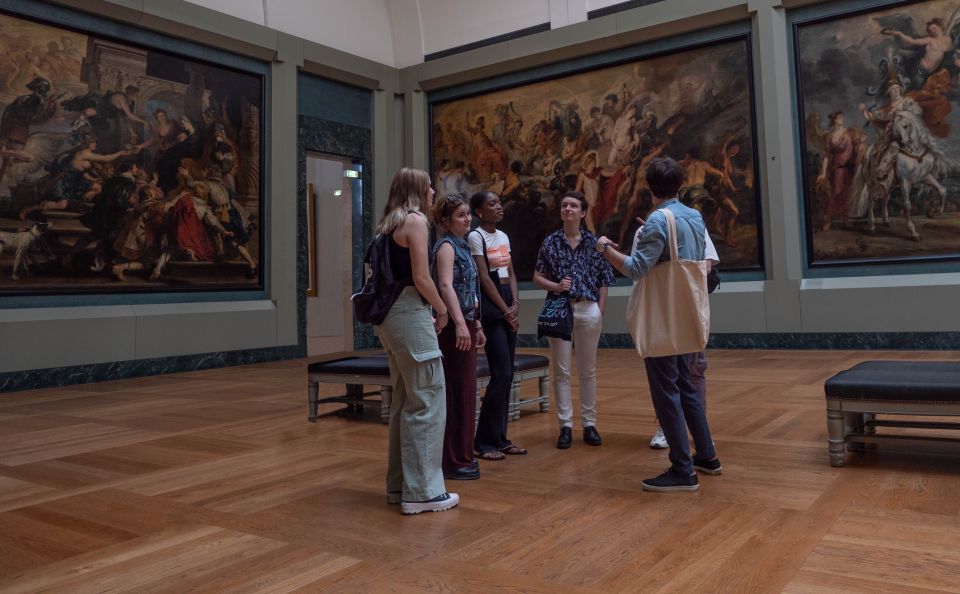
One of the smartest surprises is that the tour includes underground galleries where you can uncover remains of the original medieval fortress. You’re not only looking at art. You’re seeing how the palace’s history formed the museum you’re visiting today.
This matters because the Louvre can feel like a single giant art hall. The underground pieces make it feel layered—older city, fortress foundations, royal residence, then museum. It adds meaning to your time in the building, especially when you’re moving through rooms that feel like they should contain only masterpieces.
It’s also a nice change of pace from the busiest showpiece areas.
Where the tour ends: how to keep your time after the guide
This route ends near the Mona Lisa with an explanation of the painting and its significance. Then you’re free to explore afterward—within the rules.
Important catch: once you’ve exited the wings and you’re under the pyramid, you can’t re-enter the rooms. That means your best plan is to decide what you want to revisit right away, right after the tour ends.
Also, the group size is standard, up to 20 participants. That’s big enough for energy, small enough that the guide can keep things moving. It’s also why you should stay close—when a group gets separated in a crowded gallery, it’s not always easy to regroup quickly.
Price and value: what you’re really paying for at $116
At $116 per person, you’re not just paying for someone to point at paintings. You’re paying for time-saving and interpretation.
Here’s what’s included that helps justify the price:
- Licensed English guide
- Louvre pre-reserved entry ticket with skip-the-line access
- Headsets, so you can hear the commentary clearly even in crowded rooms
- A planned highlights route that keeps you focused on the masterpieces and the museum context
Think of it like this: the Louvre charges for entry, but your biggest cost is your confusion time. Without a guide, you spend energy figuring out where to go, how to get there, and what you’re actually looking at. This tour buys you structure and explanations early, then lets you explore longer on your own after.
You can also read the value in the crowd math. During peak season, getting through security and into the galleries is a battle. Fast-track access and a group entry rhythm reduce wasted time.
If you’re the type who already knows exactly what rooms and artists you want, you could save money by going DIY. But if you want the museum to make sense quickly—this is the practical way.
Should you book this Louvre Highlights and Mona Lisa tour?
Book it if:
- It’s your first time at the Louvre and you want the main masterpieces plus context in a short window.
- You dislike the idea of spending precious Paris hours stuck in crowds, hunting for what to see.
- You want a guide who tells stories clearly, with pacing that keeps the group moving without feeling rushed (names in guest feedback include Sally, Barbara, Diana, Rodrigo, Pierre, and others).
Skip it if:
- You’re looking for a long, slow museum experience. With 1–2 hours, you won’t see everything.
- You hate stairs and heavy walking. This tour isn’t suitable for people with mobility impairments, and the Louvre elevator situation affects what’s possible.
My take: if your goal is to leave with an organized mental map of the Louvre—plus a proper Mona Lisa stop—this tour is a solid buy.
FAQ
Where is the meeting point for the tour?
Meet at the Arc du Carrousel du Louvre, just outside the museum. The exact meeting point may vary depending on the option you book, so check your confirmation details.
How long is the tour?
The tour lasts 1–2 hours. Starting times depend on availability.
Does this tour include skip-the-line entry?
Yes. You get fast-track access with a pre-reserved ticket and enter through a separate entrance.
What’s included in the price?
It includes a guided tour in English with a licensed guide, a Louvre pre-reserved entry ticket, and headsets to hear the guide better. Group size is up to 20 participants.
What should I bring, and what can’t I bring?
Bring a passport or ID card and comfortable shoes. Luggage or large bags aren’t allowed, and non-folding strollers aren’t allowed.
Is this tour suitable for people with mobility impairments?
No. The tour isn’t able to accommodate wheelchairs or mobility impairment due to the museum’s elevator location.
Can I re-enter after the tour ends near the pyramid?
No. Once you have exited the wings and are under the pyramid, you cannot re-enter the rooms.