REVIEW · PARIS
Paris: Le Marais District Guided Walking Tour
Book on GetYourGuide →Operated by Z-Ocean Tours LLC · Bookable on GetYourGuide
Paris’s Marais is where old streets still talk to you. This 2-hour guided walk focuses on how the district grew from what used to feel like Paris’s edge into its busy center, with stops that include the Hotel de Ville, Place des Vosges, and the Jewish-focused sights around Rue des Rosiers and Jardin Anne Frank. I especially love the clear, question-friendly guidance people highlight in their feedback, and I also like that you’ll see a mix of famous names (Picasso, Victor Hugo) and the smaller, lived-in corners that make the Marais feel like a real neighborhood. One consideration: it’s an English tour, and if you prefer French or you’re sensitive to fast talking, pick your questions early.
You’ll also get a very Paris-style finish. After the walk, your guide points you toward a nearby cafe for a croissant, so you can sit down instead of rushing off into the evening. The route is wheelchair accessible as listed, but it’s still a walking tour, so comfortable shoes matter and it’s not recommended for pregnant women.
In This Review
- Key things you’ll enjoy on the Marais tour
- Why the Marais feels different on foot
- Price and value: what $42 buys you in 2 hours
- The meeting point and how to start calmly outside Quick
- How the route tells the Marais story: from Hotel de Ville to Place des Vosges
- Picasso and the art angle: Musée National Picasso on a walking route
- Saint-Paul Saint-Louis and the Jewish neighborhood focus
- Pont Marie and Église Saint-Gervais: the Marais as a lived-in maze
- Fontaine du Lycée Charlemagne and the Anne Frank gardens finale
- The guide quality: why this tour wins or stumbles
- What to bring (and how to not suffer)
- Who this Marais tour suits best
- Should you book this Paris: Le Marais District Guided Walking Tour?
- FAQ
- How long is the walking tour?
- What language is the live guide?
- Where do we meet the guide?
- What is included in the price?
- Is hotel pickup or drop-off included?
- Is the tour wheelchair accessible?
- Is the tour suitable for pregnant women?
- What should I bring?
- What are the cancellation terms?
- Can I reserve without paying right away?
Key things you’ll enjoy on the Marais tour
- Medieval-to-modern perspective: you’ll connect how the Marais changed as Paris shifted.
- Jewish Paris route: Rue des Rosiers and Jardin Anne Frank are built into the experience.
- Standout landmark mix: Hotel de Ville, Place des Vosges, Musée National Picasso, and more.
- A guide who answers: many people liked the detailed explanations and Q&A.
- Quick, 2-hour pacing: long enough to learn, short enough to keep your day flexible.
- A croissant payoff: you get a simple, nearby cafe recommendation after the walk.
Why the Marais feels different on foot
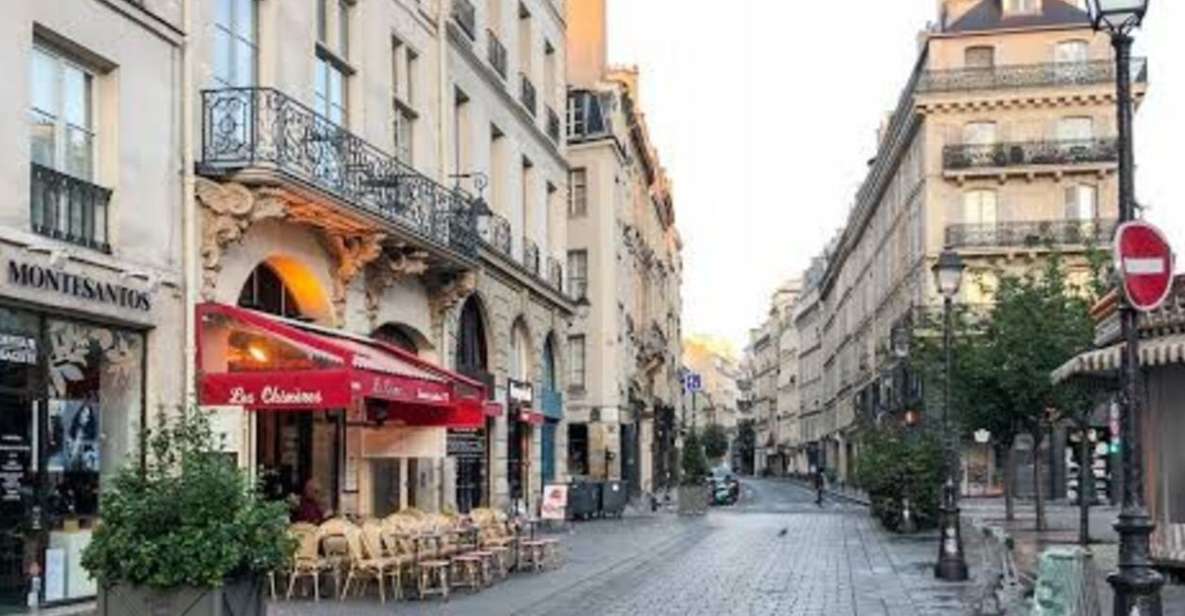
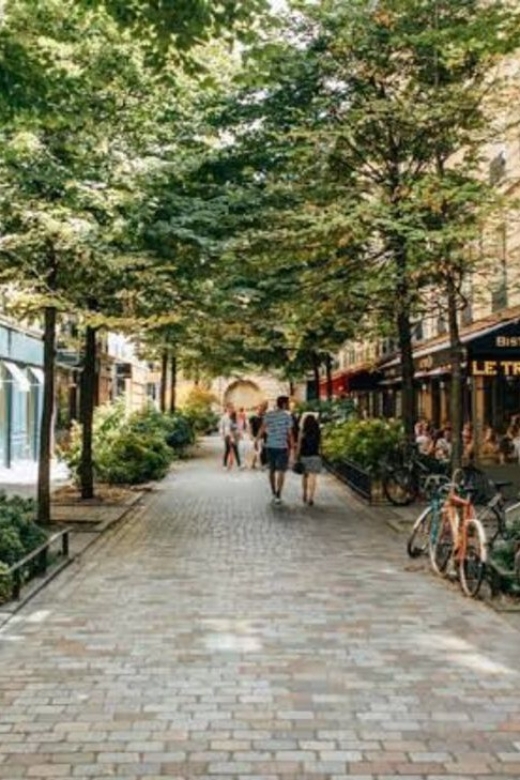
The Marais is the kind of place where a map can’t do the work. Walking is the point. In just a couple hours, you can see how an area that once sat beyond the center of Paris became central to city life. That “how it moved” story is the backbone of this tour, and it makes the sights more than postcard scenery.
I also like the way the tour groups big, recognizable Paris names with neighborhood-scale locations. You’re not just collecting landmarks. You’re learning how daily life, art, religion, and storytelling all sit close together here. That’s what makes the Marais feel like Paris at human speed.
You can also read our reviews of more walking tours in Paris



Price and value: what $42 buys you in 2 hours
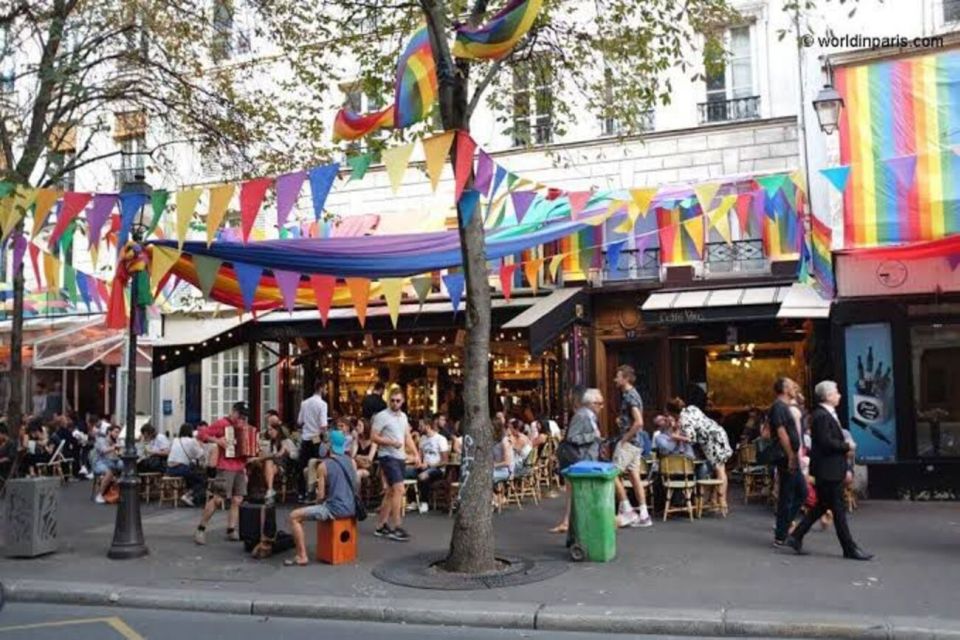
At $42 per person for about two hours, this is priced like a focused city walk rather than a full-day excursion. The value is in the guidance: you’re paying for an English-speaking live guide to point out what matters and explain why these places are connected.
If you’re the type who likes context (not just photos), the cost makes sense. You’ll get a structured route with a sequence of stops, plus the tour ends with a cafe croissant recommendation—small, but it helps you stay in the neighborhood instead of scrambling for a snack afterward.
The main “cost” to watch is your energy. It’s not a museum-heavy tour. It’s walking-heavy. If you have limited stamina, you’ll want to plan your day so you’re not running on fumes.
The meeting point and how to start calmly outside Quick
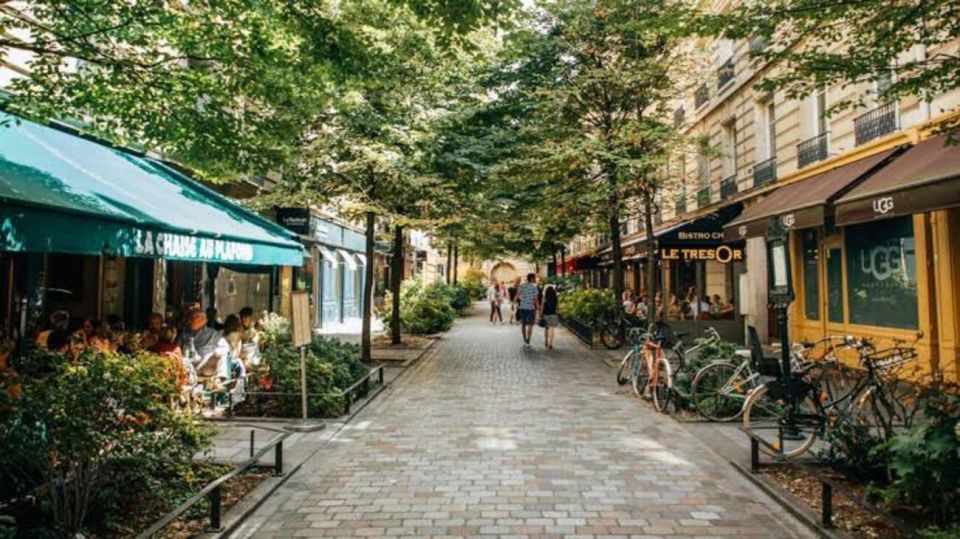
This tour meets outside the Quick restaurant. That’s refreshingly straightforward, and it helps if you’re coming in from public transit and don’t want extra guesswork.
Since it’s a walking experience, your first job is simple: show up with shoes that won’t punish you. The tour data lists comfortable shoes, and I’d treat that as the real make-or-break tip. Paris cobblestones can turn a “two-hour stroll” into a foot workout if you’re not prepared.
How the route tells the Marais story: from Hotel de Ville to Place des Vosges
You start with a civic anchor: the Hotel de Ville. Even if you’ve seen it in passing, the benefit of starting here is that it sets the tone. Your guide uses early stops to frame why this district mattered as Paris evolved. It’s a smart move because it gives you a lens before you wander into smaller streets.
From there, you move to Place des Vosges. This square is one of those Paris spaces where buildings define the mood. On a guided walk, the square becomes more than a pretty stop. It’s part of the district’s identity—an easy place for your guide to connect the past and the present.
Then you shift to literary heritage with Maison de Victor Hugo. The value here is perspective. Instead of treating it like a named address, the guide ties it into the idea that the Marais wasn’t just a “where” but also a “who lived here” kind of story.
Picasso and the art angle: Musée National Picasso on a walking route
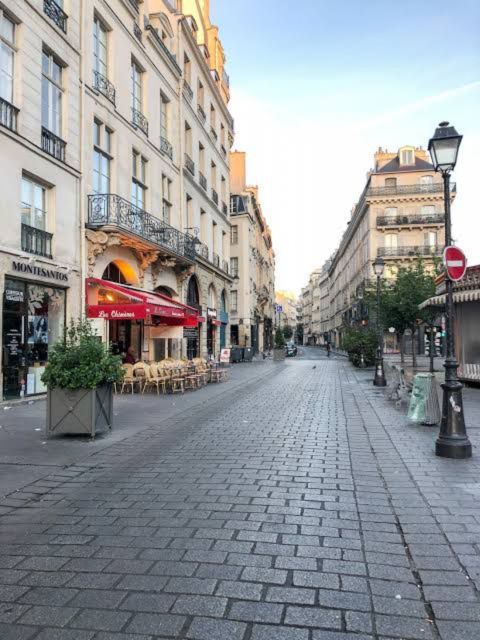
Next up is Musée National Picasso. Even if you don’t go inside on this particular walking format, the stop matters because your guide can connect why Picasso fits into the Marais picture.
What I like about weaving art stops into a neighborhood walk is that it changes your perception. You’re not stuck thinking of museums as isolated boxes. You’re learning how cultural identity sits alongside everyday streets.
If you’re an art fan, you’ll likely find this stop especially satisfying because it complements the literary stop (Victor Hugo) you saw earlier. The tour keeps nudging you toward one big idea: the Marais is where different creative worlds overlap.
You can also read our reviews of more guided tours in Paris






Saint-Paul Saint-Louis and the Jewish neighborhood focus
One of the tour’s stated highlights is exploring the Jewish neighborhood of Paris, and the route reflects that with key stops like Paroisse Saint-Paul Saint-Louis and Rue des Rosiers.
Rue des Rosiers is the kind of street name you’ll recognize even before you understand why it’s important. On a guided walk, that’s the point: you’re learning what the street represents in the district’s story. Your guide’s explanations are where this stops being a checklist and becomes a cultural map you can carry with you.
Then there’s Jardin Anne Frank, which closes this part of the experience on a reflective note. The “why here” matters more than the “what it looks like,” and this tour is built to help you make that connection.
I’ll be honest: this segment is where your guide’s pacing matters most. One review complained that a guide spoke too fast and didn’t clearly explain history. So if you’re someone who needs time to process, ask a question as you go—don’t save it for the end.
Pont Marie and Église Saint-Gervais: the Marais as a lived-in maze
After the Jewish-focused landmarks, you shift back to the classic Marais mix: Pont Marie and Église Saint-Gervais.
Pont Marie is a natural reset point. A bridge stop gives your eyes a break and helps you orient the neighborhood in relation to the river. On foot, orientation is everything; without it, the streets start to feel like one long loop.
Then Église Saint-Gervais brings you to another layer of Paris life: faith and architecture sitting right in the middle of the district’s everyday rhythms. This is the kind of stop that works best with a guide, because it’s easy to look up at a church and miss what makes it important to the neighborhood story.
If you like churches not as landmarks but as community anchors, you’ll probably enjoy this portion a lot.
Fontaine du Lycée Charlemagne and the Anne Frank gardens finale
Near the later part of the walk you’ll pass Fontaine du Lycée Charlemagne. This is the sort of “blink and you’ll miss it” stop that can be hard to appreciate on your own. In a guided format, your guide can point out the meaning of these smaller landmarks in the district’s overall picture.
Finally, the route ends in the area around Jardin Anne Frank. It’s an ending that makes sense thematically. You’ve seen civic Paris, arts and literature, and the Jewish neighborhood focus. The garden helps land those themes in a more personal, human way.
Then comes the bonus: after you finish, the guide offers a nearby cafe stop for a croissant. It’s a simple touch, and it’s practical. You get a chance to rest your feet while still staying close to where the story happened.
The guide quality: why this tour wins or stumbles
The biggest variable in any walking tour is the person leading it. Here, the feedback you have points in two directions:
- People praised detailed explanations and a guide who answers questions.
- Someone felt the guide spoke too fast and didn’t clearly explain the history.
That tells you what to do. Don’t just listen passively. Engage early. Ask what to look for next. If you want slower pacing, say so politely at the start. If your English is good but you want clarity, ask for one key point again—guides are used to that.
Also, know that the tour is English. One review notes that someone thought they booked French, and the guide adapted to the group’s English level. So don’t count on a language switch. If English is your comfort zone, this is a stronger fit.
This is exactly the kind of tour where a good guide can turn the Marais from pretty to understandable. That’s where the value lives.
What to bring (and how to not suffer)
Bring comfortable shoes. That’s not a throwaway line. With a walking tour, your feet set the pace for your whole experience.
Also plan for a normal city-walk day in Paris: water if you need it, and a light layer if the weather shifts. The tour is short enough that you don’t need to overpack, but you do need to be ready for uneven ground.
Not suitable for pregnant women is listed, so if that applies to you, consider a different format that reduces walking time and strain.
Who this Marais tour suits best
I’d point you here if:
- you want a tight 2-hour plan with structure
- you’re curious about how neighborhoods change over time, not just what you’re seeing
- you care about the Marais’s Jewish landmarks and cultural context
- you like asking questions and getting straight answers from a live guide
I’d skip or rethink if:
- you don’t do well with walking for extended stretches
- you strongly prefer French language guidance
- you need a more relaxed pace due to mobility concerns beyond what you can manage comfortably
Should you book this Paris: Le Marais District Guided Walking Tour?
Book it if you want a smart, neighborhood-scale introduction to the Marais with built-in stops that go beyond the usual highlights. The mix of places—Hotel de Ville, Place des Vosges, Picasso, Victor Hugo, Rue des Rosiers, and Jardin Anne Frank—gives you a rounded picture without turning your day into a marathon.
Don’t book it if you need a language other than English or you’re looking for a museum ticket experience. This is about walking and learning on the move.
If you show up with good shoes and you’re willing to ask questions, you’ll get far more out of it than just photos.
FAQ
How long is the walking tour?
The tour duration is 2 hours.
What language is the live guide?
The live tour guide is English.
Where do we meet the guide?
The guide meets outside the Quick restaurant.
What is included in the price?
The price includes the guided walking tour.
Is hotel pickup or drop-off included?
No, hotel pickup and drop-off are not included.
Is the tour wheelchair accessible?
Yes, it is listed as wheelchair accessible.
Is the tour suitable for pregnant women?
No, it is not suitable for pregnant women.
What should I bring?
Bring comfortable shoes for the walking portion.
What are the cancellation terms?
You can cancel up to 24 hours in advance for a full refund.
Can I reserve without paying right away?
Yes, there’s a reserve now & pay later option to keep your plans flexible.