REVIEW · PARIS
Paris: Jewish Quarter & Museum of the Art and History Tour
Book on GetYourGuide →Operated by Lille Local Tours · Bookable on GetYourGuide
Jewish Paris tells stories in stone. This Paris Jewish Quarter tour links synagogues, memorials, and neighborhood streets into one clear timeline of French-Jewish life. If you like history you can actually walk through, this is a strong way to do it.
I especially like the focus on key landmarks with a Jewish history expert guide. You’ll get grounded context on expulsions and emancipation, and you’ll see the main sites that shaped Jewish life in Le Marais. I also like the balance of community history and the hard parts of the Holocaust story, including the Deportation Martyrs Memorial.
One thing to consider: timing matters. There can be start-time confusion, which can cause back-and-forth at the meeting spot and—if you’re on the shorter option—your visit may feel lighter on sights or miss the museum.
In This Review
- Key things to know before you go
- Why Le Marais Jewish Quarter history feels different on foot
- Meeting point at Statue d’Étienne Marcel: how to get oriented fast
- From Hôtel de Ville to Île de la Cité: expulsions, emancipation, and WWII memory
- Marais synagogues and Jewish landmarks: Agoudas Hakehilos and Synagogue des Tournelles
- Museum option: what you really get in the 4-hour tour with skip-the-line
- The 5.5-hour plan with private car transfers: easiest for a tight schedule
- Price and value: is $200 per person worth it?
- Practical tips that make the tour smoother
- Who should book this Jewish Quarter tour?
- Should you book the Paris Jewish Quarter & Museum tour?
- FAQ
- How long is the Paris Jewish Quarter & Museum tour?
- Where does the tour start and end?
- Is skip-the-line museum entry included?
- Do I get pickup from my accommodation?
- What can I see on the Jewish Quarter walk?
- Which languages is the guide available in?
- Is the tour wheelchair accessible?
- What if I arrive late?
- What is the cancellation and payment flexibility?
Key things to know before you go
- Choose the right option: museum skip-the-line is only included in the 4-hour and 5.5-hour tours
- Meet at a real landmark: start is at the Statue d’Étienne Marcel, then you’ll move through Hôtel de Ville and Île de la Cité
- You’ll cover big history in short time: Crusades → French Wars of Religion → French Revolution → WWII
- You’ll see major synagogues: including Agoudas Hakehilos and Synagogue des Tournelles
- Skip-the-line is timed: the tour reserves entry slots, so arriving late can shrink what you get to see
Why Le Marais Jewish Quarter history feels different on foot
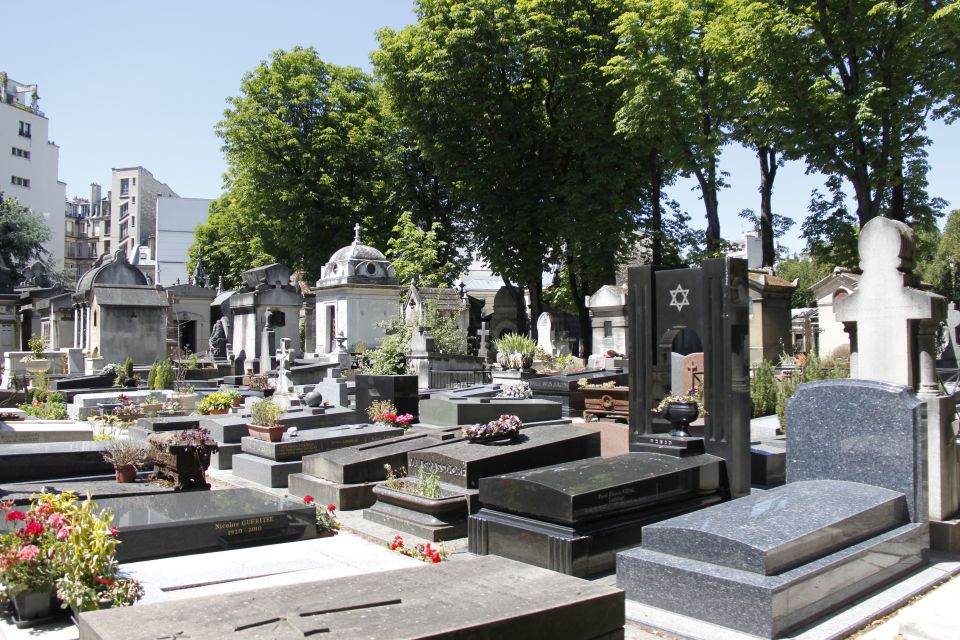
Le Marais isn’t just a pretty old neighborhood. It’s where Paris’s Jewish community took root, built institutions, and created a daily rhythm that still shows up in streets, shops, and sacred buildings.
This tour works because it doesn’t treat the Jewish Quarter like a museum exhibit. It treats it like a living geography. You’ll connect what you’re seeing to why it mattered: laws and expulsions, organized community life, and the long struggle to survive and rebuild.
You can also read our reviews of more historical tours in Paris



Meeting point at Statue d’Étienne Marcel: how to get oriented fast

You meet your guide in front of the Statue d’Étienne Marcel (1341 Quai de l’Hôtel de ville, 75004). That spot is a good launch pad because it puts you close to the Hôtel de Ville area, where the tour starts by setting the political and historical scene.
From there, you move into the story rather than jumping randomly between stops. If you want your first half-hour to go smoothly, be there early enough to handle metro-to-street transitions, especially if you’re arriving from a different part of Paris.
From Hôtel de Ville to Île de la Cité: expulsions, emancipation, and WWII memory
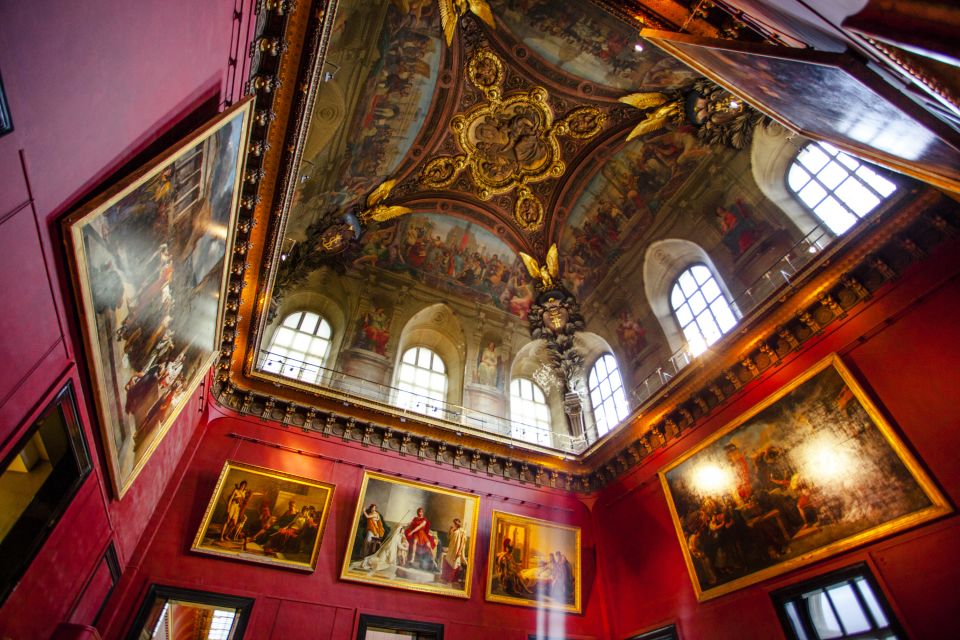
The 2-hour core tour begins at the courtyard of the Hôtel de Ville, a historic administrative building. The guide uses that setting to talk about expulsions and emancipation over centuries, including the First Crusade, the French Wars of Religion, and the French Revolution.
Then the route continues to Île de la Cité. That’s where you get the powerful contrast of monumental Paris landmarks with specific Jewish history tied to the city’s institutions and tragedies.
A key stop is the Deportation Martyrs Memorial. This is where the Holocaust portion becomes more than a timeline on a screen. The guide helps you understand what happened to the French-Jewish population during WWII and how the community rebuilt afterward.
Marais synagogues and Jewish landmarks: Agoudas Hakehilos and Synagogue des Tournelles
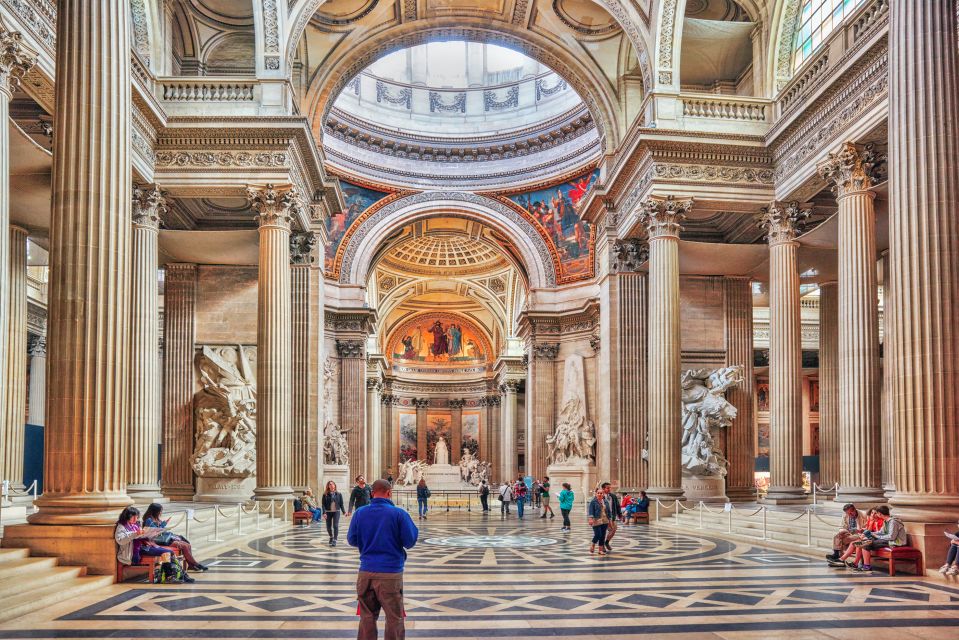
Once you shift into the Marais district, the tour becomes easier to picture day-to-day life. You’ll pass areas with Jewish shops, bookshops, and kosher restaurants—useful background if you want to keep exploring on your own afterward.
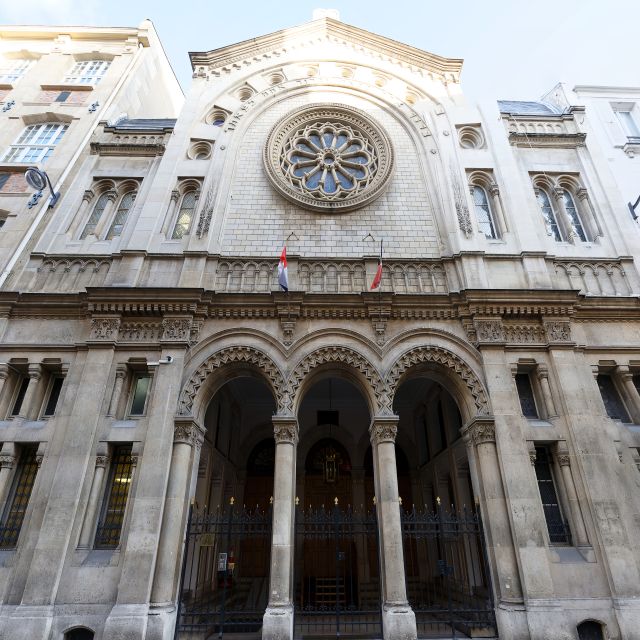
You’ll also see major synagogue landmarks, including Agoudas Hakehilos Synagogue, built in the early 1900s by wealthy Orthodox Jews who immigrated from Poland and Russia. That detail matters. It connects architecture to migration patterns and community organization, not just to dates on a plaque.
Another highlight is the Synagogue des Tournelles, next to Place des Vosges. Place des Vosges is the oldest planned square in Paris, so it helps the tour feel rooted in the city’s urban history. Around that kind of place, you can often sense how religious life and civic life shared the same space.
Museum option: what you really get in the 4-hour tour with skip-the-line
If you pick the 4-hour option, you add the Museum of the Art and History of Judaism, with skip-the-line tickets included. That single detail changes the day. Museums in Paris can be a time trap, and skip-the-line helps you protect your schedule for both learning and actual enjoyment.
Outside the museum, you’ll find a statue of Alfred Dreyfus. He’s the French-Jewish officer convicted for treason in 1894, and this stop sets an important context bridge between Jewish history and broader French political life.
Inside, the museum experience focuses on Jewish culture and traditions through history across Europe and North Africa. You’ll see religious objects, archives, manuscripts, and works of art. Notable art includes paintings by Marc Chagall and Amedeo Modigliani, which gives you a chance to shift from facts to how artists interpreted Jewish identity.
One practical point: the museum addition makes the tour feel more complete. The walking portion covers key sites and memory. The museum portion helps connect those sites to artifacts and documented history—so the story doesn’t stop at the street corner.
You can also read our reviews of more museum experiences in Paris






The 5.5-hour plan with private car transfers: easiest for a tight schedule

The 5.5-hour option is designed for convenience. It includes the walking tour of the Old Jewish Quarter, the museum visit, and private transportation.
If you’re staying outside central Paris—or you’re traveling with someone who hates metro transfers—this option can be a lifesaver. Pickup and drop-off are organized from your Paris accommodation using a clean, air-conditioned vehicle driven by a 5-star driver.
This option also tends to reduce stress. Less time figuring out routes means more time listening and asking questions. If you’re the type who likes to stay calm and on time, the added transportation can be a real value even before you factor in the museum.
Price and value: is $200 per person worth it?
At $200 per person, you’re paying for a few things that add up fast in Paris: a Jewish history expert guide, a structured route through meaningful locations, and private-group attention. In the longer options, you’re also paying for skip-the-line museum entry, which is not just a convenience—it’s time you can spend actually inside the museum.
The value shifts based on the option you select:
- 2-hour option: best if you want the core walk—big themes, major memorial stop, and major synagogue landmarks—without committing to the museum.
- 4-hour option: usually the best balance if you want both street history and museum context, with skip-the-line built in.
- 5.5-hour option: best if you want the museum plus smooth logistics from your accommodation, especially if your day is packed.
If you’re on the fence, I’d use this rule: if you’re even slightly interested in artifacts, archives, and art (not just outdoor landmarks), the 4-hour option is where the price starts feeling more “complete.”
Practical tips that make the tour smoother
Arrive early enough to avoid the main pitfall: time-slot entry. The tour reserves time slots for some attractions, and late arrival may prevent you from enjoying the full experience. That matters most for the museum option.
Wear comfortable shoes. The route moves through central Paris streets and squares, plus walking from one key area to another.
If you’re sensitive to meeting confusion, take a screenshot of the meeting spot address and set a phone reminder for 15 minutes ahead. The most common issue is not the content—it’s people arriving a bit late and then losing contact while trying to find the guide.
Who should book this Jewish Quarter tour?
This tour is a great match if you want:
- Jewish history in Paris organized by real locations
- synagogue and memorial stops with expert context
- a walk that connects laws, community life, and WWII memory
It may not be the best fit if you want a super long museum day. The walking portion is strong, but the time is still limited. In that case, consider the 4-hour or 5.5-hour option so you don’t feel like the museum got rushed.
It’s also well-suited for private groups. If you’re traveling with family or friends and want a more direct pace—plus the chance to ask questions—you’ll likely appreciate the setup.
Should you book the Paris Jewish Quarter & Museum tour?

I think it’s worth booking if you’re choosing the option that matches your goals. If you want only the street-level story and the key memorials, the 2-hour version can work well. If you want the full picture—with skip-the-line museum time—choose the 4-hour option. If logistics are your main concern, the 5.5-hour plan earns its keep with private transport.
Just do yourself a favor: arrive on time for the meeting spot and protect the reserved entry timing. When you do, you get a clear, moving portrait of Jewish Paris—on foot, at the sites that shaped it, and with museum context to tie the story together.
FAQ
How long is the Paris Jewish Quarter & Museum tour?
The tour duration ranges from 2 to 5.5 hours, depending on the option you select. Exact start times vary, so it’s best to check availability for the schedule.
Where does the tour start and end?
You meet your guide in front of the Statue d’Étienne Marcel, 1341 Quai de l’Hôtel de ville, 75004 Paris. The tour ends back at the same meeting point.
Is skip-the-line museum entry included?
Skip-the-line tickets to the Museum of the Art and History of Judaism are included only for the 4-hour and 5.5-hour options. The museum is not included in the 2-hour option.
Do I get pickup from my accommodation?
Pickup and drop-off by private car are included only in the 5.5-hour option. The shorter options do not include private car transfers.
What can I see on the Jewish Quarter walk?
You’ll explore the Old Jewish Quarter and pass key Jewish sites with your expert guide. Stops include major synagogue landmarks such as Agoudas Hakehilos Synagogue and Synagogue des Tournelles, plus the Deportation Martyrs Memorial.
Which languages is the guide available in?
The live guide is available in English, German, French, Italian, Spanish, Russian, and Polish.
Is the tour wheelchair accessible?
Yes, the tour is wheelchair accessible.
What if I arrive late?
Some attractions have reserved time slots, so arriving late may prevent you from enjoying the full tour.
What is the cancellation and payment flexibility?
You can cancel up to 24 hours in advance for a full refund. The booking also offers a reserve now & pay later option, so you can keep your plans flexible.