REVIEW · PARIS
Paris: Eiffel Tower Tour with Summit or 2nd Floor Access
Book on GetYourGuide →Operated by QUALIUM · Bookable on GetYourGuide
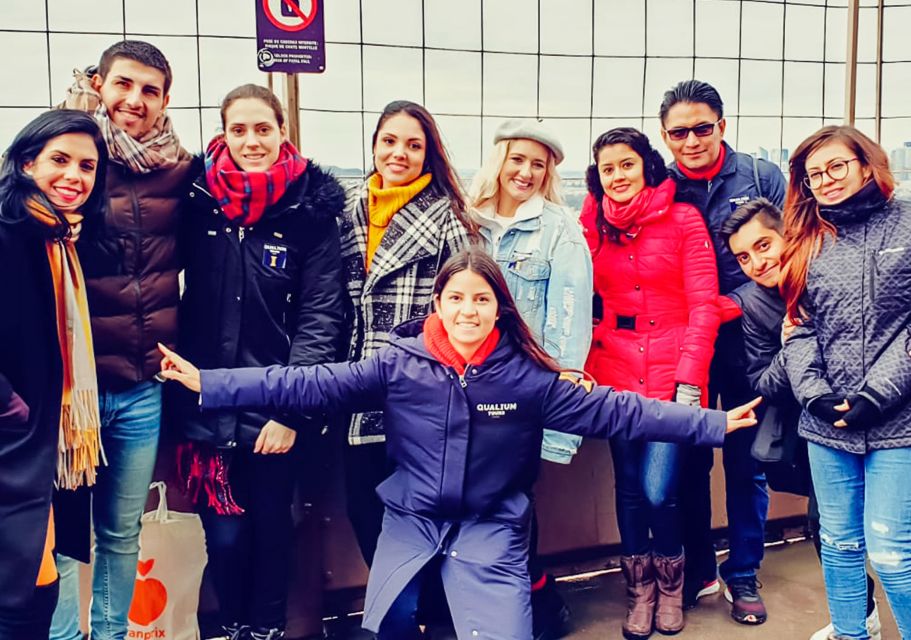
The Eiffel Tower hits different with good timing. This tour pairs skip-the-stress entry with an expert-led walk and photo-friendly views, plus a choice of 2nd floor or summit access. I especially like the way guides such as Rafael and Pepe focus your eyes on what to look for, not just what to see.
Two things I really appreciate: you get a short, guided stretch between the Seine and the tower for quick Paris context, and you come away with a top-of-the-city vantage point that makes the whole monument feel personal. The only real catch is that you may still face security and elevator lines, and if you book summit access you may wait again on the 2nd floor before the summit elevators.
In This Review
- Key Things That Make This Eiffel Tower Tour Work
- Entering The Eiffel Tower Smart: Meeting Point and First Moves
- 2nd Floor or Summit: Choosing Your View Level
- The Walk by the Seine: A Short Route With Big Context
- What Your Host Actually Covers: Construction Stories and City Sightlines
- Photo-Friendly Paris From Above: Best Angles and Timing
- How Long This Feels (and Why Small Groups Help)
- Price and Value: Is $69 Worth It?
- Weather, Restrictions, and Who This Tour Fits Best
- Summit access can be weather-dependent
- Security rules: pack light
- Physical suitability matters
- Expect waiting
- Should You Book This Eiffel Tower Tour?
- FAQ
- Where is the meeting point for this Eiffel Tower tour?
- How early should I arrive?
- How long is the tour?
- Is the tour guided, and is it in English?
- What access do I get with the 2nd floor option?
- If I choose summit access, do I go directly to the top?
- Do I need to plan for lines?
- Is the walking part difficult?
- What items are not allowed?
- Is this tour suitable for wheelchair users or people with mobility impairments?
- What is the cancellation policy?
Key Things That Make This Eiffel Tower Tour Work
- Seine-to-Eiffel walking start: meet on the far side of the river and walk from Passerelle Debilly toward the tower
- 2nd floor vs summit choice: select the view height that matches your energy and patience
- Dedicated entrance with pre-purchased tickets: designed to streamline entry once you’re in the right place
- Your guide points you to the best angles: photo stops and city-spotting from above
- Summit holders have extra elevator routing: you might wait at the 2nd floor for the summit elevators
- Small group feel: easier questions, tighter pacing, less wandering
Entering The Eiffel Tower Smart: Meeting Point and First Moves
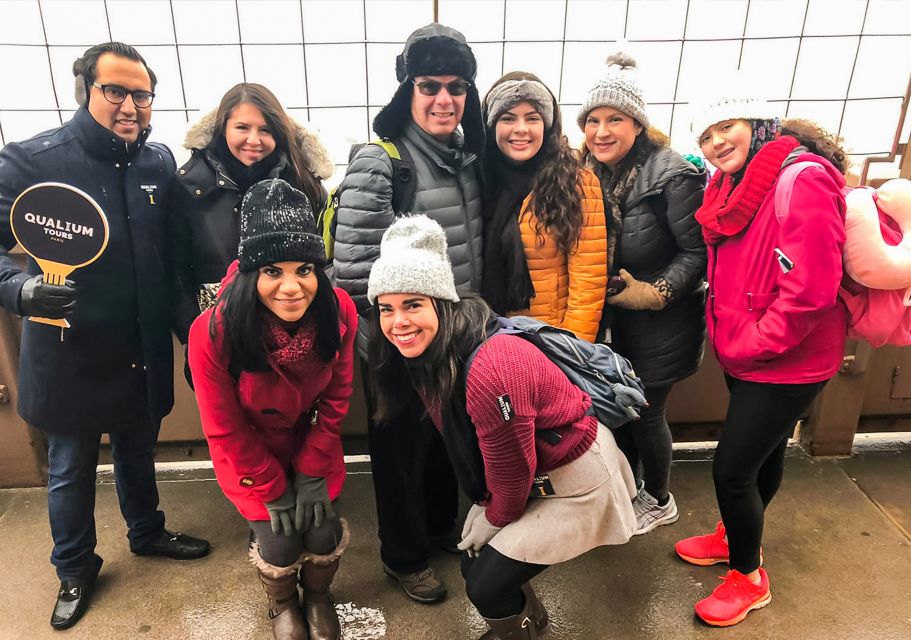
Paris has a way of turning “one simple stop” into a mini quest. Here, the goal is to make that quest shorter. You meet on the other side of the Seine at rue de la Manutention, and you should arrive 15 minutes early so the group can stay together. Importantly: don’t walk straight to the Eiffel Tower on your own. This tour starts with a rendezvous point and a guided lead-in, not a self-guided stampede.
From there, your host leads a short walk over to the tower area. That’s not filler. The Seine stretch gives you quick orientation—where the monument sits relative to the river, and what angles will work when you’re elevated. Even if you’ve seen Eiffel Tower photos before, the walk helps you connect the images to real distances and real sightlines.
Once you reach the monument, you’ll go through security. Expect some waiting here. Even with pre-purchased tickets, the security checkpoint and elevator system can still be slow depending on the day and crowd flow. The tour’s value is that you don’t have to figure it out alone.
Practical tip: keep your day flexible around this. If you’re trying to squeeze in multiple “timed” stops back-to-back, build in a buffer. Elevator waits can shift, and the whole point of guided access is comfort and clarity—not a guarantee that you’ll never wait.
You can also read our reviews of more tours and experiences in Paris.

2nd Floor or Summit: Choosing Your View Level
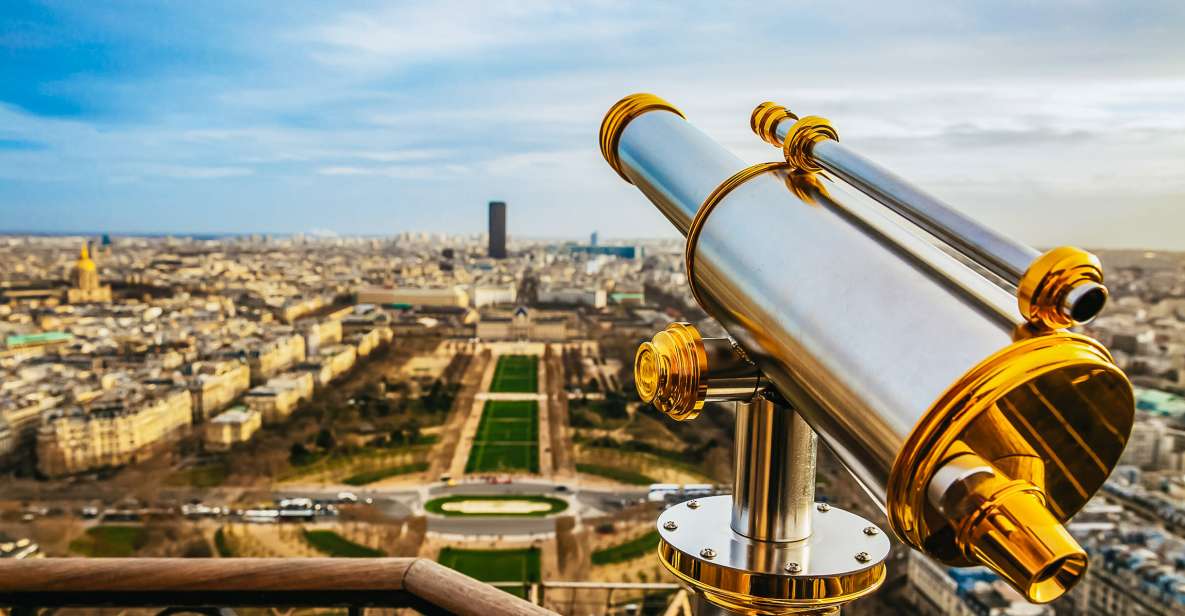
You get to choose between two experiences:
- 2nd floor access by elevator
- Summit access by elevator (if you select that option)
If your main priority is a classic Paris panorama, the 2nd floor often feels like the sweet spot. It’s high enough for wide views, and it’s usually the most efficient way to get “wow” without multiplying the elevator steps. The 2nd floor is also where your orientation gets strongest—your guide can point out the city landmarks you’ll recognize instantly once you’re above street level.
If you pick summit access, you’re trading efficiency for height. The top level can be more exposed, and you’ll want to be ready for weather impacts. One guest described being unable to go up to the summit due to wind, so it’s smart to treat “summit” as a best-effort goal rather than a guaranteed checkbox.
There’s also a routing consideration that matters for timing: summit ticket holders may have to wait on the second floor to access the summit elevators. That means the summit option doesn’t just add an extra ride—it can add extra waiting in the middle of the process. If you’re visiting with limited patience or you’re sensitive to lines, the 2nd floor option can be the more relaxed win.
The Walk by the Seine: A Short Route With Big Context
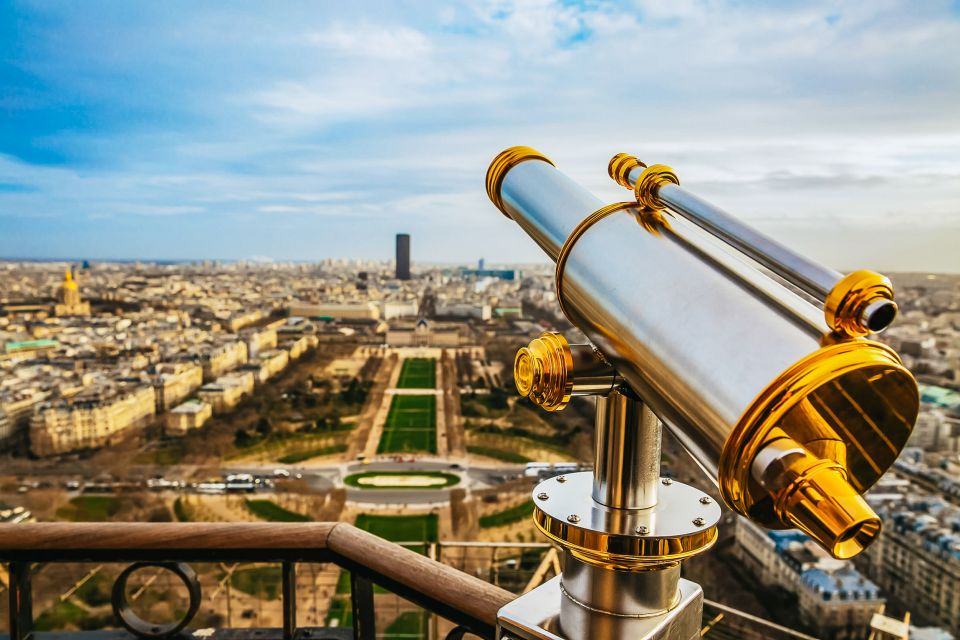
This part is quick—think short enough to stay comfortable, long enough to reset your focus. You start at rue de la Manutention and walk toward the Eiffel Tower via Passerelle Debilly. That small river crossing is useful because it places you in the right neighborhood of viewpoints.
Walking also helps your photos. From ground level, you can spot the best framing for shots that include the tower and the Seine without needing to fight for the perfect angle at the last second. Your guide will point out what to look for as you approach, which can save you from the common problem of getting to the base with no idea where you’ll want to stand later.
Keep in mind this is still a walking segment. It’s described as easy, but you should plan for walking around the river and through the approach area. This matters if you’re traveling with kids, if you’re wearing heavy shoes, or if you prefer to minimize steps.
What Your Host Actually Covers: Construction Stories and City Sightlines
This is not just a ticket. It’s a guided tour with a live English host, and the guide’s job is to give you context you can use from the moment you’re near the monument.
As you reach the Eiffel Tower, your host shares anecdotes about the tower’s construction—the kind of details that help you stop seeing it as a lone landmark and start seeing it as a specific piece of engineering history. The goal is simple: once you learn how the structure was built and why it took the shape it did, the sight becomes more than a photo background.
Then the guide shifts into city-spotting. From the 2nd floor, you can scan across Paris and connect familiar names to real geography. Several guests highlight that the guide pointed out major landmarks from above, which is exactly what you want from a guided viewpoint—less guessing, more recognition.
Also, this tour is built for group management. It’s described as small group available, which typically means less time herding people and more time asking questions. Even in the tight time window, many guests noted how professional and warm guides were, and how they answered questions instead of just talking at the group.
One subtle note to keep expectations realistic: some guests mention that the guide may not stay with you for every single step up top. What you should expect is an escort through the experience and guidance on where to go and what to look for, especially around security and elevator direction.
Photo-Friendly Paris From Above: Best Angles and Timing
The Eiffel Tower is basically a giant camera magnet, but the real trick is knowing when and from where to shoot.
This tour is built around panoramic views, and the 2nd floor option is especially good for getting wide shots of Paris rather than only tower-close-up photos. Summit access can add drama, but it can also be more weather-sensitive.
Timing advice from what works for people on the ground: if you can, aim for a sunset-style visit. One guest specifically recommended going at sunset for photos, and night skyline views can be stunning too. Night or late-day light changes how the city looks between the buildings and how the tower’s metal tones read in photos.
Practical photo tips that make the most of your time:
- Start by shooting wide panoramas first, before you get caught in the “tower-only” frame
- Use your guide’s landmark pointers to orient yourself, then shoot again with confidence
- Dress for temperature shifts. One guest noted it can get dramatically colder and the guide helped them stay on track without losing key parts of the tour
You’re also dealing with lines and crowd flow. So plan for a few moments where you may not linger. Your best photos will come from having a quick game plan and using the guided direction to find good spots faster.






How Long This Feels (and Why Small Groups Help)
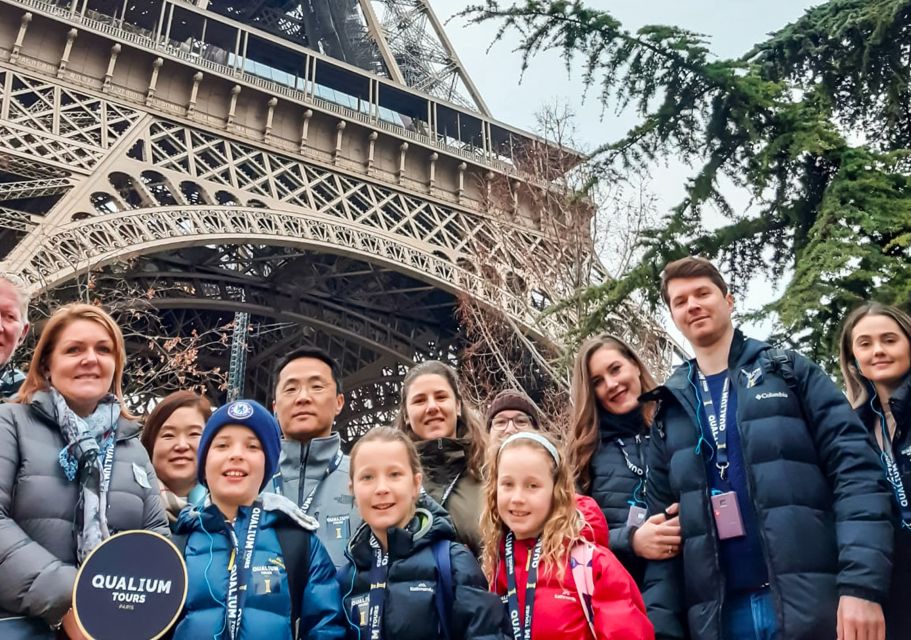
The tour duration is listed as 1 hour to 90 minutes. In real life, that difference can come from crowd levels at security and the elevator system.
One guest mentioned the guide was with them for about an hour, which lines up with the idea that this is a focused experience rather than an all-afternoon sit-and-stare tour. That can actually be a strength. You get a structured intro, a guided climb to a strong viewpoint, and then you’re free to take it in at your pace.
Small group structure matters because it reduces the chaos factor. When you’re in a bigger crowd, you spend energy keeping up. Here, group size is positioned to keep things manageable, so you can ask questions and absorb the stories without the constant pressure of falling behind.
If you’re traveling solo, this format can feel welcoming instead of lonely. A live guide can turn a “go up and look” activity into a shared moment where you learn the places you’re seeing.
Price and Value: Is $69 Worth It?
At $69 per person, you’re paying for three things:
- Guided pacing from the Seine to the tower
- A live English guide who adds context and helps you manage the flow
- Ticketed access with pre-purchased entries designed to reduce friction
If you were doing Eiffel Tower access on your own, you’d still face security checks and elevator lines. The big difference is that a guide helps you avoid the mental overhead: where to meet, where to go next, which elevator lane matters, and what to focus on from each viewpoint.
Is it expensive? Compared to wandering the area for free? Yes. But compared to paying for comfort, structure, and a meaningful explanation while you’re surrounded by one of the most photographed buildings in the world, it’s fairly realistic.
Where the value gets even better is when your visit is time-constrained. This tour’s whole design is for people who want results: panoramic views, history context, and strong photo opportunities without turning your day into a logistics problem.
Weather, Restrictions, and Who This Tour Fits Best
This experience has a few non-negotiables that you should check before you book.
Summit access can be weather-dependent
Wind and weather can affect whether you can actually get to the summit. If summit is your top goal, keep an eye on conditions and be prepared with a backup mindset.
Security rules: pack light
Certain items aren’t allowed: weapons or sharp objects, luggage or large bags, glass objects, and padlocks. If you’re traveling with a big daypack, you’ll want to travel light or plan what you bring accordingly.
Physical suitability matters
This tour is not suitable for:
- People with mobility impairments
- Wheelchair users
- People with altitude sickness
- People over 80 years
Even though this is elevator access, it still involves walking to the meeting point, moving through security, and navigating crowded areas. If any of that could be tough for you, consider a different approach that matches your comfort level.
Expect waiting
The tour notes you may have to wait in line for security and the elevators. Summit ticket holders may also wait on the second floor before the summit elevators. That means your “should we do this now?” decision should be driven more by timing flexibility than by hope.
Should You Book This Eiffel Tower Tour?
Book it if you want a guided, photo-forward Eiffel Tower visit with an English host who helps you understand what you’re looking at and where to focus your time. I’d also recommend it if you’re trying to make the day efficient: meet at a clear point, walk a short route with context, then go up with dedicated access.
Skip it or choose a different plan if:
- You want zero waiting and perfect predictability
- Summit access is a hard requirement and you can’t tolerate weather changes
- You or your group falls into the stated non-suitable categories
- You’re traveling with items that won’t pass the restrictions (like large bags)
If you can travel light, show up on time, and you want more than just a view, this is a solid way to experience the Eiffel Tower without turning your trip into a logistics project.
FAQ
Where is the meeting point for this Eiffel Tower tour?
You meet across the Seine at rue de la Manutention. The instructions say not to go directly to the Eiffel Tower.
How early should I arrive?
Arrive 15 minutes before your selected time.
How long is the tour?
The duration is listed as 1 hour to 90 minutes, depending on the start time and on-site flow.
Is the tour guided, and is it in English?
Yes. It includes a live tour guide and the language is English.
What access do I get with the 2nd floor option?
The included access is to the 2nd floor by elevator.
If I choose summit access, do I go directly to the top?
Summit access is via elevator, but the information notes that summit ticket holders may have to wait in line on the second floor to access the summit elevators.
Do I need to plan for lines?
Yes. The tour notes you may have to wait in line for security and elevators.
Is the walking part difficult?
It includes a short walking tour from Rue de la Manutention to the Eiffel Tower, via the Passerelle Debilly. The experience is not described as a long hike, but it does involve walking around the approach area.
What items are not allowed?
The tour states you can’t bring weapons or sharp objects, luggage or large bags, glass objects, or padlocks.
Is this tour suitable for wheelchair users or people with mobility impairments?
No. It is listed as not suitable for people with mobility impairments and wheelchair users. It also isn’t suitable for people with altitude sickness or for people over 80.
What is the cancellation policy?
You can cancel up to 24 hours in advance for a 50% refund.