REVIEW · PARIS
Marais District of Paris Guided Walking Tour
Book on GetYourGuide →Operated by Babylon Tours LLC · Bookable on GetYourGuide
Marais turns history into an easy walk. In this 2.5-hour guided stroll, you link courtyards, churches, squares, and street corners into one clear story of how the district grew from outside-Paris to right at its center.
I love the way the tour uses big visual anchors like Place des Vosges and the Hotel de Sully courtyard, so you always know what you’re looking at. I also love the stop through the Pletzl area, where the Jewish neighborhood chapter from the 18th and 19th centuries shows up in the streets and businesses, not just in a textbook.
The main thing to consider is logistics and movement: it’s a moderate walk, not really designed for those with walking disabilities or wheelchair use, and you should plan for no large bags inside museums.
In This Review
- Key things you’ll enjoy most
- The Marais you can actually see in 2.5 hours
- Getting your bearings: Saint Paul and Saint Louis, then Hotel de Sully
- Place des Vosges: the square that holds the story together
- The Pletzl and rue des Francs Bourgeois: Jewish Paris in the streets
- Mansion after mansion: how noble homes shaped the Marais look
- Musée Carnavalet and museum rules you should plan for
- Possible detours: Hotel de Ville and Pompidou as a time contrast
- The guides make or break this walk
- Price and value: is $53 a good deal for 2.5 hours?
- Who this tour fits best
- Practical tips so your day stays smooth
- Should you book this Marais walking tour?
- FAQ
- How long is the Marais guided walking tour?
- How much does the tour cost?
- Where does the tour start and end?
- Is this tour a group tour or private?
- How large is the group?
- What languages are available for the live guide?
- Is the tour accessible for wheelchair users?
- Are large bags or luggage allowed?
- Do I need to bring any ID?
- What about food and drinks?
Key things you’ll enjoy most
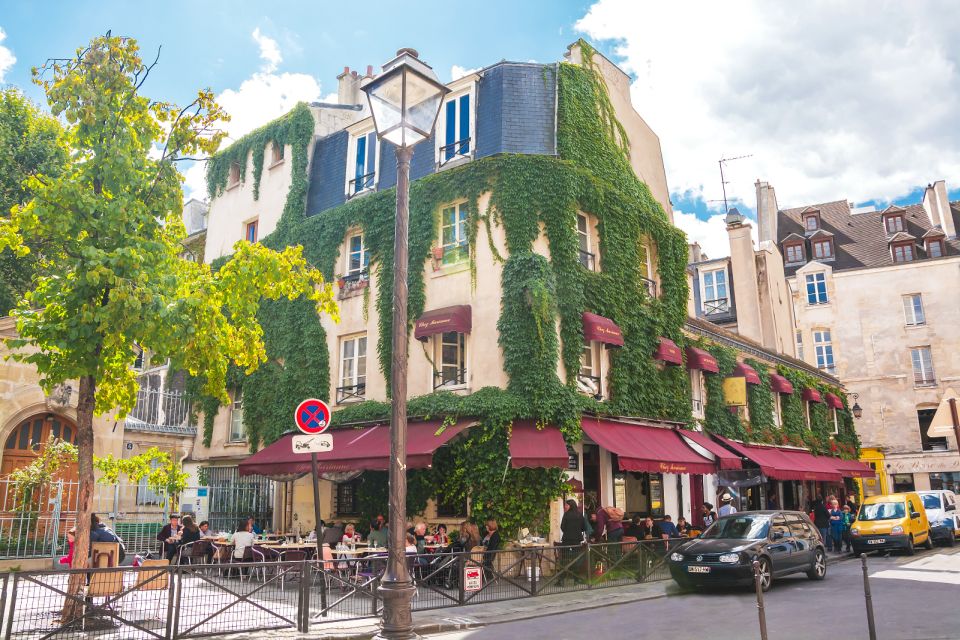
- Small-group pace (max 8 per guide) that makes it easier to ask questions and keep a comfortable rhythm
- Art historian guide focused on architecture, art, and how places connect to people
- Place des Vosges + Hotel de Sully courtyard for classic Marais atmosphere in a short loop
- Pletzl and rue des Francs Bourgeois for a strong Jewish neighborhood story tied to streets and shops
- Mansions and Musée Carnavalet where you can see how the district’s past became a museum-going experience
The Marais you can actually see in 2.5 hours
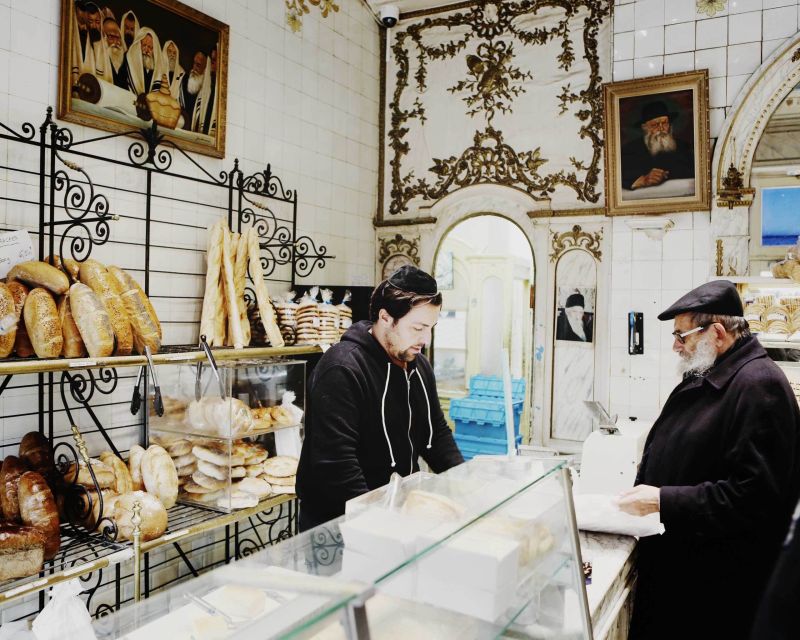
The Marais can feel like a maze when you’re on your own. This tour fixes that fast. In about two and a half hours, you get a walking route that links key spots so the district stops being a scatter of pretty streets and becomes a coherent neighborhood story.
You also get a guide who helps you read what you’re seeing. That matters in the Marais, because the details are the point: courtyards, mansion facades, and the way one square leads into another street. When you know what to look for, you move faster and remember more.
One more practical plus: the group stays intimate. With a maximum of 8 guests per guide, the experience doesn’t turn into a rush-you-forward slideshow. You’re more likely to get real explanations and quick clarifications.
You can also read our reviews of more walking tours in Paris



Getting your bearings: Saint Paul and Saint Louis, then Hotel de Sully
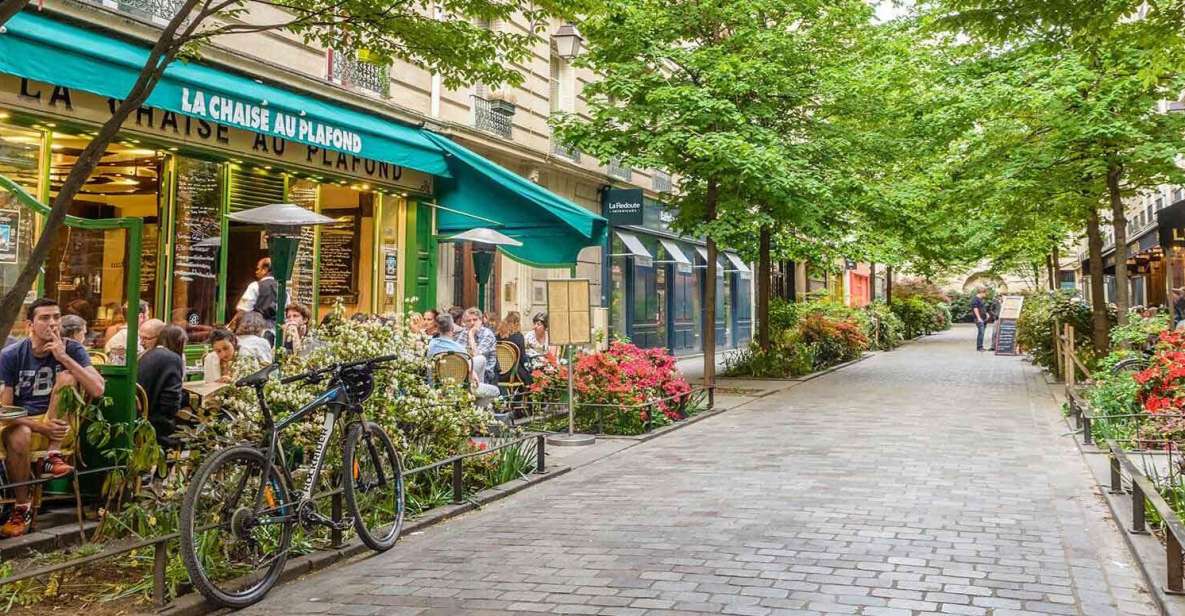
The tour starts by placing the Marais on the map historically. You learn how this area once sat beyond the center of Paris, and how it later became central to city life. That framing is helpful because it explains why you see so many grand buildings and why the neighborhood feels “designed,” not random.
From there, you visit the Church of Saint Paul and Saint Louis. Even if you’re not hunting religious architecture facts, it’s a good anchor. It sets a tone and gives you a point of reference before the walk turns into courtyards and mansions.
Then comes the Hotel de Sully courtyard. This is exactly the kind of stop that makes a guided walk worth it. You’re not just seeing a name on a sign. You’re stepping into a space that feels tied to power and domestic life, which helps the Marais story move from abstract history to real place.
Place des Vosges: the square that holds the story together

After the early stops, you reach Place des Vosges. This is one of those Paris squares that works at any pace. Even if you think you’ve already seen it in photos, being there helps—because you can feel the symmetry and how it functions as a public square.
The tour uses Place des Vosges as a turning point. It’s not just scenic. It’s a place where you can mentally reset and absorb the district’s “royal history” theme. You’re in a space that has long served as a civic stage, so it’s easy to understand why the Marais developed the way it did.
A good guide also helps you notice what surrounds the square and how the surrounding streets funnel you forward. If you’ve ever left a square thinking, OK, now what, this stop solves that problem.
The Pletzl and rue des Francs Bourgeois: Jewish Paris in the streets
This part is a big reason people book the Marais walk. The tour moves into the Jewish neighborhood chapter and explains how it put the Marais on the map through the 18th and 19th centuries.
You pass through the Pletzl area. The emphasis here isn’t only on history, it’s on the feel of the neighborhood: bakeries and boutiques, plus the day-to-day street energy that comes from businesses lining the route. That blend of past and present is what makes this section land.
Then you continue to rue des Francs Bourgeois. The street experience matters because it helps you connect the story to physical geography. A neighborhood identity isn’t just what happened centuries ago. It’s also what people built, ran, and sustained afterward.
And yes, the tour includes a more reflective moment too: you may stroll past artistic tomb stones and graves. That can be surprisingly powerful on a walking route, because it slows the pace for a minute and reminds you this district isn’t only about mansions and squares—it’s also about communities with memory.
Mansion after mansion: how noble homes shaped the Marais look
One of the easiest ways to miss the Marais is to treat it like a photo hunt. This tour keeps pulling you back to function: mansion after mansion, former homes to nobility, and how those big properties shaped the neighborhood’s character.
As you walk, you start noticing patterns. Courtyards and building layouts make more sense when you have a guide giving the “why” behind what you see. Instead of guessing, you learn how the Marais grew into a place where power lived close to everyday life.
The payoff is that the Marais becomes legible. You stop thinking, I’m walking from pretty thing to pretty thing, and start thinking, I’m moving through a district with a clear social structure.
You can also read our reviews of more guided tours in Paris






Musée Carnavalet and museum rules you should plan for
The tour may include a stop connected to Musée Carnavalet, which you’ll find is a highly worthwhile option. This is the point where the Marais moves from street-level impressions to curated collections and formal interpretation.
One thing to know going in: museum security and room rules matter on this route. You’ll see notes about what’s allowed inside—no large bags, and only handbags or small thin backpacks through security. That’s not the kind of rule you want to discover mid-walk, so plan your packing early.
There are also occasional closures from museum management. When that happens, you’ll be given an appropriate alternative. In other words, you won’t be left standing around with nothing to do.
Some museum rooms require quiet. Your guide will explain what to expect before you enter those spaces. That’s a small detail, but it helps the visit feel respectful and not like a hurried stop.
Possible detours: Hotel de Ville and Pompidou as a time contrast
Some departures introduce you to architectural landmarks from very different periods—like Hotel de Ville and the Pompidou Center. Even though the Marais is the star, these add-ons help you zoom out.
Hotel de Ville (City Hall) gives you a civic anchor. It helps you connect the neighborhood story to government and public power. Pompidou is the contrast: a modern landmark that shows how Paris can rewrite its image without erasing what came before.
If you’re the kind of person who likes variety, these possible additions give the route a “then and now” feeling. And if you’re here mainly for old Paris, the core Marais stops still do the heavy lifting.
The guides make or break this walk
The strongest praise across guide experiences is about communication and energy—especially the way guides turn architecture and characters into something you can picture in your head.
You might meet guides such as Eden or Agustina. In the best moments, they keep the stories clear and the pacing friendly, so the two and a half hours don’t drag. One of the consistent themes is that the time passes quickly because you’re always learning something specific, not just hearing general background.
An art historian guide also changes the feel of the walk. Instead of vague commentary, you get explanations tied to what you’re physically standing in front of—courtyards, churches, squares, and mansion streets.
Price and value: is $53 a good deal for 2.5 hours?
At $53 per person for a 2.5-hour walking tour, you’re paying for more than someone walking you around. You’re paying for an art historian guide, a small-group limit, and a route that hits several major Marais themes in one session.
The value is highest if you:
- want help understanding what you see (courtyards, mansions, squares)
- prefer a focused route over self-guided guesswork
- like historical context tied to streets
If you’re traveling with kids who won’t sit through explanations, or if you already know the Marais well and just want to roam, you might feel this is more “teaching” than “free time.” But if you like structured time in a dense neighborhood, the pricing makes sense.
Also note what’s not included. Food and drinks aren’t part of the price. So treat this like a walking and learning block. Plan for snacks outside the tour if you need them.
Who this tour fits best
This Marais walking tour is a strong match for people who:
- enjoy history that connects directly to architecture and street layout
- want a small group experience
- like walking routes that feel organized, not random
It may not be the best choice if you:
- need wheelchair-friendly access. The route involves a moderate amount of walking, and the information provided says it’s not accessible for those with walking disabilities or wheelchair use. Wheelchair tours are listed as available only on request, so you’ll want to confirm what’s possible before booking.
- plan to carry large luggage. Large bags aren’t allowed, and museum security has limits.
Practical tips so your day stays smooth
This is one of those tours where preparation keeps things pleasant.
Bring a passport or ID card, and also have valid photo ID with you. Pack only what you can comfortably manage on a walking route. For museums, stick to handbags or small thin backpacks. And if you hate awkward surprises, double-check bag size before you leave your hotel.
Wear shoes for moderate walking. The tour is designed for walking, not for rolling suitcases along cobblestones.
If you’re sensitive to quiet spaces, remember that some museum rooms require quiet and your guide will tell you what to expect before you enter.
Should you book this Marais walking tour?
If your goal is to understand the Marais instead of just photographing it, I think this one is worth booking. The strongest reasons are the small group size and the focus on architecture and art-historian style explanations. Stops like Place des Vosges, the Church of Saint Paul and Saint Louis, and the Hotel de Sully courtyard give you classic Marais visuals, while the Pletzl and rue des Francs Bourgeois section adds a community history you can feel in the street-level atmosphere.
Book it if you want structure, stories, and a route that makes the neighborhood make sense fast. Skip it if mobility is a big constraint for you or if you need a more flexible, unstructured stroll.
And with an average rating of 4.9 from 17 ratings, you’re in pretty safe territory—especially if you value clear guiding and a pace that doesn’t steamroll your questions.
FAQ
How long is the Marais guided walking tour?
The tour lasts 2.5 hours.
How much does the tour cost?
The price is $53 per person.
Where does the tour start and end?
The meeting point may vary depending on the option booked, and the tour ends back at the meeting point.
Is this tour a group tour or private?
Both options are available, including private and semi-private tour options, with private group availability.
How large is the group?
There is a maximum of 8 guests per guide for a more intimate experience.
What languages are available for the live guide?
Guides are available in German, Spanish, English, Italian, French, and Russian.
Is the tour accessible for wheelchair users?
The information provided says the tour is not accessible for those with walking disabilities or using a wheelchair, though wheelchair tours are available only on request. You should confirm options ahead of time.
Are large bags or luggage allowed?
No large bags are allowed. Also, inside museums only handbags or small thin backpacks are allowed through security.
Do I need to bring any ID?
Yes. Bring a passport or ID card, and please bring valid photo ID.
What about food and drinks?
Food and drinks are not included.