REVIEW · PARIS
Louvre Museum Entry Ticket and Private Guided Tour
Book on GetYourGuide →Operated by TourUpinEurope · Bookable on GetYourGuide
A museum this big can eat your day. A private Louvre guided tour keeps you focused on the works that matter, with a plan that saves real time inside the largest art gallery in the world. You’ll combine your ticket with a route designed to get you in front of famous highlights like the Mona Lisa, Venus of Milo, and Winged Victory of Samothrace, plus the behind-the-scenes stories that make art feel personal.
I especially like the pacing here. You get a guide who can explain what you’re seeing and point out details you’d probably miss on your own. Second, I like the way the tour is built for variety: big-name masterpieces, plus plot-heavy artist tales involving Leonardo da Vinci, Caravaggio, Veronese, and Botticelli.
The main drawback is simple: at 3 hours, you can’t see everything. The Louvre’s collection is so vast it takes a month just to get through it at a reasonable pace, so this tour is about smart highlights, not checking off every room.
In This Review
- Key things to know before you go
- Why a Private Louvre Tour Makes Sense in 3 Hours
- The 3-hour reality check
- Meeting at Palais Royal: Find Mr. Lama Leonardo
- Security Checks and Getting Set for a Smooth Start
- First Stops: Mona Lisa, Venus of Milo, and Fast-Finding Famous Works
- When the guide makes the difference
- Leonardo da Vinci Meets the Real Louvre: How You’ll Learn to Look
- Botticelli’s Same Woman Idea: A Fun Way to Track Visual Themes
- Caravaggio and Veronese: Scandal, Religion, and Why Stories Matter
- Why this kind of context is worth your money
- Winged Victory of Samothrace: The Moment You’ll Remember
- Photo Rules, Bags, and Basic Museum Realities
- Price and Value: What $365 Buys You (and What It Doesn’t)
- When this is worth it
- Who This Tour Suits Best (Kids, Couples, and First-Timers)
- Should You Book This Louvre Private Guided Tour?
- FAQ
- How long is the Louvre tour?
- Is the Louvre entry ticket included?
- Where do I meet the guide?
- What’s included and not included?
- Can I take photos and videos in the Louvre?
- Is it wheelchair accessible?
Key things to know before you go
- A private route through the Louvre so you’re not wasting time hunting for the classics
- Iconic must-sees like Mona Lisa, Venus of Milo, and Winged Victory of Samothrace in one focused visit
- Artist stories with context, including Caravaggio’s scandals and Veronese’s risky religious scenes
- Leonardo and Botticelli details that help you understand what you’re looking at, not just who painted it
- Multiple languages available (English, Spanish, Russian, French, Italian, Chinese, German, Japanese, Korean)
- Clear meeting point: by the Palais Royal – Musée du Louvre metro exit, next to the glass cube with Mr. Lama Leonardo
Why a Private Louvre Tour Makes Sense in 3 Hours
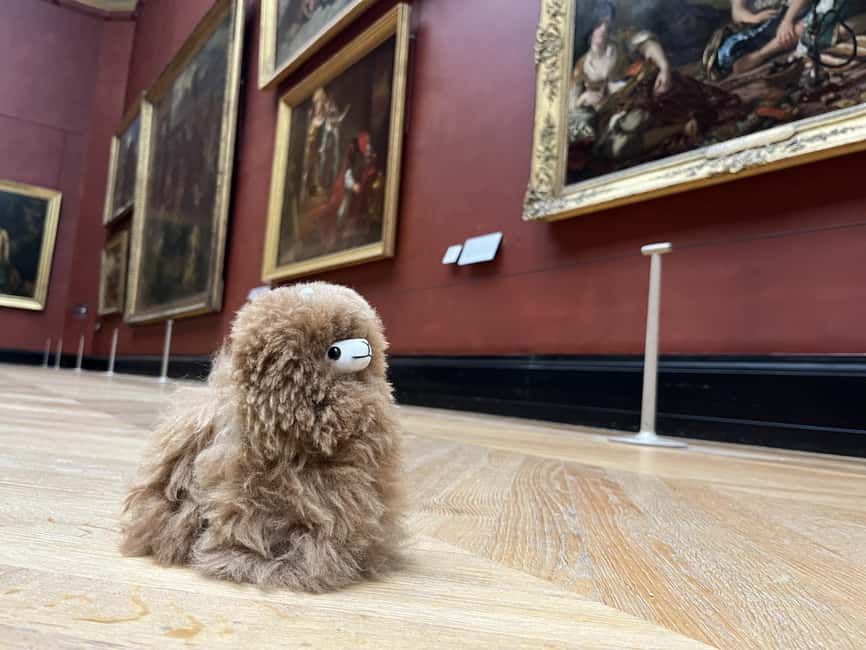
The Louvre can feel like a choose-your-own-adventure with no map. With an experienced guide, you trade that stress for a route that aims straight at recognizable masterpieces and the key ideas behind them.
What I like most is the payoff per minute. In a 3-hour window, you’re not just seeing famous paintings and sculptures—you’re learning how to read them. You’ll also get the kind of direction that helps you avoid the most common problem: wandering into rooms that look beautiful but don’t match your priorities.
You can also read our reviews of more tours and experiences in Paris



The 3-hour reality check
This is a highlight tour. If your goal is to cover the entire museum, you’ll need more time. If your goal is to see the works that have shaped pop culture for centuries—and understand why—3 hours can be exactly right.
Meeting at Palais Royal: Find Mr. Lama Leonardo
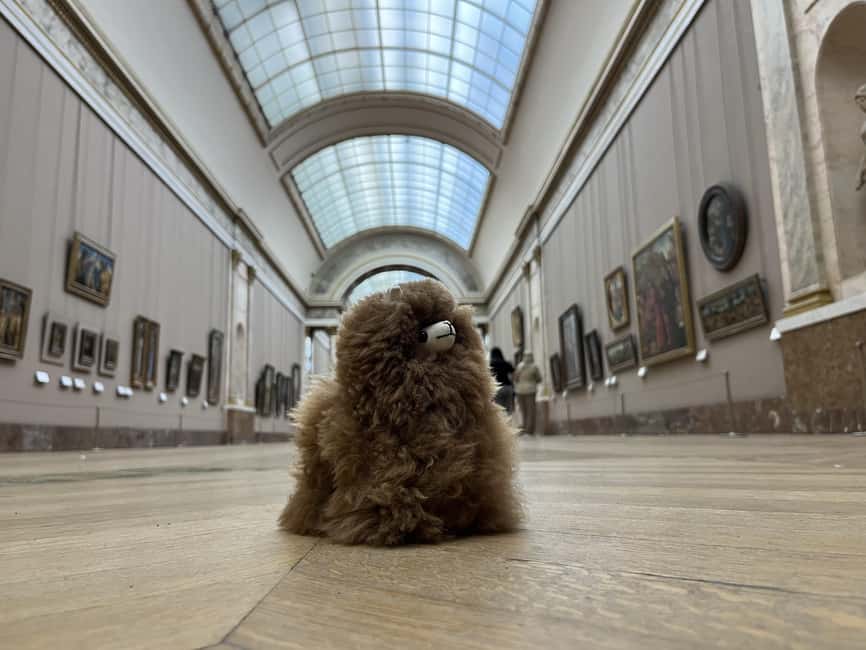
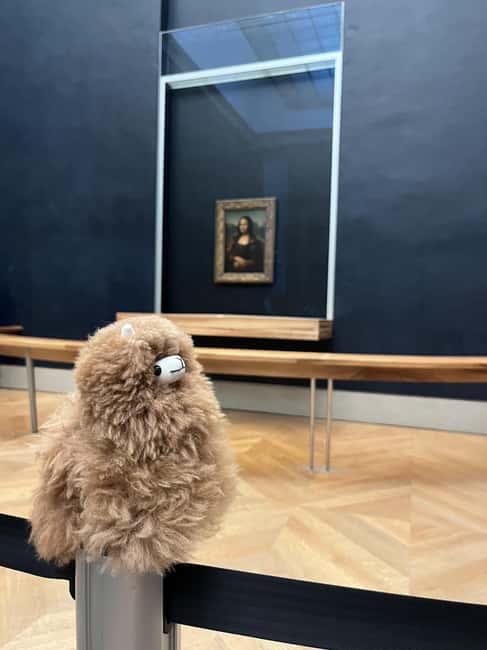
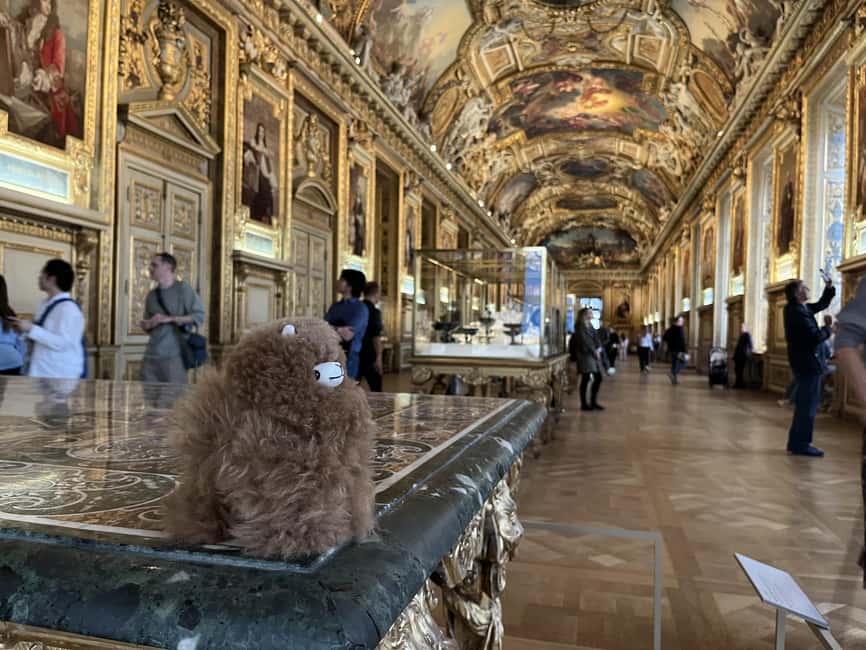
You meet near the Palais Royal – Musée du Louvre metro station exit. Look for the guide with the stuffed lama mascot, Mr. Lama Leonardo, standing next to the glass cube.
This matters more than it sounds. In a museum complex this busy, having a clear landmark at the start reduces the “where are they?” scramble. Once you’re with your guide, the tour’s momentum usually carries you into a smoother entry and a faster start.
Security Checks and Getting Set for a Smooth Start
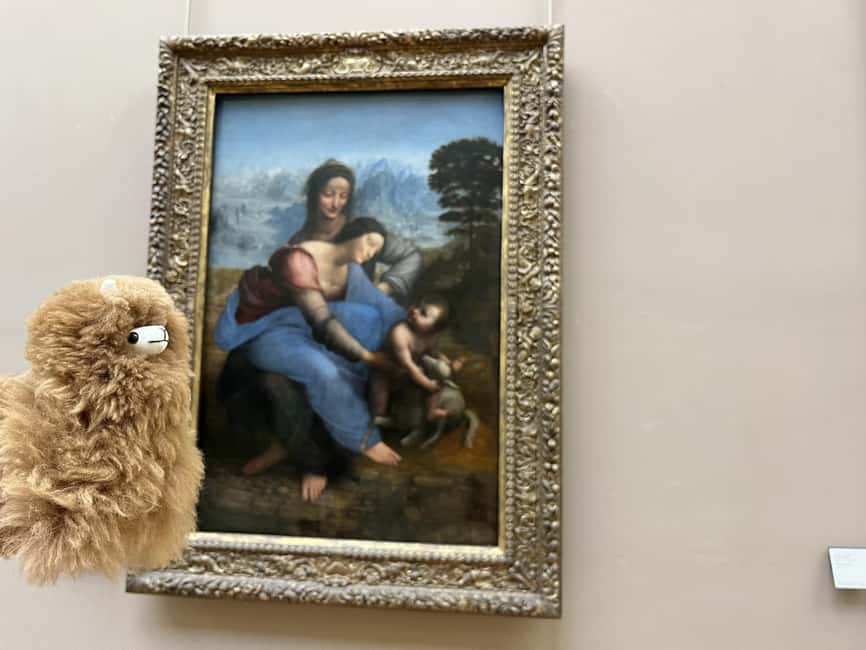
Before you enjoy the art, you’ll have to get through museum security checks at the entrance. It’s a good idea to show up with time to spare, especially since this tour doesn’t include transportation.
Also plan for the tour rules right from the start. You can take photos and videos in the permanent collections for personal use, but no selfie sticks, and no flash or lighting. Temporary exhibition areas may have different rules for certain works.
First Stops: Mona Lisa, Venus of Milo, and Fast-Finding Famous Works
The early phase of this tour is all about landing in front of the classics. You’ll stand in front of Mona Lisa, Venus of Milo, and other crowd magnets that you’ve likely seen in books, online, or on TV.
The big win is that you’re not just looking—you’re being guided. A good guide helps you focus on what makes these pieces important: composition, expression, pose, and the historical reasons people kept returning to them for centuries.
You can also read our reviews of more guided tours in Paris






When the guide makes the difference
If you’ve ever visited a major museum and felt like you were “just doing the photos,” you’ll appreciate this format. With a private guide, you can pause where it makes sense, instead of moving at the speed of the slowest group.
You’ll also get help spotting the things that don’t jump out from a distance. That’s the difference between seeing a famous painting and understanding what viewers have been arguing about for generations.
Leonardo da Vinci Meets the Real Louvre: How You’ll Learn to Look
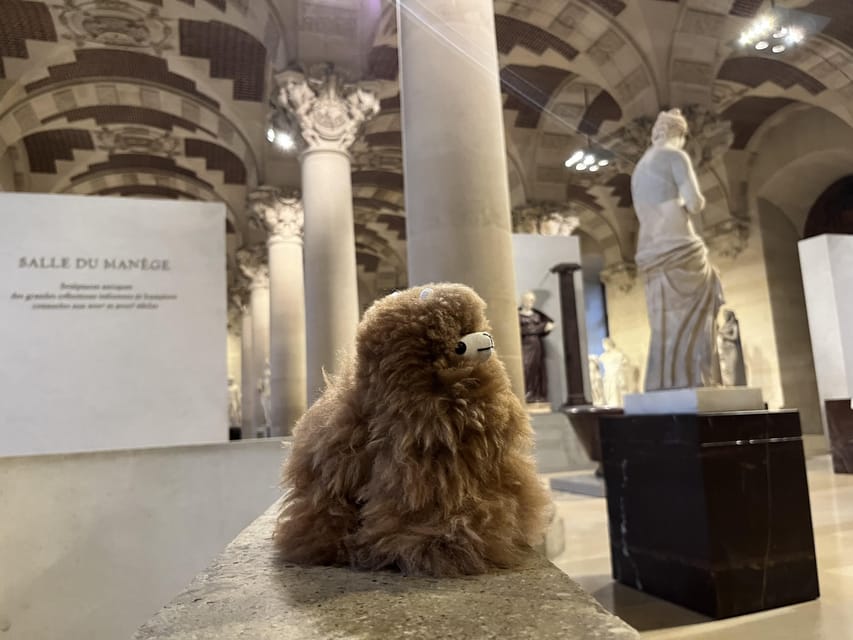
This tour doesn’t treat Leonardo as a name on a wall. You’ll hear key details connected to Leonardo’s work and what they might mean, including stories about hidden meaning and why certain images became art world landmarks over time.
One highlight is the attention paid to Lisa Giocondo, the portrait behind the Mona Lisa mythos. Instead of treating it like a single famous face, the guide’s explanation helps you connect the portrait to the broader questions people raise about Leonardo’s choices.
You’ll also get context that makes other works easier to approach. Leonardo’s influence is everywhere in the Louvre, and once you learn how a guide points you toward details, the rest of the museum starts feeling less like chaos.
Botticelli’s Same Woman Idea: A Fun Way to Track Visual Themes
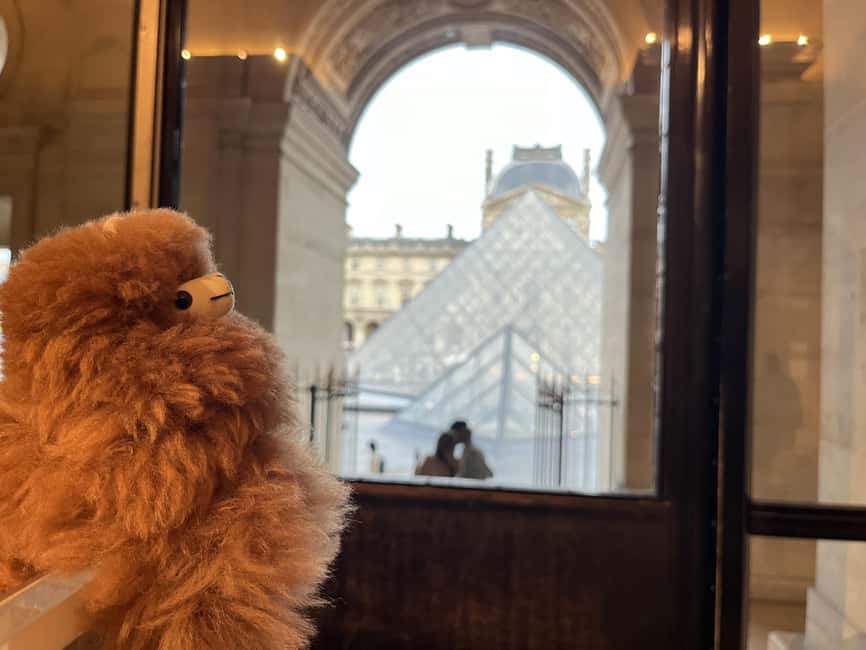
Botticelli is a great example of why this tour can feel smarter than a self-guided run. You’ll learn about why Botticelli’s paintings often feature the same woman, and how that recurring figure functions in his work.
This is a practical way to experience the Louvre. When you leave a gallery knowing what to look for, the next painting isn’t a blank page. It becomes a continuation of an idea, even if you’re moving fast.
And if you tend to skim labels on your own, a guide solves that. You’ll connect the visual choices to the stories being told, which makes the art stick.
Caravaggio and Veronese: Scandal, Religion, and Why Stories Matter
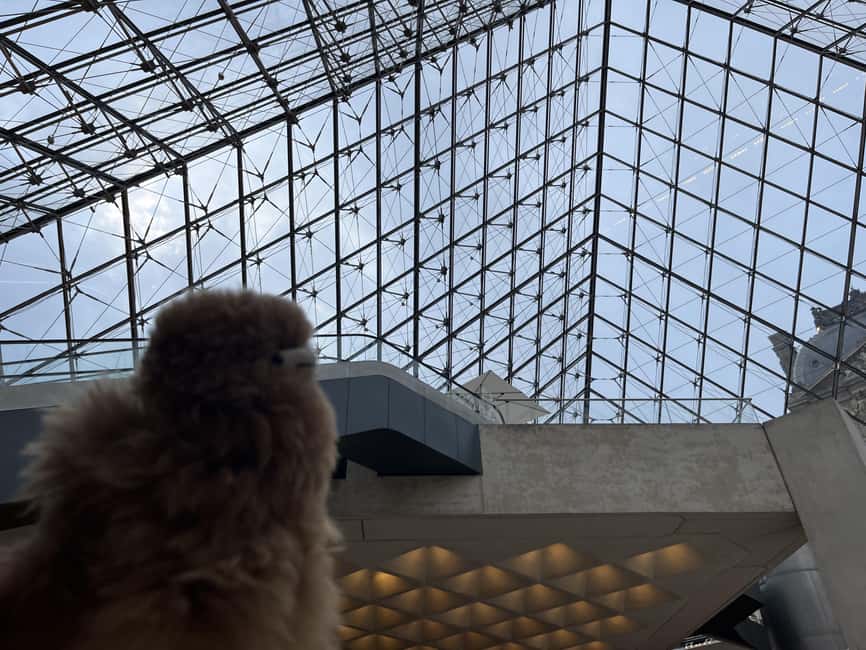
This is where the tour starts to feel like a live lesson instead of a museum walk.
You’ll hear stories about Caravaggio, including the contrast between his reputation and the spirituality expressed in his art. The idea isn’t to reduce the paintings to gossip—it’s to help you understand why his figures can feel so intense, human, and emotionally charged.
Then there’s Veronese. You’ll learn why Veronese was almost condemned by the Inquisition for his depiction of Christ. Whether you come in religious or not, that kind of pressure changes how you view the artwork. It turns the painting into an object with stakes, not just an image on a wall.
Why this kind of context is worth your money
On a self-guided visit, you might understand the subject matter but miss the stakes around it. With a guide explaining the social and religious friction, you get a layer you can’t reliably pull from a museum placard alone.
Winged Victory of Samothrace: The Moment You’ll Remember
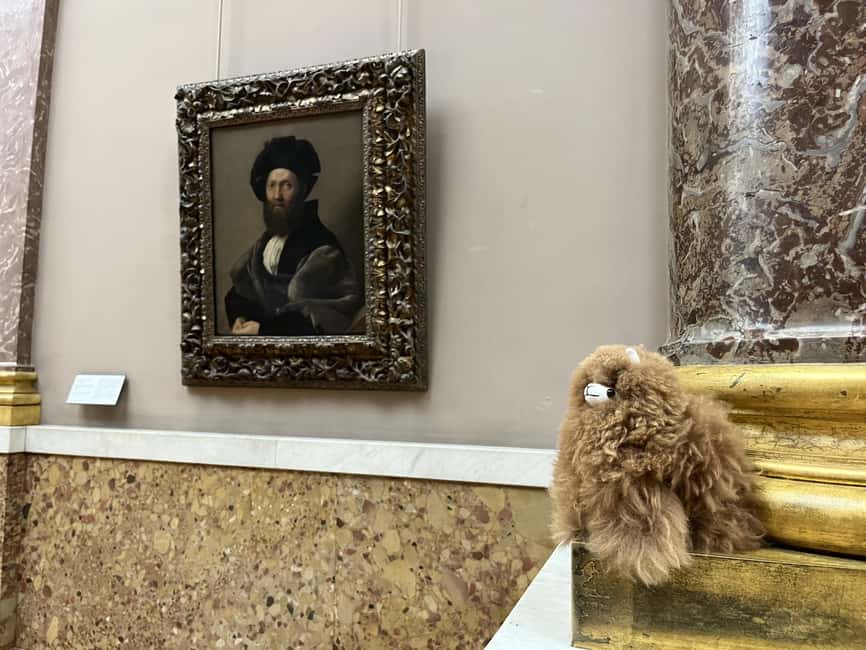
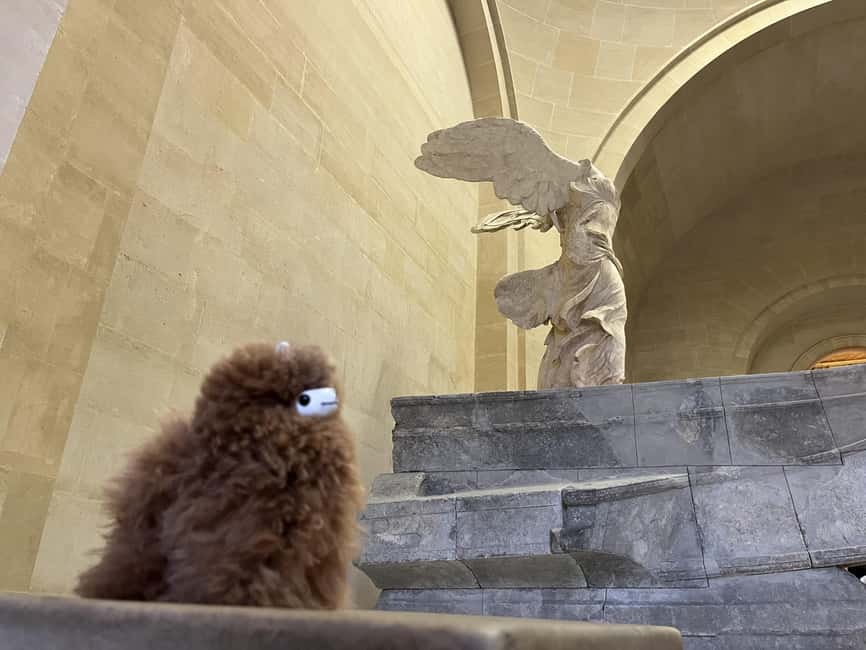
The tour also includes a stop for Winged Victory of Samothrace, one of the most striking sculptures in the Louvre. This is the kind of work where you instinctively stop, even if you came planning to keep moving.
The key value here is attention. A guide helps you notice what you’d otherwise walk past: how the pose reads, how movement is implied, and why the sculpture’s presence feels dramatic even without words.
In a museum packed with paintings and crowds, that pause can become the emotional anchor of your whole visit. And for many people, it’s one of the best examples of why seeing art in person beats seeing it online.
Photo Rules, Bags, and Basic Museum Realities
You’ll want to plan your day around the Louvre’s rules.
- Photos/videos are allowed in the permanent collections for personal use.
- No selfie sticks, and no flash or lighting.
- Temporary exhibitions may restrict photography in certain galleries.
Also be ready for what you can and can’t carry. Luggage or large bags aren’t allowed. Pets aren’t allowed either, though assistance dogs are.
If you’re traveling with a bulky daypack, I’d keep it light. It’ll make security easier and reduce the chance you spend your best energy managing belongings instead of focusing on the art.
Price and Value: What $365 Buys You (and What It Doesn’t)
At $365 per person for a 3-hour private guided experience, the price is not cheap. But it’s also not random.
Here’s what you’re buying:
- A private guide who can take you where you want to go
- A Louvre ticket included with the experience
- The time-savings and focus that come with not guessing your own route
What you’re not buying: transportation.
When this is worth it
I think the value clicks if you fit one of these scenarios:
- You really want the big hits and also want to understand them
- You’re traveling with kids who can enjoy stories for a short, structured time
- You prefer a plan that reduces decision fatigue inside a maze-like museum
One small caution: because it’s private and short, you’ll likely leave wanting more if you love slow wandering. This tour is best for people who want the highlights plus meaning, not a full museum marathon.
Who This Tour Suits Best (Kids, Couples, and First-Timers)
This experience can work well for a range of travelers because it’s flexible in the way a private guide can adjust pacing. In one case, the tour pairing worked especially well with a nine-year-old art enthusiast and a guide who kept children entertained throughout.
For younger kids, it might be less ideal. If you have a very small child who needs frequent breaks and very short attention spans, you might find 3 hours a stretch for the whole group.
If you’re a first-time Louvre visitor, this is also a smart “foundation tour.” You’ll see major works and learn what to notice, which makes any follow-up self-guided time more satisfying.
Should You Book This Louvre Private Guided Tour?
If you want a focused Louvre visit where you confidently see the key masterpieces and understand the stories behind them, this is a strong choice. The meeting setup, the included ticket, and the private guide all point to a smoother visit than going it alone.
I’d book it if you’re short on time, dislike getting lost, or want your visit to feel like more than a photo stop. I’d skip it—or choose a longer format—if your goal is to cover lots of galleries without structure.
FAQ
How long is the Louvre tour?
The tour lasts 3 hours.
Is the Louvre entry ticket included?
Yes. The ticket is included along with the guided tour.
Where do I meet the guide?
Meet next to the Palais Royal – Musée du Louvre metro station exit. Look for the guide with the stuffed lama mascot, Mr. Lama Leonardo, standing next to the glass cube.
What’s included and not included?
Included: guided tour and Louvre ticket. Not included: transportation.
Can I take photos and videos in the Louvre?
You can take photos and videos in the permanent collections for personal use. No selfie sticks, flash, or lighting. In temporary exhibition galleries, photography or video may be prohibited for certain works.
Is it wheelchair accessible?
Yes, the museum is wheelchair accessible, and the activity is described as wheelchair accessible.