REVIEW · PARIS
Paris: Choux Pastry and Chocolate Éclair Making Class
Book on GetYourGuide →Operated by Le Foodist · Bookable on GetYourGuide
Éclairs get easier with real technique. In the Latin Quarter near Notre-Dame, this small-group class at Le Foodist turns classic baking into a hands-on skill you can actually repeat at home. You’ll pipe and finish your own chocolate éclairs and cream puffs, not just watch from the sidelines.
The payoff is what you learn to make, step by step: crème pâtissière and chantilly, plus foolproof choux pastry. I like that the instructors keep the mood light while still teaching with precision—names you might see include Stefan and Florence, known for clear, high-energy instruction.
One consideration: kids rules are strict here. If anyone in your group is under 12, they can’t enter the kitchen, so this is a better fit for teens/adults than for younger families.
In This Review
- Key highlights you’ll feel in your hands
- Entering Le Foodist: a Latin Quarter baking workshop
- What you’ll learn: pâte à choux, crème pâtissière, and chantilly
- Pâte à choux: the dough that needs confidence
- Crème pâtissière: the custard base with structure
- Chantilly: whipped cream done the French way
- The class rhythm: mixing, piping, baking, and filling
- Start with a warmup you actually need
- The choux work: practice makes pastry
- Make your chocolate éclairs and your choux puffs
- Filling and finishing: where taste meets technique
- Tea time stories at the end: the fun part with a purpose
- Instructor style matters: high energy, clear steps, and patience
- Small groups and the value of being corrected early
- Price and value: what $151 buys you (and why it’s fair)
- Where this class fits in your Paris plan
- Who should book this éclair and choux class
- Who might want to reconsider
- Should you book this Paris choux pastry class?
- FAQ
- How long is the Paris choux pastry and chocolate éclair class?
- Where is the meeting point?
- Is the class taught in English?
- What will we make during the class?
- How big is the group?
- Are children allowed to join?
- Are recipes included?
Key highlights you’ll feel in your hands
- Small groups (3–7 in class, up to 8 total) mean you get real feedback while you pipe
- Hands-on focus for about 2 hours building choux pastry and the two classic fillings
- Two must-know bases: crème pâtissière and chantilly, taught from scratch
- You practice piping until it clicks, then apply it to chocolate éclairs and choux puffs
- Tea time with cultural stories from a native French instructor during the tasting break
- Take-home box of your own pastries, plus English recipes in hard copy and electronically
Entering Le Foodist: a Latin Quarter baking workshop
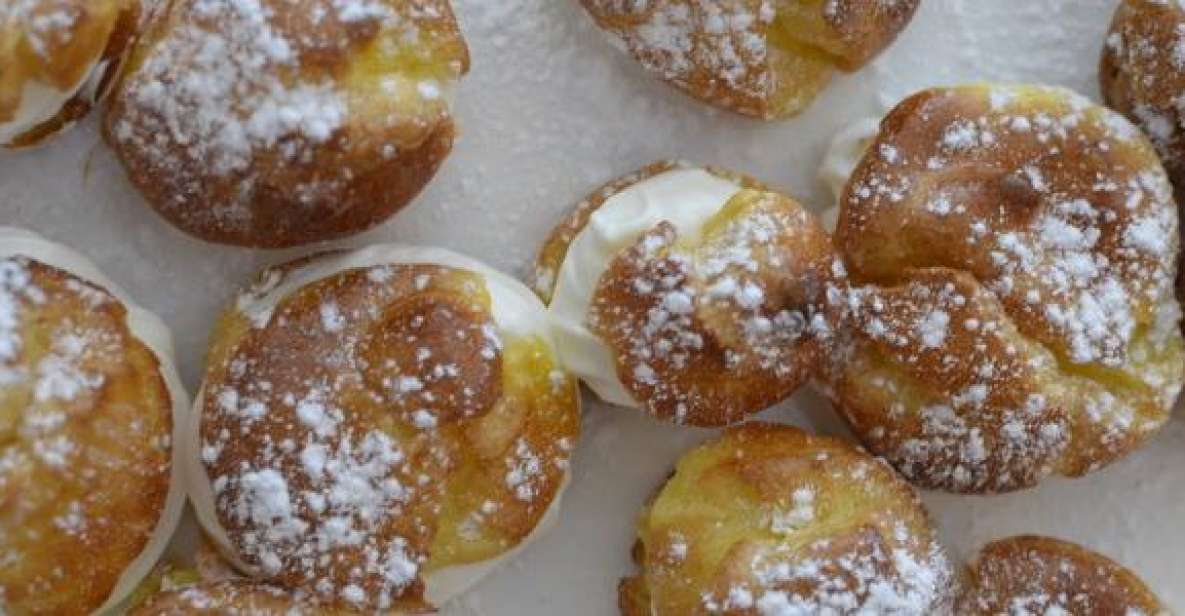
This class happens at Le Foodist, 59 rue Cardinal Lemoine, in Paris’s Latin Quarter. If you’re using Notre-Dame as your anchor point, you’ll be close enough to roll from sightseeing mode into flour-dusted kitchen mode without wasting time.
The room is set up for learning, not for show. You’ll start with a welcome refreshment and meet your fellow bakers before you jump into the mixing and shaping. That small social warm-up matters because choux pastry rewards focus—when you’re calm, your dough behaves better.
And since the group is kept intentionally tight—classes often run between 3 and 7 people—you get more instructor attention than you would in a big tour bus classroom. That’s one of the biggest practical differences between a true hands-on class and a quick demo.
You can also read our reviews of more tours and experiences in Paris



What you’ll learn: pâte à choux, crème pâtissière, and chantilly
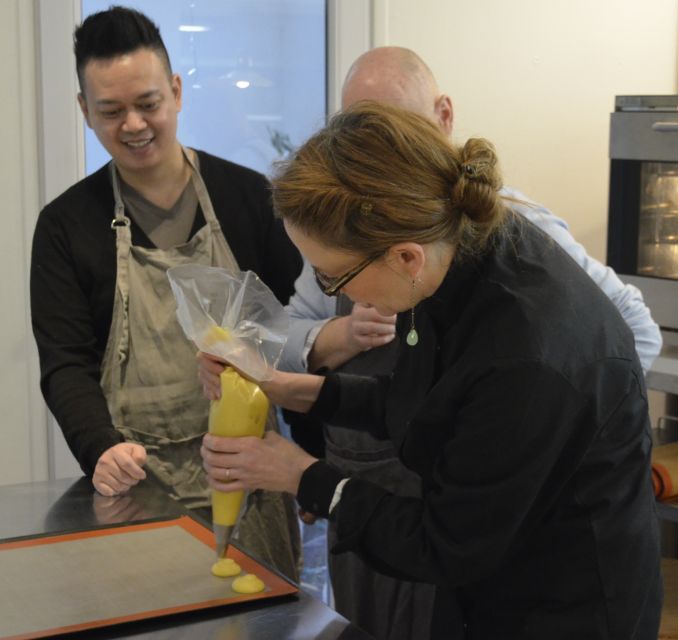
This class is built around the classic foundations that show up everywhere in French pastry. Expect to work on pâte à choux, then move into crème pâtissière, and finish with chantilly. These are the building blocks behind éclairs, profiteroles (cream puffs), and countless variations.
Pâte à choux: the dough that needs confidence
Pâte à choux looks simple on paper: flour, water, eggs. In real life, it’s about timing and texture. You’ll learn how to make the choux dough from scratch and how to treat it so it bakes up right—light, hollow inside, and ready for filling.
If you’ve ever had choux pastry come out dense or collapsed, this is where you want training. The teaching approach here is meant to give you the technique plus the logic, so you know what to look for as your dough changes.
Crème pâtissière: the custard base with structure
Crème pâtissière is not just sweet cream—it’s a custard that holds shape. You’ll make it during the class, and you’ll learn how it thickens and how to bring it to the right consistency.
This matters because the filling isn’t an afterthought. In an éclair, the custard needs to be stable enough to pipe cleanly, but smooth enough to taste luxurious.
Chantilly: whipped cream done the French way
Chantilly is whipped cream, but the difference is in how it’s whipped and used. You’ll learn how to prepare it and how it fits into the bigger picture of French pastry fillings.
In a lot of cooking classes, dessert becomes a series of steps. Here, the fillings feel connected: you learn how each one behaves so your finished pastries don’t just look good—they deliver the right mouthfeel.
You can also read our reviews of more tours and experiences in Paris




The class rhythm: mixing, piping, baking, and filling
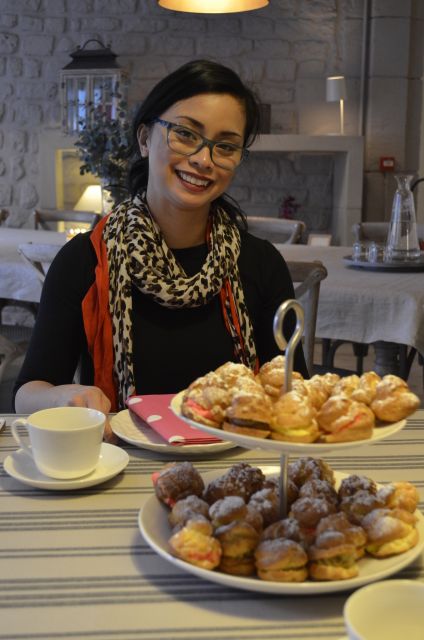
A 3-hour class can sound short, but the structure here is efficient. You’ll spend about 2 hours hands-on following the instructor’s guidance, then you’ll sit down for tea time and stories.
Start with a warmup you actually need
Before the baking starts, you’ll get a quick welcome and time to connect with the group. You’ll also get your apron and the cooking equipment you need. That initial setup helps you jump right into the work instead of spending the first part of the class figuring out tools and stations.
The choux work: practice makes pastry
Once you’re into choux pastry, you’ll focus on fundamental techniques. The goal isn’t to rush to the finish. It’s to get the piping technique right and understand how your dough should behave when you transfer it to the tray.
Piping is where most people feel the difference between reading a recipe and being shown the motion. This class gives you that chance to repeat the technique under supervision, which is a huge deal for a pastry like choux that depends on consistent handling.
Make your chocolate éclairs and your choux puffs
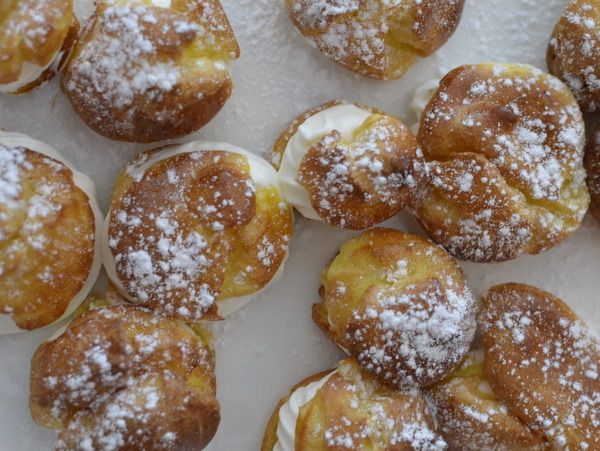
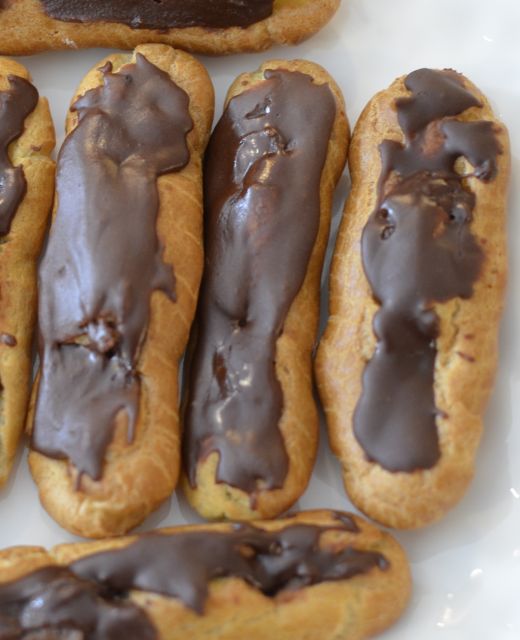
After the building blocks, you’ll apply what you’ve learned. You’ll create your own chocolate éclairs and cream puffs using your choux dough and the fillings you’ve prepared.
The fun part is that you’re not just making one dessert. You’re learning a workflow that can generate a whole family of pastries. Once you understand choux dough and filling strategy, you’re no longer boxed into one shape or one flavor.
Filling and finishing: where taste meets technique
The best éclairs don’t just taste good. They have a structure: crisp outside, tender inside, and filling that doesn’t taste watery or separate. By working through the recipes during the class, you’ll understand how the custard and chantilly work together with the choux.
And yes—you’ll be able to take your results home. You’ll leave with a takeaway box packed with your own pastries, so the class doesn’t end at the final bite.
Tea time stories at the end: the fun part with a purpose
You’ll pause for tasting during tea time. Tea, coffee, and organic fruit juices are part of the break. This is when the class turns from making into enjoying, and it’s also when the instructor shares stories.
A native Frenchman (the class host) joins in with cultural and pâtisserie stories that tend to be tongue-in-cheek. It’s not just entertainment. It gives context to why these pastries are treated like serious craft in France—craft you can learn, not just buy.
You’ll also likely hear stories tied to traditional choux pastry techniques and showpiece styles. One example from past experiences is the swan-style choux presentation, the kind of old-school pastry design you used to see in more classic patisseries. Whether you’re a history nerd or you just like desserts, that “this is why people care” moment sticks.
Instructor style matters: high energy, clear steps, and patience
What people remember most about a baking class isn’t the recipe name. It’s whether the instructor can teach it in a way you can follow while your hands are covered in dough.
The instruction here is aimed at clarity and momentum. In past sessions, instructors like Stefan have been described as high energy and easy to understand, with individual attention for each guest. Others, including Florence, have earned praise for excellent English instruction and for sharing culinary secrets that feel genuinely useful later.
A big theme in the better reviews: the teaching doesn’t treat beginners like they’re in the way. It’s structured for mixed experience levels, so first-timers can keep up while more confident bakers still get challenged by technique.
If you’re the type who likes to learn the why behind the recipe—not just the what—this kind of class pacing will feel like a good fit.
Small groups and the value of being corrected early
Here’s the practical advantage of the limited group size: you get corrected earlier.
Choux pastry mistakes tend to compound. If the dough consistency is off and you pipe anyway, the bake can suffer. If filling is too runny, it can leak. With a smaller group, the instructor can spot those issues while there’s still time to adjust your approach.
That’s why this class works for both casual cooks and serious bakers. Casual cooks get confidence fast. Serious bakers get feedback that helps tighten technique rather than just follow steps.
And because it’s all taught in English, you’re not stuck guessing which instruction matters most. English teaching plus hands-on guidance is the combo that makes a short class worth your time.
Price and value: what $151 buys you (and why it’s fair)
At about $151 per person for roughly 3 hours, this isn’t a “grab a pastry and go” experience. You’re paying for a proper lesson, a controlled kitchen environment, and access to technique-focused instruction.
You also get value that many DIY lessons skip:
- English recipes in hard copy and electronic form
- Use of all cooking equipment and an apron
- A structured class covering key foundations (choux, crème pâtissière, chantilly)
- Your own finished pastries to take home in a box
When you compare that to trying to learn choux pastry from scratch in Paris—buying ingredients, troubleshooting dough texture, and wasting time—this class becomes easy to justify. Even if you only master one technique, you’ll likely feel that it was money well spent.
One more value point: the class ends with tasting and tea time. You don’t just produce; you also get to enjoy the results in the moment.
Where this class fits in your Paris plan
This is a great “one evening slot” type experience if you like doing one hands-on activity during a trip. It also pairs nicely with Latin Quarter walking because Le Foodist is in the neighborhood where you’ll already be spending time.
Because the class is only 3 hours and includes food at the end, it can help you avoid the classic Paris problem of planning dinner with a full schedule already stacked. You’ll leave with pastries to share later, too, which stretches your trip budget on dessert.
If you’re building a Paris itinerary, think of this class as a technique workshop. It’s less about ticking sights and more about bringing something home: a repeatable craft.
Who should book this éclair and choux class
This is best for:
- People who want to learn choux pastry basics and piping technique
- Anyone who loves French desserts and wants to understand the foundations behind éclairs and cream puffs
- Friends or couples who want a shared activity that ends with a take-home box
- Travelers who like English instruction and a small-group pace
Who might want to reconsider
If you’re traveling with children, pay attention to the kitchen rules. Children under 12 cannot enter the kitchen and can’t participate. Ages 12 to 16 need an accompanying participating adult. Also, unaccompanied minors aren’t allowed.
If you’re expecting a long romantic sit-down dinner experience, this isn’t that. It’s hands-on baking plus tea time storytelling, with the spotlight on learning and making.
Should you book this Paris choux pastry class?
Yes, if you want a practical baking skill with real structure. The strongest reason to book is the combination of small-group teaching, hands-on practice with pâte à choux, and learning the two key fillings—crème pâtissière and chantilly—so your éclairs and cream puffs aren’t just luck.
It’s also a smart choice if you like to leave with something tangible. You won’t just get a photo moment. You’ll take home pastries in a box, plus English recipes you can use later when you want to recreate the results.
If you’re traveling with kids, double-check ages before you commit. And if you want pure sightseeing time, this is still a good add-on, but it’s a class first—so plan around it.
For many people, this is the kind of Paris experience that turns into a party skill. You learn the technique once, then you can make your own version back home without starting over from zero.
FAQ
How long is the Paris choux pastry and chocolate éclair class?
The class duration is 3 hours, with about 2 hours of hands-on instruction.
Where is the meeting point?
Meet at Le Foodist, 59 rue Cardinal Lemoine, 75005 Paris.
Is the class taught in English?
Yes. The instructor teaches in English.
What will we make during the class?
You will learn to make choux pastry (pâte à choux), crème pâtissière, and chantilly, and you’ll create chocolate éclairs and cream puffs.
How big is the group?
It’s a small group limited to 8 participants.
Are children allowed to join?
Unaccompanied minors are not allowed. Children under 12 years old cannot enter the kitchen and cannot participate. Children ages 12 to 16 must be accompanied by a participating adult.
Are recipes included?
Yes. You receive all recipes in English in both a hard copy and an electronic copy, and you also leave with a box of your own pastries to take home.