REVIEW · PARIS
From Paris: Giverny and Monet’s Home Day Trip
Book on GetYourGuide →Operated by Paris' TRIP · Bookable on GetYourGuide
Monet’s garden is closer than you think. This half-day trip takes you from Paris into Normandy for Claude Monet’s home, where lily ponds and the Japanese bridge you’ve seen in paintings sit right in front of you. I also like that the trip is built around an easy minibus ride with an English-speaking driver-guide, so you spend more time looking and less time planning.
The big thing to watch is crowds. Giverny is popular, and since you’re exploring the house and gardens on your own after drop-off, you’ll want a calm strategy for photos and moving through people.
In This Review
- Key Points You’ll Care About
- Why Giverny Feels Like More Than a Sight
- Getting Started: Where to Meet in Paris (and Why It Matters)
- The Ride to Normandy: What You Gain by Going With a Driver-Guide
- Entering Monet’s World: House and Gardens at Your Own Pace
- Japanese Engravings, Weeping Willows, and the Details That Make It Click
- The Lily Ponds and Japanese Bridge: The Most Photographed Views (So Plan for People)
- Clos Normand Archways: Why This Garden Section Is More Than a Side Trip
- Nympheas Studio and the Foundation Shop: A Small Stop With Big Use
- Wandering Giverny Village: The American Artist Colony (1883–1920)
- Crowds, Timing, and Your Photo Strategy
- Price and Value: Is $152 Worth It?
- Who Should Book This Trip (and Who Might Want a Different Format)
- Should You Book This Giverny and Monet Day Trip?
- FAQ
- How long is the trip?
- What’s included in the price?
- Is there a guided tour at Monet’s home?
- Where is the meeting point in Paris?
- What language is the driver?
- Does the tour run in bad weather?
- Is this tour suitable for wheelchair users?
- What is the cancellation policy?
Key Points You’ll Care About
- Comfortable minibus transport from central Paris, with the driver handling the route and (usually) key context in English
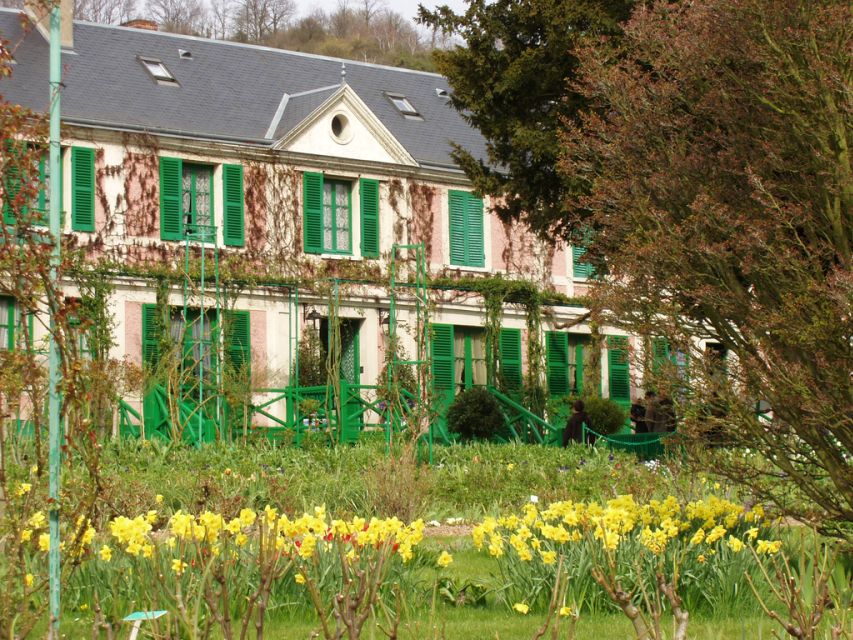
- Monet’s house and gardens visit included via a prepaid ticket, so you’re not juggling admissions
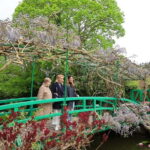
- Signature garden scenes you can walk through: lily ponds, weeping willows, wisterias, azaleas, and the Japanese bridge
- Clos Normand with archways of climbing plants and color that’s designed to work across seasons
- Japanese engravings and studio shop stop (Nympheas studio/Foundation shop) for a thoughtful souvenir option
- Time matters: starting earlier (if you can) helps you enjoy Monet’s place with less photo frustration
Why Giverny Feels Like More Than a Sight
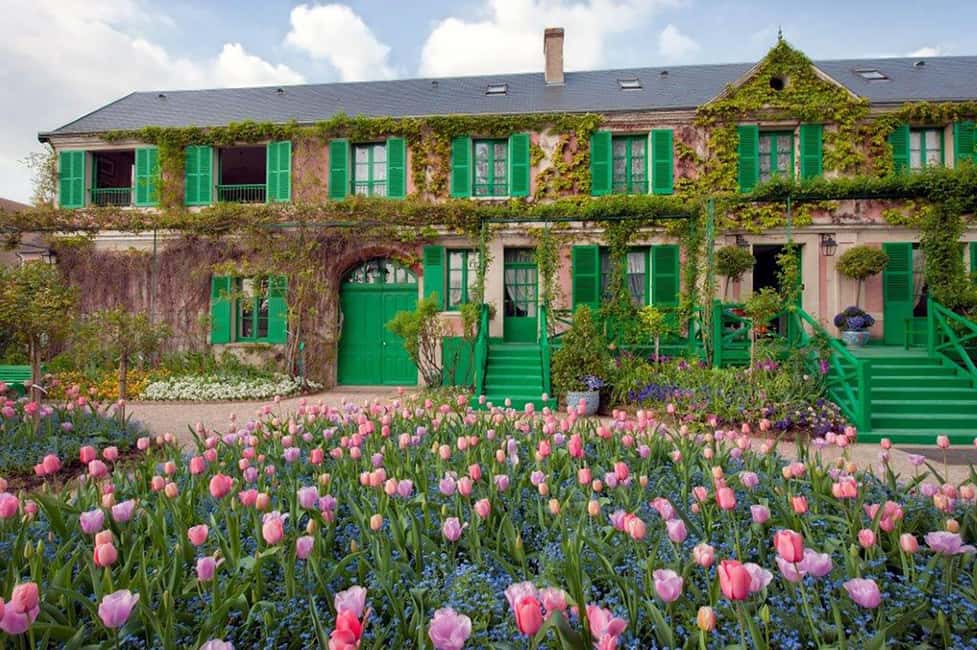
If your idea of art travel is seeing the painting, then snapping a quick picture and moving on, Giverny changes the deal. Here, you’re walking through the same visual ingredients Monet used: water, light, plants trained and shaped into rhythm, and a garden plan that reads like a work in progress.
I love that the experience doesn’t just sell you Monet as a name. You get the real context of the place: the house, the garden’s layout, and the small details that make the paintings feel constructed rather than accidental. And because this is a half-day from Paris, it’s a practical way to get out of the city without turning your whole schedule into a long transport day.
You can also read our reviews of more tours and experiences in Paris



Getting Started: Where to Meet in Paris (and Why It Matters)
Your meeting point is in the 7th arrondissement at 41 Avenue De La Bourdonnais, 75007 Paris. If you want stress-free morning or early afternoon energy, show up a bit early and don’t wait until the last minute—this kind of day trip depends on everyone being on time.
Metro options that keep things simple:
- Ecole Militaire (Line 8)
- Trocadero (Line 6 or 9)
- Pont de l’alma (RER C)
This matters because the trip itself is short enough that losing time at the start can shrink your garden time later. Once you’re on board, the driver-guide takes over, and you’re free to focus on the views beyond Paris.
The Ride to Normandy: What You Gain by Going With a Driver-Guide
The drive from Paris to Giverny is part scenic countryside, part “reset button.” You trade the city grid for roads that feel more relaxed, and you get that sense of France shifting gears as you head west.
A key practical plus: the driver-guide is English-speaking, and they’re positioned as a commentary partner, not just a chauffeur. That means you’re less likely to feel lost once you arrive. You can also use this ride time to get your mental map straight—what to look for in the house, where the garden scenes usually draw people, and how to move smartly when you step off the minibus.
Entering Monet’s World: House and Gardens at Your Own Pace
The prepaid ticket covers Monet’s house and gardens, which is a real advantage for day-trippers. It reduces friction on arrival, and you’re not stuck waiting at a ticket window as the crowd pressure rises.
Here’s the rhythm to expect: you’ll be dropped off at the entrance, then you’re on your own. That’s not a bad thing. It means you can spend extra time near the scenes you care about most—if you’re a “garden first” person, you can do that. If you want the house details, you can slow down there.
The Monet house experience is especially valuable because it helps you connect the paintings to the man behind them. You get an up-close look at his home and a chance to notice the tone of the place: the arrangement, the preserved atmosphere, and the way the garden dominates your sense of what’s important.
Japanese Engravings, Weeping Willows, and the Details That Make It Click
One of the most charming parts is the house connection to Japanese art. There’s a precious collection of Japanese engravings on display, and seeing them makes the garden feel less like “pretty flowers” and more like a personal visual language. If you’ve ever wondered why the garden feels both natural and designed, that art reference helps explain it.
Then you move out into the garden, where the atmosphere shifts quickly. You’ll see the water garden and its weeping willows, plus the plant choices Monet loved: wisterias and azaleas alongside the famous water reflections. Even if you’ve seen these scenes in photos, your brain still reacts differently when the scale is real. The gardens can feel bigger than you expect, and the pond edges do not stay small once you’re there.






The Lily Ponds and Japanese Bridge: The Most Photographed Views (So Plan for People)
The lily ponds and Japanese bridge are the stars, and you should go in knowing that. This is the spot that people travel for, and that means crowds.
The good news: the scenes hold up. When you stand by the water, you start to see why Monet’s paintings have that signature mood. The garden isn’t just a backdrop—it’s an engine for the light and reflections that drive the art.
The not-so-fun news: photos can be slow. If you want clean pictures without other heads in the frame, bring patience and a practical plan:
- Choose your photo spots calmly, then move rather than trying to “win” a single angle forever.
- If your schedule allows it, pick a earlier start time when you book. Morning can reduce pressure, and it gives you more room to breathe while waiting for the light.
- Be polite about space. Everyone is there for the same reason, so a gentle shuffle goes a long way.
If you’re traveling with family or friends who just want the highlight shots, this is still worth it. Just keep expectations realistic: this is a famous place, and you’re sharing it with the world.
Clos Normand Archways: Why This Garden Section Is More Than a Side Trip
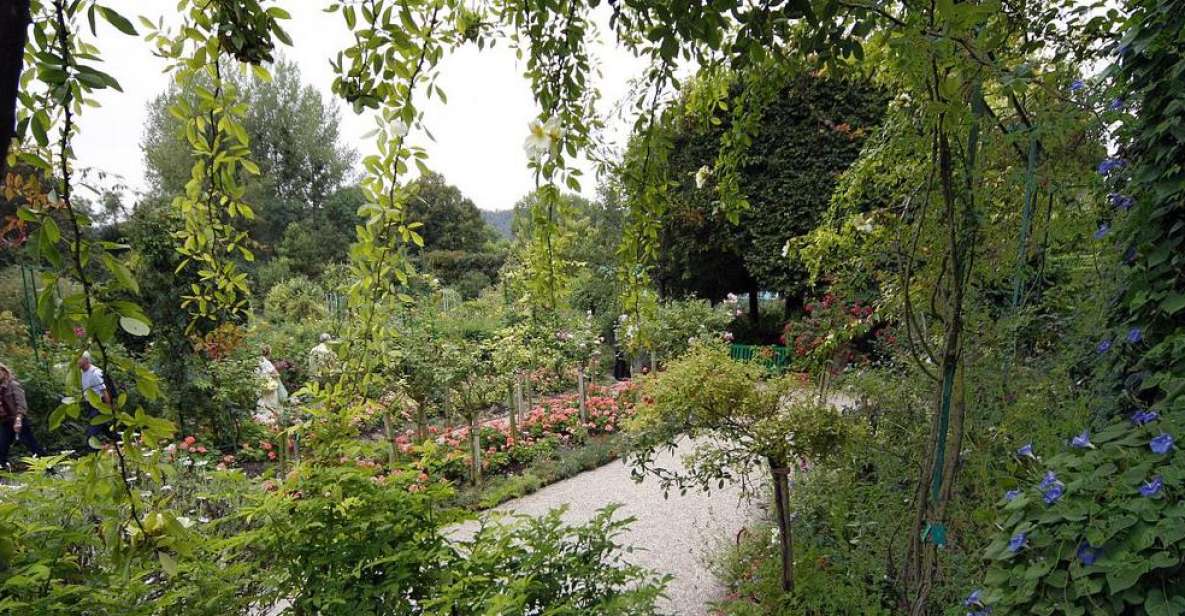
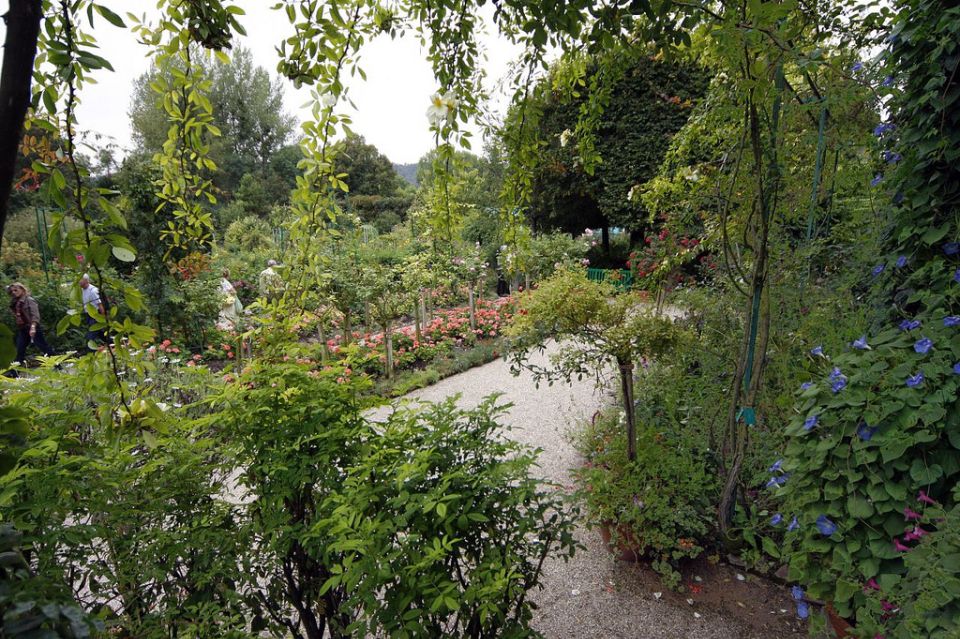
Clos Normand is one of those garden parts people underestimate—until they’re standing there. The description is clear for a reason: this area features archways of climbing plants that wrap around brilliantly colored shrubs.
What I like about Clos Normand is that it feels like the garden is working as a painting. The archways create natural frames. The climbing plants add texture and structure. And the color isn’t random; it’s designed to keep interest moving from spring through autumn. Even when the weather or blooming stage is less than perfect, the design still gives you a sense of what Monet was building toward.
This is a great section to slow down in because it’s less “one famous shot” and more about walking through an atmosphere. Take a few minutes to look upward under the plant frames, then look back down at the colors. It helps the whole garden make sense, not just the postcard views.
Nympheas Studio and the Foundation Shop: A Small Stop With Big Use
After the main garden moments, there’s time at Nympheas studio, home to the Foundation’s Shop. This isn’t just a random gift stop. It’s a place where your souvenir options feel connected to the garden itself—like you’re bringing home a piece of the experience rather than something generic.
Practical tip: if you’re buying prints, books, or smaller items, do it while you still have energy to browse. Waiting until the end of the day trip often turns shopping into a rushed decision.
And if you’re not buying anything, even a quick look can help you see Monet’s world as a whole: house, garden, and the wider art network that continues around them.
Wandering Giverny Village: The American Artist Colony (1883–1920)
Giverny isn’t only Monet. The village drew many American artists from 1883 to 1920, and that attracted an international creative energy that shaped the place.
I like having at least a little time for village wandering because it grounds the experience. Monet’s garden can feel almost like a dream, but the town reminds you this is a real community with real streets and a real place in the art story.
You’re likely to feel that shift immediately: the slower pace, the village charm, and the sense that this area has welcomed artists for a long time. It’s the kind of moment that makes the day trip feel less like transportation between two attractions and more like a mini escape.
Crowds, Timing, and Your Photo Strategy
This is the part that can make or break your mood.
Giverny’s popularity means you’ll deal with lines and dense movement at peak times. The house and garden spaces are in high demand, and when everyone wants the same viewpoint, you need to be flexible.
My advice is simple:
- If you’re booking and can choose a starting time, go earlier when possible.
- Arrive ready to move. Don’t plan your whole photo session around one spot.
- Focus on sequences. Walk through the garden while you look at the pond, then turn toward bridge lines, then shift to the framed archways of Clos Normand.
If you can do that, the crowds become background noise instead of a stress test.
Also remember: this trip runs rain or shine, so keep a light rain layer handy. Wet weather can actually make water reflections look different, and it can also soften the “sun glare” problem for photos. Just don’t let weather paranoia steal your focus from enjoying the place itself.
Price and Value: Is $152 Worth It?
At $152 per person, this isn’t a bargain. But value isn’t only about “cheap.” It’s about what you’re buying.
What’s included:
- Transportation by deluxe minibus
- Driver
- Prepaid ticket for Monet’s house and gardens
What’s not included:
- A guided tour inside the house/gardens
So the real question is whether you want someone to handle the logistics and drive you there, while you explore the gardens independently once you arrive. If you’d rather not spend time figuring out public transport schedules, managing transfers, or wrestling with ticket lines on your own, the cost can make sense.
Where the price can feel steep is if you’re the type who expects a full guided walkthrough on-site. With this format, you’re getting context primarily through the driver-guide en route. Once you’re at Monet’s, you set your own pace.
In other words: for independent explorers who want comfort and included admissions, it can feel like good value. For people who want a structured guide on every step, you may feel you’re paying for transport more than interpretation.
Who Should Book This Trip (and Who Might Want a Different Format)
I’d put this trip on your list if:
- You’re a Monet fan and want the iconic scenes—lily ponds and the Japanese bridge—in real life
- You want a short, efficient day plan from Paris (about 270 minutes total)
- You appreciate English commentary while riding, then freedom once you arrive
I’d think twice if:
- You need step-free movement and mobility support, since it’s not suitable for wheelchair users
- You hate crowds and want a calmer, quieter art experience with lots of one-on-one explanation
- You’re looking specifically for a guided tour while you’re in the gardens
The upside is that even without a guided walk inside, the garden structure is clear enough to enjoy. You don’t need a lecture to appreciate what you’re seeing—you need time, patience, and a good plan.
Should You Book This Giverny and Monet Day Trip?
If you want a practical way to see Monet’s home without spending your whole day on logistics, I think you should book it. The combination of included admissions, comfortable minibus transport, and an English-speaking driver-guide makes it a strong “afternoon escape from Paris” choice.
Book it especially if you love walking through places that inspired famous art. This isn’t just a museum stop. It’s a living garden plan built around water, plants, and light, plus a charming village setting that adds context to the artist story.
If your top priority is avoiding crowds at all costs, then adjust your strategy when you book. Choose the earliest starting time you can, and be ready to share the experience.
FAQ
How long is the trip?
The duration is 270 minutes.
What’s included in the price?
Transportation by deluxe minibus, a driver, and a prepaid ticket for Monet’s house and gardens.
Is there a guided tour at Monet’s home?
A guided tour is not included.
Where is the meeting point in Paris?
Meet at 41 Avenue De La Bourdonnais, 75007 Paris. Nearest Metro stops include Ecole Militaire (Line 8), Trocadero (Line 6 or 9), and Pont de l’alma (RER C).
What language is the driver?
The driver is listed as speaking English.
Does the tour run in bad weather?
Yes, it runs rain or shine.
Is this tour suitable for wheelchair users?
No, it’s not suitable for wheelchair users.
What is the cancellation policy?
Free cancellation is available up to 24 hours in advance for a full refund.