REVIEW · PARIS
The Gourmet Gastronomy of Paris: 2.5-Hour Food Tour
Book on GetYourGuide →Operated by Meeting the French · Bookable on GetYourGuide
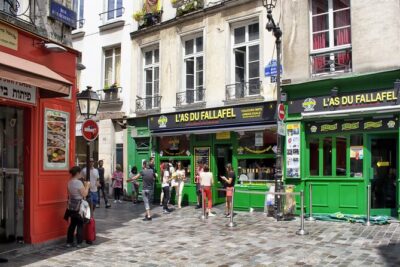
Les Halles is Paris in snack form. This 2.5-hour food tour takes you straight into the central market area to taste French specialties and learn how the neighborhood shaped the way France eats. You’ll weave through old shops and classic stops while your guide connects the dots from medieval Paris to what’s on tables today.
I really like that this tour is built around the actual marketplace experience, not just a list of landmarks. You get a small group (8 people or fewer), and that size helps the guide keep the flow moving while still sharing context. I also like the mix of tastes: pastries and bread, cheeses, cured meats, and local wine, so you leave with a real sense of French “grazing culture,” not one single highlight.
One drawback to consider: if you’re expecting a tightly structured, step-by-step plan with lots of food packed in, you may feel let down. A past guest said the guide’s approach felt more flexible than guided, with fewer tastings than the price suggests. This isn’t a deal-breaker, but it’s smart to know you’re buying a guided market walk that can feel more conversational than military.
In This Review
- Key things that make this tour worth your time
- Les Halles: the center of Paris food life
- What you’ll actually taste: pastries, bread, cheese, cured meats, wine
- Stohrer and the shop stops that feel like real Paris
- The history lesson: how gastronomy evolved from medieval to modern
- Guide style and pacing in a group of 8 or fewer
- Price and value: does $176 fit this 2.5-hour format?
- Practical tips so you get the most from your tasting stops
- Who should book this Les Halles food tour?
- Should you book? My take
- FAQ
- How long is the Gourmet Gastronomy of Paris food tour?
- How many people are in the group?
- Where is the meeting point?
- What’s the nearest metro station?
- What languages are the tours offered in?
- What food is included in the tastings?
- Is cancellation free?
- Can I reserve without paying right away?
- Does the tour include history?
Key things that make this tour worth your time
- Les Halles market focus: you spend the time where locals actually shop and snack.
- Stohrer pastry stop: a visit to one of the city’s oldest pastry institutions.
- A tasting lineup with variety: pastries/breads, cheeses, cured meats, and local wine.
- Food history tied to place: the guide traces how French gastronomy evolved over time.
- Views beyond food: you also connect the market district to nearby cultural landmarks like St Eustache.
Les Halles: the center of Paris food life
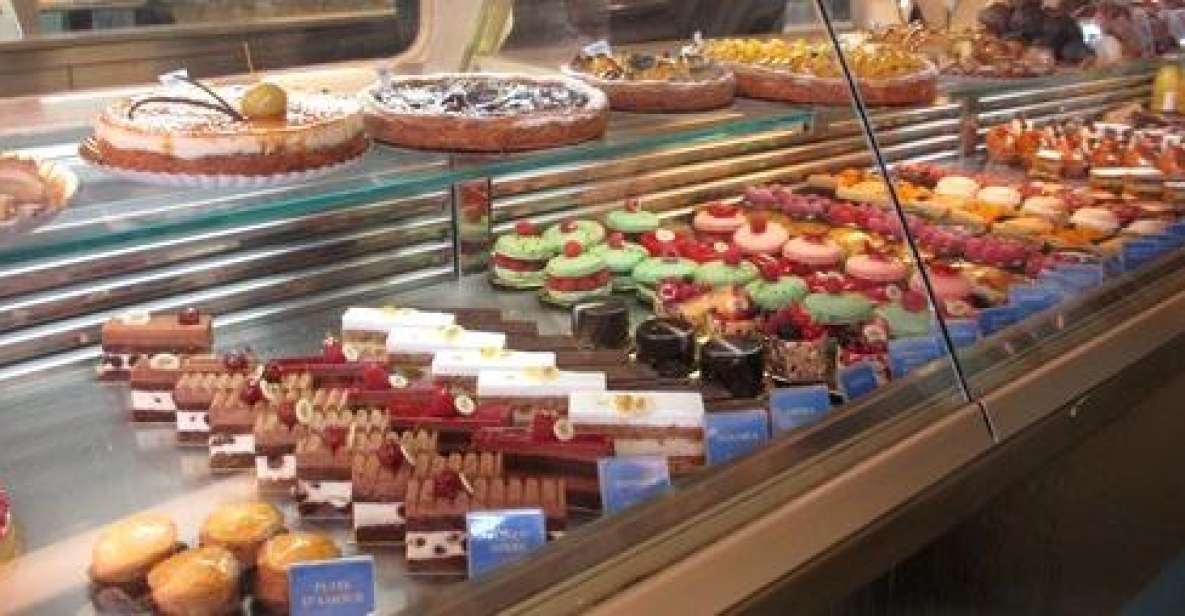
Your tour starts near 1 Rue de Montmartre (75001), with the easiest metro links being Les Halles on line 4 or Étienne Marcel on line 4. From there, the vibe is all about being in the middle of city life. This is not a quiet museum experience; it’s the day-to-day rhythm of a major central market area.
What I like about starting here is the way it sets expectations. You’re not just seeing Paris; you’re tasting how the city sources its flavors. Les Halles is also close enough to the big-name sights that the neighborhood feels layered—food, architecture, and urban history in the same short walking window.
As you move around, you’ll also hear how this district ties into major points of interest nearby, including the Church of St Eustache and the Tower of John the Fearless. Even if you don’t go inside, the context helps you read the surroundings instead of treating them like background.
You can also read our reviews of more food & drink experiences in Paris


What you’ll actually taste: pastries, bread, cheese, cured meats, wine
The heart of the experience is the included tasting of French specialties, spread through the market area. The tour is designed so you don’t leave with only one category of food.
Here’s what you should expect to try:
- Pastries and breads: think classic baked goods that represent what people pick up quickly in Paris.
- Cheese: enough variety to understand how central cheese is to French meals and snacking.
- Cured meats: another big pillar of French “stop-in-and-sample” culture.
- Local wines: paired with the tasting stops so you get a sense of how food and drink move together in France.
This mix matters for value. At $176 per person, you’re not paying for a single dessert. You’re paying for a guided sampler menu that covers several of the most recognizable French tastes—so even if one stop isn’t perfect for you, you still get multiple chances to find what you love.
One note: the tour includes tastings, but you’ll still want to watch what’s included at each moment. Based on one review, the difference between what’s covered and what’s purchased separately can be a sticking point if you’re trying to budget tightly. If you’re the kind of eater who wants to know exactly what you’re getting, ask your guide at the start what to expect from each tasting stop.
Stohrer and the shop stops that feel like real Paris
A standout detail is that the walk includes older, established shops—specifically Stohrer, noted as the oldest pastry shop in the city. That matters because places like this aren’t just selling food; they’re preserving methods, recipes, and a kind of culinary identity that’s hard to replicate anywhere else.
In addition to Stohrer, you’ll also pass traditional brasseries and restaurants, plus specialty culinary shops. The point isn’t only the food; it’s the setting. You’ll get to see how market-era businesses live on—where a shop might feel centuries old, even as Paris keeps changing around it.
This is also where your guide’s storytelling helps. When the history is attached to a specific counter or doorway, it clicks. You stop seeing the market as a blur of stalls and start noticing patterns: what kind of place sells what, how tastes are grouped, and why certain foods became market staples.
The history lesson: how gastronomy evolved from medieval to modern
This tour doesn’t treat Les Halles as a random place to eat. You’ll learn the district’s history and how France’s gastronomical evolution played out over time—starting from the Middle Ages and moving toward today.
Why I think that history component is useful: it gives you a framework for what you’re tasting. Pastries, cheeses, cured meats, and wine didn’t become “the French thing” by accident. They grew into recognizable categories through trade, changing cooking styles, and the way city life works.
A strong guide can make this feel like conversation instead of lecture. One guest specifically praised Carol for explaining Les Halles and the area’s history clearly, and that kind of delivery is exactly what you want at a tasting tour. If the history is readable and tied to the moment, you remember it—and you make smarter choices for the rest of your trip.
Guide style and pacing in a group of 8 or fewer
The tour is led by a live guide in English, French, or Italian, and it’s capped at 8 participants. That small-group limit changes the whole experience.
First, it makes the market navigation feel manageable. Central Paris can get crowded fast, and when you have fewer people, it’s easier for the guide to keep you together and adapt pacing if someone needs a moment.
Second, small groups make it more likely you’ll actually hear the food stories. In a large group, you often get half-questions and muffled explanations. Here, you’re more likely to catch what the guide is pointing out—and you can ask follow-ups without feeling like you’re interrupting.
That said, one low rating reason is still worth respecting: one guest felt the guide’s approach was too open-ended, with the guide repeatedly suggesting you could do whatever you wanted. If you’re the type of person who gets frustrated by loose direction, you may want to show up ready to take cues from the guide and jump in rather than waiting for a tightly scripted plan.
You can also read our reviews of more tours and experiences in Paris




Price and value: does $176 fit this 2.5-hour format?
Let’s talk about the money plainly. At $176 per person for 150 minutes, you’re paying for three things at once:
1) A guided walk through one of the most important central food areas in Paris
2) The included tastings of multiple French categories (pastries/breads, cheeses, cured meats, wine)
3) A guided explanation of how the area and French food culture developed over time
When it works well, it’s a solid value because you’re compressing a lot of “learning + eating” into one focused block of time. If you try to DIY this route, you may end up paying similar amounts for a couple items, then missing the context that helps you choose what to eat next.
Where value can slip is what one review flagged: if the tasting feels light for the price, or if the guide’s guidance feels indirect, you’ll feel the cost more sharply. So here’s my decision test for you:
- If you want guided market tasting with history and multiple food categories, this price starts to make sense.
- If you’re hoping for a more rigid itinerary with a heavy number of tastings, this tour might not match your expectations.
Also consider that the group is small. You’re paying partly for that human factor—time, attention, and explanations—not just for the food itself.
Practical tips so you get the most from your tasting stops
You’ll be walking in central Paris and eating several courses in a short window. A few common-sense moves will help you enjoy it more:
- Arrive a few minutes early so you’re ready to start right on time.
- Eat lightly before you go. This tour is built to feed you, and you don’t want to waste tastings because you’re already too full.
- Pace yourself at the tasting stops. Sample, then decide what you’d actually buy again later.
- Ask questions about what you’re tasting in plain terms. The guide can turn a bite into a story, and that’s where the value shows up.
If you’re traveling with kids or someone with a sensitive stomach, be sure you’re comfortable with a food-market style tour where items come and go quickly. The format is about variety and sampling, not slow sit-down dining.
Who should book this Les Halles food tour?
This tour is a great fit if:
- You want a French food sampler that covers several classic categories (not just sweets).
- You like market energy and want your time in Paris to connect to daily life.
- You enjoy history when it’s attached to a specific place and a specific stop.
It’s less ideal if:
- You only want a dessert-and-coffee kind of experience.
- You prefer a super structured schedule where you always know exactly what happens next.
- You’re looking for a long, sit-down meal rather than a walking tasting format.
Should you book? My take
If your goal is to get a guided taste of French classics in one of the city’s most central food neighborhoods, I’d book it. The included tastings cover multiple categories, the small group helps the guide keep things personal, and the Les Halles history component makes the whole walk more than just eating.
But if you’re the type who needs strict structure and lots of clearly labeled tastings to justify the price, you should set your expectations carefully. This experience can be excellent with the right guide approach (and some reviews call out guides like Carol for making the history land), yet it can also feel lighter or more flexible than you hoped.
FAQ
How long is the Gourmet Gastronomy of Paris food tour?
It lasts 150 minutes (about 2.5 hours).
How many people are in the group?
The tour is limited to small groups of 8 participants or fewer.
Where is the meeting point?
The meeting point is 1 Rue de Montmartre, 75001 Paris.
What’s the nearest metro station?
The nearest metro options are Les Halles (line 4) or Étienne Marcel (line 4).
What languages are the tours offered in?
The live guide speaks English, French, and Italian.
What food is included in the tastings?
The tour includes tastings of French specialties such as pastries and breads, cheeses, cured meats, and local wines.
Is cancellation free?
Yes, you can cancel up to 24 hours in advance for a full refund.
Can I reserve without paying right away?
Yes. There’s an option to reserve now and pay later.
Does the tour include history?
Yes. You’ll learn about the Les Halles district and the evolution of French gastronomy from earlier periods to today.