REVIEW · PARIS
Private Secrets of Paris Bike Tour
Book on GetYourGuide →Operated by Fat Tire Tours - Paris · Bookable on GetYourGuide
Paris has secrets best found on two wheels. The Private Secrets of Paris Bike Tour pairs an easy start by the Seine with a turn into the Latin Quarter you usually miss, all with a live English guide in a private group over 3 hours. Guides such as Harrison are known for clear communication and making the stories land in real places, not just facts.
My favorite part is the stop mix. You’ll hit big-name landmarks like the Pantheon, then shift to the odd Paris details that feel half-art, half-mystery, like a Salvador Dalí sundial and even a cannonball tucked into a mansion wall. The trade-off: this is for confident city cyclists. Expect around 12 km (7.5 miles), small hills, and occasional riding where you share space with cars.
In This Review
- Key points to know before you pedal
- Riding Paris by bike: what makes this tour work
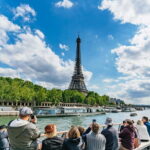
- From near the Eiffel Tower to the Seine: start with views, not chores
- The Latin Quarter on two wheels: old streets, smarter stops
- Pantheon: France’s big public memory, viewed from street level
- Roman Arena + ancient walls: seeing Paris before the Paris you know
- The quirky stops: Dalí’s sundial and a cannonball in a wall
- How demanding is the cycling? Hills, cars, and real distance
- Guides make the difference: English clarity and animated storytelling
- Price and value: is $294 per person worth it?
- When to go and what to bring for rain-or-shine riding
- Who should book this tour (and who should skip it)
- Should you book Private Secrets of Paris Bike Tour?
- FAQ
- How long is the Private Secrets of Paris Bike Tour?
- What does the tour cost?
- Where do I meet the guide?
- Is this a private tour?
- What language is the guide?
- Is the bike and helmet included?
- Is this tour suitable for children?
- What should I bring and is it rain-or-shine?
Key points to know before you pedal
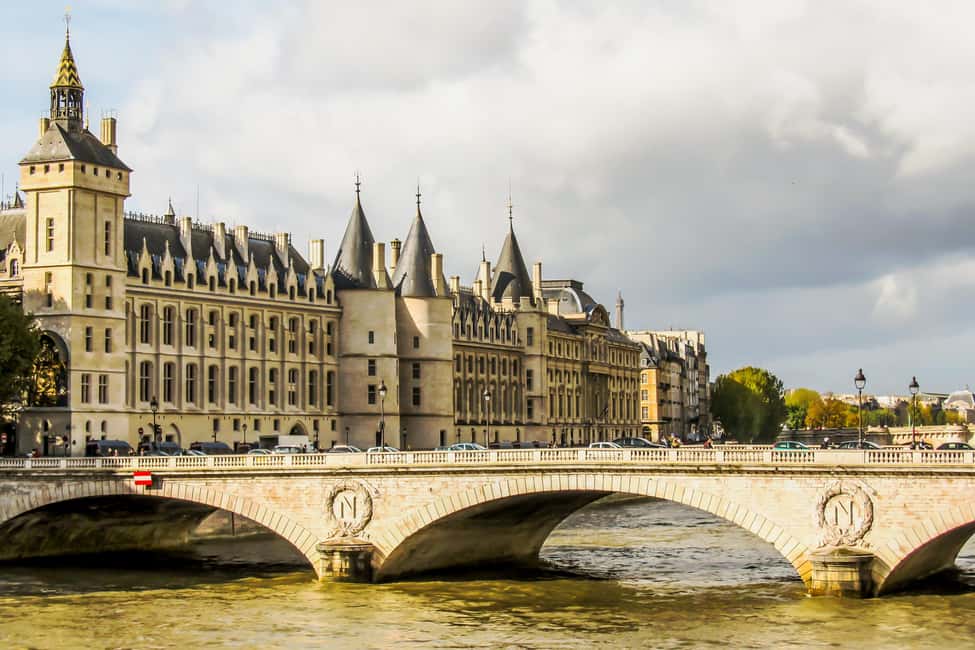
- Seine warm-up, quieter streets after so you get views fast, then switch to lesser-known Paris corners
- Pantheon + Latin Quarter in one smooth ride without the usual stop-and-start of walking
- Roman-era relics including an ancient Roman Arena reference point from Paris’s far past
- Surprising story objects like a Dalí sundial and a cannonball set into a wall
- Cycling skill matters: the route includes hills and some road riding, so it’s best for experienced riders
Riding Paris by bike: what makes this tour work
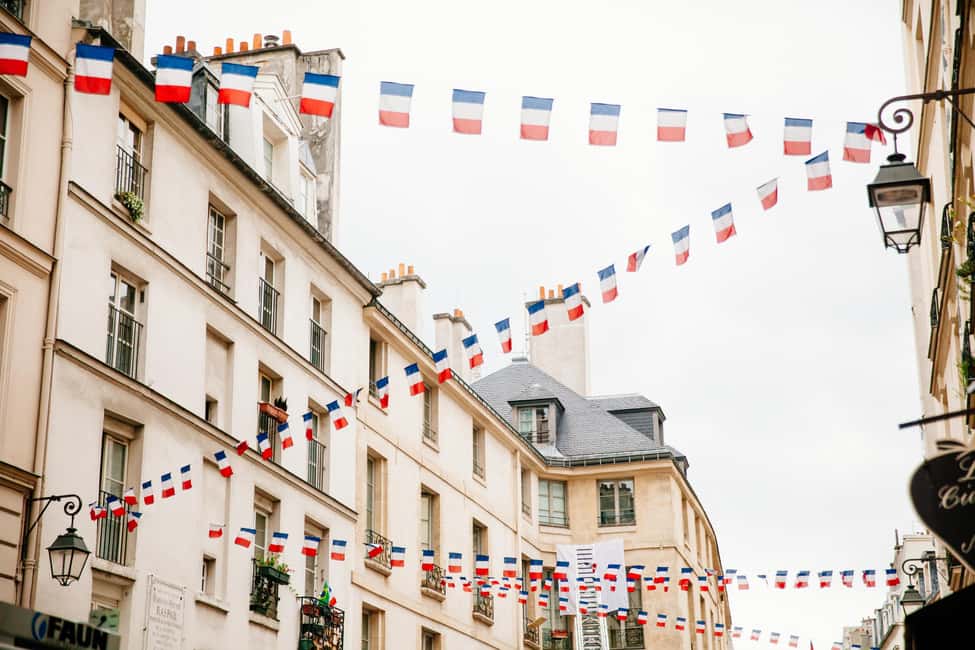
A bike tour is one of the best ways to read Paris. On foot, you can only cover so much ground. In a car, you mostly watch. On a bicycle, you get the best of both: speed for distance, and enough closeness to notice details.
This one is built around contrast. You begin near the Eiffel Tower area and follow the Seine route so you can get your bearings and spot major monuments from the river line. Then you break off from the obvious tourist loops and head into older, more layered neighborhoods—especially around the Latin Quarter.
Because it’s private, the pace feels more like a guided stroll with wheels. You’re not squeezed into a big crowd, and you can ask questions when they pop into your head—especially about why certain buildings or wall fragments look the way they do.
You can also read our reviews of more cycling tours in Paris

From near the Eiffel Tower to the Seine: start with views, not chores
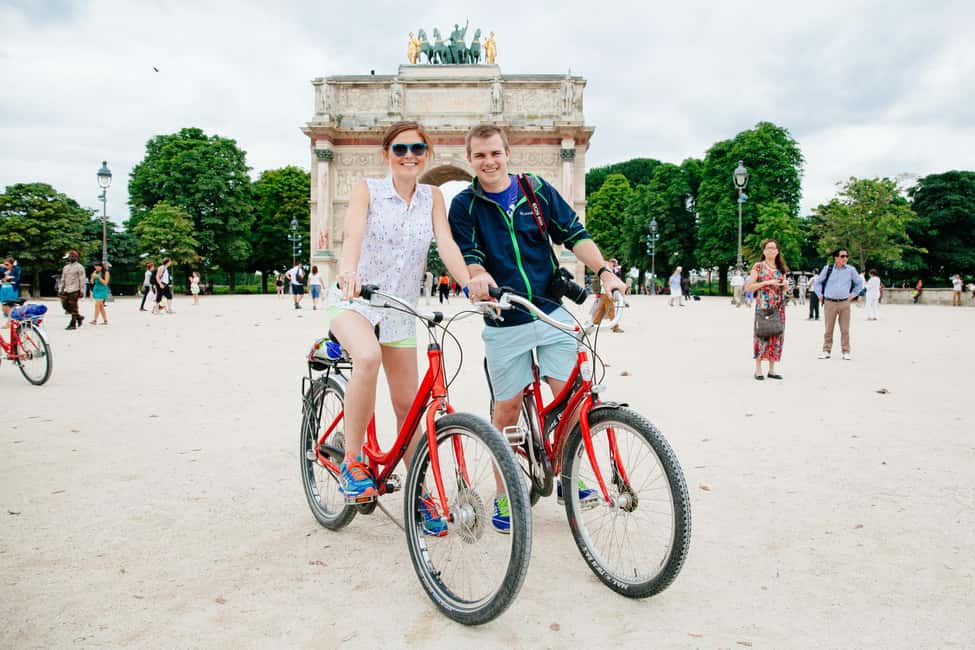
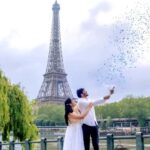
You’ll start at the operator’s office near the Eiffel Tower and ride along the Seine while the guide orients you. This matters more than it sounds. Paris is confusing until your brain maps the river and the direction of travel. The ride gives you that map early, so the rest of the tour feels logical.
Along the river, you’ll pass and wave at major monuments on the way. Even if you’ve been to Paris before, this section is useful because it’s often where you notice scale: how the city lines up, where bridges sit, and how neighborhoods relate to the water.
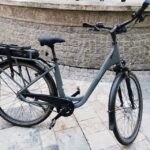
Also, the tour includes bike and helmet use. That’s practical value. You don’t have to figure out rental logistics first, and you don’t have to show up hunting for a helmet in the chaos of a travel day.
The Latin Quarter on two wheels: old streets, smarter stops
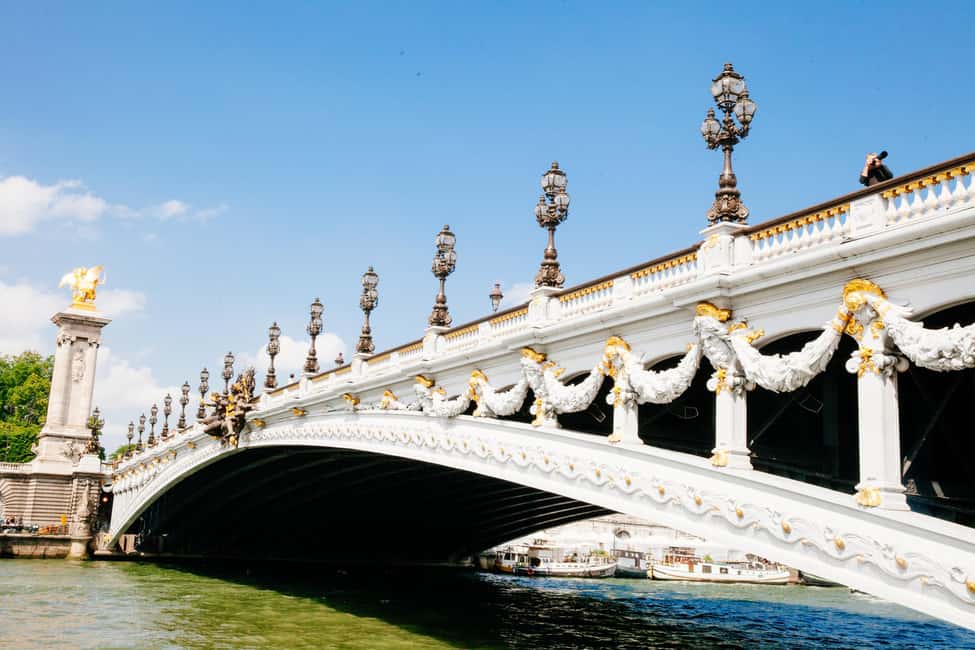
After the river section, the tour shifts to the Latin Quarter area, where Paris feels dense and historical in a different way. The streets are narrower, and the architecture changes from block to block, so cycling helps you cover more than a walking tour would allow.
What you’re looking for here isn’t just pretty scenery. It’s the sense of how the city accumulated layers over centuries. The guide’s job is to connect what you see now—facades, walls, odd details—with what the area used to represent.
I especially like tours that don’t treat the Latin Quarter like one long photo stop. Instead, the route keeps moving and makes each pause feel earned. The guide can explain why certain spots matter, then you roll onward before your attention fades.
Pantheon: France’s big public memory, viewed from street level
The Pantheon is a classic must-see, but here it becomes more than a standalone stop. The tour’s rhythm brings you there after you’ve already been paying attention to neighborhood texture. That makes the Pantheon feel even more powerful.
The Pantheon is described as a stunning monument to France’s great figures, and that’s exactly the point. When you approach it as part of a ride through the city’s layers, you can better understand how monuments function in Paris: they don’t just sit there. They anchor stories and identity in stone where people can’t ignore them.
A small practical upside of seeing it by bike: you get there with less time lost. You’re not competing with every other walking route. You also get a guide who can point out what to notice while you’re there, instead of leaving you with a generic impression.
Roman Arena + ancient walls: seeing Paris before the Paris you know
One of the most compelling highlights is the ancient Roman Arena reference point—an older relic tucked into the city’s modern fabric. Roman traces in Paris can feel surprising because you expect only medieval or newer layers once you’re in the center. This stop corrects that assumption fast.
Then come glimpses of historic walls from past ages. Even if you don’t grasp every architectural detail on your first visit, walls tell stories. They show where the city drew boundaries, where it defended itself, and how its shape changed over time.
This is where I think the bike format shines. You can move between multiple “time periods” without turning your day into a museum marathon. You get to see evidence of older Paris, then continue into the next chapter while you still have momentum.
You can also read our reviews of more private tours in Paris






The quirky stops: Dalí’s sundial and a cannonball in a wall
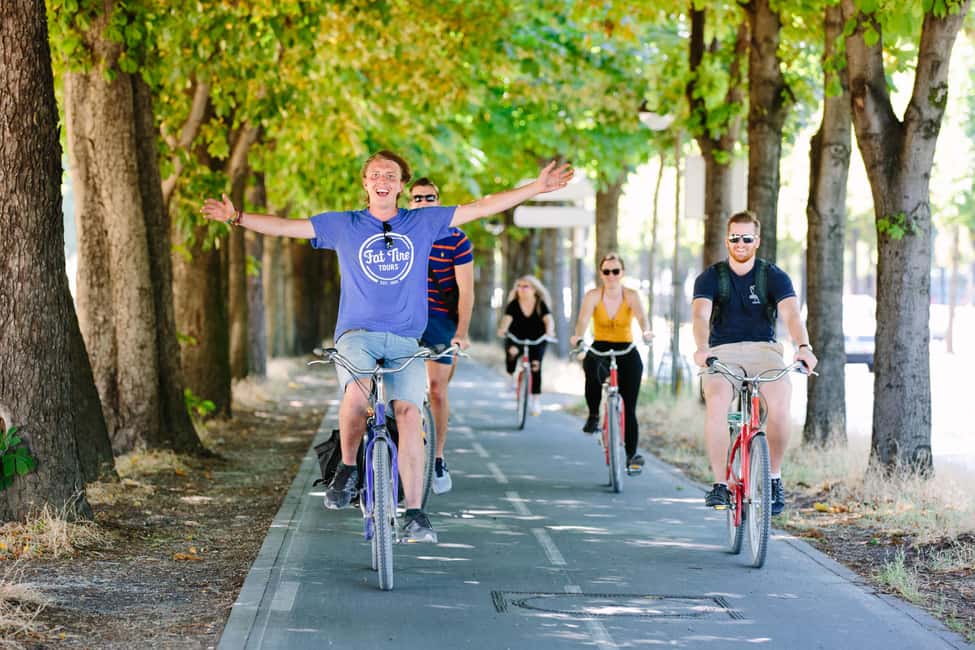
Paris loves a good odd detail. This tour leans into that with two specific story-stops: a Salvador Dalí sundial and a misplaced cannonball in a mansion wall.
The Dalí sundial is the kind of thing that makes you look twice, then ask questions. Why is it there? Why does it fit the space the way it does? A good guide turns that curiosity into a mini-story that makes you notice the relationship between art, public space, and the city’s habit of mixing eras.
The cannonball-in-a-wall detail works in a similar way, but with history instead of surrealist art. You stop and look at a scar in the built environment, and suddenly the word past feels real. You can stand there for a moment and connect the object to conflict and survival—the kind of story that doesn’t show up on every postcard.
I like that these stops aren’t treated as gimmicks. They’re used as entry points into bigger themes: how Paris keeps artifacts, how it reuses space, and how people interpret odd remnants over time.
How demanding is the cycling? Hills, cars, and real distance
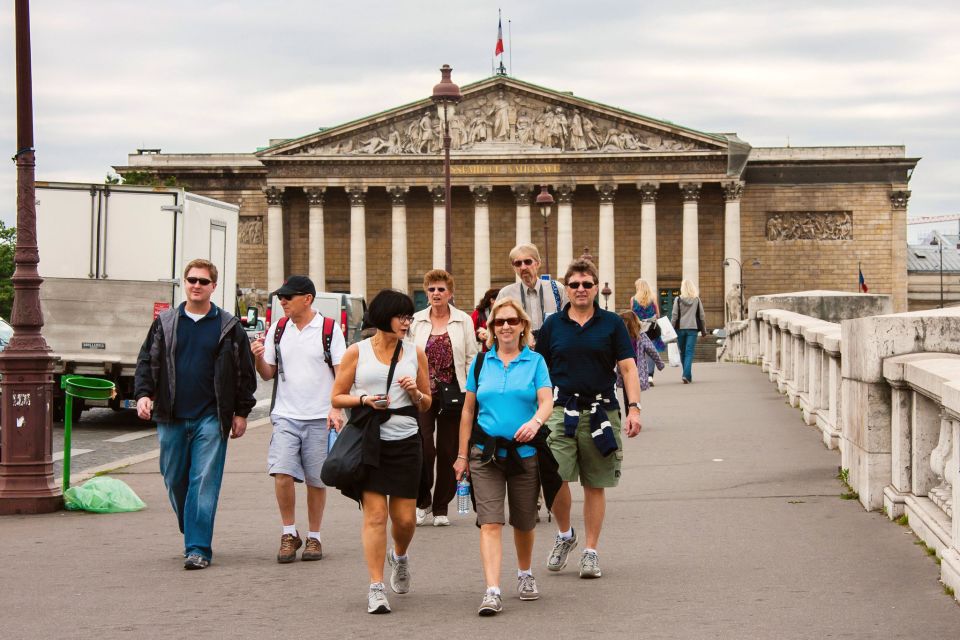
Let’s be honest: this tour is not for brand-new riders. It’s for bike riders experienced riding in a city. The route includes small hills and covers about 12 kms / 7.5 miles total.
You’ll also occasionally be on the road with cars. That doesn’t mean it’s constant traffic chaos, but it does mean you should be comfortable scanning streets, holding a line, and riding with awareness.
If that sounds like you, great. If it sounds like a question mark, consider whether a walking tour might feel safer. Even confident travelers can find Paris bike traffic intimidating if they don’t already ride in urban environments.
Age matters too. The operator doesn’t recommend children under 12 on this tour. That doesn’t mean younger riders can’t be good cyclists—just that this route’s mix of distance, hills, and road segments increases the risk.
Guides make the difference: English clarity and animated storytelling
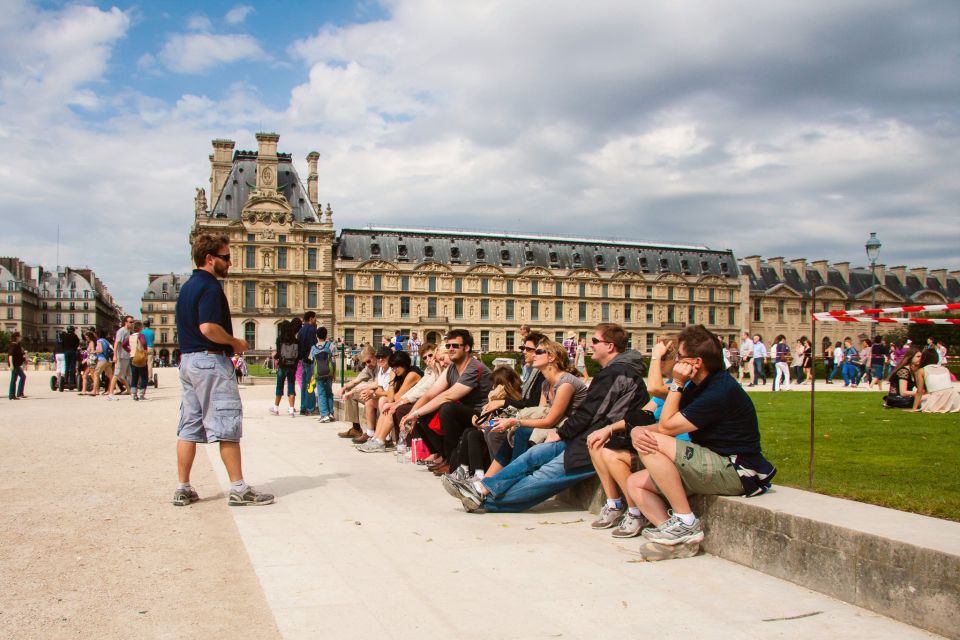
The tour is led by a live guide in English, and that’s one of the most consistently praised parts of the experience. Names that come up with strong feedback include Harrison, Aaron, Paul, Gil, and Jason.
What those guides seem to share: clear communication and stories that feel alive. People often want more than dates and names—they want reasons. They want you to understand why a wall fragment or a strange art piece exists. The best guides do that with energy, good pacing, and the confidence to answer questions without derailing the ride.
The tour also holds a good rhythm for learning. It’s long enough to cover major highlights, but not so long that you forget what you saw at the start. Expect multiple stops, with enough pauses to process and ask questions, then rolling onward before boredom kicks in.
Price and value: is $294 per person worth it?
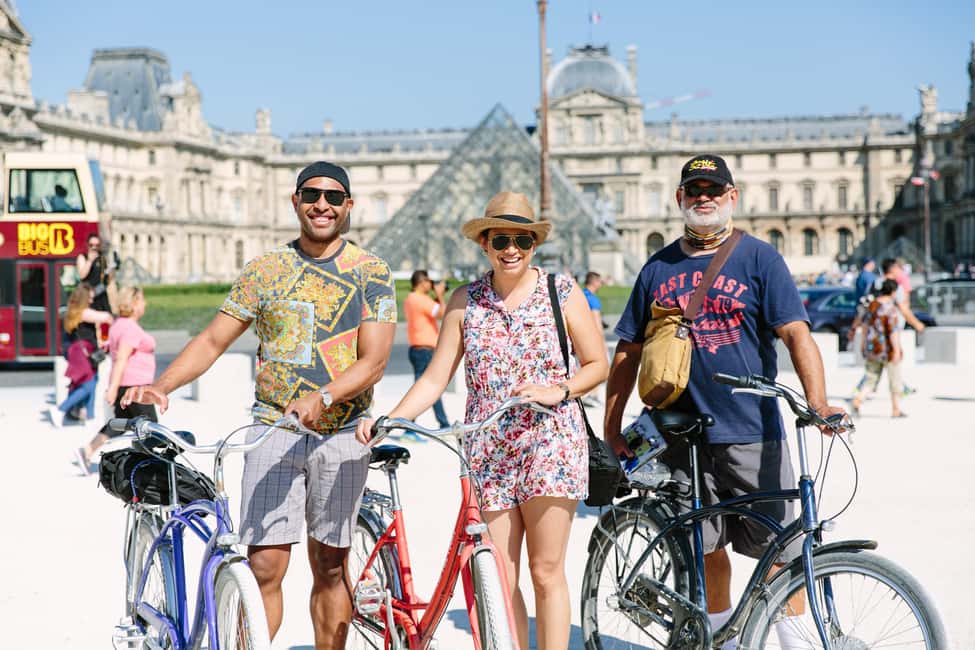
At $294 per person for a 3-hour private bike tour, you’re paying for three things:
1) Private guiding (not a shared group route)
2) A practical way to cover distance without wasting time stuck in lines
3) Special stop selection, including the Roman-era reference point and the quirky artifacts like the Dalí sundial and cannonball detail
If you’re the kind of traveler who loves structure—exactly where to go, exactly what to notice—this price starts to make sense. You also get bike and helmet use included, which removes part of the usual day-of-cost headache.
If you’re flexible and already know your way around Paris on your own, you could spend less by choosing a self-guided day. But you’d miss the “why” that ties the Pantheon, Latin Quarter streets, Roman-era traces, and odd wall artifacts into one coherent route.
When to go and what to bring for rain-or-shine riding
This tour runs rain or shine, so plan like weather can change mid-day. Bring weather-appropriate clothing and gear you can ride in. If it’s wet, slippery shoes and loose clothing can turn a fun ride into a cautious one.
You’ll want:
- Your passport or ID card
- A credit card
- Weather-appropriate clothing
Also, show up ready to ride. This is a cycling experience first. If you’re expecting a casual stroll with occasional biking, your expectations may clash with the reality of 12 km and road riding.
Who should book this tour (and who should skip it)
This works best for you if:
- You already ride bikes in the city and can handle small hills
- You want a private guide in English and prefer conversation over audio-only options
- You like story-driven stops that mix big monuments with strange details
I’d think twice if:
- You’re not comfortable sharing roads with cars
- You’re looking for a low-effort, mostly flat outing
- You’re traveling with kids under 12
Should you book Private Secrets of Paris Bike Tour?
Yes, if your priority is getting around Paris efficiently while still learning why the city looks the way it does. The mix—Seine views, Latin Quarter streets, the Pantheon, Roman-era relics, and odd artifacts like the Dalí sundial and cannonball—makes this feel like more than a standard “see Paris” circuit.
If you’re confident on a bike, you’ll appreciate how smoothly the stops connect. If you’re unsure about urban cycling or hills, don’t force it. Paris has plenty of excellent ways to learn history on foot without the added biking stress.
FAQ
How long is the Private Secrets of Paris Bike Tour?
The tour lasts 3 hours.
What does the tour cost?
It costs $294 per person.
Where do I meet the guide?
The closest Metro station is Dupleix on line 6.
Is this a private tour?
Yes, it’s a private group tour.
What language is the guide?
The live tour guide speaks English.
Is the bike and helmet included?
Yes, bike and helmet use are included.
Is this tour suitable for children?
The operator does not recommend children under age 12 on this tour.
What should I bring and is it rain-or-shine?
Bring your passport or ID card and a credit card, plus weather-appropriate clothing. The tour operates rain or shine.