REVIEW · PARIS
Skip-the-line Les Invalides World War Museum Guided Tour – Semi-Private 8ppl Max
Book on Viator →Operated by Babylon Tours Paris · Bookable on Viator
Paris turns history into something you can stand inside. And Les Invalides is one of the best places to do that. This skip-the-line, semi-private tour gets you into the museum quickly, and it keeps the group small enough that your guide can actually steer the conversation instead of reading a script.
Two things I especially like: first, the 8-person max really does make it feel hands-on, not crowded and rushed. Second, you get a clear guided thread through the big events—WWI to WWII—using uniforms, equipment, weapons, and standout artifacts that you’d miss if you wandered solo. One consideration: even with skip-the-line access, security and some rooms’ rules can still slow you down a bit, and the museum or dome can occasionally close for reasons beyond anyone’s control.
In This Review
- Key points to know before you go
- Why Les Invalides + a small group hits differently
- Getting there, finding the start, and packing light
- What the guide sets up for you before the WWI story starts
- WWI artifacts you’ll remember: uniforms, battles, and the famous taxi
- The Versailles-to-WWII bridge: why this museum tour stays focused
- Normandy and the Liberation of Paris: the ending that matters
- How much the guide matters (and why the best ones feel personal)
- Skip-the-line: what it realistically means in Paris
- Price and value: when $143-ish is a win
- Timing, popularity, and what to do if the museum shifts
- Who should book this tour—and who might prefer another format
- Should you book this Les Invalides skip-the-line tour?
- FAQ
- How long is the Les Invalides World War museum tour?
- Is this tour in English?
- How big is the group for the semi-private tour?
- Does the tour include skip-the-line entry?
- What is included in the ticket price?
- Where does the tour start?
- Do I need to bring a phone number?
- Is the tour wheelchair accessible?
- Are there restrictions on bags and what should I wear?
Key points to know before you go
- True small-group format: never more than 8 people, in English
- Skip-the-line entrance to get moving quickly, though security can still create lines
- 2 hours of focused WWII/WWI storytelling in one museum stop
- Artifacts that anchor the timeline (including a famous taxi and the armistice train car)
- Guide quality makes a big difference, and the best guides here manage attention well (I’ve seen firsthand how guides like Romain and Florian can steer the tour)
Why Les Invalides + a small group hits differently

If you care about 20th-century Europe, Les Invalides is hard to beat. It’s not just a building with displays—it’s a setting where the story feels physical. You’re surrounded by the objects that people used, carried, wore, and decided with. That matters, because the wars weren’t just ideas. They were logistics, propaganda, technology, and choices made under pressure.
What makes this tour especially useful is the pacing. At 2 hours, you’re not getting lost in museum fatigue, and you’re also not just skimming. Instead, the guide connects the dots from the road to WWI through to the realities of WWII, so you leave with a timeline that actually sticks.
The semi-private angle is more than marketing. An 8-person max means you can ask a question, get a quick explanation in plain language, and have your guide adjust on the fly. In one small-group experience, the tour ended up being just a family of four—exactly the kind of scenario where you get more back-and-forth without feeling intrusive.
You can also read our reviews of more guided tours in Paris



Getting there, finding the start, and packing light
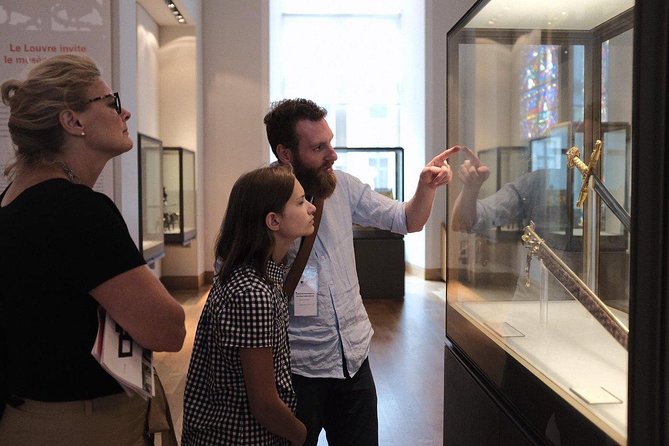
This tour starts at Hôtel des Invalides, 75007 Paris, and it ends back at the meeting point. No hotel pickup or drop-off is included, so you’ll want to plan your own transit—taxi or rideshare is an easy option.
A quick practical note: Les Invalides security rules can matter more than you’d expect. No large bags or suitcases are allowed inside. You’ll want to bring a handbag or a small, thin bag pack for comfortable security screening. If you’re the type who travels with a big daypack, consider swapping to something smaller for the afternoon.
Dress-wise, come appropriately. Some areas at major sites can have entry expectations, so it’s smart to avoid extremes. This is especially true if you’re planning to combine the tour with other stops in the same day.
Also keep in mind that moderate fitness is required. The museum is not an outdoor hike, but you should be comfortable walking through galleries at a steady pace for the duration.
What the guide sets up for you before the WWI story starts
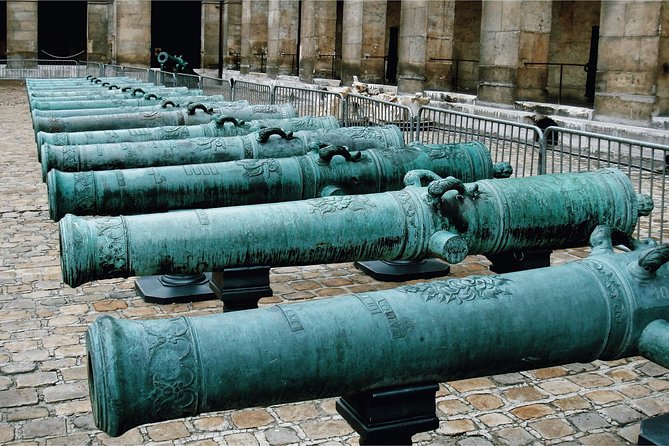
The tour’s approach is built like a chain. It doesn’t start with WWI headlines; it starts earlier, in the 19th-century roots that shaped the next century’s conflict. You begin with the background that led into major shifting alliances and rivalries—one early stop in the narrative includes figures like Bismarck during the Franco-Prussian War.
Then the guide moves into the events that help explain why WWI erupted so fast and with such force. You’ll cover the sequence leading toward the outbreak, including the assassination of Franz Ferdinand. That framing is genuinely helpful. Even if you’ve heard the basics before, the guide’s job is to connect cause and effect so you understand why the “starting point” mattered.
The result: you’re not just looking at artifacts. You’re using them like evidence in a story.
WWI artifacts you’ll remember: uniforms, battles, and the famous taxi
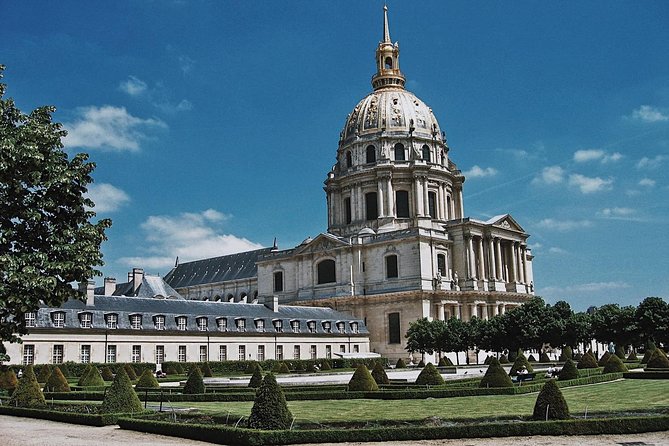
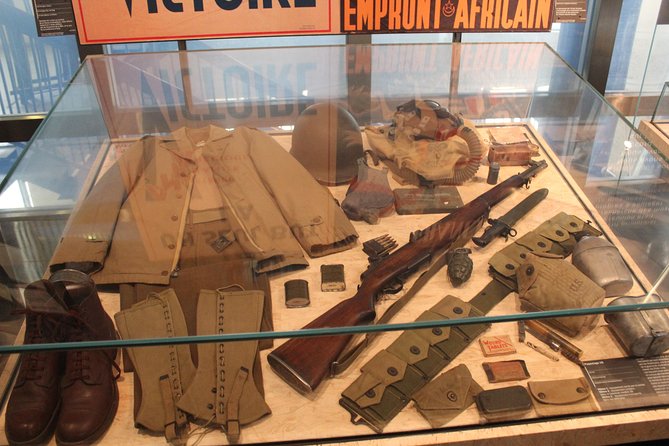
Once you’re in the WWI portion, the displays become more than decorative. You’ll get guided context for the equipment, uniforms, weapons, and battle artifacts tied to the war’s many engagements. This is where the tour saves you time and frustration—because someone else has already figured out which objects best explain the conflict.
A standout part of the WWI narrative includes the Battle of the Marne. Even if you don’t know the details, the guide’s explanations help you picture what the battle meant and why it mattered.
Then comes one of those details that makes a museum feel less abstract: you’ll see an iconic taxi associated with the war. The guide also points you toward original footage related to the atrocities of the period. It’s not there for shock value—it’s there so you understand the scale and the reality of what happened, and how that reality shaped public perception and political decisions afterward.
Finally, the tour moves toward how WWI ended. You’ll learn how the Treaty of Versailles shaped the aftermath, and you’ll even see the train car where the armistice was signed. That object is powerful because it’s a physical marker of the moment the fighting stopped—and it gives weight to what came next.
The Versailles-to-WWII bridge: why this museum tour stays focused
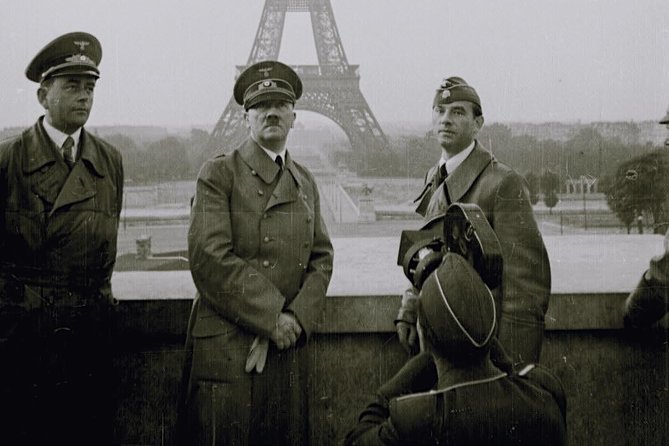
A lot of history tours treat WWI and WWII like two unrelated chapters. This one doesn’t. It builds a bridge. After you understand the end of WWI, you’re shown how the threat of Adolf Hitler became real, and how the postwar environment contributed to the next catastrophe.
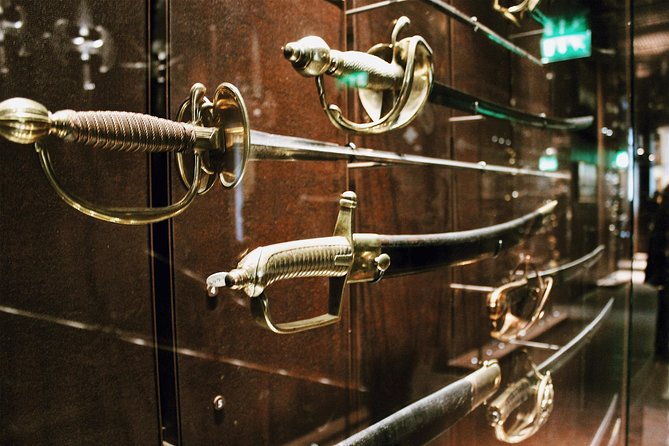
You’ll follow the guide through the WWII storyline with key reference points tied to French experience, including the Ligne Maginot, Dunkerque, and the Occupation of Paris. Along the way, the guide connects people and places to the artifacts on display, including collections gathered from the battlefields.
This is a big reason the tour works well for first-time visitors. You don’t need to already know all the names to follow the thread. The guide does the sorting, and you get a sense of who mattered and when—often anchored around famous French figures such as Pétain and De Gaulle.
You can also read our reviews of more private tours in Paris






Normandy and the Liberation of Paris: the ending that matters
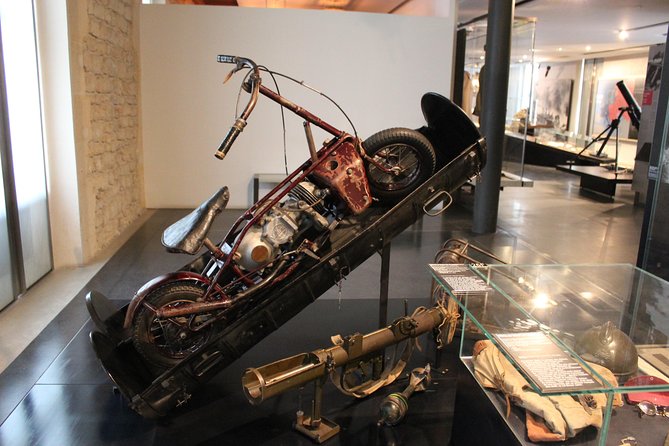
The tour doesn’t stop at invasion and occupation. It moves into the later war years with stories linked to Normandy and the Liberation of Paris. What I like about this part is that it brings the narrative back to a place you can still walk today.
You’ll understand how these events fed into the survival and preservation of the city—and why that matters beyond feelings. Paris didn’t just “make it through.” It changed, rebuilt, and carried memory forward. When a museum connects the war’s ending to what you can still see, it helps you travel with your eyes open.
How much the guide matters (and why the best ones feel personal)
This is where the reviews give real insight. The difference between a good and a weak museum tour is often simple: does the guide explain with energy, or do they let the group fall asleep?
In positive experiences, guides like Romain and Florian stood out for being effective at guiding attention—making sure the tour stayed about the right displays at the right time, and keeping the WWI and WWII themes understandable. One review also noted that a guide prioritized the group’s interests, which is exactly what you want from a semi-private format.
There’s also a caution from the other side: if your guide doesn’t connect with the group, even a great museum can feel flat. Since your group is small here, you don’t have many layers of anonymity to hide behind—so the guide’s interaction style matters more than on a big bus tour.
Bottom line: if you’re choosing this tour because you want context, plan to value the guide.
Skip-the-line: what it realistically means in Paris
“Skip-the-line” sounds perfect, but Paris has a way of reminding you that logistics still exist. Here’s the realistic way to think about it: skip-the-line entrance helps you avoid the longest museum queue stretches at arrival. But security lines can still form, because that’s how the system works at many sites.
So I recommend you treat it as “save time at the entrance,” not “no waiting ever.” If you show up late, you can still lose the benefit. If you arrive on time and keep your bag rules in mind, you’ll usually get the advantage this tour is selling.
Inside, there are also moments where rules tighten up. Some rooms can be quiet or have restricted speech, and your guide will explain those rules before you enter. That’s not a problem—just part of the museum etiquette.
Price and value: when $143-ish is a win
At $143.27 per person for about 2 hours, this isn’t a cheap add-on. The value depends on what you want from your visit.
This makes good financial sense if:
- You’ll actually use a guide to understand the timeline from WWI to WWII.
- You’d rather pay for clarity than spend your own time guessing which artifacts matter.
- You care about the “how did we get here” connections (Versailles to WWII, French experiences during the occupation, and so on).
It may feel overpriced if:
- You only want general museum vibes and don’t care about the war narrative.
- You’re comfortable reading museum plaques and mapping dates on your own.
Here’s the balancing factor: the tour includes entrance fees, and the format is small-group with a professional guide. If you compare it to what you’d pay for museum admission plus a private explanation, this lands in the range that makes sense for history-focused travelers.
Timing, popularity, and what to do if the museum shifts
This experience is often booked about 52 days in advance, which is a hint that the time slot can fill up. If you’re traveling in peak season, booking ahead is your best move.
One more thing to keep in your mental model: occasional closures can happen, including the Invalides dome or museum. If that affects the timing by more than 1 hour from the tour start, the provider says they’ll offer an alternative, though refunds or discounts won’t be available in those cases. The practical takeaway is simple: have backup plans for your afternoon, especially if you’re scheduling tight museum hopping.
Who should book this tour—and who might prefer another format
This tour fits best if you:
- Love wartime history and want the highlights connected into a clear story.
- Prefer English guidance with a guide directing you to the key objects.
- Want a moderate pace tour that lasts about two hours, not all day.
- Like the idea of an 8-person max group where questions are possible.
It’s not the best choice if you use a wheelchair or have walking disabilities, since it’s stated that the tour is not available for those conditions.
Also, if you’re traveling with people who prefer lighter, scenic sightseeing, this may feel heavy. This is a World War museum tour. Bring the right mood.
Should you book this Les Invalides skip-the-line tour?
I’d book it if your goal is to understand how WWI and WWII connect through the objects and stories at Les Invalides. The small-group size, skip-the-line entrance, and the guided thread from early background through Versailles and on to WWII events make this more than a checklist visit.
I’d think twice if you’re price-sensitive and only want casual museum wandering. In that case, you may enjoy a self-guided plan more, since you’ll control the pace and choose what to focus on.
If you do book, show up with a small bag, dress appropriately, and go in ready to absorb a real historical timeline. That’s when this tour earns its cost.
FAQ
How long is the Les Invalides World War museum tour?
The tour runs about 2 hours.
Is this tour in English?
Yes, the tour is offered in English.
How big is the group for the semi-private tour?
Semi-private means the group is capped at a maximum of 8 people.
Does the tour include skip-the-line entry?
Yes. It includes skip-the-line museum entrance.
What is included in the ticket price?
Entrance fees are included, along with the semi-private guided museum tour.
Where does the tour start?
The meeting point is Hôtel des Invalides, 75007 Paris, France.
Do I need to bring a phone number?
Yes. You must provide a mobile phone number (including the country code).
Is the tour wheelchair accessible?
No. The tour is not available for those with walking disabilities or using a wheelchair.
Are there restrictions on bags and what should I wear?
Large bags or suitcases are not allowed inside the museum—only handbags or small thin bag packs. Appropriate dress is required for entry into some sites on the tour.