REVIEW · PARIS
Paris Art of Pairing Cheese and Wine Tasting in a Cheese Cellar
Book on Viator →Operated by Paroles de Fromagers · Bookable on Viator
Cheese and wine, taught right in the cellar. You start in a fromagerie, suit up, then head downstairs into cool ripening rooms where blocks of cheese get sliced for tasting. It’s a hands-on Paris cheese cellar experience that mixes cheesemaking know-how with real pairing practice.
I love the 7 cheeses cut fresh (including classics like Swiss Gruyère and delicate Camembert), and I also like the small group size that keeps the conversation moving and the questions actually getting answered. Even if your French is rusty, you’ll get help deciphering food menus and pairing ideas you can use later.
One consideration: the cellar is reached by stairs and it can run cold, so plan for warm layers and comfortable shoes.
In This Review
- Key Things I’d Prioritize
- Entering Musee Vivant Du Fromage: Start With Cheesemaking Basics
- Suit Up and Take the Stairs to a Ripening Cellar
- The Pairing Game: How 3 Wines Meet 7 Cheeses
- Cheese Highlights You’ll Actually Remember
- Bread, Timing, and How to Eat Like You Mean It
- Price and Value: What $84.69 Gets You in 90 Minutes
- Logistics That Matter: Where to Meet and How to Dress
- Should You Book This Paris Cheese and Wine Cellar Tour?
- FAQ
- How long is the Paris cheese and wine tasting in the cellar?
- How many cheeses and wines are included?
- What language is the tour offered in?
- Where do I meet for the tour?
- Is hotel pickup included?
- Is there an age limit for the wine?
- Is the cellar accessible by stairs only?
- Can I cancel for a full refund?
Key Things I’d Prioritize
- Suit-up protection before you enter the ripening area (a hygienic protective suit is provided)
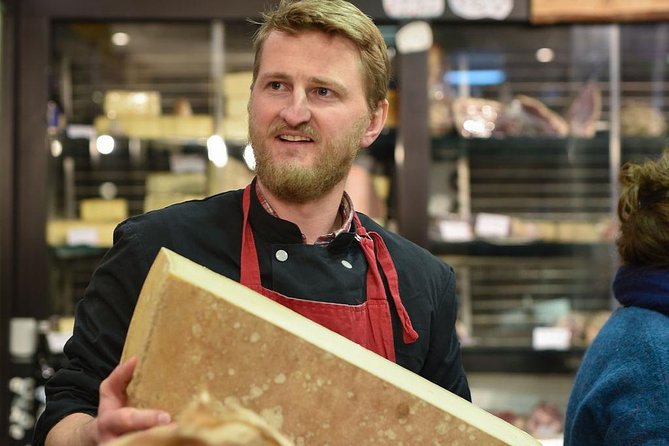
- Cold cellar + serious cheese weight: some wheels are as large as 77 pounds (35 kg)
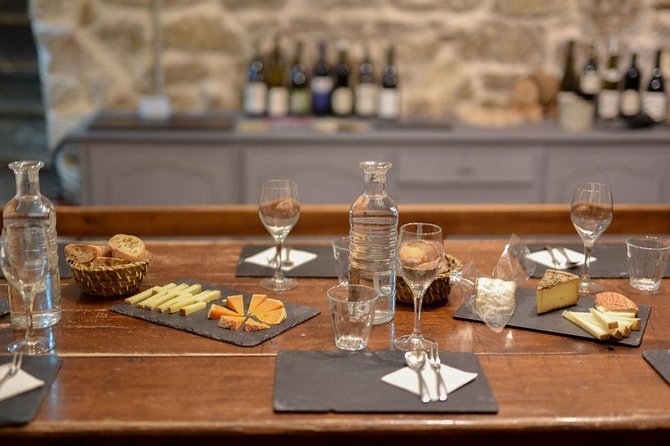
- 7 cheese tastings and 3 wine tastings with baguette bread in between
- Guides who help with pairing logic, not just random pairings
- A small group capped at 12, so it feels more like a class than a spectacle
- Cheesemaking museum time, including how maturity affects flavor
Entering Musee Vivant Du Fromage: Start With Cheesemaking Basics
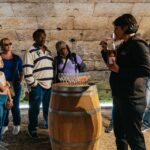
Your experience kicks off at a specialty shop area at 39 Rue Saint-Louis en l’Île (near public transport, in Paris’s Île de la Cité/Île Saint-Louis zone). Before you taste anything, the tone is practical: this is about understanding French cheesemaking, and why aging matters as much as the milk.
In this first phase, your guide sets you up to read cheese like a food scientist and a curious eater at the same time. You’ll spend time learning what happens before the cheese reaches the cellar: how the process shapes texture and flavor, and how maturity changes what you taste. It’s the kind of context that makes the later pairings stick, because you’re not just trying to match names—you’re learning what each cheese is doing.
From the highlights, one underrated benefit is that you get help deciphering menus in another language. If you’ve ever stared at a French menu thinking, I hope this isn’t a prank, you’ll appreciate having real guidance for what to look for and what to ask when you’re buying your own cheese after the tour.
What could feel like a drawback here: some people want wine to be the main event. This start is heavily tied to cheesemaking and history-style explanation, so don’t book this expecting a wine-tasting-only session.
You can also read our reviews of more food & drink experiences in Paris

Suit Up and Take the Stairs to a Ripening Cellar
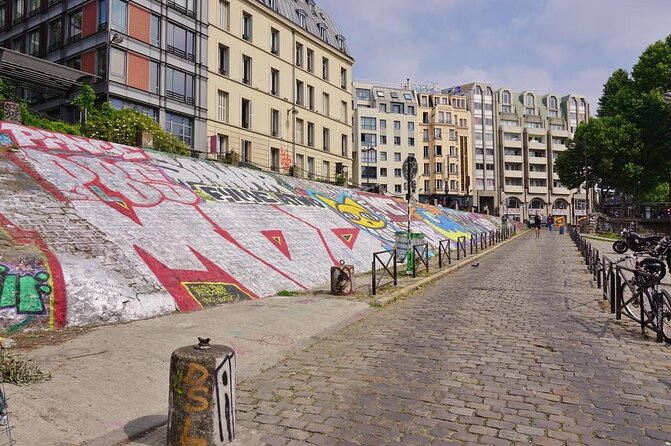
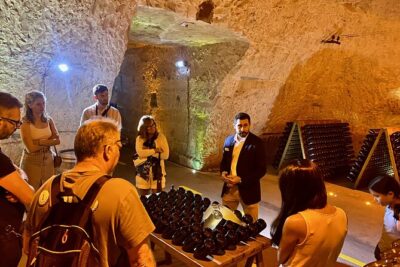
Then you step into the part that feels most different from a standard tasting: the cellar. You put on a protective suit designed to preserve the delicate cheeses and keep things hygienic. It’s not just for show. Cheese is living matter in a controlled environment, and the whole setup is about protecting what’s aging down there.
Next comes the real practical reality: the cellar is only accessible by stairs, and it can be cold. This is one of those tours where your comfort matters. Wear warm clothing even if you’re arriving from a mild Paris street. A light jacket under a thicker layer helps. Closed-toe shoes are smart too—cellars aren’t built for flip-flops and quick photo runs.
Inside, you’ll see the cellar supply: ripening blocks, rolls, and wheels. The scale surprises people. Some cheeses can weigh up to 77 pounds (35 kg). Seeing that in person changes how you think about cheese—this is not snack-sized. It’s a craft with serious patience built into it.
The cellar phase is also where the tastings become more meaningful. When cheese has been maturing for a while, flavor isn’t a single note. It’s a whole progression: aroma, texture, intensity, and finish.
The Pairing Game: How 3 Wines Meet 7 Cheeses
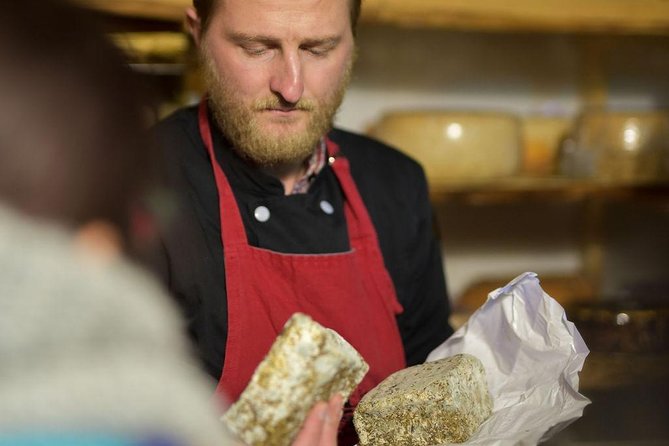
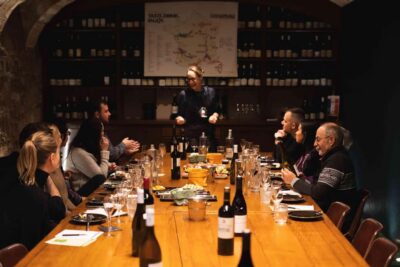
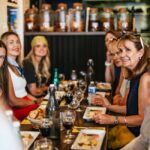
This is not a random buffet line. The tasting follows a clear rhythm: you alternate bites of fragrant cheese with sips of French wine meant to complement flavors. The guide’s job is to teach you the pairing logic so you understand why something works—not just that it does.
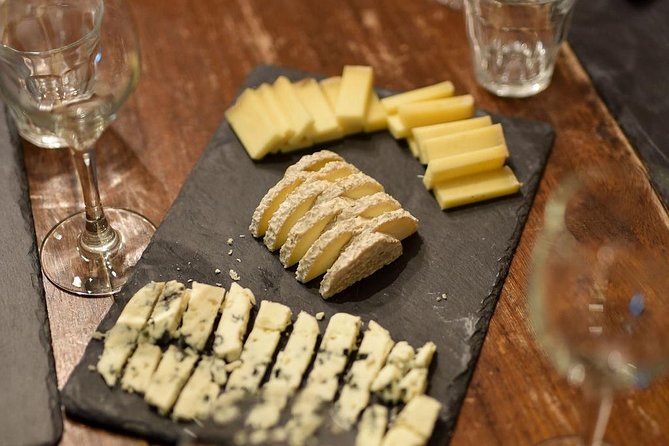
You’ll taste 7 cheeses and 3 wines, and baguettes are included to finish the tasting. The bread part sounds simple, but it helps reset your palate and keeps the tasting grounded. Cheese can go from mild to powerful fast, and bread gives you a gentle breather between rounds.
If you’re the type who learns best by tasting, this format is a win. Each new cheese is a mini lesson:
- What the cheese smells like
- How the texture changes as you go from bite to bite
- How the wine shifts the experience (or how the cheese changes the wine)
Also, since it’s a small group capped at 12, you should be able to ask for clarification when something surprises you. Names like Pierre, Gabriel, Galina, Dee, Dion, Agathe (and Paul) show up in past sessions, and the recurring theme is that guides explain in a way that keeps people engaged—not lectured.
Balanced expectation: based on how these sessions are described, you should expect more cheese education than wine-only focus. If you want a tour where wine is the headline every minute, you might find the cheesemaking walkthrough takes more time than you expected. Still, that extra context is what helps the pairings feel intuitive by the end.
Cheese Highlights You’ll Actually Remember
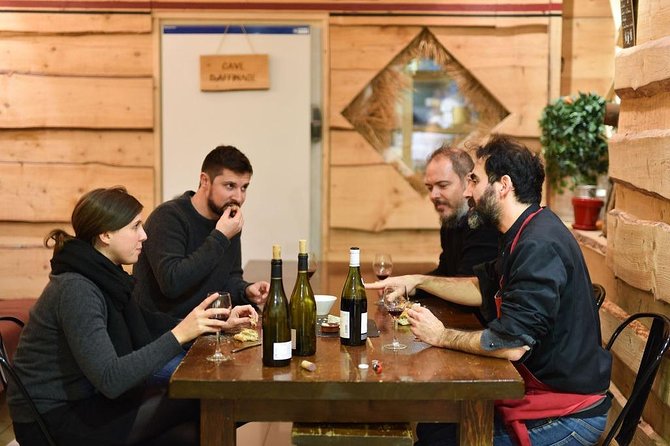
You’ll taste multiple varieties cut fresh from the block. The cheeses specifically mentioned include:
- Swiss Gruyère: nutty and savory, usually a great bridge cheese because it’s flavorful without being chaotic.
- Bôfavre: a hard cheese from Switzerland’s Jura Mountains. Hard cheeses tend to bring more concentrated, earthy flavors, and they’re excellent for learning how maturity intensifies character.
- Camembert: described as delicate. It’s a reminder that “French cheese” isn’t always about sharpness—sometimes it’s about creaminess and aroma.
- Etivaz: a hard cheese originating in the Alps. Expect a different kind of firmness and depth, and pay attention to how wine pairing handles stronger structure.
- Beaufort: a raw cow’s milk cheese. This one is a great choice for discovering how fat and aging work together in a long-lasting finish.
That list covers five named cheeses, and you’ll taste a total of 7. The other two aren’t specified here, but the rotation is clearly designed to teach variety: Swiss styles, Jura influences, Alpine hard cheeses, plus softer French classics. That range is what makes the session useful for real-life shopping afterward.
Here’s how to get more out of it: take one bite without wine first, then take one bite with wine. Even if you don’t do anything “scientific,” you’ll start noticing whether the wine makes the cheese taste cleaner, richer, drier, or more aromatic.
Bread, Timing, and How to Eat Like You Mean It
You’ll nibble fresh baguettes throughout the tasting (bread is included, and it’s specifically called out). Use it with intention:
- When the cheese feels intense, take a small bread bite before the next pairing.
- Notice whether the wine feels brighter or heavier after bread.
- Use bread as your palate reset so you don’t end up tasting only your strongest flavors for the final round.
Timing matters in a tasting like this. Alternating cheese and wine keeps your senses active and prevents you from getting stuck in one flavor mood. And because this is a guided format, you’ll also get tips on how to eat cheese with wine—exactly the kind of skill that makes future restaurant or fromagerie stops feel easier.
One more helpful angle from the highlights: you leave with tailored foodie tips for the rest of your time in Paris. That could mean practical suggestions like what to try next, how to approach ordering, or which style of cheese fits your preferences.
You can also read our reviews of more wine tours in Paris



Price and Value: What $84.69 Gets You in 90 Minutes
At $84.69 per person for about 1 hour 30 minutes, you’re paying for more than cheese. You’re paying for:
- access to a working cellar setting,
- a guided cheesemaking education,
- and structured tastings (7 cheeses + 3 wines + bread).
In Paris, buying cheese and wine “à la carte” can get expensive fast, especially if you want variety. What you’re really buying here is efficient taste + instruction. You get to compare multiple styles under one roof, with a guide interpreting what you’re tasting.
You’re also buying a learning atmosphere. The small group size (maximum 12) helps you avoid the typical mass-tour feeling. And since these sessions tend to get booked ahead—about 30 days on average—that’s a sign people plan it early as a core food activity, not a random add-on.
So is it a splurge? Yes. But it’s a splurge with clear structure: you’re not just eating; you’re learning how to order and pair with confidence afterward.
Logistics That Matter: Where to Meet and How to Dress
Meeting point is 39 Rue Saint-Louis en l’Île, 75004 Paris, France, and the tour ends back at the same location. You’ll have a mobile ticket, and confirmation is received at booking time.
The tour is offered in English, and it’s near public transportation, which makes it easier to pair with other Île Saint-Louis sightseeing.
Two practical notes you should plan for:
- Cold cellar: warm clothing is recommended.
- Stairs only: the cellar isn’t step-free. If stairs are a problem for you, this tour may not work well.
Alcohol is part of the tasting (3 wines), and the minimum drinking age is 18. Hotel pickup and drop-off are not included, so you’ll want to handle getting yourself to the meeting point.
Finally, double-check any last-minute venue or meeting details in your confirmation and ticket info. One past experience flagged a location change that affected arrival timing for the group. You don’t want that stress on a Paris day—set a reminder and verify the exact address before you go.
Should You Book This Paris Cheese and Wine Cellar Tour?
If you want a Paris activity that feels local, not just another lineup of monuments, I think this is a strong choice. It’s especially good for:
- first-timers who want a fast start on French cheese taste,
- people who love hands-on learning,
- and anyone who wants to bring pairing skills back into real-life ordering.
I’d also recommend it early in your trip. The “take-home” foodie tips and menu guidance can make the rest of your days easier, because you’ll know what you’re looking at when you see cheese lists and wine recommendations.
The one reason to pause: if you expect a wine-first tasting with minimal cheesemaking explanation, this may feel heavier on the cheese and history/museum walk than you hoped. Still, that extra context is part of why the pairings make sense by the end.
FAQ
How long is the Paris cheese and wine tasting in the cellar?
It runs for about 1 hour 30 minutes.
How many cheeses and wines are included?
You’ll taste 7 cheeses and 3 wines, plus bread.
What language is the tour offered in?
The tour is offered in English.
Where do I meet for the tour?
Meet at 39 Rue Saint-Louis en l’Île, 75004 Paris, France. The tour ends back at the same meeting point.
Is hotel pickup included?
No, hotel pickup and drop-off are not included.
Is there an age limit for the wine?
Yes. The minimum age to drink alcohol is 18.
Is the cellar accessible by stairs only?
Yes. The cellar is only accessible by stairs.
Can I cancel for a full refund?
Yes. You can cancel up to 24 hours in advance for a full refund.
If you want, tell me your travel dates and what cheeses or wines you usually like (mild vs strong, creamy vs hard). I can help you decide if this pairing style will fit your taste.