REVIEW · PARIS
Skip-The-Line Centre Pompidou Paris Guided Museum Tour – Semi-Private 8ppl Max
Book on Viator →Operated by Babylon Tours Paris · Bookable on Viator
A colorful museum guide saves your energy for art. This semi-private Pompidou tour gives you skip-the-line entry plus a guided walkthrough of modern and contemporary highlights in about 2.5 hours. I also like the tight group size, because you get real back-and-forth instead of getting swept along.
One possible drawback: this is not built for everyone. The tour requires moderate walking, and it’s not available for people with walking disabilities or wheelchair users. You’ll also need to follow the Pompidou security rules—no large bags, just a handbag or small thin pack.
If you’re in Paris around the evening rush, the timing is smart. It starts at 5:00 pm at Centre Georges Pompidou and ends right back at the meeting point, so you can plan dinner afterward without a long detour.
In This Review
- Key things that make this Pompidou tour work
- Why Pompidou feels different when a guide frames it
- Skip-the-line and small-group pacing: the real value of paying for it
- Getting oriented at Centre Georges Pompidou (before you even enter galleries)
- The architectural lesson you’ll remember (Renzo Piano in plain view)
- Walking the modern timeline: Cubism, Fauvism, Dada, Pop Art
- Dubuffet’s winter garden and multimedia galleries: the breaks that matter
- Listening rules, quiet rooms, and why it affects your experience
- What to pack (and what not to): bag rules and dress
- Transportation and timing: planning your 5:00 pm start
- A quick reality check on art museums: this tour won’t do everything for you
- Who this Pompidou tour suits best
- Should you book the Skip-The-Line Centre Pompidou tour?
- FAQ
- Where does the tour start?
- How long is the Pompidou tour?
- What time does the tour begin?
- How many people are in the group?
- Is skip-the-line admission included?
- What is included in the price?
- What is not included?
- Is the tour wheelchair accessible?
- Are there bag restrictions?
- What if the Centre Pompidou has an unexpected closure or delay?
Key things that make this Pompidou tour work
- Skip-the-line admission keeps you from burning your best Paris time in queues
- Up to 8 people makes the pace feel manageable and more conversational
- A guided modern-art roadmap links movements like Cubism, Dada, and Pop Art to what you’re seeing
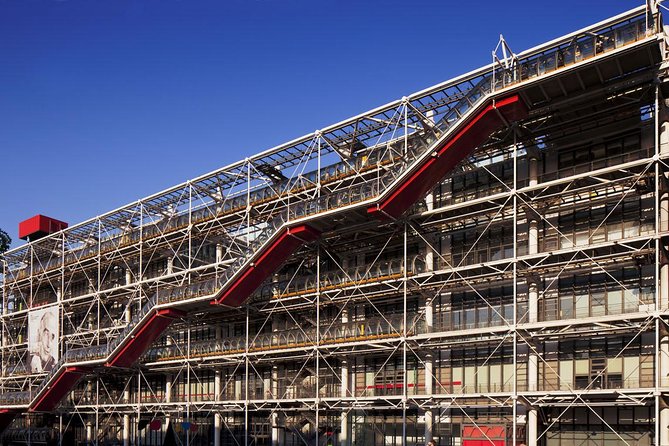
- Architecture as part of the lesson: Renzo Piano’s design (and the building’s concept) is a major focus
- Dubuffet’s winter garden plus multimedia galleries add texture beyond the main galleries
- Security and room rules matter: no large bags, and some rooms have quiet speaking limits
Why Pompidou feels different when a guide frames it
Centre Pompidou can be a lot on your own. The museum is famous for more than art—it’s famous for being a talking point in steel, color, and attitude. A good guided route helps you stop staring at the building long enough to actually read it, and then it helps you do the same with the art.
I like that this tour treats Pompidou as a whole system: architecture first, then the galleries. That order matters because the museum’s “inside-out” look and color-coded structure are basically a preview of the way modern artists think—everything is exposed, labeled, and reinterpreted.
The best part is that you don’t just get a list of famous works. You get connections: how Cubism changes the way you see form, how Dada reflects the chaos of its era, and how Pop Art turns everyday culture into subject matter. You’ll leave with more than photos. You’ll leave with a mental map.
You can also read our reviews of more guided tours in Paris



Skip-the-line and small-group pacing: the real value of paying for it
At $75 for about 2.5 hours, this isn’t a “cheap and cheerful” add-on. It’s a priced-for-efficiency museum visit: skip-the-line admission, an expert guide, and all entrance fees included.
For me, the value is simple: Pompidou is popular, and queues can chew up your evening. With skip-the-line entry, you can keep your plans tighter—this tour also loops back to the same meeting point, which helps you avoid last-minute transportation stress.
Small-group size is the other big reason it feels worth it. With up to 8 people max, the guide can adjust the pace when someone asks a question. You’re also more likely to hear the guide clearly without competing with a wall of chatter.
If you’re the type who likes to wander and stop often, this tour may feel a touch structured. Still, the pacing is meant to hit major highlights without turning the visit into a marathon.
Getting oriented at Centre Georges Pompidou (before you even enter galleries)
The meeting point is Centre Georges Pompidou (75004 Paris), and the tour runs from 5:00 pm. I like this start time because it’s late enough that you can do daytime sightseeing, but early enough that you’re still traveling with energy rather than fatigue.
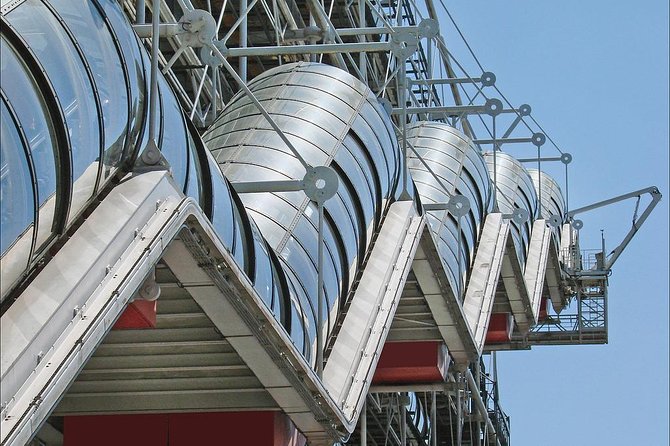
Before the art, the guide focuses on the building. Expect the museum’s unusual design—Renzo Piano’s striking approach and the idea that you experience the museum differently because it looks like its inner workings are on display. This isn’t trivia. It’s a shortcut to understanding why Pompidou holds modern art the way it does: as something conceptual, not just decorative.
Once you’re oriented, walking through the galleries feels easier. You’re not constantly asking where to go next. The route is built so you move through major periods and styles in a logical flow.
The architectural lesson you’ll remember (Renzo Piano in plain view)
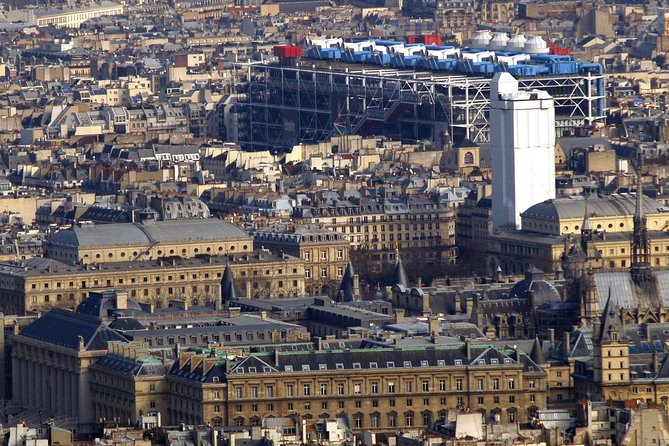
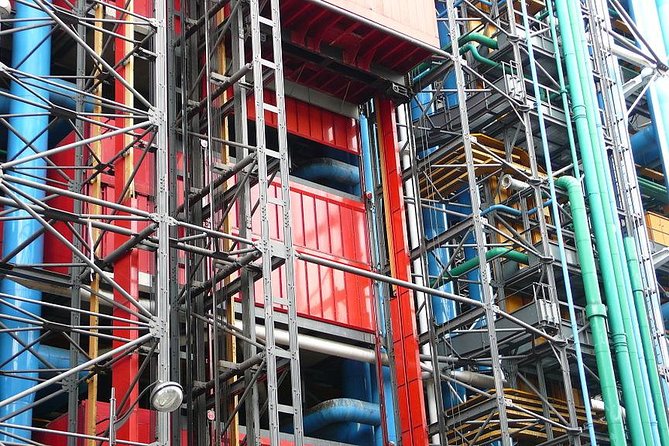
Pompidou’s exterior can look chaotic at first. That’s normal. The guide’s job is to turn chaos into a system you can understand in minutes.
You’ll learn about the museum’s color-coded structure and the inside-out concept. And when you’re inside, you’ll start to notice how that concept shapes the visitor experience—how spaces connect, how circulation works, and why the building doesn’t behave like a traditional “quiet temple” museum.
I also like that the tour treats architecture as part of the story, not as an afterthought. One of the joys of Pompidou is that it’s a kind of artwork too. Seeing Renzo Piano’s design in person makes that clear.
If your ideal museum day includes a bit of engineering and design talk, this is a strong match.
Walking the modern timeline: Cubism, Fauvism, Dada, Pop Art
The gallery portion is where the tour earns its keep. The guide connects art movements to what you’re actually looking at, instead of treating modern art like a set of random famous names.
Here’s what you can expect the route to cover:
- Picasso and Matisse: You’ll see works tied to Cubism and Fauvism, with explanations of how those movements rethink shape, color, and perspective.
- World War-era works: The guide also frames surreal, concept-driven art in the context of wartime.
- Dada: You’ll talk about Dada as a movement that pushes back—often by attacking the idea of art conventions themselves.
- 1950s and swinging 60s: The route reaches Andy Warhol and Pop Art, where you’ll see how mass culture becomes art subject matter.
What’s especially helpful is that the guide ties the art style to why it makes sense for its time. Modern art can feel like it’s asking for patience. This tour gives you that patience up front.
You may also encounter a wider spread of international names as the guide builds the context—depending on what’s on view in the museum during your visit. The approach is built to connect French artists and international figures into one evolving story rather than isolated stops.
One more bonus: some of the works can feel easier once you’ve heard how to look for “the move,” not just the image. The guide’s framing helps you spot the artistic problem each movement is trying to solve.
You can also read our reviews of more private tours in Paris






Dubuffet’s winter garden and multimedia galleries: the breaks that matter
Pompidou isn’t only white-wall paintings. Part of the experience is atmosphere, and the tour includes a couple of elements that change the tone.
You’ll have time for Dubuffet’s winter garden, which functions like a calm counterweight to the heavier conceptual galleries. It’s also a nice visual reset when your brain needs a breather.
The tour also includes multimedia galleries. Even if you’re not a hardcore media-art person, this part tends to make Pompidou feel more alive and more current. Modern and contemporary art often uses more than paint and canvas, and these areas help you see that shift.
If you’ve only been to traditional museums in Paris, this blend can be a relief. It keeps your visit from turning into a single long lecture.
Listening rules, quiet rooms, and why it affects your experience
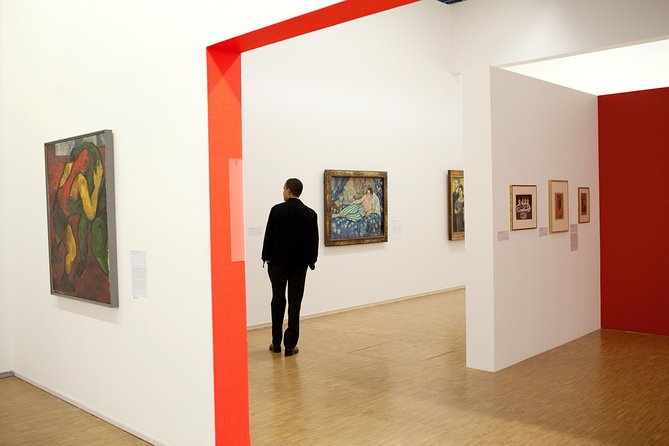
Pompidou has areas with special rules. The tour includes guidance on when you need to keep speaking quiet or restricted in certain rooms. Your guide will point this out before you enter, so you don’t accidentally break the museum’s etiquette.
This is a small detail, but it matters. Quiet rules can change the vibe: it becomes less about conversation and more about focused looking. If you’re the kind of person who enjoys hearing explanations, this still works—just expect your guide to handle those spots with brief, clear instruction so you’re not left guessing.
Also plan for the museum’s security setup. Even with skip-the-line, you can still see security lines and some waiting. It’s not a magic force field; it’s just a better system than standing around outside in a full queue.
What to pack (and what not to): bag rules and dress
This tour has firm museum entry rules. No large bags or suitcases are allowed inside; you can bring a handbag or small thin bag pack through security. If you’re traveling with shopping bags or a big backpack, that’s a problem. Paris museums often have strict screening, and Pompidou is no exception.
Dress also matters. You’ll need to follow appropriate dress for entry into some sites on the route. You don’t need to dress fancy, but do avoid anything that would clearly violate site rules (think overly exposed clothing if you’re unsure).
A small practical win: since you’ll be using a mobile ticket, you’re required to provide a mobile phone number (with country code) at booking. It’s worth having that ready so your day doesn’t start with log-in and form-filling chaos.
Transportation and timing: planning your 5:00 pm start
The tour doesn’t include hotel pickup or drop-off. I’d plan on using a taxi or Uber, especially with the 5:00 pm start time when streets can get busy.
Because it ends at the meeting point, you can pivot easily to dinner near central Paris. That loop-back format is underrated. It helps you avoid the “where do we meet again?” problem that can happen with some tours.
The itinerary is about 2 hours 30 minutes (approx.), and it’s a walking format. You’ll want moderate physical fitness for the pace and the gallery movement.
A quick reality check on art museums: this tour won’t do everything for you
This tour focuses on the permanent collection highlights. Temporary exhibitions are not included, so if you’re traveling specifically for a special show, you’ll likely need a separate plan.
Also, the tour can’t be adjusted for everyone. It’s not available for wheelchair users or people with walking disabilities based on the tour rules provided. If mobility is an issue, you’ll need to look for an accessible alternative route.
Finally, like many major attractions, Pompidou can have occasional closures. If the museum opening time is delayed more than 1 hour from the tour start time, the operator says they’ll provide an appropriate alternative—but they also note that refunds or discounts aren’t available in those situations. It’s the kind of policy you should factor into your schedule.
Who this Pompidou tour suits best
This is a strong fit if you want:
- modern and contemporary art presented with context, not just facts
- an architecture-forward museum experience
- a calmer group size than big bus tours
- a route that works well for evenings
It’s also a good choice if you’re going with teens. Some guides have a conversational style that makes contemporary art feel less like school and more like a real discussion—especially when the guide explains differences between Pompidou and other big Paris museums.
If you’re deeply into one single artist and want to linger for hours, you might find the pacing a bit “greatest hits.” But if you want the big picture and you want to walk out with a clearer sense of what you saw, this tour is built for that.
Should you book the Skip-The-Line Centre Pompidou tour?
I’d book it if you want a structured, high-value evening at Pompidou and you hate wasting time in lines. The semi-private max of 8 plus skip-the-line access makes the $75 feel less like a premium and more like a way to buy back time and understanding.
Skip it if:
- you need wheelchair access
- you plan to spend most of your visit on temporary exhibitions
- you prefer completely free-form wandering with no guiding structure
If your goal is to get oriented fast, see the core masterpieces and major movements, and understand why the building itself is part of the art experience, this is a smart booking. Pompidou is big. A strong guide helps you turn that size into something you can handle.
FAQ
Where does the tour start?
The tour starts at Centre Georges Pompidou, 75004 Paris, France.
How long is the Pompidou tour?
The duration is approximately 2 hours 30 minutes.
What time does the tour begin?
The start time listed is 5:00 pm.
How many people are in the group?
This is a semi-private tour with a maximum of 8 travelers.
Is skip-the-line admission included?
Yes. Skip-the-line admission is included, and all entrance fees are covered.
What is included in the price?
Included items are the skip-the-line semi-private museum tour, a professional tour guide, the duration (about 2.5 hours), and all entrance fees.
What is not included?
Temporary exhibitions are not included, and the tour price does not include hotel pickup or drop-off. Gratuities are also not included.
Is the tour wheelchair accessible?
No. The tour is not available for those with walking disabilities or using a wheelchair.
Are there bag restrictions?
Yes. No large bags or suitcases are allowed inside the museum. Only handbags or small thin bag packs are allowed through security.
What if the Centre Pompidou has an unexpected closure or delay?
The museum may close occasionally without warning. If opening is delayed more than 1 hour from the tour start time, an alternative will be provided, but refunds or discounts are not available in those cases.