REVIEW · PARIS
Paris: Baguette and French Breads Class
Book on GetYourGuide →Operated by Le Foodist · Bookable on GetYourGuide
Fresh bread starts with a simple dough. A Paris bread class like this turns flour, water, salt, and yeast into real skills you can use at home, and you leave with a bag of what you bake. I especially like the small group feel and the clear, step-by-step structure that walks you through mixing, proofing, shaping, and baking.
What I like most is how practical the lessons are: you learn what you’re aiming for while mixing dough, then how proofing, deflating, and shaping change the final loaf. I also love that you bake multiple styles—baguettes, brioche, and ciabatta—because each one forces a different technique (like baguette tension and brioche rolling).
One thing to consider: with a class capped at 8 and a format that can involve pair work, you might spend some time watching while the instructor demonstrates. If you’re the type who wants full-on hands-in-every-step control—like weighing ingredients or watching every bake moment—plan to speak up early and ask to do more of the active parts.
In This Review
- Key Points That Make This Bread Class Worth It
- Breads You’ll Make: Baguette, Brioche, and Ciabatta
- From Flour, Water, Salt, Yeast: The Skills Behind the Dough
- Proofing, Deflating, and Resting: The Timing That Makes Bread Work
- Shaping and “Signing” Your Loaves: Baguette Tension and Scoring
- Baking: Temperature, Time, and Humidity (Yes, Humidity)
- Group Format: Working in Pairs Without Getting Lost
- Eating What You Made: Cheese, Jam, and a Little Wine
- Price and Value: What $175 Buys in a 4-Hour Workshop
- Who Should Book This Class (and Who Might Want to Think Twice)
- Should You Book This Bread Class in Paris?
- FAQ
- How long is the bread class?
- What group size is it?
- Is the instructor teaching in English?
- What types of bread will I make?
- Do I get to take my bread home?
- Will I eat the bread during the class?
- What ingredients do you start with?
- Is this a cooking class or just a demonstration?
- Do I work alone?
- What if my plans change?
Key Points That Make This Bread Class Worth It
- Small group, capped at 8: enough attention without feeling crowded
- English instruction from Florence-style teaching and hands-on guidance
- Multiple breads in 4 hours: baguette, brioche, and ciabatta
- Technique focus: baguette tension, brioche rolling, and shaping choices
- You sign and bake: scoring matters for oven success, not just looks
- You eat your results: you’ll taste what you made with classic add-ons
Breads You’ll Make: Baguette, Brioche, and Ciabatta
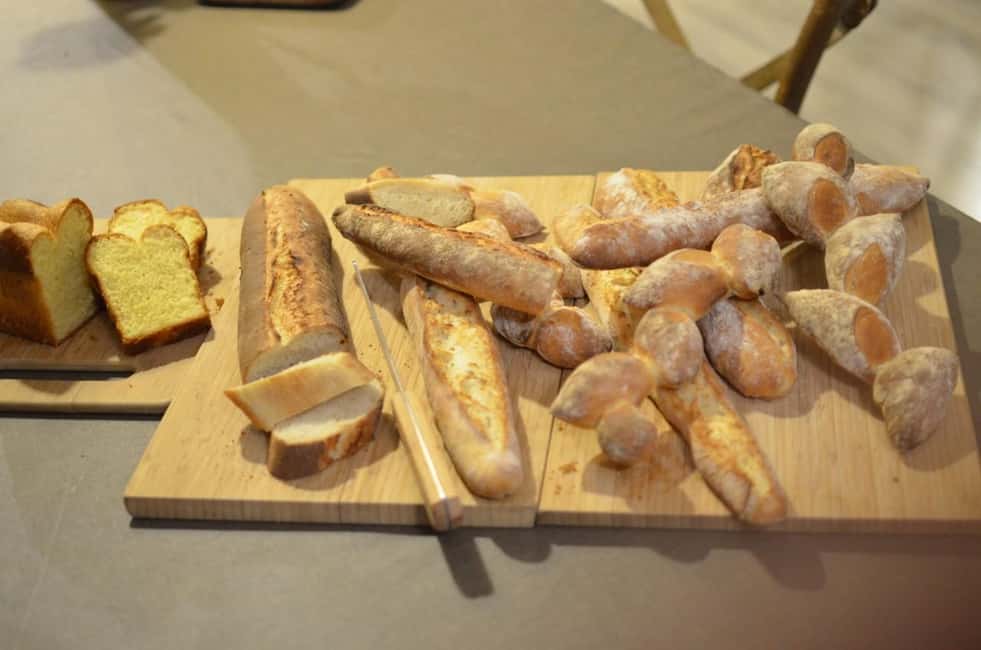
This is not a one-loaf show. In about four hours, you’ll make several French bread styles from scratch. The class highlights baguettes and French breads, and the most specifically mentioned ones are baguette, brioche, and ciabatta.
That matters because bread isn’t one skill—it’s a set of techniques. Baguette asks for structure and tension. Brioche is richer and asks for different handling. Ciabatta is all about texture and a different approach to shaping. Even if you’ve baked before, you’ll likely notice how each dough behaves differently, and you’ll learn what to watch for instead of copying a single recipe step blindly.
You also get a practical reward at the end: you sit together to enjoy what you baked, and you take more home. The class promises a bag full of your creations—perfect for sharing at your apartment or turning dinner into a casual picnic.
You can also read our reviews of more tours and experiences in Paris

From Flour, Water, Salt, Yeast: The Skills Behind the Dough
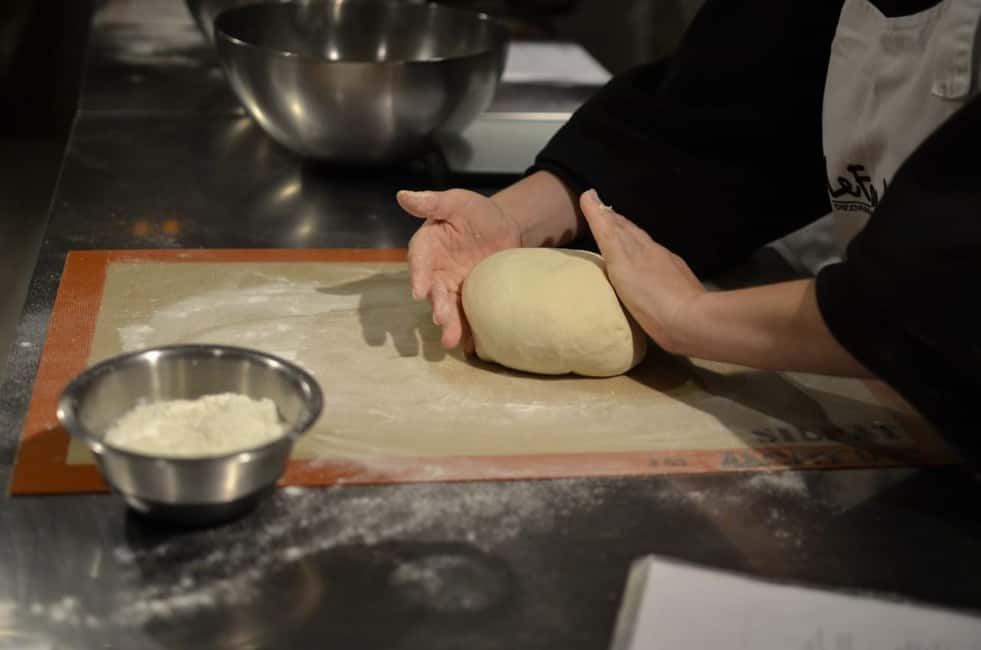
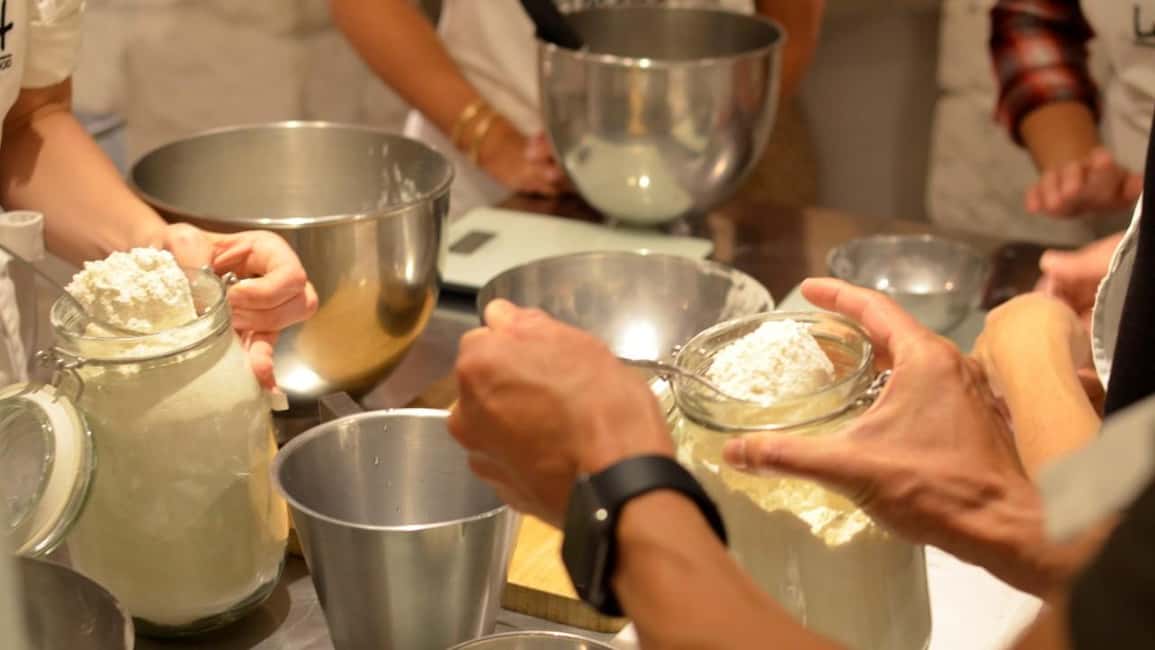
The class starts with the bread fundamentals: flour, water, salt, and yeast. That four-ingredient base is simple, but the magic is how you handle it. The teaching emphasizes measuring properly first—because with bread, tiny mistakes can turn into big differences after proofing and baking.
Then you move into mixing. The goal here isn’t just to combine ingredients and hope. You learn to understand what you’re looking for when you mix—how the dough should feel and look as it comes together. This is where you pick up the real “Parisian” part: not some secret ingredient, but better instincts about dough.
After that, the class explains that from the base dough, you can do a lot. Add a little butter or a little oil and you change the dough’s character. That’s useful knowledge. When you bake again later, you’ll understand what’s changing and why, instead of memorizing one outcome.
Proofing, Deflating, and Resting: The Timing That Makes Bread Work
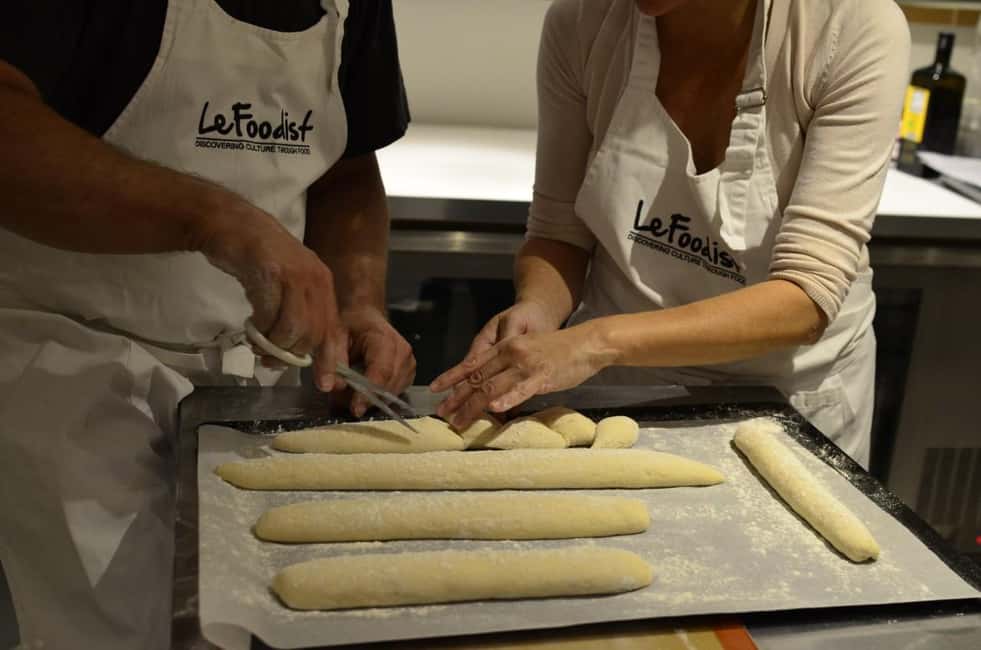
Bread has its own clock. The class walks you through proofing so the dough can rise, then you’ll deflate it before shaping. The wording you’ll hear is that each step can be one or several steps, and each has a technique attached.
For you, the key takeaway is this: proofing isn’t just waiting. You’re learning how the dough evolves over time. When you later bake at home, you’ll be less likely to treat proofing like a rigid recipe instruction and more likely to treat it like a process you can read.
Resting also matters after shaping. Dough needs calm time before it goes into the oven. The class ties that rest to how the final loaf will bake and hold its form. If you’ve ever had bread that looked fine out of the bowl but turned flat later, this is the part that fixes that.
Shaping and “Signing” Your Loaves: Baguette Tension and Scoring
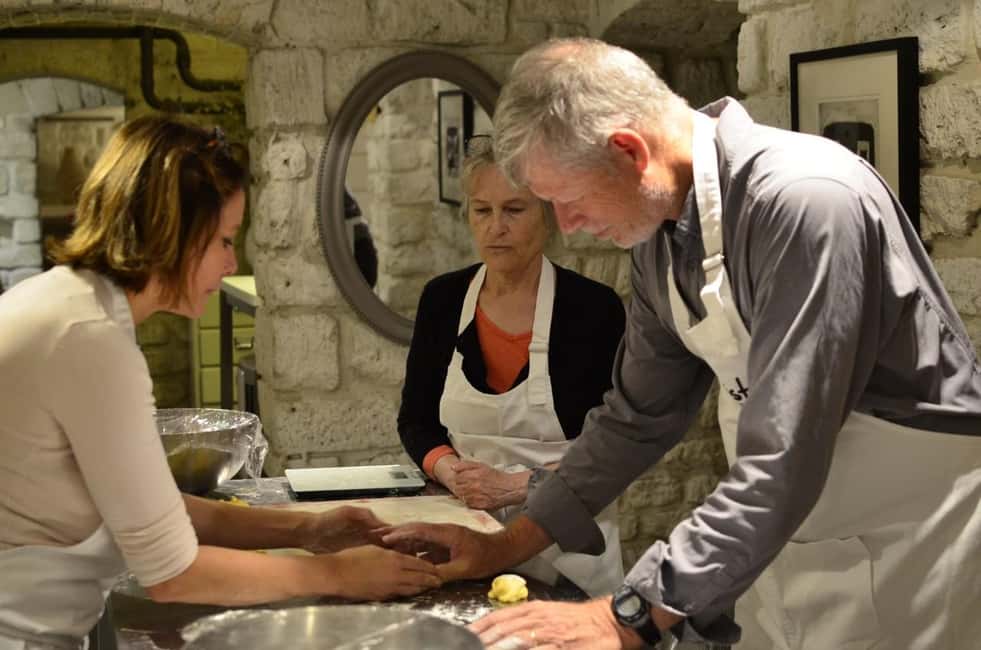
Shaping is where bread turns from mixture into loaf. The class teaches different techniques for different shapes, and two examples are called out clearly.
For baguettes, tension is critical. That means how you handle and stretch the dough affects how it expands in the oven. For brioche, you’ll roll—again, technique changes texture and the way the dough bakes up.
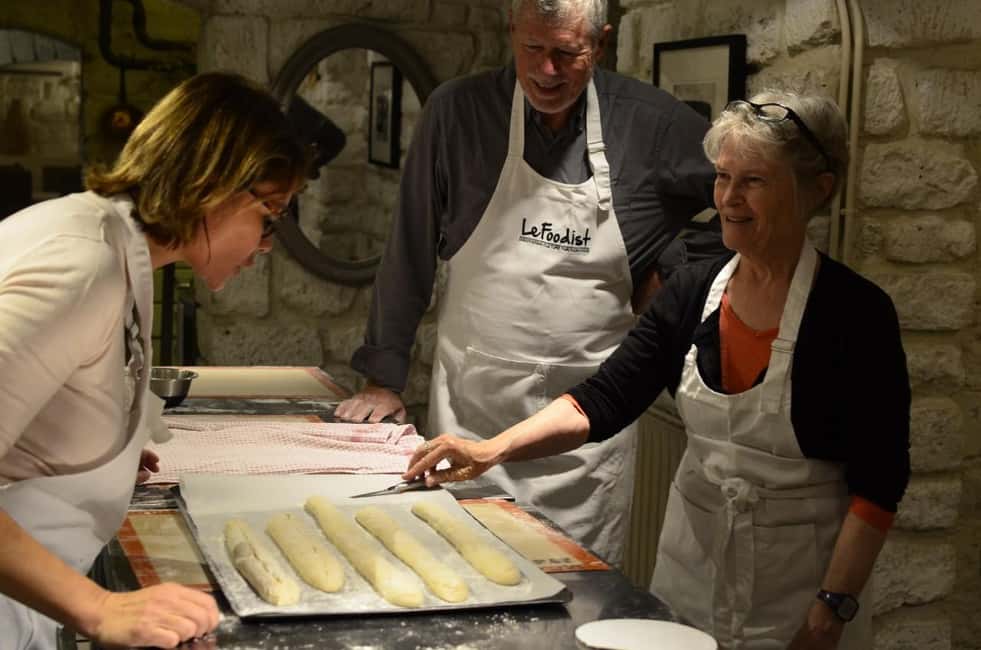
Then comes the moment people often think is just for looks: signing your bread. The instructor guides you through how to score before baking. This isn’t just decorative. It’s important for successful baking because it helps control how the dough expands.
If you like photography, this part will feel fun. If you want good results, it feels even more important. Do it wrong and your loaf can split oddly or fail to open in the way you expect.
Baking: Temperature, Time, and Humidity (Yes, Humidity)
Now you bake. The class is very direct about what affects the outcome: temperature, time, and humidity. That’s a big deal because many home ovens run hot spots, dry air, and uneven heat. The class doesn’t just say bake for X minutes and hope—it frames baking as a science you can watch and adjust later.
After baking, you taste your breads. The tasting isn’t limited to plain bread. You’ll learn how different breads can pair with different add-ons—French cheese, jam, and even using bread in a cooking style like Pain Perdu (French-style bread pudding). That’s smart teaching because it helps you turn your baking into meals, not just snacks.
And if you’re thinking this will be too academic, don’t worry. The class wraps up with enjoying what you made together. The small group format keeps it social.






Group Format: Working in Pairs Without Getting Lost
This class runs with a small group limited to 8 participants, and the format often means you work in pairs. That’s a practical setup: bread-making is easier when you can split tasks and learn by comparing notes with someone next to you.
You’ll likely move between doing and watching. One review note flagged that some people wanted more hands-on access—like seeing dough mixing up close, seeing the dough go into the oven, or having clearer visibility into weighing ingredients. If that’s you, here’s how to handle it: pay attention early to what the instructor is demonstrating, then ask to take the next hands-on step. Being proactive helps you get the most out of the 4 hours.
Also, there’s a practical reality with baking: in a fast class, naming everything perfectly isn’t always the top priority. One person wished their baked items were easier to identify per pair. You can prevent confusion by keeping track of what you shaped and by watching for any label or visual marker the instructor uses.
Eating What You Made: Cheese, Jam, and a Little Wine
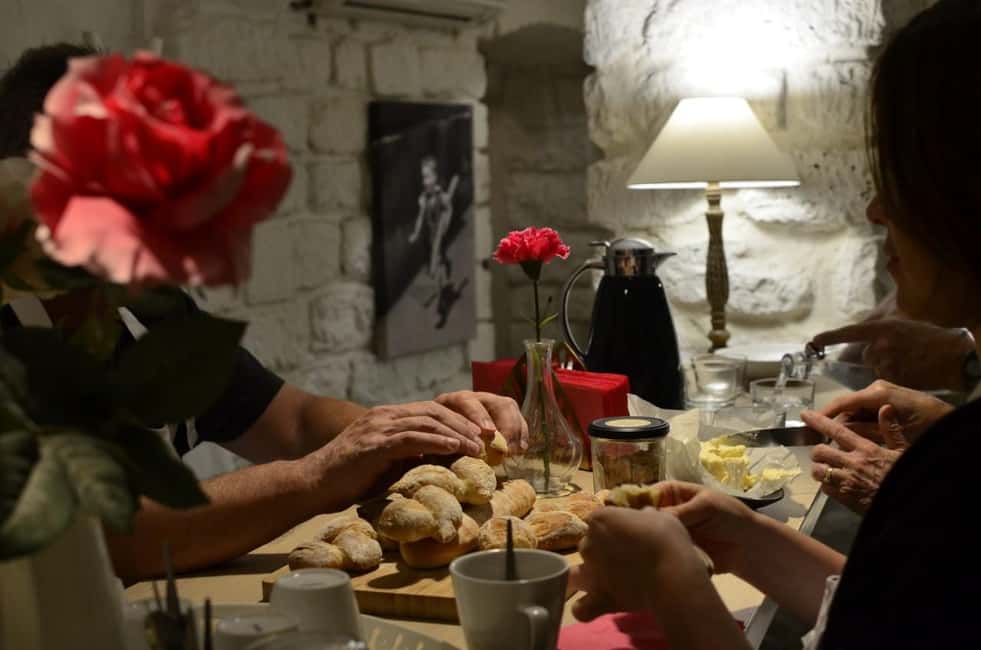
Bread classes can be awkward when you’re done baking but nothing happens next. Here, the end of class is built around tasting your results. You sit together and enjoy the breads with butter, cheese, and wine, plus you can try options like jam or repurposing bread in cooking ways such as Pain Perdu.
This matters for two reasons. First, it’s immediate feedback. You can taste what each technique produced. Second, it turns the experience into an actual Paris meal moment, not just a workshop where everyone leaves hungry.
It also makes the whole class feel worth the effort. You’re not baking for later theory—you’re baking for dinner.
Price and Value: What $175 Buys in a 4-Hour Workshop
At $175 per person, this is not a cheap “try baking once” activity. But bread classes like this are really buying three things:
- Instruction time: expert guidance in mixing, proofing, shaping, scoring, and baking
- Hands-on practice: you make multiple breads, not just one demonstration
- Output you can take home: a bag full of creations plus an on-the-spot tasting
Also, the class is capped at 8. In a city where you can find bigger groups and generic demos, small-group teaching usually means better odds you’ll actually learn what to do next time.
If you’re a beginner, the price can feel steep until you realize the alternative is failing batches at home—wasting ingredients and time while figuring out what went wrong. Here, you get a guided path with enough variety to build real bread confidence.
If you’re already an advanced baker who wants deep fermentation lectures and total control over every oven cycle, you might find the class too short or too structured. But for most people, the mix of skills and take-home bread is good value.
Who Should Book This Class (and Who Might Want to Think Twice)
This is a great match if you want:
- a hands-on introduction to French bread techniques
- to bake styles beyond one simple loaf
- to learn why shaping and scoring matter, not just how to follow a recipe
- a small-group class with a social tasting at the end
It may be less ideal if:
- you need maximum individual attention and don’t want pair work
- you get frustrated when there’s some demo time while others bake
- you expect ultra-detailed ingredient weighing and perfect labeling of each pair’s loaves
If you’re on the fence, think about your goal. If your goal is confidence and a solid set of techniques you can repeat, this class aims squarely at that.
Should You Book This Bread Class in Paris?
Yes, I’d book it if you want a memorable Paris food experience with real skills baked in. The small group size, the multiple breads you make, and the focus on technique like baguette tension and “signing” your loaves all point to a course that teaches you how to succeed, not just what to do once.
I’d skip it if you’re the kind of person who needs every moment fully hands-on, with no observation time, and you’re picky about seeing every step the exact way you prefer. But if you’re flexible and willing to ask for the next active step, you’ll likely leave with both bread and practical know-how.
FAQ
How long is the bread class?
It lasts 4 hours.
What group size is it?
It’s a small group limited to 8 participants.
Is the instructor teaching in English?
Yes, the instructor teaches in English.
What types of bread will I make?
You’ll make baguettes, brioche, and ciabatta from scratch.
Do I get to take my bread home?
Yes. You leave with a bag full of your creations to share or enjoy later.
Will I eat the bread during the class?
Yes. At the end, you taste what you baked, with options such as butter, cheese, and wine.
What ingredients do you start with?
You start with four ingredients: flour, water, salt, and yeast.
Is this a cooking class or just a demonstration?
It’s a cooking class.
Do I work alone?
No, the class format includes small groups and you work in pairs.
What if my plans change?
You can cancel up to 24 hours in advance for a full refund, and you can reserve now and pay later.