REVIEW · PARIS
Running Tours in Paris for intermediate to advanced runners
Book on GetYourGuide →Operated by Juan Echeverria · Bookable on GetYourGuide
Paris feels different when you’re moving fast.
This small-group run with Juan Echeverria, a Paris native, pairs real local stories with an efficient route plan that covers big sights and overlooked areas in one go; I also like that he can adapt to your pace. One consideration: you must already be comfortable running at least 8km (and the tour is not for people with a long list of health limits).
If you’re the kind of runner who hates wasting vacation time on “where do I even start?” guesswork, this is a smart fix. You’ll get guided routes through the Seine river area, parks, and the Canal Saint-Martin zone, with options that can fit 45, 60, or 90 minutes. The payoff is practical: you learn where things sit in Paris while your legs do the sightseeing.
In This Review
- Key things you should know before you go
- Why a Paris Running Route Beats a Regular Sightseeing Walk
- Place de la République: The Starting Spot and How to Find It Fast
- Choosing 45, 60, or 90 Minutes for Your Actual Fitness Level
- The Seine and Bridges: Where Paris Looks Best at Running Speed
- Canal Saint-Martin and Les Halles: More Everyday Paris Than You’d Expect
- Learning Paris Topography While You Train
- Sunrise or Sunset Runs: How the Season Changes Everything
- Pace, Group Size, and What Small Means Here
- Practical Inclusions That Make a City Run Easier
- Price of $53: Is It Good Value for What You’re Getting?
- Who Should Book This Running Tour (and Who Should Skip It)
- Should You Book Juan Echeverria’s Paris Running Tour?
- FAQ
- How long is the running tour?
- Where do I meet the guide?
- How much does the tour cost?
- What languages does the guide speak?
- How many people are in the group?
- Do I need to bring running shoes or other equipment?
- What route areas and landmarks can the tour include?
- Is the tour suitable for children?
- Are there health or mobility restrictions?
- Is free cancellation available?
Key things you should know before you go
- Multi-language guide (English, French, Spanish) with local Paris context built in
- Small groups (1 to 5 people) mean you’re not stuck pacing with strangers
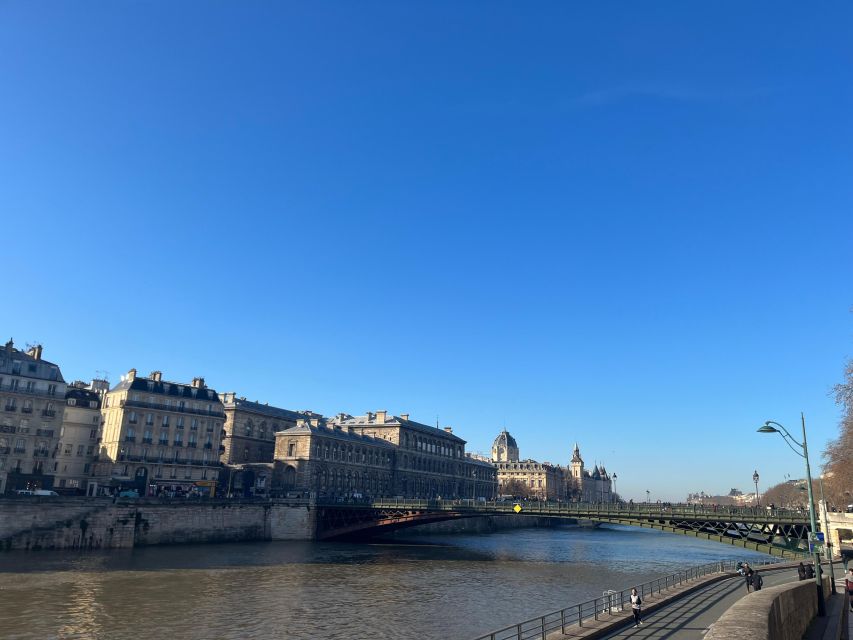
- Route options can feature the Seine, bridges, Canal Saint-Martin, and key landmarks
- Sunrise or sunset timing depending on the season adds a real mood shift
- Fuel is included: water plus a cereal bar during the run
- You bring your own running gear since no equipment is provided
Why a Paris Running Route Beats a Regular Sightseeing Walk
A normal walking tour in Paris is all stop-and-go. This one is different because you keep moving while you learn. That matters more than it sounds. When you run between sights, you start building a mental map of how the city connects—rivers, bridges, neighborhoods, and the way Paris “tilts” in elevation from one quarter to the next.
I also like the approach here: it’s not just a list of monuments. With a Paris-born guide like Juan, you get street-level anecdotes and quick context as you pass places you’ll likely visit later. And because the group stays small, the run doesn’t become a lecture with pace-breaking interruptions.
The other big win is that you can choose your intensity. The experience is aimed at intermediate to advanced runners, not casual joggers. If you’re already covering 8km comfortably, you’ll feel like this tour was made for you—fast enough to stay fun, structured enough to stay safe.
You can also read our reviews of more tours and experiences in Paris.


Place de la République: The Starting Spot and How to Find It Fast
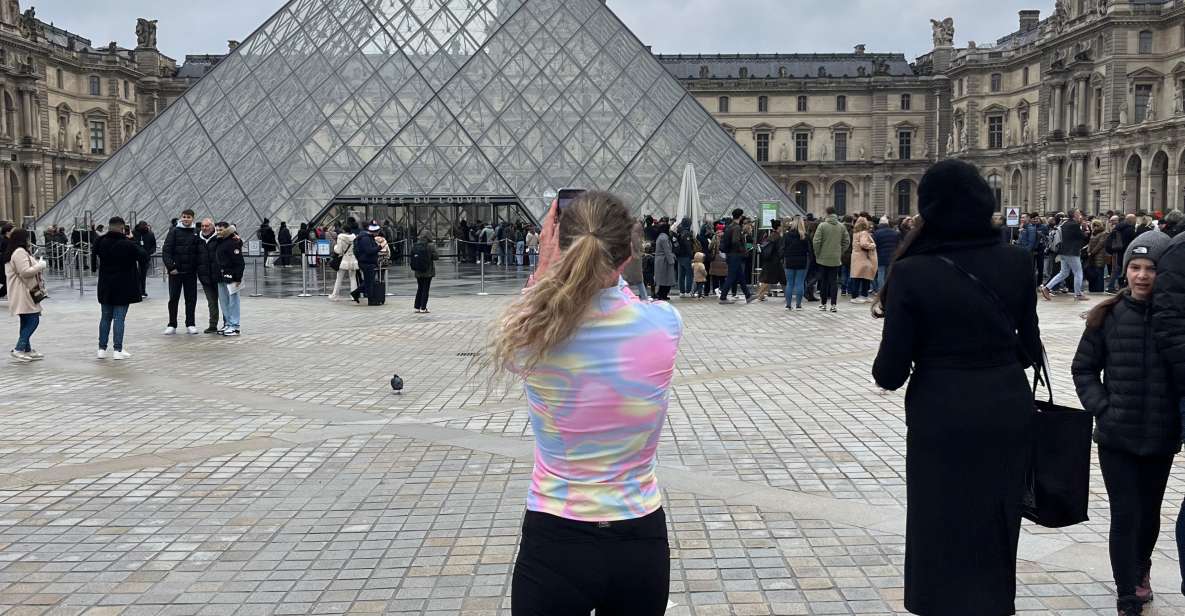
You meet at Place de la République, next to the statue in the center of the square. That’s practical. It’s a recognizable public square that makes meeting simple, and it’s close enough to major zones that you can reach a classic Paris route without the run turning into a long warm-up slog.
Because it starts in an urban hub, your first minutes are likely a mix of city streets and early adjustments—settling into cadence, checking pace, and listening as Juan sets the tone. If you like your tours to start quickly, this one does.
One more thing I’d plan for: since this is running-first, you’ll want your shoes ready and your outfit checked for weather. The activity calls out that you must look at the weather and wear suitable clothing, which is exactly what you should do for a city run.
Choosing 45, 60, or 90 Minutes for Your Actual Fitness Level
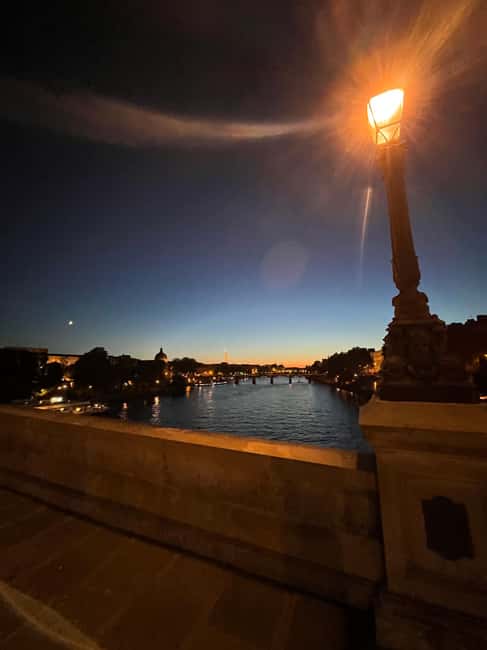
This experience is built around 45, 60, or 90 minutes, depending on what you want to see and your running level. That flexibility is more useful than it looks, because Paris sights stack up quickly. In a 45-minute slot, you’re going to get a highlight-focused route. In 90 minutes, you can cover more connections—like extra bridge crossings and more time near the river system.
Important: the tour is designed for runners who can handle distance. You’re expected to be used to running at least 8km (5 miles). If you can do that, you’ll likely feel safe and in-control during the run. If 8km is a stretch day, I’d skip this one and pick a gentler walking or cycling experience instead.
There are also clear “do not bring your situation” limits. No pets. No alcohol or drugs. And it’s not suitable for people with back problems, heart problems, high blood pressure, diabetes, a cold, or anyone who’s visually impaired, pregnant, wheelchair users, or without running experience. If you’re unsure, it’s better to be cautious; this is still physical activity in a big city.
The Seine and Bridges: Where Paris Looks Best at Running Speed
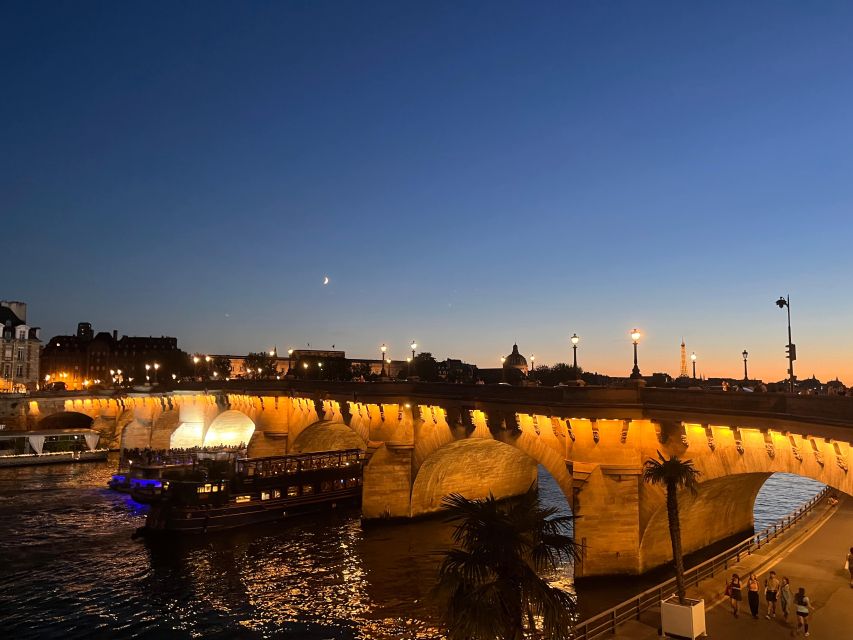
One route style focuses on the Seine river and Paris bridges, and that’s the kind of setup that makes a runner’s heart happy. The Seine corridor gives you long sightlines and constant “window moments” as you pass landmark districts.
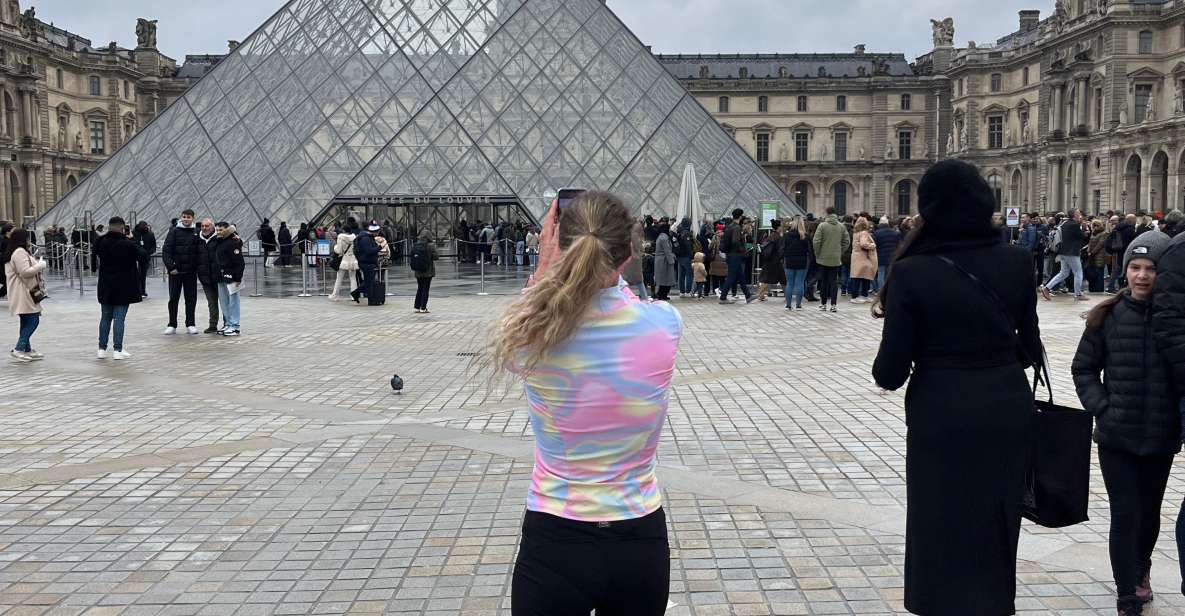
On this kind of run, you can expect to see major names up close while you’re moving—the Louvre, Tuileries, Musée d’Orsay, and îles like île Saint-Louis and île de la Cité. The bridges are the glue. They connect sides of the city and force the route to make sense geographically, which is exactly what you want when your goal is both exercise and orientation.
A practical note: running by big monuments is easier when you’re not trying to stop for photos every 30 seconds. If you want a photo-heavy tour, you might feel rushed. But if you’re fine snapping a few good shots while moving (or pausing briefly when the guide signals), you’ll get the most value.
Canal Saint-Martin and Les Halles: More Everyday Paris Than You’d Expect
The other route focus can swing toward Canal Saint-Martin, plus areas like les Halles. This is where the experience feels more local and less “postcard only.” The canal area tends to carry that lived-in Paris vibe—streets and water edges that feel like neighborhoods rather than museum frontage.
Juan’s style—quick stories as you pass—works especially well in these “in-between” zones. You’re not just seeing famous buildings; you’re also learning why certain streets and districts feel the way they do. It turns the run into a guided tour of flow: how people move, where the city breathes, and where your future walking days will be easiest.
You may also run through parks depending on the chosen path. That’s a smart add-on for runners. Parks and green stretches can break up the hard surface rhythm of dense streets, and they make pace feel more natural.


Learning Paris Topography While You Train
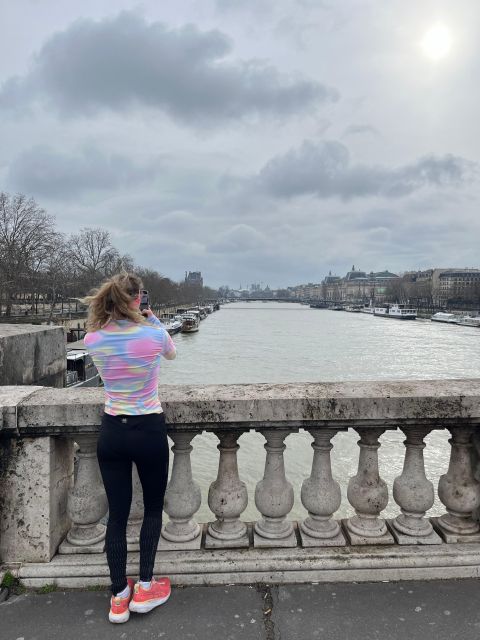
This tour isn’t only about monuments. You’re also meant to understand Paris topography and the different quarters—and the best way to learn that in a city like Paris is with your feet on the ground.
When a guide points out how neighborhoods connect and where the natural “logic” of the city sits (river lines, bridge connections, and quarter boundaries), it changes how you plan your next days. After a run like this, you’ll generally have a better sense of what’s near what, which direction the city flows, and where you’ll want to return when you’re not pressed for time.
The running requirement also helps learning stick. You remember routes you physically did. It’s less forgettable than reading a map for 10 minutes, deciding you understand it, and then getting lost five hours later.
Sunrise or Sunset Runs: How the Season Changes Everything
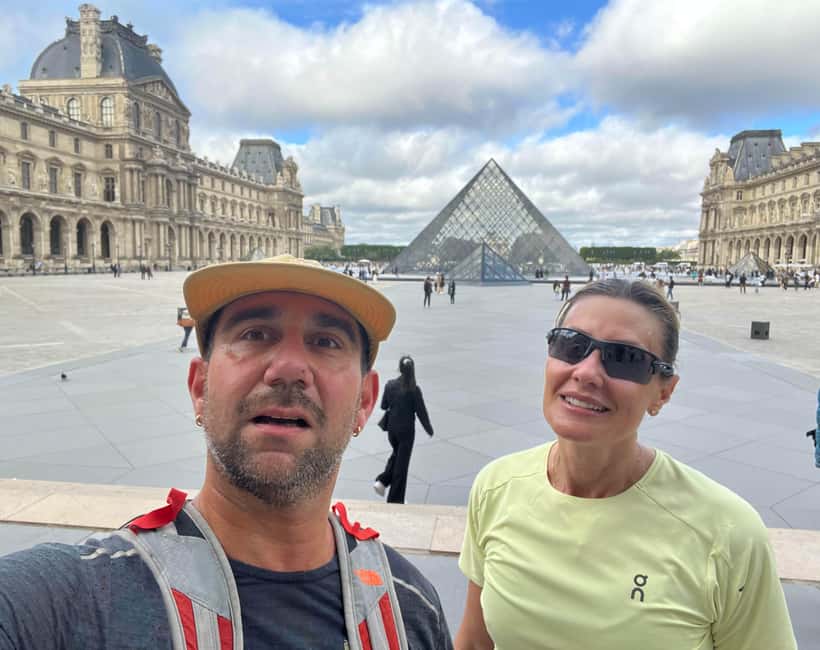
The tour can be timed so you catch sunrise or sunset, depending on the season. That’s not just aesthetics. Light and crowd levels affect how a city feels, and Paris changes mood fast between morning quiet and evening bustle.
If you go in darker months, a sunrise slot can give you a calmer vibe. If you go in warmer months, sunset light can make river and bridge views feel cinematic. Either way, you’re running in the part of the day that most normal sightseeing schedules miss.
Just remember: it’s still a run, not a stroll. Dress for the weather you’ll actually feel after 10 minutes of movement, not just what it looks like at the start.
Pace, Group Size, and What Small Means Here
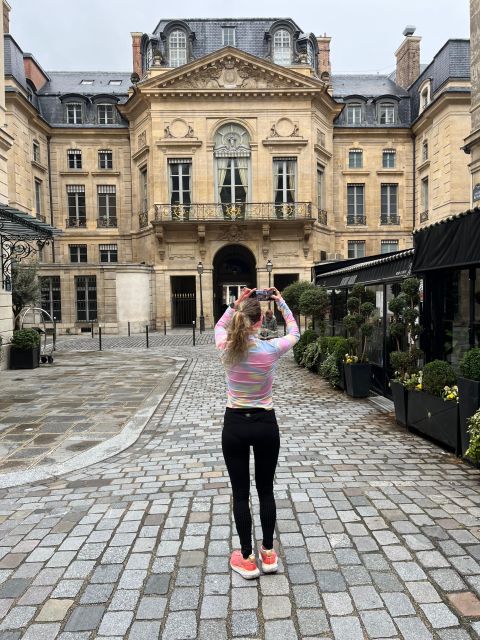
This is a private group with a small cap: from 1 to 5 customers. That’s a huge quality factor for runners. A small group means fewer slowdowns, fewer regrouping moments, and more control for the guide to keep everyone comfortable.
The guide also has the skill to work with runner differences. One runner noted Juan adapted to their pace, and that kind of flexibility matters on routes that include both straightaways and tighter city turns.
Because this is intermediate to advanced programming, you should go in expecting a real run—not a casual loop with frequent stops. If you’re looking for “walk and talk,” you might find the format too athletic.
Practical Inclusions That Make a City Run Easier
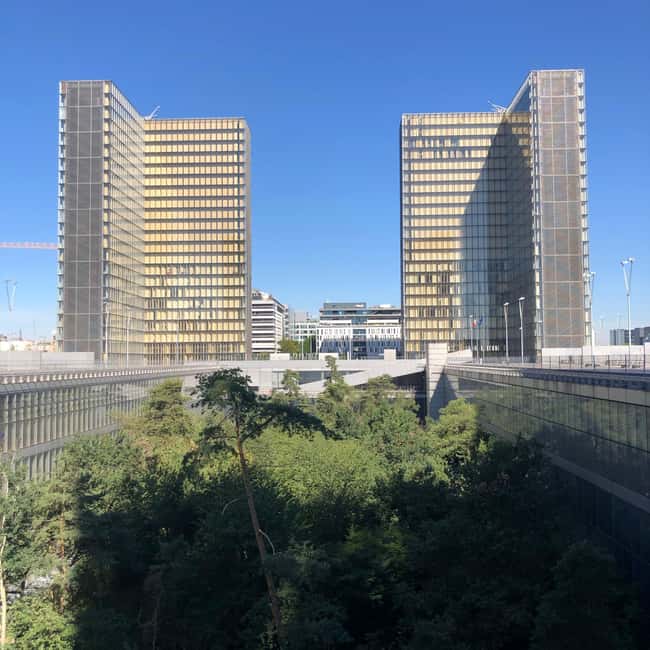
You get a guide, water, and a cereal bar. Music is also included, which can be a welcome morale boost if you’re used to training with sound.
I like these inclusions because they solve common issues. In a city run, you don’t want to be hunting for water at kilometer 4, and you don’t want to feel shaky at the end. A cereal bar isn’t a full meal plan, but it’s a useful bridge until you can grab something after.
What you don’t get is equipment. The tour specifically says it’s not providing running equipment, so bring your own shoes, any essentials you need, and whatever you use for hydration or safety beyond the included water. Also note the guidance that you should check the weather and wear suitable outfit choices.
Price of $53: Is It Good Value for What You’re Getting?
At $53 per person for a short, guided training session, the value comes from what’s included plus what’s harder to self-plan.
You’re paying for:
- A local Paris guide born and raised in Paris
- Routes built around runner-friendly connections (Seine, bridges, canal areas, parks)
- Time-efficient sightseeing without losing an entire day to transit and wandering
- Small-group attention (1 to 5 people)
If you’re an experienced runner, you can likely do a route yourself—sort of. But you’d spend time figuring out the best running areas, managing turns around crowds, and figuring out which sights connect logically. Here, that planning is done for you, and you also get commentary in English, French, and Spanish.
So yes, it’s not a budget activity, but it’s also not overpriced for what you’re buying: specialist guiding, plus fuel and water, plus a route that’s designed for movement.
Who Should Book This Running Tour (and Who Should Skip It)
This is a strong match if you:
- Can run at least 8km comfortably
- Want to sightsee while training
- Prefer small groups and a guide who shares street-level Paris context
- Like river views and bridge crossings, with a mix of landmark and neighborhood areas
It’s a poor match if you need a low-impact experience. The list of not-suitable groups is clear, including people with heart problems, back problems, high blood pressure, diabetes, pregnancy, a cold, or limited vision. Children under 16 also aren’t suitable.
And if you’re not currently at an intermediate running level, you’ll likely feel stressed. The tour expects you to be well and to have checked weather conditions in advance.
Should You Book Juan Echeverria’s Paris Running Tour?
Book it if you want a runner-first way to get your bearings in Paris fast. The combination of small-group coaching, Seine/bridge routes, and quick local stories is the kind of value that pays off on future days—because you’ll understand the city in a more physical, memorable way.
Skip it if your fitness level isn’t there yet, or if health conditions apply. Also skip it if you want to linger for photos and museum-time stops; this is built for running, not slow wandering.
If you’re an intermediate to advanced runner, this is one of the more practical ways to see Paris while staying in training mode.
FAQ
How long is the running tour?
You can choose between 45 minutes, 60 minutes, or 90 minutes.
Where do I meet the guide?
Meet next to the statue in the center of Place de la République.
How much does the tour cost?
The price is listed as $53 per person.
What languages does the guide speak?
The guide speaks English, French, and Spanish.
How many people are in the group?
The group size is small, from 1 to 5 customers, in a private group format.
Do I need to bring running shoes or other equipment?
Yes. The tour does not provide running equipment.
What route areas and landmarks can the tour include?
The run can include the Seine river and bridges, the Canal Saint-Martin, and areas such as the Louvre, Tuileries, Musée d’Orsay, les Halles, île Saint-Louis, and île de la Cité.
Is the tour suitable for children?
No. Children under 16 years are not suitable.
Are there health or mobility restrictions?
Yes. It’s not suitable for pregnant women, people with back problems, heart problems, high blood pressure, diabetes, wheelchair users, and people with a cold. People with low fitness or no running experience are also not suitable.
Is free cancellation available?
Yes. You can cancel up to 24 hours in advance for a full refund.