REVIEW · PARIS
Private Walking Tour of Montmartre and Sacré-Cœur Visit
Book on Viator →Operated by Astra Via Tours · Bookable on Viator
Montmartre feels like a living sketch. This private, English walking tour strings together artist legends, quirky street art stops, and a climb up to Sacré-Cœur views with photo moments built in. I especially like how the route connects places like Le Bateau-Lavoir and Le Moulin de la Galette to the artists who made Montmartre famous, and I love the pause at Le Mur des Je t’aime, where you can spot the I love you message in 250 languages. The tradeoff: expect a mostly uphill walk on uneven streets.
You’ll spend about 2 hours moving through key corners of the neighborhood, starting at 5 Pl. Blanche and ending in front of Sacré-Cœur. One practical note: entry to the basilica is free, but if you want to go up into the dome for the top views, there’s an extra fee of €7 per person.
In This Review
- Key things I’d focus on before you go
- From Place Blanche to Belle Époque cabaret vibes
- Van Gogh street corners and Art Nouveau details you’ll actually notice
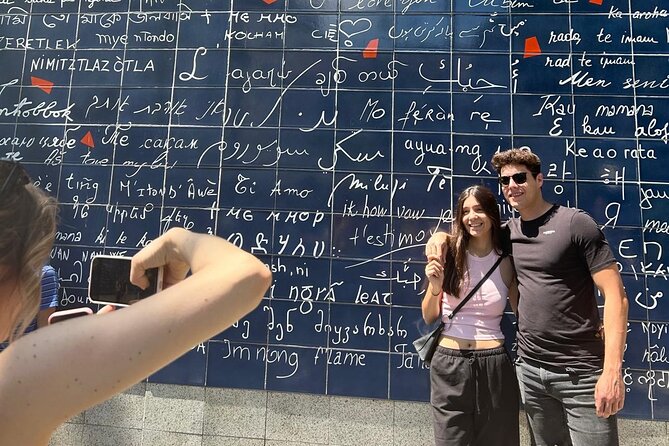
- Le Mur des Je t’aime: romantic, funny, and wildly photogenic
- Le Bateau-Lavoir and Le Moulin de la Galette: where art history feels close
- Le Passe-Muraille, Dalida’s square, and the Rose House stop before the climb
- Sacré-Cœur finish: free basilica access, dome option, and the best timing
- Price, pace, and whether $118.63 makes sense for you
- Should you book this Montmartre and Sacré-Cœur walk?
- FAQ
- How long is the Montmartre and Sacré-Cœur walking tour?
- Is the tour offered in English?
- Where does the tour start and end?
- What is included in the price?
- Is Sacré-Cœur Basilica free to enter?
- Is this tour private?
- Can I cancel for a full refund?
Key things I’d focus on before you go
- A guide-led artist route that turns familiar landmarks into a story about modern art
- Le Mur des Je t’aime with I love you in 250 languages for an easy, fun photo stop
- Real Montmartre street texture: cafés, bistros, performers, and portrait artists as you walk
- Icon stops you can’t reliably find on your own like Le Passe-Muraille and Le Bateau-Lavoir
- Sacré-Cœur at the end for classic Paris panoramas, plus a dome option if you want it
- Mostly uphill walking that’s great if you’re game, but not ideal if your legs hate stairs
From Place Blanche to Belle Époque cabaret vibes
Your tour starts at 5 Pl. Blanche in the 9th arrondissement. From there, you head into Montmartre’s world of late-1800s glamour—before it turned into the artsy, arts-on-the-streets neighborhood you think of today. One of the early highlights is the Belle Époque cabaret connection: you’ll hear what made those extravagant shows so legendary, and why Montmartre became a magnet for performers and bohemian life.
I like starting with this kind of context because it makes the later stops click. You’re not just looking at pretty corners; you’re picking up the “why” behind the look and the reputation. It also sets you up for the street-level details that follow—window signs, historic façades, and the sense that the neighborhood keeps reinventing itself.
This is also a nice first hour pace check. If you feel good on the walk out of the gate, you’ll likely enjoy the rest of the climb. If you’re expecting a flat stroll, you’ll want to mentally prep for hills.
You can also read our reviews of more walking tours in Paris



Van Gogh street corners and Art Nouveau details you’ll actually notice
Montmartre rewards slow eyes. As you move through winding streets lined with cafés, bakeries, and shops, you’ll come across one street tied to Vincent Van Gogh’s time living in the area. The great part here is that the tour doesn’t treat Van Gogh like a distant museum name—it connects him to the feel of the neighborhood.
You’ll also hit streets described as some of the most authentic Montmartre blocks, plus a stop built around an Art Nouveau metro entrance. That matters more than it sounds. These small design moments help you understand why Montmartre looks the way it does—how art and everyday life stayed tangled together.
And as the walk continues, you’ll start spotting the local performance energy. Street performers and portrait artists show up along the way, especially closer to the big artist squares. It’s the kind of scene where you can pause for a quick chat, watch someone work, or just enjoy that you’re seeing Paris as it exists now—not only as postcards.
Le Mur des Je t’aime: romantic, funny, and wildly photogenic
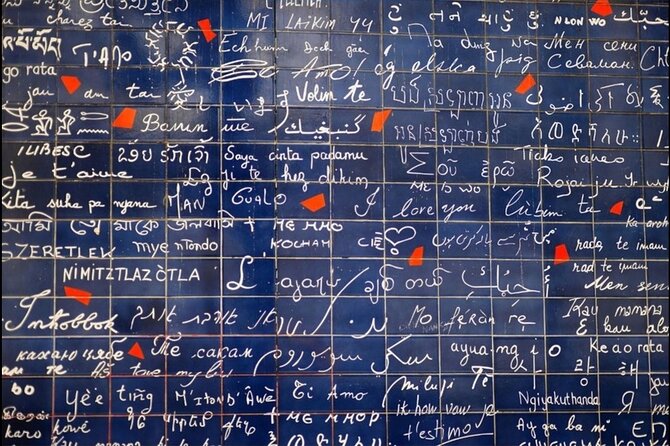
One stop is basically built for everyone: Le Mur des Je t’aime, the artistic wall that spells out I love you in over 250 languages. It’s one of those rare sightseeing stops that’s both sweet and entertaining. You get to scan languages like you’re playing a tiny game, and the results are always better than your phone expects.
This is also a great mental reset in the middle of the walk. You can stand, frame your shot, and catch your breath before the rest of the route tightens up again. If you’re traveling with someone who loves sentimental details—or if you’re the type who enjoys a well-designed “smile for the camera” moment—this will land.
A small consideration: the wall can draw crowds, so if you want the cleanest photos, plan to spend a little time adjusting your angle. Your guide can also help you time the best moments so you’re not stuck fighting bodies for a shot.
Le Bateau-Lavoir and Le Moulin de la Galette: where art history feels close
The tour leans hard into the “artists lived here” side of Montmartre, and two stops show that best.
First is Le Bateau-Lavoir. This is the legendary artists’ residence linked with names like Picasso and Modigliani, where many artists lived and worked. It’s tied to the story that Picasso painted Les Demoiselles d’Avignon there—a piece often described as a turning point for modern art. Even if that art style isn’t your usual thing, the stop helps you understand why Montmartre mattered: creative people gathered in imperfect spaces, and that mix fed new ideas.
Then comes Le Moulin de la Galette. This lively location was a favorite gathering spot for artists and Parisians, and it inspired Renoir’s painting Bal du moulin de la Galette. Standing near the area, you get a sense of how the neighborhood’s atmosphere—social, loud, and weather-worn—became “paintable” in the first place.
Two things I think you’ll appreciate here:
- The guide’s explanations give you something to look for beyond the obvious buildings.
- The stops are short enough that you don’t lose time, but long enough to actually read the atmosphere.
One drawback for some people: these stops involve walking and quick turns between viewpoints. If you want long museum-style time, this isn’t that. Think more “guided neighborhood tasting” than “slow art class.”
Le Passe-Muraille, Dalida’s square, and the Rose House stop before the climb
Montmartre loves illusions and odd corners. Le Passe-Muraille is one of them: an optical illusion sculpture inspired by a story by Marcel Aymé. It’s the kind of stop where you can play along—step into position, watch how the wall trick works, and take photos that look like you’re doing something impossible.
Next is Place Dalida, a quieter, tucked-away square dedicated to Dalida. Her statue is here, and there’s a bit of local legend attached to her bronze bust—touch it for good luck. This stop is a nice break from the bigger sightseeing energy, and it helps the tour feel like it’s moving through lived-in neighborhoods instead of a theme park.
Then you’ll see La Petite Maison Rose de Montmartre (since 1920), a charming pink building once associated with artists such as Picasso and Modigliani. It’s not just a pretty stop. It reinforces the theme: in Montmartre, art didn’t only happen in studios—it happened in apartments, cafés, streets, and whatever space someone could claim for making work.
Finally, you end up at the world-famous painter-supply zone: Place du Tertre. This is where painters set up their easels daily, continuing Montmartre’s long-standing tradition. It’s also where performers and portrait artists often overlap, so you may find yourself surrounded by people working while you walk. If you like watching creative people practice their craft in public, you’ll enjoy this part.
You can also read our reviews of more private tours in Paris






Sacré-Cœur finish: free basilica access, dome option, and the best timing
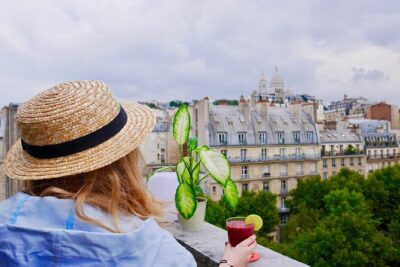
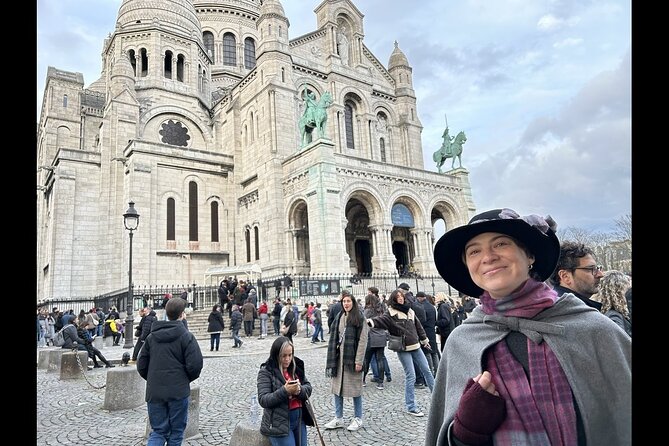
Your tour ends at Sacré-Cœur Basilica, in front of the church on Rue du Chevalier de la Barre. This is where the effort pays off. The basilica sits up high, and the views over Paris are the classic reward: roofs, domes, and the long ribbon of the city stretching out.
Important practical note: entry to the basilica is free, but access to the dome has an extra fee of €7 per person. If you’re deciding on the spot, think about what you want most:
- If you want the iconic look and the viewpoint energy, the free area is often enough.
- If you’re after the higher, more sweeping view from the dome, budget for the extra ticket.
Also, the vibe here tends to slow down. The walk becomes less hurried. It’s a good ending point because you’re not just “checking off” a landmark; you’re finishing with a payoff view and space to stand back and actually take it in.
One more thing: the Sacré-Cœur area can feel busy. Your best move is to plan a bit of patience for photo timing, especially if you’re traveling at peak hours.
Price, pace, and whether $118.63 makes sense for you
At $118.63 per person for about 2 hours, you’re paying for a guided walk that covers multiple key Montmartre touchpoints and includes the Sacré-Cœur visit. For me, that price makes sense when you want structure and story—not just wandering.
You also get tangible inclusions:
- a walking tour with an expert guide
- recommendations for local attractions and hidden gems (based on the provider’s approach)
- plenty of photo ops at iconic spots
- the Sacré-Cœur visit
- an optional wine tasting upgrade (if you choose it)
Two value checks to do before you commit:
- Your comfort with hills. This tour is meant for moderate physical fitness, and it’s mostly uphill and sometimes steep. One guide-led highlight is that the climb keeps paying you back with views, but only if your legs are on board.
- The dome decision. If you’re likely to pay the €7 dome fee, factor it into your budget. If you’d rather skip extra stairs, plan to use the free basilica vantage points well.
The tour is private for your group only, which is a big deal if you’re traveling with friends or family and want your own pace. It’s also offered in English, and you’ll receive a mobile ticket.
One reliability note (rare, but real): there was one serious case where a guide didn’t show up due to a booking cancellation issue, and a full refund was processed. I can’t predict your experience, but I’d still recommend arriving early, keeping your confirmation handy, and treating day-of plans with a little extra calm.
Should you book this Montmartre and Sacré-Cœur walk?
If you want Montmartre without guessing your way through, I’d book it. The route hits the art-world landmarks, the playful sculpture moments, and the I love you wall, then finishes with classic Sacré-Cœur views. It’s also a strong fit if you enjoy questions—guides on this type of route tend to answer and adjust to your interests, and some standout guides like Ifi and Benedict have been praised for patient, photo-friendly pacing.
Skip it only if you expect a mostly flat stroll. If hills and cobbles sound miserable, look for a more step-light option.
If you’re okay with uphill walking and you want a guided story that ties together Picasso-era places and modern romantic stops, this is a practical way to see the neighborhood in a tight time window.
FAQ
How long is the Montmartre and Sacré-Cœur walking tour?
The tour lasts about 2 hours.
Is the tour offered in English?
Yes, the tour is offered in English.
Where does the tour start and end?
It starts at 5 Pl. Blanche, 75009 Paris, and ends in front of Sacré-Cœur Basilica at 35 Rue du Chevalier de la Barre, 75018 Paris.
What is included in the price?
The walking tour of Montmartre, an expert guide, recommendations for local attractions and hidden gems, and a visit to Sacré-Cœur Basilica are included. There’s also an optional wine tasting experience.
Is Sacré-Cœur Basilica free to enter?
Entry to the basilica is free, but there is an additional fee of €7 per person to access the dome.
Is this tour private?
Yes. It’s a private tour/activity, meaning only your group participates.
Can I cancel for a full refund?
Yes. You can cancel for a full refund if you cancel at least 24 hours before the experience starts (free cancellation).