REVIEW · PARIS
Private Photography Walking Tour of Paris: Latin Quarter or Montmartre
Book on Viator →Operated by Experience Paris · Bookable on Viator
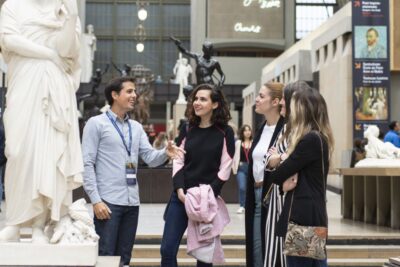
Paris looks different through a camera lesson. This private walking tour is interesting because you pick either Montmartre or the Latin Quarter, then you get hands-on coaching on lighting and composition while you wander. I like that it works for smartphone shooters and serious camera users alike, and I also like that the guide helps you slow down and see what your eye would skip. The main drawback to consider: quality depends on your specific guide’s balance of photography instruction and local storytelling—some guides may focus more on shots than neighborhood context.
You’ll meet midmorning, walk at a relaxed pace, and stop as often as you want to test angles. If you use a digital camera, you’ll even get a professional critique of your shots before you wrap up—then the tour ends back at the start, with the option to linger over refreshments at a nearby bistro.
In This Review
- Key highlights worth your morning (or afternoon)
- Choosing Latin Quarter or Montmartre for better photos
- Price and value: what you’re paying for at $237.17 per person
- Logistics that matter: timing, meeting point, and what to bring
- How the photographer turns Paris into a shot list
- Latin Quarter: Notre Dame street scenes and left-bank framing
- Montmartre: Sacré Coeur, cobblestones, and hillside angles
- The photo critique moment (digital camera advantage)
- Rain, crowd noise, and keeping momentum
- Ending at a bistro: turn technique into a break
- Who should book this private photo walk?
- Should you book it? My decision guide
- FAQ
- How long is the private photography walking tour?
- Can I choose between the Latin Quarter and Montmartre?
- Where does the tour start and end?
- Is this tour private or shared with other groups?
- What camera gear should I bring?
- Is admission to major attractions included?
- Does the tour include food or drinks?
- Do I get feedback on my photos?
- What is the cancellation window for a refund?
Key highlights worth your morning (or afternoon)
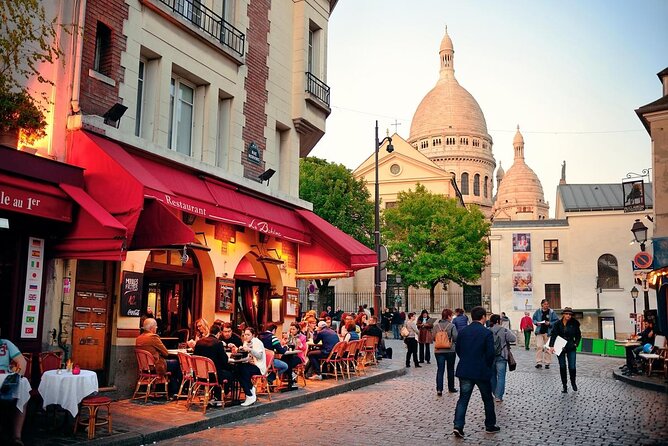
- Two distinct routes: Montmartre for Sacré-Cœur and cobbled lanes, or the Latin Quarter for Notre Dame and Left Bank street scenes
- Real coaching, not just sightseeing: composition, camera control, and using daylight to your advantage
- Any camera counts: smartphone to point-and-shoot to advanced SLR
- Private attention: only your group on the walk, with the guide adjusting to your skill level
- Midmorning meeting and a walkable pace: built for stopping, reshooting, and practicing
- Optional end-of-tour momentum: a local bistro break, plus a photo critique for digital shooters
Choosing Latin Quarter or Montmartre for better photos
This tour works because Paris splits neatly into two photographic moods.
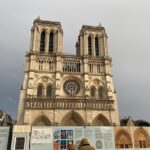
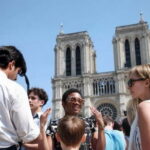
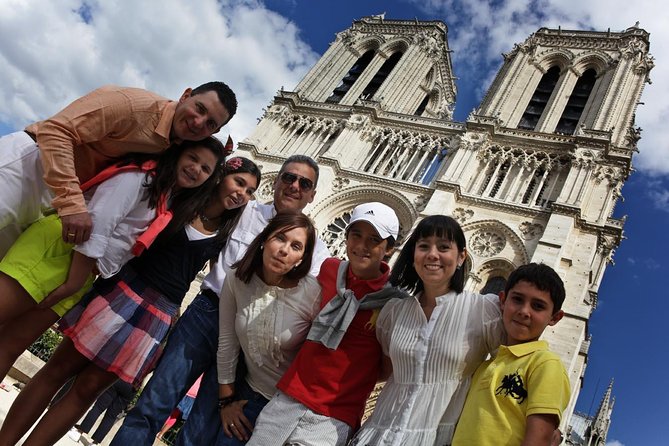
On the Latin Quarter route, you’re in Left Bank country—bistro-lined streets, classic stonework, and the kind of street rhythm that makes even ordinary storefronts look cinematic. The anchor sight is Notre Dame. From there, you’re guided through surrounding streets where you can practice framing: wide context shots (building + sky + crowd flow) and tighter compositions (details, textures, and lines).
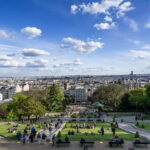
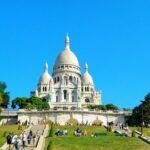
On the Montmartre route, the atmosphere changes fast. You’re higher up, the streets feel more atmospheric, and the views help you layer your images. The anchor sight is Sacré Coeur Basilica, plus the cobbled streets and the hilltop feel that makes this area a photo magnet for a reason. Even if you’ve seen these landmarks on postcards, the value here is that you don’t just pose in front of them. You shoot them with intentional angles and light.
Pick based on what you want to improve:
- If you want to work on street-level composition and iconic-but-approachable scenes, choose the Latin Quarter.
- If you want drama, texture, and elevated viewpoints, choose Montmartre.
You can also read our reviews of more walking tours in Paris

Price and value: what you’re paying for at $237.17 per person
At $237.17 per person for about 3 hours, this isn’t a budget “see Paris” walk. You’re paying for a professional photographer guide and the fact that it’s private—your group gets attention tied to your camera and your questions.
Here’s what makes it feel worth it (when it’s a good match):
- You get hands-on advice you can try instantly. Instead of collecting tips you’ll forget later, you shoot, adjust, and shoot again.
- You can bring whatever you have. The tour is built for smartphones through SLRs, so you’re not forced into renting equipment or learning a brand-new system from scratch.
- If you use a digital camera, you get a professional critique of your photos before you end. That’s rare for a walking tour at this length, and it can help you spot what to fix right away.
One caution: because it’s a private experience, value depends on how interactive your guide is. The best versions of this tour balance technique with local context. If you strongly want history talk as you shoot, ask for a guide style that includes neighborhood storytelling when you book.
Logistics that matter: timing, meeting point, and what to bring
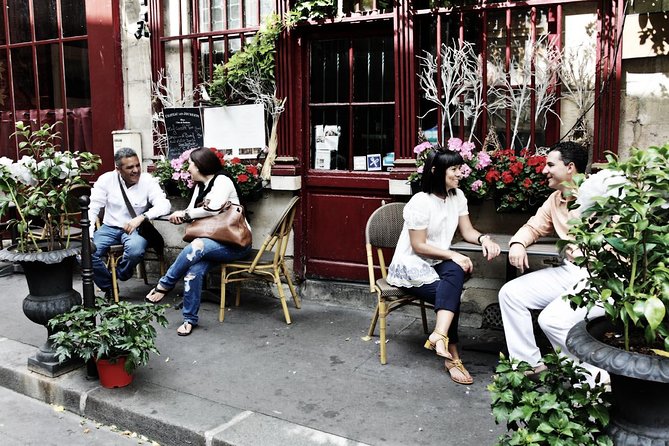
The tour runs about 3 hours and starts midmorning. That timing is helpful for photography. Morning light tends to be more forgiving, and you often get a calmer streetscape than later in the day (though Paris can be busy anytime).
You’ll meet in/around the Latin Quarter area, and the tour ends back at the same meeting point. Even if you choose Montmartre, expect a walk-and-stop format rather than a fast transit dash.
What to bring:
- Your camera: smartphone, point-and-shoot, or advanced digital SLR
- Whatever basics you already know (you don’t need a course-level background)
- A charged device and enough storage/battery for multiple tries
What you don’t get included:
- Camera gear or film
- Food and drinks (you can stop at a local bistro for refreshments on your own)
- Entrances are listed as not included, even though the schedule flags “admission ticket free” for some anchor stops—so I’d treat major interior access as something you should confirm in advance for your exact day and route.
How the photographer turns Paris into a shot list
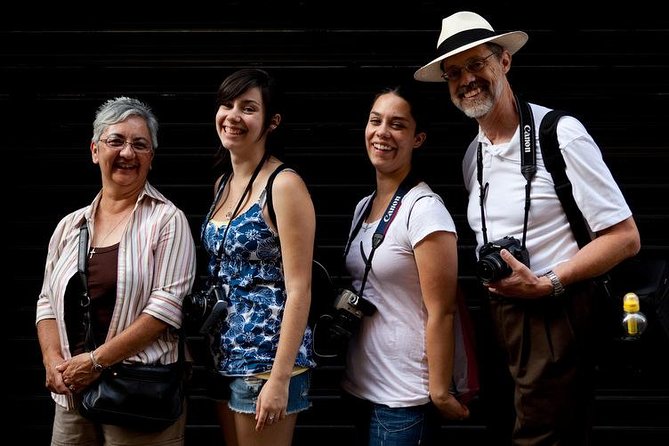
The real product here is the way your guide teaches you to see.
Across both routes, the guide focuses on:
- Composition: how to line up subjects, use leading lines, and avoid boring framing
- Lighting choices: what to do when the sun is bright, when shadows cut across a street, or when skylight and building height change the mood
- Camera control: not just what buttons to press, but what changes when you alter settings
You’ll likely get short practice moments built around what you’re standing in front of. That matters because Paris is full of visual traps: big monuments can make you forget to shoot smaller things, and pretty streets can tempt you to aim too “pretty” instead of effective.
A big plus: this tour is paced so beginners can understand it without feeling rushed, and serious photographers can still get useful technique. I especially like that the guide demonstrates and then helps based on skill level—so you don’t feel stuck doing guesswork.
Latin Quarter: Notre Dame street scenes and left-bank framing
On the Latin Quarter option, you start with the Notre Dame area as your anchor. This is a smart choice for a photo walk because Notre Dame gives you both:
- A subject with strong shapes and sky contrast, and
- A neighborhood context where you can practice foreground-to-background storytelling.
From there, you’ll wander through the bistro-lined streets and the surrounding small lanes. This is where the “photography walk” part really shows. You’re not only shooting the obvious views. You’re learning how to find:
- Corners where architecture creates natural borders in your frame
- Streets with repeating lines (windows, doorways, sidewalks) that help your eye move
- Detail shots that make the final gallery feel varied, not just like one landmark repeated
If you’re using a smartphone, you’ll likely focus on stabilization, simple framing rules, and how to control exposure. If you’re using a camera with manual control, you’ll have opportunities to experiment with settings in real-world light instead of just at home.
You can also read our reviews of more private tours in Paris


Montmartre: Sacré Coeur, cobblestones, and hillside angles
The Montmartre route begins with Sacre Coeur and highlights, and it’s built for drama and texture.
What makes Montmartre a great classroom:
- The streets are uneven and visually busy, which forces you to choose what matters.
- The cobblestones add pattern and reflect light differently than smooth pavement.
- The hilltop layout makes it easier to practice layered depth—foreground street, midground people, background landmark.
When you’re near Sacré Coeur Basilica, you can work on multiple kinds of shots:
- Wider compositions that show the slope and the approach
- Taller framing choices that emphasize the basilica’s presence
- Detail shots that turn architecture and stone texture into a close-up story
A practical point: if you care about getting sharp images, expect the guide to have you take several angles rather than one perfect pose. Even small changes in your height and position can dramatically improve how a scene reads.
The photo critique moment (digital camera advantage)
One standout feature is the end-of-tour professional critique if you’re using a digital camera. The key value isn’t that someone judges your images. It’s that you leave with clear fixes.
Think of it as feedback on:
- What you did well composition-wise
- What settings likely caused a result you didn’t intend
- What framing choices made the scene stronger or weaker
Even if you’re a serious shooter, a critique helps because you’re usually your own harshest teacher. A guide can spot patterns you don’t notice while you’re shooting in the moment.
If you shoot with a smartphone, the tour still gives technique help, but the critique detail is specifically tied to digital camera use. Plan your expectations accordingly.
Rain, crowd noise, and keeping momentum
Paris weather can be stubborn. One of the most encouraging parts of this experience is that it’s designed as a walking lesson, not a fragile museum plan. When conditions change, a good guide will still keep you shooting and learning rather than canceling the fun.
If it rains during your tour:
- Expect the guide to help you shoot in lower contrast light and wet reflections.
- Pack a small umbrella or rain layer if you’re traveling at a rainy time of year.
The larger point: you’re not just collecting photos. You’re practicing technique in real conditions, which is how you actually level up.
Ending at a bistro: turn technique into a break
Your tour ends back where you started, with time built in for recovery. There’s also a local bistro option so your feet don’t revolt halfway through the rest of your day.
Since food and drinks are not included, you’re free to order what you want. I’d use this stop to do two things:
- Review your shots quickly on your screen. Notice which ones look “right” and which ones feel flat.
- Pick one or two ideas you want to repeat later. The best learning sticks when you apply it while the memory of the scene is still fresh.
Who should book this private photo walk?
This is a great fit if:
- You want to improve quickly instead of learning from a manual alone
- You like street photography and want real technique practice in a real city
- You’re traveling with a small group and want the guide to focus on your pace and questions
- You’re using anything from an iPhone to an SLR and want it treated as a serious tool
You might want to think twice if:
- You mainly want deep local history and you’ll only be happy if the guide talks nonstop
- You expect a rigid checklist of museum-level facts rather than a photography-led walk
- Your goal is purely “see the sights fast” with no time for repetition
Should you book it? My decision guide
Book it if you want hands-on photography coaching in two of Paris’ most photogenic areas, and you’re happy to spend your morning walking, stopping, and trying again. The price makes more sense when you value technique, privacy, and the chance to get a professional critique (for digital camera shooters).
Skip or ask questions first if you’re booking purely for landmark sightseeing and you don’t care about composition, lighting, or camera control. In that case, you could get a similar day’s views from a general walking tour and spend your money elsewhere.
If you’re excited to learn how to frame Paris instead of just photographing it, this private tour is one of the more practical ways to bring home images that feel intentional.
FAQ
How long is the private photography walking tour?
It lasts about 3 hours.
Can I choose between the Latin Quarter and Montmartre?
Yes. You can choose a route through either the Latin Quarter or Montmartre.
Where does the tour start and end?
It starts in the Latin Quarter area and ends back at the meeting point.
Is this tour private or shared with other groups?
It’s private. Only your group participates.
What camera gear should I bring?
Bring whatever you have, from a smartphone or point-and-shoot to an advanced digital SLR.
Is admission to major attractions included?
The schedule notes admission tickets as free for the anchor stop, but entries are listed as not included. Confirm what that means for your exact day and route.
Does the tour include food or drinks?
No. Food and drink are not included, though the tour ends at a local bistro where you can buy refreshments on your own.
Do I get feedback on my photos?
If you use a digital camera, you get a professional critique of your photos from your guide before the tour ends.
What is the cancellation window for a refund?
You can cancel up to 3 days in advance for a full refund, based on local time. Canceling less than 3 days before means you won’t receive a refund.