REVIEW · PARIS
Paris : Wine and Whimsy, The wine tour of Montmartre
Book on GetYourGuide →Operated by Bon Appétit Walks · Bookable on GetYourGuide
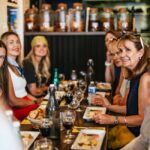
Wine lessons in Montmartre can taste like art. This 3-hour small-group walk mixes Montmartre history with a clear wine tasting lesson, so you leave knowing what to look for in a glass. I love how the guide keeps the process practical and relaxed, and I love the way the bites are paired so the wines feel approachable, not intimidating. One thing to consider: this is an alcohol-focused experience, and the only non-alcohol option listed is water.
You meet at 5 Pl. Blanche by a Starbucks—look for the moustache and a badge—then spend the afternoon stepping through cobblestone Montmartre and sampling wines at three stops. It is aimed at adults only (no under-18s), and the group is capped at six, which keeps the pace friendly and the questions actually get answered.
In This Review
- Key Things I’d Focus On Before You Go
- Why This Tour Works: Small Group, Big Lessons
- Getting Started at 5 Pl. Blanche (Look for the Mustache)
- Stop 2: Montmartre’s Story on Foot (30 Minutes)
- Stop 3: Wine Bar Tasting Session (30 Minutes)
- Stops 5 and 6: Two Longer Tastings (45 Minutes Each)
- The Blind Tasting Finale of 2 Wines
- The Food Pairings: Why They Make the Wine Lesson Stick
- What You’ll Learn About Wine Making (And How It Helps in Real Life)
- Price and Value: Is $125 Reasonable for This Tour?
- Where It Ends: Walking Out Near Sacré-Cœur
- Who This Tour Suits Best (And Who Might Prefer Another Plan)
- Quick Practical Tips for Enjoying It
- Should You Book This Montmartre Wine Tour?
- FAQ
- FAQ
- How long is the Montmartre wine tour?
- What is the group size?
- What language is the guide?
- Where does the tour start?
- How many wine stops are included?
- How much wine and food is included?
- Is there wine tasting instruction, or is it just sampling?
- Is it suitable for children?
Key Things I’d Focus On Before You Go
- Small group (max 6) means more time for your questions during tastings
- 5 glasses total, 5 different wines gives you real comparison, not just random sips
- A tasting-form workshop plus an aromas-and-perception exercise turns guessing into skill
- Food pairings at every stop help you taste better and stay comfortable
- A blind tasting finale of 2 wines is the best confidence builder on the whole walk
Why This Tour Works: Small Group, Big Lessons
This isn’t a “stand around, listen to a story, and drink what’s poured” kind of tour. The structure is what makes it good. You start with the basics of French wine territories and winemaking. Then you learn how to taste with intention—smell first, look next, sip properly—using a simple tasting form. After that, you finish with a blind tasting that forces your brain to focus on the wine itself.
I also like the pacing. Three hours sounds short, but the time is used in blocks: guided walking, tasting sessions, then the finale. With only six people, the guide can correct your technique on the spot (for example, how to approach aromas and what to pay attention to in the glass).
Value matters here. You’re paying $125, which is not cheap, but you’re not just buying wine. You’re getting instruction, multiple stops in wine bars and a wine shop, and a full set of pairings with the tastings. For first-timers to French wine, that education can be the difference between liking a wine and understanding why you like it.
You can also read our reviews of more wine tours in Paris
Getting Started at 5 Pl. Blanche (Look for the Mustache)
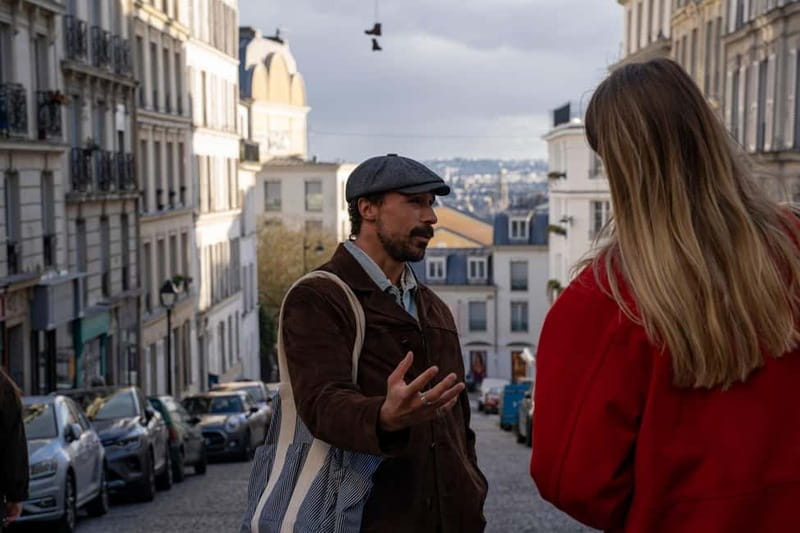
Your tour begins at 5 Pl. Blanche, in front of a Starbucks. The meeting instructions are straightforward: look for a moustache and a badge. That little detail is more useful than it sounds. Montmartre is busy, and in a small group you want an easy, obvious meeting point.
You should plan to arrive a few minutes early, especially if you’re also taking a moment to orient yourself around the area. The first part of the tour is a guided walk through Montmartre, so being on time helps you avoid feeling rushed before the tasting starts.
One practical note: since the tour includes wine and food, it’s smart not to treat this like a “squeeze it in between museum stops” activity. Think of it as your planned block for the day, not a quick add-on.
Stop 2: Montmartre’s Story on Foot (30 Minutes)
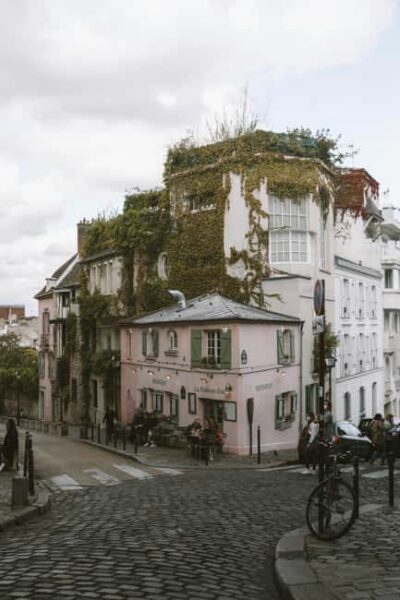
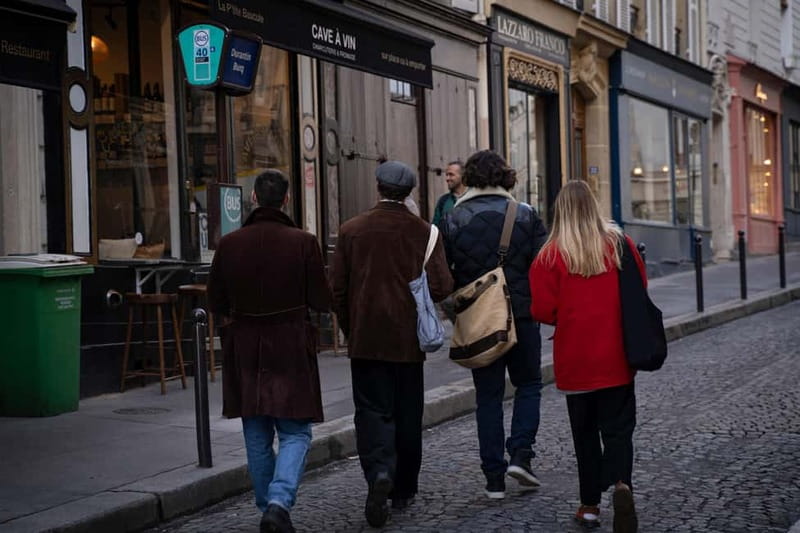
The second part begins with a guided visit of Montmartre—about 30 minutes. Montmartre is famous for its artist energy and its steep, scenic streets, and the tour frames that vibe with history. You hear how the neighborhood shifted from a more rural feel into a magnet for artists and intellectuals.
Why that matters for your experience: it changes how you look at the streets. When you later taste wines from different French territories, the whole “place matters” idea clicks. Montmartre gives you the geography and culture side. The wine lesson gives you the viticulture side. It’s the same theme in two forms.
This is also where you get those classic Montmartre visuals: cobblestones underfoot and wide views of Paris when you’re in the right spots. Expect walking. Shoes help, even if it’s only about a half-mile of wandering stretched across the route.
Stop 3: Wine Bar Tasting Session (30 Minutes)
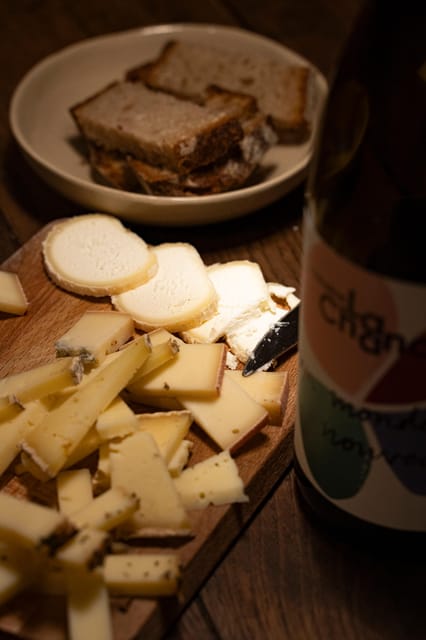
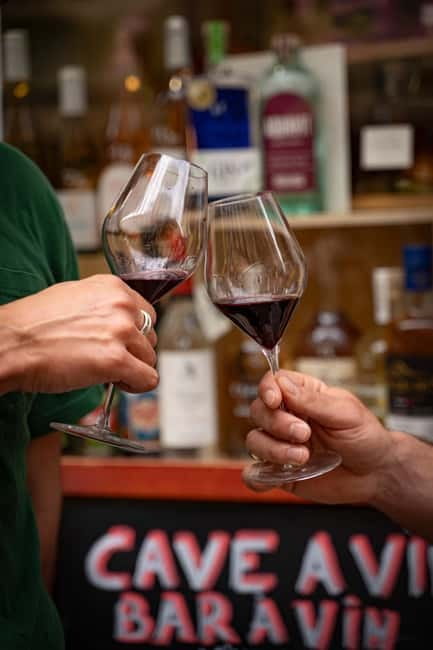
After the initial walk, you reach a local bar for your first tasting block—about 30 minutes. This is one of the three wine-bar or wine-shop stops. You’ll sample wine along with food, and the goal is to start building your tasting habits.
You get the foundation you’ll use later:
- How to approach aromas without overthinking
- How to use a simple tasting approach (including a tasting form)
- How to connect taste and food
At this point, the tour should feel more like guided practice than a lecture. The guide is expert in both wine and local history, and the vibe described in the reviews is relaxed and friendly, not stiff.
A drawback to consider here: if you hate the idea of tasting multiple wines quickly, you might find the structure slightly intense at first. But the pacing is spaced out across several stops, and you’ll have a chance to learn as you go.
Stops 5 and 6: Two Longer Tastings (45 Minutes Each)
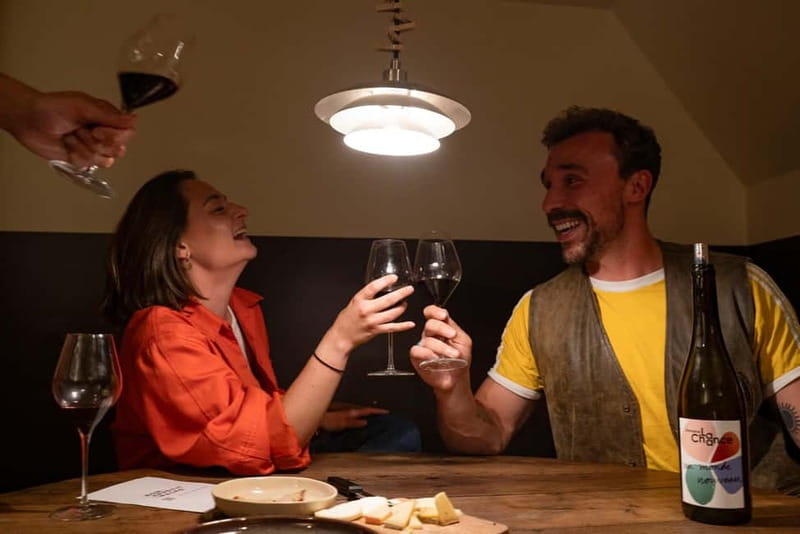
Then the pace stretches out again. You walk for about 30 minutes through Montmartre, and then you hit two longer tasting moments—each 45 minutes—at additional local bars.
These longer sessions are where you’ll get the most “aha” moments. By now, you’ve learned the basics of winemaking and wine territories, and you’ve started practicing tasting technique. The guide can steer you through what to notice in each wine, and you can compare how the flavors shift from one selection to the next.
The plan also sets up a mini progression: first tastes introduce the method, then later tastings help you apply it. That matters because wine tasting is partly sensory skill and partly habit. If you only “sip and react,” you’ll remember what you liked, but you won’t know how you decided. Here, you practice decision-making.
Food is part of this too. The pairings are not random. You’re meant to taste how flavors work together—salt and fat against acidity, fruit notes alongside richer textures, and so on.

The Blind Tasting Finale of 2 Wines
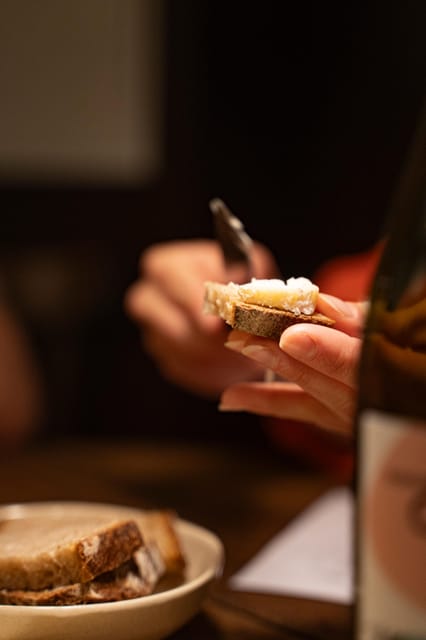
One of the most valuable parts is the ending exercise: a blind tasting of 2 wines. This is the moment when a tour like this stops being entertainment and becomes a skill builder.
Blind tasting is hard in a good way. It strips away the “I thought it would taste like this” crutch and makes you focus on what you actually perceive. You should end the tour feeling more confident about:
- How to identify a style even without a label
- How to separate aroma impressions from taste impressions
- How to describe what you notice (not just whether you like it)
The whole point is that you learn to use a tasting form and tasting method, then you get to test it in real time. Even if you have zero interest in becoming a wine nerd, this part helps you buy better wine later without second-guessing.
The Food Pairings: Why They Make the Wine Lesson Stick
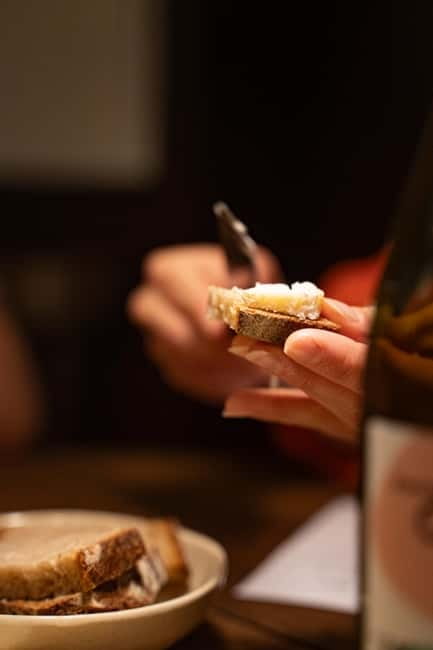
I like this tour’s food approach because it solves a common problem with tastings. If you drink wine on an empty stomach, it can feel messy. If you only snack on something bland, you miss the point of pairing.
Here, the food is described as varied and French:
- Mackerel with raspberry vinegar
- Melted cheese with roasted apple
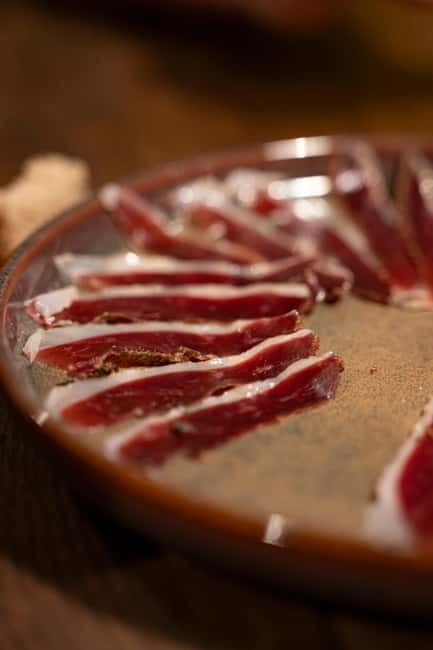
- Smoked duck ham
…and other cheese and charcuterie-style bites.
This pairing strategy helps you taste better. Vinegar-laced flavors can sharpen your palate. Roasted apple can soften and round out rich cheese. Smoky, salty meat can highlight wine structure.
And because you’re getting food at each stop, the experience stays comfortable. One review point that stood out: the pairings were a confidence booster even for someone who doesn’t normally drink wine. That makes sense. When you’re not overwhelmed by alcohol, you actually have brain space to learn what the wine is saying.
What You’ll Learn About Wine Making (And How It Helps in Real Life)
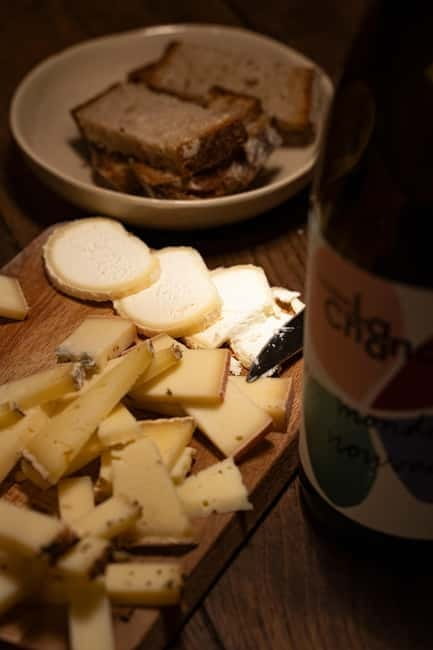
The tour includes a workshop on wine aromas and perception, plus time focused on the basics of wine making and French wine territories.
The practical takeaway you’ll want: wine is not one thing. In France, it’s a system. Territories, grape styles, and production choices influence flavor and texture. Once you understand that framework, tasting becomes easier. You stop thinking, That’s just good wine. You start thinking, That’s acidity, that’s fruit, that’s something about how it was made and where it comes from.
The teaching also includes how to use a tasting form. That’s one of those tools that sounds boring until you use it. Then it becomes a memory machine. You can look back at your notes and understand why you liked one wine more than another, instead of relying on vague impressions.
Price and Value: Is $125 Reasonable for This Tour?
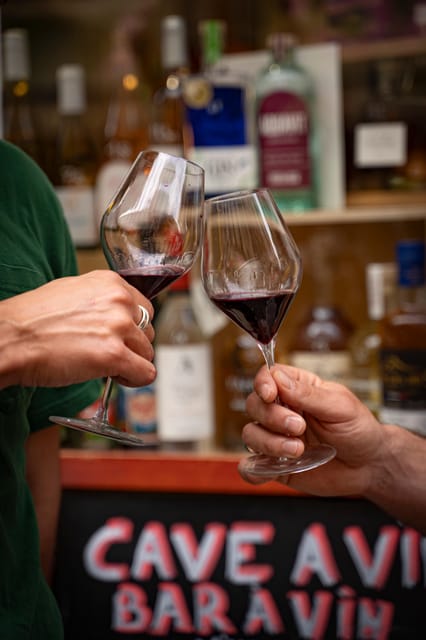
Let’s be honest: $125 for 3 hours is a real line-item. But the price makes more sense when you break down what’s included.
For your money, you get:
- A local guide with wine and neighborhood history expertise
- Three tasting stops (wine bar or wine shop)
- A workshop on aromas and perception
- Five glasses total across five different wines
- French food pairings at the stops
- Water (and non-alcohol beverages are not listed beyond that)
- Max group size of six
If you compare this to buying wine at a bar plus trying to learn tasting technique on your own, you’re paying for coaching and structure. For many visitors, the real value is leaving with a method you can reuse.
You should consider one thing, too: if you already know exactly what you like and you prefer to just tour independently, you may not get full value from the instructional format. But if you want to understand wine as you taste it, this is one of the more “teach me something” deals you’ll find in central Paris.
Where It Ends: Walking Out Near Sacré-Cœur
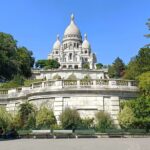
The route finishes at The Basilica of Sacré-Cœur de Montmartre. Expect your legs to be part of the experience. Montmartre is not flat, and the route includes several walking segments.
One note: the activity details also indicate the tour ends back at the meeting point. Since your itinerary lists Sacré-Cœur as the finish, you’ll want to follow the guide’s instruction at the end of the tour for the exact drop-off location.
Either way, ending near Sacré-Cœur is a good payoff. It’s one of the most recognizable endings in Paris, and it keeps your sightseeing flow intact.
Who This Tour Suits Best (And Who Might Prefer Another Plan)
This tour fits best if you’re:
- Curious about French wine and want real tasting instruction
- A first-time visitor to Montmartre who wants help with both history and how to walk the neighborhood
- Someone who likes food-and-drink pairings and appreciates structure
It may not be ideal if you:
- Don’t want to drink multiple wines during the tour (this is alcohol-forward)
- Want a purely visual, photo-first walk without tastings
- Prefer a long, unstructured meander instead of a set workshop-style format
Also, it’s not suitable for children under 18, so keep it adult-friendly by design.
Quick Practical Tips for Enjoying It
A few small choices make the experience smoother:
- Eat beforehand if you’re prone to feeling lightheaded, even though you will have food during the tour
- Wear comfortable shoes for cobblestones and uphill sections
- Plan to slow down after, since you’ll be walking and tasting
- If you book with flexibility in mind, note the tour offers free cancellation up to 24 hours in advance and reserve & pay later options
And bring a curious mindset. The best part of wine tasting lessons is that you can ask simple questions and get clear answers. You don’t need wine vocabulary. You just need willingness to practice.
Should You Book This Montmartre Wine Tour?
My take: book it if you want a guided Montmartre walk that teaches you something useful, not just something pretty. The combination of five different wines, structured tasting practice, and French food pairings makes the $125 feel less like paying for drinks and more like buying a skill lesson plus a memorable neighborhood experience.
Skip it if you’re only chasing views and you’d rather drink one glass and move on. This tour is built around tasting and training. If that sounds fun to you, it’s a strong choice.
FAQ
FAQ
How long is the Montmartre wine tour?
The tour lasts 3 hours.
What is the group size?
It is a small group limited to a maximum of 6 participants.
What language is the guide?
The live guide is available in English.
Where does the tour start?
You meet at 5 Pl. Blanche, in front of a Starbucks. Look for a moustache and a badge.
How many wine stops are included?
There are 3 stops in wine bars or a wine shop during the tour.
How much wine and food is included?
You’ll sample a variety of French wines across the stops, with 5 glasses total and 5 different wines. French food is included at each stop, including items like mackerel with raspberry vinegar, melted cheese with roasted apple, and smoked duck ham. Water is included; non-alcoholic beverages are not listed beyond water.
Is there wine tasting instruction, or is it just sampling?
There is instruction. You learn basic winemaking and French territories, how to taste wine using a tasting form, and you do an aromas and perception workshop. The tour also includes a blind tasting of 2 wines.
Is it suitable for children?
No, it is not suitable for children under 18.