REVIEW · PARIS
Paris: Sunrise Running and Sightseeing Group Tour
Book on GetYourGuide →Operated by RunRun Tours · Bookable on GetYourGuide
You can see Paris before it wakes up. This sunrise run turns famous streets into a calm morning loop, with an actual workout and plenty of landmark time. I like the small group feel and the way you get photo-ready stops without fighting the daytime crowds. One consideration: this isn’t a casual stroll—you should be able to run 5 km nonstop and you’ll want solid sports shoes.
Meeting at central Saint-Michel, you jog and walk at your own pace while a local guide fills in the stories behind what you’re seeing. I also like the practical touches—water, dried fruit or nuts, and a waterproof running jacket—so you’re not scrambling for basics before breakfast.
If you’re dealing with a back issue, heart problem, or mobility limitation, this route may not fit. And if you hate the idea of running in a city environment, you might prefer a walking tour where pace never changes.
In This Review
- Key things I’d highlight before you go
- Why a sunrise run beats the usual Paris sightseeing
- Meeting at Place Saint-Michel and what to bring (so you’re not stressed)
- Notre-Dame to Sainte-Chapelle: starting where the Paris stories are loud
- Pont Neuf and Pont des Arts: bridge views that don’t feel crowded
- Louvre area and the Tuileries Garden: grand Paris, kept moving
- Place de la Concorde: the long view moment
- Pont Alexandre III to Les Invalides: gold-domed Paris and big-city elegance
- Champs-Élysées to the river crossings: staying fast, staying smart
- Trocadéro to the Eiffel Tower: the payoff you plan your day around
- The short on-foot segment and Musée d’Orsay passing views
- Pace, fitness level, and how breaks keep it enjoyable
- Value check: $55 for a guide, jacket, snacks, and digital photos
- Who this sunrise running tour is for
- Should you book this sunrise running run?
- FAQ
- How long is the Paris sunrise running and sightseeing tour?
- Where do I meet the guide?
- What fitness level do I need?
- How big is the group?
- What language is the guide?
- What’s included in the price?
- What is not included?
- Is there cancellation and how does the booking work?
Key things I’d highlight before you go
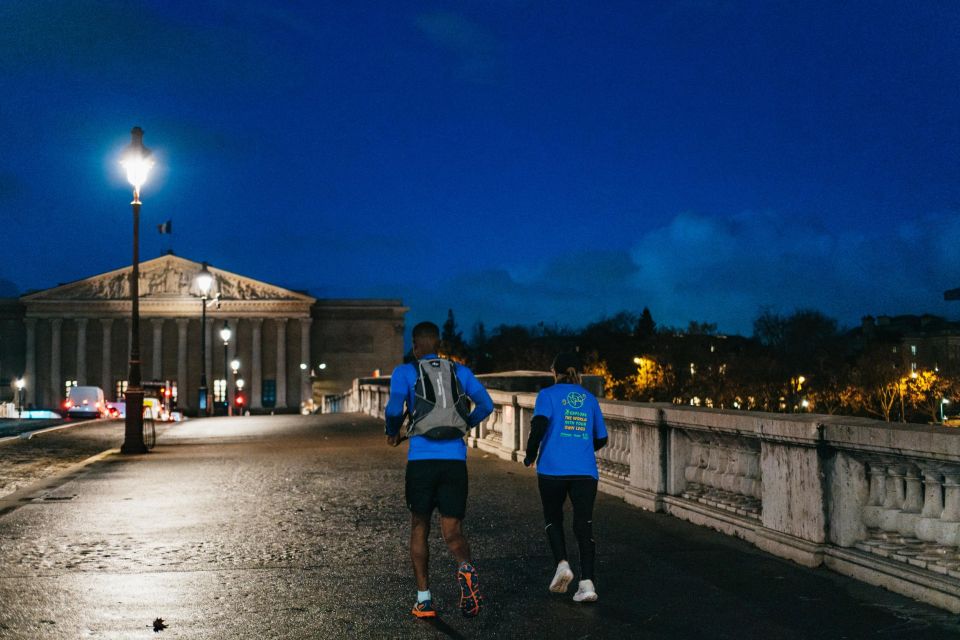
- Quiet-icon route at sunrise: Eiffel Tower, Champs-Élysées, Louvre, and more before the city fills in.
- Small group pacing: Limited to 10 participants so the guide can manage different running comfort levels.
- Stops that actually matter: Bridges and viewpoints built into the route, not just passing photos.
- Built-in light fuel: Water plus dried fruits or nuts during the run.
- You’ll get digital photos: Helpful if you want more than the usual blurry “walking selfie” shots.
- Light carry setup: Guide carries small items in a backpack, but there’s no storage for large bags.
Why a sunrise run beats the usual Paris sightseeing
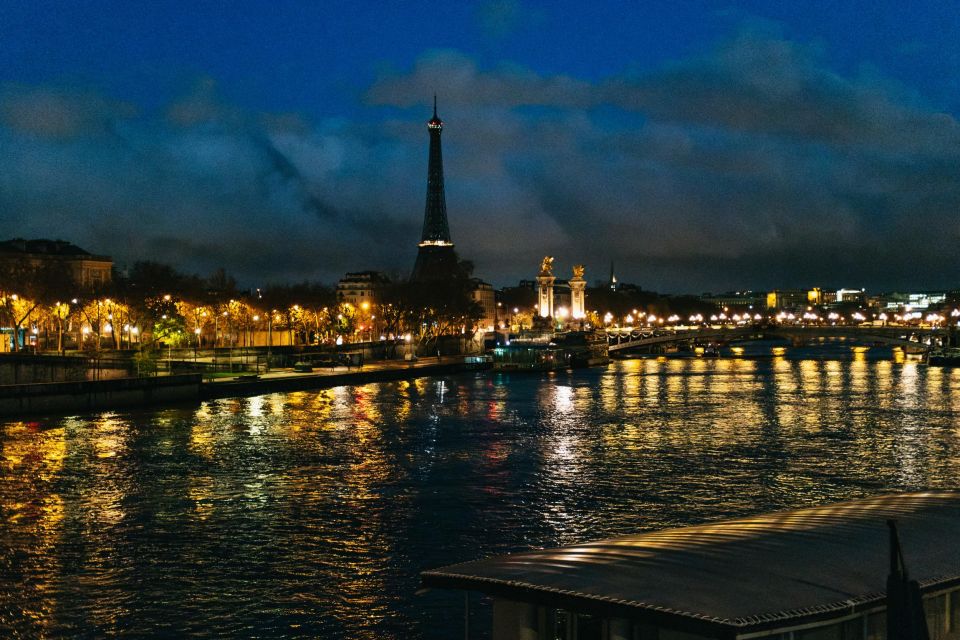
Most Paris tours sell you landmarks. This one also gives you motion. That changes how the city feels. At sunrise, streets around major sights are quieter, the light is softer, and the whole experience is less about squeezing through people and more about watching the city wake up.
You’re also doing something many classic tours won’t cover well: cardio. You get a real head start on the day, and by the time you finish, breakfast tastes better because you earned it. The route is designed for a mix of running and walking, so even if you’re not a competitive runner, you can still take part.
And the guide component matters here. You’re not just following a map. You’re jogging past the Eiffel Tower, Louvre area streets, and the long stretch of grand avenues while someone explains what you’re looking at—so it lands as more than a photo stop.
You can also read our reviews of more tours and experiences in Paris

Meeting at Place Saint-Michel and what to bring (so you’re not stressed)
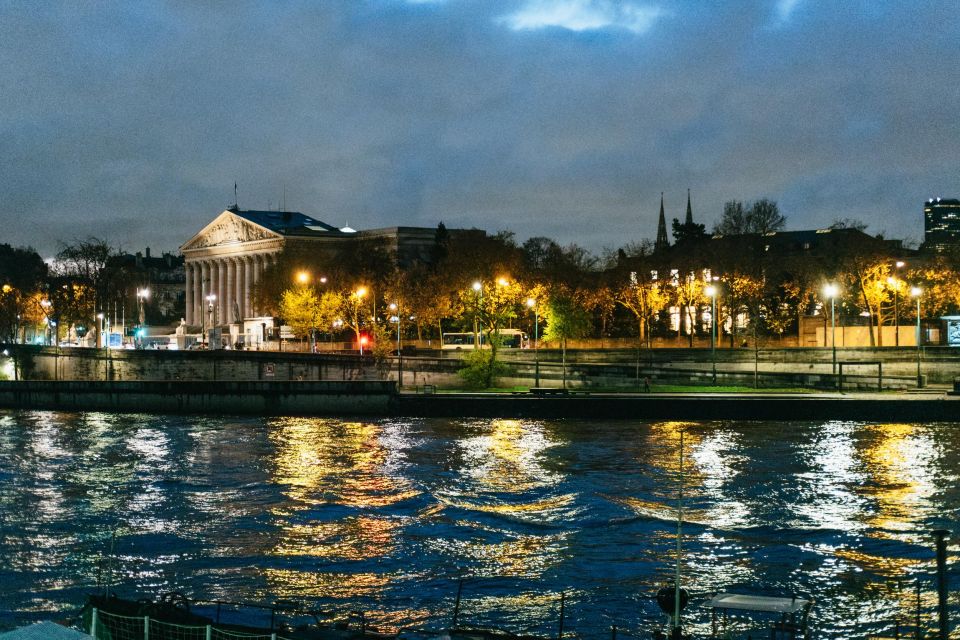
You meet at 4 Pl. Saint-Michel, in the heart of the city. Your guide waits between the Saint-Michel fountain and the exit of the metro.
If you’re coming by metro, plan to use the exit labeled Fontaine Saint-Michel (exit 3) for line 4, plus RER B and RER C connections. Bring a public transport ticket—yours are not included.
What to bring is straightforward:
- Sports shoes (this is not the time for soft sneakers)
- Weather-appropriate clothes
- Your transport ticket
The tour includes a waterproof running jacket plus still bottled water and a small snack option (dried fruits or nuts). There’s no storage for big bags or luggage, so travel light. The guide can carry small items inside their backpack, but think “basics,” not “full day pack.”
Notre-Dame to Sainte-Chapelle: starting where the Paris stories are loud
Your route kicks off right where the city’s layers meet: Notre-Dame Cathedral area for a photo stop and guided look. Even from outside, it’s the kind of sight that changes depending on the hour. Early light helps—details are easier to see, and you’re not stuck waiting while everyone else lines up.
Next you head to the Palais de Justice area for a break plus a guided tour. This stretch gives you a sense of Paris as a functioning city, not just a postcard machine. You get history and context tied to buildings you’d otherwise rush past.
From there, you move to the Conciergerie area for another guided segment and break. This part of the route helps the tour feel grounded. You’re running through neighborhoods and institutions, not only monuments.
Then comes Sainte-Chapelle, where you get another break and guided sightseeing. The key here is timing: you get to look around before the crowds build. If you like architecture details, you’ll appreciate how the experience stays calm long enough to actually notice things.
Pont Neuf and Pont des Arts: bridge views that don’t feel crowded
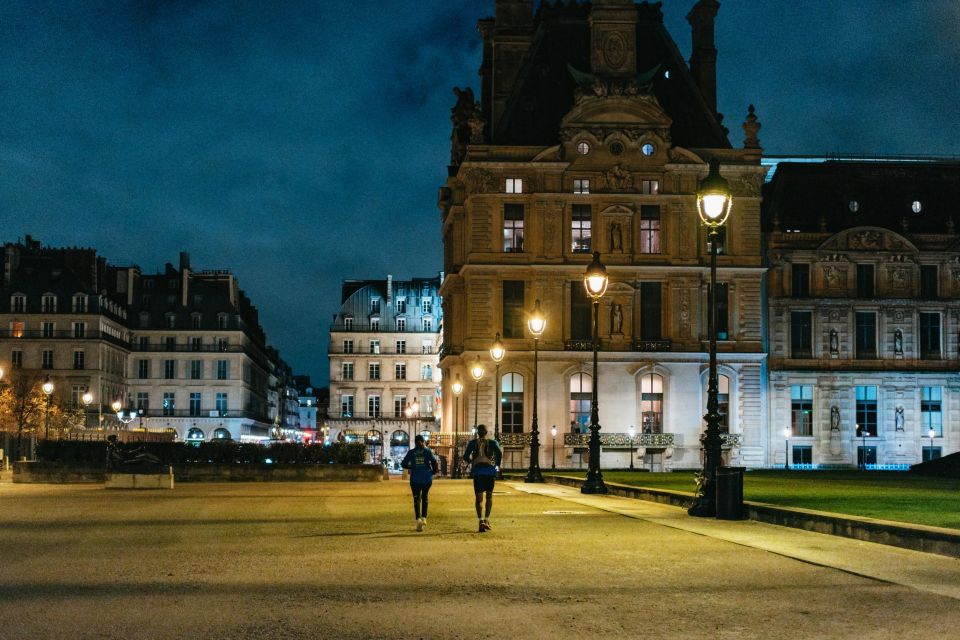
After Sainte-Chapelle, you cross into classic Paris photo territory.
At Pont Neuf, you’ll have time for a break plus photo stop and scenic views on the way. Bridges are great on a run because you can feel the river and skyline at the same time. Sunrise light also makes it easier to get good angles without the usual human traffic.
Then Pont des Arts gives another break and another photo stop. This is where you’ll likely pause for a few pictures of the river, bridges, and façades—without spending the entire morning waiting for your turn.
The bridges also “teach” you the city geography quickly. In a short time, you start understanding where you are relative to major sights, which pays off later when you plan the rest of your day.
Louvre area and the Tuileries Garden: grand Paris, kept moving
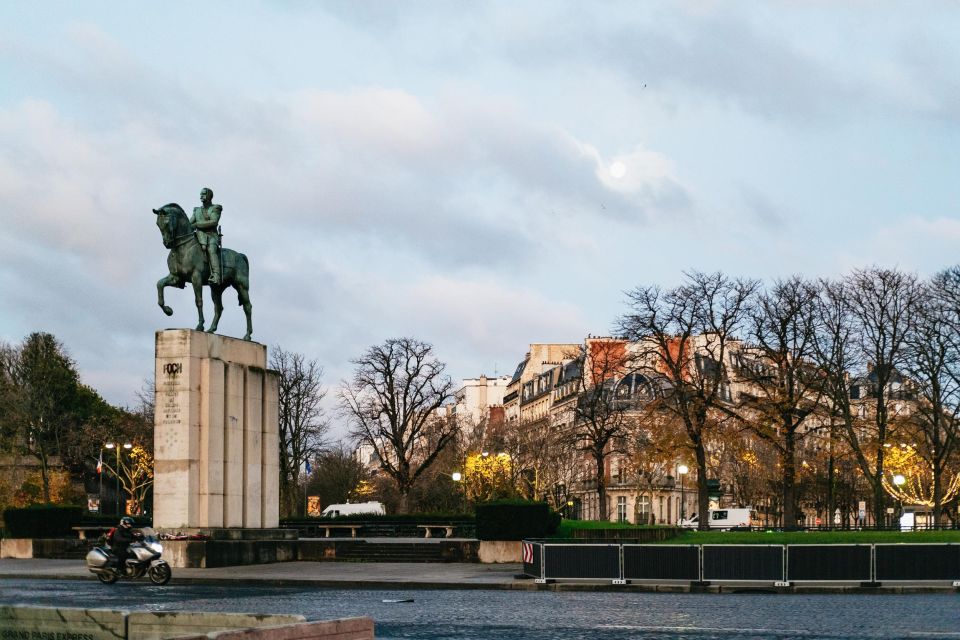
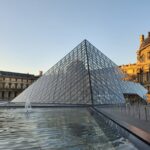
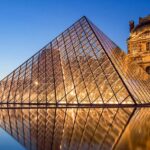
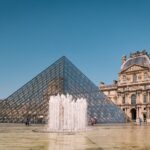
You reach the Louvre Museum area for a break, photo stop, and sightseeing moments. You’re not doing museum entry on this run, but you do get a chance to take in the scale of the complex from the outside and frame the surroundings with your own eyes.
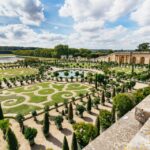
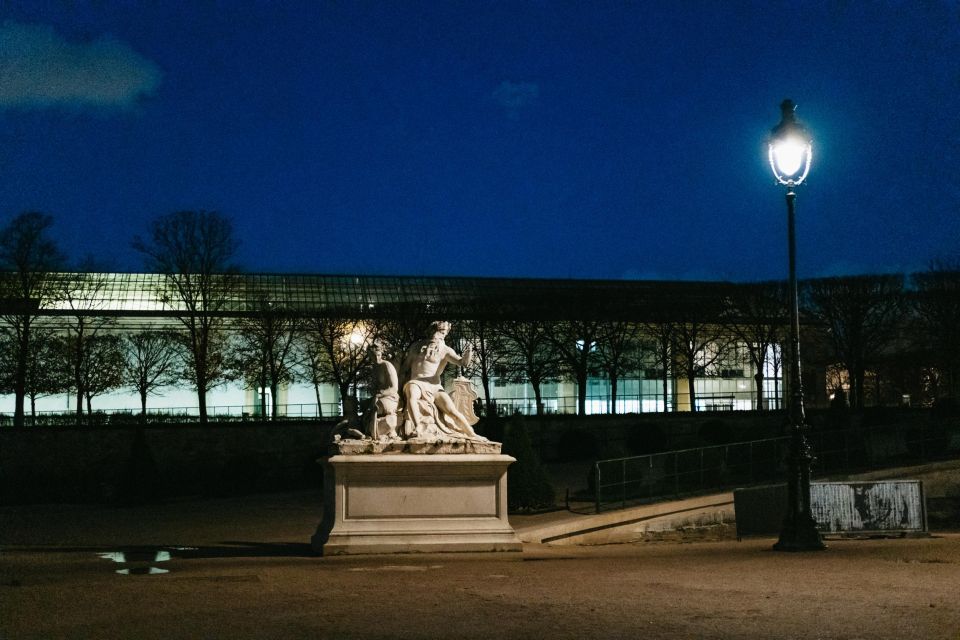
Right after, you pass through Tuileries Garden for guided sightseeing and a scenic run-through. This is valuable because it links “icon building” to “everyday city space.” You see how Paris uses green areas and long sightlines like part of its urban design.
A practical note: gardens are where your morning pace often becomes more enjoyable. It feels less like sprinting between monuments and more like flowing through the city. You’ll still be active, but it’s a different kind of scenery.


Place de la Concorde: the long view moment
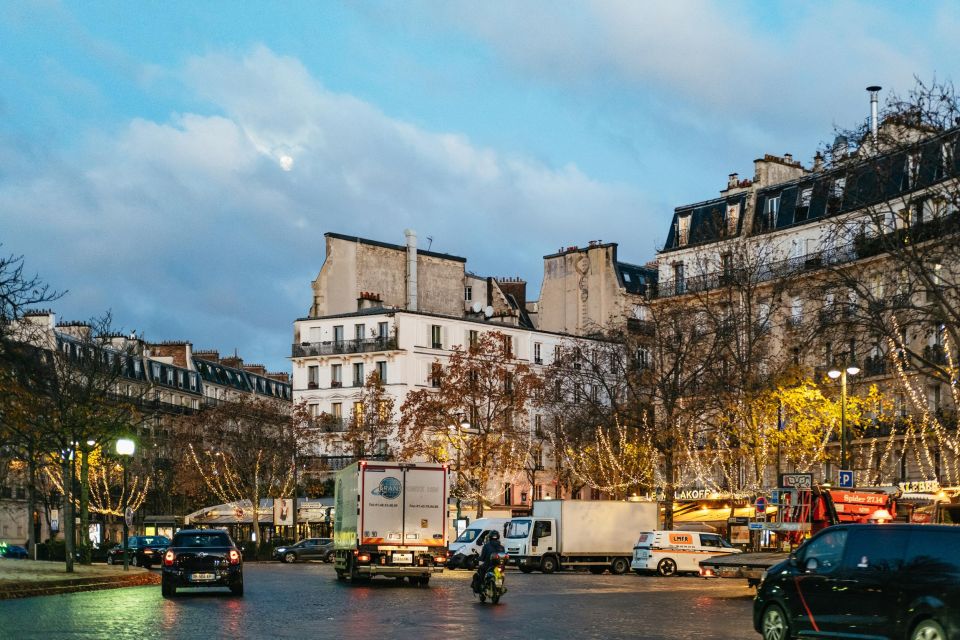
Next up is Place de la Concorde. You’ll get another break and photo stop, plus guided sightseeing and scenic views along the way.
Concorde is a big open space, and that openness helps the tour feel organized. You get a natural moment to reset—breathe, hydrate, and check how your legs feel—before the route starts stacking more iconic landmarks.
Also, this is one of those places where early timing changes the entire vibe. You’re less likely to deal with constant obstruction in photos, and you can concentrate on the geometry of the square.
Pont Alexandre III to Les Invalides: gold-domed Paris and big-city elegance
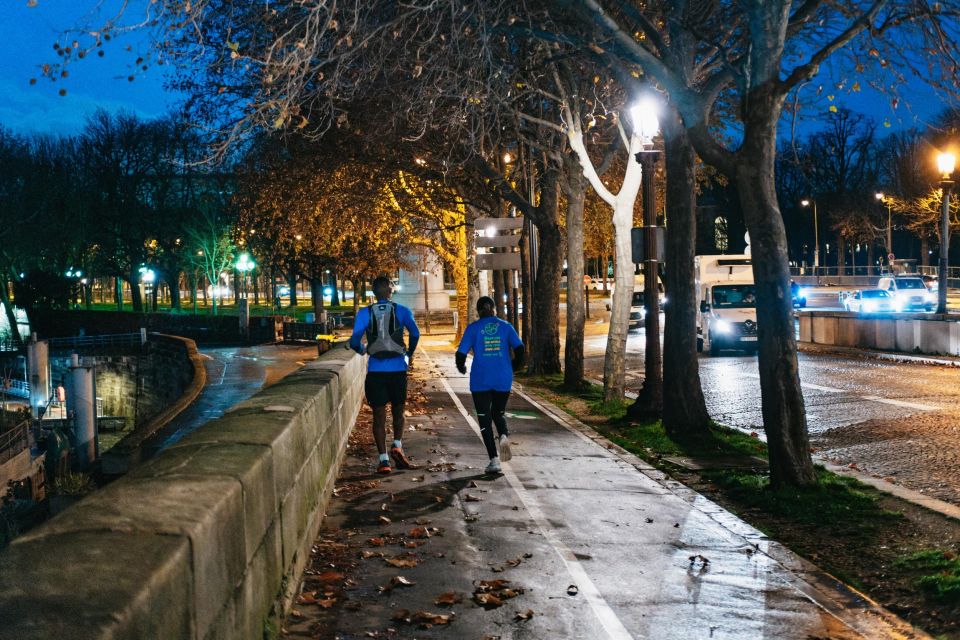
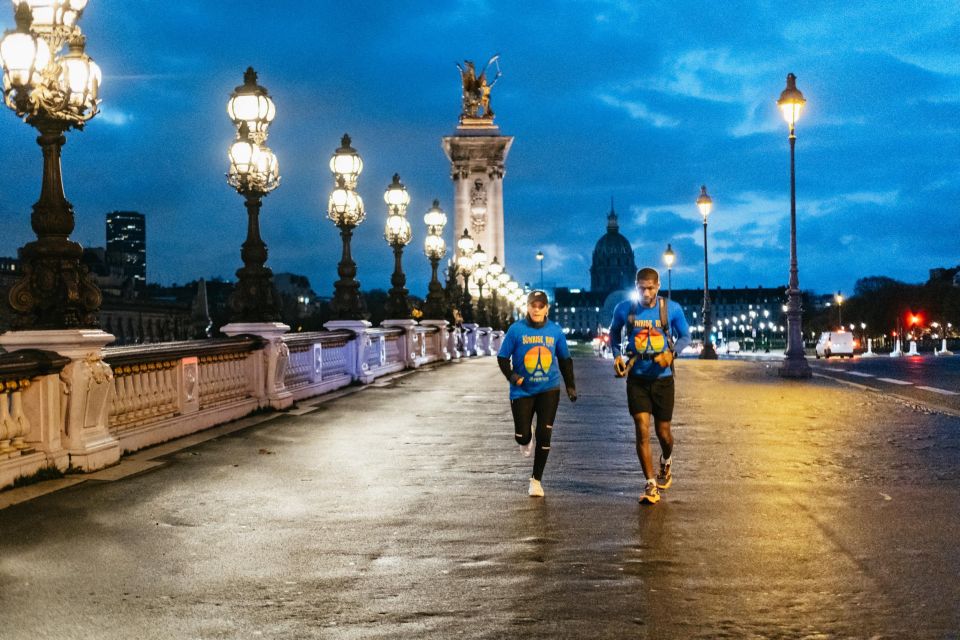
Your route continues to Pont Alexandre III, another scenic bridge stop with a break and photo time. This is one of the “look up” parts of Paris because the bridge details catch morning light nicely.
Then you reach Les Invalides for a break, photo stop, guided sightseeing, and passing views. Even if you don’t go inside, the exterior presence is strong. It’s the kind of place you remember because it looks purposeful and important, not just pretty.
From there, you pass by the Grand Palais and Petit Palais for guided sightseeing. These stops help you see why Paris feels like a museum even when you’re not inside one. You’re running through a city that wears its architecture like daily clothing.
Champs-Élysées to the river crossings: staying fast, staying smart
You get to Champs-Élysées for guided sightseeing and passing views, with scenic moments along the way. It’s one of the most famous streets in the world, but early morning makes it more human. Instead of a constant crowd wall, you can actually look at the avenue’s depth and the way storefronts line up.
Then you pass Pont de l’Alma, with a break and photo stop. Bridges here act like checkpoints: you’re never stuck on one section too long, and each bridge gives you a different angle on the city.
After that, you’ll pass Palais de Tokyo with scenic views on the way. You’re not there for a museum visit, but for the city feel. It’s another reminder that Paris is still working—people commute, walk, and live alongside the monuments.
Trocadéro to the Eiffel Tower: the payoff you plan your day around
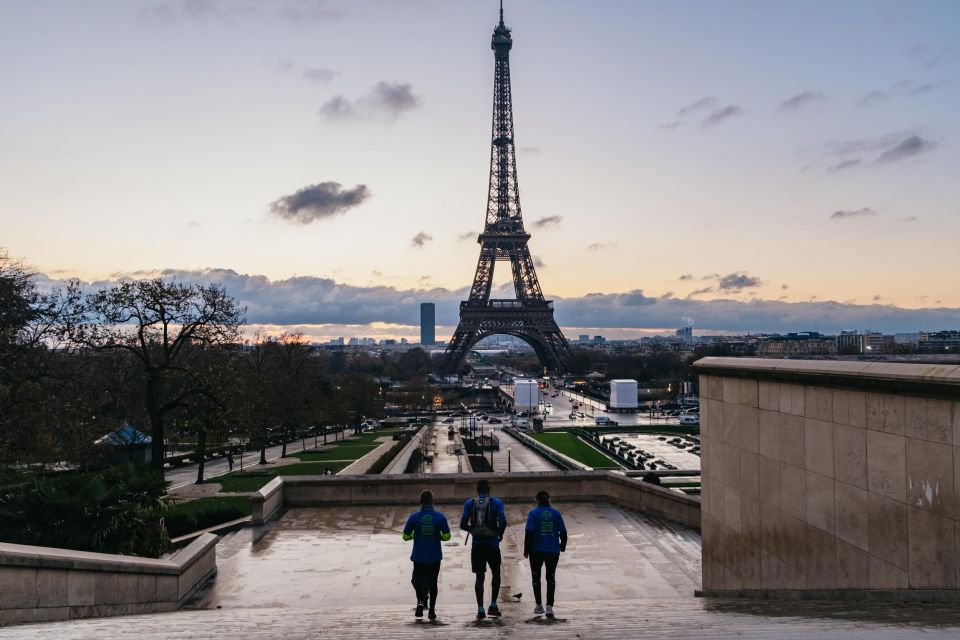
You’ll reach Place du Trocadéro for a break and photo stop, with guided sightseeing and scenic views along the route. This is one of the best viewpoints in the city, and the sunrise timing helps. You’re there before the typical crush, so you can take your time with composition.
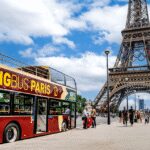
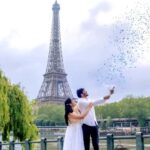
Then you arrive at the Eiffel Tower for another break, photo stop, guided sightseeing, and the classic “I’m really here” moment.
What I like about the way this is handled in a run is simple: you don’t just arrive at the tower and then wait around. You’re moving through the city in a structured way, and the Eiffel Tower becomes the natural highlight rather than the only thing you did all morning.
If you want proof you were there without chaos, this is the part where the digital photos matter. The guide is set up to capture your tour moments, not just teach the route.
The short on-foot segment and Musée d’Orsay passing views
After the Eiffel Tower segment, there’s a short on foot portion (about 30 minutes). Then you pass by Musée d’Orsay with scenic views on the way.
This walking piece keeps you from feeling rushed at the very end. It also helps you transition from “run-heavy sightseeing” to “stand back and absorb” mode, which is usually what your legs start craving anyway.
You’ll leave with a sharper mental map. Orsay is another clue pointing to what you’ll want to see later, whether you come back for a museum day or just want to walk the river again.
Pace, fitness level, and how breaks keep it enjoyable
You don’t need to be a fast runner. But you do need conditioning. The tour specifically asks you to be able to run at least 5 kilometers (3 miles) non-stop before signing up.
That requirement matters because the route covers a lot of ground, even though it includes breaks. One person did about 8.4 miles over roughly 2.5 hours on a past run. Your exact distance may vary with pacing and how often you pause for photos.
The tour is built around keeping you moving while still allowing time to look. Breaks show up at key historical spots and on bridges, not only at random points. There’s also light refreshment on board (water plus dried fruits or nuts), so you’re less likely to bonk halfway through.
And there’s a human factor that you’ll feel: small group size (max 10) means the guide can adjust pacing without turning the tour into a forced march. You’ll also appreciate that the guide can carry small items in their backpack, so you’re not juggling a bag while you run.
Value check: $55 for a guide, jacket, snacks, and digital photos
At $55 per person for around 2 hours, this is priced like a guided tour, but you get extra value in the “practical” category.
You’re paying for:
- A local guide to connect the landmarks with stories
- A small-group setting (limited to 10)
- Water plus dried fruits or nuts for light fuel
- A waterproof running jacket
- Digital photos from your running tour
What you don’t pay for (and shouldn’t expect included):
- Transportation tickets
- Entry fees to monuments and museums
- Running shoes or gear
- Storage for bulky items
So the value is strongest if you want a morning activity that combines sightseeing and exercise. If you only want monument photos and you hate walking or running, then your money might be better spent on a standard walking tour. But if you like being active and you want fewer crowds at big sights, the price makes sense.
Who this sunrise running tour is for
You’ll love this tour most if:
- You can run 5 km nonstop and you’re comfortable doing a mix of jogging/walking
- You want icon landmarks plus a workout, not just a museum checklist
- You like great photo moments where you’re not constantly fighting the crowd
- You’d rather start the day with movement than save sightseeing for later
It may not be the best fit if you:
- Have a back problem, mobility impairment, or heart problem
- Need lots of luggage storage (there isn’t any for large bags)
- Want a slow, fully accessible walking pace without running
Families can be considered too. Minors are allowed if they’re used to running and their parent is with them, and strollers are possible if you bring one that works for a city that is not very wheelchair-friendly.
Should you book this sunrise running run?
I’d book it if you want a real Paris morning—exercise first, major landmarks second—and you’re the type who enjoys moving through the city rather than just standing in lines. The combination of early timing, small group size, and built-in fuel (water plus nuts or dried fruit) makes it feel efficient.
Skip it if your body can’t handle running, or if you expect a fully passive sightseeing pace. For the right fitness level, though, this is one of those experiences that turns Paris into something you actively remember, not just something you viewed.
FAQ
How long is the Paris sunrise running and sightseeing tour?
The tour lasts about 2 hours.
Where do I meet the guide?
Meet at 4 Pl. Saint-Michel, between the Saint-Michel fountain and the exit of the metro.
What fitness level do I need?
You don’t need to be a fast runner, but you do need to be able to run at least 5 kilometers (3 miles) nonstop.
How big is the group?
The group is small, limited to 10 participants.
What language is the guide?
The live guide is available in English and French.
What’s included in the price?
Included are the running tour, the guide, a waterproof running jacket, still bottled water, dried fruits or nuts, and digital photos of your running tour.
What is not included?
Transportation tickets and entries to monuments and museums along the route are not included. Running shoes/gear and storage for large bags are also not included.
Is there cancellation and how does the booking work?
Free cancellation is available up to 24 hours in advance for a full refund. You can reserve now and pay later to keep plans flexible.