REVIEW · PARIS
Louvre & Mona Lisa Morning Tour with Reserved Access
Book on GetYourGuide →Operated by City Wonders Ltd. · Bookable on GetYourGuide
A morning at the Louvre can feel like a race. This tour turns it into a focused walk through the museum’s biggest crowd magnets with reserved entry and an expert guide.
Two things I really like: you don’t burn time at the ticket line, and the included headset helps you keep up with the story even when the group gets tight. The one drawback to weigh is that, because the Louvre is huge, a 3-hour schedule means you’ll see top works—but not every masterpiece you might hope to track down.
You’ll spend your time where the Louvre’s reputation is earned: major paintings, major sculptures, and the palace rooms that explain why this museum feels unlike any other. I also like that the tour is designed to cover both famous names (Da Vinci, Michelangelo) and the classical backbone behind them. Just plan on a fair amount of walking, plus security checks and strict bag rules before you even begin.
In This Review
- Key Things To Know Before You Go
- Reserved Morning Access: A Louvre Plan That Actually Uses Time
- Meeting at the Arc de Triomphe du Carrousel: Where Blue Attire Waits
- Security and Bag Rules: The Stuff That Can Delay Your Day
- Mona Lisa Morning: What Reserved Entry Helps You Actually See
- Classical Sculpture Stops: Venus de Milo and Winged Victory
- Renaissance and Baroque Hits: Da Vinci, Caravaggio, Michelangelo, Raphael
- Apollo Gallery and Napoleon Apartments: The Palace That Makes the Louvre Make Sense
- How Much Is It Really Worth at About $80?
- Who This Louvre Morning Tour Suits Best
- Should You Book This Louvre Morning Tour with Reserved Access?
- FAQ
- How long is the Louvre & Mona Lisa morning tour?
- Is reserved access and skipping the ticket line included?
- Where do I meet the tour team?
- What’s included in the price?
- What items are not allowed in the museum?
- Is the tour wheelchair accessible?
- Can I cancel for a refund?
Key Things To Know Before You Go
- Reserved morning access saves the hardest part: getting inside and moving before the worst lines build.
- Headsets included so you can hear your guide without crowd-to-crowd shoulder pushing.
- Mona Lisa + major sculpture stops are built into a tight 3-hour circuit.
- Palace galleries count too—you’ll visit areas like the Apollo Gallery and Napoleon Apartments, not just museum rooms.
- Group management can happen: parties of 7+ may be split into different groups at the meeting point.
- Bag limits are real: no baby strollers, and items over 55 x 35 x 20 cm aren’t permitted.
Reserved Morning Access: A Louvre Plan That Actually Uses Time
The Louvre is the kind of place where “I’ll just wander” turns into lost time fast. The best reason to book a reserved morning tour is simple: it gets you into the museum early enough to focus on the works that define the collection, without spending your best energy stuck in queues.
This is a 3-hour guided format. That’s not a lot of time in a museum of this size, but it’s the right length for doing the “greatest hits” well: you move with purpose, and your guide helps you understand what you’re looking at instead of letting the art blur together.
You’re also not doing this solo. The tour includes an English-speaking expert guide, plus headsets. That combination matters, because the Louvre is loud with people, not with explanations. When your guide is clear—and when you can actually hear them—the whole experience feels smoother.
One quick note I’d give you straight: on any museum tour, guide communication quality can vary by departure. The headset helps, and the better guides keep the pacing tight. Still, if you’re the type who needs very exact English storytelling, arrive with patience and a willingness to focus on the art even if the narration style isn’t perfect.
You can also read our reviews of more tours and experiences in Paris



Meeting at the Arc de Triomphe du Carrousel: Where Blue Attire Waits
This matters more than most people think. The meeting point is not at the Louvre entrance. You’ll meet your team dressed in blue beside the Arc de Triomphe du Carrousel.
Here’s the mental map that makes it easy:
- Stand with your back to the entrance of the Louvre Pyramid.
- Look across the road at the arch.
- Your coordinators are on the left side of the Arc, along the wall railing, wearing blue.
If you’ve ever shown up at the Louvre and then realized you’re at the wrong spot, you know how quickly time slips away. I’d plan to arrive a few minutes early so you don’t have to do frantic text-message math with your group.
Security and Bag Rules: The Stuff That Can Delay Your Day
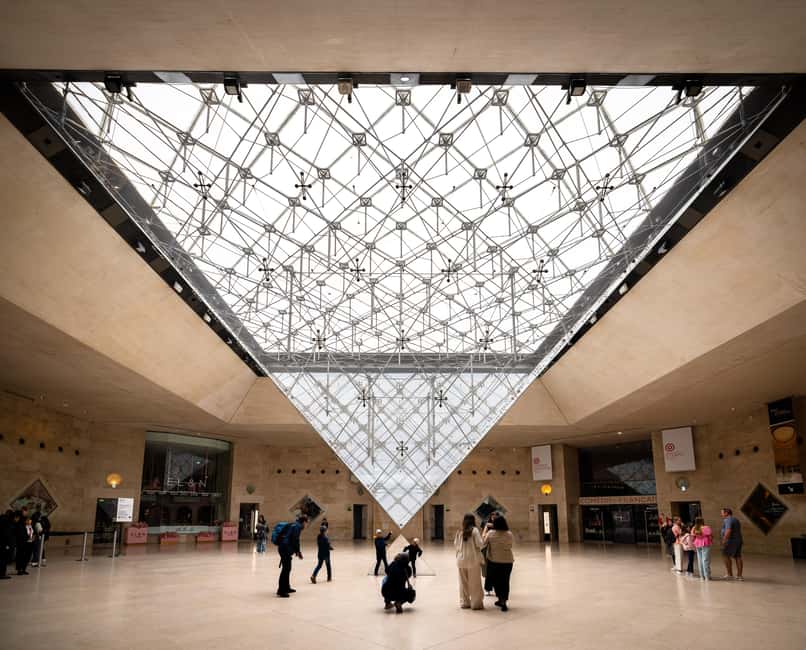
Before you reach the galleries, everyone has to pass security. That’s not optional, and it’s a big reason reserved entry is such a help: it reduces the “what do we do with our time now?” problem, but it won’t erase security entirely.
From the rules you should know:
- No baby strollers
- No luggage or large bags
- Anything larger than 55 x 35 x 20 cm isn’t allowed
Also, this tour is not suitable for wheelchair users, and it involves a fair amount of walking. So if you’re managing mobility or energy levels, plan for that. Wear shoes you can handle for hours, not shoes that look good only from photos.
If you’re traveling light, you’ll enjoy the day more. If you’re traveling with a big backpack, you’ll want to rethink packing before you get to the security line.
Mona Lisa Morning: What Reserved Entry Helps You Actually See
The Mona Lisa is famous for a reason: the painting holds up under close viewing. But the viewing area also attracts crowds like a magnet. That’s why “morning access” is more than a marketing phrase—it’s about giving you a realistic chance to spend time looking, not just orbiting.
In this tour, Mona Lisa is a core stop. Your guide is there to help you see what changes when you stop treating it like a postcard and start treating it like a work of art. You’ll also hear context that ties it to the broader Renaissance story happening around it in the collection—so it doesn’t feel like one random must-see.
And here’s a practical tip I recommend no matter what guide you get: take a breath before you push inward. Position yourself, look first, then listen. The guide’s commentary makes more sense after you’ve already noticed the small details.
If your goal is a good Mona Lisa experience, this is also a tour that’s designed around efficiency. People who try to plan the Louvre on their own usually underestimate how much time goes into moving, finding rooms, and reacting to crowd flow. Reserved entry plus a guide helps you avoid that.
Classical Sculpture Stops: Venus de Milo and Winged Victory
Two sculptures headline the classical portion of the tour:
- Venus de Milo
- Winged Victory of Samothrace
These works are famous, yes—but the real value of seeing them with a guide is how quickly you can move from “Wow, it’s beautiful” to “Oh, that’s why it mattered.” The Louvre’s classical collection isn’t just old art on display. It’s the foundation for how later European artists learned to think about form, drama, and idealized human bodies.
Guides often point out how these statues fit into the bigger timeline of Greek and Roman culture, and how the Renaissance artists who came later were drawn to that legacy. Even in a short tour, that context helps you notice things you’d otherwise miss: proportions, posture, and how the sculpture communicates emotion without needing modern lighting tricks.
This is also one of the best moments to slow down. The crowd energy can rise around the biggest names, but with a headset and clear group direction, you can still take a minute to truly look.


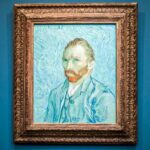



Renaissance and Baroque Hits: Da Vinci, Caravaggio, Michelangelo, Raphael
The Louvre’s Renaissance section is where the museum starts to feel less like a “collection” and more like a conversation across centuries. This tour is built to hit major figures tied to that story—so you get more than one-off sightings.
Your highlight list includes:
- Da Vinci
- Raphael
- Caravaggio
- Michelangelo
- plus additional sculptural and artistic stops like Michelangelo’s Dying Slave and Canova’s Psyche Revived
In practical terms, what you’ll get from a guided pass is interpretation. These artists aren’t just names; they each brought different ways of telling stories. A guide helps you connect style to intent—why a face looks the way it does, why a scene feels tense, why certain details feel purposeful.
If you happen to get a guide like Lily or Summer (both names you might recognize from past English-guided experiences), you’ll likely appreciate the clear, simple explanations style. When the narration stays organized, the time in front of each masterpiece feels productive instead of rushed.
And if your guide communication isn’t as strong in English on your departure, the headset still gives you a fighting chance. Still, the same advice applies: look first, listen second, and keep your focus on what’s in front of you.
Apollo Gallery and Napoleon Apartments: The Palace That Makes the Louvre Make Sense
Not all Louvre rooms are built the same. One of the best surprises on this tour is that you don’t only see art—you also see the palace framework that shaped how the museum exists today.
You’ll visit spaces including:
- the Apollo Gallery
- the Napoleon Apartments
This matters because it changes your relationship to the art. In many museums, rooms feel like neutral boxes. Here, the architecture carries power—royal luxury, imperial ambition, and the layers of French history that turned a palace into a museum.
The Apollo Gallery, for example, is the kind of place where art and setting start to blur into one experience. It’s not just a hallway. It’s part of the Louvre’s identity.
Same idea with the Napoleon Apartments: you get a sense of why certain collections were gathered, how tastes shaped display, and why this museum became a symbol of national culture. Even if you’re mostly here for paintings and sculpture, these rooms give you the “why” behind the museum’s famous layout.
How Much Is It Really Worth at About $80?
Let’s talk value. The listed price is about $80 per person, and the tour includes:
- reserved access to the Louvre
- an English-speaking expert guide
- headsets
- the entrance ticket and reservation fee
That’s a meaningful bundle because the Louvre ticket alone isn’t the whole cost of getting inside. The reservation component is what protects your timing and keeps the group moving. For a huge museum, time is the currency you can’t refill.
Is it worth it if you only want a single painting and you’re comfortable getting lost? Maybe not. If you’re the type who likes planning, and you want the strongest possible chance of seeing the Mona Lisa and top sculpture without burning half the morning to find rooms, then this is one of the cleaner ways to spend your hours.
The key trade-off is obvious: 3 hours won’t cover everything. If you’re the kind of traveler who wants deep slow looking on fewer works, you might prefer a longer self-guided plan. If your priority is a high-quality overview with expert help, reserved access and headsets make this a solid use of money.
Who This Louvre Morning Tour Suits Best
This tour fits best if you:
- want the Louvre highlights in one morning
- prefer guided context over random wandering
- like the comfort of headsets in a crowded museum
- want to see major works across different periods, not just one wing
It may not be the best match if you:
- need wheelchair accessibility (this tour isn’t suitable)
- expect a relaxed pace or minimal walking
- want to spend long hours on a handful of works instead of doing the best-known collection stops
Also keep in mind: parties of 7+ may be split into different groups at the meeting point. If you’re traveling with a big group, it’s worth setting expectations so no one feels surprised by the day’s flow.
Should You Book This Louvre Morning Tour with Reserved Access?
If your goal is to get inside early, see the Mona Lisa, and hit core sculpture and Renaissance artworks with expert guidance, I think this is a smart booking. The value is strongest when you take advantage of the reserved timing and stay flexible with a packed 3-hour plan.
I’d book with extra care if language clarity is your top priority. The headset helps, and many guides do a great job, but guide communication can vary by departure. If you can stay focused on the art itself and use the guide as support rather than the whole experience, you’ll likely be happy with the outcome.
If you want my quick verdict: it’s a practical Louvre “morning hits” option—good timing, good structure, and the kind of plan that keeps you from wasting your day trying to beat the museum on your own.
FAQ
How long is the Louvre & Mona Lisa morning tour?
The tour lasts 3 hours.
Is reserved access and skipping the ticket line included?
Yes. The tour includes reserved access to the Louvre Museum and skip-the-ticket-line entry.
Where do I meet the tour team?
You meet beside the Arc de Triomphe du Carrousel. The meeting point is not at the Louvre entrance. Team members are dressed in blue and will be along the wall railing to the left of the arch when you’re standing with your back to the Louvre Pyramid entrance.
What’s included in the price?
The tour includes the entrance ticket, the reservation fee, a reserved access entry, an English-speaking expert guide, and headsets.
What items are not allowed in the museum?
Baby strollers are not allowed. Luggage or large bags are not allowed, and any item exceeding 55 x 35 x 20 cm isn’t permitted.
Is the tour wheelchair accessible?
No, it is not suitable for wheelchair users.
Can I cancel for a refund?
Yes. You can cancel up to 24 hours in advance for a full refund.