REVIEW · PARIS
Paris: Small Group Moulin Rouge & Sacré Cœur Montmartre Tour
Book on GetYourGuide →Operated by Danis Tour · Bookable on GetYourGuide
Montmartre is where Paris shows its art-stained soul. This small-group guided walk links the Moulin Rouge to Sacré-Cœur, mixing famous landmarks with the quieter streets where creativity actually happened. I love the way the guide connects buildings to people, and I also like that you get practical photo help along the route. One consideration: the tour is not suitable for wheelchair users, and you will be climbing a hill.
You’ll start near Blanche and spend two hours moving at a walking pace that still leaves time to look up, not just keep going. If you enjoy street-level art history—painters’ homes, old workshops, and the places tied to songs and films—this is a good fit. If you want lots of time inside churches or long café sits, this won’t be your style.
In This Review
- Key highlights to look forward to
- Getting oriented fast: Montmartre starts at Blanche
- Moulin Rouge: the cabaret heart you’ll actually see up close
- The climb begins: cobblestones, artists’ homes, and café culture
- Place des Abbesses: old church energy and the Wall of Love
- Bateau-Lavoir and Maison Rose: seeing the artist spaces at street level
- Place du Tertre: artists in the square and the everyday art feel
- Sacré-Cœur: the final view over Paris (and it’s worth the stairs)
- Price and value: a 2-hour guided Montmartre hit
- Logistics that actually matter on this route
- Who this tour fits best
- Should you book the Moulin Rouge and Sacré-Cœur tour?
- FAQ
- How long is the Montmartre tour?
- Where does the tour start?
- What language is the tour guide?
- Is this tour suitable for wheelchair users?
- Is food or drinks included?
- Is tipping included?
- Does the tour cover both Moulin Rouge and Sacré-Cœur?
- Can I cancel for a refund?
Key highlights to look forward to
- Moulin Rouge kickoff: The cabaret heart of Paris, right where the neighborhood energy starts.
- Café des Deux Moulins (Amélie connection): A recognizable stop tied to the movie you’ve probably seen.
- House of Van Gogh area: Learn what mattered to one of the world’s most famous painters.
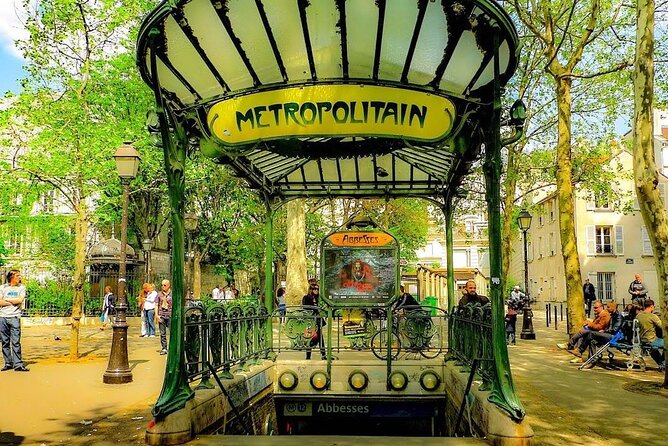
- Place des Abbesses: One of the oldest surviving churches on Montmartre plus the Wall of Love.
- Street stops for artists: Bateau-Lavoir, Maison Rose, Place du Tertre, and the last vineyard.
- Sacré-Cœur finish: Views over the whole city, plus statues, gardens, a fountain, and a panoramic dome.
Getting oriented fast: Montmartre starts at Blanche
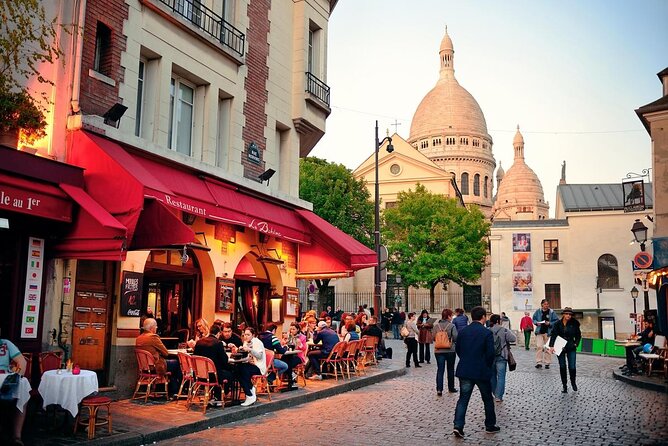
Montmartre can feel like a maze when you’re on your own. This tour fixes that by beginning at a clear, recognizable spot: the Blanche Metro (Line 2). When you exit, look to the left side of the road. You’ll see Five Guys Burger and Starbucks across the street from the Moulin Rouge area. Wait in front of Starbucks with your guide.
This matters because the first few minutes set the tone. You don’t waste time guessing which way to go uphill, and you avoid the common mistake of “doing Montmartre” without actually understanding the geography. The walk is intentionally structured so you get the big story of the neighborhood while you’re still close to the ground.
Also, you’ll be with a live English-speaking guide. The experience provider is Danis Tour, and the guide I would want in this situation is the one who can translate art history into plain language without turning it into a lecture. One review even singled out Daniel for being perfect—speaking French and English very well, taking time to explain, and offering helpful photo moments.
You can also read our reviews of more tours and experiences in Paris.



Moulin Rouge: the cabaret heart you’ll actually see up close

You begin by spotting the Moulin Rouge, often described as the most famous cabaret in the world. Seeing it in real life is a different feeling than seeing it on a postcard. The building is loud in a visual way, but the tour uses that energy as a starting point to explain Montmartre’s creative reputation.
From there, you walk along cobblestone streets and past apartments that once housed bohemian life. This is where a guided approach pays off. Without context, you might only notice the surface charm. With a guide, you start noticing the clues: the old street layout, the types of buildings, and how the area became a magnet for performers, singers, and painters.
Photo note: if you like photos, bring a phone you can hold steady and take short bursts. This isn’t a drive-by snapshot tour. Your guide can help you find angles and timing so the area looks the way it does in your head—but with fewer squinting guesses.
The climb begins: cobblestones, artists’ homes, and café culture
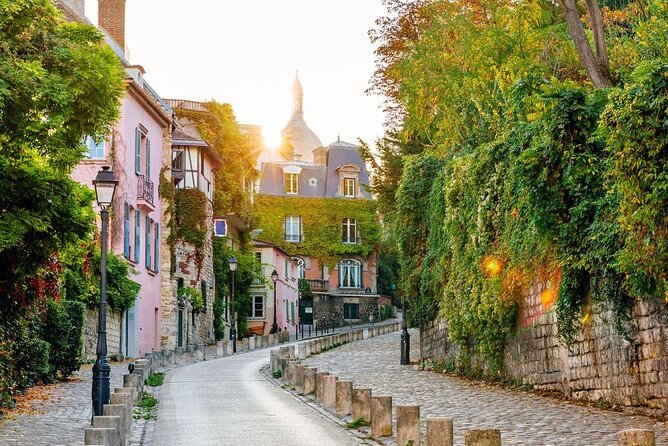
Once you leave the immediate Moulin Rouge area, the route turns into a mix of famous names and lesser-known corners. You’ll get a sense of Montmartre as a working creative district, not just a sightseeing layer.
A standout stop is Café des Deux Moulins, strongly associated with Amélie. Even if you’ve seen the film once and moved on, this place tends to grab attention because it’s one of the recognizable cinematic ties to Montmartre. You’ll also learn how cafés like this fit into the daily rhythms of artists—places to meet, talk, and watch life happen.
Then the walk continues toward the House of Van Gogh area. The tour frames it as part of where he lived and worked, so you’re not just hearing a name—you’re connecting the artist to a neighborhood context. This is the kind of stop that makes the rest of your Montmartre wander make sense, because you start to see the area as a set of personal spaces, not just a set of attractions.
Place des Abbesses: old church energy and the Wall of Love
At Place des Abbesses, the tour shifts gears into a more local, layered view of Montmartre. The square is tied to one of Paris’ oldest surviving churches, and that alone makes it worth the stop if you care about architecture and longevity.
You’ll also encounter the Wall of Love, which people come to for photos and for that very Montmartre mix of romantic kitsch and real street art vibe. The important part isn’t the wall itself—it’s what your guide explains around it: how public spaces in Montmartre keep evolving while still honoring the neighborhood’s long artistic identity.
This is also a good moment for you to slow down. The route is walking-heavy, and Place des Abbesses gives you a “reset” space: look around, take photos, and regroup before the final push upward.
Bateau-Lavoir and Maison Rose: seeing the artist spaces at street level
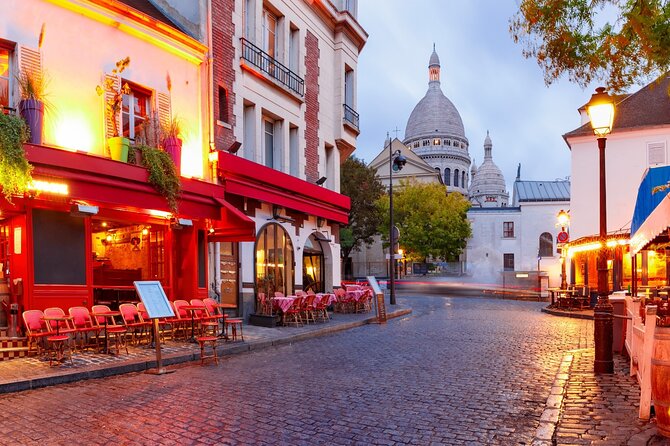
The tour then moves through several Montmartre icons that are famous enough to recognize, but specific enough to feel meaningful when you understand why they’re there.
You’ll pass Bateau-Lavoir, tied to the artistic life of the neighborhood. The name itself is evocative, and the guide’s job is to make it legible: what kind of creative space it represented and why artists were drawn to this kind of environment.
Next comes Maison Rose. It’s a visually memorable structure, and it works well as a “checkpoint” on your walk. You’ll be glad you don’t have to hunt for it, because Montmartre streets can scramble your sense of direction if you’re left to your own devices.
And then there’s mention of the area’s last vineyard. That detail is more than trivia. It’s a reminder that Montmartre wasn’t always only art and nightlife. If you like places with a transformation story—what this district used to be versus what it became—this part of the tour lands well.






Place du Tertre: artists in the square and the everyday art feel
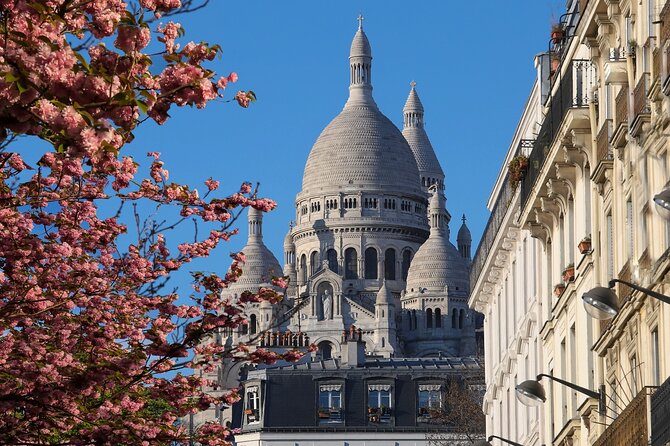
Place du Tertre is where Montmartre shows you its performance side. Even though it’s a “classic” stop, it doesn’t feel like a random photo stop because your guide ties it back to the rest of the walk: performers, painters, and the pull of creative life gathering in public squares.
This is also a place where you can spot the difference between Montmartre as an idea and Montmartre as a real neighborhood. If you’re spending time here, keep your expectations practical. You can enjoy the atmosphere, browse what’s on offer if you want, and still treat the square as one stop—not the entire experience.
Sacré-Cœur: the final view over Paris (and it’s worth the stairs)
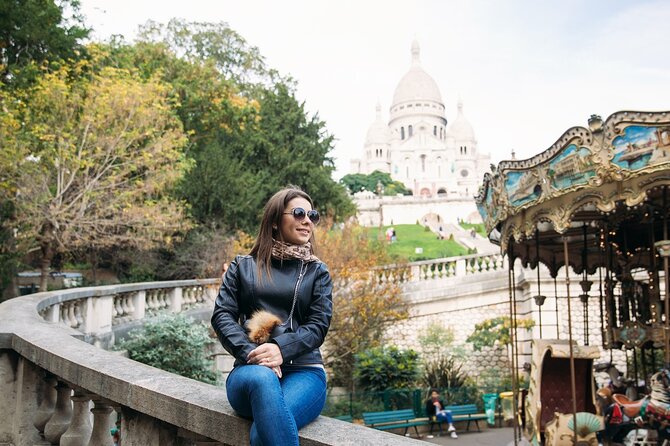
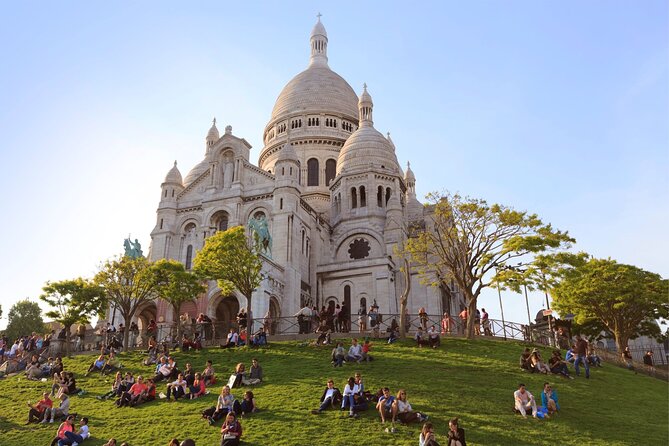
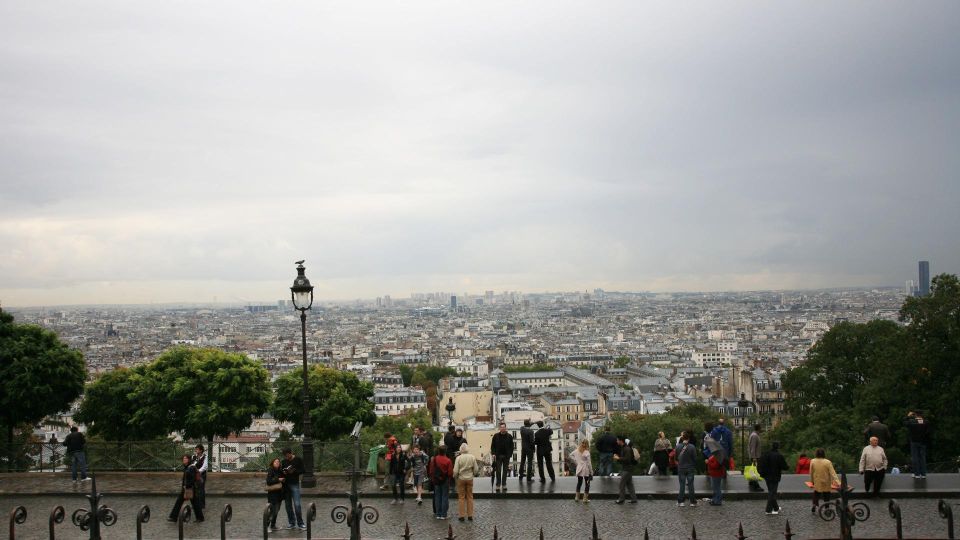
The last leg brings you to the top: the Basilica of Sacré-Cœur. The tour frames it with a lot of context, and you’ll notice the details once you’re actually there—statues of French heroes, plus spaces around the basilica like gardens and a fountain.
One of the big payoffs is the panoramic view from the dome area and surrounding viewpoints. The tour description even calls out that the views rival the kind of sweeping you expect from the Eiffel Tower. Translation: you’ll see the city spread out in a way that makes you understand why Montmartre is such a magnet for artists and romantics.
Even if you’ve seen Paris views before, Sacré-Cœur often hits differently because the neighborhood below is part of the scene. You’re looking from the “creator’s vantage point” rather than from a postcard tower.
A practical tip: wear shoes that can handle cobblestones and foot traffic. Your legs will know you did Montmartre by the time you reach the basilica steps.
Price and value: a 2-hour guided Montmartre hit
The listed price is $2.27 per person. That’s so low that it’s worth checking the exact deal terms for your date and starting time, but if that price holds, the value is unusually strong for what you’re getting: a professional guide, a walking tour, and structured stops across Montmartre’s most recognizable sites.
Even without assuming anything fancy, two hours is a smart length. You get multiple anchor points—Moulin Rouge, the café and Van Gogh area, Place des Abbesses, Bateau-Lavoir/Maison Rose/vineyard details, Place du Tertre, and Sacré-Cœur—without the whole day disappearing to travel and fatigue.
What you should plan for: food and drinks are not included, and tips are expected in cash. So budget a small amount for a drink or snack afterward, especially if you’re walking under the kind of weather that makes you crave a break.
Logistics that actually matter on this route
The tour ends back at the meeting point near Starbucks/Blanche. That keeps things simple: you don’t need to figure out a separate return plan.
It’s also not suitable for wheelchair users, and since the itinerary includes climbing uphill to Sacré-Cœur, you should expect stairs and steep sections. If you’re sensitive to steep climbs, consider whether you’ll enjoy the destination enough to justify the physical effort.
Language-wise, you’re covered: the tour is English with a live guide. The reviews highlighted Daniel’s ability to speak French and English well, which is a strong sign the explanations won’t get stuck in one language.
Who this tour fits best
This is a great choice if you:
- Want a guided Montmartre walk that ties locations together with artist and café culture.
- Like “seeing the story” rather than just collecting photos.
- Have limited time and want Moulin Rouge plus Sacré-Cœur in one structured route.
You might skip it if you:
- Need an accessible route without uphill sections.
- Want long inside visits or extended time to sit in cafés.
- Prefer self-guided wandering with no fixed stops.
Should you book the Moulin Rouge and Sacré-Cœur tour?
If you’re trying to decide whether this is worth your time, I’d say book it when your goal is focused sightseeing with context. Montmartre is easy to get wrong on your first day—either you only chase the obvious names or you get lost and miss the connections.
This tour gives you a clear start at Blanche, a logical path from Moulin Rouge to Sacré-Cœur, and several stops that matter because they connect art, daily life, and the neighborhood’s evolution. Add in the strong guide reputation (Daniel doing a great job with English/French and photo help), and it becomes an efficient, fun way to see Montmartre without turning it into an unplanned cardio event.
If the price you see is truly that low for your date, it’s an easy recommendation. If not, it’s still a solid two-hour structure, just make sure you’re comfortable with walking and the hill climb.
FAQ
How long is the Montmartre tour?
The tour duration is 2 hours.
Where does the tour start?
You start at Blanche Station on Metro Line 2. Meet the guide in front of the Starbucks across the road from the Moulin Rouge.
What language is the tour guide?
The tour is offered in English.
Is this tour suitable for wheelchair users?
No, it is not suitable for wheelchair users.
Is food or drinks included?
No. Food and drinks are not included.
Is tipping included?
Tips are not included. Tips are cash only.
Does the tour cover both Moulin Rouge and Sacré-Cœur?
Yes. It includes a visit to Moulin Rouge and ends at Sacré-Cœur for city views.
Can I cancel for a refund?
You can cancel up to 24 hours in advance for a full refund.