REVIEW · PARIS
Paris: Private Tour with a Local Guide
Book on GetYourGuide →Operated by Suisse Plus Travel · Bookable on GetYourGuide
Paris can feel huge. This tour helps you feel it.
I like the private, local-led pace that keeps the day practical instead of frantic, and I really appreciate the mix of big-name sights with calmer detours like Canal Saint-Martin and Galerie Vivienne. One consideration: the guide is a local person or expat, so you may not get the deep, academic style of a museum specialist.
You also get a flexible plan. In a 2–8 hour window, you can cover classic districts like Montmartre and Le Marais, plus major landmarks, while your guide adjusts based on what you want to see that day.
And yes, it’s rain or shine. That’s great for spontaneity, but it also means you should wear shoes you trust for long stretches of walking.
In This Review
- Key highlights to look for
- How this private walking tour actually works (and why it matters)
- Montmartre’s cobblestones and art-meets-village vibe
- Le Marais: architecture, history, and the pleasure of getting lost on purpose
- Notre Dame area: famous symbols and what you can learn at street level
- Eiffel Tower and Champs-Élysées: iconic sights without losing the day
- Louvre area and Galeries Lafayette: art and design for people who move fast
- Canal Saint-Martin and Galerie Vivienne: the calm side of Paris
- Surprise-worthy detours your guide can steer to
- Versailles as a half-day add-on (if you choose it)
- Rain or shine: why weather changes the best route
- Price and value: what $64 buys you in Paris time
- Languages and the reality of last-minute changes
- Who this tour is best for (and who should pick something else)
- Should you book this Paris private walking tour?
- FAQ
- How long is the private tour?
- Is this tour private or shared?
- What languages do the guides speak?
- Will I need to buy tickets for museums or attractions with entry fees?
- Are public transport tickets included?
- Does the tour run in bad weather?
- Can the itinerary be customized?
- Is pickup and drop-off included?
Key highlights to look for
- Local-feeling route built around how Parisians actually move and talk about the city
- Hidden-stop balance between Canal Saint-Martin, Galerie Vivienne, and local-scale neighborhoods
- Customizable itinerary agreed in advance or refined at the meet-up
- Signature districts like Montmartre and Le Marais, not just a checklist of monuments
- Guide quality signals from past tours: adaptability in bad weather and strong personal recommendations
How this private walking tour actually works (and why it matters)
This is a private tour, so it doesn’t feel like you’re squeezed into someone else’s schedule. You’re with a local tour guide (French or expat), and the big idea is simple: you get to see Paris with context, not just photos. Your guide uses the time you have to connect streets, sights, and everyday culture in a way that’s easier to remember than a rapid bus route.
The duration is flexible (2 to 8 hours). That matters because Paris rewards walking differently depending on your energy. A shorter tour is best for setting your bearings around classic areas. A longer tour lets you slow down for arcades, canal life, gardens, and viewpoints—without turning everything into a sprint.
You can also customize. You’ll either agree on the key stops beforehand or talk through priorities when you meet your guide. That’s the practical part: you’re not stuck with a single fixed loop.
You can also read our reviews of more guided tours in Paris



Montmartre’s cobblestones and art-meets-village vibe
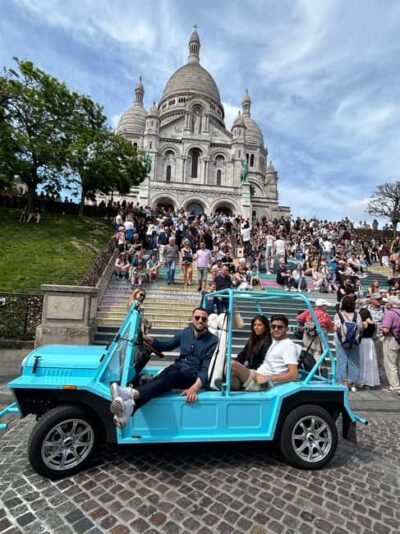
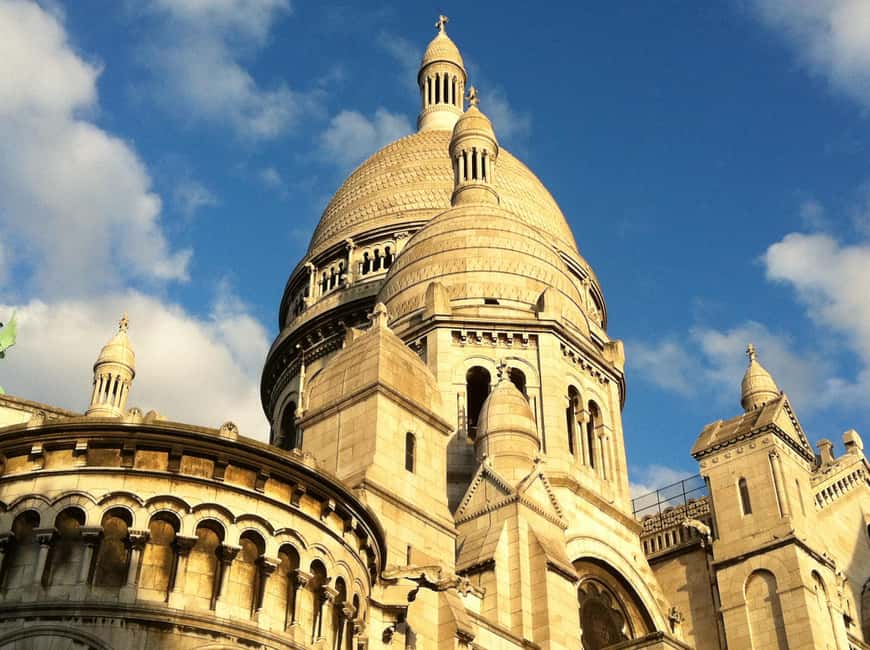
Montmartre is one of the best places to start if you want Paris to feel like a collection of small worlds. It’s famous for its artistic heritage, but what you’re really sensing is that distinct village atmosphere: steep, winding cobblestone streets, and a neighborhood feel even when you’re near major sights.
On this kind of private walking tour, Montmartre works well because your guide can steer you toward the best viewpoints and the most interesting street-level details. You’ll also get context around why this area developed its reputation, and how it became part of the Paris story you see in postcards and paintings.
A practical note: Montmartre involves slopes. Even if the tour is mostly walking, your timing is impacted by stops and walking pace. If you book the full day, it’s smart to keep a backup plan for slower moments (coffee, a gallery, or just letting the streets lead you).
Le Marais: architecture, history, and the pleasure of getting lost on purpose
Le Marais is the kind of district where you can keep walking and still feel like you’re discovering something new. It’s described here as historic, with magnificent architecture and plenty of history around you.
What’s valuable on a guided walk is that you don’t just pass buildings—you learn how the place “reads.” Your guide can point out details you might otherwise miss: the way streets were shaped, how different eras left marks, and why the area still feels important today.
If you’re the type who likes neighborhoods more than monuments, Le Marais is a strong fit. If you’re more monument-focused, it still works because it helps you understand why the big sights sit where they do—so the city feels less random.
Notre Dame area: famous symbols and what you can learn at street level
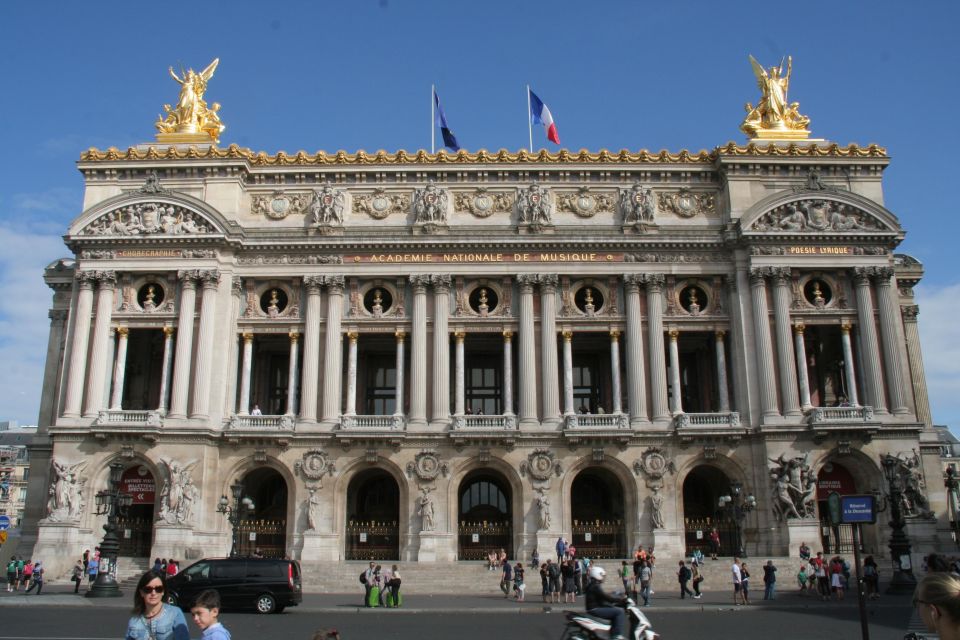
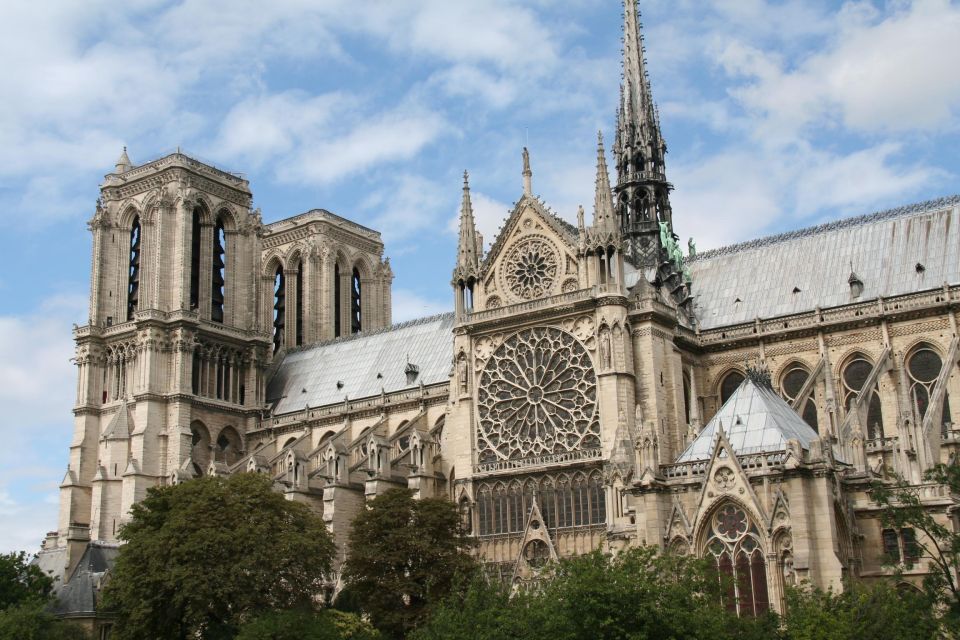
Notre Dame is presented as a widely recognized symbol of Paris and the French nation, and it also houses significant religious artifacts, including the Crown of Thorns believed to have been worn by Jesus Christ.
Even if you don’t go inside, the value of a guided walk is that you get to connect the landmark to the broader cultural and historical story it represents. Your guide’s explanations can also help you understand what you’re looking at and why it matters to people who live here.
One practical consideration: entry tickets are not included for attraction with an entry fee. If you want specific indoor access, you’ll need to plan tickets separately (and your guide can help decide what’s worth it for your time).
Eiffel Tower and Champs-Élysées: iconic sights without losing the day

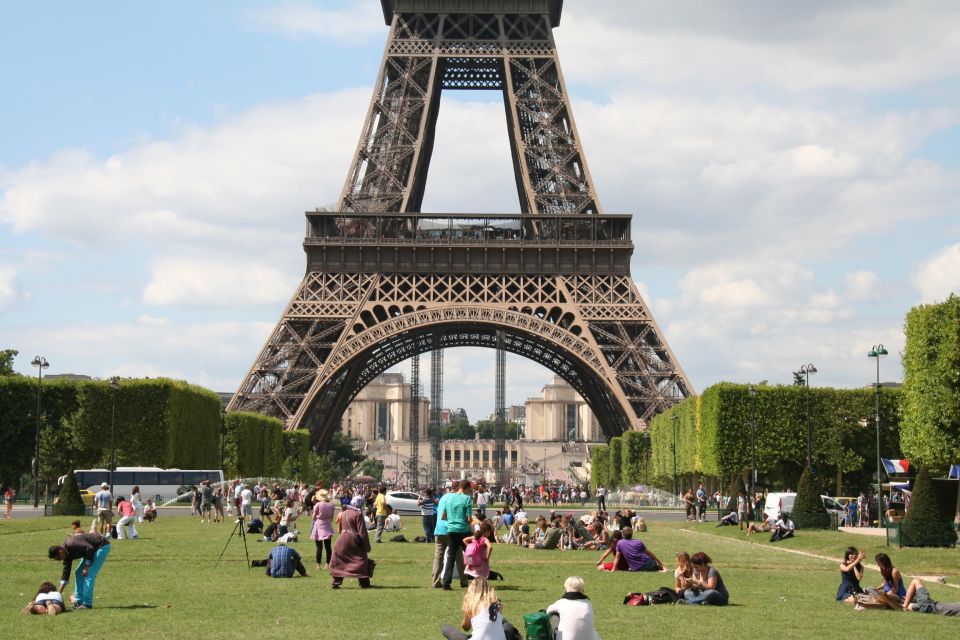
The Eiffel Tower, Champs-Élysées, and Arc de Triomphe are all on the standard sightseeing list. This tour is built to cover a lot in a short timeframe, so you’re likely to see viewpoints and key angles, not just stand-and-stare in one spot.
Champs-Élysées gets a lot of attention for a reason: it’s the most famous avenue in Paris, connecting Arc de Triomphe to Place de la Concorde. With a local guide, you can also read it as a corridor of city power and public life—not only as a shopping strip.
Arc de Triomphe is described as honoring those who fought and died for France during the French Revolution and Napoleonic wars. That’s the kind of detail a guide can bring to the street-level view, turning a famous monument into something you understand.
The drawback to keep in mind: these are high-visibility zones, and your experience depends on timing, crowds, and how long you linger. A private guide helps you choose the right stops so you spend your time well.
You can also read our reviews of more private tours in Paris






Louvre area and Galeries Lafayette: art and design for people who move fast
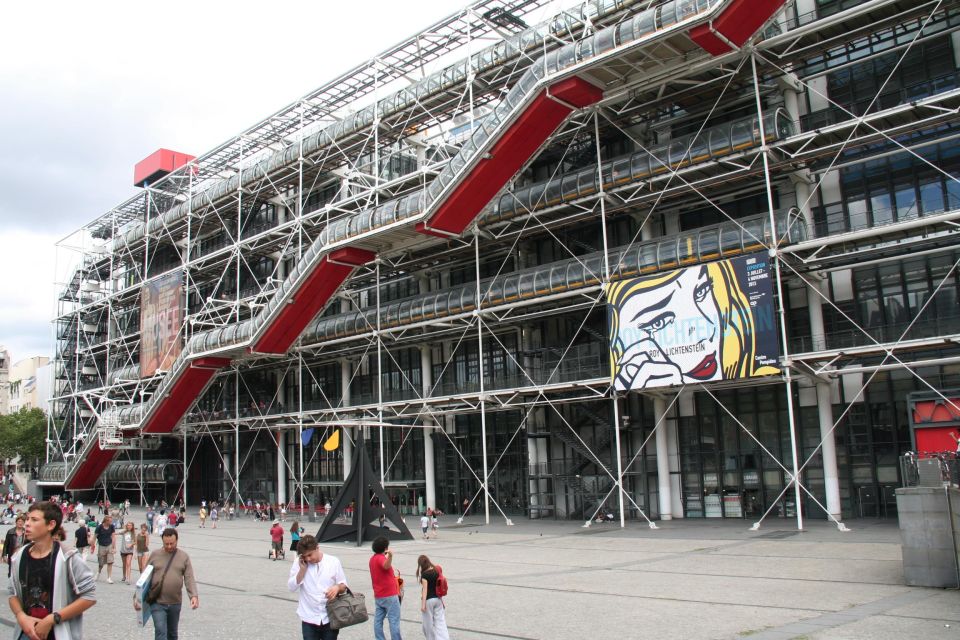
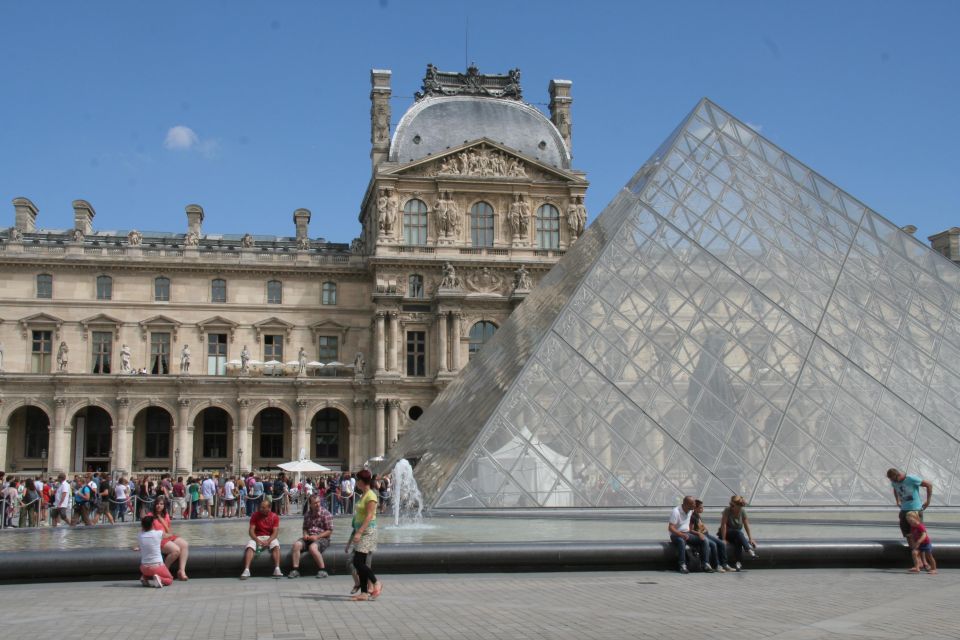
The Louvre Museum is included as a major stop, and it’s described as a national art museum with canonical Western works, including the Mona Lisa. The key point for your planning: museum entry tickets are not included. If you want to go in, you’ll need to arrange tickets yourself.
Even without entry, the Louvre area is useful on a private route because you can get oriented quickly—where the entrances are, how the space “sets the stage,” and what to focus on if you do decide to buy tickets.
Galeries Lafayette is also listed, described as a historic shopping mall with both niche and luxury brands. This is one of those Paris stops that works even if you don’t shop. The atmosphere is part of the experience, and it’s a good place to slow down for a drink or just watch people for a bit.
And if you’re traveling with anyone who only wants a quick hit of museums, these stops can be the perfect compromise: you see the landmark energy without forcing a long indoor day unless you choose it.
Canal Saint-Martin and Galerie Vivienne: the calm side of Paris
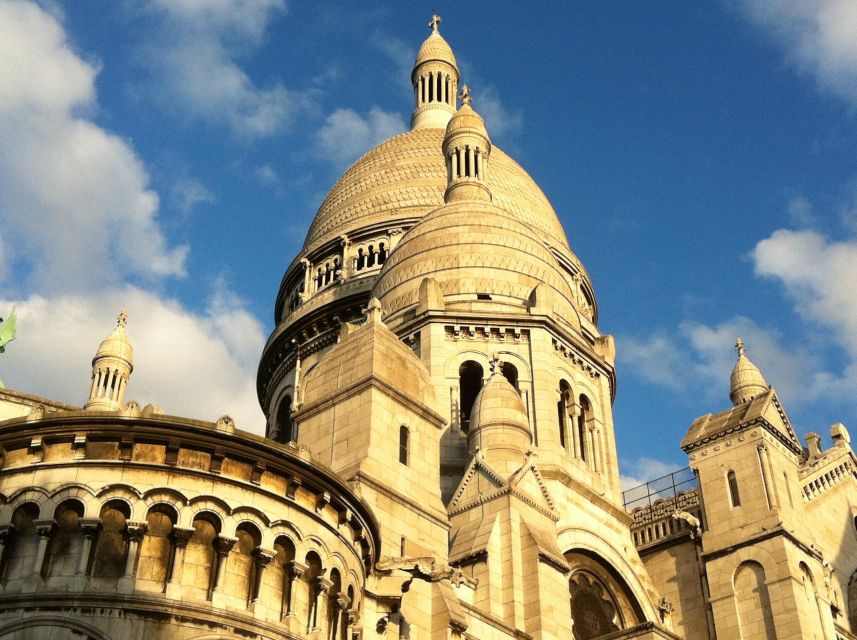
This is where the tour starts to feel like a true local walk. Canal Saint-Martin is described as a canal with passenger boat cruises, plus bars and restaurants along the water. It’s an excellent contrast to the big monuments, and it’s also a place where you can let the city breathe.
Galerie Vivienne is another highlight listed as an iconic shopping arcade in Paris. These kinds of covered passages can be a huge payoff when the weather is bad, because you still get that old-Paris atmosphere without getting drenched or freezing.
From the practical angle, these two stops give you something monuments can’t: a change in pace. You go from towers and avenues into smaller-scale Paris life—water sounds, arcade lighting, street corners that feel lived in, not staged.
Surprise-worthy detours your guide can steer to
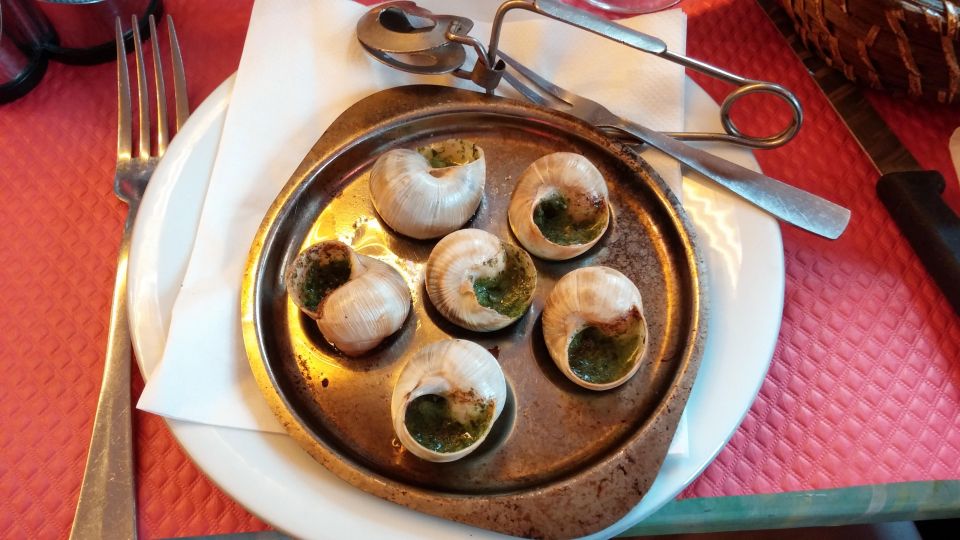
The tour includes a list of possible hidden secrets and optional stops. It also notes it’s not guaranteed you’ll see everything listed, because the route depends on tour length and how much time you spend at each place.
Here are some of the options that can make a walk feel special:
- Ménagerie du Jardin des Plantes: described as the second-oldest zoological garden in the world, home to rare small and medium-sized mammals. If you’re traveling with kids or you like animal-related stops, this could be a welcome change from sightseeing-heavy blocks.
- Louis Vuitton Foundation: listed as an art museum and cultural center. If modern art or architecture appeals to you, your guide might recommend it if timing works.
- Parc des Buttes Chaumont: described as the fifth-largest park in Paris, with an artificial lake, a temple, and interesting fauna. This is the kind of stop that can turn a long day into something you actually remember for the calm.
- Montparnasse Tower: described as the tallest building in Paris with magnificent views. If you want one strong high viewpoint, it can be an efficient way to do that.
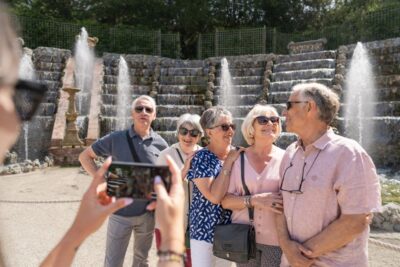
- Luxembourg Gardens: listed as filled with history and fountains, and described as the second-largest park in Paris. This is another strong “pause button.”
You don’t have to pick a single type of attraction on this tour. That flexibility is the advantage: monuments for the skyline, arcades and canals for personality, parks for decompression.
Versailles as a half-day add-on (if you choose it)
The tour data notes Palace of Versailles is located outside the city and needs at least a half day to visit. That means it’s not always practical to fit unless you book a longer duration or accept that your Paris stops may be reduced.
Versailles is worth considering when you want something bigger than a city walk. If you do choose it, plan for a shift from street-level Paris to royal-scale history and grounds. This is a different pace, so it’s smart to decide early whether you want Versailles to be the main event or a secondary highlight.
Rain or shine: why weather changes the best route
This tour runs rain or shine. That sounds straightforward until you’re standing on a cobblestone street with wind in your face. The good news is that the hidden secret list includes places that can handle rough weather better than open-air monuments.
Arcades like Galerie Vivienne and other covered walkways are exactly the type of stop that can keep the day enjoyable even when it’s gray outside. If your guide is good at adapting, weather becomes a feature, not a problem.
In past experiences linked to this tour style, guides have adjusted when it rained—steering people through older indoor galleries and even pointing out a lesser-known library connection tied to Cardinal Richelieu. That’s the sort of street-smart flexibility you want from a private guide.
Price and value: what $64 buys you in Paris time
At $64 per person, this tour is priced like a practical local service rather than an all-in luxury day. You’re paying for a guide, hotel pickup and drop-off, and a walking route that can cover a lot without you needing to plan every segment.
What you should weigh for value:
- It’s designed to be efficient. A 2–8 hour walk can hit major sights and lesser-known stops without you juggling multiple bookings.
- It’s private. That often makes the per-person value better when you’re traveling with just a few people and you want control.
- Entry tickets aren’t included. If you add a museum entry or other ticketed attractions, your total cost rises. For example, Louvre Museum and some other sights on the list may require tickets.
If you’re the type who enjoys history but hates wasting time waiting, walking with a local guide can be a smart use of money. If you only want a quick photo run, it may feel like overkill—so be honest about your pace and attention span.
Languages and the reality of last-minute changes
The guide availability includes English, French, Vietnamese, Italian, German, and Russian. That’s strong coverage.
One thing to plan for: for very late bookings (1 day before the tour), the provider can’t always guarantee a guide in your chosen language. If that happens, you’ll get an English-speaking guide instead. If language matters a lot to you, it’s worth booking early so you have a better chance of matching your preference.
Who this tour is best for (and who should pick something else)
This fits best if you want a mix of recognizable Paris and “real life” stops, and you’d rather have someone shape the day than you do it from scratch. It’s also a good choice if your group has different tastes—monuments people and neighborhood people can both get something.
You might want a different format if:
- your group refuses to walk for long stretches
- you want a museum-only deep-dive with strict academic storytelling
- you expect all ticketed entrances to be covered
Because the guide is a local person or expat (not necessarily a museum specialist with detailed historical knowledge), this tour shines when you want street-level guidance, cultural context, and smart routing.
Should you book this Paris private walking tour?
I’d book it if you want Montmartre plus a few real Paris stops—especially if Canal Saint-Martin and Galerie Vivienne are on your list. The price makes sense for a private, guided day that includes pickup, walking, and the kind of route flexibility that keeps things interesting even when weather changes.
I wouldn’t book it if you’re expecting every major museum to be included automatically, or if you’re looking for a fully academic, institution-style historical lecture the whole time. This is a guide-led street experience. When you match it to your goals—icon photos, neighborhood wander time, and a local feel—it works.
FAQ
How long is the private tour?
It lasts from 2 to 8 hours, depending on the option you choose and how you pace your stops.
Is this tour private or shared?
It’s a private group experience.
What languages do the guides speak?
Guides are listed as available in English, French, Vietnamese, Italian, German, and Russian.
Will I need to buy tickets for museums or attractions with entry fees?
Yes. Tickets for attractions with entry fee (such as museums) are not included.
Are public transport tickets included?
No. Public transport or taxis are not included, and since it’s a walking tour you may not need them. If you do use public transport with your guide, you’ll be asked to pay for the tickets of your tour guide as well.
Does the tour run in bad weather?
Yes. It runs rain or shine.
Can the itinerary be customized?
Yes. You can agree on sightseeing points in advance or discuss what you want to see when you meet your guide.
Is pickup and drop-off included?
Yes. Hotel pickup and drop-off are included.