REVIEW · PARIS
Paris: Orangerie Museum Skip-the-Line Entry and Guided Tour
Book on GetYourGuide →Operated by Babylon Tours LLC · Bookable on GetYourGuide
Skip the line, then fall into Monet’s world. This Musée de l’Orangerie tour is interesting because you get inside fast and you don’t just see paintings—you get the story behind them from an art historian. I love the smooth skip-the-line start, and I love that the guide connects the artwork to the bigger shifts happening in 19th- and 20th-century France.
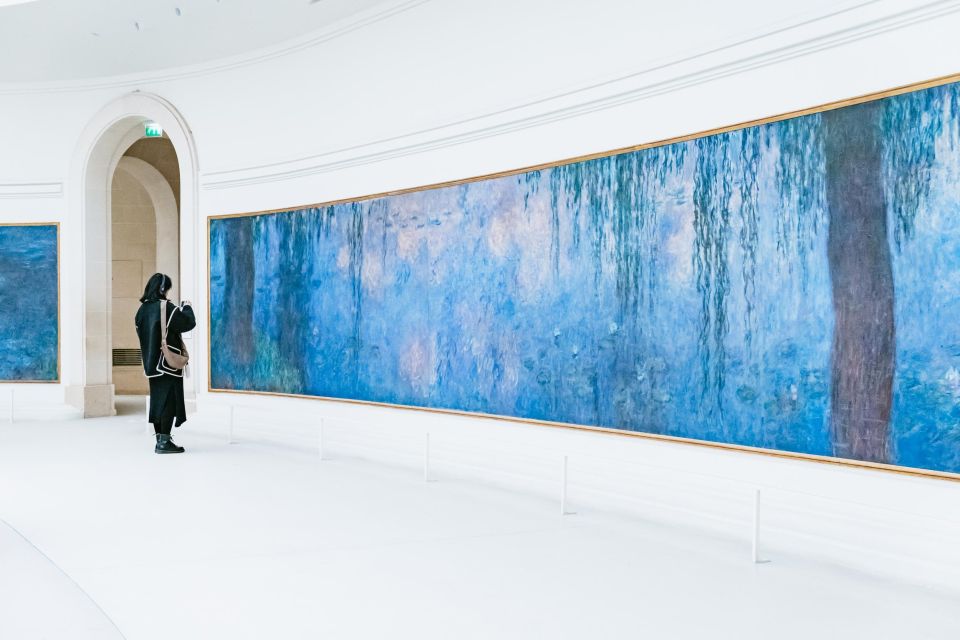
Monet’s famous oval room is the main event, with the water lilies surrounding you on all sides. As you move from one gallery to the next, you’ll watch Impressionism’s ideas spread and change, instead of treating these works like isolated “must-sees.”
One thing to consider: this is a small amount of serious walking. The tour involves moderate walking and it’s not suitable for people with mobility impairments, so check in early if you have any limitations.
In This Review
- Key takeaways before you go
- Entering L’Orangerie fast: why this skip-the-line matters
- Monet’s oval room: what you’re actually seeing (and why it hits)
- The Tuileries Gardens walk: a small stroll with real payoff
- The 19th- and 20th-century art storyline you’ll follow
- Cézanne, Matisse, Picasso: how technique turns into meaning
- Cézanne: fruit and flowers as a lesson in seeing
- Matisse: color and seduction in portrait form
- Picasso: stages and reinterpretations
- Renoir, Modigliani, Utrillo: the wider circle beyond the headline names
- Small group pace: why it feels calmer than a big-bus museum run
- Guides that make the art feel human: Hugo, Sunday, and more
- Price and value: is $128 per person a good deal?
- Practical tips to get the most out of your 2 hours
- Who this tour suits best (and who may prefer something else)
- Should you book the Orangerie skip-the-line guided tour?
- FAQ
- How long is the Musée de l’Orangerie guided tour with skip-the-line entry?
- What’s included in the ticket price?
- Are there guided tours in languages other than English?
- How much walking is involved?
- Does the tour run in bad weather?
- Is luggage allowed inside?
- What identification should I bring?
Key takeaways before you go
- Skip-the-line entry saves time so you can spend your energy looking, not waiting
- Art historian guiding turns famous names (Monet, Matisse, Cézanne) into a clear timeline
- The oval room experience lets Monet’s water lilies feel like you’re inside the landscape
- Tuileries Gardens walk adds a pleasant, easy Paris buffer before the art starts
- Max 8 guests per guide keeps the pace calm and the explanations personal
- No large bags means a lightweight day bag is the smart move
Entering L’Orangerie fast: why this skip-the-line matters
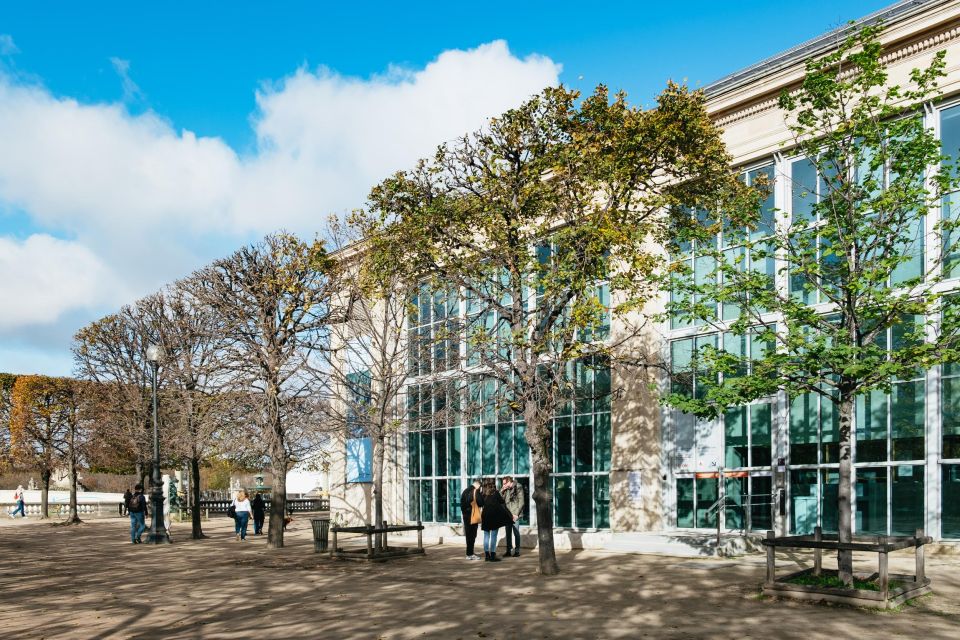
Paris museums can be a lesson in patience. Here, the value starts before you even reach the first painting: you’re set up to avoid the long entrance lines and go straight in.
The tour runs for about 2 hours, so every minute counts. That time pressure can be a stress trigger if you’re doing it on your own. With this format, you can focus on what you came for: the Impressionists and the wave of artists who followed, plus the building itself—the former Orangerie where royalty stored oranges in winter.
You’ll also get a built-in way to handle the museum’s rules. Some rooms have quiet expectations or restricted speaking, so you’ll want to keep your voice down and let the guide steer the pace.
You can also read our reviews of more guided tours in Paris



Monet’s oval room: what you’re actually seeing (and why it hits)
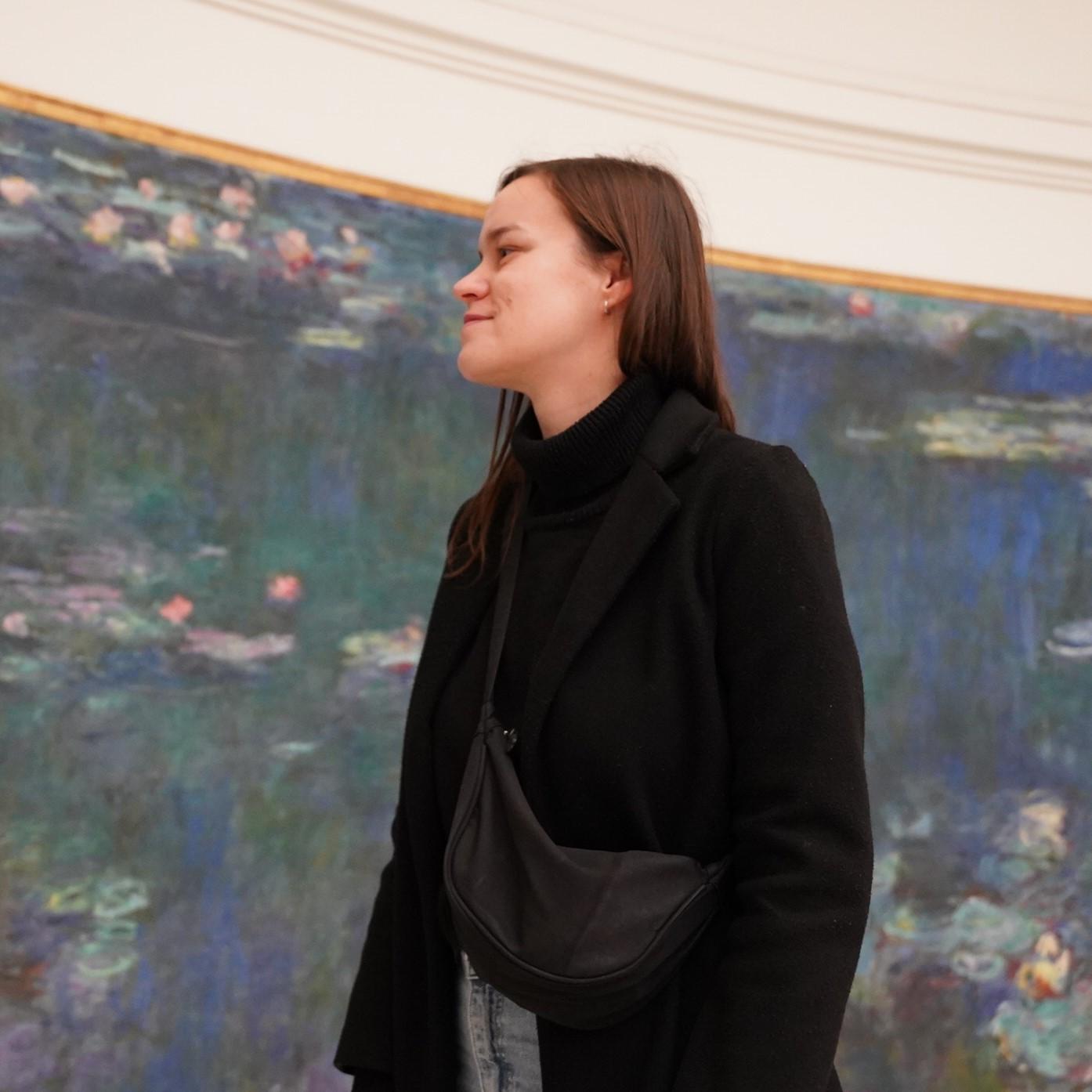
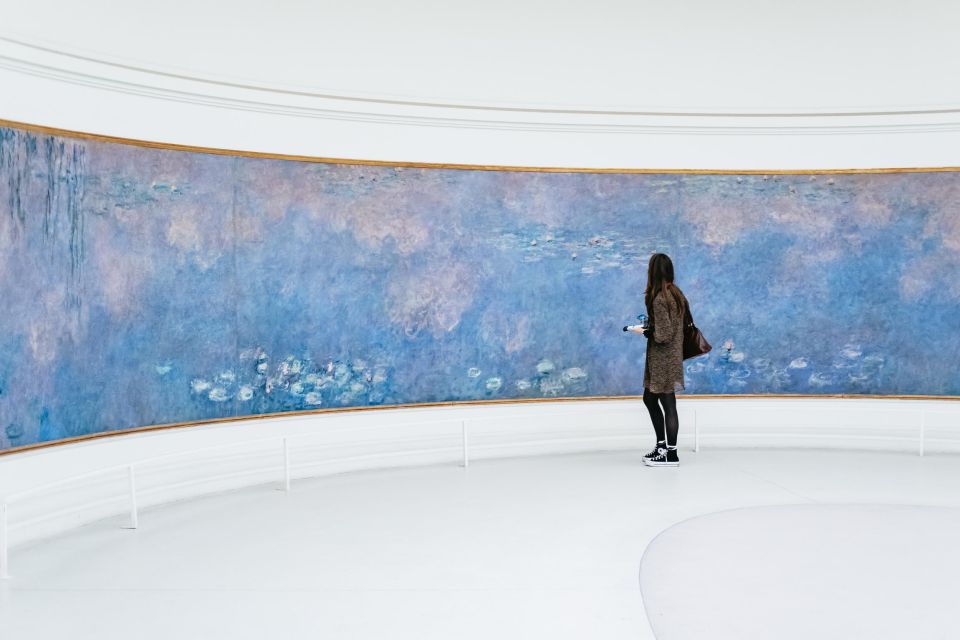
The reason people make time for the Musée de l’Orangerie is simple: Monet’s water lilies. This tour gets you into the oval room so you can experience those views without rushing and without trying to decipher everything alone.
The setup is special. Instead of a single painting on a wall, you’re surrounded by the composition—an idea Monet developed as a kind of immersive environment. On a guided tour, you’re not left standing there like, Okay, cool… what now? Your guide helps you connect what you’re seeing to how Impressionism tried to change the rules of art.
In one standout moment, a guide named Hugo used a recording of Clair de lune while you were looking at Monet. That’s not just atmospheric; it’s a clue about how these works can be approached. Monet’s space rewards slow attention, not quick photo-taking and sprinting to the next room.
The Tuileries Gardens walk: a small stroll with real payoff
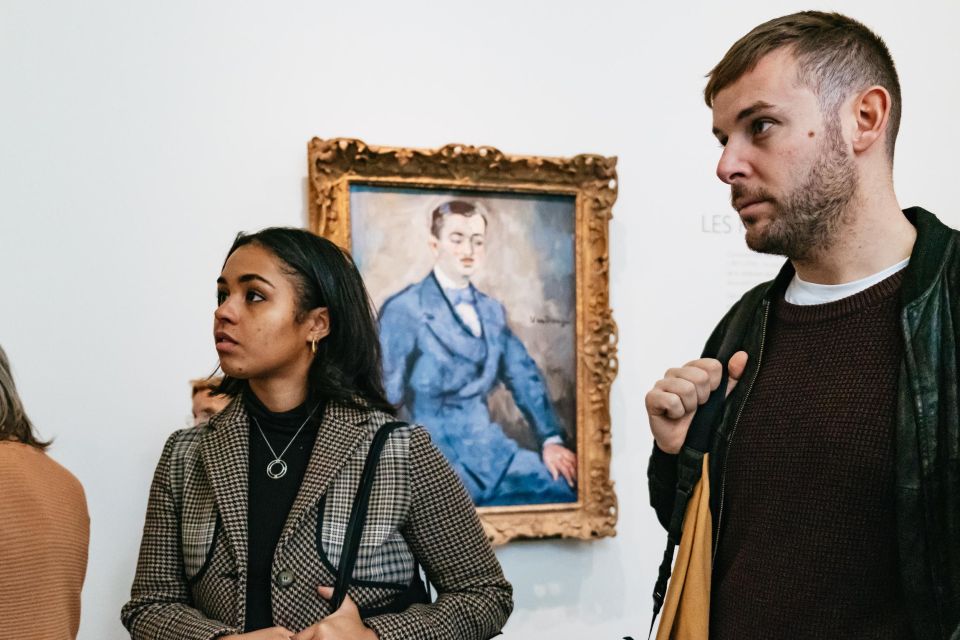
Before the museum story locks in, you’ll walk through the Tuileries Gardens to reach the Orangerie. It’s not a “scenic bonus” tacked on at the end; it’s part of how the visit feels.
This short walk helps you get your bearings fast. If you’re already tired from moving between sights, the gardens offer a breath of Paris pace before you enter a quieter, more focused space. Think of it like warming up your eyes and your mind: less sensory overload, more ability to notice brushwork, color choices, and how the artists’ ideas evolve room by room.
Also, remember the practical reality: the tour runs in rain or shine. If the weather is messy, plan for a damp walk and bring a weather-appropriate layer.
The 19th- and 20th-century art storyline you’ll follow

What makes this tour work isn’t that it lists famous artists. It’s that it builds a readable chain of cause and effect: what Impressionists changed, how others reacted, and how French art kept shifting into new styles.
You’ll follow your art historian guide around the museum’s 19th- and early-20th-century collection. As you move, you’ll see the evolution of Impressionism unfolding across the walls, and you’ll get context that helps the works make sense in relation to each other. That matters, because some artists are famous for a single thing, while others look totally different depending on the period.
One guide named Z was praised for taking time to explain artists in their historical place—turning a “gallery crawl” into an actual timeline. If you’re the kind of person who likes learning how art and society push each other, you’ll appreciate that structure.
Cézanne, Matisse, Picasso: how technique turns into meaning
The museum doesn’t treat these artists as separate universes. On this tour, you’ll connect them through what they were doing—how they built images, and why that mattered.
You can also read our reviews of more museum experiences in Paris



Cézanne: fruit and flowers as a lesson in seeing
You’ll spend time with Cézanne’s fruit and flowers. The point isn’t only the subject. It’s how Cézanne’s approach changes what “realistic” even means. You’re encouraged to pay attention to how forms are constructed and how the paint helps create structure instead of just copying appearances.
Matisse: color and seduction in portrait form
With Matisse, the focus shifts to the delicate, expressive side of his work—especially his portraits. The guide’s job here is key: you’ll learn what made his style feel exotic and seductive, rather than just calling it decorative.
Picasso: stages and reinterpretations
Picasso can feel confusing if you’re only familiar with one style. This tour helps you trace different stages by looking at interpretations of nude models. Seeing those shifts under a guide’s explanation makes Picasso less of a guessing game and more of a clear story about experimentation.
Guides like Belen and Lily were singled out for making explanations enjoyable and easy to follow, which is exactly what you want here. This is a lot of art history in a short time, and the guide’s clarity can make or break your experience.
Renoir, Modigliani, Utrillo: the wider circle beyond the headline names
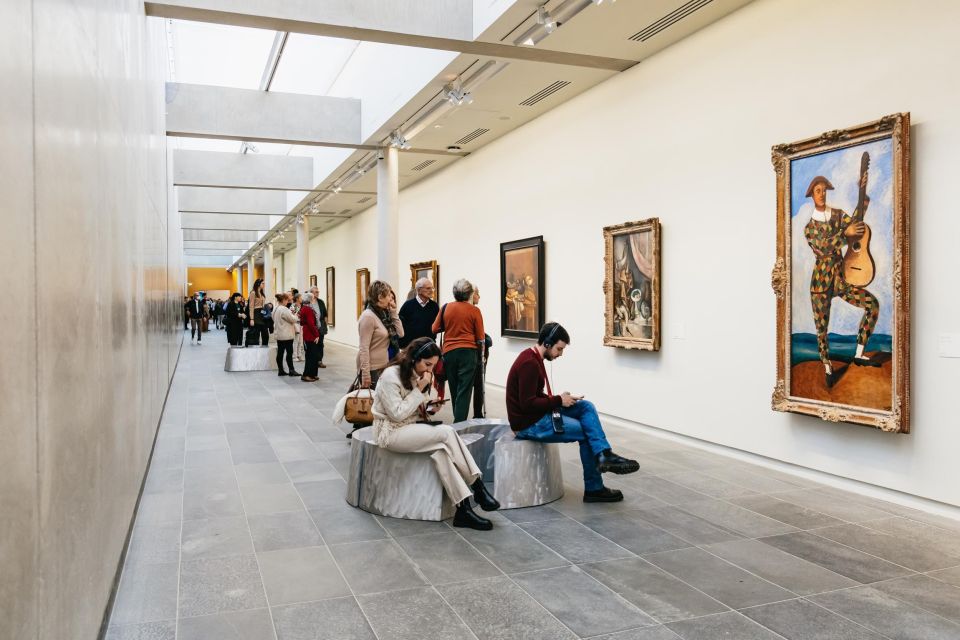
After you’ve handled the biggest names, the tour keeps going. You’ll also see works tied to the orbit around Impressionism and the next waves—artists such as Renoir, Modigliani, and Utrillo.
This matters for two reasons. First, it fills in the full picture of how French art changed rather than stopping at the most famous posters. Second, it helps you spot patterns in style—how people reacted to each other, how ideas spread, and how new visual language took shape.
You don’t leave feeling like you only “did Monet.” You leave feeling like you understand why Monet mattered in the first place.
Small group pace: why it feels calmer than a big-bus museum run

This tour is built for intimacy. There’s a maximum of 8 guests per guide, and that small group size has a real impact on your day.
In a big crowd, you end up watching your feet so you don’t bump anyone while trying to read the wall text. Here, the guide can slow down at the moments that need it, and you’re more likely to catch the connecting thread between rooms. If you have questions, you’ll also have a better chance to get them answered without feeling like you’re holding up 40 strangers.
The language options add another layer of comfort. You can get guided explanations in French, English, Russian, Italian, Spanish, or German. Even if your French is shaky, you won’t have to rely on guessing what the museum labels are trying to say.
Guides that make the art feel human: Hugo, Sunday, and more
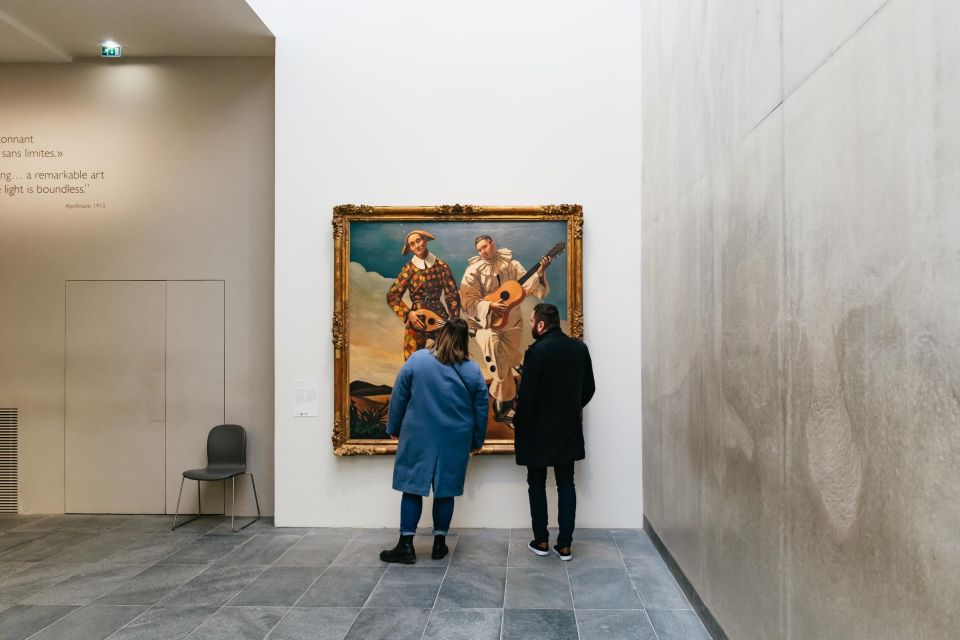
A museum guide can turn into either background noise or real storytelling. The strongest praise you’ll see for this experience centers on guides who explain with energy and care.
- Hugo brought extra emotion to the Monet moment, including a Clair de lune recording while you looked
- Z was praised for putting the collections into context so it felt logical, not random
- Malaika was noted for being responsive and for making the venue feel memorable and meaningful
- Barbara connected with a 9-year-old guest so the art felt reachable, not intimidating
- Sunday wove history into how art changed the world’s thinking
- Belen and Lily were both praised for strong teaching and an enjoyable tone
If you care about clear explanations, this is a solid sign that the guides aren’t just reciting facts. They’re shaping how you see.
Price and value: is $128 per person a good deal?
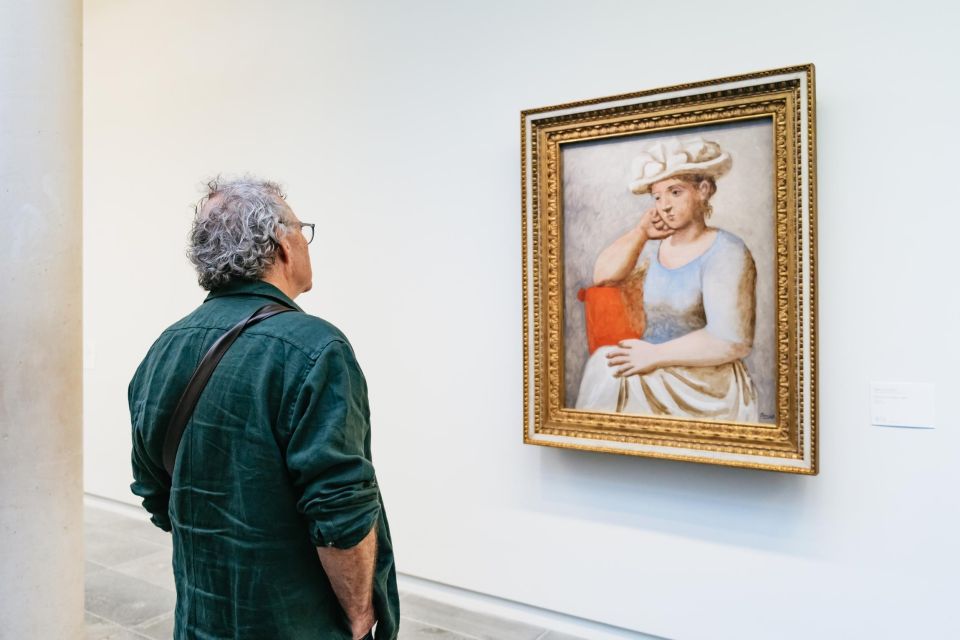
At $128 per person, this isn’t the cheapest way into the museum. But for what you get, it can be good value—especially if you plan to visit multiple big-ticket sights during your trip.
Here’s the value math that matters:
- You’re paying for skip-the-line entry plus the museum entrance fee
- You’re paying for an art historian guide, not just a “walk-through”
- You’re getting a structured 2-hour experience that keeps the art connected
- Small group size (up to 8) helps you actually benefit from a live explanation
If you love art and want more than a casual glance, the guide component is often what makes the price feel fair. If you’re the type who prefers silent wandering and reading labels only, you might not use the guide time fully—and then the cost per minute can feel steep.
Practical tips to get the most out of your 2 hours
A tight time window is great, but only if you show up ready to move and look.
- Bring a passport or ID card, since it’s listed as required
- Pack light: luggage or large bags aren’t allowed
- Wear shoes for moderate walking—the gardens and museum circulation add up
- Plan for rain: the tour runs rain or shine
- In quiet/restricted rooms, follow the guide’s cues and keep your voice down
Also, keep your expectations right. Some rooms have rules about speaking, and some museum conditions can change. The tour also notes that occasional closures can happen without advance notice; if the museum opens more than an hour late, you’ll receive an appropriate alternative, and refunds or discounts aren’t guaranteed in those cases.
That’s the kind of detail that’s worth knowing before you’re tempted to schedule something right after.
Who this tour suits best (and who may prefer something else)
This experience is a great fit if you:
- Love art history and want a clear timeline rather than disconnected masterpieces
- Want to see Monet’s water lilies without spending your morning wrestling with lines
- Prefer a small group pace and guided context in your chosen language
- Enjoy learning from a guide who can connect the art to the way the world thought and worked
It’s a tougher fit if you:
- Need step-free accessibility support, since it’s not suitable for people with mobility impairments
- Want a fully independent museum visit with no structured stops
- Travel with large luggage, since large bags aren’t allowed
Should you book the Orangerie skip-the-line guided tour?
If your goal is to see the Orangerie and actually understand it, I think this is a smart booking. Monet’s oval room is the big draw, but what you’re really buying is the how and why—Impressionism’s evolution, plus what came next through Cézanne, Matisse, Picasso, and the surrounding cast.
Book it if you want a calm, small-group visit with an art historian and a guide who can tell the story in a way that sticks. Skip it only if you’re planning to do the museum on your own at a slower pace and you don’t care much about guided context.
FAQ
How long is the Musée de l’Orangerie guided tour with skip-the-line entry?
The tour lasts about 2 hours. Starting times depend on availability.
What’s included in the ticket price?
You get skip-the-line entrance, the museum entrance fee, an art historian guide, and a museum tour. Private and small group options are available.
Are there guided tours in languages other than English?
Yes. The live guide can be French, English, Russian, Italian, Spanish, or German.
How much walking is involved?
There is a moderate amount of walking. The semi-private tour is not suitable for people with mobility impairments.
Does the tour run in bad weather?
Yes. It runs rain or shine.
Is luggage allowed inside?
No. Luggage or large bags aren’t allowed.
What identification should I bring?
Bring a passport or an ID card.