REVIEW · PARIS
Paris Musee d’Orsay PRIVATE TOUR with a Local Private Guide
Book on Viator →Operated by Withlocals · Bookable on Viator
Paris’s best Impressionist stories fit into two hours. This private Musée d’Orsay tour gets you moving toward the key works fast, with a guide who can tailor the focus to your favorite painters or styles. I like that you’re not stuck with a one-size-fits-all checklist.
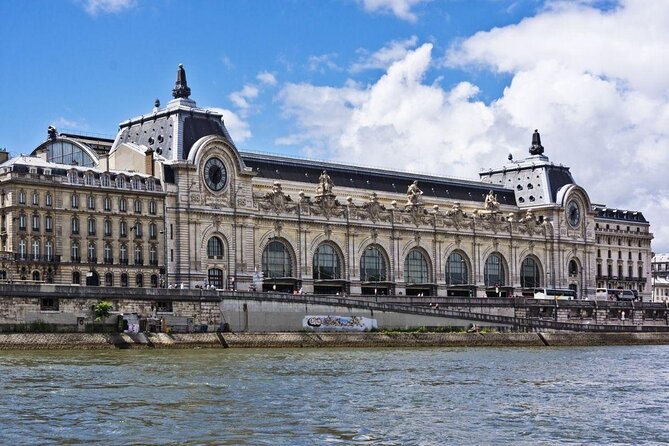
Second, the experience pairs art with the building itself. The Musée d’Orsay is a former train station, and your guide helps you connect the Impressionist and post-Impressionist works to the ideas around them—exactly the sort of context that makes the paintings feel sharper. I especially like that guides such as Anna and Julien can steer the visit toward what you care about, like Monet and Renoir.
One watch-out: timing matters. The tour is built to start promptly, and if a guide runs late (even around 20 minutes), you can lose a chunk of explanation time even if the tour end time is still respected.
In This Review
- Key things that make this Orsay tour work well
- Musée d’Orsay in a Former Train Station: Why the Building Matters
- Private Guide Setup: Getting to the Masterpieces First
- Impressionism Highlights: What You’ll See (and How the Guide Helps It Click)
- Wandering After the Stories: How to Use the Remaining Time
- Price and Tickets: What 79 Dollars Really Buys
- Meeting Point and Getting There Smoothly
- Who This Tour Fits Best (and Who Might Want to Do It Differently)
- A Quick Reality Check on the Time Window
- Final Verdict: Should You Book This Musée d’Orsay Private Tour?
- FAQ
- Is this tour private?
- How long is the Musée d’Orsay private tour?
- Are entrance tickets included in the price?
- Where do I meet the guide?
- Can I pick a start time?
- What is the cancellation policy?
Key things that make this Orsay tour work well
- Private guide + only your group, so questions don’t get lost in a crowd.
- Start times that fit your itinerary, with a flexible “your pace after the highlights” feel.
- Impressionism and post-Impressionism focus, including major names like Monet and van Gogh.
- Former train-station building, which you’ll understand more once someone points out the story.
- Ticket not included (16€ per person, cash to the host), so plan that in advance.
Musée d’Orsay in a Former Train Station: Why the Building Matters
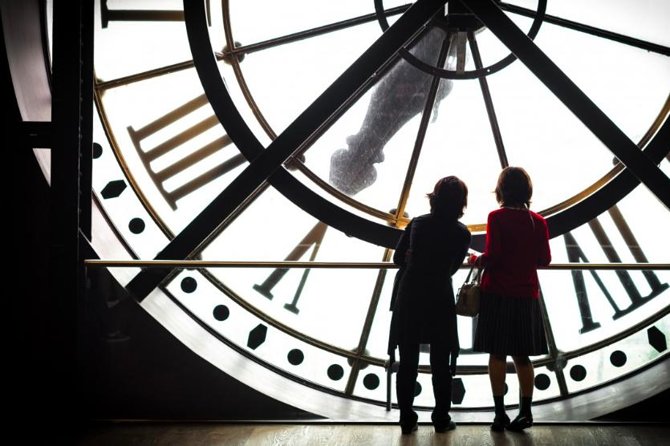
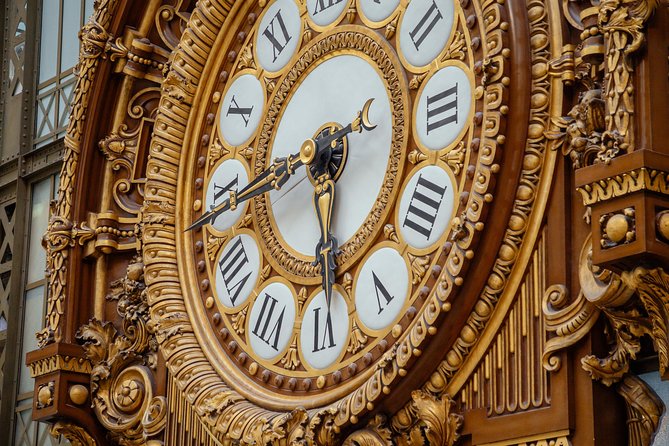
Before you even reach the gallery walls, you’re inside a landmark. The Musée d’Orsay occupies an old station, so you get a sense of movement and scale that feels different from most Paris museum buildings. A good guide doesn’t just point at features—they help you read the space, so you’re not walking through “just another museum” when you arrive.
That matters because Orsay’s art is all about new ways of seeing. When you connect the Impressionists and post-Impressionists to the world around them—modern life, changing tastes, fresh styles—the building becomes part of the story rather than a backdrop. It also makes the first minutes of the tour feel worth it, not like waiting for the “real” art to start.
You can also read our reviews of more guided tours in Paris



Private Guide Setup: Getting to the Masterpieces First
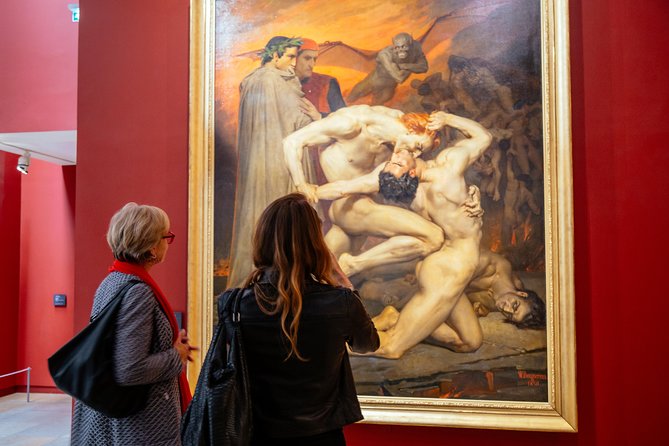
This is a private tour with a local private guide, and that changes everything about how you experience Orsay. You meet your host at Rue de la Légion d’Honneur (75007), and then you go straight to the masterpieces. In a museum this big, that “go first to the key rooms” approach is how you avoid the classic problem: seeing a lot, but not remembering much.
You can also choose your angle. The guide can tailor the visit if you want to focus on a favorite artist or a specific style. That flexibility is a big value for short tours. It means you’re not paying for time spent figuring out where to start, or for long explanations about works you don’t care about.
Guides named in past tours include Anna, Julien, Fernanda, Emmanuelle, and Chrystelle—and the common thread is storytelling that helps the art land. Anna is praised for opening new insights and for being attentive and communicative. Julien stands out for guiding families and keeping the group engaged with clear, patient explanations.
Impressionism Highlights: What You’ll See (and How the Guide Helps It Click)
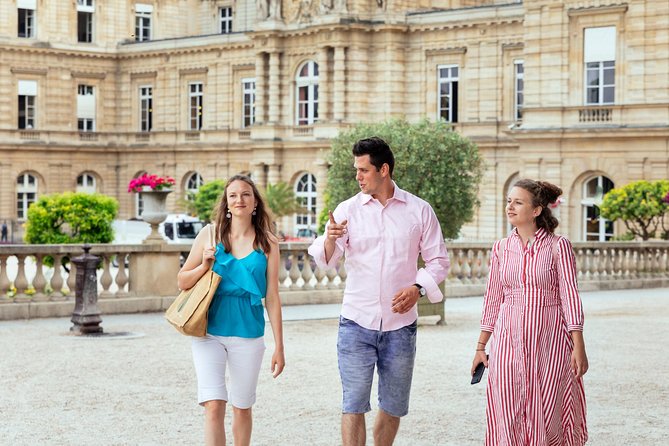
Orsay is famous for Impressionism and post-Impressionism, and this tour leans directly into that. Expect to spend the bulk of your 2 hours in the main galleries showing the movement’s big ideas through recognizable artists—think Monet, Renoir, Degas, and more. You’ll also encounter works that help connect Impressionism to what came next.
Here’s what I think you should watch for while you’re there: the guide should explain why a painting looks the way it does. Brushwork, light, and composition can feel like “pretty pictures” until someone gives you a simple lens. When it clicks, you start seeing the choices the artists made instead of just the result.
A few concrete examples from the tour experience:
- Julien’s picks reportedly include sculpture highlights by Rodin alongside paintings connected to Monet and Renoir.
- Multiple guides are described as teaching the history and the logic of how Impressionism developed, not just listing names.
- Some tours focus on the “main masterpieces” first, which is smart when you only have about two hours.
And yes—if you want a smooth start, there’s a practical tip worth repeating: go early and start upstairs before it gets crowded. If your schedule lets you, picking an earlier start time can make the first rooms feel calmer and easier to follow.
Wandering After the Stories: How to Use the Remaining Time
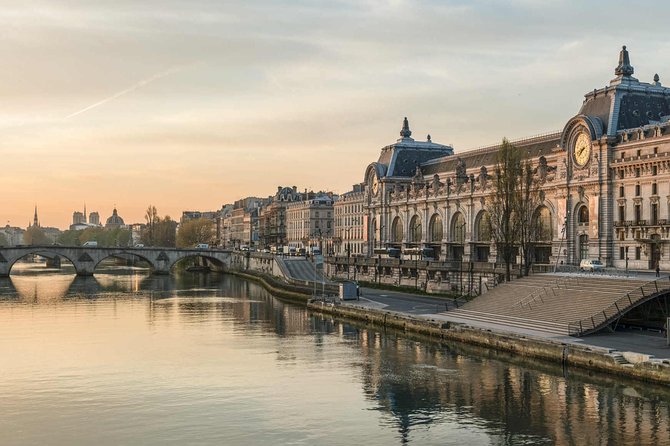
Part of the value here is pacing. The tour structure is built with an initial guided sequence—stories, context, and highlights—then you get time to explore. In practice, that means you can follow your interests once you have the right “map” in your head.
So how should you use that free-wander time? Use it for follow-through:
- Revisit one or two works the guide pointed out and look for the details you were told to notice.
- If you’re into a particular artist or style, let the guide’s narrative lead you to similar works you might otherwise miss.
- If your group includes art beginners, don’t try to see everything. Pick a few artists and go deeper for a short time.
The best part of this setup is that it respects how people actually visit museums. You get the benefit of expert guidance up front, then you take over the rest. That’s a nice balance when you don’t want your entire visit to feel like a lecture.
Price and Tickets: What 79 Dollars Really Buys
The price listed is $79, and that sounds straightforward until you remember an important detail: museum admission tickets are not included. You pay 16€ per person directly to the host in cash.
So what are you really buying? You’re paying for the private guide time, plus the “start smart” approach that helps you get the most out of limited hours. For many people, that’s the deciding factor. Orsay is too large to casually wander for two hours and expect a meaningful result. A guide reduces the guesswork and replaces it with pointed viewing.
Also included: a carbon neutral experience. The details aren’t expanded, but it’s part of what you’re paying for, and it signals a provider that tries to keep the service aligned with lower-impact choices.
If you’re traveling with a small group, this can be especially good value because private time is harder to come by at a low fixed price—but the cash ticket cost is the part you must plan for so you’re not stuck at the museum desk.
You can also read our reviews of more private tours in Paris






Meeting Point and Getting There Smoothly
Your start point is Rue de la Légion d’Honneur, 75007 Paris, and the tour ends back at that same meeting point. It’s also described as near public transportation, which matters in Paris where walking can be quick but also tiring, depending on your day.
Here’s the practical advice: build buffer time on either side. Even when the tour ends on schedule, you don’t want to lose explanation minutes at the start. One experience included a guide arriving around 20 minutes late, and that reduced the time for museum explanations. Even if the end time was followed, the group felt the loss because the tour is only about two hours.
If you’re trying to line this up after other top attractions (like the Eiffel Tower day), consider that family groups and anyone with early-day fatigue may appreciate a guide who can adjust pacing. Julien’s tour experience is noted as especially helpful for a family who was tired but still wanted a great visit.
Who This Tour Fits Best (and Who Might Want to Do It Differently)
This tour is built for people who want structure without losing the ability to look around. That includes:
- Art lovers with limited time who want the “big hits” plus context.
- Beginners who benefit from a guide translating Impressionism into something you can actually see.
- Families where energy levels vary and you want stories that keep attention.
It also makes sense if you have a specific interest: Monet, Degas, Renoir, or the shift from Impressionism into post-Impressionist thinking. When the guide can tailor the route, you get a more satisfying visit than following an audio path at random.
If you’re the type who likes to spend three to four hours wandering without any structure, a shorter private tour may feel too compressed. In that case, you could do a self-guided visit for longer time—then come back another day for a focused hour with a guide. But if your Paris schedule is tight, this one hits a sweet spot.
A Quick Reality Check on the Time Window
Two hours at Orsay sounds long until you’re inside. You’ll typically spend the first part following the guide’s route through the key works, then you’ll have time to wander.
Because the visit is time-boxed, you should arrive ready:
- Wear comfortable shoes. The museum experience involves walking.
- If you care about one artist most, decide ahead of time so you can steer the guide quickly.
- If you can choose a start time, pick earlier for a calmer start. There’s a clear tip in the tour experiences: start upstairs early before crowding builds.
Final Verdict: Should You Book This Musée d’Orsay Private Tour?
I’d book this if you want a high-impact Orsay visit without spending your day “figuring it out.” The private format, the ability to tailor the focus, and the emphasis on Impressionism and post-Impressionism make it a strong choice for a short stay in Paris.
Do it especially if you’re the kind of traveler who hates wasting museum time. This tour is designed to point you toward the works that change how you see the movement. Just show up early, bring cash for the 16€ admission per person, and you’ll be set up for a smoother, more satisfying visit.
If you’re purely chasing a full museum day with no time pressure, then you might prefer self-guided exploring. But for a focused, story-led Orsay experience in about two hours, this is an efficient, genuinely enjoyable plan.
FAQ
Is this tour private?
Yes. It’s a private tour/activity, so only your group participates.
How long is the Musée d’Orsay private tour?
It runs for about 2 hours.
Are entrance tickets included in the price?
No. Admission tickets are not included and need to be paid directly to the host in cash (16€ per person).
Where do I meet the guide?
The meeting point is Rue de la Légion d’Honneur, 75007 Paris, France, and the tour ends back at the same meeting point.
Can I pick a start time?
Yes. There are multiple start times available to fit your itinerary.
What is the cancellation policy?
This experience is non-refundable and cannot be changed for any reason.
If you tell me your travel dates and whether you prefer Monet, Renoir, Degas, or a broader Impressionism-to-post-Impressionism sweep, I can suggest the best way to frame your guide conversation before you arrive.