REVIEW · PARIS
Montmartre Walking Tour: The Best of Art, Culture &Parisian Charm
Book on Viator →Operated by Paris Lounge · Bookable on Viator
Montmartre on foot feels like stepping into art. In roughly 2 hours, you’ll get a guided pass through artist streets and iconic stops like Sacré-Cœur and the Moulin Rouge, plus a few quieter moments you might miss on your own. Two things I really like: the guide keeps the story moving between landmarks, and the pacing works even with Montmartre’s constant hill effort. One thing to plan for: this neighborhood is hilly, and the walking climbs can feel like more than you expect.
This tour is priced at $34.89 and is set up as a short, high-value orientation—perfect if you want the big hits without spending half a day getting your bearings. You’ll also have a small group size (max 20), which usually makes it easier to ask questions and actually hear what matters. If you’re someone who struggles with stairs or steep grades, consider going at a slower pace and using transit options nearby when your guide suggests them.
In This Review
- Key Points to Know Before You Go
- Montmartre in Two Hours: What You’ll See (and What You’ll Skip)
- Price and Value: Why $34.89 Can Make Sense
- Getting to the Start: Blanche Is the Key
- Stop 1: Montmartre Streets Tied to Monet, Van Gogh, and Friends
- Stop 2: Sacré-Cœur and the Hilltop Views (Outdoor Time)
- Stop 3: Mur des Je t’aime in Square Jehan Rictus
- Stop 4: Place des Abbesses, Cafés, and an Art Nouveau Metro Entrance
- Stop 5: Place du Tertre, Outdoor Painters, and Watching Art Happen
- Finishing at Moulin Rouge: Belle Époque History in Red Windmill Form
- What the Guide Does Best (From Guides Like Santiago, Gonzalo, Bruno, and Renato)
- Who Should Book This Tour
- Should You Book This Montmartre Walking Tour?
- FAQ
- How long is the Montmartre walking tour?
- Where does the tour start and end?
- How much does it cost?
- What’s included in the ticket price?
- Is tips included?
- Is there a limit on group size?
- Can I cancel for a full refund?
Key Points to Know Before You Go
- A strong Montmartre orientation in about 2 hours, built around major landmarks and the artist vibe
- Outdoor-focused Sacré-Cœur time, including the kind of viewpoints people come to Montmartre for
- Mur des Je t’aime in Square Jehan Rictus, with the love-message in 250+ languages
- Place des Abbesses with its Art Nouveau metro entrance, plus cafés and artisan shopping nearby
- Place du Tertre where painters set up work on the cobblestones and you can watch art being made
- Moulin Rouge stop to connect Montmartre’s art scene to its famous nightlife history
Montmartre in Two Hours: What You’ll See (and What You’ll Skip)
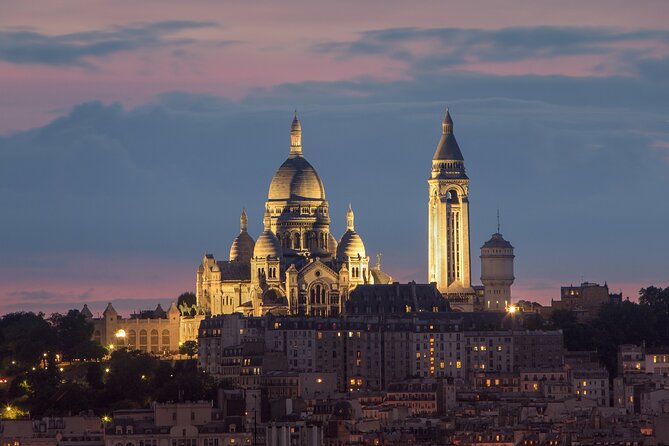
Montmartre is famous for more than one thing, and that can trip you up. You can walk for hours and still feel like you only touched the edges—unless you’re guided through the right sequence. This tour is designed to give you a clear map of the area in a short window, so when you return later, you’ll know where you are and why it matters.
The total time is about 2 hours, so it moves at a comfortable walking pace most of the time, but you’re still dealing with steep streets and stair sections. More than once, people talk about how their guide paced uphill well, and that matters here because the hill is the main “cost” of Montmartre. If your energy is limited, this is still workable—just be ready to take breaks when you need them and keep an eye on your footing.
Because it’s an outdoor-leaning experience, you’ll get the sense of the neighborhood without the long indoor waits. That’s a smart match for travelers who want the essentials and then have freedom afterward to explore deeper on their own.
You can also read our reviews of more walking tours in Paris



Price and Value: Why $34.89 Can Make Sense
At $34.89 per person, this isn’t an economy add-on, but it also isn’t priced like a full-day museum day. The value comes from what you’re buying: direction, context, and time saved. Montmartre’s streets twist and slope, so having a guide who can connect the locations to the artists and stories helps you understand what you’re looking at right away.
You also get a small group experience (up to 20). That alone helps with quality. When the group is smaller, your guide can slow down where needed, and you’re more likely to get recommendations that fit your interests instead of hearing generic tips.
One more value point: the tour includes a guide plus outdoor time at Montmartre and Sacré-Cœur. So you’re not paying just for walking between stops—you’re paying for the explanations that make those stops feel personal instead of like checkboxes.
Getting to the Start: Blanche Is the Key
The meeting point is at Blanche (75018 Paris), and the tour ends back there. That matters because it keeps your day simple: you aren’t stranded on the other side of town after a short outing.
There’s an important practical angle here. Some people have run into confusion about meeting-point instructions, especially if they show up at the right area but not the exact spot. I’d treat this as your one job: get to Blanche early enough to confirm you’re at the correct entrance area before the group leaves. If you’re traveling in peak hours, add extra time so you don’t end up rushing uphill with no plan.
Also, this is a mobile-ticket tour, which helps. Just make sure your ticket is accessible on your phone before you arrive, not while you’re trying to locate your group in a crowd.
Stop 1: Montmartre Streets Tied to Monet, Van Gogh, and Friends
This first stop sets the tone: you’re walking in the footsteps of the artists and writers who lived here at the end of the 19th and start of the 20th century—Monet, Manet, Van Gogh, Pissarro, Rodin, Picasso, Zola, and others. Instead of treating Montmartre as one big “pretty neighborhood,” the guide frames it like a working creative zone where people actually hung out, struggled, and made art.
What I like about this kind of opening is that it changes how you view the streets. Once you know the name trail—who lived where and what circles they moved in—doors, facades, and street corners start to feel like clues. You stop seeing random old buildings and start seeing locations with relationships.
One consideration: this portion is still part of the walking, so if you’re out of breath early, don’t panic. The tour is short by design, and the best move is to keep your pace steady. You’ll get more enjoyment out of the stories when you can actually listen instead of trying to catch up.
Stop 2: Sacré-Cœur and the Hilltop Views (Outdoor Time)
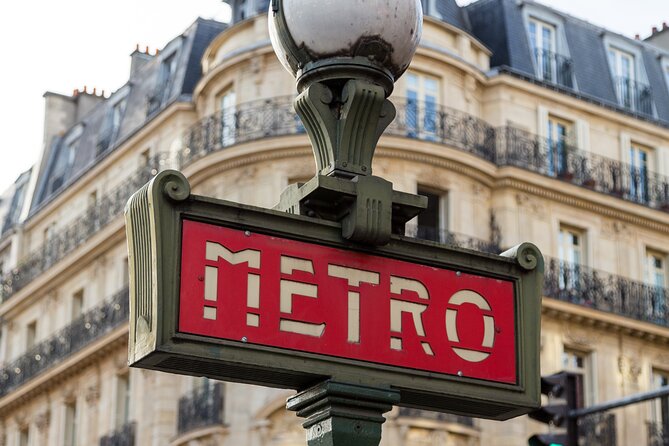
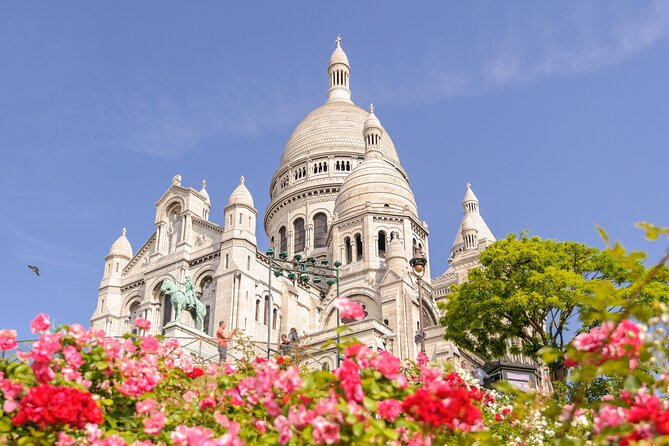
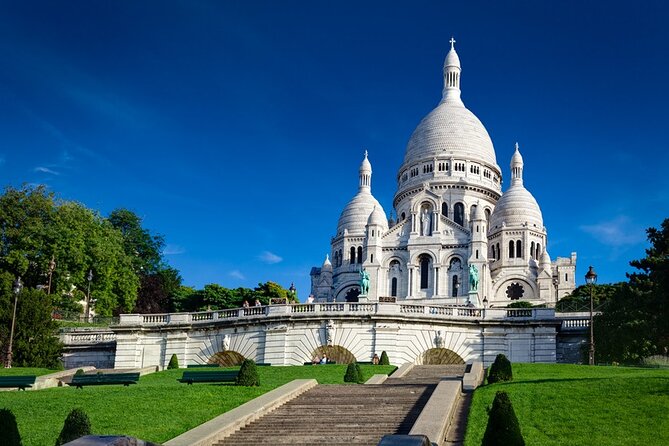
Sacré-Cœur is the big crown on Montmartre Hill, and the tour uses it well. You get time at the Basilica area with an outdoor focus, including the chance to take in the panoramic city views from above. Even if you’ve seen Sacré-Cœur in photos a hundred times, the real moment is standing there and realizing how much of Paris you can read from the slope.
The guide also connects the architecture to the setting, pointing you toward Romanesque-Byzantine features and describing the mosaics and the calm atmosphere. That context helps you appreciate why Sacré-Cœur feels both grand and serene, even when the area is busy.
Keep in mind: your physical effort is part of the experience here. Montmartre’s hills are not a decorative detail. If you don’t want to do all the stairs, it’s smart to listen for your guide’s practical suggestions. In one example from a guide’s style, someone reported that their guide put them on the funicular to reach Sacré-Cœur with less strain—exactly the kind of helpful adjustment that makes a short tour work for more people.






Stop 3: Mur des Je t’aime in Square Jehan Rictus
The Mur des Je t’aime, or I Love You Wall, is the tour’s emotional break. It’s a colorful mosaic wall covered in love declarations in over 250 languages. It sits in Square Jehan Rictus, and the point isn’t just that it’s pretty—it’s the idea that affection is universal, even when languages differ.
I like this stop because it changes the mood. After the iconic city views and grand landmark energy, you get something smaller, warmer, and strangely calming. It’s also a very photo-friendly moment, and it’s one of those places where you can linger for a minute without feeling like you’re delaying the day.
The wall was created by artists Frédéric Baron and Claire Kito. When your guide connects those names to the message, it lands better than just reading the phrases and moving on.
Stop 4: Place des Abbesses, Cafés, and an Art Nouveau Metro Entrance
Place des Abbesses is where Montmartre starts to feel like a little village inside a giant city. You’ll pass through a square with cafés, artisan shops, and that everyday rhythm that makes Paris feel lived-in instead of staged.
The standout feature mentioned here is the iconic Art Nouveau metro entrance. It’s a small detail, but it’s exactly the kind of thing a guide helps you notice. You don’t just walk by it; you understand why it’s memorable and how it fits the neighborhood’s artistic identity.
There’s also a practical benefit to this stop: it’s a breather. Even with a short tour, it’s good to have a place where you can pause, regroup, and take in the vibe without climbing or squeezing through crowds.
If you’re hungry, this area is where you’ll start getting tempting smells from nearby cafés. That’s where your guide’s local recommendations can help you pick something that matches your time and appetite.
Stop 5: Place du Tertre, Outdoor Painters, and Watching Art Happen
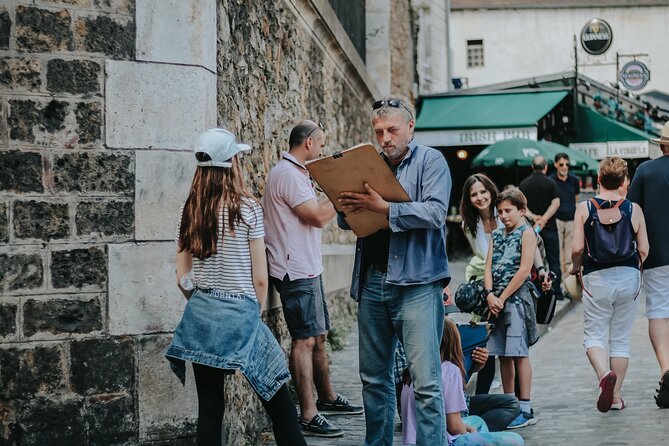
Place du Tertre is the Montmartre postcard—cobblestones, artists working outside, and a whole lot of creative energy concentrated in one square. This is where you can watch painters at work and see sketches and paintings on display. Even if you don’t buy art, it’s fun to observe how artists treat the scene: the colors, the style choices, and the way they translate street life into a canvas.
This stop also gives you a chance to slow down. It’s shorter in time, but it has that “watch and absorb” quality that makes it feel longer in a good way.
One consideration: it’s popular. Expect crowding at times, and expect street performers or sales talk to be part of the atmosphere. If you prefer quiet, look for a small pocket to stand back and watch from a slightly calmer angle while you still get the view.
Finishing at Moulin Rouge: Belle Époque History in Red Windmill Form
The Moulin Rouge is the final hit in a tour that otherwise focuses on art and day-to-day neighborhood life. Here, the story connects Montmartre’s creative energy to its famous nightlife. The red windmill is the obvious landmark, but the real value is hearing the historical context behind it and how it became an emblem of the Belle Époque era.
This stop also works well as a psychological bookend. You go from intimate artist corners and a love-message mosaic wall to a world-famous cabaret. If you plan to return at night, this daytime perspective helps you picture the energy shift.
As with many iconic Paris spots, it’s worth managing expectations: this tour doesn’t promise long time inside performances (and it’s mainly a walking tour). Think of Moulin Rouge here as a guided look at why it matters and where it fits into Montmartre’s story.
What the Guide Does Best (From Guides Like Santiago, Gonzalo, Bruno, and Renato)
The guide is the whole point. The strongest experiences come from guides who can explain what you’re seeing in plain language, connect landmarks to artists’ lives, and offer practical recommendations that extend your day.
Names that have come up in guide feedback include Santiago, Gonzalo, Bruno, and Renato. Across these, the pattern is clear: people appreciated how guides handled timing, kept information understandable, and offered ideas for what to do next. One guide recommendation that stood out was a walk-and-then-dinner suggestion to Bouillon Pigalle, which is the kind of follow-up that turns a short tour into a full mini-plan.
A practical note: if you rely on audio clarity, don’t assume the equipment will work for you perfectly. If you know you struggle to hear in loud street settings, arrive with a mindset to reposition for better hearing and don’t be shy about asking the guide to repeat key parts.
Who Should Book This Tour
This is a good match if you:
- Want an organized Montmartre overview in about 2 hours
- Like art and culture, especially the artist-driven story of the neighborhood
- Prefer outdoor sightseeing and short stops over long museum time
- Would enjoy recommendations from a live guide instead of only using a map
It’s also a smart pick when you’re mixing Montmartre into a fuller Paris schedule and can’t spare a half day to get oriented.
If you hate stairs or find steep walking exhausting, you can still consider it, but go in with eyes open. The hills are real, and the experience will ask you to work a little for the views. If your fitness level is mixed, this is where the guide’s pacing style makes a difference.
Should You Book This Montmartre Walking Tour?
I’d book it if you want Montmartre’s best-known sights plus the artist context, without spending all day wandering uphill. The short length, small group size (max 20), and guided storytelling at key stops like Sacré-Cœur, the I Love You Wall, Place des Abbesses, Place du Tertre, and the Moulin Rouge combine into good value—especially at $34.89.
Skip it or choose a self-guided plan instead if you already know Montmartre well and you mostly want quiet time for wandering. This tour is built for learning and getting a map of the neighborhood quickly, not for long personal pacing.
FAQ
How long is the Montmartre walking tour?
The tour runs about 2 hours.
Where does the tour start and end?
It starts at Blanche (75018 Paris, France) and ends back at the same meeting point.
How much does it cost?
The price is $34.89 per person.
What’s included in the ticket price?
You get a guide, plus outdoor visits at Montmartre and at Sacré-Cœur.
Is tips included?
No. Tips are not included.
Is there a limit on group size?
Yes. The tour has a maximum of 20 travelers.
Can I cancel for a full refund?
Yes. There is free cancellation up to 24 hours before the experience start time for a full refund. If you cancel less than 24 hours before, it is not refunded.