REVIEW · PARIS
Paris Musée d’Orsay Fully Guided Tour
Book on Viator →Operated by Walks - France · Bookable on Viator
Paris has a talent for big museums. Here’s how to make one behave in two hours, with skip-the-line entry and a focused English guide who points you straight at the paintings that matter. You’ll get a guided hit of the Impressionist story, including major works you’ll recognize fast once you’re inside.
What I really like is the 2-hour structure: the route is built to move you quickly from gallery highlight to gallery highlight. Second, you don’t just look—you get context for names like Cézanne, Gauguin, Monet, Manet, and Van Gogh, plus the movements and ideas connecting their paintings.
One thing to plan around: the Musée d’Orsay can be affected by closures due to strikes. If that happens, you may hear about it before the tour or at the meeting point, depending on timing.
In This Review
- Key highlights worth planning for
- Entering Musée d’Orsay with less waiting and more looking
- Your 2-hour route: what you’ll see and why it fits Impressionism
- The guide effect: stories that turn art into something you can remember
- Logistics that actually affect your day in Paris
- Where you meet and where you end
- Hotel pickup
- Walking pace
- Group size
- Timing and crowds
- What’s the value of $71.35 for 2 hours?
- Who this tour suits best (and who should think twice)
- Should you book this Musée d’Orsay fully guided tour?
- FAQ
- How long is the Musée d’Orsay fully guided tour?
- Is the admission ticket included?
- Is the tour offered in English?
- Where do I meet the guide?
- Is hotel pickup or drop-off included?
- What if the Musée d’Orsay is closed due to strikes?
- FAQ
- What’s the cancellation policy?
- How large is the group?
- How much walking is involved?
Key highlights worth planning for
- Prebooked admission helps you avoid the line hassle and start with art, not waiting.
- English-only guide narration means you’ll follow the big ideas without needing to translate on your phone.
- Major works on the route include Van Gogh, Manet, Monet, and Gauguin—so your first Orsay visit feels complete.
- Small group size (max 20) keeps the pace brisk and the Q&A actually useful.
- Moderate walking pace makes it a good fit for most people who can handle steady indoor museum movement.
- Museum timing matters: a morning slot can give you the option to continue exploring after the tour (when your ticket allows).
Entering Musée d’Orsay with less waiting and more looking
The biggest practical win here is simple: you’re not trying to solve the museum line on your own. With prebooked entry, you can get to the right spot, get checked in, and start seeing the collection sooner—especially helpful if you’re only giving Orsay one visit.
Orsay is one of those museums where first impressions can be overwhelming. The galleries are long, the art is dense, and it’s easy to drift. A guided format helps you keep your bearings and move with purpose, so you spend your energy on the paintings instead of figuring out where to go next.
The tour is set for about 2 hours, which is exactly the right length for Orsay if you want the essentials. If you’re a slower museum walker or you love reading every label, you’ll likely want extra time afterward—but the guided portion still gives you a strong foundation fast.
You can also read our reviews of more guided tours in Paris



Your 2-hour route: what you’ll see and why it fits Impressionism
This experience focuses on the Musée d’Orsay as an Impressionist power station—then expands just enough into the nearby story of post-Impressionism. The route is designed so you head directly to standout works and the gallery highlights that explain how the movement developed.
Here are some of the specific paintings you should expect to encounter on the tour:
- Van Gogh
- Self Portrait
- Starry Night Over the Rhone
- Édouard Manet
- Olympia
- Luncheon on the Grass
- Claude Monet
- Houses of Parliament
- Paul Gauguin
- Tahitian Women on the Beach
- Plus additional masterpieces from the same era and orbit, including key names like Cézanne and other major artists.
What makes this lineup smart is the mix. You’re not only seeing Impressionism as a single style; you’re also seeing how it connects to earlier challenges and later directions. Manet’s works, for example, help you understand the “before” and “why” behind the Impressionists’ breakthroughs. Van Gogh and Gauguin help you feel what came next—when paint, color, and personal vision started to push even harder.
If you’ve ever looked at Impressionist paintings and thought, I get the look, but I don’t get the point, this is the kind of guided route that fixes that. You’ll leave with clearer reasons for why these artists changed the way they saw the world.
The guide effect: stories that turn art into something you can remember
This tour lives or dies by the guide—and the guide styles that show up repeatedly are a big part of the tour’s strength. You’ll typically see guides doing two things well: explaining the art in context, and using story to make the paintings stick.
From the guide approaches shared in past experiences, a few patterns show up:
- Guides often explain Impressionism through connections between concepts and time periods, not just a list of facts.
- Many guides talk chronologically, so the evolution feels logical as you move through galleries.
- Several guides use humor and a conversational tone, which helps when you’re standing still for a long stretch in a museum.
- A good guide also answers questions in a way that stays relevant to what you’re actually seeing—not generic lectures.
You’ll also notice that guides tend to bring attention to what matters in the brushwork and subject choices. That’s crucial because Impressionist paintings can look “simple” at first glance. The guide helps you see the decisions underneath—what the artist was trying to capture and why it mattered to their time.
A personal-style note: if you like your art history with a little personality, you’re in the right place. Guides associated with this tour have been described as witty, entertaining, and able to make complex ideas understandable without talking down.
Logistics that actually affect your day in Paris
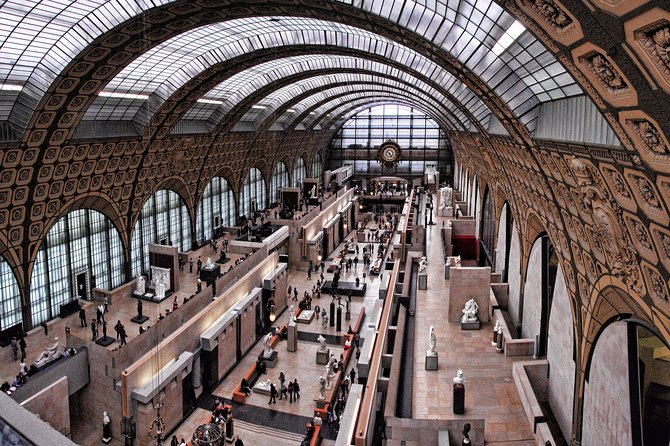
Let’s talk practical stuff, because Paris museum days are won or lost before you even enter.
Where you meet and where you end
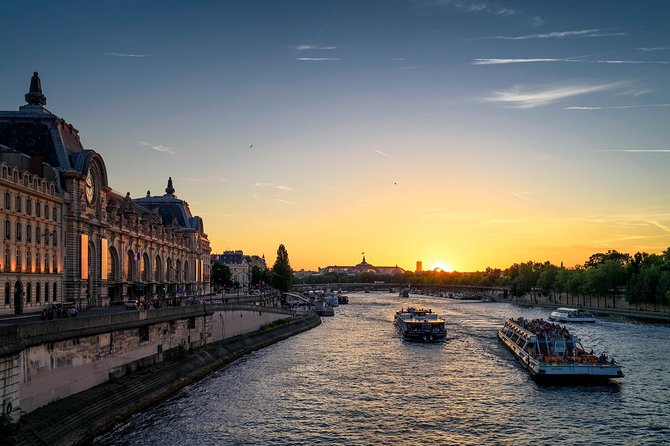
The meeting point is 2 Rue de la Légion d’Honneur, 75007 Paris, France. The tour ends back at the same meeting point, which makes it easier to plug into the rest of your day—you’re not stuck hunting for your way back.





Hotel pickup
No hotel pickup or drop-off is included. You’ll want to reach the meeting point on your own using public transport or walking.
Walking pace
This is a walking tour with a moderate pace. That usually works well for most people, but it does mean you shouldn’t plan on frequent long stops away from the group.
Group size
The tour has a maximum of 20 travelers. That’s big enough for comfort and lively conversation, but small enough for a guide to keep momentum without losing everyone.
Timing and crowds
On average, this tour is booked about 47 days in advance, so try not to wait until the last moment if you’re traveling at peak times. Orsay is popular, and your best odds come from locking in a slot you can actually use.
What’s the value of $71.35 for 2 hours?
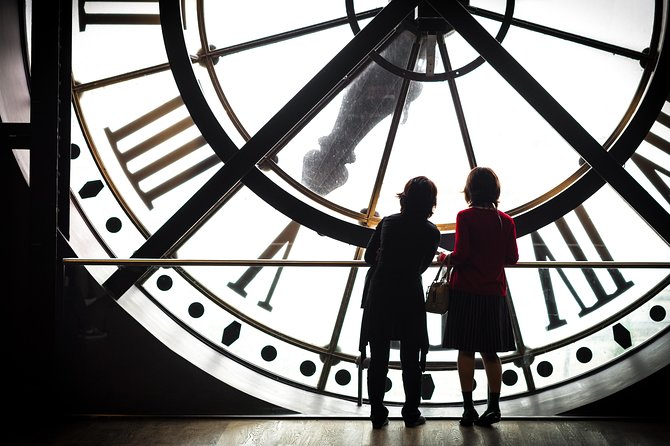
Pricing can feel tricky for museum tours because it’s not just “entry,” it’s the time you buy back and the way you experience the collection. At $71.35 per person for roughly two hours, the value comes from three things:
- Prebooked admission
You pay for more than access—you pay for less waiting and a smoother start. In a museum like Orsay, that matters.
- A local expert guide
The guide isn’t there to keep you entertained; they’re there to help you understand the movement and what you’re seeing in context. If you’ve ever walked through a museum and felt like you missed the point, this is how you correct that fast.
- A planned route to major works
The tour is built so you don’t waste time trying to guess which galleries will give you the most payoff. That’s why it feels satisfying even if it’s your first Orsay visit.
If you’re the type who prefers independent wandering, you might decide to skip the guide. But if you want the “I get it now” feeling—plus a tight route that covers the anchors of the collection—this tends to feel like good value.
Who this tour suits best (and who should think twice)
This is a strong fit for:
- First-timers to Orsay who want the big Impressionist hits without spending a day planning.
- Art lovers who like explanations that connect paintings to their era and to each other.
- People who want a guided structure but still plan to continue exploring afterward on their own.
It may be less ideal if:
- You’re looking for a long, slow, museum-reading experience. Two hours is focused, not leisurely.
- You’re the kind of traveler who needs minimal group movement. This is moderate walking, and the route is designed to keep you moving to highlights.
One more reality check: the museum can be impacted by strikes, which could lead to closures. If you’re visiting around dates with labor news, build in flexibility.
Should you book this Musée d’Orsay fully guided tour?
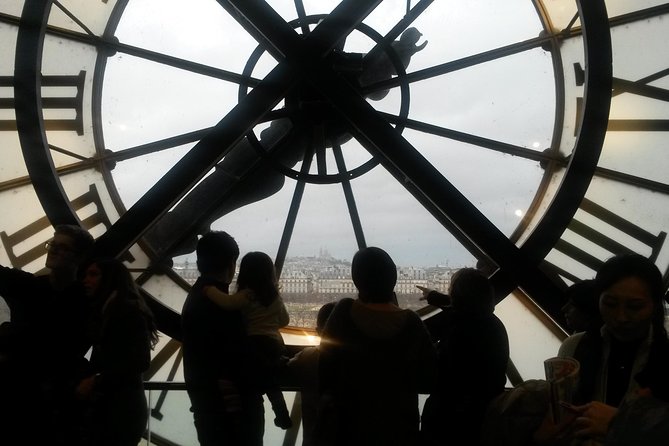
I’d book it if you want to walk into Orsay and quickly come out with a clearer sense of what Impressionism was trying to do. The prebooked entry plus the targeted 2-hour route means you’re spending your time on paintings like Van Gogh’s Self Portrait and Starry Night Over the Rhone, Manet’s Olympia, Monet’s Houses of Parliament, and Gauguin’s Tahitian Women on the Beach—instead of fighting crowds and uncertainty.
I’d think twice if you’re visiting with zero interest in art context and you only want to browse at your own pace. In that case, independent entry can still work well. But for most people, the guide turns Orsay from a beautiful museum into a memorable story you can follow.
If you do book, plan your schedule so you have a little breathing room after the tour. Even if the guided visit ends after two hours, you’ll likely want time to look again at a few pieces now that they make more sense.
FAQ
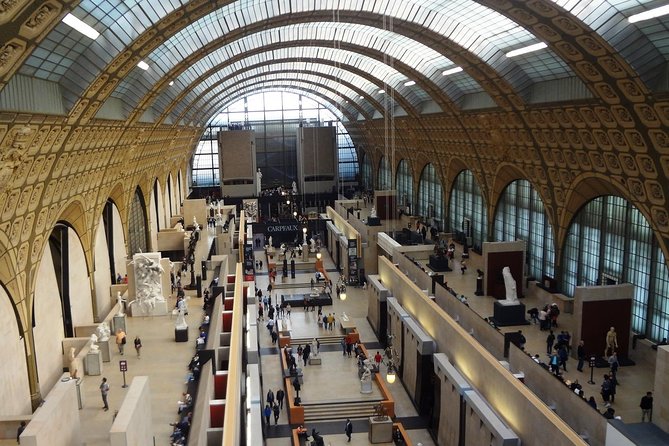
How long is the Musée d’Orsay fully guided tour?
The tour is approximately 2 hours.
Is the admission ticket included?
Yes. Museum admission is included with the tour.
Is the tour offered in English?
Yes. The tour is in English.
Where do I meet the guide?
You meet at 2 Rue de la Légion d’Honneur, 75007 Paris, France. The tour ends back at the same meeting point.
Is hotel pickup or drop-off included?
No. Hotel pickup/drop-off is not included.
What if the Musée d’Orsay is closed due to strikes?
The museum is subject to closures due to strikes. If there’s time, you should hear about it before the tour, and for last-minute closures you may be informed at the meeting point.
FAQ
What’s the cancellation policy?
You can cancel up to 24 hours in advance for a full refund. Changes made less than 24 hours before the start time aren’t accepted.
How large is the group?
The group has a maximum of 20 travelers.
How much walking is involved?
It’s a walking tour with a moderate pace. It’s designed for people who can walk without difficulty at that pace.