REVIEW · PARIS
Paris: Marais without crowds. Guided Tour in a small group
Book on GetYourGuide →Operated by Discover Walks · Bookable on GetYourGuide
Paris’s Marais is the place to slow down.
This small-group walk focuses on the neighborhood’s real personality, from Place des Vosges to the Pletzl and the stories that shaped it. I like that it’s paced for actual sightseeing—short stops, clear context, and plenty of time to look around. I also love that the guide brings the vibe to life, including why Le Marais feels like a lifelong dream for Parisians, not just a tourist stop.
What I like most is the balance: big landmarks plus smaller streets where you notice details fast. You get WWII-era and Jewish-quarter context (including Ashkenazi and Sephardic culture) right alongside designer shops, galleries, and cafés.
One thing to consider: you’re not going inside every major building. That keeps the pace brisk and the sights flowing, but if you want full interior time, you’ll need other plans after the walk.
In This Review
- Key highlights worth getting up for
- Why Le Marais Feels Like Paris’s Favorite Neighborhood
- Small-Group, English-Led, Rain-or-Shine: What the Tour Feels Like
- Your Route: From Saint-Paul Streets to Hôtel de Ville
- Stop 1 to Stop 3: Setting the Scene Near Rue du Figuier and Le Village Saint-Paul
- Place des Vosges: A Square Built for Power and Pageantry
- Hôtel de Sully and Hôtel de Sens: Aristocratic Paris, Outside the Museum
- Rue des Rosiers and the Pletzl: Jewish Paris and WWII Memory
- People-Watching Like a Parisian: Fashion, Curious Locals, and Clueless Visitors
- LGBT Marais History Since the Early 1980s
- Le Marais Gardens and Secret Passages: What to Expect If Your Guide Takes That Route
- Ending at Hôtel de Ville: How the Neighborhood Feels After the Stories
- Price and Value: Is $17 Worth 1.5 Hours in the Marais?
- Who This Tour Suits Best (and Who Might Want to Go Solo)
- Practical Tips to Get the Most from the Walk
- Should You Book This Marais Without Crowds Walking Tour?
- FAQ
- How long is the Marais walking tour?
- Is the tour in English?
- Where do I meet the guide?
- Does the tour go inside the buildings?
- What major places will we see during the walk?
- Will the tour run in bad weather?
- Is it wheelchair accessible?
Key highlights worth getting up for
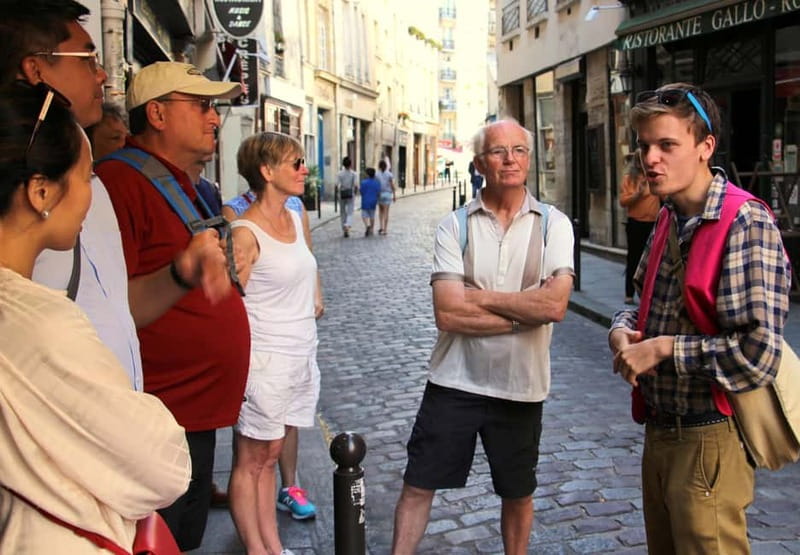
- Pink-vest guide, on-time start at Rue des Nonnains d’Hyères (Saint-Paul area)
- Small group in English, built for questions and people-watching
- WWII and Jewish Paris (Pletzl), plus how the neighborhood’s culture evolved
- Place des Vosges and Hôtel de Sully for aristocratic Paris power and design
- Rue des Rosiers and LGBT history tied to Marais culture since the early 1980s
- Weather-proof format: rain or shine, you keep moving
Why Le Marais Feels Like Paris’s Favorite Neighborhood
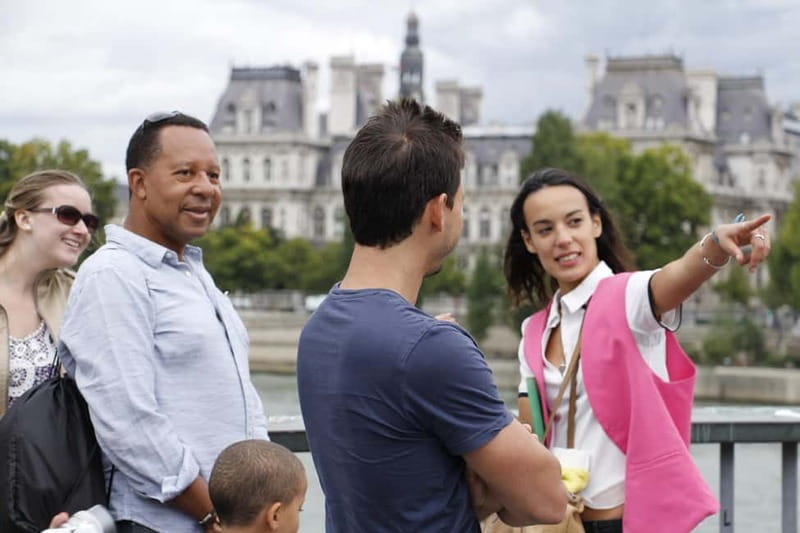
Le Marais has a way of making you feel like you’re in on something. It’s not just charming streets and handsome façades. It’s also the mix of social scenes: fashion, art galleries, cafés, and the kind of people-watching Parisians do without trying too hard.
On this walk, you see why so many people call it Paris’s secret wish. The neighborhood has aristocratic architecture—big mansions that still look powerful—and then it flips to hidden gardens, old stone, and smaller medieval pockets. That contrast is the whole point. It’s a place where centuries sit side-by-side, and your guide helps you notice the changes instead of rushing past them.
You’ll also get a clear “how to read the neighborhood” lens. Once you know what to look for—street patterns, landmark placement, and cultural landmarks—you stop treating Marais like a postcard and start treating it like a living archive.
You can also read our reviews of more guided tours in Paris



Small-Group, English-Led, Rain-or-Shine: What the Tour Feels Like
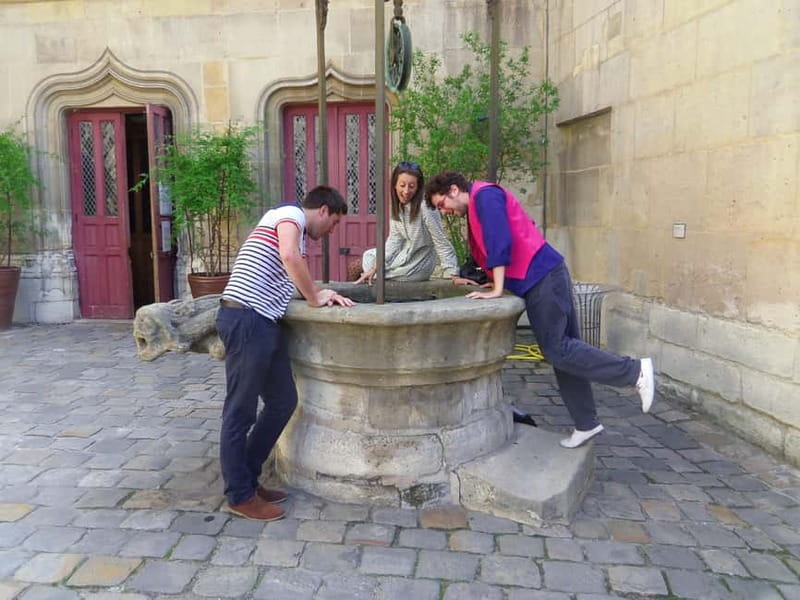
This is a 1.5-hour walking tour with a small group, in English, and it runs rain or shine. That matters in Paris. If you’ve ever tried to cover the Marais solo, you know how fast it turns into a loop of street corners and “Wait, where were we?” moments.
A small group changes the whole experience. You can ask questions without yelling over everyone. And because the stops are short, you keep your attention where it belongs: on the buildings, the streets, and the stories that connect them.
Guides wear a pink vest, and they start right on time. One reason this tour works so well is that the guide’s role is not just to point. They’re there to stitch the neighborhood together—history to street life, big events to what you can see today. In the way guides have been praised, the tone tends to be lively and humorous, with the kind of patient answers that help if your questions aren’t always ready.
Your Route: From Saint-Paul Streets to Hôtel de Ville
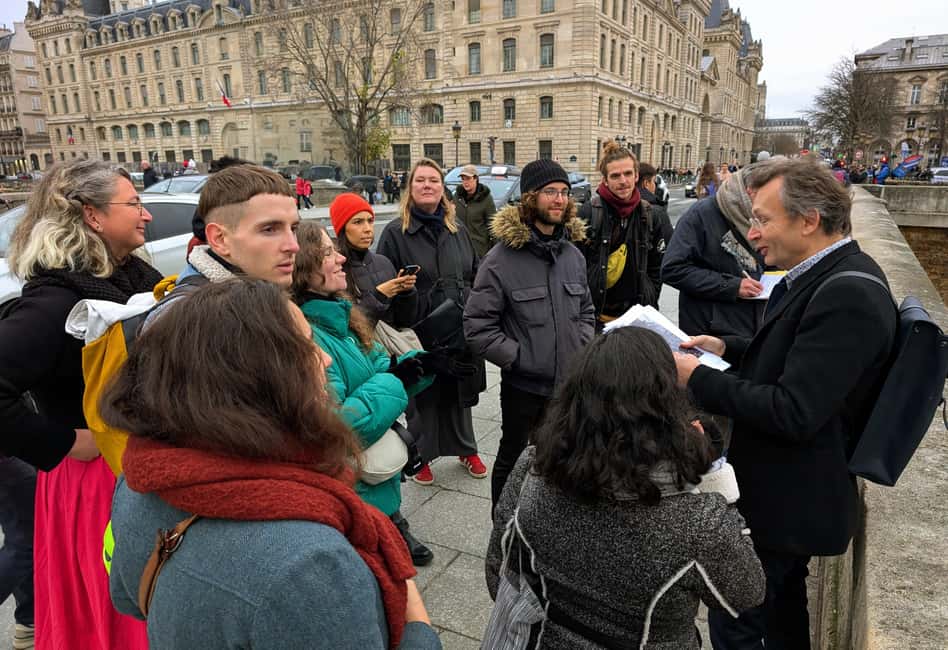
The walk starts at 10 Rue des Nonnains d’Hyères, near the Saint-Paul metro. You’ll spot the guide in a pink vest right on the starting point. From there, the route is built like a guided stroll through “layers” of the Marais: old neighborhood pockets, major squares, then toward the city-center finish at Hôtel de Ville.
You’ll make a series of short stops, each one giving you a different lens:
- a quick street look that sets the scene
- a village-like pocket that shows the neighborhood’s internal rhythm
- a major square that screams status and design
- the Jewish quarter area where the meaning runs deeper
- end at the civic heart, where the story turns from private life to public history
That structure is a gift if you only have a short time in Paris and you want your first Marais day to feel intelligent, not chaotic.
Stop 1 to Stop 3: Setting the Scene Near Rue du Figuier and Le Village Saint-Paul
Right away, you’re in the Saint-Paul orbit—one of the most recognizable zones in the Marais. The start area matters because it’s where you begin to feel the neighborhood’s style: narrow streets, boutique energy, and that “old Paris that still works today” feeling.
At 1 Rue du Figuier, you get a quick sightseeing moment. This isn’t about a single famous building. It’s more about learning how the area moves—where the streets pull you, where the architecture hints at former wealth, and how people use these lanes today.
Then you’ll head into Le Village Saint-Paul. This is the kind of place where Marais feels like an actual neighborhood, not a museum. The best part is how your guide helps you read it as a sequence of historic pockets rather than random streets. Even if you’ve seen photos online, you’ll walk away understanding what makes this part of Marais tick.
Place des Vosges: A Square Built for Power and Pageantry
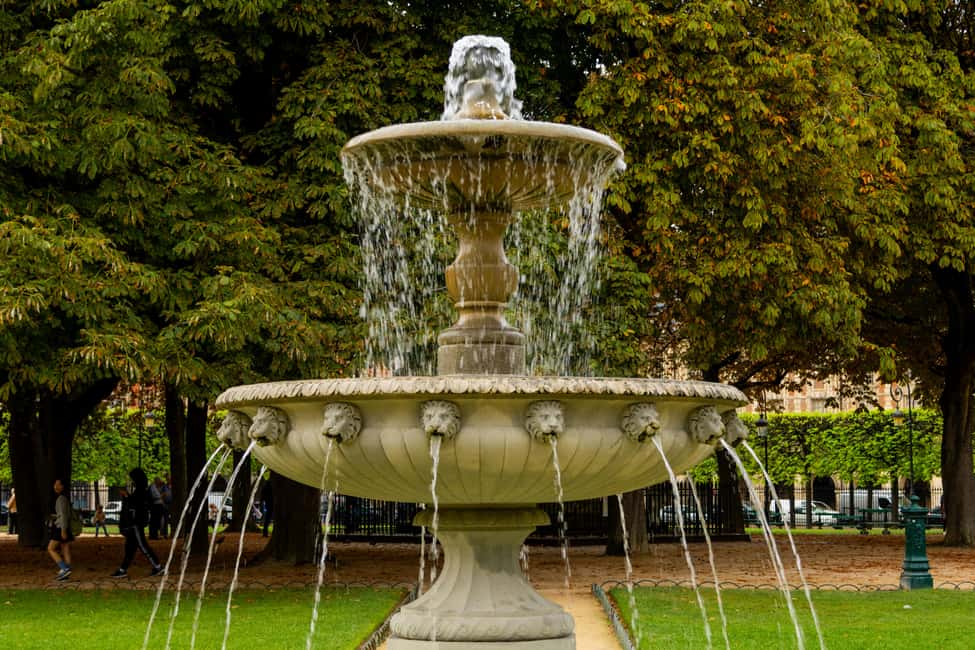
One of the highlights is Place des Vosges, and it’s no accident this square gets top billing. It’s the kind of landmark you can’t fully appreciate from a distance. Up close, you see how planned symmetry, controlled façades, and repeated design elements create a strong sense of order—and why that mattered for the people living there.
Your stop here is short, but it’s designed to give you the “why.” You’re not just looking at pretty buildings. You’re learning how aristocratic life shaped Paris space before the French Revolution turned everything inside out.
If you’re the type who loves architecture but hates museum crowds, this is a sweet setup. You get the key exterior scene without the time sink that comes with interior visits.






Hôtel de Sully and Hôtel de Sens: Aristocratic Paris, Outside the Museum

You’ll pause at Hôtel de Sully and later at Hôtel de Sens. These stops are about the look and the idea of the neighborhood’s elite past. From the street, you’ll be able to spot how these buildings signal status—scale, façade rhythm, and how they command the surrounding space.
The tour’s format keeps it practical. You don’t spend forever trying to see every corner detail. You get enough guidance to know what matters, then you can take over with your own eyes after the stop.
A detail worth knowing: the tour does not aim to go inside every landmark. That keeps the experience moving and helps you cover more streets without losing your momentum. If you want interiors, plan a second visit later. If you want the big-picture Marais story fast, this approach makes sense.
Rue des Rosiers and the Pletzl: Jewish Paris and WWII Memory
This is the emotional center of the walk. You’ll head along Rue des Rosiers and into the Pletzl area. Your guide connects what you see today—street life and culture—with what the neighborhood endured.
You’ll hear about Nazi persecution and WWII, and also learn how Jewish culture shaped the area over time, including both Ashkenazi and Sephardic influences. That mix matters. It’s not just one chapter in history; it’s a set of cultural layers that show up in daily life as well as in memory.
Rue des Rosiers is also where the tour helps you spot the neighborhood’s modern identity. You may even get pointed toward famous food landmarks in the area, like l’as du falafel—not as a “must-do” checklist, but as a way to bring the neighborhood’s present-day culture into your walk.
For me, what makes this section work is the pacing. It’s long enough (especially around the Pletzl) to absorb the context, but short enough that the tour doesn’t turn into a history lecture where you forget you’re standing in the place where it happened.
People-Watching Like a Parisian: Fashion, Curious Locals, and Clueless Visitors
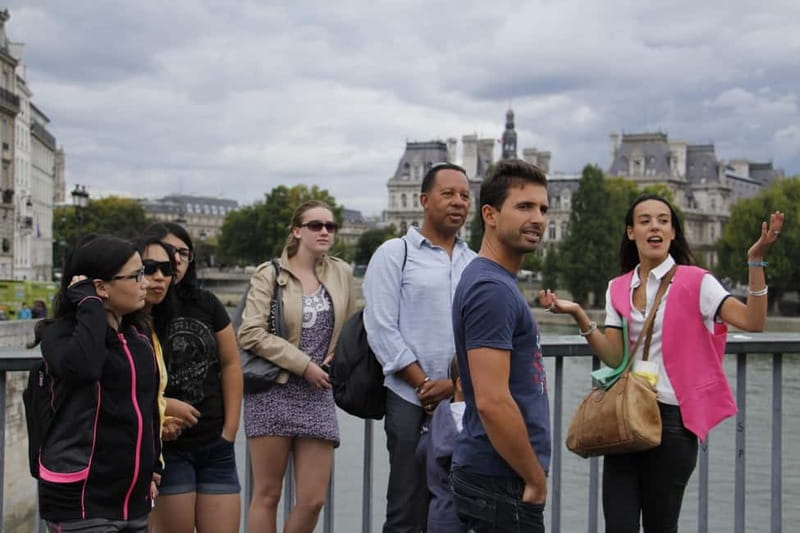
One part of Marais that’s hard to explain until you see it is the social theater. The Marais mix includes fashionable locals, curious residents, and visitors who look lost in the best way possible.
Your guide leans into that. You’re encouraged to notice how people dress, how they move, and how they use the streets. That might sound like fluff, but it’s actually useful. When you understand the neighborhood’s social rhythm, you’re better at navigating it later on your own.
If you’re someone who gets restless with tours that feel like a parade of facts, this is a nice change. You get story and also the chance to look around—street by street.
LGBT Marais History Since the Early 1980s
Marais isn’t only about old stone and older mansions. The tour also touches on LGBT culture, noting that Marais is where it all started in the early 1980s. Even in just a few minutes of guided context, it helps you understand why this neighborhood feels different—more open in tone, more expressive in style.
This section is a good reminder that “history” isn’t only about wars and monarchs. It includes community identity and how neighborhoods become safe spaces over time.
Le Marais Gardens and Secret Passages: What to Expect If Your Guide Takes That Route
Some guides steer the group toward details that feel like stepping behind the scenery—gardens, secret passages, and calmer spots that don’t scream tourist attraction. One guide was praised for letting people through secret passages and gardens, which shows that the tour’s storytelling sometimes includes a more “you wouldn’t find this alone” angle.
You should treat that as a possibility, not a guaranteed set of doors. But the point is clear: the Marais isn’t only one famous square at a time. There are quiet corners here, and a good guide knows how to fold them into the walk.
Ending at Hôtel de Ville: How the Neighborhood Feels After the Stories
The finish at Hôtel de Ville gives you a strong closing picture. You’ve been moving through private-life architecture and community history; now you end in the civic center, where Paris shows its formal face.
That contrast helps your brain lock the experience in. You start to connect the neighborhood’s story to the broader story of the city—how private spaces, community culture, and public institutions all feed into the Paris identity.
It’s also a practical finish. From there, it’s easier to jump to other parts of your day plan without feeling boxed into the Marais the whole time.
Price and Value: Is $17 Worth 1.5 Hours in the Marais?
At $17 per person for about 90 minutes, this tour is strong value if your goal is orientation plus meaningful stories—not interior access and not a long day.
Here’s why it feels fair:
- You cover major sights that would take longer to connect on your own. Think Place des Vosges, Hôtel de Sully, the Pletzl, and the route toward Hôtel de Ville.
- You get cultural context that changes how you see the streets. WWII and Jewish-quarter history aren’t just “interesting facts.” They shape the meaning of the place.
- You travel with a small group, which keeps your attention on the guide and the landmarks instead of getting swallowed by crowds.
You can absolutely wander the Marais alone. But if you want your first exposure to be organized, balanced, and easy to follow, the price is a bargain. You’re essentially paying for a fast, well-structured narrative and a local lens.
Who This Tour Suits Best (and Who Might Want to Go Solo)
This walk is a great fit if you:
- have limited time and want a Marais overview that still feels personal
- care about history but also want to see real street life
- like architecture and want to understand what you’re looking at without going inside everything
- enjoy people-watching and want help reading the neighborhood’s vibe
I’d skip it (or pair it with other activities) if you strongly prefer:
- lots of interior time
- long stops for photos without guidance
- a slow pace with minimal walking
For most people, the sweet spot is combining this with one or two focused self-guided blocks afterward—so you can linger where you felt the pull.
Practical Tips to Get the Most from the Walk
A few small moves will make the experience smoother:
- Wear comfortable shoes. You’ll be walking continuously through a dense neighborhood.
- Bring a light layer for rain or wind. The tour runs rain or shine, so you’ll want to stay comfortable.
- Go with a curiosity mindset. The best parts tend to happen when you ask questions—especially in the WWII and Pletzl segments.
- After the tour, take 30 minutes to repeat one section you liked most. Place des Vosges and the Pletzl area are both excellent for a second look with your new context.
If you’re the type who likes to feel confident navigating Paris, this is a tour that helps you get your bearings fast.
Should You Book This Marais Without Crowds Walking Tour?
Yes—if you want an efficient, human-scale introduction to Le Marais, this is an easy recommendation. The mix of major landmarks and real cultural storytelling makes it more than a sightseeing loop. The small-group, English-led format is ideal for first-timers, and the rain-or-shine approach means you’re less at the mercy of Paris weather.
Book it if your priority is: understanding the neighborhood as you walk it, from aristocratic design to Jewish Paris memory, and ending at the civic core of the city.
Skip it only if you need lots of interior access or want a very slow, unstructured stroll. Otherwise, this $17, 90-minute format is one of the most practical ways to make your Marais day feel grounded and meaningful.
FAQ
How long is the Marais walking tour?
It lasts about 1.5 hours.
Is the tour in English?
Yes, the tour guide speaks English.
Where do I meet the guide?
You meet at 10 Rue des Nonnains d’Hyères near the Saint-Paul metro. The guide wears a pink vest and starts right on time.
Does the tour go inside the buildings?
The tour does not go inside all buildings and landmarks. You’ll focus mainly on what you can see from the street.
What major places will we see during the walk?
You’ll see stops including Place des Vosges, Hôtel de Sully, Rue des Rosiers, the Pletzl, Hôtel de Sens, and the walk finishes at Hôtel de Ville.
Will the tour run in bad weather?
Yes, you walk rain or shine.
Is it wheelchair accessible?
The activity is listed as wheelchair accessible.