REVIEW · PARIS
Paris Louvre Exclusive Semi Private Guided Tour Max 6 People
Book on GetYourGuide →Operated by LivTours - We craft tours, you live them · Bookable on GetYourGuide
If you want the Louvre without the usual chaos, this is a smart play. You’ll get Mona Lisa as the headline, plus real context for classics like Venus de Milo in a small, expert-led group. The one thing to keep in mind: it’s a tight 150-minute sprint, so you’ll need to like seeing lots of highlights rather than lingering forever.
I love the format here: max 6 people means you actually hear the guide and you can move with purpose. I also like that your guided time ends with your entry ticket still valid, so you can keep wandering after the tour. The main drawback is simple—big crowds inside can be slow, and the “small group” doesn’t make the Louvre empty.
Key points
- Max 6 people keeps the tour conversational instead of a long shuffle
- Mona Lisa plus context makes the experience feel more than a photo stop
- Venus de Milo and more show up on a guided highlights route
- You can stay after the tour to keep exploring at your own pace
- Clear meeting point near the glass pyramid with a LivTours sign
- Multiple languages: English, French, Portuguese, Spanish, Russian, Swedish
In This Review
- A semi-private Louvre hit list in 150 minutes
- Where to meet near the glass pyramid and the Louis XIV horse statue
- The route starts with power: Louis XIV to the pyramid
- Inside the museum: seeing dozens of highlights without wandering
- Mona Lisa: the world’s most famous portrait, with more than a quick glance
- Venus de Milo and Greek sculpture that feels more understandable
- Delacroix, Canova, and the kind of art you’ll want to see again
- Louvre practicalities: how a max-6 group changes the day
- What you can do after the tour with your ticket
- Price and value: is $199 worth it for the Louvre?
- Tips so your day runs smoothly (and you don’t lose time)
- Who should book this tour (and who might not need it)
- Should you book this Louvre exclusive semi-private tour?
- FAQ
- Where is the meeting point for the Louvre Museum tour?
- How many people are in the group?
- How long is the guided tour?
- What languages are available for the live guide?
- What do I need to bring to the Louvre?
- Can I keep visiting the museum after the guided tour?
A semi-private Louvre hit list in 150 minutes
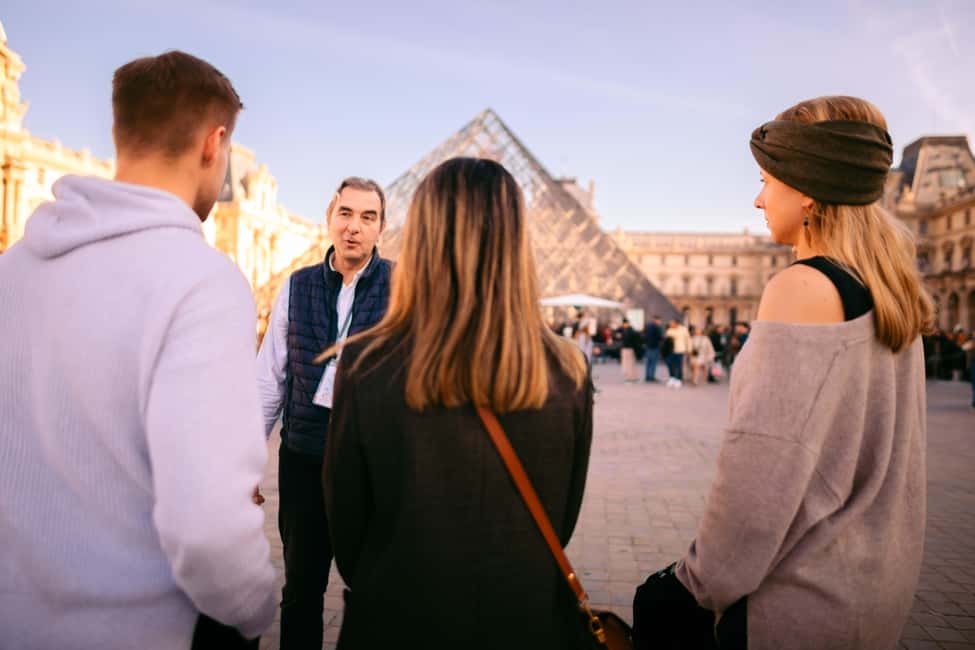
The Louvre is famous for a reason, but it can also feel like you’re trying to drink from a firehose. This tour is built for the reality that most people can’t do everything, even with the best intentions.
Instead, you get a guided “greatest hits” approach with an intimate group size of up to 6 people. That matters because the Louvre moves fast when you’re outside, and moves even faster when you’re trying to avoid time-wasting detours inside. The guide gives you a route that keeps you pointed toward the masterpieces people come to see: sculptures, paintings, and the stories connecting them.
The duration is listed as 2 hours to 150 minutes. In plain terms: it’s long enough to feel guided and informed, but short enough that you’ll still have the energy to continue on your own afterward.
Where to meet near the glass pyramid and the Louis XIV horse statue
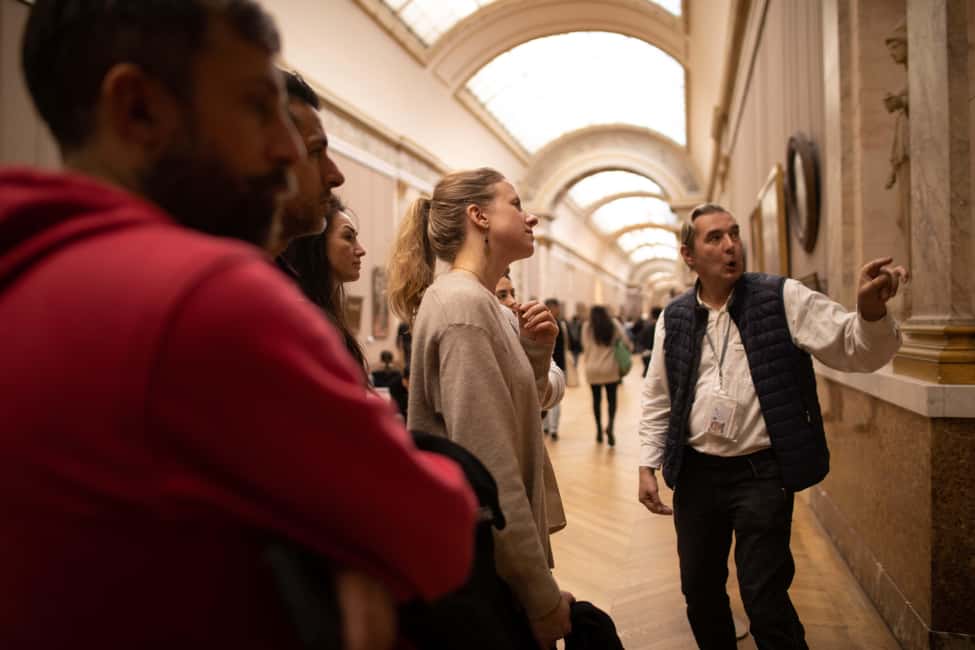
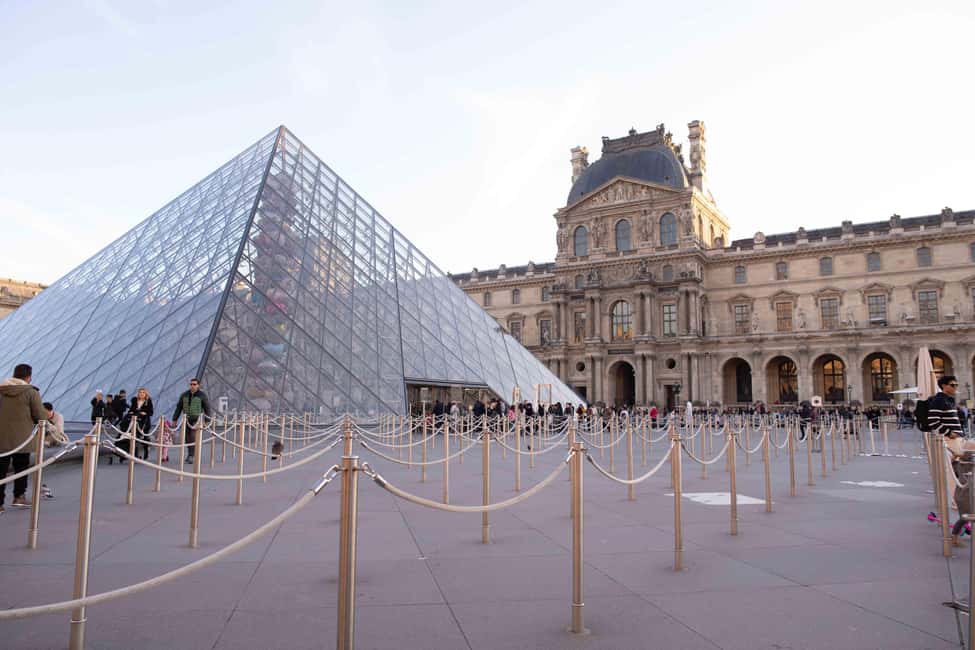
Meet up at the Louvre Museum: under the Louis XIV statue with a horse, in front of the glass pyramid. Your guide will be holding a LivTours sign, so you can spot them quickly.
My practical advice: arrive 10–15 minutes early. At the Louvre, “almost on time” often turns into “walking around while trying to find your guide.” Early arrival gives you time to check where you are, get your bearings, and step into the right spot before the group moves out.
Also, bring a passport or ID card. It’s a small thing, but it saves stress on a security day.
You can also read our reviews of more guided tours in Paris



The route starts with power: Louis XIV to the pyramid
Your tour begins at Louis XIV sous les traits de Marcus Curtius (copy). From there, you pass the Louvre Pyramid before heading into the collection highlights.
This opening is more than geography. It’s a quick reminder that the Louvre isn’t just a museum that appeared out of nowhere. It has roots as a palace and fortress, and the guide’s framing helps you read the building and its artworks with a bit more context.
Even if you’ve seen photos of the pyramid a thousand times, standing near it is useful. It gives you an orientation point so the museum doesn’t feel like one endless corridor after another.
Inside the museum: seeing dozens of highlights without wandering
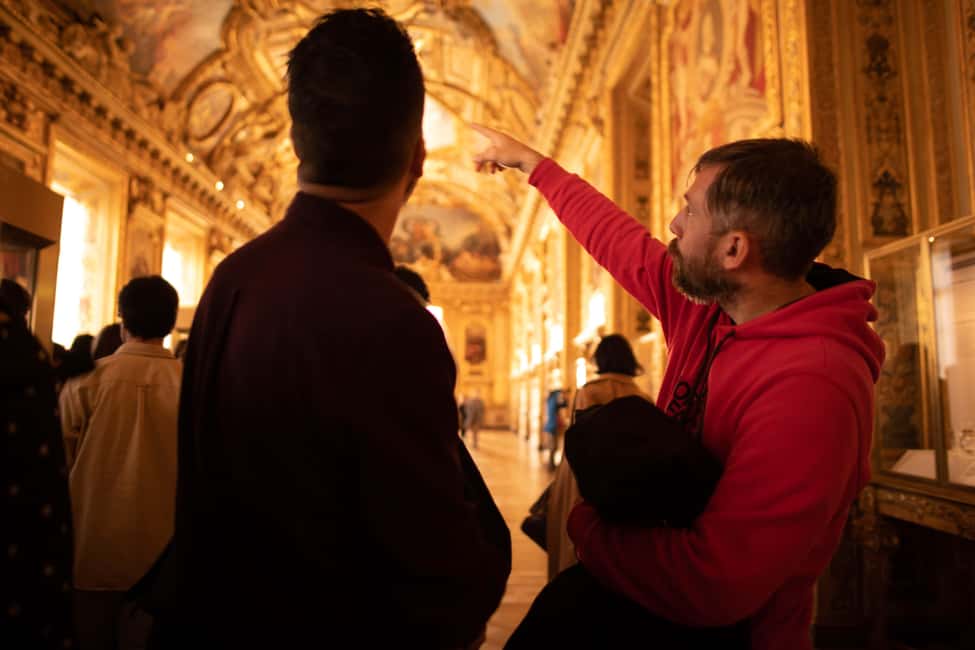
Once you’re inside, you’ll follow a highlights route that covers a lot of ground while staying focused. The tour description emphasizes seeing dozens of the Louvre’s greatest masterpieces, not just squeezing in two stops and calling it a day.
In a large museum, the challenge isn’t access—it’s direction. This is where a guide earns their keep. Instead of you trying to guess what to see first, you’ll get guided pacing: stop, look, understand, move.
The tour also references the Louvre’s long history as a fortress and a royal palace. That kind of framing is helpful because it connects the place to what you’re seeing. You’re not only looking at objects; you’re learning how the museum became the museum.
Mona Lisa: the world’s most famous portrait, with more than a quick glance
Yes, you’re going to see the Mona Lisa. It’s the headline, the reason most people book, and the moment everyone wants to experience in person.
What I like about this setup is that it’s not just a “go look over there” stop. The tour is positioned to stand you in front of the portrait while you learn the story and the context around it. That turns the visit from a checklist item into something more satisfying.
Expect the guide to use the stop to connect ideas—technique, reputation, and why this portrait became a global magnet for art lovers. Even if you’ve read plenty about Leonardo before, having a local guide’s explanations in front of the work can make the whole thing feel sharper.
And because the group is capped at 6, you’re less likely to get crushed into a crowded bottleneck with no chance to hear what’s being said.
Venus de Milo and Greek sculpture that feels more understandable
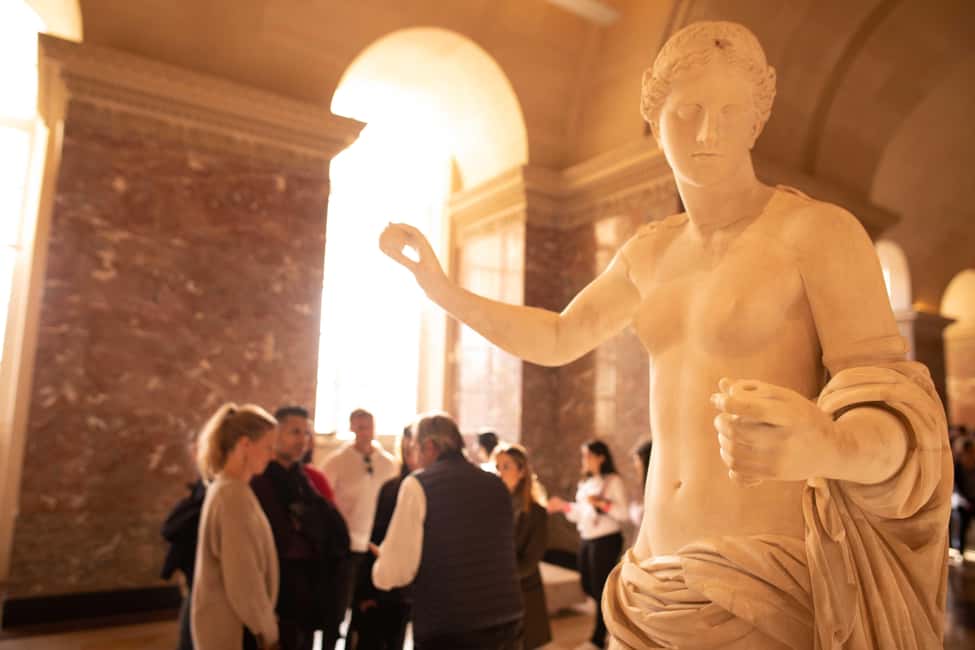
One of the most valuable aspects of a guided Louvre tour is how it helps you decode what you’re looking at. You might recognize the name Venus de Milo, but the guide’s job is to show you why it matters and what to notice once you’re standing in front of it.
This tour explicitly includes Venus de Milo as a highlight, along with other key works. The description also points to Greek sculpture and famous names that show up across the collection.
In practical terms, guided sculpture stops are where the tour can feel especially worth it. Marble can look timeless until someone helps you read it. With a good guide, you start seeing proportions, pose choices, and the cultural importance behind what looks like a simple statue at first glance.
You can also read our reviews of more private tours in Paris






Delacroix, Canova, and the kind of art you’ll want to see again
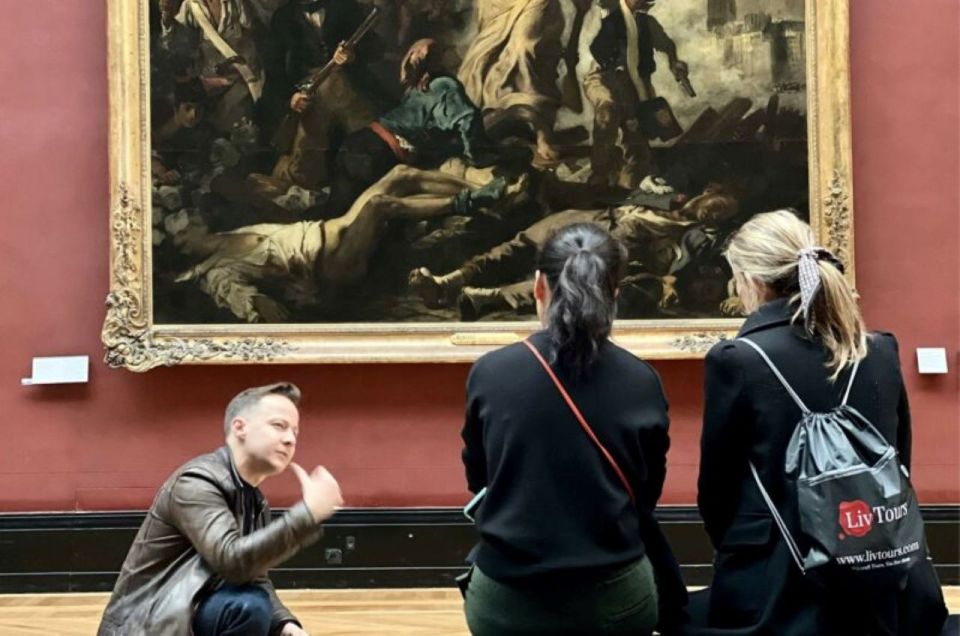
Beyond the ancient world, the tour includes major art figures such as Da Vinci, Canova, and Delacroix. Even if you don’t know every movement name, you can still benefit from hearing what to look for.
Delacroix is mentioned in the tour description, and that’s a good clue about the tour’s range: it’s not only stone sculptures and old portraits. You’ll get a taste of drama and storytelling in painting—exactly the kind of contrast that keeps a Louvre visit from feeling repetitive.
Canova also matters here, because it helps connect the dots between classical influence and how later artists interpreted beauty and form. When you see these names in sequence, the museum feels less like random rooms and more like an unfolding conversation across centuries.
Louvre practicalities: how a max-6 group changes the day
A small group tour sounds nice, but it only helps if it changes your experience. In this case, max 6 is a real advantage for three reasons.
First, it improves communication. With fewer people, your guide can explain more clearly and check in with what you’re interested in. Second, it helps with movement. You’re not competing with a huge crowd for the same space, especially near the most photographed works. Third, it makes the “wait time” feel shorter because you’re usually doing something useful during it—learning or focusing your attention.
The reviews tied to guides also point to this benefit. Some guides named in past bookings, like Nazli and Sara, were described as passionate and good at navigating busy days. Zach was also mentioned for connecting history and techniques, which is exactly the kind of guidance that makes you feel like the ticket did more than pay for entry.
There’s also a reality check. Like any group experience, the guide’s temperament can affect the mood. I did see an account where a tour ended abruptly after frustration involving another participant. It’s not something you should expect, but it’s a reminder that group dynamics exist. If you tend to get stressed by abrupt changes, go in with flexibility.
What you can do after the tour with your ticket
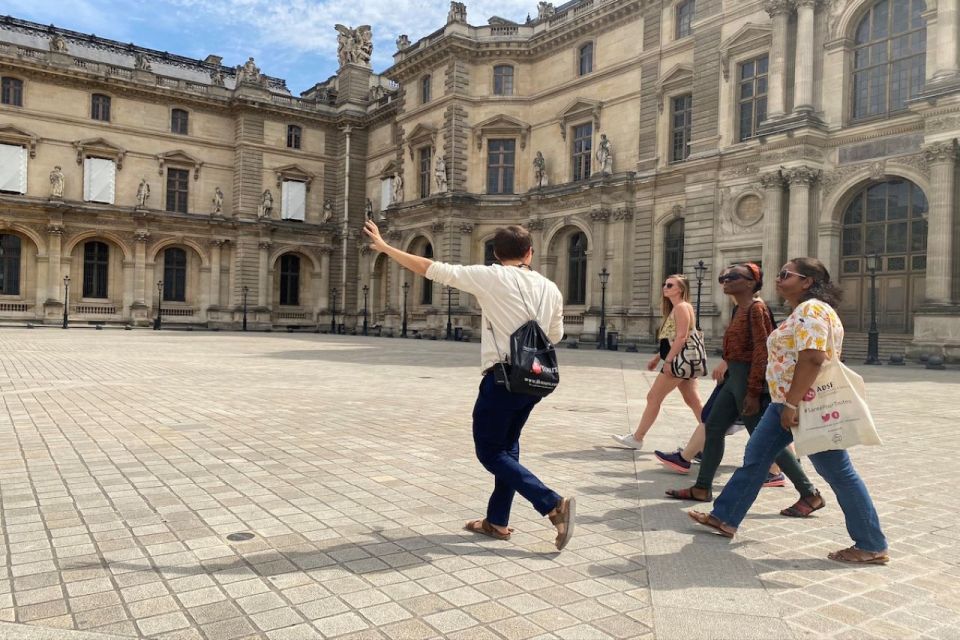
This is one of the smarter parts of the experience: you can stay in the museum after the guided time ends. Your ticket remains valid for more browsing at your leisure.
That matters because it solves a common problem. Guided tours often teach you what to focus on, but then you still want time to roam, re-see, and pick up details you might have missed while the group was moving.
After your guided portion, you can return to the works that grabbed you the most. You can also use the guide’s route as a map for how the museum flows, which saves you from getting lost in rooms that feel interesting but not urgent.
Price and value: is $199 worth it for the Louvre?
At $199 per person, this isn’t a budget option. You’re paying for three things: a professional local guide, entry included, and the semi-private experience that keeps your group small.
Here’s how I’d judge value. If you go to the Louvre “on your own,” the museum’s size can quickly lead to wasted time—circling, guessing, and settling for whatever you stumble into. This tour is designed to reduce that guesswork. In 150 minutes, you can see dozens of major works, plus you’ll leave with context that improves what you see next on your own.
It’s pricey, yes. But if you’re the type who wants your time to mean something—especially on your first or only Louvre day—this kind of guided sprint can feel like money spent where it counts.
If you’re already the confident Louvre self-planner with a strict list and lots of art background, you might not need this level of help. But for most people, the combination of small group + highlights + Mona Lisa focus is exactly the kind of structure that prevents regret.
Tips so your day runs smoothly (and you don’t lose time)
Here’s how to make this tour work for you:
Arrive early and be ready to move. The meeting point is very specific: under the Louis XIV statue with a horse, in front of the glass pyramid, with the LivTours sign.
Wear something comfortable. You’ll cover museum distances, and you’ll probably stand more than you expect, even with short stops.
Decide what you want most before you go. If Mona Lisa is your top priority, you’ll likely care less about checking off every room. If sculpture is your thing, you’ll enjoy the stops like Venus de Milo more. Either way, having a preference helps you get more out of the guide’s explanations.
Bring your ID. It’s required per the tour details, and you don’t want a security check to slow you down.
Who should book this tour (and who might not need it)
This tour is a great match if:
- You want small group attention in one of the world’s busiest art museums.
- You’re visiting the Louvre for the first time or you want a best-of overview.
- You like stories, technique, and context—not only seeing famous names.
You might want to think twice if:
- You’re hoping to spend long hours at a few works only.
- You want a totally self-directed day with no guidance.
- You strongly prefer to avoid any group pacing at all.
Also consider the group dynamic factor. Most experiences will run smoothly, but if you get thrown off by surprises, keep your expectations flexible.
Should you book this Louvre exclusive semi-private tour?
I’d book it if you want the Louvre’s big hits with guidance, in a group of no more than 6 people, for a focused 150-minute window. The Mona Lisa stop, plus the chance to see works like Venus de Milo and learn connections across artists such as Da Vinci, Canova, and Delacroix, is a practical way to get value fast.
If you do book: show up early, pick your top interests ahead of time, and plan to continue exploring after the guided portion. That’s when the tour’s structure pays off most—your guide sets the course, and your ticket lets you wander where curiosity takes you next.
FAQ
Where is the meeting point for the Louvre Museum tour?
You meet at the Louvre Museum under the Louis XIV statue with horse in front of the glass pyramid. The guide will be holding a LivTours sign.
How many people are in the group?
The tour is designed as a safe, intimate semi-private group with a maximum of 6 people.
How long is the guided tour?
The guided portion is listed as 2 hours to 150 minutes.
What languages are available for the live guide?
The guide is available in English, French, Portuguese, Spanish, Russian, and Swedish.
What do I need to bring to the Louvre?
Bring a passport or ID card.
Can I keep visiting the museum after the guided tour?
Yes. Your ticket stays valid after the guided portion, so you can keep visiting the Louvre at your leisure.